Blog

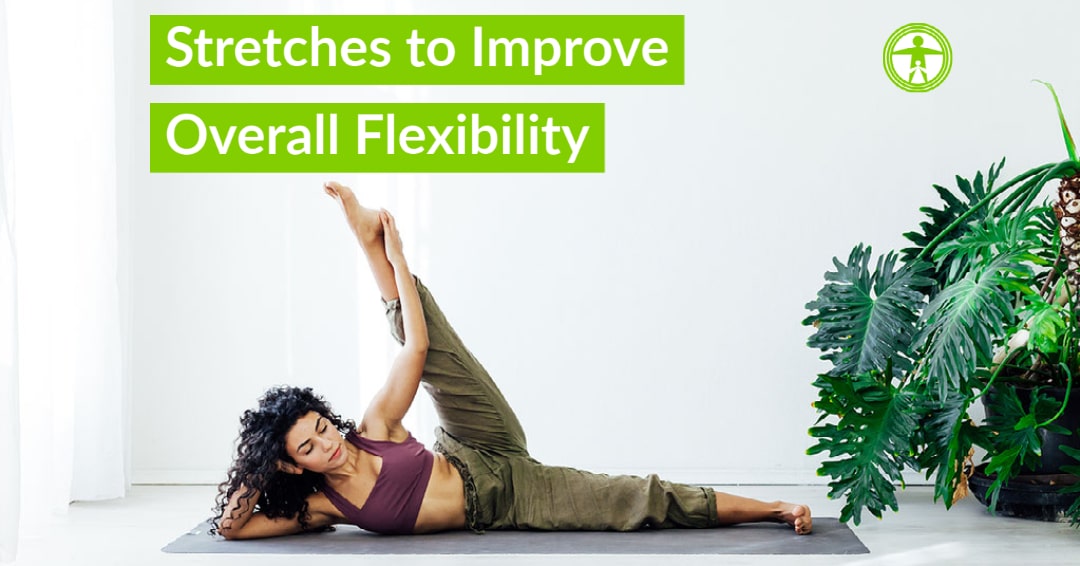
Stretches for Overall Flexibility

The Importance of Flexibility

If you consider touching your toes or performing a full split is all but an impossible fantasy, know that exercises before (and after) your workout combined with proper nutrition, hydration, and lifestyle choices can have a huge impact.

Improving your ability to bend limbs into certain positions is crucial for more than just preventing injury. In fact, flexibility training is an important aspect of gaining strength and size.

Most of us spend our days outside of the gym hunched forward over a computer further deteriorating any chance at proper posture.

And proper flexibility goes hand in hand with full range of motion exercises like squats and deadlifts, which are major muscle builders.

Having tight hips and shoulders can not only inhibit proper form when exercising, but it sets you up for chronic states of pain and muscular dysfunction.

When it comes to maintaining strength and mobility for everyday life, adopting the attitude of the generalist (a little bit of ground based movement, a few exercises that are concentrated strength and mobility exercises, and a little bit of restorative work), will do wonders for most people.

In this article we share a great combination of stretches designed to ease tight muscles throughout your body and help you gradually work toward a full range of motion in your joints.

Do these stretches daily, if possible—or at least two or three times a week.

Over time, you’ll notice real gains in flexibility and how easily you move around.

Single Knee Pull

Primarily stretches the low back, buttocks, and front of the hip

Reps: 2–4

Hold: 10–30 seconds

Starting position: Lie on your back with your legs extended on the floor. Relax your shoulders against the floor.

Movement: Bend your right knee. Grasp the back of your thigh and pull your knee in toward your chest. Flex your left foot and press the thigh and calf of that leg down toward the floor to feel a stretch in the front of your left hip and top of your left thigh. Hold. Return to the starting position and repeat with the other leg. This is one rep.

Tips and techniques:
• Keep your head on the floor and your neck relaxed.
• Keep the foot of your bent leg relaxed.
• For a more challenging stretch, raise your head off of the floor, bring your chin toward your chest, and hold.

austin-chiropractor-single-knee-pull

2. Floor Pretzel

Primarily stretches the buttocks, hip, and outer thigh

Reps: 2–4

Hold: 10–30 seconds

Starting position: Lie on your back with your right knee bent and foot on the floor. Rest your left ankle on your right thigh, just above your right knee. Your left knee should point out to the side, toward the wall. Grasp the back of your right thigh with both hands.

Movement: Slowly lift your right foot off the floor until you feel the stretch in your left hip and buttock. Hold. Return to the starting position. Repeat with your left knee bent and your right ankle resting on your left thigh, just above your left knee. This is one rep.

Tips and techniques:
• Keep your shoulders down and back, relaxing them against the floor.
• Keep your head on the floor and your neck relaxed.
• If it’s too hard to grasp your thigh with both hands, put a strap or small towel around the back of the thigh and hold both ends.

austin-chiropractor-floor-pretzel

Double Knee Torso Rotation

Primarily stretches the back, chest, hips, and outer thighs

Reps: 2–4

Hold: 10–30 seconds

Starting position: Lie on your back with your knees bent and feet together, flat on the floor. Put your arms out comfortably to each side at shoulder level, palms up.

Movement: Tighten your abdominal muscles and lift both knees toward your chest, then lower them together to the left side on the floor. Keeping your shoulders relaxed and pressed into the floor, look in the opposite direction. Feel the stretch across your chest and torso and in your lower back and hip. Hold. Bring both knees back to center and return your right foot, then your left foot, to the floor. Repeat in the opposite direction. This is one rep.

Tips and techniques:
• Try to bring both knees up into the fetal position. Ideally, keep them together throughout the stretch.
• Keep both shoulders flat on the floor. If one lifts up, don’t rotate so far.
• If necessary, put a rolled towel between your knees to make this stretch easier

Child's Pose Three Ways

Primarily stretches the back, shoulders, arms, and sides

Reps: 2–4

Hold: 10–30 seconds in each stretching position

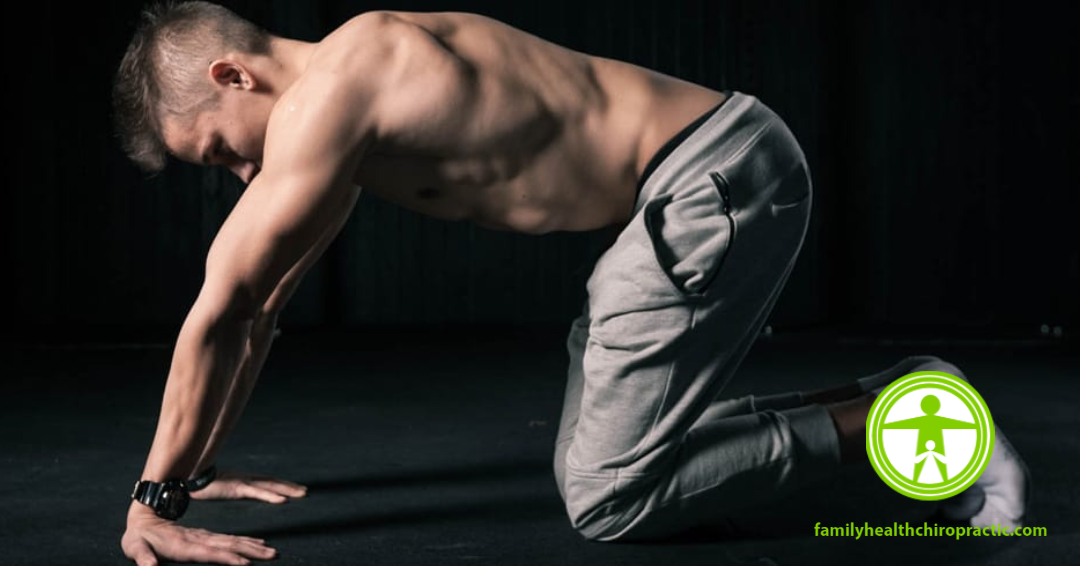
Starting position: Position yourself on all fours, knees hipwidth apart, big toes touching, and head and neck in neutral alignment.

Movement: This is a three-part stretch. Slowly drop your buttocks back toward your heels as you extend your hands in front of you and rest your forehead on the mat. Feel the stretch down your arms, shoulders, and back. Hold. Then walk your hands diagonally out to the right and place your left hand on top of your right hand. Feel the stretch down the left side of your body and your back. Hold. Then walk your hands diagonally out to the left and place your right hand on top of your left hand. Feel the stretch down the right side of your body and your back. Hold. Return to the starting position. That’s one rep.

Tips and techniques:
• Rest your forehead on the mat when holding this stretch.
• Lower your buttocks only as far as feels comfortable. If necessary, place a pillow or towel between your thighs and calves to limit the stretch.
• While holding, take full breaths by inhaling gently through your nose and lengthening the breath as you exhale through your nose.

Cat-Cow

Primarily stretches the back, chest, and abdomen

Reps: 2–4

Hold: 10–30 seconds

Starting position: Position yourself on all fours, knees hipwidth apart. Align your shoulders over your wrists, and your hips over your knees. Keep your head and spine in neutral alignment.

Movement: Slowly arch your back upward like a scared cat as you exhale. Pull your belly button in toward your spine and tuck your chin. Feel the stretch along your back. Hold. Slowly drop your belly, pull your shoulders back, and lift your head up to look forward as you inhale. Feel the stretch across your chest and down the front of your torso. Hold. Slowly return to the starting position.

Tips and techniques:
• The slow movements of this stretch are like a wave of your spine.
• Don’t strain your neck by looking up too high.
• While holding, take full breaths by inhaling gently through your nose and lengthening the breath as you exhale through your nose.

austin-chiropractor-cat-cow-1

Downward Dog

Primarily stretches the back, hips, hamstrings, calves, shoulders, and chest

Reps: 2–4

Hold: 10–30 seconds

Starting position: Position yourself on all fours, hands shoulder- width apart, knees hip-width apart, and fingers extended. Align your shoulders over your wrists, and your hips over your knees. Keep your head and spine in neutral alignment.

Movement: Exhale as you lift your knees off the floor, straightening your legs without locking your knees. While maintaining a neutral neck and spine, align your ears with your biceps (upper arms). Try to keep your weight evenly distributed between your hands and feet. Press your heels down toward the floor, if possible, while keeping your shoulders down and rolled back. Feel the stretch down the backs of your legs, throughout your back, and into your shoulders and arms. Hold. Return to the starting position.

Tips and techniques:
• Soften your elbows and keep your shoulders down and rolled back as you lengthen your spine. Brace your abdominal muscles throughout.
• If necessary, bend your knees slightly and let your heels come up off the floor.
• While holding, take full breaths by inhaling gently through your nose and lengthening the breath as you exhale through your nose.

Kneeling Hip Flexor Stretch

Primarily stretches the front of the hip and thigh

Reps: 2–4

Hold: 10–30 seconds

Starting position: Kneel with your hands at your sides.

Movement: Put your right leg in front of you with the knee bent at a 90-degree angle and foot flat on the floor. Place your hands on your right thigh for support. Lean forward, pressing into the hip of your left leg while keeping your right foot on the floor. Feel the stretch in the front of your left thigh and hip. Hold. Return to the starting position, then repeat with your left leg forward. This is one rep.

Tips and techniques:
• Keep your front knee over your ankle, not jutting out past your toes.
• Keep your head and spine neutral, your shoulders down and back, and your abdominal muscles tightened.
• Keep your pelvis tilted forward (tailbone tucked under), rather than letting it tip back (tailbone lifted).

Full-Body Stretch w/Strap

Primarily stretches the upper body, abdominal muscles, and lower body

Reps: 2–4

Hold: 10–30 seconds

Starting position: Lie on your back with both legs extended. Hold the strap shoulder-distance apart with both hands by your hips.

Movement: Slowly lift the strap up toward the ceiling, then over your head and down toward the floor behind you. Imagine you are trying to reach your hands to the wall behind you and your feet to the wall in front of you. Feel the stretch throughout your body. Hold. Return to the starting position.

Tips and techniques:
• Keep your feet together and point your toes.
• Keep your shoulders down as you reach overhead. Don’t let them scrunch up toward your ears.
• If you cannot comfortably bring your arms down to the floor when reaching overhead, try placing a pillow above your head and pressing the backs of your arms into it.

Seated Chest Stretch

Primarily stretches the chest and shoulders

Reps: 2–4

Hold: 10–30 seconds

Starting position: Sit up straight facing sideways in a chair without arms.

Movement: Roll your shoulders down and back. Clasp your hands behind you, intertwining your fingers so your palms face you. Gently lift your hands toward the ceiling to the point of tightness. Feel the stretch in the front of your shoulders and across your chest. Hold. Slowly return to the starting position.

Tips and techniques:
• Look straight ahead, keeping your chin level with the floor.
• Keep your shoulders down and back, away from your ears, during the stretch.
• Don’t lean forward as you lift.

Stretches for Overall Flexibility2026-04-26T11:13:29-05:00

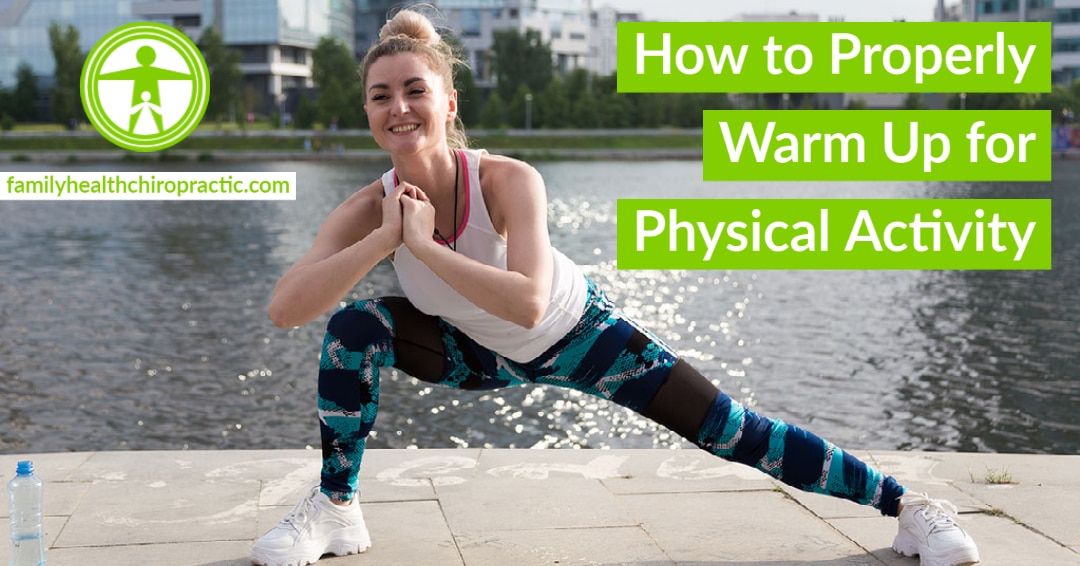
How to Properly Warm Up for Physical Activity

The Importance of Warming Up, Not Stretching

Previously, we discussed different types of stretching as well as how to stretch safely.

In this article we are going to share additional information regarding dynamic stretching and how it can impact your performance.

When done correctly, a warm-up enhances your physical performance by helping you limber up and get blood flowing to your muscles.

Current evidence suggests that the type of stretches you do and more specifically, when you do them, can help or even hurt your body.

Runners, for example, are known to warm up with a string of static hamstring and quadriceps stretches. Static stretches are the type of stretches we do when we bend over and hold a position for a few seconds or minutes.

While static stretching can be useful in terms of improving flexibility and mobility; it could hinder performance.

Current studies advise skipping pre-sport static stretches, which have been shown to undercut performance in activities that require running, jumping, and other explosive movements.

A 2013 meta-analysis of more than 100 studies on different types of athletes showed that doing static stretches before sports cut muscle strength by roughly 5% and explosive power by 2%. While this is not a major difference, it’s certainly enough to affect performance.

In a 2019 study, people who performed static stretches immediately before doing resistance training executed fewer reps during their workouts than those who did no stretching before working out, possibly because their muscle fibers were fatigued and may not have contracted as efficiently. And over the course of 10 weeks, the no-stretching group built more muscle than the stretching group, probably due to the fact that the no-stretching group lifted more weight – yet another reason to save static stretching until after your workout.

All that said, it seems apparent that holding static stretches multiple times for 30 seconds won’t help your game, but should be incorporated to improve flexibility. In fact, it’s particularly detrimental to the hamstrings before a run, or to calves before trying to jump.

So instead of the stereotypical types of stretching you can do, try warming up muscles and bringing joints through a range of motion with dynamic movements, including dynamic stretches.

safety first for stretching

Warming Up Muscles & Waking Up Nerves

A growing field of research in physical performance suggests neuromuscular training may have a role to play in sports that require jumps, quick stops, and sudden shifts in direction, such as basketball, soccer, and skiing.

A burgeoning field of research suggests neuromuscular training may have a role to play in sports that require jumps, quick stops, and sudden shifts in direction, such as basketball, soccer, and skiing.

Typically, neuromuscular training amounts to a pregame warm-up involving stretching, strengthening, and balance exercises, plus drills designed to enhance agility and reinforce good form when stopping short, changing direction, and landing.

The movement patterns chosen for neuromuscular training echo those used in a particular sport to facilitate coordination – or, as some trainers put it, movements that “wake up” the nerves and brain.

A 2012 review of studies in BMC Medicine found that consistently applying such strategies for three months or more reduced lower-limb injuries in young, amateur, and female athletes and in military recruits of both genders.

According to a recent review and meta-analysis of nine studies, a specially designed neuromuscular warm-up program for soccer players reduced risk of injury by 20% to 50%.

This type of training has also been shown to reduce the risk of knee injuries in females, who are more likely to suffer from this type of injury for a variety of reasons, including their anatomy.

At the most basic level, Chiropractic adjustments enhance the connections between your brain (cerebellum) and motor units (muscles).

One study shows that a single session of chiropractic manipulation results in a 64.2% increase in strength of weak plantarflexion muscles. Another study shows that chiropractic care increases reaction time by 25% in healthy individuals and 19% in individuals with chronic pain.

These changes were not created by a direct effect on the muscle fibers or spinal nerves, but the cortex and cerebellum via one single chiropractic adjustment.

The role chiropractors play in muscle health and physical performance is two-fold:

  1. A chiropractic adjustment creates neuroplastic changes that can increase strength and reaction time as well as decrease pain and dysfunction.
  2. By correcting and improving your posture and training your body to increase strength, flexibility and proper movement patterns.
when to check with a doctor

How to Start Practicing Dynamic Stretching

Unlike many neuromuscular training programs designed for athletes, a general dynamic stretch routine is designed for the widest possible audience.

A good dynamic stretching routine should move your body in three ways: forward and backward, side to side, and through rotations.

The goal is to loosen up joints to increase your range of motion and warm up tissues throughout the body, which helps cells to get the oxygen and energy demanded by any physical endeavor.

Perform each of the following six dynamic stretches 10 to 20 times, followed by four arm sweeps. During each dynamic stretch, go from smaller movements to larger movements, to gradually increase range of motion.

Shoulder Rolls

Stand up straight with your feet hip-width apart and arms at your sides. Roll your shoulders up, back, and down. Your thumbs point forward as you start the move. Palms point forward, elbows slightly bent, as you finish each shoulder roll.

shoulder roll 1

Overhead Reach

Stand up straight with your feet hip-width apart. Reach toward the ceiling with your right arm, while shifting your weight from your right foot to your left foot and tapping the toes of the right foot. Repeat on the left.

overhead reach 1 overhead reach 2

Torso Rotation with a Reach

Stand up straight with your feet hip-width apart. Reach toward the left wall with your right arm and then the right wall with your left arm, while shifting your weight with each change of direction. Tap your toes with each shift.
torso rotation 1 torso rotation 2

Hamstring Curls

Stand up straight with your feet hip-width apart. Alternately bend your right knee and then your left, bringing your right foot and then your left foot toward your buttocks. Press your arms backward as you do so.

hamstring curls 1 hamstring curls 2

Shallow Side Lunges

Stand up straight with your feet in a wide stance, toes pointing forward. Alternate shallow side lunges to the right and the left, hinging forward at the hip and bringing both hands to your upper thigh on the lunge.

shallow side lunge 1 shallow side lunge 2

Knee Lifts

Stand up straight with your feet together. Lift your right knee and then your left knee, touching both hands to the knee being lifted. For a more challenging dynamic stretch, lift your knee high enough to grasp the top of your shin with your hands and pull your leg gently in toward your body, then release it.

high knees 1 high knees 2

Repeat the above sequence of dynamic stretches for about five to eight minutes, rolling each stretch into the next one. Start over again as needed to fill the time you’ve allotted.

You can always add a sports specific move to the routine: for example, a golf or tennis swing, or a series of shallow to deeper jump squats to ready the body for basketball. If you do this, go slowly and deliberately through the first few reps, then pick up your pace, always focusing on correct form.

Finally, if you have trouble with balance, you can put one hand on the back of a chair or a counter. It’s even possible to do most of these movements while seated.

health professionals for stretching

Dynamic Stretching Improves Performance

Dynamic stretches are active movements where joints and muscles go through a full range of motion. They should be used to help warm up your body before exercising.

Dynamic stretches are meant to get the body moving. The stretches aren’t held for any length of time as in static stretching.

Dynamic stretches include movement, such as lunges with a torso twist. Static stretches, on the other hand, are where muscles are extended and held for a period of time.

The next time you exercise or play sports, try adding dynamic stretches rather than static stretces to your warmup. You may find your body feels more energized, stretched out, and ready to power you through your workout.

How to Properly Warm Up for Physical Activity2026-04-26T11:13:29-05:00

6 Tips for Safe Stretching

When Stretching: Safety First!

It's ironic when a new patient comes into our office for their initial Chiropractic Examination and we identify that the initial cause of their problem was stretching.

Certainly, stretching is important for back pain prevention, but if you're new to stretching or it's been a while since you've stretched a particular muscle group, you're in a vulnerable position to cause more harm than good.

So while it's tempting to skip right to stretches for back pain or neck pain, it's best to think about safety first.

In this article, I'm going to share with you key concepts on the safety of stretching and 6 specific tips for safe stretches.

safety first for stretching

When to Check with a Doctor

As simple as stretching may seem, there are certainly signs and symptoms of pain following stretching that would suggest a visit to your doctor.

Of course, if you're an active individual and experienced with different types of stretching methods, this doesn't apply to you.

But its best to check with your doctor first if any of the following apply to you:

  • You've had a recent surgery. Depending on the type, extent, and location of the surgery, you may need to limit stretching of the involved area until the soft tissues are healed. Ask your surgeon if there are any stretches or other activities that you should avoid or modify temporarily.
  • You’ve been experiencing significant pain. While stretches may help decrease soreness, you might find them difficult to carry out if you have sharp pain. Check with a medical professional before starting your program.
  • You have a chronic or unstable health condition, such as heart disease, breathing problems, high blood pressure, or diabetes.

Major Warning Signs

Generally speaking, stretching is super safe. However, there are some warning signs that you should never ignore during or after any form of physical activity.

These red flags or warning signs include:

  • upper-body discomfort, including chest pain, aching, burning, tightness, or a feeling of uncomfortable fullness
  • wheezing or shortness of breath that takes longer than five minutes to go away
  • faintness or loss of consciousness
  • sudden, sharp, or intense pain in bones or joints
  • in hot, humid weather, signs of overheating, such as headache, dizziness, nausea, faintness, cramps, or palpitations

These warning signs pertain to any kind of exercise, including strength training and aerobic exercise.

Persistent or intense muscle pain that starts during a workout or right afterward, or muscle soreness that lasts more than one to two weeks, also merits a call to your doctor. (This is in contrast to normal muscle soreness, which starts 12 to 48 hours after a workout and gradually improves.)

You should also call your doctor if the routine you’ve been doing for a while without discomfort starts to cause you pain.

when to check with a doctor

Health Pro's that Can Help Guide You

Team work makes the Dream Work!

If you need to tailor our stretches to your needs, various health or fitness professionals can help.

Here is a brief description of the skills offered by, and training required of, the different types of experts.

Doctors of Chiropractic

Anyone who has ever visited a chiropractor knows the importance of stretching. Surely almost every chiropractic doctor will recommend stretching as part of your daily routine, in order to keep your muscles and spine limber and keep the blood flowing.

When an adjustment is performed, the blood circulates and patients must maintain this between visits. If your chiropractor has not discussed at-home stretching in detail or you have gotten a bit rusty, then you're not getting the full benefit of your chiropractic adjustment.

Physiatrists (Physical Medicine Doctor)

Physiatrists, also known as physical medicine and rehabilitation physicians, are board-certified medical doctors who specialize in treating nerve, muscle, and bone conditions. They are among the sports medicine specialists who can diagnose and treat conditions and injuries that affect how you move, such as back problems, knee or shoulder injuries, debilitating arthritis or obesity, and stroke.

Physical Therapists

Physical therapists (PTs) help people with health conditions or injuries affecting muscles, joints, bones, or nerves by providing hands-on treatment and individualized exercise programs to restore movement in painful or debilitating conditions, or after an injury. Their expertise can be valuable, for instance, if you have suffered a lingering sprain or are recovering from a hip replacement or heart attack. Some PTs specialize in sports medicine, orthopedics, cardiopulmonary rehabilitation, geriatrics, or other areas.

Personal Trainers

Personal trainers are fitness specialists who can help ensure that you’re doing stretches and exercises properly. While encouraging and motivating you, they can fine-tune your form. Personal trainers teach new skills, change up routines to beat boredom, and safely push you to the next level.

health professionals for stretching

6 Tips for Safe Stretches

Everyone – with medical conditions or not – should use these tips to help protect muscles and joints while
ensuring flexibility gains.

  1. Warm up first. Much like taffy or silly putty, muscles stretch more easily when warm. Our dynamic stretches can act as a warm-up for static stretches, or you can do static stretches after sports, exercise, or even marching in place with arms swinging for five minutes or dancing to a few songs. Moist heat packs or a warm shower are effective as well.
  2. Feel no pain. Stretch only to the point of mild tension, never to the point of pain. If a stretch hurts, stop immediately! Reset your position carefully after checking the instructions, then try again. With time and practice, your flexibility will improve.
  3. Pay attention to posture and good form. Posture counts whether you’re sitting, standing, or moving. Good form translates to better gains in flexibility and less likelihood of injury when stretching tight muscles. Photos of stretches tell only part of the story, so read instructions carefully to get form right.
  4. Focus on the muscle being stretched. You’ll notice that one side of your body often is tighter than the other. Work on balancing this over time.
  5. Breathe. Breathe comfortably while stretching, or use yoga breathing. Whatever you do, don’t hold your breath while you are holding a stretch.
  6. Practice often. You’ll make the best gains if you stretch frequently—daily, or on as many days of the week as possible. At the very least, aim to do stretches two or three times a week.
6 tips for effective and safe stretching

Stretching Improves Your Chiropractic Care 

Arthritis, stiff backs, sore knees and tight shoulders can all suck the joy out of our lives when we experience it daily.

Stretching can help; especially when tight muscles are to blame.

Doctors of Chiropractic often prescribe stretching as part of a treatment plan to help maintain or reclaim abilities and ease discomfort.

Even if you don’t have a medical condition, you may be suffering from tight muscles that keep you from feeling your best. They can pull your body offkilter, and long hours spent at a desk—or staring down at tablet screens—may cause pain, too.

So if you're experiencing aches and pains and you're not regularly stretching, it very well could be the missing piece on your road to recovery.

6 Tips for Safe Stretching2026-04-26T11:13:29-05:00

All About Stretching

Stretching: The Basics

Everyone knows that stretching is important for their health – yet most Americans refuse to spend enough time doing it.

Or, if people do stretch, they often don't stretch all of their muscles groups – or the specific muscle groups they need to be stretching.

In many cases, people even stretch in a way that actually causes more harm than good.

That's why I'm going to spend some time sharing the basics of stretching such as

  • Why you should stretch
  • Different types of stretching you can do for health
  • Guidelines for proper stretching to prevent injury

Why Should You Stretch?

Stretching improves flexibility and flexibility determines your ability to move (mobility) and even contributes to force production (strength).

Stretching is important at any age. Stretching also helps to improve physical function.

For example, when our hamstrings and hip flexors are too tight, they can hamper basic movements like walking and running.

When muscles are tight – a common result of the modern living environment – you’re not able to fully extend and your movements become shortened and less powerful.

Tight hamstrings have been implicated in chronic low back pain, because they change the tilt of the pelvis, placing more pressure on the joints in the lower back.

But loss of flexibility isn't simply a problem for back pain.

For anyone who plays sports or works out, tight muscles contribute to muscle strains, knee pain, and diminished performance.

As you work your way up and down the body, many more examples come to mind:

  • Tight ankle and calf muscles contribute to loss of balance.
  • Tight arm and side muscles impact any task or sport involving reaching.
  • Tight neck muscles make it hard to look behind you.
  • Being inflexible contributes to your poor posture.

Tight chest muscles can pull your shoulders forward, giving you a hunched silhouette instead of a longer, slimmer looking one.

This is exactly why as you age, stretching becomes even more important.

The truth is, your joints become less flexible over time.

And this inflexibility puts a crimp in daily activities, making it harder to walk, raise your arms overhead, or turn your head while backing up the car.

why stretch

Types of Stretches

Most people are surprised to learn that there are multiple types of stretches.

The two most common types of stretches are static and dynamic stretching. These two types of stretches provide the simplest, safest route to flexibility for most people.

Static Stretching

Static stretching is what most think about when stretching.

Static stretching is when you hold a position that stretches a muscle or group of muscles for a given period of time.

Static stretches can be active or passive, though passive stretches are by far the most common.

Contrary to popular belief, you should not perform static stretching before exercise.

Dynamic Stretching

Dynamic stretches involve movement.

Dynamic stretching is when you take specific muscles and joints through their normal range of motion, from one position to another, to loosen up the joints and stretch the muscles.

The action is smooth and controlled and often mimics a sports motion, such as a golf swing or arm swings.

While static stretches should not be performed before exercising, dynamic stretches are beneficial and help warm up the body.

Ballistic Stretching

Many people try to go deeper into a stretch by adopting a stretch position, then bouncing extend muscle length and range of motion.

Stretches like these are called ballistic stretches.

It works by triggering the stretch reflex: resistance prompted by specialized nerves, forcing a lengthening muscle to contract.

Ballistic stretching is great for athletes, who must perform quick, powerful actions.

However, ballistic stretches go beyond an individual’s normal range of motion and can injure muscles if not done correctly.

For this reason I do not recommend this type of stretching for most people.

Active Isolated Stretching

Active isolated stretching is usually performed in reps and sets, just as strength exercises.

With active isolated stretching, instead of holding a stretch for 30 to 60 seconds, you hold it for only two seconds, slowly release it, and
repeat several times.

The idea is that each time you resume the stretch you are able to stretch a little farther than the time before.

Proprioceptive Neuromuscular Facilitation 

Proprioceptive neuromuscular facilitation, or PNF, is favored by some exercise and rehabilitation experts, who believe it enhances range of motion more than other approaches to stretching.

But unlike static stretches, which can be done safely by anyone, PNF is best done with a partner and requires advanced training.

PNF takes a two-step approach. It starts with isometric contraction of the muscle that opposes the one you want to stretch. (To do an isometric contraction, you press against an immovable object, like a partner, so that the muscle activates without lengthening or shortening.)

Then you follow with a passive static stretch of the target muscle, usually applied by a partner who focuses on moving a joint through its range of motion.

Because PNF stretches are generally done with a partner and require expertise to perform safely, we recommend that anyone interested in learning these stretches should work one-on-one with an experienced trainer or physical therapist.

Foam Rolling

While not technically a type of stretching, foam rolling may be another way to improve flexibility by loosening up fascia, the thin sheath of tissue surrounding each of your muscles.

Foam rolling is a form of selfmyofascial release (SMR), in which you loosen fascia by rolling parts of your body over a cylindrical piece of high-density foam. (Tennis or lacrosse balls can also be used for this purpose.)

How Often and How Much Should You Stretch?

How often should you stretch?

How long should you hold a stretch?

And how many repetitions (reps) of each stretch should you do?

While stretching has been studied much less rigorously than other forms of exercise – here's a current consensus among experts:

  1. Healthy adults should do flexibility exercises (stretches, yoga, or tai chi) for all major muscle-tendon groups—neck, shoulders, chest, trunk, lower back, hips, legs, and ankles—at least two to three times a week.
  2. For optimal results, spend a total of 60 seconds on
    each stretching exercise. So, if you can hold a particular stretch for 15 seconds, repeating it three more times would be optimal. If you can hold the stretch for 20 seconds, two more repetitions would suffice.
chiropractor for back pain

Stretching Improves Your Chiropractic Care 

Anyone who has ever visited a chiropractor should know about the importance of stretching.

Surely almost every chiropractic doctor will recommend stretching as part of a care plan.

A primary goal of chiropractic care is to improve flexibility, mobility and blood flow.

When an adjustment is performed, blood circulates and stretching can help to maintain blood flow between visits.

All About Stretching2026-04-26T11:13:30-05:00

When to Worry About Neck Pain

Neck Pain Can Be Scary

When we experience pain in our neck, mid back or low back – it's often scarier than other forms of pain.

As amazing as the human body is, in a modern world, the neck and back is vulnerable and when it hurts – our body literally seems to shut down. And yet most spinal pain does not have a serious cause.

When it comes to neck pain specifically, the bark is usually louder than the bite.

In this article I share a few concepts to help you understand the difference between serious neck pain and less serious causes of neck pain.

Of course, if you've been in an accident recently or experienced a trauma that caused sudden neck pain – get seen by a doctor immediately.

However, if your neck pain started due to non-emergency reasons, this is a good place to get some reassurance and decide whether or not to talk to a doctor.

neck pain can be scary

The Red Flags of Neck Pain

Neck pain is usually not going to be caused by more serious conditions.

But every once in a while, neck pain could be a warning sign of something bigger including signs of cancer, infection, autoimmune disease, or some kind of structural problem like spinal cord injury or a threat to an important blood vessel.

This is why knowing the red flags of neck pain are so important.

Three Red Flags of Neck Pain:

  1. it’s been bothering you for more than 6 weeks
  2. it’s severe and/or not improving, or actually getting worse
  3. there is at least one other “red flag” (see below)

Before proceeding to the other red flags, I just want to remind you – if your neck pain started from a sudden blow, blunt force trauma or collision injury, then you should get checked right away!

I cannot tell you how many times we've had patients come in for exams and their necks were a wreck due to collision injuries that they had in the past and never treated appropriately.

Several more red flags for neck pain: 

The more red flags you have below, the faster you should get checked by a doctor or chiropractor who understands how the spine works.

  • Tapping on the spine is painful.
  • Weight loss without dieting.
  • Mystery fevers and/or chills (especially in diabetic patients).
  • A ferocious headache, and/or an inability to bend the head forward, and/or fever, and/or altered mental state are all symptoms of meningitis (inflammation of the membranes covering the brain and spinal cord, caused by infection or drug side effects).
  • A severe headache that comes on suddenly
  • Severe, sudden neck pain (throbbing or constrictive) may be caused by an artery tear. Pain is the only symptom of some tears. Most but not all cases are sudden, on one side, and cause both neck and head pain (in the temple or back the skull), but the pain is usually strange. Any hint of other symptoms? Go to the ER.
  • There are many possible signs of spinal cord trouble in the neck, with or without neck pain, mostly affecting the limbs in surprisingly vague ways that can have other causes: poor hand coordination; weakness, “heavy” feelings, and atrophy; diffuse numbness; shooting pains in the limbs (especially when bending the head forward); an awkward gait. Sometimes people have both neck pain and more remote symptoms without realizing they are related.
  • Unexplained episodes of dizziness and/or nausea and vomiting may indicate a problem with stability of the upper cervical spine.
  • Steroid use, other drug abuse, and HIV are all risk factors for a serious cause of neck pain.
  • The main signs that neck pain might be caused by autoimmune disease specifically include: a family history of autoimmune disease, gradual but progressive increase in symptoms before the age of 40, marked morning stiffness, pain in other joints as well as the low back, rashes, difficult digestion, irritated eyes, and discharge from the urethra.

Arthritis Sucks, But It's Nothing to Fear

One of the most common concerns about neck pain that shouldn't be worrisome are the signs of “wear and tear” on the cervical spine such as arthritis and degenerative disc disease.

X-ray studies, CT scans, and MRI's have proven that arthritis is common, even in the absence of symptoms.

Many people who have clear signs of arthritic degeneration in their spines will never have any symptoms, or only minor, and/or not for a long time.

For instance, about 50% of “over 40 year olds” have clinically silent disk bulges, and even at age 20 there’s a surprising amount of spinal arthritis. The seriousness of these signs is routinely overestimated by patients and healthcare professionals alike.

Signs of arthritis are almost never diagnostic on their own, so don't blame a disc bulge too quickly.

In fact, do yourself a favor: don’t assume that you have a serious problem based only on pain plus signs of arthritis or MRI's that state you have “bulges” or small “herniations”.

Pain is common; serious degeneration is not.

Here's a table sharing some findings of spine degeneration at different ages; all without any pain.

Percentages of people with various kinds of spinal degeneration but no pain.
Source: Brinjikji et al
Imaging finding Age
20 30 40 50 60 70 80
Disc degeneration 37% 52% 68% 80% 88% 93% 96%
Disk height loss 24% 34% 45% 56% 67% 76% 84%
Disk bulge 30% 40% 50% 60% 69% 77% 84%
Disk protrusion 29% 31% 33% 36% 38% 40% 43%
Annular fissure 19% 20% 22% 23% 25% 27% 29%
Facet degeneration 4% 9% 18% 32% 50% 69% 83%

Neck Pain that is Sharp, Stabbing and Shooting

Sharp neck pain is not in itself a red flag.

In fact, and I know this is going to seem odd, but sharp pains are actually a bit reassuring when it comes to the more serious issues of neck pain, despite how they feel.

By itself — with no other obvious problems — sharp, stabbing and shooting neck pain is usually due to a condition that indicates you just have a temporary, minor source of irritation in the cervical spine.

Serious causes of neck pain like infections, tumors, and spinal cord problems tend to grind you down with throbbing pains, not “stab” you.

Sharp, shooting pains are mostly neurological fire alarms signalling trivial non-emergency musculoskeletal troubles.

It's basically your brain being overly-protective to real, but all too often trivial irritations in and around the spine.

The brain takes these much more seriously than it really needs to, but evolution has honed us to be oversensitive in this way.

That’s not to say that the brain is always over-reacting, but it usually is.

The cervical spine is also surrounded by a thick, tangled web of nerves.

In general, those nerves are amazingly difficult to irritate, much harder than people think, but it’s not impossible.

Many sharp and shooting neck pains are probably caused by minor neuropathy (pain from nerve irritation) that calms down over several days or a few weeks at the worst.

Yes, it’s unpleasant, but more often than not, nothing to be too concerned over.

chiropractor for back pain

Chiropractic Care for Neck Pain

The neck is – along with the low back, shoulders and knees – vulnerable to bouts of unexplained pain.

In most cases, the pain goes away on its own.

Pain is weird and unpredictable, and is often the result of the brain being overprotective and paranoid.

Worrying about the pain may be literally the worst thing you can do — not just a poor coping mechanism, but a genuine risk factor.

Like noise pollution, the more you focus on it, the worse it gets.

But if your neck pain is not going away and it's becoming more and more of a concern, consider visiting your local chiropractor to get it properly checked.

When to Worry About Neck Pain2026-04-26T11:13:30-05:00

What Type of Doctor Should I See for Back Pain?

Back Pain Always Has a Cause

When it comes to back pain, most people will receive poor advice that remains a barrier to their recovery.
Because of poor advice, many back pain sufferers remain in pain unnecessarily.
Some receive pain-numbing medication that does not stop the cause of pain. Others are told that they must learn to live with the pain, rather than being shown why they have back pain along with a roadmap of the steps to reduce it.
The truth is, when most people have back pain, they visit doctors or healthcare practitioners who are not qualified to actually treat it.
Back Pain is complex and the pain mechanisms are vast.
Some of the primary reasons people have failed previous approaches to treating their back pain include:
  • They were give pain medications that simply cover up pain and do not address the primary problem.
  • They were given inappropriate exercises, or there were barriers to relief that were not understood and addressed.
  • They did not undergo proper testing and assessing.
back pain has a cause

Where To Start With Back Pain?

Low back pain is one of the most common complaints on the planet.

And when someone starts experiencing back pain it can be so frightening that we immediately want an expert that will somehow magically get rid of it.

Unfortunately, there's just no unicorns and rainbows when it comes to solving back pain.

Realize that most back pain will resolve on its own. What I'm saying here is that your major ache or tweaked out back doesn't require a specialist in most cases.

Some of the most common causes of acute or sudden back pain include an injury:

  • to a muscle or tendon (a strain)
  • to a back ligament (a sprain)
  • to a bulging disc (basically a sprained disc that swells and irritates nerves).

And the reality is, many of these issues will eventually resolve on their own.

In my personal opinion, the first time someone starts to experience back pain, they should immediately start doing back extension exercises.

I would continue to do back extensions every 3-4 hours throughout the day for at least 3 days.

And if you notice that you're feeling better, continue for another 1-2 weeks.

But if your low back pain doesn't improve, then maybe there is something more serious happening.

More serious causes of back pain include:

  • a narrowing of the spinal canal (spinal stenosis)
  • disc tears or herniations
  • severe degenerative joint disease
  • severe degenerative disc disease
  • spinal infections

So if your back pain doesn't improve with back extensions and modified activities, then you'd want to consider someone who is qualified to properly assess the situation.

Best Doctors For Back Pain

Since you shouldn't try to diagnose your own back pain, make your first call to a professional who can assess your problem, such as a primary care physician or a chiropractor.

Both can serve as an entry point for back pain.

Generally speaking, your primary care provider will only offer pain medications or injections designed to reduce pain, but not necessarily correct the issue.

Chiropractors on the other hand, have much more training when it comes to addressing back pain.

A chiropractors training contains over 150 more hours of education in biomechanics, while medical students learn more about pharmaceuticals.

Chiropractors use posture exercises and hands-on spinal manipulation to relieve back pain, improve function, and help the body heal itself.

According to Harvard Health, the most positive research on chiropractic therapy has focused on spinal manipulation for low back pain.

Here's a few quotes including the scientific journal reference discussing chiropractic care for back pain:

“For patients with chronic low back pain, clinicians and patients should initially select non-pharmacologic treatment with exercise, multidisciplinary rehabilitation, acupuncture, mindfulness-based stress reduction (moderate-quality evidence), tai chi, yoga, motor control exercise, progressive relaxation, electromyography biofeedback, low-level laser therapy, operant therapy, cognitive behavioral therapy, or spinal manipulation (low-quality evidence).”

          American College of Physicians (2017)

“[Chiropractic Manipulative Therapy] in conjunction with [standard medical care] offers a significant advantage for decreasing pain and improving physical functioning when compared with only standard care, for men and women between 18 and 35 years of age with acute low back pain.”

          Goertz et al. (2013), Spine

“Patients with chronic low-back pain treated by chiropractors showed greater improvement and satisfaction at one month than patients treated by family physicians. Satisfaction scores were higher for chiropractic patients. A higher proportion of chiropractic patients (56 percent vs. 13 percent) reported that their low-back pain was better or much better, whereas nearly one-third of medical patients reported their low-back pain was worse or much worse.”

          Nyiendo et al (2000), Journal of Manipulative and Physiological Therapeutics

Reduced odds of surgery were observed for…those whose first provider was a chiropractor. 42.7% of workers [with back injuries] who first saw a surgeon had surgery, in contrast to only 1.5% of those who saw a chiropractor.”

          Keeney et al (2012), Spine 

“Acute and chronic chiropractic patients experienced better outcomes in pain, functional disability, and patient satisfaction; clinically important differences in pain and disability improvement were found for chronic patients.”

          Haas et al (2005), Journal of Manipulative and Physiological Therapeutics

best doctors for back pain

Next Steps for Unresolved Back Pain

If your condition is serious enough, then there is absolutely a time and place to consider more invasive treatment options.

So if you find yourself needing to step up your back pain treatment game, there are many experts who can help, depending on your needs.

You may be referred to any of these:

  • A neurologist, a doctor specializing in treatment of the nervous system. Back pain is commonly associated with lower-extremity symptoms, such as numbness and tingling. These symptoms can also be caused by neurological conditions that are not spine-related, such as multiple sclerosis. Neurologists are great at sorting this out and offering solutions.
  • A physiatrist, a doctor with expertise in physical medicine and rehabilitation. This may be helpful for back pain related to a sports injury, if surgery is not needed, and when medications are not working.
  • A rheumatologist, a doctor who treats diseases of the joints, muscles, and bones. Referral is most appropriate when there is inflammation of the joints in the back, or if the back pain might be related to an inflammatory disease, such as psoriatic arthritis.
  • A physical therapist, a licensed therapist who can help you strengthen back and core muscles to absorb pressure on the spine.
  • A pain management physician, a doctor who can prescribe medications, provide injections, and consider other approaches. People with symptoms that aren't responding to treatment are great candidates for pain management, such as injections or procedures to smaller joints in lower back.
  • An orthopedic spinal surgeon or a neurosurgeon who primarily does spine surgery, if surgery is likely needed for severe, unrelenting pain that may be due to a disc or spinal column problem.
chiropractor for back pain

Chiropractic Care for Back Pain

It may take several types of tests including x-rays, MRIs, and blood tests, to determine the exact cause of your back pain.

And you may need more than one expert managing your back pain.

It really just depends on your specific situation and the amount of damage that has occurred in your spine.

But for back sprains, strains, and even herniated discs, a visit to your local chiropractor may be all it takes to start feeling better.

What Type of Doctor Should I See for Back Pain?2026-04-26T11:13:30-05:00

Urinary Incontinence Signs, Symptoms and Treatment

What is Urinary Incontinence?

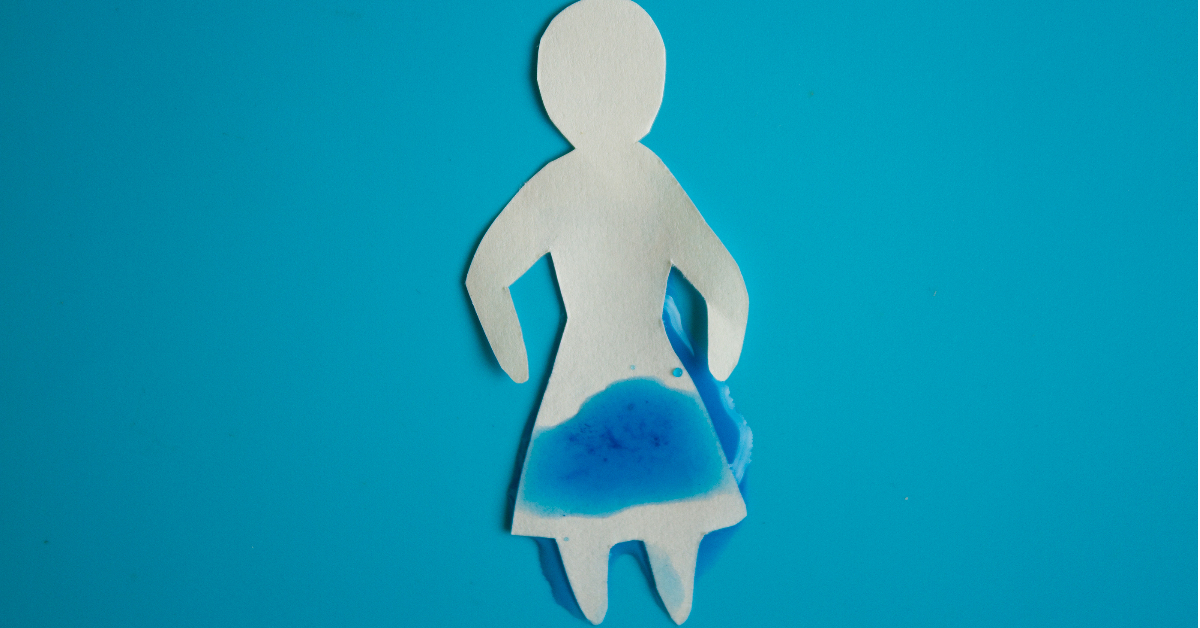
Urinary incontinence is the loss of bladder control. In short, it's when someone dribbles or leaks urine unintentionally.

Why does this happen?

There are many reasons, but let's go over a few basic urinary concepts.

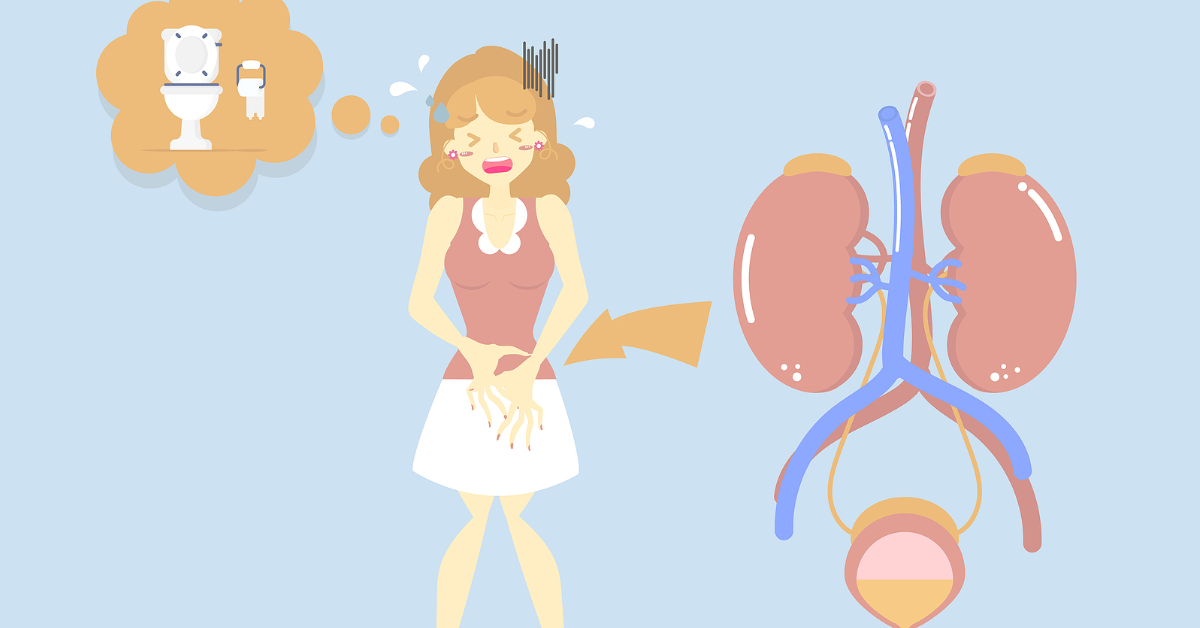
  1. The body stores approximately 2 cups of urine in the bladder.
  2. During urination, muscles in the bladder tighten to move urine into a tube called the urethra.
  3. At the same time, the muscles around the urethra relax and let the urine pass out of the body.

That's how it's supposed to work.

But when the muscles in and around the bladder don’t work the way they should, urine can leak.

So urinary incontinence typically occurs if the muscles relax without warning.

While urinary incontinence can happen to anyone, at any age, it's far more likely to happen in an elderly female.

The severity of incontinence can range from occasionally leaking urine while coughing or sneezing, to having an urge to urinate that's so sudden and strong people cannot get to a toilet in time.

For most people, simple lifestyle changes can ease discomfort or stop urinary incontinence all together.

symptoms of urinary incontinence

Symptoms of Urinary Incontinence

The symptoms of urinary incontinence will often tell you the type of urinary incontinence you have.

Types of urinary incontinence include:

  • Stress incontinence. Urine leaks when you exert pressure on your bladder by coughing, sneezing, laughing, exercising or lifting something heavy.
  • Urge incontinence. You have a sudden, intense urge to urinate followed by an involuntary loss of urine. You may need to urinate often, including throughout the night. Urge incontinence may be caused by a minor condition, such as infection, or a more-severe condition such as a neurologic disorder or diabetes.
  • Overflow incontinence. You experience frequent or constant dribbling of urine due to a bladder that doesn't empty completely.
  • Functional incontinence. A physical or mental impairment keeps you from making it to the toilet in time. For example, if you have severe arthritis, you may not be able to unbutton your pants quickly enough.
  • Mixed incontinence. You experience more than one type of urinary incontinence.

With stress incontinence, the pelvis or sphincter muscles (or both) aren't strong enough to hold the urine by closing the bladder and urethra.

With urge incontinence or and overactive bladder, the bladder muscles contract too much, pushing urine out even when you are not ready to release it.

Mixed incontinence is usually a combination of both stress and urge incontinence.

Above all… if your incontinence is frequent or beginning to affect your quality of life, you should seek the guidance of a urologist to rule out any serious disease or pathology.

symptoms of urinary incontinence

Causes of Urinary Incontinence

First, understand that urinary incontinence isn't a disease, but a symptom.

It can be caused by everyday habits such as wearing high heels and not exercising enough to more serious underlying medical conditions such as multiple sclerosis, diabetes or Parkinson's disease.

Just as the symptoms of incontinence can indicate the type, they can also indicate the cause.

Causes of Temporary Urinary Incontinence

  • Alcohol
  • Caffeine
  • Carbonated drinks and sparkling water
  • Artificial sweeteners
  • Chocolate
  • Chili peppers
  • Foods that are high in spice, sugar or acid, especially citrus fruits
  • Heart and blood pressure medications, sedatives, and muscle relaxants
  • Large doses of vitamin C
  • Urinary Tract Infections
  • Constipation

Causes of Persistent Urinary Incontinence

  • Pregnancy
  • Childbirth
  • Changes with age
  • Menopause
  • Hysterectomy
  • Enlarged prostate
  • Prostate cancer
  • Obstruction
  • Neurological disorders

Urinary Incontinence Treatment

The choice of treatment depends on the type of bladder control problem you have, how serious it is, and what best fits your lifestyle.

As a general rule, the simplest and safest treatments should be tried first.

Bladder Control Training Treatment may help you get better control of your bladder.

Here are some examples:

  • Pelvic muscle exercises (also known as Kegel exercises) work the muscles that you use to stop urinating. Making these muscles stronger helps you hold urine in your bladder longer. Learn more about pelvic floor exercises and how to do them.
  • Biofeedback uses sensors to make you aware of signals from your body. This may help you regain control over the muscles in your bladder and urethra. Biofeedback can be helpful when learning pelvic muscle exercises. I would recommend the Elvie Pelvic Floor Trainer.
  • Timed voiding may help you control your bladder. In timed voiding, you urinate on a set schedule, for example, every hour. You can slowly extend the time between bathroom trips. When timed voiding is combined with biofeedback and pelvic muscle exercises, you may find it easier to control urge and overflow incontinence.
  • Lifestyle changes may help with incontinence. Losing weight, quitting smoking, saying “no” to alcohol, drinking less caffeine (found in coffee, tea, and many sodas), preventing constipation and avoiding lifting heavy objects may help with incontinence. Choosing water instead of other drinks and limiting drinks before bedtime may also help.

Medical Treatments are more invasive and can carry a higher risk.

When lifestyle changes do not help enough, your health care provider may ask you to try prescription medications. A frank talk with your provider about the risks, side effects and benefits of each medication will help you decide which might be the right one for you.

  • Anticholinergic Drugs. Anticholinergic drugs help  the bladder muscle to relax. Common medications include oxybutynin, tolterodine and solifenacin. They work well for the bladder, but are also linked to many bothersome side effects such as dry mouth, constipation, blurred vision, and lately, some concern for causing confusion or dementia with longer-term use.
  • Merbegron. This medication is not an anticholinergic medication, so it is not linked to any of the side effects described above. It is an alpha-agonist, so works a little differently on the bladder, but in the end has the same effect of getting the bladder to relax. It can cause increases in blood pressure so needs to be used with caution in patients with hypertension.
  • Hormone Treatment. For women, local vaginal/urethral estrogen therapy can help if you are having urinary incontinence after menopause. Estrogen replacement helps the health of the walls of the vagina, the bladder neck and the urethra. This may ease irritated bladder symptoms and incontinence.
  • Surgical Treatments. Choosing to have surgery is very personal. If surgery is suggested, there are many choices. It helps to learn as much as you can before you decide.

Chiropractic Care for Urinary Incontinence

Since chiropractic is all about optimal body function, a chiropractor is a great person to see when something in your body isn’t working properly.

In this case, weakened muscles around your bladder, pelvis, and urinary sphincter are not properly engaged at the right times and are not working the way they should.

Most people suffering from urinary incontinence have subluxations in their lumbar or sacral spine, which affect the way their bodies retain and eliminate waste.

At Family Health Chiropractic, we can gently adjust your spine, restoring spinal alignment and optimal function of bodily processes, positively influencing your ability to control your bladder and urinary incontinence.

Urinary Incontinence Signs, Symptoms and Treatment2026-04-26T11:13:30-05:00

How Chiropractic Improves Strength and Power

Strength Training to Overcome Pain

For many people who suffer from pain – chiropractic, massage, physical therapy, acupuncture and pain medication – are all possible avenues to help live a better life.

However, looking into the scientific literature, weight lifting or strength training has more clinical evidence supporting its use to treat pain than anything else.

Of course, strength training brings to mind bulging muscles and sweaty bro's grunting as they admire their muscles in the mirror.

But exercise physiologists and scientists now say it's time to discard those antiquated notions of weight lifting and accept the fact that it can do more for your health than your physique.

Modern exercise science has demonstrated that working with weights — whether that weight is a light dumbbell or your own body — may be the best exercise for pain-free lifelong physical function and fitness.

Strength training exercises are actually among the most important exercises to stay fit and healthy.

Muscle strength decreases with age unless you work on preventing it with strength training exercises.

According to a 2018 CDC report, less than 25% of Americans over the age of 45 engage in strength training.

A big part of this is due to the elderly worrying about being injured and women worry about bulking up and looking manly.

However, if you don’t work to strengthen your muscles, muscle function will decline by 25% of what you had in your mid-30’s when you reach 70.

They will decline by 50% by the time your 90.

At around age 30 you lose as much as 3% to 5% of lean muscle mass per year and if you have pre-existing spine dysfunctions, it only makes it worse.

Strength training helps to make daily activities easier whether it’s climbing stairs or doing outdoor chores like raking leaves.

There are numerous health benefits to strength training that can help reduce chronic pain.

When muscles are stronger your effort decreases which helps prevent fatigued muscles.

For many years, people with illnesses such as fibromyalgia were told to avoid strength training exercises.

Today, research demonstrates the safety and benefit of this important type of exercise for people with illnesses like fibromyalgia.

In addition, many people struggle with back and neck pain at some point in their lives and there is plenty of evidence that strength training exercises help.

They strengthen muscles stopping long-lasting cycles of pain.

strength training and pain

Strength Training and Back Pain

It may seem counter intuitive, but weight lifting and strength training can actually help reduce back pain.

However, the point isn't to bulk up your muscles like a body builder—it's to develop strength, especially back and core strength.

The muscles in your back help keep your spine moving as it should.

If you have a weak back or weak abdominal muscles, you could be more prone to back strain.

Strong, healthy back muscles are also important because they're associated with your posture. And in some cases, chronic back pain is a result of poor posture.

But focusing on strengthening only one part of the body, such as your back, isn't enough.

It's crucial to strengthen other parts of your body, too, including your core and leg muscles.

Overall body strength can lead to less back pain and can help you perform daily activities, such as lifting, better.

Strength Training and Nerves

Scientists have known for some time that early increases in strength must involve changes in the connections between the brain and muscles.

The process appears to involve particular bundles of neurons and nerve fibres that carry commands from the brain’s motor cortex, which controls muscular contractions, to the spinal cord and, from there, to the muscles.

If those commands become swifter and more forceful (via consistent training), the muscles on the receiving end should respond with stronger contractions (strength).

This means size isn't everything and those of you trying to become stronger by putting in extra hours at the gym may be getting it all wrong.

Lifting heavy weights engages the nerve cells more than lifting light weights, even if you do far fewer reps.

Lifting heavy weights can cause nerves to carry more signals from the brain to the muscles, making muscles stronger.

So if you're trying to increase strength – whether you're Joe Shmoe, a weekend warrior, a gym rat or an athlete – training with high loads (heavy weight) is going to result in greater strength adaptations.

A new study, which was published in June, in the Journal of Neuroscience, researchers discovered that strength isn’t just about muscle mass.

You get stronger because the neural input to your muscles increases.

This data tells us that strength may be even more fundamental to our wellbeing than we already expect, since gaining it involves and alters some of the most ancient components of our central nervous system.

strength training and nerves

Chiropractic Influences the Nervous System (Strength)

Chiropractic adjustment improves function of the entire body by releasing stress from the central nervous system.

Adjustments now serve as one of the most important health interventions which anyone can implement into their routine.

Chiropractors have long observed a wide variety of changes in the people under their care following adjustments.

Along the wide spectrum of claims from those under care are those who say they feel better or focus better and those who notice improvements in movement and coordination.

A paper published in 2016 in the Journal Neuroplatisticity found that a single chiropractic adjustment has the potentional for changing brain function.

Specifically, chiropractic adjustments change neural activity by 20%!

A 2019 paper published in the journal Nature, found that chiropractic spinal adjustments may alter central processing of pain and unpleasantness.

Another paper, published in 2019 in the journal Nature, found that a single session of chiropractic care improved strength and spinal excitability in stroke patients.

This shows that every time we’re adjusting someone, we’re having a big, positive effect on the brain.

And a brain that’s functioning differently and conducting its activities better is sure to have an effect on the body.

In Summary

At its very foundation chiropractic helps improve nervous system function by making adjustments to the spine.

Over time, more and more studies are proving that it is extremely effective and as a result many health conditions are improved from regular chiropractic care.

When the spine is not aligned or the body is out of balance it can impact the function of the nervous system, causing chronic pain, difficulty in mobility, and a wide range of health conditions.

Chiropractic adjustments open the pathways of the nervous system allowing the information to flow unobstructed.

It goes far beyond just the spine though.

Chiropractors adjust the arms, legs, neck, and hips in addition to the spine which all work together to provide a healthy, functioning nervous system.

Regular chiropractic care can help keep the nervous system unimpeded and working as it should.

How Chiropractic Improves Strength and Power2026-04-26T11:13:30-05:00

COVID19, Immune Function and Chiropractic

Fix Your Fragility

COVID-19 officially became a pandemic on March 11, 2020 and absolutely nothing in our lives has been the same ever since.

The World Health Organization (WHO) has been monitoring the novel coronavirus since early January, when a cluster of pneumonia cases in Wuhan, Hubei Province, China was reported.

Past experience with infectious respiratory viruses such as SARS and MERS informed decision-making in the weeks that preceded the declaration of a public health emergency, but nothing could have prepared the world for what would eventually happen.

Since the beginning of the pandemic, all of our lives have been impacted in various ways.

From work and finances, to education and community disruption, and most certainly all aspects of our health, this pandemic has caused a roller coaster of worry, confusion and loss.

There are two factors of high concern for this virus: its spread and severity.

While these concerns are justified, I have personally never had any concerns over my health, or my families health.

Why?

Because I know with certainty that my body is strong, healthy and resilient.

I know with certainty that my children have strong immune systems.

In short, I know my own vulnerabilities and fragility.

I know that for the last 20 years, I've worked consistently at improving not only my health, but the health of my family.

Most humans unfortunately, could not – and currently cannot – say the same.

My concerns however have always surrounded the amount of fear and anxiety that this virus would cause globally.

As of July 11, 2020, 12.5 Million cases of COVID-19 have been confirmed, with 560,000 deaths globally.

This means COVID19 currently has a 0.04% fatality rate, suggesting you have a much higher rate of dying from influenza and pneumonia (5% death rate as of July 4, 2020).

What has become clear is that there are significant differences among people in terms of both risk to infection and – if infected – the severity of the disease.

So like all things in health – it depends.

This is because SARSCOV2/COVID-19 brings out the hidden vulnerabilities that humans are currently walking around with.

The Lancet, a highly respected professional journal, published the first international medical report about COVID-19 infection in Wuhan, China on February 15, 2020, and this article indicated that the infection was associated with acute respiratory symptoms and many other complex medical problems.[1]

A March 2020 follow-up study, also in Lancet, discussed the clinical course of the infection and risk factors associated with mortality.[2]

Specifically, they looked at how preexisting health conditions increase the risk for COVID-19 complications.

The researchers noted that older age, hypertension, obesity, and diabetes were all associated with increased disease severity.

While we cannot do anything about our age – hypertension, obesity and diabetes are all preventable.

And as the virus spread throughout the US and the world, so too did support for the findings of pre existing health conditions and the severity of disease.

From Seattle to New York, patients with COVID-19 did worse when comorbidities were present.[3],[4]

Why do some people fare so poorly while others have only mild symptoms?

Because COVID-19 is not the big, bad, scary virus that people seem to think it is.

This virus does not kill everything it comes into contact with, but is a virus that when tied to the functional status of a person's immune system, reveals that individuals vulnerabilities and personal fragility.

COVID-19 is a virus that, when tied to the functional status of a person's immune system and health status, reveals that individuals fragility.

In short, the time to worry and fear about a virus was long before the pandemic hit. If modern humans placed a stronger emphasis on health resilience and took a proactive measure in health, the story would be playing out completely different.

For anyone who has ignored their current chronic health conditions, continued to eat a poor diet or only sought to treat their symptoms as opposed to actually improving themselves in all aspects of health – this virus brings out the worst in us.

As a whole, we need to start addressing our vulnerabilities when it comes to health.

facing and addressing fragility

Chronic Health Conditions and Altered Immune Function

Chronic health conditions including the pre-existing health conditions mentioned above, result in altered immune system function, which can include unhealthy forms of inflammation.

Not only does an infection of COVID19 cause increased levels of inflammation, but we also know this virus can impact the function of many critical organ systems.

Respiratory, cardiovascular, neurological, gastrointestinal, renal, and hepatic performance are all associated with alteration in immune system function.

Inflammation is a hallmark of immune system dysfunction and is also strongly associated with COVID-19 infection.

This is exactly what a cytokine storm is all about.

A cytokine storm results when there is a breakdown in control of the immune system.

An overwhelming inflammatory response takes place in the body, similar to a septic shock event.

This means that we have to be thinking about how our immune systems become dysfunctional in the first place.

What pre-existing health conditions might you have, knowingly or unknowingly? And what are connections between this virus and its impact on our body?

How many humans had altered immune function prior to when this pandemic hit?

How many humans had cardiovascular disease?

How many of us have metabolic syndrome, pre-diabetes, Type 2 Diabetes, allergies and immune intolerance?

What happens when the world’s most prevalent non-communicable health conditions (all mentioned above) and a highly infectious viral disease collide?

We find ourselves not only in a cytokine storm, but a shit-storm of new realities and frustrations: a COVID-19 pandemic that is really nothing other than a reality check of how unhealthy most people are.

chronic health conditions and immune function

Basic Immune Function

While medicine is concerned with studying and fighting disease, Chiropractic and Functional Medicine are concerned with studying health and strengthening the body to suit its environment.

Chiropractic and Functional Medicine are concerned with studying health and strengthening the body to suit its environment.

This article is not intended to teach you everything you need to know about immune function and how to optimize it.

But I do want you to understand that our immune system has two primary pillars:

  1. The Innate Immune System
  2. The Adaptive Immune System

Innate Immunity is the first line defense system that all humans have in common.

It consists of the first line barriers that prevent the outside world from harming the insides of our body.

The primary barriers include:

  • Blood Brain Barrier (brain health)
  • Nasopharynx Barrier (sinuses, mucus membrane health)
  • Pulmonary Barrier (lung and respiratory health)
  • Intestinal Barrier (digestive health)

The innate immune system consists of our skin (which protects our insides), the digestive tract (which prevents bad stuff from passing through our mouth and into our body), the mucus membranes and enzymes in our nose, mouth, ears and any other orifice, the lungs (to protect you from things you breathe) and even our blood brain barrier.

  • If you have digestive issues – you could have problems with your intestinal barrier.
  • If you have unresolved allergies, chronic sinus infections or post-nasal drip – you could have nasopharynx barrier problems.
  • If you have asthma, respiratory distress or breathing issues – you could have pulmonary barrier problems.
  • If you have cognitive problem, depression, anxiety or memory lapse – you could have blood brain barrier issues.

See how that works?

Now it's important to understand that the innate immune system has nothing to do with previous infections or vaccinations.

This means a vaccine won't protect you from unresolved barrier dysfunctions. 

Nope!

If we do get a vaccine that works, and even if you did get vaccinated for COVID-19, as long as your innate immune system remains dysfunctional, it wouldn't matter.

But our innate immune system is only part of the puzzle.

Our adaptive immune system also plays a major role.

The adaptive immune system is influenced by previous infections, childhood traumas, emotional health and even the health that your momma was in while carrying you in utero.

So the adaptive immune system is not something we all share, but is highly individualized and personalized based on our individual life experiences.

Interestingly, the adaptive immune system can be positively primed by vaccinations in some individuals, whereas cause harm and cellular damage in others.

And here's where the vaccine controversy can come into play. Once again, when we're talking about health and the diversity of humans – it depends.

The adaptive immune system has a memory of our life and works to respond based on previous experiences.

Sometimes our past experience can help our immune system to fight infections, but sometimes our past experience can cause our immune system to become overactive and dysfunctional (i.e. autoimmunity, allergies, immune dysregulation, food sensitivities, etc.).

Either way, both of these systems are controlled by the Nervous System; and this is where Chiropractic Adjustments can play a role.

Immune Function and Chiropractic

A 2005 basic science review of chiropractic summarized the state of the science in several areas including the nervous system response to chiropractic spinal manipulation.

The review confirmed that between 1997 and 2005 the basic science body of evidence confirming a relationship between chiropractic spinal manipulation and the central nervous system.

They concluded, basic science studies support chiropractic theory that spinal subluxation and spinal manipulation impact neurologic function.

These studies suggest mechanisms by which spinal influences may mediate a clinically significant impact on immune function [6]

The nervous system and immune system cross-talk with each other.

“Considerable evidence has mounted to support active communication between the nervous system and the immune system. The nervous system, including the brain and the peripheral divisions can either stimulate or inhibit various activities of both the innate and adaptive immune systems.” [7]

Several excellent reviews have addressed the subjects of nervous and immune system “cross-talk” in great detail.

Very recently, however, several peptides, recognized initially for their neural or neuro-hormone signaling functions have been shown to exhibit potent antimicrobial activity.

This discovery signals the possibility that the nervous system, through utilization of these peptides, has the capacity to deliver anti-infective agents directly to innervated sites localized with great spatial specificity and delivered rapidly.

A 2018 article reporting on the study design of a clinical trial designed to provide knowledge regarding the underlying mechanisms of the effects of Chiropractic Adjustments provided the following analysis of the evidence:

“Chiropractic care including spinal manipulative therapy (SMT) has been found to be a safe, effective and cost-effective non-invasive treatment for some types of spinal pain. SMT has both local and regional pain reducing effects as well as central nervous system effects such as a general reduction of pain sensitivity. SMT is thought to decrease pain by mechanically affecting muscular and joint function (i.e. normalizing muscle tone and improving joint mobility). However, recent experimental research has suggested that SMT may also be influencing the incoming/ascending pain signals (local nociceptive input affecting dorsal horn excitability or temporal summation) and/or the excitability of the central pain regulating mechanisms. A systematic review concluded that short-term sympathetic upregulation can be found with SMT, regardless of the spinal area being treated. This raises the question of whether the pain reducing effect of SMT is associated with a modulation of autonomic nervous system (ANS) activity.”[8]

What we are seeing is that Chiropractic Adjustments do so much more than just help with pain.

Chiropractic Adjustments may modulate the immune system by way of nervous system activation.

5 Studies on Chiropractic and Immune Function

Neuroimmunomodulation and a Possible Correlation with Musculoskeletal System Function. [9]

“There is an increasing body of evidence that the nervous system is capable of modulating the immune response. Receptors for neuromodulators and
neurohormones have been found on human T lymphocytes. Activation of these receptors can be stimulatory or inhibitory depending on the neuroactive substance. The immune system may be able to communicate with the nervous system using neuromodulators and neurohormones secreted by lymphocytes. Sympathetic innervation of lymphoid tissues is not restricted to blood vessels and smooth muscle, but directly supplies lymphocytes and blood precursor cells. It is theorized that spinal fixations may adversely affect the immune response through somatosympathetic reflexes. Spinal manipulation can correct the spinal fixations and may eliminate the adverse effects of somatosympathetic reflexes.”

A Literature Review sought to determine the effects of spinal manipulation on biochemical markers in humans and establish the level of evidence for changes in biochemical biomarkers. [10]

Spinal Manipulation (SM), defined as a high-velocity, lowamplitude thrust technique. Among the outcome measured sought were neuropeptides (neurotensin, oxytocin, SP) (2) inflammatory (TNF, IL) and (3) endocrine (cortisol, epinephrine, nor-epinephrine, leutinizing hormone) biomarkers from any body fluids
(blood/urine/saliva). After removal of duplications, 1217 citations were screened. That was culled down to 96 abstracts screened, 45 full-text articles were assessed for eligibility. And a total of 8 trials included in the review.The review found the studies varied in study design, quality, and outcomes. The conclusion after the review was that a moderate level of evidence existed in the eight studies which found that spinal manipulation influences various biomarkers typically identified as ones not only involved in pain perception/modulation but also play an important role in inflammation, tissue healing and immune response. Studies in the review found that Spinal Manipulation influences various biochemical markers. Spinal Manipulation can increase Substance P, neurotensin, oxytocin and interleukin levels and may influence cortisol levels post-intervention.

Low Back Pain and the Production of Chemokines. [11]

Researchers documented significant differences existing in the levels of the studied chemokines between low back pain patients and the asymptomatic controls.
Several of the chemokines studied were significantly augmented in acute low back pain patients when compared to the control patients. The production of one of the measured chemokines, CCL4, was significantly higher in the acute low back pain patients than the chronic low back pain patients at baseline, while the other measurements were not significantly different.

Spinal Manipulation effect on interleukin-2 production. [12]

The study measured the effect of spinal manipulation on selected parameters of the immune response. The study had three arms – the control group, a group that received spinal manipulation with cavitation (the audible release); and spinal manipulation without cavitation. The goal was to gather knowledge not only on the immune response, but also to determine if cavitation provides a measurable difference in outcomes. The outcomes of the study included a statistically significant increase in the production of IL-2 in both of the arms of the study in which patients received spinal manipulation relative to baseline and to the control group at 20 minutes post adjustment. An increase in IL-2 was also found 2 hours later. There were no differences between the two adjustments arms, meaning that cavitation did not appear to change the outcomes. In this study as with many others, the authors state, “the biological mechanisms associated with spinal manipulation are poorly understood.” The authors also stated that earlier studies have demonstrated increased activity of the innate immune response components following a single spinal manipulation. The authors concluded that a single high velocity, low amplitude thrust to the thoracic spine of asymptomatic subjects causes a significant enhancement in IL-2 secretion in vitro.

Spinal Manipulative Thrust Reduces Inflammatory Cytokines. [13]

In a study of 64 asymptomatic subjects, were separated into three arms of the study, one to receive a single adjustment of the thoracic spine. The second group was a sham manipulation and the third was a venipuncture control. The authors stated, “the present study supports the hypothesis that the spinovisceral reflex effect can encompass functional activity of the immune system. We believe this to be the first report to demonstrate that a single manipulative thrust to an aberrant vertebral motion segment in the upper thoracic spine of asymptomatic subjects results in downregulation of the capacity of human leukocytes for the production of proinflammatory cytokines induced by lipopolysaccharide (LPS)- induced inflammatory response in invitro, in control subjects submitted to multiple venipunctures, became augmented.” The authors concluded there is a time dependent attenuation of LPS-induced production of the inflammatory cytokines unrelated to systemic levels of Substance P after spinal manipulative thrust. The central mechanism of action was not known.

In Summary

Chiropractic is a health care discipline which emphasizes the inherent recuperative power of the body to heal itself without the use of drugs or surgery.

The practice of chiropractic focuses on the relationship between structure (primarily the spine) and function (as coordinated by the nervous system) and how that relationship affects the preservation and restoration of health.

It is founded upon the principle that the body’s innate recuperative power is affected by and integrated through the nervous system.

The current global health crisis surrounding the COVID-19 Pandemic has resulted in changes in our everyday lives and has created increased levels of stress and anxiety, and fear.

Scientific evidence has validated that long-term exposure to stress negatively effects the immune system.

As an essential health care provider, Family Health Chiropractic is in a unique position to assist its patients during this time of heightened stress.

Although there are no clinical trials to substantiate a direct causal relationship between the chiropractic adjustment and increased protection from the COVID-19 virus, there is a growing body of evidence that there is a relationship between the nervous system and the immune system.

Get Adjusted.

COVID19, Immune Function and Chiropractic2026-04-26T11:13:30-05:00

The 5 Most Common Spine Dysfunctions

Spine Dysfunctions

In our previous article, we discussed the basic spine anatomy and function of the spine.

If you're having back pain – or any spine related issue – then it's important to have an understanding of the anatomy and function of the spine, so you can narrow down what might be happening.

In fact, most of the problems that lead to back pain and disability have little to do with disease.

That is not to say that cancer, organ failure, diabetes, and a host of other diseases are not the origin of back pain; but they account for the minority of spine problems.

By far, the majority of troubles spanning from the neck to the lower back are mechanical and directly related to BEHAVIOR.

By behavior I mean the way you carry yourself (bad posture) and the repetitive and sustained stresses of daily life and/or sports.

When these stresses occur consistently or at a frequency and threshold that the spine cannot tolerate, the result is microtrauma to its soft tissue structures (discs, ligaments, cartilage).

Weakening of these soft tissues that function to hold and connect the spine bones further weaken it and lead to more and more problems.

For most of the conditions I'm about to discuss, behavioral change and exercise are the best treatment options out there. T

Let’s now move on and discuss some of the most common spine dysfunctions and how they occur.

Disc Bulges and Protrusions

One of the most common concerns with back pain is whether or not we've injured our discs.

Remember, the spinal discs are shock absorbers sandwiched between the bones that make up our spine and contribute to its flexibility.

They are a typical source of back pain and perhaps more than any other spine structure are susceptible to the wear and tear of daily life.

That said, a disc bulge or protrusion, while painful, is not the same as a disc herniation or tear.

Disc bulges and protrusions are more like sprained ankles. They hurt like heck, but they certainly do not require surgery to fix them.

Basically, a disc bulge is the swelling and inflammation of irritated and injured discs. In other words, the inner disc gel leaks.

As the disc swells, the inside part of the disc pushes the outside, which is loaded with sensory nerve endings, and it becomes a source of pain.

The severity of symptoms can vary and depend on which levels of the spine are affected (neck, mid, or lower back) and the size of the bulge.

They range from generalized stiffness and spasms, especially in the morning or after prolonged sitting, to localized neck or low back pain.

In instances where the bulge is large enough to encroach into the spinal canal or foramina (nerve exit holes) they may compress or irritate the peripheral nerve roots.

Symptoms can progress to include radiating pain down the arm or leg (sciatica), numbness and tingling in the limbs, and in extreme conditions muscle weakness.

Disc Bulge or Protrusion

Disc Herniation (Tears)

Unlike a disc protrusion or bulge, a disc herniation is when the actual disc tears. In this case, the disc’s outer ring layers rupture, causing the contents of the inner gel and fragments to push outward into the spinal canal.

Herniated discs most likely begin as bulges and gradually wear down and weaken until the outer wall finally tears.

Many people will say that they have a slipped disc, although the term is somewhat misleading because the disc does not ever slip out of position. This also means that a single chiropractic adjustment will not miraculously slip it back in!

When a herniation occurs, only a small area of the disc cracks or tears, allowing fragments of the inside to escape through the tear.

When the contents of the disc spill over into the spinal cord, they can then migrate into other locations including the exiting peripheral nerve roots.

These nerve roots exit through small holes (foramina) that get even smaller when they are filled with the disc fragments.

The resulting pressure created on the nerve root constitutes a nerve impingement or what is more commonly called a pinched nerve.

Nerves do not tolerate compression very well, and if the pressure becomes too great or is sustained for too long they will eventually be damaged.

Symptoms of nerve damage include sensations down the arms or legs such as radiating pain, tingling, numbness, and muscle weakness.

Pain can also be intensified as the nerve root is exposed to the toxic acid contents of the discs inner gel as well as the inflammatory chemicals produced by the damaged disc.

Disc Herniation or Tear

Spine Arthritis (Spondylosis)

Spondylosis, also known as spinal osteoarthritis, is a general term to describe degenerative conditions of the spine.

Spine arthritis or osteoarthritis should not be confused with the autoimmune condition Rheumatoid Arthritis.

Similar to any form of arthritis seen in aging knees or hips, the spine with all its joints, cartilage, ligaments, and bones can wear down, resulting in chronic pain and stiffness.

Certainly, the amount of arthritis someone develops comes down to how they have cared for their body over the course of their life.

Spondylosis can occur in any region of the spine but is most common in the neck and lower back and easily detected via xray analysis.

Flattening of the spinal curves and decreased mobility are also commonly found.

It's also important to recognize that a person at any age can have spondylosis or spine arthritis. About 14 percent of Americans ages 25 and older have been diagnosed with osteoarthritis, according to the CDC, compared with more than 33 percent of those ages 65 and older.

Pain can vary greatly from person to person and can occur after periods of prolonged inactivity or during times of high activity.

Symptoms such as intensified pain when moving the spine in a particular direction (flexing or extending) give clues to the spinal structures affected as well as the severity of the deterioration. S

pondylosis is influenced by any condition that places excessive pressure on the spine. Listed below are a few common causes that can accelerate its progression.

  • Poor posture (slouching)
  • Bad body mechanics in daily living (rounding the lower back when lifting)
  • Bad body mechanics in sports (high-velocity twisting the lower spine; golf or tennis)
  • Injuries that damage ligaments (whiplash)
  • Overweight, poor nutrition, excessive alcohol
  • Genetic spine abnormalities

Degenerative Disc Disease

Spondylosis (spine arthritis) is a degenerative condition that can also affect the intervertebral discs and facet joints.

When the discs are affected the process is referred to as degenerative disc disease. As people age, the forces of gravity and muscle contractions continue to press the vertebrae together and compress the discs.

Years and years of pressure dehydrate the discs and they begin to shrink and wear down.

In this degenerative condition the discs’ ability to absorb shock is compromised.

Unfortunately, when one part of the spine deteriorates, it directly affects other nearby regions.

Hence, as you lose disc height and function, the vertebral facet joints take on more of your body weight.

Because these joints are constantly involved with spine motion, they commonly wear down, especially when they begin to take on additional body weight loads that were once the job of the discs.

Facet Joint Syndrome (Arthritis)

Facet joint syndrome, otherwise known as facet joint osteoarthritis occurs when the cartilage joint surface wears down and reactive bone formation begins to produce an overgrowth of bone spurs (osteophytes) and an enlargement of the joint.

These structural changes, as well as the arthritis-induced joint inflammation, often result in pain with spine motion.

The neck and low back are the most areas often affected because of their larger ranges of motion.

Symptoms in the neck include pain and stiffness, headaches, and referred pain into the shoulder girdle.

People affected in the lower back may experience pain and stiffness, referred pain to the buttocks and thighs, and pain with movements, especially attempting to stand up straight.

Reflex muscle spasms further add to the pain and can cause all types of contorted spine positions, including tilts to one side or the other.

It’s a perpetual negative cycle.

What to Do About Spine Dysfunctions

Most people are surprised to hear that most of our spine dysfunctions can be corrected with a combination of posture restoration, corrective exercise and strength training.

Think about a suspension bridge or the wheels of your car. Each relies on equal amounts of tension and strength in the cables or vehicle suspension for the entire structure to be supported properly.

If your car's suspension is off, or the cables becomes weak, the tires and cables will be forced to deal with abnormal load and stress.

This may work for a while, but eventually that wheel or bridge will break down and collapse.

The same is true for your spine which, for the purposes of this analogy, is the bridge or center of the wheel with the muscles, ligaments and tendons of your body being the suspension or cables.

All of the muscles that support your spine, namely those that make up the core and buttocks, need to have nearly equal strength, tone and endurance to work together as a unit and effectively support and protect the spine.

If one of those muscle groups isn’t as strong as the rest, the other muscle groups must bear an extra load.

This immediately causes muscle spasms and tightness in healthy muscles now under extra strain which, in turn, causes pain.

This can be very confusing to sufferers because it’s often the uninjured muscles that hurt.

The long term consequences are much worse. After years of this asymmetrical stress and strain, more serious conditions such as disc bulges, disc hernations, bone spurs and more will develop.

I can’t tell you how many patients I see in my clinic who had very strong abs and weak lateral core muscles (those on the side). Often those strong abs caused more load to be put through the spine than if all the core muscles equally weak.

BALANCE IS KEY

The purpose of chiropractic adjustments are to ensure smooth motion and movement of your spinal joints and the purpose of corrective exercise is to rebuild and re-balance the muscles in your core and buttocks while training you to move in healthy ways.

Change comes with commitment and consistency.

The 5 Most Common Spine Dysfunctions2026-04-26T11:13:30-05:00
Go to Top