The 2 Most Important Reasons Why We Should Maintain the Health of our Spine

The human spine is one of the most important organs of our body.

Without it, we’d be giant meat sacks rolling around the floor.

The spine gives our body structural support and integrity. It allows us to move freely to bend and twist and perform many amazing tasks.

The spine is also designed to protect our spinal cord. The spinal cord is a column of nerves that connects your brain with the rest of your body, allowing you to control your movements. Without a spinal cord, you could not move any part of your body, and your organs could not function. Therefore, keeping your spine healthy is so important.

In this article, I’m going to share with you the two most important functions of our spine to help you understand its significance.

Spine Anatomy

Before diving into the primary functions of the spine, let’s do an overview of the anatomy.

Your spine comprises 24 bones (as an adult) that stack on top of each other to create the spinal column. Between each bone, there are shock-absorbing cushions called discs that allow for spinal nerve roots to exit and prevent the bones from smashing each other.

Your spine also has ligaments that attach bones to other bones. Tendons that attach muscles to the spinal vertebrae allowing them to move and even joints (much like your elbow or knee joint) called facet joints. The facet joints link each vertebrae together and give them flexibility to move against each other.

Every single spinal vertebrae has a hole in the center, creating a tube that holds and protects the spinal cord and nerve roots.

The spine is made up of 3 sections: the cervical spine, thoracic spine, and lumbar spine.

All together, these anatomical structures allow for the two most important functions of your spine:

  • Structural Support
  • Armor and Protection of the Spinal cord and Nerves
human spine structure and anatomy

The Spine Gives Structural Support

A healthy spine has three natural curves that make an S-shape. If you’re a patient of our office, then you should have a good understanding of why it’s so important to assess these curves and correct misalignments identified.

These curves absorb shocks to your body and protect your spine from injury. If you lose these curves, your body will break down prematurely, speeding up osteoarthritis and degeneration.

The structural support system of the spine is made up of:

  • Vertebrae: Each individual bone that stacks up to make the spinal column. The spinal canal is a tunnel that houses the spinal cord and nerves, protecting them from injury. Most vertebrae move to allow for a range of motion. The lowest vertebrae (sacrum and coccyx) are fused together and don’t move.
  • Facet joints: These spinal joints have cartilage (a slippery connective tissue) that allows vertebrae to slide against each other. Facet joints let you twist and turn, and they provide flexibility and stability. These joints can develop arthritis and cause back pain or neck pain.
  • Intervertebral disks: These flat, round cushions sit between the vertebrae and act as the spine’s shock absorbers. Each disk has a soft, gel-like center (the nucleus pulposus) surrounded by a flexible outer ring (the annulus). Intervertebral disks are under constant pressure. A herniated disk can tear, allowing some of the nucleus’ gel substance to leak out. Herniated disks (also called bulging, slipped or ruptured disks) can be painful.
  • Spinal cord and nerves: The spinal cord is a column of nerves that travels through the spinal canal. The cord extends from the skull to the lower back. Thirty-one pairs of nerves branch out through vertebral openings (the neural foramen). These nerves carry messages between the brain and muscles.
  • Soft tissues: Ligaments connect the vertebrae to hold the spine in position. Muscles support the back and help you move. Tendons connect muscles to bone and aid movement.

Failure to maintain normal alignment of the spine will cause abnormal motion and function of the above-mentioned structures.

This leads to individual vertebrae breaking down, resulting in spondylosis. Spondylosis is an umbrella term for different age-related degeneration in the spine.

Spondylosis leads to facet arthritis, weakened spinal disks, impingement of the spinal cord and nerves and chronic soft tissue dysfunction such as muscle spasms, weak or damaged ligaments and tendons.

Stages of Structural Degeneration of the Spine

The Spine is the Armor and Protection of the Spinal Cord and Nerves

The spinal cord is a column of millions of nerve fibers that run through your spinal canal. It extends from the brain to the area between the end of your first lumbar vertebra and top of your second lumbar vertebra. At the second lumbar vertebra, the spinal cord divides into several groups of fibers that form the nerves that will go to the lower half of the body. For a small distance, the nerves actually travel through the spinal canal before exiting out the neural foramen. This collection of nerves is called the cauda equina, while it is still inside the spinal canal.

The nerve fibers in your spinal cord branch off to form pairs of nerve roots that travel through the small openings (foramina) between your vertebrae. The nerves in each area of the spinal cord connect to specific parts of your body. Therefore, damage to the spinal cord can cause paralysis in certain areas and not others – it depends on which spinal nerves are affected.

Paralysis is an extreme example of a spine injury, but millions of people suffer from spine related dysfunctions because of abnormal alignment and motion of the spine itself.

When the spinal column becomes dysfunctional, the quality of information being transmitted from the brain to the body is diminished.

Eventually, this diminished nerve talk is going to cause problems down stream affecting muscles, organs and organ systems.

The nerves of the cervical spine go to the upper chest and arms. The nerves in your thoracic spine go to your chest and abdomen. The nerves of the lumbar spine then reach to your legs, bowel, and bladder. These nerves coordinate and control all the body’s organs and parts, and let you control your muscles.

The nerves also carry electrical signals back to the brain that allow you to feel sensations. If your body is being hurt, your nerves signal the brain that you have been hurt. Damage to the nerves themselves can cause pain, tingling, or numbness in the area where the nerve travels.

Major Conditions Caused By Spinal Deterioration

Although most people seeking to treat their spine will do so because of some form of pain, repeated injury and dysfunction of the spine (mechanical/structural problems) eventually lead to organ system dysfunction.

A few of the most common structural conditions related to an unhealthy spine include:

  • Arthritic conditions, such as ankylosing spondylitis (AS).
  • Back strains and sprains.
  • Birth defects such as spina bifida.
  • Bone spurs (jagged edges on vertebrae that put pressure on the spinal cord and nerves).
  • Curvatures of the spine (scoliosis and kyphosis).
  • Neuromuscular diseases, such as amyotrophic lateral sclerosis (ALS).
  • Nerve injuries, including spinal stenosis, sciatica and pinched nerves.
  • Osteoporosis (weak bones).
  • Spinal cord injuries, including spinal fractures, herniated disks and paralysis.
  • Spine tumors and cancer.
  • Spine infections like meningitis and osteomyelitis.

A few of the most common functional conditions related to an unhealthy spine include:

  • Direct neural tissue damage (neurogenic pain and depression).
  • Lung dysfunctions (asthma and respiratory distress).
  • Cardiovascular dysfunctions (Orthostatic hypotension and autonomic dysreflexia and arrhythmia).
  • Urinary system (neurogenic bladder, incontenence, kidney damage).
  • Skeletal muscle dysfunction (muscle contracture, spasms and atrophy).
  • Bone and soft tissue (osteoporosis, weak tendons and ligaments).
  • Sexual Dysfunction.
  • Immune Dysregulation.
  • Cognitive Dysfunction.

How To Keep Your Spine Healthy

This should go without saying, but the first step is to assess the state and health of your spine. Do you have normal alignment and movement of the spine? Are the structures attached to the spine fully functional? Do you have normal spinal curvatures in the neck, mid and low back?

If you were to look into all the treatments available for addressing back pain, you’d find that the strongest levels of evidence are for strength training.

Strong back muscles can protect your spine and prevent back problems.

Therefore, it’s so important to incorporate daily back-strengthening and stretching exercises.

Exercises like planks strengthen the core (abdominal, side and back muscles) to give your spine more support.

Other protective measures include:

  • Bend your knees and keep your back straight when lifting items.
  • Lose weight if needed (excess weight strains your back).
  • Maintain good posture.
  • Get regular adjustments to fine tune and maintain flexibility of spinal joints

The 2 Most Important Reasons Why We Should Maintain the Health of our Spine2026-04-26T11:13:27-05:00

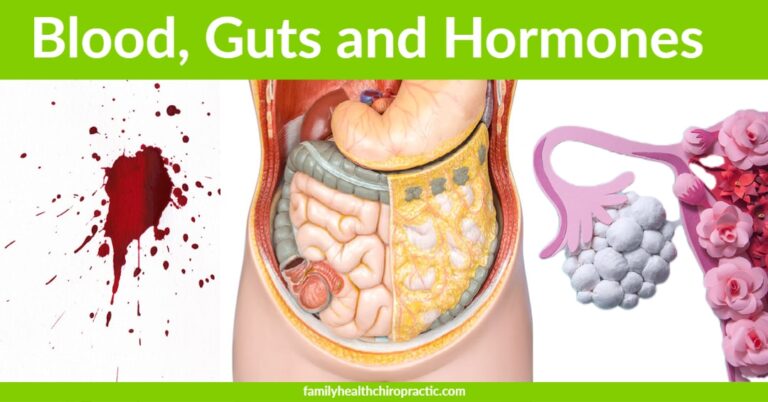
Digestive Disorders, Brain Inflammation and Chronic Pain

Digestive disorders can cause brain (central nervous system) dysfunction and vice-versa.

Most people innately know one of the most important systems in their body is the brain and spinal cord (central nervous system).

It’s well accepted and understood that the central nervous system controls every major organ, tissue, and cell in the body. Taking care of your spine is crucial because it’s the armor and protection for the spinal cord and nerves.  It’s obvious that a damaged spine (osteoarthritis of the vertebrae, degenerative disc disease, altered alignment, nerve impingement, etc.) contributes to ill health, reduced quality of life and longevity.

What isn’t so obvious is that HALF of your nerve cells are in the gut. It’s also not so obvious that most of our serotonin and dopamine are produced within our digestive system. Finally, depending on the research paper you reference, anywhere from 70 to 80% or more of your immune function stems from your digestive system.

So what does this mean for you?

It means that your capacity for feeling and emotional expression, your ability to consume healthy food and fully digest those nutrients for optimal function, your immune system’s ability to protect your body from foreign invaders are all influenced by digestive disorders.

Whether we are talking about “feel good” chemicals that influence mood, depression, fatigue or happiness, hormone regulation to support vitality or neuropeptides and enkephalins, which act as painkillers in the body; the Brain-Gut Axis controls it all.

In this article, I’m going to outline the 7 primary gut pathologies that can break the Brain-Gut axis causing nutrient deficiencies, hormone imbalance, immune dysregulation, brain inflammation (mood and cognitive disorders) and chronic pain.

Chronic Health Conditions are Connected to Digestive Disorders

Almost every chronic health condition or disease is mediated by underlying pathologies of physiological dysfunction that are also connected to digestive disorders.

For example, GERD or Gastro Esophageal Reflux Disease is simply a description of what is going on.

The more important thing to know is that it could be caused by low stomach acid, dysbiosis or imbalances in good and bad bacteria, food sensitivities, parasitic or viral infections.

This is why Functional and Integrative Medicine approach is so important. It's a system that allows us to not simply get a diagnosis, but begin to systematically correct imbalances (improve function) that are causing or will cause disease.

The primary risk factors for developing digestive disorders include:

  • Family history
  • Cesarean birth
  • Formula-fed vs nursed
  • Consuming a standard American diet
  • Food poisoning
  • Antibiotic abuse or overuse
  • Other medications
  • Chronic stress
  • Sleep deprivation
  • Physical inactivity/sedentarism
  • Hypothyroidism
  • HPA-Dysfunction (aka Adrenal Fatigue or Exahustion)
  • Excess alcohol consumption
  • Cigarette smoking
  • Environmental Toxins or Toxic Load

Each of the above mentioned risk factors can all lead to profound alterations in the development and maintenance of the gastrointestinal microbiome and ecosystem.

A Brief Overview of Gut Health and Function

I’m sure you’ve heard the saying, “You are what you eat.” It’s not 100% true.

Eating the right type of food for your body is crucial to optimizing health, but that’s only step number one.

Fully digesting, absorbing and assimilating the nutrients from the food you are eating matters most. And it’s absolutely possible for you to be eating an appropriate diet and still not get all the benefits because of underlying digestive issues.

The GI tract is a hollow tube, starting with the mouth and ending with the anus. And as food makes its way throughout our body, it will encounter several structures including the pharynx, the esophagus, the stomach and intestines, the rectum and accessory organs such as the salivary glands, liver, gallbladder, and pancreas.

All that said, the GI tract has two primary purposes:

  1. Break food or macronutrients (protein, carbs and fats) down into micronutrients (amino acids, vitamins, minerals, water, etc) which are then absorbed to provide our body with fuel to function.
  2. Serves as a barrier of protection, protecting us from foreign substances entering our bloodstream and causing problems

Food is certainly the most powerful form of medicine, but if you cannot use the food you are consuming, you cannot get your medicine. The same is true with supplements and even pharmaceuticals.

Aside from mechanical and chemical digestion of food, our digestive system is also home to billions of microbes that influence our health.

We actually have ten times more microbes in the human body than human cells!

These gut microbes are absolutely crucial to your health in that they promote normal GI functions of digestion/absorption, protect against infection, regulate our metabolism, influence hormone production and metabolism and are home to a majority of the immune cells in our body.

An altered gut microbiome is implicated in just about every chronic inflammatory disease, including chronic back pain.

For example, there is a link between the gut and the brain. Problems in the gut, like inflammation, can lead to a higher risk of problems associated with the brain, such as dementia, autism spectrum disorders, neurological conditions, depression and/or anxiety.

The 3 primary functions of our microbiome include:

  1. Metabolic – the bacteria help to digest the food we eat, create vitamins and compounds that our body requires for normal function
  2. Structural – short-chain fatty acids (butyrate and propionate) contribute to differentiation of cells and imbalances in the microbiome result in LPS production (highly inflammatory to the gut and brain)
  3. Protective – the mucosal lining itself is a barrier of protection that contains the gut-associated-lymphoid-tissue (GALT) which makes up most immune cells in our body

The 7 Primary Gut Dysfunctions

There are seven primary gut pathologies that I will cover in this article, and they underlie virtually all gut diseases, syndromes, and symptoms, from IBS to GERD to constipation to inflammatory bowel disease to hemorrhoids.

And this is where you’ll really need to focus your attention in order to heal the gut and deal with some of the system problems that arise from gut pathology.

So let’s look at each of these in a little more detail.

1. Low Stomach Acid (Hypochlorhydria & bile/enzyme insufficiency)

The stomach produces hydrochloric acid, which is stomach acid, and it serves three primary functions:

  1. The chemical breakdown of food
  2. The absorption of nutrients
  3. Protection against pathogens

Bile (stored within the gallbladder) and other digestive enzymes created by the pancreas also play a major role in the way our body is digesting and absorbing nutrients.

Bile helps us to break down fat and enzymes help us break down protein, fat, and carbohydrate. So if the secretion of hydrochloric acid or bile or enzymes or all of the above is impaired, then that’s going to lead to problems all the way down the digestive tract.

2. Small Intestinal Bacterial Overgrowth (SIBO)

A poor diet, low stomach acid, antibiotic use, acid-suppressing drugs, impaired function of the migrating motor complex (MMC), constipation, gut infections, structural abnormalities of the GI tract, and immune dysfunction are all risk factors associated with small intestinal bacterial overgrowth.

This is a condition where you have overgrowth of bacteria in the small intestine, which then leads to several dysfunctions, including:

  • decreased vitamin/mineral absorption (anemia, neuropathy, energetic problems, etc.)
  • carbohydrate malabsorption
  • excessive gas production (bloating, constipation, diarrhea)
  • decreased fat absorption
  • decreased protein absorption
  • Intestinal permeability (leaky gut)
  • Autoimmunity

3. Infections (parasites, pathogenic bacteria, fungal overgrowth)

The world of parasites is interesting. To start, not everyone with the same parasite will have problems because of it. Ultimately, it simply depends on the individual’s current health status and immune function.

The primary risk factors of parasitic infections causing problems in your body include consuming contaminated food and water, increased use of
daycare centers, travel to developing countries, household pets, consumption of uncooked foods, antibiotic use, insect vectors, and sexual contact.

Symptoms are often general and nonspecific. They vary from fatigue and malaise to GI distress, diarrhea, and constipation to things like brain fog, sleep disturbance, or skin issues.

In addition, I have found that many patients don’t exhibit digestive symptoms but present with other cyclical symptoms because parasites have lifecycles that can influence their pathogenicity in the host.

So one red flag for parasitic infection is if someone feels relatively normal and then they feel really kind of rotten and then they feel normal again, and that
alternates consistently.

4. Dysbiosis (Imbalances in Good vs Bad bacteria)

Dysbiosis is a situation where there’s an underrepresentation of beneficial microbes and an overrepresentation of harmful microbes.

For example, Candida is a normal resident of the human gastrointestinal tract. However, Candida can become overrepresented when levels of beneficial microbes that protect against that colonization are low.

They have shown Candida colonization to promote low-level inflammation, delay healing of inflammatory lesions, and potentially elevate levels of pro-inflammatory cytokines like interleukin 17.

Overall host immune status and the body’s own ability to protect against unfavorable overgrowth also influence gut dysbiosis and fungal overgrowth.

Symptoms range from obvious things like gastrointestinal discomfort to less obvious symptoms like depression, anxiety, brain fog, ADHD, autism spectrum disorder, skin disease, neurological problems, etc.

5. Food Sensitivity & Intolerances

Most times, food intolerances are a consequence of other pathologies, such as disrupted gut microbiome, SIBO, or intestinal permeability.

However, food intolerances can also cause problems like intestinal permeability. Therefore, food intolerance needs to be addressed independently.

Individual food intolerances can be severe. Others may be less severe but cause chronic low-grade inflammation and intestinal permeability, which can then lead to antibody production in everything from the joints to the myelin sheath in the brain, and certainly over time can lead to more serious pathologies and disease.

One thing to know about food sensitivity or intolerance testing is that every single test is based on immune function. If your immune cells are low, the food sensitivity test may be inaccurate. In addition, if you have major gut infections, food sensitivity is going to be inaccurate.

6. Intestinal Permeability (Leaky Gut)

Respected researcher Dr. Alessio Fasano, who is well known for his discovery of zonulin, a protein that regulates tight junction permeability, believes that leaky gut is actually a precondition to developing autoimmunity, along with genetic vulnerability and environmental triggers.

He has argued that increased permeability of the intestinal barrier to macromolecules is associated with local and systemic inflammatory conditions, including, of course, celiac and non-celiac gluten sensitivity, food intolerances, IBD, many autoimmune diseases, neurological conditions like MS, cognitive dysfunction, behavioral disorders, skin conditions, and new connections that we’re discovering.

7. Autoimmunity

There are more than 80 different autoimmune diseases currently known.

Multiple sclerosis, type 1 diabetes, and rheumatoid arthritis all fall under this category, and even thyroid disorders are usually attributable to autoimmunity.

A variety of health factors likely play a role in these chronic illnesses, including the gut microbiome and intestinal permeability.

Risk factors include: Genetics, cigarette smoking, diet, physical inactivity, obesity, infections, antibiotics, NSAIDs, oral contraceptives, chronic stress, and sleep deprivation.

The Brain-Gut Axis and Neuroinflammation

90% of the brain is immune cells, with neurons making up the remaining 10 percent.

Our bodies have an incredible ability to protect and heal themselves through the process of inflammation.

Inflammation is the body’s defense mechanism against harm, injury, and infection and is ultimately controlled by the immune system.

If most our immune system is within the digestive system, then making the connection between brain based disorders and GI disorders is paramount.

While inflammation is well intended in protecting our bodies, this reaction is not always good for our health.

Our bodies often view added chemicals or artificial ingredients found in food, environmental toxins and pollutants as infectious, inducing a mild inflammatory response.

This happens particularly in the gut, where these substances are broken down and digested. Over time, consistent exposure to these minor toxins leads to chronic low-grade inflammation which does not affect daily function, but can lead to negative health outcomes. We have associated chronic inflammation with depression, anxiety, arthritis, cancer, neurodegenerative conditions, heart and neurological disease.

When chronic inflammation occurs in the gut specifically, our brains are in danger.

The gut is full of nerve endings which together make up the enteric nervous system (ENS). The central nervous system, controlled by our brains, is connected to the ENS through the vagus nerve, which runs from the medulla of the brainstem to the gut.

This relationship is often referred to as the gut/brain connection and through it, information collected by the nerves in your gut is communicated directly to the brain, inducing an inflammatory response.

Chronic inflammation of the gut leads to neuroinflammation, or inflammation of the brain and nervous tissue. This can trigger neurodegenerative diseases, such as alzheimers, Parkinsons and ALS, as well as generalized anxiety disorder.

It is well appreciated that gut microbiome (and neuroinflammation) play a key role in visceral or abdominal pain, their roles in other types of chronic pain have only been recently acknowledged including:

Therefore, the health of our gut not only affects our mood and the way we think and feel, but also our long-term brain health and risk of developing serious disease and chronic pain.

Testing for Underlying Digestive Dysfunctions

In order to overcome digestive disorders, a thorough history, functional blood chemistry or advanced lab testing and a comprehensive stool test are an excellent start.

Unfortunately, many patients with digestive issues start with imaging studies such as endoscopic procedures, CT scans and barium swallows, or enemas.

While it’s great to rule out serious pathology and disease, unfortunate truth is these types of diagnostics rarely lead to an accurate diagnosis, much less effective treatment plan.

Functional Blood Chemistry Testing

Most doctors are routine with their lab testing. They order enough testing to make sure you will not drop dead tomorrow, but not nearly enough to accurately assess health.

A good functional lab testing panel will appropriately evaluate the following systems:

  • Blood Sugar Regulation
  • Thyroid Function
  • Cardiovascular Risk
  • Adrenal Function
  • Kidney Function
  • Red Blood Cell Function
  • GI Function
  • Gallbladder Function
  • Immune Function
  • Liver Function
  • Bone Health

In addition, there are blood chemistry markers that allow for the observation of problems, including:

  • Inflammation status
  • Oxidative stress
  • Heavy metal or Toxic Load
  • Digestion and absorption of macronutrients (protein, carbs, fats)
  • Vitamin and Mineral absorption potential
  • Actual vitamin and mineral status

All together, if you understand how to interpret blood chemistry appropriately, this is a major start with understanding what could drive your health issues.

Beyond blood chemistry testing, we’d then consider comprehensive stool testing.

Comprehensive Stool Testing

There are many tests out there, but not all of them are the same.

So if you get any microbiome testing, make sure it’s with an appropriate lab and make sure they give you proper prep instructions for getting the most accurate results.

A comprehensive stool panel will

  • quantify your microbiome (good vs. bad bacteria)
  • assess for parasitic infections, fungal overgrowth, and viral infections.
  • screen for your ability to digest and absorb nutrients
  • assess for immune function and inflammation, specifically within the digestive system

Advanced Digestive Health Testing

Honestly, a thorough health history and intake, comprehensive blood chemistry testing and stool testing should all be enough to address the vast majority of digestive dysfunctions.

If you’re not able to come to a resolution, additional testing could include:

  • Food Sensitivity Testing
  • Small Intestinal Bacterial Overgrowth Testing
  • Organic Acid or metabolomic testing
  • Toxicity Testing

Digestive Disorders, Brain Inflammation and Chronic Pain2026-04-26T11:13:27-05:00

Snap, Crackle, Pop: What cracking your joints means

A big concern that patients share with me is the amount of snapping, cracking and popping their joints make throughout the day.

There are many times when a patient will share that they don't want to exercise or perform certain movements such as squatting and lunging or reaching overhead, simply because of the amount of noise their joints make.

While it can be concerning, the reality is – most cracking and snapping is innocuous and has nothing to do with causing or developing arthritis or degeneration.

It's well understood that the majority of sounds we hear from joints are simply the compression of air bubbles moving within the space of our joints.

Other sounds are caused by calcium deposits embedded within tendons sliding over bones in a joint. And as long as there is no pain during the actual snapping, cracking or popping, it's nothing to be concerned with.

In this article, I'll share some of the common causes of “noisy joints” and what it could possibly mean for joint health.

Why Do Our Joints Pop? (Crepitus)

In orthopedic and chiropractic medical circles, crepitus is the word used to describe the popping, clicking or crackling sound in a joint.

Joint popping occurs from nitrogen gas moving in the joint as is usually harmless.

People most often notice crepitus in their knees, but it can also happen in other joints like the shoulder, elbow or neck.

Crepitus with pain, heat or swelling can be a sign of wear and tear or injury. So if crepitus is ever painful, you should consult a doctor or get checked.

While most crepitus is harmless, some forms of crepitus signal a problem. If the popping or crunching sound comes with pain, you should see a doctor to evaluate the cause.

The possible causes of painful joint popping may include:

  • Osteoarthritis: a type of arthritic condition in which abnormal movement, lack of movement or trauma results in cartilage and joint structures wearing down, leaving bones unprotected and creating inflammation. When bones rub and grind, it causes pain and stiffness that usually gets worse with activity. Read more about arthritis.
  • Patellofemoral pain syndrome (PFS): Also known as runner’s knee, PFS causes crepitus along with pain behind the kneecap (patella). It can happen when you suddenly increase your activity level and is often caused by running, squatting or jumping. Learn more about knee pain.
  • Torn cartilage: A cartilage tear can happen because of a sports injury, a fall or an accident. Cartilage damage is another possible cause of painful crepitus. One of the best ways to support cartilage is with high quality collagen peptides.

What Can You Do About Noisy Joints?

As I said, most cracking, snapping and popping is harmless.

And as I also like to say, “Motion is Lotion for the joints.” So only move the joints you want to keep.

The more you move, the more your joints will lubricate themselves to diminish crackling.

Longitudinal studies have debunked any fears of arthritis developing from crackling joints (including cracking your knuckles), so you can put those fears to rest. But that crackling may be telling you that you need to move more.

For example… if knees are ‘creaky', consider Air Squats or Side Lunges.

If your hips are always popping, try a piriformis stretch, hip-flexor, hamstring and adductor stretch.

For snapping shoulders, incorporate windmill movements, arm swings and side bending with arms outstretched.

Additional Diagnostics and Treatments if You're Concerned

If you're experiencing crepitus with pain, swelling or discomfort, or you're still simply freaked out about it, consider having a in depth orthopedic/medical exam.

We can perform a physical examination of the joint(s) in question including additional testing such as:

  • X-ray
  • MRI scan
  • CT scan
  • Blood tests – a sample of your blood will be analyzed for signs of infection and inflammation
  • Antibody tests – to see if autoimmune conditions such as rheumatoid arthritis could be causing your symptoms
Snap, Crackle, Pop: What cracking your joints means2026-04-26T11:13:28-05:00

Stiff Neck (Acute Torticollis) : Causes, Symptoms and Treatment

Waking up with a stiff neck or acute torticollis is the worst way to start your day.

Torticollis comes from two Latin words: torti (twisted) and collis (neck).

Acute torticollis is a condition that we often refer to as “cricked neck” or “wry neck”. Almost everyone has experienced a time in their life where they woke up and couldn't turn their neck because of painful muscle spasms or severe neck pain.

For most of the population, acute torticollis is a temporary condition that should resolve within one to two weeks. However, in some people, the problem persists and can contribute to abnormal movement patterns that result in chronic pain.

In this article, we're going to dive into acute torticollis by describing the symptoms, causes and treatments to get you better, faster.

Causes of Acute Torticollis

There are many causes of acute torticollis or a “cricked neck”.

To understand what is specifically causing your torticollis, it would help to narrow down the type of torticollis you're experiencing.

There are four basic forms of torticollis:

  1. Congenital torticollis is usually caused by tight adhesions in the sternocleidomastoid muscle (SCM). The condition is recognized at birth or shortly thereafter. This may be related to muscular trauma during delivery. Congenital torticollis may also result from vertebral deformities.
  2. Acquired torticollis arises in response to an adjacent inflammatory process or unrelated injury. Osteomyelitis, lymphadenitis, pharyngitis, tonsillitis, cervical abscess, tumor and RA can trigger acquired torticollis.
  3. Spasmodic torticollis, also called Cervical Dystonia, is of unknown etiology and is characterized by a painful progressive involuntary contraction of the SCM. This spasm may be sustained or recurrent. Cervical dystonia is a neurologic movement disorder that may have a genetic link and is thought to be a “faulty guarding mechanism”.
  4. Acute torticollis is a common benign condition, affecting younger and middle aged patients. Onset is typically sudden, often presenting upon arising or waking up. This is the most common form of neck pain or a “crick in the neck”.

Most doctors and scientists theorize that acute torticollis is a condition that results from a cervical spine facet joint restriction, which then generates a cycle of pain, inflammation and more restriction.

Trigger points in the SCM, cervical scalene or trapezius muscles are also to blame.

The condition is thought to also be associated with minor traumatic insults such as sleeping in an awkward position, or sleeping under a draft from an open window or fan, sudden movements that cause injury.

Symptoms of Acute Torticollis

Torticollis is defined by a characteristically painful, fixed posture of lateral flexion (tilting your head to the left or right) and contralateral rotation (turning your head to the left or right).

The spasm itself is most likely related to inflammation of nerves around a particular joint in the neck. In some cases, it could also be due to muscle, ligament or tendon injuries as well.

Usually, you'll also see people bending their head forward because pain is increased when they attempt to life their head up. Any amount of movement is likely going to be painful or even unbearable.

The most common symptoms of torticollis will include:

  • Neck pain immediately upon waking up
  • Muscle pain that radiates down the neck and into the mid back
  • An inability to turn the head or having to carry your head in a fixed posture
  • Spasm and tightness of the neck muscles

Treating Acute Torticollis

Before any treatment, it's important to rule out any potential serious causes of torticollis. This means that even though most cases are self-limiting or will resolve on their own, it's still a good idea to rule out serious medical conditions.

“Red flag” symptoms for torticollis include: fever, swollen lymph nodes, significant headache, difficulty breathing, swallowing or speaking, ataxia, weakness, numbness or paresthesia in the extremities, and change in bowel or bladder function.

After ensuring that nothing serious is causing it, the next step is to focus on reducing spasm and improving your range of motion. This means getting a chiropractic adjustment is most likely not going to help you to feel better right away.

Instead, passive modalities including: ice, heat, continuous ultrasound, muscle stimulation or cervical traction may be useful. [1, 2]

Myofascial release of the SCM, trapezius, levator scapulae and other related muscles will also help before chiropractic adjustments.

Spinal manipulation or chiropractic adjustments, when not contraindicated, should be implemented as soon as tolerable.

Stretches that can be done as soon as you rule out “red flags” include:

Levator Stretch

While sitting, grasp the seat of your chair with your left hand. Rotate your head toward the right and look downward toward the floor. Place your right hand over the top of your head and gently pull down and diagonally in the direction you are looking. Against the resistance of your hand, contract your neck in an attempt to push your head backward/diagonally from the direction you are looking for seven seconds. Relax and gently pull your head further toward the floor to increase the stretch. Lock into this new position, and make sure that you continue to keep your head rotated in the direction that you are pulling. Perform three contract/relax cycles on each side twice per day or as directed.

SCM Stretch

Begin in a seated position. To stretch the right SCM, extend your head, rotate toward the right, and tip your head toward the left so that your left ear moves toward your left shoulder. Place your left hand on your left cheek and jaw. Against the resistance of your hand, attempt to rotate your head toward the left for seven seconds. Relax and slowly increase the stretch by rotating further toward the right and laterally flexing toward the left. “Lock in” to this new position and repeat three contract/relax cycles twice per day on each side or as directed.

Trapezius Stretch

While sitting, reach down with your right arm, grasping the bottom of a chair for stability. While looking straight ahead, place your left hand on top of your head, and gently pull your head sideways toward the left. Against the resistance of your arms, attempt to bring your right ear and right shoulder together for seven seconds. Relax and stretch further toward the left. “Lock-in” to each new position, and do not allow any slack. Repeat three contract/relax cycles on each side twice per day or as directed.

Acute Torticollis Summary

While the experience of waking up with excruciating neck pain can be scary and cause for alarm, most cases will get resolved within 24-48 hours. For the great majority of people with acute torticollis, the condition goes away in several days to a few weeks.

However, if you have chronic neck pain or pain that doesn't go away within two weeks, complications can develop that lead to spine arthritis, nerve inflammation and impingement.

The good news is that torticollis is easily treated through chiropractic care.

After a chiropractor performs a thorough exam to rule out any other underlying causes, the care usually consists of manual therapy, myofascial release and neck and upper back adjustments to ensure proper joint movement.

Stiff Neck (Acute Torticollis) : Causes, Symptoms and Treatment2026-04-26T11:13:28-05:00

Understanding The Type of Pain You Have

Pain is an unpleasant sensory and emotional experience, but it’s also the body’s way of warning you that something isn’t right.

Of course, no one is a fan of pain, especially back or neck pain, but we should appreciate the fact that our body has a way of signaling to us that something is wrong.

The experience of pain is not enough. We need to understand the different types of pain, how to classify it and grasp what it means to have certain types of pain.

In this article, I’m going to discuss the differences between short and long-term pain, mechanical, chemical and neurological pain. Understanding the classification of your type of pain will help you better understand the nature of your problem and how to treat it.

What is Pain?

Pain is an unpleasant and often disruptive feeling that can be felt in your body. It can come on gradually or it can start out mild and rapidly intensify. Whatever the case, pain will make you want to avoid anything physical for fear of causing anymore discomfort.

People feel pain when specific nerves called nociceptors, detect tissue damage and transmit information about the damage along spinal cord to brain.

For example, touching a hot surface sends messages to the brain, in less than 100th-of-a second, before we’re even conscious about it! Hopefully, you’re fast enough to pull away before the damage is done.

The brain’s interpretation of these signals and the efficiency of your spinal cord-to-brain connections dictate how well we handle pain.

Some of the most common causes of pain include:

  • headache
  • toothache
  • sore throat
  • stomach ache or cramping
  • muscle cramps, strains and sprain injuries
  • cuts, burns, bruises
  • joint pain such as neck and back pain

The Difference Between Acute and Chronic Pain

One of the first steps to understanding your pain is to classify it as either acute or chronic pain.

Acute pain occurs immediately or has a sudden onset by something specific. This type of pain is usually “damaging” like pain and is described as sharp, shooting, burning or tearing type of pain. Fortunately, acute pain doesn’t last long and should resolve within 6 months. [1] A few examples of acute pain would include:

  • sprained or twisted ankle
  • pain following surgical procedures
  • broken bones
  • burns or lacerations (cuts)
  • giving birth (although some mommy’s would argue this leads to chronic pain) :)

Chronic pain on the other hand, is pain that lasts longer than 6 months. [2] This type of pain stays, even when the original source of damage has healed. The reason chronic pain can persist is because of the nerves continuously firing as if you are still injured. Some people can even experience chronic pain without ever having a specific injury or bodily damage. Examples of chronic pain can include:

  • Headache
  • Arthritis
  • Cancer
  • Nerve pain
  • Back pain
  • PTSD or Adverse Childhood Events

The Difference Between Mechanical and Chemical Pain

After determining whether your pain is acute or chronic, you’d then want to proceed by classifying your pain as either mechanical or chemical or both.

Mechanical pain is pain that is connected to how you move or the position of your body. For instance, if you try to bend your finger all the way back as far as you can go, you’ll likely experience mechanical pain.

And when you release your finger, that mechanical pain will change or diminish. This happens because of mechanical stress that is placed on tissue by forces like bending it too far forward or backward; creating an uncomfortable feeling where there is no actual damage, but painful.

Mechanical pain can be acute, as with bending your finger and releasing it right away, or it can be chronic where the pain doesn’t change once you release your finger.

An example of chronic mechanical pain could be low back pain because of poor posture, resulting in ligaments, tendons and muscles becoming deranged. This type of chronic mechanical pain will certainly take longer to correct than acute mechanical pain.

Examples of mechanical injuries include:

  • Herniated Discs
  • Dislocations
  • Meniscal tears or labral tears
  • Scar tissue or adhesions
  • Muscle, ligament and tendon injuries
  • Pain produced from abnormal posture and alignment

All that said, specific movements or exercises that change your pain are a good sign that your pain is mechanical. Pain that doesn’t change from specific movements or exercises is likely chemical.

Chemical pain differs from mechanical pain in that is comprises inflammatory chemicals rather than the damage to tissues itself.

Chemical pain is very complex and usually follows an acute injury. Chemical pain occurs as a side effect of the immune system’s response in coming to the rescue. If you’ve ever stubbed your toe, sprained your ankle or cut your finger, you’ve experienced chemical pain.

We describe chemical pain as constant throbbing with no change associated with movement. If your pain comes and goes, shifts sides or moves around, it’s likely not chemical. However, there’s absolutely a chance that you could have mechanical and chemical pain at the same time.

The presentation of chemical pain is deeply rooted in inflammation and immune function.

When someone herniates a spinal disc or injures the disc, inflammation will immediately surround all the ligaments, tendons, muscles, joints and nerves. Ironically, most disc injuries are mechanical and the way towards addressing them is mechanical.

But when you have pain that is both mechanical and chemical, you may not experience relief right away because those chemical factors are still present.

Treating Mechanical and Chemical Pain

Mechanical pain only responds to a mechanical treatment – changes of position, improvements in movement and posture.

We target mechanical treatment to a specific joint or tissue to change the current mechanical position or property of that tissue. For example, a shoulder dislocation requires morphine. But if you can relocate the shoulder, 90% of the pain is resolved because the mechanical stress is removed.

Chemical pain responds well to more targeted care, such as anti-inflammatory treatments, immune modulation or sedatives. These treatments either reduce inflammation or alter the injury’s ability to transmit pain signals to the nervous system.

Given the multifaceted issue of diagnosing and treating mechanical or chemical pain, it’s imperative to have a multidisciplinary doctor who has the expertise and tools on hand to address the various causes and presentations of pain.

Learning to Move Again

The thought of moving again can be scary if you felt the movement was painful before, but movement itself is one of the best ways to reduce pain.

Here's how to get started:
  • Focus on breathing.
    Taking deep breaths from your diaphragm can quiet the nervous system.
  • Start with small movements.
    Focus on movements that you can perform for one or two minutes, and then gradually branch out to different or new ways of moving.
  • Focus on one section of your body.
    Use mindfulness exercises to focus on and feel the gentle movement of one part of your body. Then let it go and move to another part. This can help you let go of the fear of feeling the pain.
  • Graduate to positions or thoughts of activities that previously would have triggered a pain response.
    This helps train your brain away from pain using specific imagery and returns to normal response.
Understanding The Type of Pain You Have2026-04-26T11:13:28-05:00

Can Chiropractic Help with Concussions?

A concussion, also referred to as traumatic brain injury (TBI), is caused by a bump, blow, or jolt to either the head or the body that causes the brain to move rapidly inside the skull ultimately negatively influencing how the brain normally functions.

According to the CDC, between 2001 and 2009, an estimated 173,285 people under age 19 were treated in hospital emergency rooms for concussions related to sports and recreation activities. Other causes include car and bicycle accidents, work-related injuries, falls, and fighting.

In this article, we're going to discuss common causes of concussions, symptoms and treatments.

What is a Concussion?

A concussion is the common name that we use to refer to traumatic brain injuries with a variety of different symptoms and mechanisms of injury.

Previously, concussions were referred to as mild traumatic brain injuries. However, experts found that the word “mild” was misleading and this qualifying word has since been removed from the description to TBI or traumatic brain injury.

There is a wide variety of symptoms and problems associated with the concussions and there is no single symptom that is required for it to be classified as a traumatic brain injury.

There are symptoms in many different categories including physical, cognitive, emotional and sleep changes.

While concussions are a common sports injury, they are not exclusive to contact sports.

Symptoms of a Concussion

First, you do not have to lose consciousness in order for an injury to be classified as a concussion. In order for a concussion to occur, there has to be shearing forces of the axons of the neurons in the brain which are the long connecting arms of the neurons.

When these get overstretched there is an impairment of how the information is processed.  In a clinical sense this means there can be some short term memory loss, headaches and balance problems, to name a few.

The signs and symptoms of a concussion can be subtle and may not show up immediately.

Common symptoms after a concussive injury are headache, loss of memory (amnesia) and confusion.

Physical signs and symptoms of a concussion may include:

  • Headache
  • Ringing in the ears
  • Nausea
  • Vomiting
  • Fatigue or drowsiness
  • Blurry vision

Other signs and symptoms of a concussion include:

  • Confusion or feeling as if in a fog
  • Amnesia surrounding the traumatic event
  • Dizziness or “seeing stars”

A witness may observe these signs and symptoms in the concussed person:

  • Temporary loss of consciousness (though this doesn't always occur)
  • Slurred speech
  • Delayed response to questions
  • Dazed appearance
  • Forgetfulness, such as repeatedly asking the same question

You may have some symptoms of concussions immediately, and some can occur for days after the injury, such as:

  • Concentration and memory complaints
  • Irritability and other personality changes
  • Sensitivity to light and noise
  • Sleep disturbances
  • Psychological adjustment problems and depression
  • Disorders of taste and smell

There are also emergency symptoms to be on the lookout for.

If there is a rapid onset of any of the following symptoms, contact the emergency room immediately.

These include:

  • Worsening headaches
  • Seizures
  • Focal neurologic signs
  • Inability to be awakened
  • Repeated vomiting
  • Slurred speech
  • Increasing confusion
  • Numbness in extremities
  • Neck pain
  • Unusual behavior change
  • Change in consciousness

Treatment for Concussion

If you don’t need hospitalization, most experts agree that a follow-up exam within 24 to 72 hours is necessary if symptoms worsen.

To recover at home, you should:

  • Take a break. If your concussion was sustained during athletic activity, stop play and sit it out. Your brain needs time to properly heal, so rest is key. Definitely do not resume play the same day. Athletes and children should be closely monitored by coaches upon resuming play. If you resume play too soon, you risk a greater chance of having a second concussion, which can compound the damage. The American Academy of Neurology has issued guidelines about resuming activities after a concussion.
  • Guard against repeat concussions. Repeat concussions cause cumulative effects on the brain. Successive concussions can have devastating consequences, including brain swelling, permanent brain damage, long-term disabilities, or even death. Don't return to normal activities if you still have symptoms. Get a doctor's clearance so you can return to work or play with confidence.

Conventional medicine focuses on two issues surrounding concussions: prevention and medicated management of symptoms.

Both concerns are valid, especially the idea of prevention; wearing a helmet and other protective gear while playing sports helps prevent a TBI in the first place. It also helps ward off repeated brain injuries, the consequences of which can be increasingly catastrophic.

With chiropractic care, however, we take treatment one step further by addressing all the peripheral concerns caused by your concussion.

Rather than throwing anti-inflammatories at your muscle pain or prescribing painkillers to quell migraines, we try to get to the root cause, which is often a dysfunction in the musculoskeletal or nervous systems.

Chiropractic adjustments have been demonstrated to be a natural, drug free solution for concussions and traumatic brain injuries.

Can Chiropractic Help with Concussions?2026-04-26T11:13:28-05:00

Keep Your Spine Moving

Did you know that even the ancient Greeks knew that movement and physical exercise was good for your brain?

Modern scientists have now shown that movement is one of the keys to promoting a healthy brain. [1]

Movement has been shown to help people with dementia, depression, and even ADHD. [2] [3] [4]

It’s even been shown to change the structure of your brain and improve your concentration and how fast you can think and react. [5]

Why Spinal Movement is So Important

Scientists now know that it’s not just physical exercise that’s important for your brain, but how your spine moves is also very important for keeping your brain healthy.

If we look at spinal movement in a very simplistic way, there are really three things we want our spine to be able to do on a regular basis.

Sometimes, for example, when we are running, we want our spinal bones to move together in a way that spreads and absorbs the impact forces generated by running.

By moving well together, the impact forces are shared equally across the spinal bones, and no damage takes place.

But other times, for example when we are lifting heavy objects, we want our spine to stiffen up to protect us. Without all the bones stiffening up like this we could injure ourselves while lifting heavy objects.

So how does our spine sometimes move and sometimes stiffen up?

Well, it’s the brain and central nervous system that does this for us by activating our spinal muscles.

The brain activates the correct muscles around the spine and skull in the correct order with perfect timing, to either allow for optimal movement, for example during running, or to allow for the spine to stiffen up, for example during heavy lifting.

Now there is one more thing we need from our spines, and that is for it to reflexively respond during times we’re experiencing some postural challenges.

In these cases, we need our brains to reflexively switch on and off the correct spinal muscles very, very fast so that we can maintain balance and stop ourselves from falling over.

Chiropractic Care Helps to Keep Your Spine Moving

Scientists have shown that chiropractic adjustments can have a big effect on how well your spine moves. [7] [8]

And they’ve also shown that chiropractic adjustments can help your brain to process information more quickly, know where your body is in space, and control the way your muscles work. [9] [10]

One potential reason why a healthy spine is so important for your brain is that researchers believe that when one of your spinal segments doesn’t move properly, it changes the way your brain perceives and responds to all other sensory information that enters your nervous system.

In other words, spinal function seems to be one factor your brain uses to help process and integrate all of the information from your environment. [11]

This is why chiropractors are so interested in making sure your spine is functioning properly.

They believe that if your spine isn’t moving in a normal or ideal way, it changes the way your brain controls your body.

New research has recently shown that chiropractors are very good at figuring out which segments in your spine are most restricted or stiff. [12] [13] [14]

They can then adjust your spine using specific spinal adjustments to help restore normal movement patterns in your spine, with the aim of helping your brain to better control your body

Regular Chiropractic Works Better Over Time

So, if you want to make sure your brain is getting the stimulation it needs to stay healthy, see your chiropractor so they can help you to keep your spine moving as best as it can.

And in between your chiropractic adjustments keep your spine moving well by staying active or doing yoga or other stretching exercises.

Remember that if you look after your spine, your brain will love you for it!!

Keep Your Spine Moving2026-04-26T11:13:28-05:00

Chiropractic Care and High Blood Pressure

Do you ever feel so busy or so stressed out that you just know if someone does something to irritate you anymore, you're going to lose your shit over it and say or do something you'll regret?

Modern life was hectic before the pandemic, but juggling work and family, endless emails, text messages and a constant barrage of bad news all mixed in with the pandemic has made it that much worse.

When we get stressed out, our blood pressure rises and we can develop hypertension because of it.

And when things get too much for us, we sometimes forget to pay enough attention to looking after ourselves and we may eat and drink too much and not do enough exercise. If this goes on for too long it can have an impact on our health. In particular, it can lead to high blood pressure. [1]

High blood pressure, or hypertension, is the most important risk factor for premature death, accounting for half of all deaths caused by cardiovascular disease and 13.5 percent of all deaths each year.

It affects 26 percent of the population worldwide, and one-third of the population in the U.S.

Nine in ten Americans are expected to develop high blood pressure by the age of sixty-five.

With this in mind, it’s no exaggeration to suggest that keeping your blood pressure under control is one of the most important things you can do to extend your lifespan.

For people with high blood pressure, usually the best thing they can do to help themselves is to make changes to their lifestyle, like optimizing nutrient intake and paying attention to foods they eat, increasing physical fitness, drinking less alcohol, and practicing stress reduction strategies. [2] And these lifestyle modifications often work as well as, or better than, taking blood pressure drugs. [3]

Chiropractic Care Helps with Blood Pressure

One other healthcare option that some people turn to when they have high blood pressure is chiropractic care. This may be because of a study that reported startling results that was published in the Journal of Human Hypertension and gained a lot of exposure. [4]

In this study, researchers did a randomized controlled trial with 50 patients with early stage high blood pressure. Half of them received specific chiropractic care that focused on the top of their neck for 8 weeks, and the other half received sham care, or pretend chiropractic care.

The researchers were interested in seeing whether the group that received real chiropractic care had a significant reduction in blood pressure compared to the control group.

After 8 weeks, the patients that received the real chiropractic care showed a significant drop in blood pressure compared to those that received
pretend chiropractic care. The average decrease in blood pressure for the real adjustment group, was an extraordinary 17 mmHg for systolic blood pressure and 10 mmHg for their diastolic blood pressure.

This improvement in blood pressure is similar to what happens when 2 different blood pressure drugs are given together!

What's important to remember is that a chiropractor isn't trying to treat high blood pressure. Instead, they’re trying to improve spinal function, with the aim of improving your brain’s ability to regulate what’s going on in your body.

And for some people, especially those individuals with major spine misalignments, this can in turn positively influence their blood pressure.

Another randomized controlled trial published on July 15th, 2021 in the journal Spine, found that a single session of chiropractic care improved cardiac autonomic control in patients with musculoskeletal pain. [5]

In this particular study, while no changes were reported in blood pressure, chiropractic adjustments alone were able to influence the sympathetic (fight/flight response) activity to the heart.

Once again, chiropractic adjustments are demonstrated to influence the human brain and nervous system in profound ways.

How Diet Can Help with Blood Pressure

As mentioned above, there are several reasons that lead to someone developing high blood pressure, and diet is certainly one of them.

Here’s what to pay attention to regarding diet:

  • Sugar. Increased consumption of sugar, especially sugar-sweetened soft drinks like soda, is associated with high blood pressure, and reducing sugar intake has been shown to lower blood pressure. [6]
  • Potassium. High dietary intake of potassium is associated with lower blood pressure. In fact, many researchers believe that the protective effects of potassium are one of the major reasons why hunter-gatherers like the Kalahari Bushmen and traditional pygmies of Sub-Saharan Africa have such a low incidence of high blood pressure. In Paleolithic diets, the average daily intake of potassium was approximately 10,500 mg/d. In comparison, the average American consumes about 2,800 mg/d. [7]
  • Cold-water fish. In my Functional Medicine practice, I always suggest that patients consume at least 1 pound of fatty fish per week. There are numerous health benefits of EPA and DHA, the polyunsaturated fats found in cold-water fish. Studies have shown that DHA, in particular, is very effective at reducing blood pressure. You don’t need to take a fish oil supplement to get this benefit; eating cold-water fish three times a week is just as effective as taking a high-dose fish oil supplement, and the protein in the fish may also have a blood-pressure lowering effect. [8]
  • Magnesium. A high dietary intake of magnesium has been shown to reduce blood pressure, though its effect is not as strong as what is observed with potassium. Nuts, seeds, spinach, beet greens, and chocolate are the highest food sources of magnesium on a Paleo diet. Magnesium’s effect on blood pressure is magnified when combined with increased potassium intake. In fact, increasing potassium and magnesium intake together while moderately reducing sodium intake can lower blood pressure as much as a single medication. [9]

What about salt?

We’ve been told for years that a high salt intake is one of the primary risk factors for high blood pressure and cardiovascular disease, but it’s time to shake up this old myth.

Though some studies do suggest that restricting salt can lower blood pressure, the evidence supporting a connection between salt intake and cardiovascular disease is weak at best.

How Lifestyle Factors Can Help with Blood Pressure

There are a number of lifestyle factors that can help with blood pressure problems.

Here's a few to consider:

  • Weight loss. Excess body fat can raise blood pressure, and reducing it can lower blood pressure.
  • Exercise. Endurance exercise, strength training, high-intensity interval training and simply moving around more during the day (outside of a distinct exercise period) have all been shown to significantly reduce blood pressure.
  • Sleep. Both short sleep duration and poor sleep quality increase the risk that you’ll develop high blood pressure. Correcting sleep apnea has been shown to reduce blood pressure.
  • Sunlight. Exposure to ultraviolet light (via sunshine or tanning beds) increases the production of a chemical in our bodies called nitric oxide. Nitric oxide is a powerful vasodilator; it helps our blood vessels to relax, which in turn lowers blood pressure.
  • Meditation. Several studies have shown that meditation can be effective for lowering blood pressure, possibly via its relaxing effects on the nervous system.
  • Deep breathing. Deep breathing is part of many traditional practices such as yoga, qi gong and certain forms of meditation. Even short periods of deep breathing have been shown to modestly lower blood pressure, and using deep-breathing techniques over weeks to months may lead to long-term reductions in blood pressure. Research suggests that three to four fifteen-minute sessions per week of deep breathing are sufficient to have this effect.
  • Biofeedback. Biofeedback, the process of becoming aware of the body’s physiological functions, has been shown to effectively reduce blood pressure, with no side effects or risks.

Chiropractors are Uniquely Positioned to Help with High Blood Pressure

When it comes to reducing blood pressure, there are many steps you can take. This includes attention to your diet and lifestyle habits as well as weight loss and maintaining good levels of physical activity are critical factors in lowering blood pressure.

Getting enough sleep, not smoking and drinking alcohol in moderation are also important lifestyle modifications that can help relieve high blood pressure.

Chiropractic treatments is a viable option for people who would like a non-invasive treatment to lower their blood pressure levels.

The treatments focus on adjustments to the spine and other joints that may be affecting circulation, nerve pain or muscle tension – three factors that are vital in determining your blood pressure levels.

A chiropractor will also use various methods such as deep tissue massage, stretching and acupuncture to target muscle tension, poor lymph circulation and the effects of stress on your body.

The first step in successfully reducing your blood pressure is to take a look at what medications you are taking and find out how they can be adapted or changed into dietary changes and lifestyle habits such as losing weight, eating healthier foods, getting enough sleep every night, not smoking cigarettes or drinking alcohol in moderation.

If all of this sounds too complicated and overwhelming for you right now because it feels like there's nothing more frustrating than dealing with high blood pressure (which for many people means heart attacks and strokes), let us help!

Chiropractic Care and High Blood Pressure2026-04-26T11:13:28-05:00

How Chiropractic Adjustments Improve Strength

Everyone knows that exercise is one of the best things you can do for your health. But when it comes to exercise, most people ignore the hard stuff – such as lifting weights or resistance exercise.

According to researchers, only 6% of adults do the recommended minimum amount of at least two muscle-strengthening workouts each week. This is worrisome because neglecting resistance training or workouts that build strength and muscle is increases your risk of:

Fact is, strength training increases your metabolism, lowers body fat and protects you from some of the leading causes of early death and disability.

Most people accept the loss of muscle, bone and all the downsides that follow as a natural part of aging. But studies show you can slow and delay these processes by years or even decades with a muscle strengthening program that works your entire body. Scientists at the Buck Institute for Research on Aging found that doing just two resistance-training sessions each week can reverse the age-related cellular damage that contributes to sarcopenia and functional impairment.

And if you're getting chiropractic care and regular chiropractic adjustments, the good news is that over the last few years, a number of studies have demonstrated that when you get adjusted, it can actually help to make you stronger!

Chiropractic Adjustments Influence Strength

First, why would scientists be interested in how chiropractic adjustments can change the way your brain controls your muscles?

The answer is pretty simple.

Over the last few years, a number of studies have shown that when you get adjusted by a chiropractor it can make you stronger.

One study reported in a group of students who received chiropractic care, that they were actually able to produce 16% more force in their leg muscle after a chiropractor had gently checked and adjusted any dysfunctional spinal segments. [1]

Interestingly, the increases in strength were specific to those individuals who were actually adjusted, compared to the control group which involved moving the spine, but not manipulating it.

The same group of researchers followed up with another study involving elite Tae Kwon Do athletes, and again showed that even in a group of highly trained athletes, a single session of chiropractic care improved strength and helped to stop their muscles from getting tired. [2]

They have also studied the effects of chiropractic care in a group of patients who have had a stroke and lost the strength in their muscles. In this study they found that chiropractic adjustments helped these stroke patients to regain the strength in their muscles. [3]

Chiropractic Adjustments Improve Brain to Muscle Communication

In a new study by the same team of researchers, they wanted to see if chiropractic care resulted in an increase in the way the brain could drive the muscle in the subject’s arms. [4]

To do this, they measured the participant’s bicep’s muscle strength, and then measured something that’s called ‘central inhibition’, before and after a single session of chiropractic care, or just moving their heads around as a control intervention.

This ‘central inhibition’ measure is a bit like the brain’s handbrake to the muscle. And there are two ways the brain can increase the way your muscle contracts.

  • It can either press the gas pedal
  • Or it can release the ‘hand brake’ to that muscle

It’s a little bit more complicated than this of course, because the brain has many ‘gas pedals’ and ‘hand brakes’ to every single muscle in your body.

But the scientists wanted to know if a particular type of handbrake changed after these subjects got chiropractic adjustments.

The technical term for the method they used to record this was ‘TMS twitch interpolation technique’ and it allows them to explore the way the participants brains are driving their arm muscles… in other words it measured the degree to which their brain was pulling the handbrake to that particular muscle.

What they found was that there was a difference in the degree of central inhibition to the bicep’s muscle only after they were adjusted, compared to when they did the control movement of the neck.

There was less inhibition, suggesting the brain had released the handbrake to the muscle after they got adjusted.

So, this may be one of the reasons why the previous studies showed that chiropractic care could increase strength, because maybe chiropractic care is reducing the central inhibition to your muscles, or in other words, releasing the handbrake to your muscles making it easier for your brain to move your muscles and produce more strength.

Chiropractic Adjustments Enhance Muscle Efficiency

So, if you feel like you’ve got a handbrake in your muscles or in your brain, maybe you should go see a chiropractor and see if they can help your brain release the handbrake so that your brain can more efficiently control your muscles and perhaps even help you to get that jam jar open.

How Chiropractic Adjustments Improve Strength2026-04-26T11:13:28-05:00

Chiropractic Adjustments Influence the Immune System

As the coronavirus spread throughout the globe, some of the most important questions people began asking included:

  • What can I do to boost my immune system?
  • What am I doing that suppresses my immune system?

These questions and many others like them became a center point of our daily conversations which ultimately led to what many have referred to as an infodemic or too much information being shared.

The Coronavirus disease (COVID-19) is the first pandemic in history in which technology and social media were used on a massive scale to keep people safe, informed, productive and connected.

As an  Austin based chiropractor, functional medicine doctor and avid researcher in physiology including neurology, immunology, nutrition and optimizing states of human health, it was certainly frustrating to see the amount of misinformation being shared.

It's also equally frustrating when you know that there's a lot of strong, helpful information that was not being shared.

In this article, I'd like to discuss how chiropractic care is meant to help you function at your best, including the function of your immune system.

Immune System Basics

We have all figured out by now that there are certain factors that can help to slow the spread of viruses that cause COVID-19. This includes the well established concepts of public hygiene including washing hands with soap, sneezing or coughing into your elbow, or staying home if you know that you've got a bug causing problems in your body.

However, what we should also recognize is that your immune system is not simply out to fight viruses and bacteria, but to help your body learn and adapt to its environment.

Rather than thinking of the immune system as a war machine, we should think of it as a network of advanced diplomats, interested in creating “environmental peace” between our body and the external environment.

Research has clearly shown that your brain and central nervous system guide the way it responds to potential threats to your health. [1] Together, the brain and central nervous system detect and appropriately respond to anything that becomes a threat to you.

In short, the nervous system (brain and spinal cord) regulates innate immune responses through the release of neurotransmitters, neuropeptides and neurohormones. As long as your nervous system is firing on all cylinders, your immune system has the capacity to handle many infections it comes across.

The immune system is actually a sensory system itself, constantly providing information to the brain about what is occurring in your body (or its external environment), and the brain responds with an appropriate response. [2] [3] [4] [5] [6]

What does this all mean?

It means that we know your brain and immune system communicate and work together to launch an effective and appropriate immune response.

We also know that when your spine is not moving properly, it changes the way your brain can sense what is going on in an around your body, influencing how it actually controls the body. [7] [8] [9]

This suggests that a well-adjusted, optimally functioning spine could have an impact on your immune function!

How cool is that?

Chiropractic Adjustments Influence Immune Function

There are two specific studies that have summarized the research surrounding chiropractic care, spinal manipulation aka chiropractic adjustments and how they affect the immune system. [10] [11]

Please note – these are reviews, which means they are research studies of several research studies on the topic in question.

One of these review papers found 13 different studies that looked at spinal manipulation and the immune system. Most of the studies focused on cortisol, a stress hormone that plays a significant role in immune function and health.

The second paper found 8 studies that looked at spinal manipulation and a number of other immune modulating chemicals including cortisol.

In both review studies, the scientists found that spinal manipulation triggers the activation of the neuro-immuno-endocrine system. What the heck is that?

In other words, when you get chiropractic adjustments, it alters the way your nervous system works, which then has an impact on the way your immune system works.

BUT… and that's a big ole butt.. there is a big understanding that comes with these findings.

Although we know that chiropractic adjustments influence the immune system, we don't know if these chemical changes ultimately impact overall immunity.

We simply need more research on the subject.

Chiropractic Adjustments Influence Physiological Adaptation

We now have strong evidence suggesting that chiropractic adjustments influence the immune system, but we don't know if this has a real impact on the way the immune system fights off invading organisms.

As of right now, there are 2 “bottom-line conclusions” between chiropractic care and the immune system:

  1. Chiropractic adjustments have been shown in the medical literature to affect the levels of chemicals in your body that are important for a healthy immune response.
  2. We don't know yet if these chemical changes have an important impact on your overall immunity or not.

So while there's a strong link to suggest chiropractic adjustments can help with immunity by changing chemicals that are known to do so, we simply don't have specific research studies that have investigated whether or not these changes can prevent you from getting sick, shortening the duration of sickness, or reducing symptoms associated with illness.

What this means that when you get adjusted by a chiropractor, it certainly influences your brain and immune system in positive ways, that would all help you to adapt to your environment better.

Chiropractic Adjustments Influence the Immune System2026-04-26T11:13:29-05:00
Go to Top