
7 Reasons You Get Horrible Headaches

7 Reasons Why You Get Horrible Headaches

If you've ever experienced a really bad headache, then you completely understand what it feels like to have to go through appointments, work conversations and spend time with friends or family while suffering.

It's absolutely horrible!

Headaches can cause aching, throbbing and stabbing pain that can all be quite debilitating.

Not all headaches are the same and some of the most common classifications include:

But regardless of what type of headache you have, you may be able to reduce their frequency by identifying what brings them on.

Here's a look at the most common triggers for each of these kinds of headaches.

Stress

I know it's easy for everyone to blame their problems on stress.

But the truth is, emotional and physical stress play a strong underlying role in nearly every chronic health condition you can think of.

Seventy-five to 90 percent of primary care visits have been reported to be stress related.

Stress is such a major problem that it's one of the top reasons why people work with me in my Functional Medicine practice.

Stress not only impacts us emotionally, but it causes tight muscles in the shoulders and neck, which is a primary reason behind tension headaches.

Tension headaches start in the muscles. When tension headaches become frequent, the pain in shoulder and neck muscles is felt by the brain as pain in the head.

Stress is also a common trigger for migraines.

Whether your stress is emotional or physical, the amount of cortisol that's released causes a cascade of chemical events that almost certainly triggers migraine headaches.

Diet

Contrary to what most people think… it's more likely that we under eat than over eat.

Hunger itself can trigger a migraine or tension headache.

And when it comes down to it, you can be eating a whole lot of food, but that doesn't mean you're nurturing your body.

The United States is one of the most overfed countries in the world, but at the same time, malnourished.

This is because highly processed, industrialized foods provide little to no nutrients.

But eating certain foods may trigger migraines.

It could be just one type of food — like beans or nuts — or many foods, such as avocados, bananas, cheese, chocolate, citrus, herring, dairy products, and onions.

Processed foods with nitrites, nitrates, yellow food dyes, or monosodium glutamate can be especially problematic.

For these reasons, if you're experiencing daily headaches, then I'd suggest a 30 Day Paleo Reset or Elimination diet to see if they go away.

Alcohol Intake

Alcohol is a common cause of migraine and cluster headaches.

For some people, a few ounces of red wine are all it takes to provoke a headache, although any kind of alcohol can be a trigger.

It's not clear if the alcohol itself is to blame or if another component in the drink causes the problem.

Alcohol intolerance is also a sign of liver dysfunctions and nutrient depletion.

So if you find that you always have a headache after drinking some beer or wine, you might have nutritional deficiencies that are causing your problems.

Environment

Cluster headaches seem to be seasonal and often happen in the spring or fall.

This suggests that cluster headaches and migraines could be caused by something in the environment, but we can't tell exactly what it is.

Other environmental factors such as bright light, smoke, humidity, intense scents, or cold weather are associated with migraine headaches.

Hormones

Changes in estrogen levels are associated with migraines in women, and women suffer from migraines more often than men.

Menstrual cycles may be tied to migraine in younger women.

Varying estrogen levels during perimenopause can sometimes start migraines in women who never experienced them before.

Estrogen therapy and birth control may also be a migraine trigger.

Sleep Disturbance

A lack of sleep is associated with migraines and tension headaches.

We don't know why, but we do know there's a correlation and that sleep can lead to pain relief.

Sometimes people just feel better after taking a nap and this is a strong indicator of inadequate sleep.

Spine & Joint Health

Research shows that chiropractic adjustments – one of the primary treatments provided by doctors of chiropractic – may be an effective treatment option for tension headaches and headaches that originate in the neck.

A 2014 report in the Journal of Manipulative and Physiological Therapeutics (JMPT) found that interventions commonly used in chiropractic care improved outcomes for the treatment of acute and chronic neck pain and increased benefit was shown in several instances.

Also, a 2011 JMPT study found that chiropractic care, including spinal manipulation, improves migraine and cervicogenic headaches.

What Can You Do?

Understanding your headache triggers can help you avoid getting headaches in the future.

But identifying triggers can be tricky, especially if you have more than one (like several kinds of food).

We recommend keeping a journal to note the day, time, symptoms, and circumstances surrounding your headache (what have you eaten? where did it happen?).

If avoiding triggers isn't enough to keep headaches at bay, then consider getting your spine analyzed by a Doctor of Chiropractic.

While prescription medications are certainly an option, it's one that doesn't come without risk and side effects.

Other pill-free treatments (acupuncture, meditation, biofeedback, relaxation therapy) might also help.

7 Reasons You Get Horrible Headaches2026-04-26T11:13:31-05:00

5 Stretches to Do Before Getting Out of Bed

Preparing Our Muscles and Joints for the Day

These days, we're likely not jumping out of bed as much as we used to, especially considering that most of us work from home.

But we shouldn't be jumping out of bed first things in the morning, especially when our muscles are stiff and joints creaky.

This is why it's best to warm up and stretch before ever touching the floor.

Stretching before getting out of bed can help wake up the body and improve the circulation.

It can also turn on the parasympathetic system – the ‘rest and digest' system — which puts us in a more relaxed state right when we get out of bed, helping set the tone for a calm morning and day.

How to start?

Before stretching, you should think about warming up your muscles to improve blood flow and get them more pliable.

While lying down, start by flexing your lower limbs and putting your knees and feet in the air. With your knees in the air, raise and lower your feet; roll your ankles and move them back and forth.

Next, sit up and slowly look left and then right. Roll your shoulders around; work your elbows by holding both arms in front of you and flexing arms by doing biceps curls; flex your wrists up and down; open and close your hands several times.

Now that you're warmed up a bit, you're ready to proceed with a stretch routine below; advised by Harvard Health.

Note, you're going to want to hold each stretch for 30 to 60 seconds if possible and don't bounce.

When you finish stretching, you'll feel great :)

Stretching not only improves circulation to your tissues, but lubricates the joints, helps you maintain your range of motion and stimulates the production of feel good chemicals.

Full Body Stretch

Lie on your back with both legs extended. Hold the band shoulder-distance apart with both hands by your hips. Lift the strap up toward the ceiling, over your head and down toward the bed behind you.

full-body-stretch-family-health-chiropractic

Single Knee Pull

Lie on your back with your legs extended. Bend your left knee. Grasp the back of your left thigh and pull your knee toward your chest. Flex your right foot and press the thigh and calf of that leg down toward the bed to feel a stretch in the front of your right hip and top of your right thigh. Return to the starting position and repeat with the other leg.

single-knee-pull-familyhealthchiropractic

Side Lying Quad Stretch

Lie on your right side with your legs stacked and extended. Rest your right arm under your head. Bend your left knee and bring your heel toward your left buttock, reaching back with your left hand to grasp your foot. Feel the stretch in the front of your thigh and hip. Turn onto your left side and repeat the exercise.

side-lying-quad-stretch

Child's Pose

Position yourself on all fours, knees hip-width apart, big toes touching, and head and neck in neutral alignment. Slowly drop your buttocks back toward your heels as you extend your hands in front of you and rest your forehead on the bed. Feel the stretch down your arms, shoulders, and back.

childs-pose-austin-chiropractor

Cobra

Lie facedown with your legs extended and toes pointed. Place your hands just below your shoulders, palms down, and press your palms against the bed to slowly lift your head, shoulders, and chest. Feel the stretch down the front of your torso and across your chest.

cobra-austin-chiropractor

cobra-austin-chiropractic

5 Stretches to Do Before Getting Out of Bed2026-04-26T11:13:31-05:00

All About Nasty Nagging Neck Pain

Do you suffer from Nasty Nagging Neck Pain?

Neck pain afflicts almost all of us sooner or later.

This article might not help if you just woke up with neck pain today and you're searching for something to help right away.

For this situation, I'd say slap some heat on it, maybe do a little stretching, and you’ll probably be fine in a few days.

But what if your pain is a 10 out of 10 and you can't move your neck at all?

Or maybe it’s the seventh crick in your neck this year.

Or maybe you’ve had low-grade constantchronic neck stiffness  ever since that car accident in 2018.

If this is you, then maybe you do need to read this article and learn a little more about what the problem could actually be.

Plus… knowing more about what could be causing your pain, can actually help to lower your pain levels [1, 2], compared to physical therapy, drugs and surgeries which often don't help to resolve our pain. [3]

Neck Pain, Neck Cricks and Pinched Nerves

Let's get right into it and discuss the differences between neck pain, cricks and pinched nerves.

“Crick” is an informal term and really falls into a sub-type of neck pain.

A “crick in the neck” usually feels like something in a joint is catching or sticking or locking when you try to move.

Most people would say that the “crick” in their neck is not necessarily painful, but annoyingly uncomfortable.

That said, we shouldn't ever underestimate the amount of discomfort that can come from a neck crick.

In other words, not all pain is painful and it's entirely possible to suffer deeply without hurting.

A feeling of stuckness can be just as bad as severe pain.

Just like a pebble in your shoe would eventually make you go crazy, a crick in your neck will nag and irritate you to the point of serious mental health hazard.

I have seen people showing every sign of severe chronic psychological distress, unable to function well mentally because their neck will not stop harassing them.

In fact, I would argue that long standing irritating pain causes more emotional distress and dysfunction than pure pain.

This is where it's important to differentiate the type of pain you're experiencing such as:

  • Jarred/Mechanical discomfort but not painful
  • Dull or Achy pain
  • Sharp, Shooting, Stabbing pain
  • Burning, Itching pain or Tearing pain

Jarred funky movement discomfort is what we would consider a true “crick in the neck”. Whereas Dull, achy pain is what you feel when you work out or when you have tightness in the muscles and ligaments. And then sharp, shooting, stabbing pain is definitely a sign of tissue damage and inflammation.

So identifying the quality and type of pain you're experiencing is something we need to consider.

What about nerves?

Could it be a pinched nerve? Probably not.

This is one of the most common and understandable concerns that people have about pain near any part of their spine.

The pain of pinched neck nerves is much less common than other kinds of neck pain.

Nerves make people nervous. And they should because they're super important, but it's just not likely that the pain you're experiencing is coming from a pinched nerve.

Could it be a nerve? people often ask me. Is this a nerve problem? It's probably a pinched nerve right? Is something pinching my nerves? Something must be pinching a nerve!

The idea of a pinched nerve root is deeply embedded in the public consciousness and it's just wrong.

It's surprisingly difficult to actually pinch a nerve and if you do – you most likely would not be able to use your limbs or function very much.

So if you can move your arms and neck, it's probably not a pinched nerve.

Why Neck Pain Persists

“Sensitization” is the tendency of the nervous system to start firing alarms and then over-react to stimuli. [4]

As a general rule, the longer any kind of pain lasts, the more likely sensitization is to become a factor, and even to take over and become the main problem.

This means that the actual problem or cause of the initial pain could be long gone, but now the alarm system is continuously activated.

Sensitization can complicate any chronic pain problem, and as my career lengthens I find myself dealing with it more and more.

It's also unfortunate that most of my patients come to be after they've tried all the things. And at this point, their problem is chronic.

There is great variety in acute pain, but chronic pain is often defined by sensitization, regardless of how it all started.

How do we know that neck pain can be the beginning of sensitization?

Could the neck pain just be ordinary neck pain at first, and then sensitization sets in over time as a complication … and then spreads, like an infection?

Yes, it’s possible.

But most people who end up with sensitization can recall subtle, early symptoms of sensitization dating all the way back to the beginning of their troubles.

Neck pain was the main problem and other clues were overlooked or filed under “odd,” too vague and minor to interpret.

But surely the chicken does come first!

In this other worst case scenario, sensitization didn’t start it, but it is the main reason that your neck keeps hurting — even if it never progresses to causing widespread symptoms.

Probably most chronic pain gets complicated by sensitization eventually, if not all of it, and some chronic cases are chronic not because there’s still something wrong with your neck tissues after all these years, but simply because your brain has set up a permanent ban on full neck movement (and pain is the main way the brain does that).

This is why every chronic pain patient needs to know about sensitization.

To sum up, central sensitization is involved in two kinds of worst case scenarios for neck pain:

  1. Neck pain may simply be the first, worst symptom of sensitization (along with, perhaps, back and/or abdominal pain).
  2. Neck pain may become chronic due to sensitization that develops as a reaction to some original problem, a permanent case of “false alarm” that stays confined to the neck.

What's Causing My Neck Pain?

So how do you really know if something is really wrong with your neck and causing all that pain?

Although it’s rare, once in a while neck pain may be a warning sign of cancer, infection, autoimmune disease, or some kind of structural problem like abnormal spine alignment, a spinal cord injury or a threat to an important blood vessel.

Fortunately, most of these situations cause hard-to-miss signs and symptoms other than pain and are likely to be diagnosed correctly and promptly by someone who understands spine bio-mechanics and physiology.

If you are aware of the “red flags,” you can get checked out when the time is right — but avoid excessive worry before that.

The rule of thumb is that you should start a more thorough medical investigation only when three conditions are met:

  1. Neck pain that's been bothering you for more than 6 weeks
  2. Neck pain that is severe and/or not improving, or actually getting worse
  3. There is at least one other “red flag” (see below)

Red Flags of Neck Pain

  • Light tapping on the spine causes pain
  • Weight loss without dieting
  • Mystery fevers and chills
  • You have a fierce headache
  • Severe throbbing pain that doesn't go away
  • Loss of muscle function, weakness and numbness
  • Unexplained dizziness/nausea and vomiting

Common Causes of Neck Pain

Out of all the possibilities, factors and causes of neck pain, here is a short list of the most common.

Neck Curvature and Spine Alignment Matter

In two separate cervical spine investigations, McAviney and colleagues [5] and Harrison et al. [6], compared the cervical lordosis (curvature of the neck) in chronic neck pain populations to that in healthy participants without a history of neck pain or cervical spine trauma.

Here's what they found:

  • Statistically, persons whose cervical spine curves were below 20° were twice as likely to be in the chronic neck pain group. This finding was not age or gender dependent strengthening these findings.
  • Participants with a straightened or reversed cervical curvatures were 18 TIMES more likely to be in the chronic neck pain group as compared to the non-pain group.
  • Thus, a cervical lordosis less than 20° can be considered a type of cervical spine subluxation that causes neck pain.

Spine Arthritis or Degenerative Joint Disease

It's important to understand that there is no clear pattern associated with spine arthritis and neck pain. However, if the joints are wearing down, it's certainly possible for the pain we experience day to day to be coming from these worn out joints.

Degeneration isn’t completely irrelevant to pain!

Degenerative features visible on MRI are more prevalent in older adults with pain compared to those without. [7]  It’s just not nearly as strong a link as everyone assumes, and that is very important to know.

Herniated or Bulging Discs

What most people think they know about discs in their spine is that they painfully herniate or “slip” out of their normal position.

Discs don't really “slip”, but they can swell (disc bulge) and or tear (disc herniation).

But herniations do not normally cause the symptoms of chronic neck pain.

Instead, they mostly cause “nerve root pain” in the shoulders and arms, or a distinctive combo of pain plus other neurological symptoms like weakness and tingling.

So the main herniation myth is that disc herniations are a major cause of chronic neck pain. They are not.

Although a real problem, they don’t have much to do with most neck pain cases, even chronic neck pain.

A 2015 study found disc bulges in most (90%) of the 1200 people they examined, without any pain! [8]

Even young people had bulges with an incredible 75% of people in their 20s!

And yet many neck pain patients will be over confidently told that these disc bulges are the source of their pain. It's just not true.

Finally, both disc bulges and herniations often heal when given enough time. [9] They may not heal perfectly (for instance, the disc might remain vulnerable to reinjury, like a ligament sprain) — but they do heal, and fairly quickly.

Muscle Injuries Cause More Neck Pain than Disc Injuries

Muscle tissue is the elephant in this room.

We know that muscle fatigue and tension are both among the only clearly identified risk factors for neck pain. [10, 11]

By weight, there’s more muscle tissue than anything else in the neck, and it’s complex, active, sensitive tissue.

It’s a suspect even when it’s not actually injured (strained) or misbehaving (spasm).

Muscle pain probably accounts for the majority of stubborn moderate neck pain, especially the kind of neck pain associated with cricks.

All About Nasty Nagging Neck Pain2026-04-26T11:13:31-05:00

How Do Chiropractic Adjustments Work?

Should I See A Chiropractor?

Every year, Millions of people in the U.S. see chiropractors for relief of headaches; back pain, shoulder, foot and neck pain.

People also seek the guidance of a chiropractor when they experience numbness and tingling or a loss of strength in the arms, hands and legs.

Overall, 62% of adults in the U.S. have had neck or back pain significant enough that they sought treatment from a health care professional at some point in their lifetime.

And according to a Gallup survey conducted by Palmer College of Chiropractic, among patients who sought health care for neck or back pain, 47% saw a medical doctor and 53% sought treatment from a chiropractor.

The estimated number of people who seek chiropractic care is in the tens of millions.

One of the primary reasons why people choose a chiropractor is because it's a safe, drug less approach to care.

Let's talk about some benefits of chiropractic adjustments and what chiropractic adjustments actually do.

Benefits of a Chiropractic Adjustment

There is overwhelming research to suggest that chiropractic works well for many conditions.

Chiropractic Helps with Low Back and Neck Pain

One study involving chiropractic patients with neck pain found that 96 percent of respondents indicated that they were either “Very satisfied” or “Satisfied” with the chiropractic care they received, and that 98 percent said that they “Definitely would” or were “Very likely” to choose chiropractic care again if they experienced a similar problem.

Another study published in the Journal of Manipulative and Physiological Therapeutics found patients with chronic low-back pain treated by chiropractors showed greater improvement and satisfaction one month following treatment compared to patients treated by family physicians.

Chiropractic Helps with Sciatica

Compared to most medical treatments, few interventions can initiate back pain relief and healing like chiropractic adjustments can. The European Spine Journal published findings from a clinical trial uncovering how chiropractic adjustments resulted in a 72 percent success rate in treating sciatica-related symptoms. This can be compared to a 20 percent success rate from treatment with physical therapy, and a 50 percent success rate from corticosteroid injections.

Chiropractic Helps with Headaches

Second only to back pain, headaches — both tension headaches and migraine headaches — are one of the most common conditions regularly managed by chiropractors. There are over 230 peer-reviewed articles referenced chiropractic’s ability to help cure, prevent and ease the burden of headaches and migraines in people all across the globe!

Chiropractic Helps with Colic, Acid Reflux and Ear Infections in Children

A 2011 systematic review published in the journal Explore — which included a review of 26 articles in total, including three clinical trials and four cohort studies — found that chiropractic adjustments helped greatly reduce colic symptoms.

In addition, any case studies have been documented that describe how children suffering from ailments including otitis media (or ear infections) or acid reflux have experienced complete to near-complete resolution after just a few visits with a chiropractor.

Chiropractic Helps with Neurological Conditions

Exciting research is currently being conducted via upright MRI scans showing how upper cervical adjustments affect various brain-based conditions. What we have seen so far is quite remarkable. Not only are MRI scans revealing that cerebral spinal fluid and blood flow are markedly increased after a chiropractic adjustment, researchers are observing that cerebellar invagination (when the cerebellum drops down below the skull line) is being reversed and brain plaquing (common in multiple sclerosis patients) is disappearing!

Chiropractic Helps to Prevent Surgery

While it's not 100%, chiropractic has long been heralded by natural health care providers as a natural method to prevent back surgery. In fact, the Journal of the American Medical Association just recently published its low back pain guidelines and suggested that people suffering from back pain first try chiropractic before resorting to surgery.

Chiropractic Helps Improve Athletic Performance

There’s good reason why for years professional athletes — including Michael Phelps, Jerry Rice and Joe Montana — have made a point to regularly be treated by chiropractors. In fact, over 50 percent of NFL teams have a chiropractor on staff, this way the players always have access to adjustments, stretches and exercises when needed.

What Are Chiropractic Adjustments?

The Definition of Chiropractic

There are a number of chiropractic definitions depending on who you ask.

According to the World Federation of Chiropractic, the meaning of chiropractic medicine is:

A health profession concerned with the diagnosis, treatment and prevention of mechanical disorders of the musculoskeletal system, and the effects of these disorders on the function of the nervous system and general health. There is an emphasis on manual treatments including spinal adjustment and other joint and soft-tissue manipulation.

Here’s another chiropractic definition, this time according to the Association of Chiropractic Colleges:

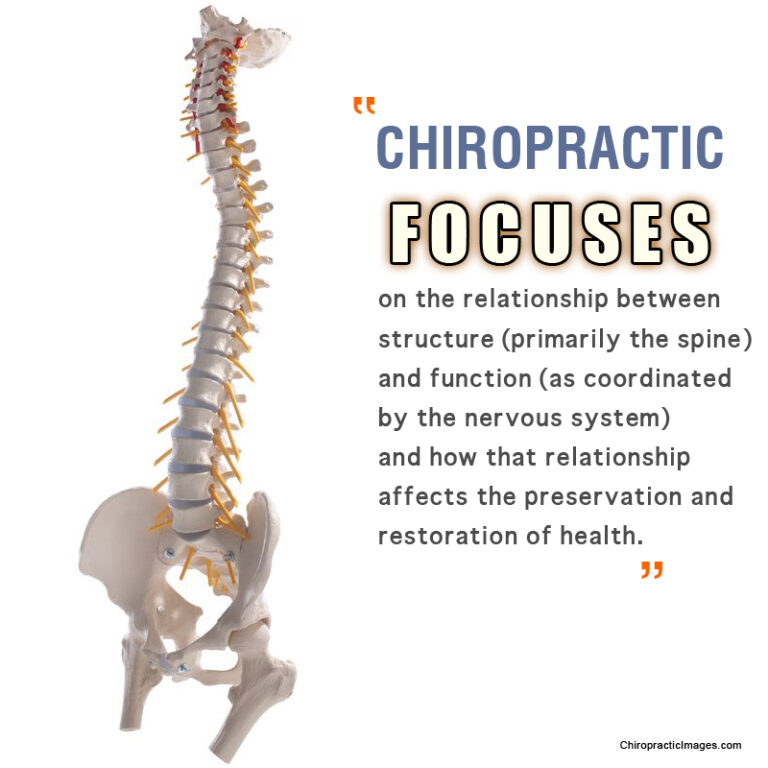
Chiropractic is a healthcare discipline that emphasizes the inherent recuperative power of the body to heal itself without the use of drugs or surgery. The practice of chiropractic focuses on the relationship between structure (primarily the spine) and function (as coordinated by the nervous system) and how that relationship affects the preservation and restoration of health. In addition, doctors of chiropractic recognize the value and responsibility of working in cooperation with other health care practitioners when in the best interest of the patient.

Indeed, chiropractic can be a complementary medicine since most chiropractors are used to working with medical doctors to get people pain-free and prevent future injuries.

The Definition of a Chiropractic Adjustment

Most of the benefits associated with chiropractic care are due to patients receiving specific chiropractic adjustments.

Chiropractic adjustments work by helping to place your body in the proper position that then allows the body to heal itself.

Because the nervous system controls every cell and organ in your body, chiropractors focus their attention on the health of the spine being properly aligned.

If the spine shifts out of its proper place, then adjustments are used to help bring the spine back into alignment.

A Chiropractic Adjustment Influences the Spine, Spinal Cord and Brain

Over the past ten years several research groups have demonstrated that spinal adjustments can change various aspects of nervous system function, including muscle reflexes, reaction time, and the speed at which the brain processes information.

Much of this research has demonstrated that when chiropractors apply an adjustive thrust to the spine, it stimulates specific tissues around the spine that feed valuable information the brain.

Chiropractors have known for over a hundred years that movement is important, and now we better understand why that is.

It’s not just because exercise is good for you, which of course it is.

But movement feeds the brain with information about what is going on in your body.

You cannot see inside your body and you don’t watch everything you do.

So your brain relies on all sorts of information arriving from all around your body to have a clear picture of what is going on and to make the right decisions about how best to respond.

When your spinal segments are not in properly alignment or moving as they should, the different or excessive information that the brain receives may act as background noise in the system, making it harder for the brain to accurately perceive what is going on and respond appropriately.

spine health bad

But out of all the research that has been done on chiropractic adjustments, the most interesting thing that came from all these experiments is that chiropractic care, adjusting the spine to restore spinal function, actually changes the way the brain functions.

Final Thoughts on Chiropractic Adjustments

Final Thoughts on Chiropractic Benefits

Chiropractic adjustments work by helping to place your body in the proper position that then allows the body to heal itself.

One of the key focuses of chiropractic care is realigning the spine and thereby reducing pressure placed on sensitive nerves, which can contribute to dysfunction of the central nervous system.

Chiropractic can be a complementary medical approach to mainstream medicine as well, and it’s been proven to be one of the safest approaches to naturally and holistically treating patients with a wide range of symptoms or conditions, including: back or neck pain, sciatica, scoliosis, frozen shoulder, acid reflux or digestive issues, headaches, high blood pressure, injuries and neuromusculoskeletal complaints that may require surgery.

How Do Chiropractic Adjustments Work?2026-04-26T11:13:31-05:00

Chiropractic Adjustments Influence the Vagus Nerve

With each passing year, more and more evidence is mounting supporting the benefits of regular chiropractic adjustments.

Every year, scientists are publishing scientific chiropractic-based studies aimed at gaining a little more understanding as to how chiropractic influences your health and wellness.

While there’s a lot of work yet to do, the evidence is pointing to a world of possibilities when it comes to neuroplasticity (changes in nerve and brain tissue) and human performance.

Still, there are new frontiers yet to be explored.

One of these is the area of vagal nerve stimulation.

Recent research indicates that decreased neuro-inflammation is associated with higher vagus nerve activity. [1]

So what is the vagus nerve and how exactly does a chiropractic adjustment stimulate the vagus nerve?

The Vagus Nerve is a Key to Well Being

Take a deep breath.

Hug a friend.

Reach for the ceiling and stretch your limbs.

Each of these simple acts bestows a sense of calm and comfort.

And each works its soothing magic in part by activating a complicated system of nerves that connects the brain to the heart, the gut, the immune system, and many of the organs.

That system is known collectively as the vagus nerve.

vagas nerve austin chiropractor The vagus nerve is one of the twelve cranial nerves, which spread out from brain and into the body like an intricate network of roots.

These nerve networks act as lines of communication between the brain and the body’s many systems and organs.

Some of the cranial nerves interpret sensory information collected by the skin, eyes, or tongue.

Others control muscles or communicate with glands.

The vagus nerve, also called the “10th cranial nerve,” is the longest, largest, and most complex of the cranial nerves, and in some ways it’s also the least understood.

Experts have linked its activity to symptom changes in people with migraine headaches, inflammatory bowel disease, depression, epilepsy, arthritis, and many other common ailments.

The more scientists learn about the vagus nerve, the more it seems like a better understanding of its function could unlock new doors to treating all manner of human suffering.

We know that depressed people have low vagus nerve activity.

A separate branch of the vagus nerve runs down to the gastrointestinal tract and decreased activity is associated with slowed gastric function, which interferes with proper digestion.

Still other branches of the vagus nerve are connected to the heart, the lungs, and the immune system.

The vagus nerve’s activation or deactivation is tied to the ebb or flow of hormones such as cortisol and the digestive hormone ghrelin, the amount of inflammation the immune system produces, and many other internal processes that shape human health and experience.

There’s a massive bioelectrical and biochemical series of events that the vagus nerve is responsible for, and all that is almost impossible to map; yet we know that chiropractic adjustments can stimulate it.

Why is that important?

Pick almost any common medical condition that’s made worse by stress or inflammation — everything from arthritis to inflammatory bowel disease — and there’s research showing that vagus nerve stimulation can help treat it or relieve its symptoms.

Chiropractic Adjustments Influence the Vagus Nerve

The vagus nerve is especially important to Chiropractors because of the link between essential nerves and the spine and upper neck.

Spinal health plays a significant role in directing the health of the vagus nerve.

If the spine becomes altered in its positioning or ability to move freely, the information to and from the spinal nerves become interrupted.

Chiropractors play close attention to the alignment and movement of the spine to assure better vagus nerve activity.

New research from 2018 proved that chiropractic adjustments boost the function of the vagus nerve by impacting heart rate variability, which is what the vagus nerve controls.

Another study showed that long term chiropractic care (52 weeks) resulted in sustained improvements of heart rate variability.

An improvement in the vagus nerve activity plays a major role in regulating autonomic nervous system function, lowering chronic disease risk, and decreasing mortality rates.

Better health and function within the nervous system represents only a portion of the benefits experienced through regular Chiropractic care.

All people deserve the proven health care option delivered conveniently by a local Chiropractor.

Now you know!

Chiropractic Adjustments Influence the Vagus Nerve2026-04-26T11:13:32-05:00

How to Avoid the Flu with Chiropractic Care

Most people under the age of 75 have likely never heard of the Influenza epidemic of 1918. You’d think more schools would teach about it and try to use what happened as a means to promote healthy living, disease prevention, and how to avoid the flu.

The 1917 – 1918 influenza epidemic swept silently across the world bringing death and fear to homes in every land. And after 100 years, public health experts are still unable to explain why this flu outbreak was so deadly.

The whole world stood at its mercy, or lack of it.

This disease was so severe that case-fatality rates exceeded 2.5%, which is 25 times greater than most flu pandemics. This is a 2,500% difference! No one really knows for sure, but the total death toll has been estimated between 50 – 100 million.

Between 1918 – 1919, an estimated one-third of the world’s population (~500 million) were infected by what public health researchers now believe was a mixture of H1N1 and swine flu pandemics.

Recent research conducted on the bodies of frozen victims has actually discovered that the virus killed through an overreaction of the body’s immune system; somewhat like an autoimmune disorder where your body thinks your own cells are pathogens and puts your immune system in overdrive. According to one source,

“The strong immune reactions of young adults ravaged the body, whereas the weaker immune systems of children and middle-aged adults resulted in fewer deaths among those groups.” [1]

This is important to understand because we live in a time where autoimmunity affects more than 50 million people alone in the U.S. This suggests that immune deficiency and intolerance is setting us up for another health catastrophe. [2]

So learning how to avoid the flu or protect yourself as much as possible is something you should pay attention to.

Prevention is Key to Avoiding the Flu

You don’t have to worry about dying from the flu (or even getting the flu) if your immune system is functioning at 100%.

As many immunology experts have said before,

Cancer, first and foremost, is a problem with the immune system. You cannot have cancer if you have an intact immune system.

And so it goes with all other diseases, including the flu.

How to avoid getting the flu – The key to keep sicknesses like influenza at bay is to follow these steps that have been shown to enhance your immunity:

1. Maintain a healthy nutrition plan that consists of a variety of plants and healthy meats.

There are several micronutrients that are essential for immune health. Many Americans don’t get enough of these nutrients through their diets. But even if you are getting enough, taking additional amounts of them when people around you are sick, or if you’re already sick, can be a big help. This is why I suggest a good whole food multivitamin.

2. Wash Your Hands!

Seems obvious, but there's plenty of people (and kiddos) who don't do this. Maybe you already know this, but studies have shown that frequent hand-washing is one of the most important things we can do to protect ourselves during cold & flu season. So wash your hands every time you arrive at a destination while out and about, and first thing when you get home.

3. Minimize the stressors in your life.

Of all of the recommendations I could offer, most people will have the hardest time with this one. In our crazy, hectic world, minimizing stress is something we just can't get a hold on; but it’s absolutely necessary when battling a viral infection that's consuming a lot of your energy.

Of course it’s not always easy to take time for yourself to unwind, especially if you have young children (I know this firsthand!), but even a few short rest periods (ME TIME) throughout the day can make a big difference when it comes to supporting your immune system.

4. Stay Physically Active,  But Don't Overexercise

Look, if you're not exercising or physically working your body in any way that raises your heart rate – You Need to Start. There's no way around it, exercise and physical fitness are intimately tied to the genetics and neurobiology of our body.

But if you are exercising, make sure you're also no over training as this can lead to immune suppression. This goes for any long distance runners, cyclists and high intensity interval performers.

5. And, of course, regularly visit your chiropractor!

Chiropractic adjustments have been shown to improve immune function and even aid in the treatment of the flu. This understanding goes way back to the Flu Pandemic of 1918…

Get Regular Chiropractic Adjustments

One of the most interesting facts about the Influenza epidemic of 1918 is that research shows that chiropractors were one of the primary instruments to help stop the plague!

Multiple literature reviews have supported this notion that chiropractic adjustments can boost various aspects of the immune function in a unique way. [67]

Specifically, chiropractic has been clinically shown to:

  • Promote the production of white blood cells, which are the mainstay of the immune system. [89]
  • Consistently reduce the production of pro-inflammatory cytokines. [10]
  • Induce and enhance production of the immunoregulatory cytokine IL-2 and the production of immunoglobulins. [1112]
  • Increase CD4 counts in HIV/AIDS patients. [13]

Chiropractors were originally licensed as doctors because of their ability to treat infection, NOT take away headaches or back problems. [14]

Contrary to popular folklore, chiropractors primarily treated infectious diseases like polio up until the 1950s!

The Texas Chiropractic Association highlights this point in their historical account of the Chiropractic – Spanish Flu connection: [14]

“Chiropractors got fantastic results from influenza patients while those under medical care died like flies all around.”

“Statistics reflect a most amazing, almost miraculous state of affairs. The medical profession was practically helpless with the flu victims but chiropractors seemed able to do no wrong.”

THE DATA THAT THEY REFERENCE IS QUITE REMARKABLE: [14]

  • In Davenport, Iowa, 50 medical doctors treated 4,953 cases, with 274 deaths. In the same city, 150 chiropractors including students and faculty of the Palmer School of Chiropractic, treated 1,635 cases with only one death.
  • In the state of Iowa, medical doctors treated 93,590 patients, with 6,116 deaths – a loss of one patient out of every 15. In the same state, excluding Davenport, 4,735 patients were treated by chiropractors with a loss of only 6 cases – a loss of one patient out of every 789.
  • National figures show that 1,142 chiropractors treated 46,394 patients for influenza during 1918, with a loss of 54 patients – one out of every 886.
  • Reports show that in New York City, during the influenza epidemic of 1918, out of every 10,000 cases medically treated, 950 died; and in every 10,000 pneumonia cases medically treated 6,400 died. These figures are exact, for in that city these are reportable diseases.

The same epidemic reports show that chiropractors 3,490 cases of influenza with only 7 deaths.

But the best part of this is, in Oklahoma there is a clear record showing that chiropractors were called in 233 cases where medical doctors had cared for the patients, and finally gave them up as lost. The chiropractors saved all these lost cases but 25.

This information is absolutely profound and is a strong argument for the benefits of chiropractic care that go way beyond simply treating neck and back pain.

In the words of Dan Murphy, DC, “Chiropractors are doing something to influence the efficiency of the immune system.” [15]

So as the cold and flu season approaches, I strongly recommend that you regularly visit your chiropractor and to develop and stick to a good natural health regimen.

How to Avoid the Flu with Chiropractic Care2026-04-26T11:13:32-05:00

Five Benefits of Chiropractic Adjustments

Chiropractic Adjustment Benefits:

5 Reasons Why You Should Get Adjusted Regularly

Chiropractic Adjustments are small, specific forces directed to the spine to restore proper movement and function. In this article we share 5 scientific papers highlighting the significant of chiropractic adjustments.

1. The Spinal Cord Impacts Disease Processes

The work of PhD Neurophysiologist Irvin Korr involves 5 decades of his life studying the spine and its direct influence on the nervous system.

In 1976, he published a series of papers with many references pointing to the fact that an alteration in a segment or area of the spine absolutely negatively affected nervous system function.

The article was titled “The spinal cord as the organizer of disease processes” (1).

Now I know Dr. Korr was not a Chiropractor and even went on to embrace the osteopathic profession before really understanding the chiropractic philosophy and science, but his work on understanding the relationship between the spine and nervous system is profound. In fact he published so many articles in his career and had such an influence in spine and neural physiology that the eulogy in his funeral was also published in PubMed…WOW!)

Most of his work helps validate the power of a chiropractic adjustment. Korr even experienced this first hand when his health was slipping in his 40’s and he was treated by spinal manipulation.

After one treatment he went for a walk and found an irresistible urge to break into a jog, which he hadn’t done in years. From that moment he described a transformation in his life!

Korr attributes his long life (lived into his mid 90’s) and prolonged intellectual activity to having received quality traditional osteopathic and chiropractic spinal adjustive care.

Dr. Roger Sperry, a nobel prize winner on brain research, said “90% of the stimulation and nutrition to the brain is generated by movement of the spine”!!

Korr helped prove that the spine was much more than just a structure that helped us stand more erect and protected the spinal cord. He was also unique and inspiring as he always pointed out we as humans express our humanness by choosing to do such things as play the piano, ski, walk, etc.

He pointed out the importance of taking care of the “whole person” in healthcare instead of the reductionist viewpoint of picking out just a diseased organ or part like the allopathic physicians practiced.

The bottom line in the work of Korr was how he showed that a misalignment in the spine creates a stress that negatively impacts the nervous system.

This increased stress leads to overactivation of our “fight or flight” system and negatively impacts overall health physiology.

Reference:  “The spinal cord as organizer of disease processes” Korr IM. J Am OsteopathAssoc. 1976 Sep;76(1):35-45.

2. Chiropractic Adjustments Positively Impact Brain Function

A study performed in 2011 revealed the impact of one single chiropractic adjustment on the brain and nervous system.

Published in “Alternative Therapies Health Medicine” (2), this study was done by 8 PhD’s and 1 Chiropractor.

They used a PET scan as a powerful neuro-imaging technique to measure neuronal activity in the brain.

They were able to take a radioactive analogue of glucose as a marker to measure brain glucose consumption as it would indicate brain metabolic activity post-adjustment.

Their findings were ASTONISHING!!

The study clearly demonstrated that the sympathetic tone of the nervous system was inhibited, salivary amylase was decreased (indicating a decrease in fight/ flight physiology), regional brain metabolic changes occurred, and muscle tone & pain intensity decreased following ONE single chiropractic adjustment.

Let me tell you what this means…

Studies dating back to the Windsor autopsies in 1921 up until now have claimed that spine strength and integrity and health impact nervous system function…

THIS STUDY PROVES IT!

But the mechanism behind this study would not indicate a hard bone impacting a nerve.

Rather, it backs the plausibility that decreased segmental movement and abnormal alignment of the spine creates abnormal signals into the brain (specifically the hypothalamus) leading to increased sympathetic tone (flight/flight).

Increased sympathetic tone always increases stress hormones (because of the direct link from spinal mechanoreceptors to lamina 7 of the spinal cord and then up to the cerebellum, thalamus, cortex, and then hypothalamus) as the spine has the ONLY direct link to the Hypothalamus (and thus hormones) in the entire body.

Taking this a step further, chronic increased stress hormones are linked through numerous studies directly to a host of diseases including but not limited to cancer, glaucoma, bi-polar disorder, type I & type II diabetes, rheumatoid arthritis, autoimmune disease, osteoarthritis, excessive body weight, hypertension, asthma, immune system function. (“Autonomic and Autocoid Pharmacology” 2009)

Reference: “Cerebral metabolic changes in men after chiropractic spinal manipulation” Alternative Therapies Health Medicine 2011 Nov-Dec;17(6):12-7. 

3. Chiropractic Adjustments Are Good For You Regardless of Symptoms

This 3rd Study published in the “Journal of Neurophysiology”(3) showed that a cervical spinal adjustment (ON PATIENTS WITH NO PAIN) influences the cortical brain and can create neuroplastic changes in the brain tissue.

There are counselors and emotional modification programs that cannot create neuroplastic changes in the brain over months and months of therapy like one single chiropractic adjustment can.

I believe the best part of this study is that the subjects receiving adjustments DID NOT have neck pain but had confirmed misalignments. (In other words…the spine was misaligned and undergoing damage in the absence of pain)

How many people who never have pain, think about getting chiropractic adjustments? Just because you don't have pain or hurt doesn't mean your healthy.

This particular study proved that a chiropractic adjustment had a direct influence on sensory input into the brain that positively changed it.

It was noted that “enhanced active inhibition” of the sympathetic nervous system tone occurred in ALL post-adjustment measurements!

The other cool thing it proved was that it clearly wasn’t a placebo effect or just “laying on of hands”.

One group was set up for an adjustment but the high velocity low amplitude thrust was not made and this group had NO cortical neuroplastic change.

The bottom line here is that the spine misalignment leads to a bombardment to the Central Nervous System with afferent signals from joints and surrounding muscles.

A chiropractic adjustment reduces excessive signals and improves altered input into the brain and spinal cord, resulting in better adaptation to any internal or external input the brain perceives.

Truth is…

  • There is no way to be healthy without a healthy spine.
  • There is no way to know if you have a healthy spine unless you have it checked (regardless of pain or symptoms).
  • Chiropractic Adjustments are proven to positively impact your brain and spinal cord for improved health.

Reference: Haavik Taylor, H. & Murphy B.A. (2007) “Cervical spine manipulation alters sensorimotor integration: A somatosensory evoked potential study” Journal of Clinical Neurophysiology, 118(2):391-402 

4. Chiropractic Adjustments Improve Posture

The next study I want to cover is one of my favorites.

This was a study published in the reputable Medical Journal of SPINE in 2005 and was done by a team of all Medical Doctors headed up by Dr. Steven Glassman.

They measured posture in 752 subjects from the sagittal plane (from the side) using full-spine x-rays.

They took measurements from C7 (the 7th bone in your neck) and took plumb-line measures as it relates to the sacrum.

Basically, the more forward C7 was in relation to the Sacrum, health status was decreased significantly.

ALL MEASURES OF HEALTH STATUS showed significantly POORER SCORES AS POSTURE DEVIATIONS INCREASED.

This is why we evaluate posture on every single patient!

Even minor forward head posture was shown to be detrimental to health.

From breathing and heart rate, to pain and disability, all health markers that were measured worsened as the posture deviations increased.

This again clearly demonstrates the relationship between a bad spine (spine misalignments) and its implications on human health, particularly as it relates to non-musculoskeletal physiology.

All Chiropractic adjustments help to restore posture by improving motion and spinal integrity which improves afferent input into the spinal cord and brain, thus, allowing the body to comprehend and balance itself better in relation to gravity.

Reference:  “The impact of positive sagittal balance in adult spinal deformity” SPINE 2005 Sep 15;30(18):2024-9

5. Chiropractic Adjustments Are Beneficial For Children

The 5th study you should know about the power of chiropractic adjustments involves kiddos and even newborns.

This paper comes out of the Journal of Manual Medicine and was published in June 1992 (5).

This is a critical piece to understand as it relates to why infants and children need chiropractic evaluations and care if necessary.

The study evaluated more than 600 children, all less than 2 years of age. In this research they refer to the spine misalignments as a “kinematic imbalance due to suboccipital strain” (KISS).

The report talked about the pathogenic importance of asymmetric posture in small children and the fact it is often played down – if recognized at all by the medical community.

The author noted that KISS (spine misalignments) has a wide range of clinical signs and in many cases can be dealt effectively with manual therapy.

The risk factors for why these children had KISS syndrome, as they called it, were from intrauterine misalignment, application of extraction aids in delivery, prolonged labor, and/or multiple fetuses. (In short, BIRTH itself was the Cause!)

When someone asks me if their newborn or child should get adjusted, this paper is the first thing that comes to mind.

WHY INFANTS AND KIDS NEED CHIROPRACTIC!

Lets look at the facts of the study.

First off, they agreed that the main symptoms that KISS syndrome can lead to are:

  • torticollis
  • unilateral face asymmetry
  • C-scoliosis
  • motor asymmetries
  • unilateral retarded maturation of hip joints
  • slowed motor development
  • sleeping disorders
  • neck sensitivity
  • face swelling
  • fever of unknown origin
  • loss of appetite
  • feet deformities
  • pathological reflexes
  • range of motion diminished by 30% or more

They concluded that on these babies “an A-P radiograph of the upper cervical spine is imperative.”

The radiograph evaluation helps to find malformations and aids in determining the direction of the adjustment.

THERE WAS NO CORRELATION BETWEEN EXTENT OF THE ASYMMETRY AND THE SYMPTOMS OR SUCCESS OF THE TREATMENT!

This means that even a small shift or misalignment is clinically relevant.

The treatment involved an “impulse adjustment” and in most cases the direction and line of drive was determined by radiological findings (85% of the time).

6 HUGE findings in this study:

  1. “Selection of the direction of adjustment without x-ray seems the most plausible cause of the less encouraging results of some colleagues.” This means x-rays helped get better results. Interesting, but I don't like Xray-ing babies less than 3 years of age!
  2. THE RISK OF TREATMENT WAS MINIMAL! No serious complications were encountered. Most children would cry for a moment but stop as soon as they are in their mother’s arms. In 2 cases (out of roughly 600) the children vomited after the adjustment but had no negative effect of outcome in either case.
  3. It was noted that the UPPER CERVICAL SPINE REMAINS A WEAK SPOT IN MOST CHILDREN which is why they should be re-examined before they start school at age 6.
  4. KISS is not confined to local complaints or even mechanical symptoms and is not taken into account when these children show signs of restlessness and concentration difficulties.
  5. KISS DOES NOT ALWAYS LEAD TO CLINICAL SYMPTOMS
  6. Upper cervical “delicate structures undergo considerable stress during delivery” and during delivery “a majority of newborns suffer from micro-trauma of the brain stem tissues in the periventricular areas.” (The CAUSE is “Normal” Births)

***Another interesting side-note from this study was that the adjustment of the occipital/cervical region led to disappearance of problems that the parents had not reported because they did not see a connection with the spine. (I CANNOT TELL YOU HOW MANY TIMES DO WE HEAR THIS IN PRACTICE?)

And these parents would regularly note that their child would eat or sleep much better since the treatment.

WHO NEEDS TO KNOW ABOUT THIS?

EVERYONE!

Reference:  Biedermann H. “Kinematic imbalances due to suboccipital strain in newborns” J. Manual Med (1992) 6:151-156. 

Five Benefits of Chiropractic Adjustments2026-04-26T11:13:34-05:00

What is the Cost of a Chiropractic Adjustment?

What is the Cost of a Chiropractic Adjustment?

The honest answer depends on how much value you place in your health.

Most people have been in a situation where they need to ask the question, “How much does it cost?”

You need to see a doctor or at least know that you need a checkup, maybe you already know you need a chiropractor, but you have no health insurance.

Or maybe you have health insurance, but it doesn't cover chiropractic care or physical therapy treatments.

Maybe your insurance covers chiropractic care, but your deductible is so high that you can't use it.

What should you do?

While the debate about health insurance and the single payer plan continues, you have real needs right now that need to be addressed.

One of the main things that people don’t seem to realize is that Health is priceless, and we shouldn't ever put a value on what it takes to keep our body running in tip top shape.

The body you have is the only one you will ever have, and if you want it to last over time, then you need to take care of it.

Yes, this isn’t to say that money or insurance doesn’t matter because it does, that's a hard fact.

However, most will agree that if you fail to take care of your body by being proactive when issues arise, all the money in the world won’t restore your health or stop you from having chronic pain.

When push comes to shove, you're not going to be wishing for more cars, clothes or things… you'll want more time; and the best way to get more time is to keep your health. 

Similar to a car that runs without ever having the oil changed, eventually the engine crosses a point of no return.

In this article I share a few tips about what you can do when you find yourself without health insurance or minimal coverage and need to improve your health.

Does Insurance Cover Chiropractic?

The answer here is both yes and no.

While many major insurance plans DO cover chiropractic care, other plans, including Medicare Part B, don't cover the initial exam, x-rays, evaluation services, and sometimes not even physical therapy exercises necessary to correct the spine.

This doesn't mean you don't need the care. It just means you don't have coverage. And choosing to get the care you need is your choice, not your insurance.

Do insurance companies cover chiropractors? Yes, most do to some extent.

How much does insurance cover for chiropractic care?

Some plans allow for full coverage, including exams, x-rays, 100%!

However, for many plans, this is the case only if you have been involved in some type of accident, such as a car accident or work-related injury.

One of the best things about chiropractic care is that you don't need a referral!

Does Blue Cross cover chiropractic? Yes, but some policies may exclude it.

Does United Healthcare cover chiropractic? Again, Yes and No, it just depends on your specific policy.

This is where the staff at Family Health Chiropractic can help.

Our staff is trained to deal with insurance companies and chances are they know what your plan covers related to accessing services of a chiropractor in Austin.

If you do have insurance but aren’t sure if you are covered or exactly what it will cover, we can help.

What If I Don't Have Health Insurance?

You might think that you can’t afford to see a good chiropractor if you don’t have insurance, but this isn’t true.

It's just a matter where you place value and priorities.

I know people google “Cheap Chiropractor Near Me”, but I don't understand the logic?

The spine is what protects your spinal cord and nervous system. There's nothing “cheap” about that.

So when it comes to your health, especially your spine, cheap isn’t something you should be considering.

If that's the case, you're better off avoiding any “cheap” care to begin with.

Of course you should check ratings and reviews before deciding how to pick a good chiropractor.

There's so much that goes into receiving a chiropractic adjustment rather than just getting “popped” or “cracked”.

Getting adjusted without knowing what's happening to the spine is like a heart surgeon cutting open your chest without screening for what arteries are damaged to begin with.

And if you went to a medical doctor’s office and asked how much it would cost to see the doctor for a cough, what would they say?

It would depend, wouldn’t it? It would depend on whether that cough was caused by a cold or if it was from something more serious like lung disease.

The same is true of a chiropractor’s visit.

Is your spine in a normal healthy position? Do you have abnormal posture but a healthy spine? Do you have any arthritis or deterioration?

Either way, we've made it pretty simple for you to get all those questions answered and more without breaking the bank.

5 Things to Think About When It Comes to Health and Money

1. Your Health is an Investment, Not an Expense

If you don’t read any other tip, this is the one you should hold on to.

Too many people think of their health as an expense and try to figure out how to address it as cheaply as possible.

We do this with foods, supplements and doctors.

This isn’t to say that you should only pay for the most expensive doctor or healthcare, but to ignore issues because “insurance doesn't cover it” or “wait until later” is a big mistake.

Everyone has their priorities, but let’s look at facts.

A great many people in society have no problem spending their money on smartphones, hand bags, cosmetic procedures, clothing, or a car but aren’t the least interested in spending more than a few dollars, if any, on their own health.

People spend $120 on their hair, $100 on brand new shoes, $80 a month on coffee, $45 on a manicure/pedicure but they won't invest in their own health or fitness because insurance doesn't cover it?

Taking care of your health is a real investment in your future.

Imagine if someone told you that if you were willing to spend $100 today on your health, that you would avoid $10,000 worth of health problems in the future, what would you say?

This is exactly what you are doing when you start thinking about your health as an investment, rather than an expense.

Gym memberships, fruits and vegetables, dental cleanings and chiropractic care are all investments.

Fast food, Starbucks, plastic surgery, eyelashes, nails, video games, and even traveling in most cases, are expenses.

2. Optimize Nutrient Intake

The human body requires approximately 40 different micronutrients for normal metabolic function.

Maximizing nutrient density should be the primary goal of our diet because deficiencies of any of these essential nutrients can contribute to the development of chronic disease and even shorten our lifespan.

Nutrient deficiencies are not only a cause of chronic health conditions, but they can also be an effect. 

Small intestinal bacterial overgrowth (SIBO), dysbiosis, and gastritis impair nutrient absorption in the gastrointestinal tract and increase nutrient needs.

Chronic inflammation increases the degradation of and need for vitamin B6 and reduces the body’s production of vitamin D from UVB light exposure.

Exposure to environmental toxins such as heavy metals increases the need for essential minerals and nutrients involved in methylation.

These factors make nutrient density even more crucial.

Another place that people like to cut corners in terms of their money, is their food.

This is obvious with the adoption of what is now referred to as the Standard American Diet.

If the United States were to receive a report card rating the quality of the Standard American Diet, it would get a solid “F” for nutrient density.

Despite being high in calories, the Standard American Diet (SAD) is nutrient poor.

Vegetable oils and sugar, which together comprise 36 percent of the SAD diet, are virtually devoid of nutrients.

It should come as no surprise that nutrient deficiency is widespread in the United States; recent statistics indicate that nearly one-third of Americans are at risk for at least one vitamin deficiency or anemia, with hundreds of thousands of people at risk for multiple deficiencies.

3. Boost Immune Function

How can you improve your immune system?

On the whole, your immune system does a remarkable job of defending you against disease-causing microorganisms.

But sometimes it fails: A germ invades successfully and makes you sick. Is it possible to intervene in this process and boost your immune system?

What if you improve your diet?

Take certain vitamins or herbal preparations?

Make other lifestyle changes in the hope of producing a near-perfect immune response?

The best way to boost immune function is to simply improve your lifestyle.

Following general good-health guidelines is the single best step you can take toward naturally keeping your immune system strong and healthy.

Every part of your body, including your immune system, functions better when protected from environmental assaults and bolstered by healthy-living strategies such as these:

  • Don't smoke.
  • Eat a diet high in fruits and vegetables.
  • Exercise regularly.
  • Maintain a healthy weight.
  • If you drink alcohol, drink only in moderation.
  • Get adequate sleep.
  • Take steps to avoid infection, such as washing your hands frequently and cooking meats thoroughly.
  • Try to minimize stress.

4. Don't Neglect Mental Health

Speaking of minimizing stress…

You likely already know that long-term, unmitigated stress can hurt your health.

Chronic stress, anger, frustration, anxiety, sadness and grief are all emotions that we need to address.

Do these emotions affect your health?

The short answer is yes – positive or negative, your emotions do impact your health.

The good news is that through positive psychology, you can retrain your brain to follow healthier, more beneficial emotional patterns and learn to let go of negative ways of thinking.

How to improve your thoughts to influence positive psychology goes beyond the scope of this article, but know that it's important and can be improved upon.

5. Health is Available Without a Prescription

Health is absolutely available without a prescription.

Just because you don't have insurance and cannot be prescribed a drug, doesn't mean you can't get healthy.

While there is a small portion of the population that truly needs a prescription medication, using these drugs to get healthy never really happens.

In fact, study after study on longevity and health shows the exact opposite.

People who take less prescription medications over time, live happier and healthier lives, compared to those who take prescription medications for every ailment and symptom they experience.

All that said, if we want to prevent and reverse chronic disease, we need a healthcare paradigm that is not simply focused on prescribing another drug for a particular set of symptoms, but willing to spend the time necessary to address complex health issues.

What is the Cost of a Chiropractic Adjustment?2026-04-26T11:13:34-05:00

How to Find The Best Chiropractor Near Me

How to Find The Best Chiropractor

Have you ever typed “find a chiropractor near me” into google hoping to find the best chiropractor for you or your family? If so, you're not alone.

Finding a good chiropractor isn't easy. But taking the time to find the best chiropractor is an essential part of anyone's personal health and wellness plan.

And while your motivation to simply find a chiropractor and walk in and get adjusted is high, you might want to make sure you're a good fit.

This is why simply going online to find a list of names isn't the best approach either.

All that said, there are some easy steps you can take when trying to figure out “how to find a chiropractor near me?”

And by taking these steps, you can find a chiropractor who can help you the best way possible.

The best chiropractors can help you in a number of ways including:

  • Providing drug-free, non-invasive treatments
  • Offering full body chiropractic adjustments
  • Giving diet and exercise advice
  • Offering a safe and reliable way to recover from sports injuries
  • Allowing a safe pain management option for pregnancy
  • Advising you on daily changes to reduce your pain
  • Helping with personal fitness challenges

Here are a few steps to help with finding the best chiropractor near me.

what type of chiropractic are you looking for

Step 1 – Decide What Type of Chiropractor You're Looking For

Take some time to think about the different techniques that chiropractors can use to help you out.

This one of the most important steps in finding a good chiropractor.

There are Doctors of Chiropractic who are only concerned with treating and managing your pain, and there are chiropractors who are not interested in pain management at all; but helping you to achieve optimal health and wellness.

A few things that chiropractors specialize in:

  • Structural Restoration of the Spine & Posture
  • Physical Medicine and Rehabilitation
  • Nutrition
  • Acupunture
  • Massage Techniques
  • Functional Medicine
  • Chiropractic Pediatrics
  • Chiropractic Neurology

In no way am I saying that one style of practice is better than the other, but it's important that you realize that not all chiropractors offer the same type of of care.

We've had patients come into our office who said they've been to a chiropractor before but were never given any chiropractic adjustments!

The specific technique that we offer is known as CBP® or Chiropractic Biophysics.

Chiropractic BioPhysics® is the most researched technique in chiropractic with over 250 peer-reviewed publications. No other chiropractic technique comes close to the validation and effectiveness that has been proven by CBP®.

CBP® Technique emphasizes optimal posture and spinal alignment as the primary goals of chiropractic care while simultaneously documenting improvements in pain and functional based outcomes.

The uniqueness of CBP® treatment is in structural rehabilitation of the spine and posture.

We take digital posture and xrays both before and after treatment, to make sure that we are achieving the results that you need to get better.

If you want to search for CBP doctors, you can search from the CBP database: https://idealspine.com/directory/

On top of offering CBP® at Family Health Chiropractic, we also offer:

Step 2 – Search for “Best Chiropractor Near Me”

Finding a good chiropractor that is close to you is helpful. So try the following search queries to see who's around you:

  • austin chiropractor
  • chiropractors in austin
  • best chiropractor near me
  • best rated chiropractor near me
  • best chiropractor+ your zip code (ie best chiropractor 78746)

Family Health Chiropractic is at the center of Bee Caves Rd between Highway 360 and South MoPac Expressway.

We are centrally located for most people living in Austin Texas.

This means we're a:

  • 10-15 minute drive from Downtown Austin
  • 15-20 minute drive from South Austin
  • 20-30 minute drive from North Austin

In the past, we've had patients come to see us from all over Austin, including:

  • Round Rock
  • Manor & Elgin
  • Bastrop
  • Lockhart
  • Kyle
  • Driftwood & Dripping Springs
  • Lakeway
  • Cedar Park

We even have patients that come from out of the country!

I'm proud of the fact that people are willing to travel to come see us, but at the same time I'm usually the first person to say that I don't want you stressing over driving or having to come see us.

So while I appreciate every single person who wants to visit our office, I just want you to get the care that you need and I'd be happy to know that you have found a chiropractor close to you that works out.

Step 3 – Read Reviews for Chiropractors Near Me

In 2018, online reviews influenced 66.3 percent of consumers when they were looking for a new primary care physician, which is the second-highest influence of any industry.

More than ever, people are visiting websites to find a new healthcare provider, and reviews are influencing decisions.

Our practice measures its success based on the results we get.

Our results are based on our ability to improve the health and outcome of our patients, structural and postural changes that occur over time, measured via xrays and digital posture and patient satisfaction.

We keep track of validated outcome measures that track personal health and symptoms and we appreciate all the reviews that come our way.

At the time of writing this article, we have over 100 5-star reviews on google.

Reviews are great, but it's important to keep a few things in mind such as:

  • Review sites are based more on opinion than actual data showing how well a doctor provided treatment or care.
  • Some rating websites may promote doctors who have a “paid” rather than “free” profile.
  • Use the information to help you decide. But don't rely on it entirely. Consider what else you know, too.

Out of all the review sites there are, make sure that it's not a “paid” site (ie Angie's List, Yelp, etc) which is more biased towards the paying doctor, rather than giving you honest reviews.

Finally, does the doctor have a way of demonstrating actual improvement or measuring improvement?

Our Austin Chiropractic office uses a series of measurements to track results including research based outcome assessment forms, digital posture and even Xray exam comparison studies.

Every single patient who starts at our office will complete assessments to quantify how they're feeling, undergo a full posture and spine xray exam and then receive specific chiropractic and physical therapy or exercise recommendations based on those results.

While that is all great, we take it a step further and after so many visits, re evaluate all of the initial finding to make sure that you're actually getting better.

check insurance benefits chiropractor

Step 4 – Check Insurance Benefits or Pricing

Insurance is like cable or our cell phone carrier – no one is ever really satisfied. But it matters!

Health is something that I personally feel is non-negotiable when it comes to cost.

You either pay to be healthy, or you pay when you're sick. You pick.

But checking for insurance coverage is a practical matter. To receive the most insurance benefits and pay the least out-of-pocket for your care, you may need to choose a chiropractor who participates in your plan.

That said, picking a chiropractor (or any doctor) simply because they're in your “network” or accept your insurance is not the best place to start.

Just because someone accepts your insurance, doesn't mean that they are going to do your body any good.

The cost of a chiropractic visit can vary wildly depending on location and the type of practice.

It can range from $30 to around $200 depending on the state you live in and the experience of the doctor.

On average, costs can range from $65-95 per session, with initial sessions between $125 to $275 depending on the diagnostics at the initial exam.

Don’t be afraid to discuss costs upfront so you have a clear idea of the cost before you commit to a treatment plan, and also see whether it’s covered or partially covered under your insurance plan or through your employer.

A Side Note on The Number of Treatments To Expect

Chiropractic treatment aims to look at the root of the problem, so the number of treatments can vary from patient to patient depending on where they are at.

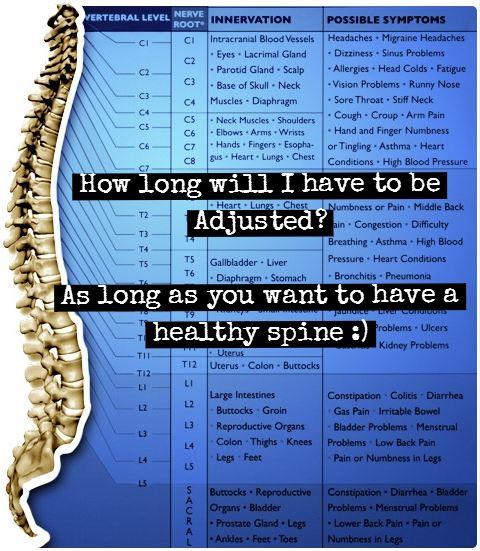
Generally speaking, it can take 6 to 12 visits just to begin to change your pain pattern. This does not mean your spine is correcting, but that the pain is simply diminishing.

As an example, a recent piece of research published by the American Chiropractic Association found that patients receiving care three to four times a week, for 3 weeks noted a substantial reduction in pain intensity.

But research has found that on average it will take 3-4 months of care to begin changing the actual structure and posture of your body! This is simliar to exercising… you can't expect six-pack abs from 1 or 2 weeks of working out.

In your initial consultation your chiropractor should put together a treatment plan that is tailored to your specific requirements including the estimated number of sessions needed.

schedule your first visit austin chiropractor

Step 5 – Stop Thinking and Make A Decision!

The last step to finding a “Chiropractor Near Me” is to call and schedule your initial visit.

We get it. It's nerve wrecking and uncomfortable to try something new. But we promise, you'll feel amazing after your first visit!

Most clinics will require an examination of some kind (hopefully) and some level of diagnostics (movement, posture, xrays, etc.).

I personally would never want someone to adjust my spine without first having looked at XRays.

So if a chiropractic clinic does not offer x-rays, I start to get a little suspicious.

How the heck will they really know what's going on, much less if I'm getting better down the line?

Remember – What gets measured, gets managed!

Here's a list of Austin Chiropractors that our office has referred to in the past:

North Austin (Cedar Park, Round Rock)

  • Salus Chiropractic
  • Austin Life Chiropractic
  • Absolute Life Wellness Center

Central Austin (West Lake Hills, Downtown)

  • Family Health Chiropractic
  • Back ‘n Place Chiropractic
  • Whole Family Chiropractors

South Austin (Sunset Valley, Circle C, Southpark Meadows)

  • Family Chiropractic of Austin
  • Infinity Wellness Center
  • Absolute Life Wellness Center
How to Find The Best Chiropractor Near Me2026-04-26T11:13:34-05:00

The Atlas Bone (C1)

What is the Atlas Bone?

The cervical spine (neck) contains 7 bones or vertebrae labeled C1 – C7. The C1 vertebra, known as the Atlas, is the first bone in the spinal column.

It's named Atlas, after the Greek Titan who was condemned to hold up the world on his shoulders (in this case your head).

More than just a foundation for support, the atlas bone itself is perhaps the most important vertebrae of the body. It’s home to a complex bundle of nerves and critical vertebral arteries, and it’s the point responsible for bearing the entire weight of the skull.

In the myth, Atlas must be careful to hold the world still and strong at all times, or everything would come crashing down.

He did this by balancing the world perfectly on his back.

Your Atlas vertebrae has been charged with the same task – it must hold your head strong and still, otherwise problems with balance and alignment will absolutely develop, affecting the entire spine below.

When there is a misalignment of the Atlas, the interactive communication between the brain and the rest of the body is disturbed leading to a structural, functional deficit.

Such misalignments may be present from birth (even in the case of a delivery by Caesarean section) and may be worsened by traumas such as whiplash and crash collisions.

The Atlas Bone Directly Impacts Balance and Posture

Atlas’ role in maintaining balance comes from how it proportions the weight of the head.

The atlas vertebrae itself is wider than other cervical vertebrae, creating a center of gravity that can be reinforced through proper posture.

If the center of gravity shifts to one side or another, Atlas will begin to tilt in that direction as well.

This not only creates instability in the cervical spine, it can exponentially increase the amount of mass the spine is tasked with redistributing.

This produces a shift in the body's center of gravity and therefore an imbalance from head to toe, leading to musculoskeletal dysfunction.

This causes a static false posture, in which one side of the body is more stressed than the other. This is also the reason why pain is generally concentrated on just one side.

This imbalance is measurable with the help of two scales, which can show a weight difference of up to 20 kg between one leg and the other.

Depending on the kind of Atlas misalignment, physiological lordosis or kyphosis of the spine may intensify sharply or disappear altogether.

The first vertebra has a great influence on the balance of the whole skeleton and is therefore directly responsible for an upright posture.

What Causes the Atlas Misalignment?

Disruption to Atlas’ alignment of the head and neck can come from any number of lifestyle incidences. In addition to activities of daily living, atlas misalignments can occur as the result of both chronic and acute conditions.

Some of the more common causes include:

  • Cervical soft tissue damage, such whiplash injuries, car crashes, bicycle and trampoline injuries;
  • Subluxation of cervical vertebrae below Atlas, resulting in upward instability;
  • Poor posture creating overcompensation to one side of the body;
  • Static posture that puts a strain on the cervical spine;
  • Trauma to the spine resulting in bulging or slipped discs.

Manifestations of problems may even come secondary to Atlas.

For example, kyphosis (reversed cervical curve) may be a recognized condition a chiropractic patient is dealing with. This condition comes with its own symptoms, but could be a catalyst for a shift in Atlas, thus extrapolating spinal issues through a shift in the vertebra.

What Symptoms Are Associated with Atlas Misalignments?

The nerves that exit the Atlas bone directly supply:

  • blood to the head
  • pituitary gland
  • scalp
  • bones of the face
  • brain
  • inner and middle ear
  • sympathetic nervous system

This means that the atlas bone can cause the following symptoms:

In short, it's a big deal. So symptoms can range from simple neck pain and soreness, to complete neurological and brain function disarray resulting in overcompensation of movement patterns and chronic pain.

Because Atlas swings the balance of the entire spine, along with its support for the skull, problems can be both localized and referred, further complicating a person’s healthcare status.

Even if the skull rests on a non-leveled Atlas, the eyes need to maintain alignment with the skyline.

As a consequence, the muscles and ligaments of the sub-occipital area are under permanent tension, in their constant attempt to compensate for the alignment of the head.

This continuous stress leads to the body's center of gravity being shifted and to tension, muscle spasms and pain, especially if the muscles are weak and untrained.

This results in cervical problems, tension-related headaches, vertigo, stiff neck and restricted or painful head rotation.

Resolving problems with Atlas requires the comprehensive approach of Chiropractic BioPhysics (CBP).

Only CBP quantitatively assesses the position of the spine against the ideal, to determine the actual degree to which Atlas has shifted out of place.

Moreover, the incremental adjustment plan CBP offers each patient makes it possible to undo the widespread damage that Atlas’ shift may have caused.

The Atlas Bone (C1)2026-04-26T11:13:34-05:00
Go to Top