Blood, Guts and Hormones

As a Functional Medicine Doctor, I absolutely love nerding out with fellow doctors interested in learning more about functional medicine approaches to various conditions.

And one of the most important lessons, whether you’re a patient or a doctor, is that you follow a therapeutic ladder and not get sidetracked with bright, shiny objects.

There’s an old parable about four blindfolded men and an elephant that is a useful way to think about Functional Health and medicine.

Four blindfolded men are brought into a room with an elephant and asked to guess what’s in the room with them.

Each man touches one part of the elephant and shares what he has found. The first holds the tail and says, “it must be a rope.”

The second feels the leg and declares, “no, it must be a tree.”

The third grabs the trunk and says, “this is a snake.”

And the fourth tugs on the ear and says, “you’re all wrong because I’ve got a leather jacket over here.”

It’s obvious to us that each man cannot see the bigger picture. He can’t grasp how each of the parts fits together to be an elephant. Imagine if they could take off their blindfolds or spend some time exploring and asking questions.

For understanding how our body is functioning, looking at the complete picture is necessary and it begins with a thorough understanding of blood, guts and hormones and the therapeutic ladder.

Starting with Your Story

History taking is part of every clinician’s best practice, but its importance is all too often overlooked.

I often tell patients and doctors, “You are your own BEST doctor.”

Meaning that no one understands your body, how you feel and what’s going on internally, then you. It’s our goal as clinicians to listen to your story.

What you’re experiencing and combined with a clinician’s clinical experience, helps to come to a logical conclusion of what is happening and what the next steps are in helping you to fix it.

Part of the initial health intake and history analysis is to develop a health timeline, intended to help organize your life experience that helps to better understand the causes of illness.

A proper intake and history intake will lead to the identification of antecedents, triggers and mediators of illness that predispose, provoke, and contribute to pathological changes and dysfunctional processes in your physiology.

In this way, both practitioners and patients can identify cause-effect relationships that might otherwise go unnoticed.

By covering the period from preconception to the present, your health intake and history reflect the connection between the whole lifespan and one’s current health.

This is exactly why I ask patients if they’ve had labs and if so, can they share them with me?

Where most doctors dismiss old labs, I find great value in studying your biochemical history.

I like to compare this to forecasting the weather.

If I asked you to forecast the weather next month and only gave you the current weather pattern of the day, your forecast will not be very accurate.

However, if I gave you twenty years’ worth of data, well, your forecast is going to have much greater certainty.

In this manner, your personal health history, (including blood chemistry) and all the factors that have led up to your current expression of health (or lack thereof), are crucial to how we move forward.

human spine structure and anatomy

Blood: Undergoing Functional Blood Chemistry Analysis

Following an appropriate health history and intake, the next step in understanding your health status is undergoing a functional blood chemistry analysis.

What the heck is that?

First, good old blood chemistry testing is tried and true and stands upon a foundation of solid scientific merit and rigor.

What I’m saying here is blood chemistry or clinical laboratory science is far superior in terms of accuracy, sensitivity and specificity than any other test being promoted by integrative or functional medicine clinics.

In the world of functional medicine, you’ll hear all about the latest and greatest advanced fancy-shhmansy tests, including:

  • Food Sensitivity Testing
  • Organic Acid Testing
  • Genetic Testing
  • Vitamin and Mineral Testing
  • Heavy Metal Testing
  • Microbiome and Gut Testing
  • Hormone (Sex and Stress) Testing

And while these tests provide additional information and can help, they are not the first place to start.

For example, food sensitivity testing has been all the rage and while it’s important to identify sensitivities, it’s not the most accurate test to begin with.

All food sensitivities are based on immune function and how your body reacts to foods.

This means that there are factors that can influence food sensitivity results.

For example, if your immune system is not functioning well, or if you have digestive inflammation or low-grade infections, of course you’ll have food sensitivities.

But are these true food sensitivities, or simply a symptom of some other problem?

If you find that your white blood cells are in a good place (between 5.5 and 8.0), there are no signs of digestive infections or inflammation, then a food sensitivity test becomes much more accurate and useful.

Therefore I would not advise starting with food sensitivity testing.

Rather, working from the foundations of health analysis (Health history and Intake and Blood Chemistry) and moving up the ladder of diagnostics if necessary.

Let’s get back to what Functional Blood Chemistry is all about.

Most conventional medical practices will order a routine blood chemistry panel as part of an annual exam or when you present with symptoms.

It’s important to acknowledge that routine blood chemistry testing differs from comprehensive blood chemistry testing.

I cannot tell you how many times people undergo routine testing and will say things like, “My doctor ordered blood work, and it’s all normal.”

First, you probably had routine blood chemistry testing, which in the world of blood chemistry analysis is only looking at one part of the elephant.

Second, your doctor likely reviewed your labs using the standard lab reference ranges. If you’re normal, it simply means you will not drop dead today or tomorrow. It certainly doesn’t mean you’re healthy.

Routine Blood Chemistry Panels

  • CBC or complete blood cell count (white blood cells, red blood cells, etc.)
  • Metabolic Panel (includes ions, salts, minerals, transport proteins and a few enzymes, blood sugar)
  • Standard Lipid Panel (cholesterol markers)
  • TSH
  • Maybe.. Vitamin D, A1C hemoglobin, iron and inflammation markers

All the above is usually part of a routine blood chemistry panel and can provide excellent information if you understand how to analyze and interpret the data.

Functional Blood Chemistry is all about how you analyze and interpret the data.

Simply looking at your blood at face value is a major under appreciation of the applicability of this clinical laboratory sciences.

Even better, when you undergo comprehensive blood chemistry testing, combined with a Functional Blood Chemistry analysis, you’ll have a much better idea of what systems of your body need to be supported, to improve your personal health.

Comprehensive Blood Chemistry Panels

  • CBC
  • Comprehensive Metabolic Panel
  • Standard Lipid Panel
  • Lipoprotein Fractionation (LDL-P, ApoA, ApoB, Ox-LDL, etc)
  • Complete Thyroid Panel (TSH, Total and Free T4, Total and Free T3, Reverse T3, Thyroid Antibodies, etc.)
  • Vitamin Testing (Vitamin A, C, D, B1, B6, B12, Folate, etc.)
  • Mineral Testing (Magnesium, Phosphorous, Zinc, Copper)
  • Complete Iron Panel (Iron, Ferritin, TIBC, etc)
  • Inflammation Markers (hs-crp, ESR, uric acid, homocysteine, etc)
  • Immune Reactivity Markers (immunoglobulins,  complement cells, etc.)
  • Glucose Regulation Markers (a1c hemoglobin, insulin, c-peptide, LDH)

With the right type of testing, and the right type of analysis, a solid functional blood chemistry analysis allows us to assess major systems of the body, including:

  • Blood Sugar Regulation
  • Cardiovascular Function
  • Immune Function
  • Digestive Function
  • Liver & Gallbladder (Detoxification) Function
  • Adrenal & Stress Function
  • Thyroid & Metabolic Function
  • Red Blood Cell (nutrient and oxygen capacity) Function
  • Kidney Function
  • Inflammation, Oxidative Stress and Toxicity

These are all major physiological systems of our body. Undergoing an appropriate blood chemistry analysis will offer key insights into what systems of your body are imbalanced and lead to a priority of health recommendations and focus.

Blood brings oxygen and nutrients to all the parts of the body so they can keep things working.

Blood carries waste materials to the lungs, kidneys, and digestive system so they can be removed efficiently. Blood fights infections and carries hormones around the body.

Blood, and a functional blood chemistry analysis, is the first objective diagnostic step to optimizing your health.

Now, if you’ve worked on balancing blood chemistry and you are still experiencing symptoms, the next most important assessment is your Guts (comprehensive stool testing).

Stages of Structural Degeneration of the Spine

Guts: The Value of Comprehensive Stool Testing

As mentioned previously, our blood is a major part of our health and illness.

Skipping this form of health analysis and assessment leaves a lot on the table of what is negatively influencing and driving health.

If you’ve had appropriate blood chemistry testing and worked consistently on correcting any imbalances, but still experiencing symptoms, then checking in on your digestive system is the next step on a therapeutic ladder.

We all know that food, nutrients and lifestyle are major pillars of health. Eating good food and identifying an appropriate diet is paramount. But that’s only step number one.

Just because you eat good food doesn’t mean you’re fully digesting, absorbing, and assimilating that food. This is where stool and microbiome testing become valuable.

If you’ve been eating healthy, exercising and improving other lifestyle factors and not getting the results you want, it could be because your shit is literally broken.

Once again, it’s important to understand that comprehensive stool testing is not the same as a standard stool culture or is much different than a colonoscopy or endoscopy.

comprehensive stool test is a test that provides more detailed information about gut health, including:

  • Beneficial bacteria and overall bacterial balance
  • Gut pathogens, including potentially pathogenic bacteria, yeasts, and parasites
  • Overall gut health, including things like digestion, absorption, immune function, inflammation, and short-chain fatty acids
  • Potential signs of inflammatory bowel disease, colorectal cancer, or other more serious gut conditions

Stool and microbiome testing can help identify why someone may not be benefiting from the diet and lifestyle changes that they’ve committed to.

But not all stool tests are accurate, and some can be flat-out misleading.

Over the last 15 years, I have tested, retested and experimented with literally every single lab that offers gut and microbiome testing. I can tell you with 100% certainty that most testing companies out there cannot be trusted.

You might particularly benefit from more extensive stool and microbiome testing if you have any of the following symptoms or conditions:

  • Digestive issues
  • Acid reflux (GERD)
  • Gas or bloating
  • Abdominal pain
  • Constipation
  • Diarrhea
  • Irritable bowel syndrome
  • Inflammatory bowel disease
  • Diverticulitis
  • Rapid weight gain or weight loss

In my clinical experience, there are many conditions that are not thought of as digestive issues, but certainly play a role.

This includes:

  • Elevated Cholesterol
  • Food intolerances
  • Rashes or hives
  • Acne
  • Mood disturbances, depression, or anxiety
  • Brain fog and Fatigue
  • Joint pain & inflammation
  • Chronic sinus issues or allergies

Food is one of the best forms of medicine that anyone could work on improving. But if you have digestion issues that are preventing your body from absorbing it, you’ll never benefit.

Food provides the nutrients that act as a sort of currency that our body needs to conduct business.

At its most basic level, vitamins, minerals, amino-acids and water are needed to drive the billions of biochemical transactions that are occurring every second of your life.

If you’re unable to break food down (proteins, carbohydrates and fats) into the smaller components, your cells will suffer and become dysfunctional.

Dysfunctional cells lead to dysfunctional tissues.

Dysfunctional tissues lead to dysfunctional organs and organ systems, eventually resulting in disease and pathology.

For this reason, the digestive system is intimately connected to all other major physiological systems including: the brain, skin, immune, cardiovascular, endocrine or hormone and musculoskeletal systems.

It is why I consider assessing the digestive system, the next step in building up health, after working on optimizing blood chemistry.

However, if your blood chemistry is balanced and your digestive system proves to be healthy as well, the next important step in health optimization is hormones.

Stages of Structural Degeneration of the Spine

Hormones: Super Complicated and Clinically Oversimplified

Our hormones play a major role in communicating signs of imbalance throughout the body. But hormones do not simply go out of balance for no reason.

In a healthy, functioning individual, hormones will be regulated and operating as they should. So when they become imbalanced, it’s not THE PROBLEM, but a sign of some underlying dysfunction that needs to be addressed.

Why start with Blood and Gut testing?

Because there are so many moving parts to what ultimately become the production, utilization and metabolism of hormones and if you try to simply top off hormones with hormone replacement therapy, you’re likely missing the bigger picture.

For example, thyroid hormone regulation is influenced by the state of the body, from fed to starved and adequate intake and availability of the nutrients.

Some of the most important nutrients influencing thyroid hormones include selenium, iodine, iron, magnesium, zinc, vitamin A, E, D and C and they all contribute to healthy levels and functioning of thyroid hormones.

The intake of proteins, carbohydrates and fats, and the digestion and absorption of these foods, directly influences the production of sex hormones such as estrogen, progesterone and testosterone.

Cholesterol is a vital precursor to both sex and stress hormones and if your cholesterol is low, or your body is not processing fats appropriately (such as having gallbladder dysfunction), you’ll develop hormone imbalances.

But this imbalance is simply a symptom of another dysfunction.

Therefore starting with a solid, comprehensive blood chemistry panel is so vital to understanding the bigger picture (the entire elephant).

And after optimizing blood, the next step is your guts.

Most people don’t know this, but gut microbiota is itself an endocrine or hormone producing organ.

The endocrine system is primarily composed of glands that each produce a single or at most a few compounds that influence our body. However, the collection of organisms in our digestive tract produces many hormonal chemicals that are released into the bloodstream and act at distal sites.

So once again, before jumping to testing and treating hormones, get your blood chemistry and poop pipes in order first.

If you do get hormones measured, it's important to appreciate the fact that hormones fluctuate quite a bit throughout the day.

This is why blood chemistry testing for hormones is not very accurate. 

For example, a woman can get her blood drawn at 8 AM in the morning and be told that she has “low estradiol”. But just two hours later, if she had another blood draw, her estradiol levels could skyrocket and she'd be told that she has “high estradiol”.

This is because hormone production ebbs and flows constantly and when you have your blood drawn, you're simply observing what's happening at that moment. It's not a true indication of what is happening over time.

I recommend a combination of blood chemistry testing, saliva and urinary testing. Urine and saliva contain total levels of hormones produced throughout the day. This would provide a much better picture of what is actually happening.

It's shocking to think of how many men and women are being treated for “hormone imbalance” when they've only had one or two blood chemistry measurements.

All that said, optimizing hormones is important and it certainly should be looked into, but only after optimizing all other factors that contribute: Blood and Guts!

Stages of Structural Degeneration of the Spine

Functional Medicine at Family Health Chiropractic

For many of us struggling with pain and fatigue, it’s tough to know how or why we lost our spark. It’s equally frustrating to get it back on your own.

Unlike disease-centered medicine that simply treats symptoms, Family Health Chiropractic and Integrative Medicine's goal is to look deeper, drawing from the best diagnostic tools to assess, identify and correct critical imbalances at the root of disease and illness.

If you are tired of not feeling like yourself or you sense something is wrong, and you’ve been told your labs look normal or that it is all in your head? We are here to help.

​Our integrative approach to wellness through functional medicine offers a systematic approach to root cause resolutions.

We recognize that no two humans are ever the same (even twins) and by combining natural medicine with integrative medicine; we can uniquely personalize the functional medicine approach for a variety of ages and health conditions.

If you’re interested in our functional medicine services, contact our office to schedule a complimentary consultation or first visit.

Blood, Guts and Hormones2026-04-26T11:13:27-05:00

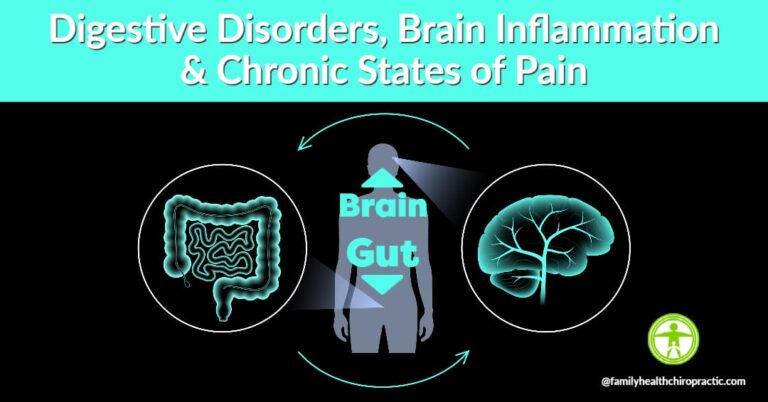
Digestive Disorders, Brain Inflammation and Chronic Pain

Digestive disorders can cause brain (central nervous system) dysfunction and vice-versa.

Most people innately know one of the most important systems in their body is the brain and spinal cord (central nervous system).

It’s well accepted and understood that the central nervous system controls every major organ, tissue, and cell in the body. Taking care of your spine is crucial because it’s the armor and protection for the spinal cord and nerves.  It’s obvious that a damaged spine (osteoarthritis of the vertebrae, degenerative disc disease, altered alignment, nerve impingement, etc.) contributes to ill health, reduced quality of life and longevity.

What isn’t so obvious is that HALF of your nerve cells are in the gut. It’s also not so obvious that most of our serotonin and dopamine are produced within our digestive system. Finally, depending on the research paper you reference, anywhere from 70 to 80% or more of your immune function stems from your digestive system.

So what does this mean for you?

It means that your capacity for feeling and emotional expression, your ability to consume healthy food and fully digest those nutrients for optimal function, your immune system’s ability to protect your body from foreign invaders are all influenced by digestive disorders.

Whether we are talking about “feel good” chemicals that influence mood, depression, fatigue or happiness, hormone regulation to support vitality or neuropeptides and enkephalins, which act as painkillers in the body; the Brain-Gut Axis controls it all.

In this article, I’m going to outline the 7 primary gut pathologies that can break the Brain-Gut axis causing nutrient deficiencies, hormone imbalance, immune dysregulation, brain inflammation (mood and cognitive disorders) and chronic pain.

Chronic Health Conditions are Connected to Digestive Disorders

Almost every chronic health condition or disease is mediated by underlying pathologies of physiological dysfunction that are also connected to digestive disorders.

For example, GERD or Gastro Esophageal Reflux Disease is simply a description of what is going on.

The more important thing to know is that it could be caused by low stomach acid, dysbiosis or imbalances in good and bad bacteria, food sensitivities, parasitic or viral infections.

This is why Functional and Integrative Medicine approach is so important. It's a system that allows us to not simply get a diagnosis, but begin to systematically correct imbalances (improve function) that are causing or will cause disease.

The primary risk factors for developing digestive disorders include:

  • Family history
  • Cesarean birth
  • Formula-fed vs nursed
  • Consuming a standard American diet
  • Food poisoning
  • Antibiotic abuse or overuse
  • Other medications
  • Chronic stress
  • Sleep deprivation
  • Physical inactivity/sedentarism
  • Hypothyroidism
  • HPA-Dysfunction (aka Adrenal Fatigue or Exahustion)
  • Excess alcohol consumption
  • Cigarette smoking
  • Environmental Toxins or Toxic Load

Each of the above mentioned risk factors can all lead to profound alterations in the development and maintenance of the gastrointestinal microbiome and ecosystem.

A Brief Overview of Gut Health and Function

I’m sure you’ve heard the saying, “You are what you eat.” It’s not 100% true.

Eating the right type of food for your body is crucial to optimizing health, but that’s only step number one.

Fully digesting, absorbing and assimilating the nutrients from the food you are eating matters most. And it’s absolutely possible for you to be eating an appropriate diet and still not get all the benefits because of underlying digestive issues.

The GI tract is a hollow tube, starting with the mouth and ending with the anus. And as food makes its way throughout our body, it will encounter several structures including the pharynx, the esophagus, the stomach and intestines, the rectum and accessory organs such as the salivary glands, liver, gallbladder, and pancreas.

All that said, the GI tract has two primary purposes:

  1. Break food or macronutrients (protein, carbs and fats) down into micronutrients (amino acids, vitamins, minerals, water, etc) which are then absorbed to provide our body with fuel to function.
  2. Serves as a barrier of protection, protecting us from foreign substances entering our bloodstream and causing problems

Food is certainly the most powerful form of medicine, but if you cannot use the food you are consuming, you cannot get your medicine. The same is true with supplements and even pharmaceuticals.

Aside from mechanical and chemical digestion of food, our digestive system is also home to billions of microbes that influence our health.

We actually have ten times more microbes in the human body than human cells!

These gut microbes are absolutely crucial to your health in that they promote normal GI functions of digestion/absorption, protect against infection, regulate our metabolism, influence hormone production and metabolism and are home to a majority of the immune cells in our body.

An altered gut microbiome is implicated in just about every chronic inflammatory disease, including chronic back pain.

For example, there is a link between the gut and the brain. Problems in the gut, like inflammation, can lead to a higher risk of problems associated with the brain, such as dementia, autism spectrum disorders, neurological conditions, depression and/or anxiety.

The 3 primary functions of our microbiome include:

  1. Metabolic – the bacteria help to digest the food we eat, create vitamins and compounds that our body requires for normal function
  2. Structural – short-chain fatty acids (butyrate and propionate) contribute to differentiation of cells and imbalances in the microbiome result in LPS production (highly inflammatory to the gut and brain)
  3. Protective – the mucosal lining itself is a barrier of protection that contains the gut-associated-lymphoid-tissue (GALT) which makes up most immune cells in our body

The 7 Primary Gut Dysfunctions

There are seven primary gut pathologies that I will cover in this article, and they underlie virtually all gut diseases, syndromes, and symptoms, from IBS to GERD to constipation to inflammatory bowel disease to hemorrhoids.

And this is where you’ll really need to focus your attention in order to heal the gut and deal with some of the system problems that arise from gut pathology.

So let’s look at each of these in a little more detail.

1. Low Stomach Acid (Hypochlorhydria & bile/enzyme insufficiency)

The stomach produces hydrochloric acid, which is stomach acid, and it serves three primary functions:

  1. The chemical breakdown of food
  2. The absorption of nutrients
  3. Protection against pathogens

Bile (stored within the gallbladder) and other digestive enzymes created by the pancreas also play a major role in the way our body is digesting and absorbing nutrients.

Bile helps us to break down fat and enzymes help us break down protein, fat, and carbohydrate. So if the secretion of hydrochloric acid or bile or enzymes or all of the above is impaired, then that’s going to lead to problems all the way down the digestive tract.

2. Small Intestinal Bacterial Overgrowth (SIBO)

A poor diet, low stomach acid, antibiotic use, acid-suppressing drugs, impaired function of the migrating motor complex (MMC), constipation, gut infections, structural abnormalities of the GI tract, and immune dysfunction are all risk factors associated with small intestinal bacterial overgrowth.

This is a condition where you have overgrowth of bacteria in the small intestine, which then leads to several dysfunctions, including:

  • decreased vitamin/mineral absorption (anemia, neuropathy, energetic problems, etc.)
  • carbohydrate malabsorption
  • excessive gas production (bloating, constipation, diarrhea)
  • decreased fat absorption
  • decreased protein absorption
  • Intestinal permeability (leaky gut)
  • Autoimmunity

3. Infections (parasites, pathogenic bacteria, fungal overgrowth)

The world of parasites is interesting. To start, not everyone with the same parasite will have problems because of it. Ultimately, it simply depends on the individual’s current health status and immune function.

The primary risk factors of parasitic infections causing problems in your body include consuming contaminated food and water, increased use of
daycare centers, travel to developing countries, household pets, consumption of uncooked foods, antibiotic use, insect vectors, and sexual contact.

Symptoms are often general and nonspecific. They vary from fatigue and malaise to GI distress, diarrhea, and constipation to things like brain fog, sleep disturbance, or skin issues.

In addition, I have found that many patients don’t exhibit digestive symptoms but present with other cyclical symptoms because parasites have lifecycles that can influence their pathogenicity in the host.

So one red flag for parasitic infection is if someone feels relatively normal and then they feel really kind of rotten and then they feel normal again, and that
alternates consistently.

4. Dysbiosis (Imbalances in Good vs Bad bacteria)

Dysbiosis is a situation where there’s an underrepresentation of beneficial microbes and an overrepresentation of harmful microbes.

For example, Candida is a normal resident of the human gastrointestinal tract. However, Candida can become overrepresented when levels of beneficial microbes that protect against that colonization are low.

They have shown Candida colonization to promote low-level inflammation, delay healing of inflammatory lesions, and potentially elevate levels of pro-inflammatory cytokines like interleukin 17.

Overall host immune status and the body’s own ability to protect against unfavorable overgrowth also influence gut dysbiosis and fungal overgrowth.

Symptoms range from obvious things like gastrointestinal discomfort to less obvious symptoms like depression, anxiety, brain fog, ADHD, autism spectrum disorder, skin disease, neurological problems, etc.

5. Food Sensitivity & Intolerances

Most times, food intolerances are a consequence of other pathologies, such as disrupted gut microbiome, SIBO, or intestinal permeability.

However, food intolerances can also cause problems like intestinal permeability. Therefore, food intolerance needs to be addressed independently.

Individual food intolerances can be severe. Others may be less severe but cause chronic low-grade inflammation and intestinal permeability, which can then lead to antibody production in everything from the joints to the myelin sheath in the brain, and certainly over time can lead to more serious pathologies and disease.

One thing to know about food sensitivity or intolerance testing is that every single test is based on immune function. If your immune cells are low, the food sensitivity test may be inaccurate. In addition, if you have major gut infections, food sensitivity is going to be inaccurate.

6. Intestinal Permeability (Leaky Gut)

Respected researcher Dr. Alessio Fasano, who is well known for his discovery of zonulin, a protein that regulates tight junction permeability, believes that leaky gut is actually a precondition to developing autoimmunity, along with genetic vulnerability and environmental triggers.

He has argued that increased permeability of the intestinal barrier to macromolecules is associated with local and systemic inflammatory conditions, including, of course, celiac and non-celiac gluten sensitivity, food intolerances, IBD, many autoimmune diseases, neurological conditions like MS, cognitive dysfunction, behavioral disorders, skin conditions, and new connections that we’re discovering.

7. Autoimmunity

There are more than 80 different autoimmune diseases currently known.

Multiple sclerosis, type 1 diabetes, and rheumatoid arthritis all fall under this category, and even thyroid disorders are usually attributable to autoimmunity.

A variety of health factors likely play a role in these chronic illnesses, including the gut microbiome and intestinal permeability.

Risk factors include: Genetics, cigarette smoking, diet, physical inactivity, obesity, infections, antibiotics, NSAIDs, oral contraceptives, chronic stress, and sleep deprivation.

The Brain-Gut Axis and Neuroinflammation

90% of the brain is immune cells, with neurons making up the remaining 10 percent.

Our bodies have an incredible ability to protect and heal themselves through the process of inflammation.

Inflammation is the body’s defense mechanism against harm, injury, and infection and is ultimately controlled by the immune system.

If most our immune system is within the digestive system, then making the connection between brain based disorders and GI disorders is paramount.

While inflammation is well intended in protecting our bodies, this reaction is not always good for our health.

Our bodies often view added chemicals or artificial ingredients found in food, environmental toxins and pollutants as infectious, inducing a mild inflammatory response.

This happens particularly in the gut, where these substances are broken down and digested. Over time, consistent exposure to these minor toxins leads to chronic low-grade inflammation which does not affect daily function, but can lead to negative health outcomes. We have associated chronic inflammation with depression, anxiety, arthritis, cancer, neurodegenerative conditions, heart and neurological disease.

When chronic inflammation occurs in the gut specifically, our brains are in danger.

The gut is full of nerve endings which together make up the enteric nervous system (ENS). The central nervous system, controlled by our brains, is connected to the ENS through the vagus nerve, which runs from the medulla of the brainstem to the gut.

This relationship is often referred to as the gut/brain connection and through it, information collected by the nerves in your gut is communicated directly to the brain, inducing an inflammatory response.

Chronic inflammation of the gut leads to neuroinflammation, or inflammation of the brain and nervous tissue. This can trigger neurodegenerative diseases, such as alzheimers, Parkinsons and ALS, as well as generalized anxiety disorder.

It is well appreciated that gut microbiome (and neuroinflammation) play a key role in visceral or abdominal pain, their roles in other types of chronic pain have only been recently acknowledged including:

Therefore, the health of our gut not only affects our mood and the way we think and feel, but also our long-term brain health and risk of developing serious disease and chronic pain.

Testing for Underlying Digestive Dysfunctions

In order to overcome digestive disorders, a thorough history, functional blood chemistry or advanced lab testing and a comprehensive stool test are an excellent start.

Unfortunately, many patients with digestive issues start with imaging studies such as endoscopic procedures, CT scans and barium swallows, or enemas.

While it’s great to rule out serious pathology and disease, unfortunate truth is these types of diagnostics rarely lead to an accurate diagnosis, much less effective treatment plan.

Functional Blood Chemistry Testing

Most doctors are routine with their lab testing. They order enough testing to make sure you will not drop dead tomorrow, but not nearly enough to accurately assess health.

A good functional lab testing panel will appropriately evaluate the following systems:

  • Blood Sugar Regulation
  • Thyroid Function
  • Cardiovascular Risk
  • Adrenal Function
  • Kidney Function
  • Red Blood Cell Function
  • GI Function
  • Gallbladder Function
  • Immune Function
  • Liver Function
  • Bone Health

In addition, there are blood chemistry markers that allow for the observation of problems, including:

  • Inflammation status
  • Oxidative stress
  • Heavy metal or Toxic Load
  • Digestion and absorption of macronutrients (protein, carbs, fats)
  • Vitamin and Mineral absorption potential
  • Actual vitamin and mineral status

All together, if you understand how to interpret blood chemistry appropriately, this is a major start with understanding what could drive your health issues.

Beyond blood chemistry testing, we’d then consider comprehensive stool testing.

Comprehensive Stool Testing

There are many tests out there, but not all of them are the same.

So if you get any microbiome testing, make sure it’s with an appropriate lab and make sure they give you proper prep instructions for getting the most accurate results.

A comprehensive stool panel will

  • quantify your microbiome (good vs. bad bacteria)
  • assess for parasitic infections, fungal overgrowth, and viral infections.
  • screen for your ability to digest and absorb nutrients
  • assess for immune function and inflammation, specifically within the digestive system

Advanced Digestive Health Testing

Honestly, a thorough health history and intake, comprehensive blood chemistry testing and stool testing should all be enough to address the vast majority of digestive dysfunctions.

If you’re not able to come to a resolution, additional testing could include:

  • Food Sensitivity Testing
  • Small Intestinal Bacterial Overgrowth Testing
  • Organic Acid or metabolomic testing
  • Toxicity Testing

Digestive Disorders, Brain Inflammation and Chronic Pain2026-04-26T11:13:27-05:00

Snap, Crackle, Pop: What cracking your joints means

A big concern that patients share with me is the amount of snapping, cracking and popping their joints make throughout the day.

There are many times when a patient will share that they don't want to exercise or perform certain movements such as squatting and lunging or reaching overhead, simply because of the amount of noise their joints make.

While it can be concerning, the reality is – most cracking and snapping is innocuous and has nothing to do with causing or developing arthritis or degeneration.

It's well understood that the majority of sounds we hear from joints are simply the compression of air bubbles moving within the space of our joints.

Other sounds are caused by calcium deposits embedded within tendons sliding over bones in a joint. And as long as there is no pain during the actual snapping, cracking or popping, it's nothing to be concerned with.

In this article, I'll share some of the common causes of “noisy joints” and what it could possibly mean for joint health.

Why Do Our Joints Pop? (Crepitus)

In orthopedic and chiropractic medical circles, crepitus is the word used to describe the popping, clicking or crackling sound in a joint.

Joint popping occurs from nitrogen gas moving in the joint as is usually harmless.

People most often notice crepitus in their knees, but it can also happen in other joints like the shoulder, elbow or neck.

Crepitus with pain, heat or swelling can be a sign of wear and tear or injury. So if crepitus is ever painful, you should consult a doctor or get checked.

While most crepitus is harmless, some forms of crepitus signal a problem. If the popping or crunching sound comes with pain, you should see a doctor to evaluate the cause.

The possible causes of painful joint popping may include:

  • Osteoarthritis: a type of arthritic condition in which abnormal movement, lack of movement or trauma results in cartilage and joint structures wearing down, leaving bones unprotected and creating inflammation. When bones rub and grind, it causes pain and stiffness that usually gets worse with activity. Read more about arthritis.
  • Patellofemoral pain syndrome (PFS): Also known as runner’s knee, PFS causes crepitus along with pain behind the kneecap (patella). It can happen when you suddenly increase your activity level and is often caused by running, squatting or jumping. Learn more about knee pain.
  • Torn cartilage: A cartilage tear can happen because of a sports injury, a fall or an accident. Cartilage damage is another possible cause of painful crepitus. One of the best ways to support cartilage is with high quality collagen peptides.

What Can You Do About Noisy Joints?

As I said, most cracking, snapping and popping is harmless.

And as I also like to say, “Motion is Lotion for the joints.” So only move the joints you want to keep.

The more you move, the more your joints will lubricate themselves to diminish crackling.

Longitudinal studies have debunked any fears of arthritis developing from crackling joints (including cracking your knuckles), so you can put those fears to rest. But that crackling may be telling you that you need to move more.

For example… if knees are ‘creaky', consider Air Squats or Side Lunges.

If your hips are always popping, try a piriformis stretch, hip-flexor, hamstring and adductor stretch.

For snapping shoulders, incorporate windmill movements, arm swings and side bending with arms outstretched.

Additional Diagnostics and Treatments if You're Concerned

If you're experiencing crepitus with pain, swelling or discomfort, or you're still simply freaked out about it, consider having a in depth orthopedic/medical exam.

We can perform a physical examination of the joint(s) in question including additional testing such as:

  • X-ray
  • MRI scan
  • CT scan
  • Blood tests – a sample of your blood will be analyzed for signs of infection and inflammation
  • Antibody tests – to see if autoimmune conditions such as rheumatoid arthritis could be causing your symptoms
Snap, Crackle, Pop: What cracking your joints means2026-04-26T11:13:28-05:00

Stiff Neck (Acute Torticollis) : Causes, Symptoms and Treatment

Waking up with a stiff neck or acute torticollis is the worst way to start your day.

Torticollis comes from two Latin words: torti (twisted) and collis (neck).

Acute torticollis is a condition that we often refer to as “cricked neck” or “wry neck”. Almost everyone has experienced a time in their life where they woke up and couldn't turn their neck because of painful muscle spasms or severe neck pain.

For most of the population, acute torticollis is a temporary condition that should resolve within one to two weeks. However, in some people, the problem persists and can contribute to abnormal movement patterns that result in chronic pain.

In this article, we're going to dive into acute torticollis by describing the symptoms, causes and treatments to get you better, faster.

Causes of Acute Torticollis

There are many causes of acute torticollis or a “cricked neck”.

To understand what is specifically causing your torticollis, it would help to narrow down the type of torticollis you're experiencing.

There are four basic forms of torticollis:

  1. Congenital torticollis is usually caused by tight adhesions in the sternocleidomastoid muscle (SCM). The condition is recognized at birth or shortly thereafter. This may be related to muscular trauma during delivery. Congenital torticollis may also result from vertebral deformities.
  2. Acquired torticollis arises in response to an adjacent inflammatory process or unrelated injury. Osteomyelitis, lymphadenitis, pharyngitis, tonsillitis, cervical abscess, tumor and RA can trigger acquired torticollis.
  3. Spasmodic torticollis, also called Cervical Dystonia, is of unknown etiology and is characterized by a painful progressive involuntary contraction of the SCM. This spasm may be sustained or recurrent. Cervical dystonia is a neurologic movement disorder that may have a genetic link and is thought to be a “faulty guarding mechanism”.
  4. Acute torticollis is a common benign condition, affecting younger and middle aged patients. Onset is typically sudden, often presenting upon arising or waking up. This is the most common form of neck pain or a “crick in the neck”.

Most doctors and scientists theorize that acute torticollis is a condition that results from a cervical spine facet joint restriction, which then generates a cycle of pain, inflammation and more restriction.

Trigger points in the SCM, cervical scalene or trapezius muscles are also to blame.

The condition is thought to also be associated with minor traumatic insults such as sleeping in an awkward position, or sleeping under a draft from an open window or fan, sudden movements that cause injury.

Symptoms of Acute Torticollis

Torticollis is defined by a characteristically painful, fixed posture of lateral flexion (tilting your head to the left or right) and contralateral rotation (turning your head to the left or right).

The spasm itself is most likely related to inflammation of nerves around a particular joint in the neck. In some cases, it could also be due to muscle, ligament or tendon injuries as well.

Usually, you'll also see people bending their head forward because pain is increased when they attempt to life their head up. Any amount of movement is likely going to be painful or even unbearable.

The most common symptoms of torticollis will include:

  • Neck pain immediately upon waking up
  • Muscle pain that radiates down the neck and into the mid back
  • An inability to turn the head or having to carry your head in a fixed posture
  • Spasm and tightness of the neck muscles

Treating Acute Torticollis

Before any treatment, it's important to rule out any potential serious causes of torticollis. This means that even though most cases are self-limiting or will resolve on their own, it's still a good idea to rule out serious medical conditions.

“Red flag” symptoms for torticollis include: fever, swollen lymph nodes, significant headache, difficulty breathing, swallowing or speaking, ataxia, weakness, numbness or paresthesia in the extremities, and change in bowel or bladder function.

After ensuring that nothing serious is causing it, the next step is to focus on reducing spasm and improving your range of motion. This means getting a chiropractic adjustment is most likely not going to help you to feel better right away.

Instead, passive modalities including: ice, heat, continuous ultrasound, muscle stimulation or cervical traction may be useful. [1, 2]

Myofascial release of the SCM, trapezius, levator scapulae and other related muscles will also help before chiropractic adjustments.

Spinal manipulation or chiropractic adjustments, when not contraindicated, should be implemented as soon as tolerable.

Stretches that can be done as soon as you rule out “red flags” include:

Levator Stretch

While sitting, grasp the seat of your chair with your left hand. Rotate your head toward the right and look downward toward the floor. Place your right hand over the top of your head and gently pull down and diagonally in the direction you are looking. Against the resistance of your hand, contract your neck in an attempt to push your head backward/diagonally from the direction you are looking for seven seconds. Relax and gently pull your head further toward the floor to increase the stretch. Lock into this new position, and make sure that you continue to keep your head rotated in the direction that you are pulling. Perform three contract/relax cycles on each side twice per day or as directed.

SCM Stretch

Begin in a seated position. To stretch the right SCM, extend your head, rotate toward the right, and tip your head toward the left so that your left ear moves toward your left shoulder. Place your left hand on your left cheek and jaw. Against the resistance of your hand, attempt to rotate your head toward the left for seven seconds. Relax and slowly increase the stretch by rotating further toward the right and laterally flexing toward the left. “Lock in” to this new position and repeat three contract/relax cycles twice per day on each side or as directed.

Trapezius Stretch

While sitting, reach down with your right arm, grasping the bottom of a chair for stability. While looking straight ahead, place your left hand on top of your head, and gently pull your head sideways toward the left. Against the resistance of your arms, attempt to bring your right ear and right shoulder together for seven seconds. Relax and stretch further toward the left. “Lock-in” to each new position, and do not allow any slack. Repeat three contract/relax cycles on each side twice per day or as directed.

Acute Torticollis Summary

While the experience of waking up with excruciating neck pain can be scary and cause for alarm, most cases will get resolved within 24-48 hours. For the great majority of people with acute torticollis, the condition goes away in several days to a few weeks.

However, if you have chronic neck pain or pain that doesn't go away within two weeks, complications can develop that lead to spine arthritis, nerve inflammation and impingement.

The good news is that torticollis is easily treated through chiropractic care.

After a chiropractor performs a thorough exam to rule out any other underlying causes, the care usually consists of manual therapy, myofascial release and neck and upper back adjustments to ensure proper joint movement.

Stiff Neck (Acute Torticollis) : Causes, Symptoms and Treatment2026-04-26T11:13:28-05:00

Understanding The Type of Pain You Have

Pain is an unpleasant sensory and emotional experience, but it’s also the body’s way of warning you that something isn’t right.

Of course, no one is a fan of pain, especially back or neck pain, but we should appreciate the fact that our body has a way of signaling to us that something is wrong.

The experience of pain is not enough. We need to understand the different types of pain, how to classify it and grasp what it means to have certain types of pain.

In this article, I’m going to discuss the differences between short and long-term pain, mechanical, chemical and neurological pain. Understanding the classification of your type of pain will help you better understand the nature of your problem and how to treat it.

What is Pain?

Pain is an unpleasant and often disruptive feeling that can be felt in your body. It can come on gradually or it can start out mild and rapidly intensify. Whatever the case, pain will make you want to avoid anything physical for fear of causing anymore discomfort.

People feel pain when specific nerves called nociceptors, detect tissue damage and transmit information about the damage along spinal cord to brain.

For example, touching a hot surface sends messages to the brain, in less than 100th-of-a second, before we’re even conscious about it! Hopefully, you’re fast enough to pull away before the damage is done.

The brain’s interpretation of these signals and the efficiency of your spinal cord-to-brain connections dictate how well we handle pain.

Some of the most common causes of pain include:

  • headache
  • toothache
  • sore throat
  • stomach ache or cramping
  • muscle cramps, strains and sprain injuries
  • cuts, burns, bruises
  • joint pain such as neck and back pain

The Difference Between Acute and Chronic Pain

One of the first steps to understanding your pain is to classify it as either acute or chronic pain.

Acute pain occurs immediately or has a sudden onset by something specific. This type of pain is usually “damaging” like pain and is described as sharp, shooting, burning or tearing type of pain. Fortunately, acute pain doesn’t last long and should resolve within 6 months. [1] A few examples of acute pain would include:

  • sprained or twisted ankle
  • pain following surgical procedures
  • broken bones
  • burns or lacerations (cuts)
  • giving birth (although some mommy’s would argue this leads to chronic pain) :)

Chronic pain on the other hand, is pain that lasts longer than 6 months. [2] This type of pain stays, even when the original source of damage has healed. The reason chronic pain can persist is because of the nerves continuously firing as if you are still injured. Some people can even experience chronic pain without ever having a specific injury or bodily damage. Examples of chronic pain can include:

  • Headache
  • Arthritis
  • Cancer
  • Nerve pain
  • Back pain
  • PTSD or Adverse Childhood Events

The Difference Between Mechanical and Chemical Pain

After determining whether your pain is acute or chronic, you’d then want to proceed by classifying your pain as either mechanical or chemical or both.

Mechanical pain is pain that is connected to how you move or the position of your body. For instance, if you try to bend your finger all the way back as far as you can go, you’ll likely experience mechanical pain.

And when you release your finger, that mechanical pain will change or diminish. This happens because of mechanical stress that is placed on tissue by forces like bending it too far forward or backward; creating an uncomfortable feeling where there is no actual damage, but painful.

Mechanical pain can be acute, as with bending your finger and releasing it right away, or it can be chronic where the pain doesn’t change once you release your finger.

An example of chronic mechanical pain could be low back pain because of poor posture, resulting in ligaments, tendons and muscles becoming deranged. This type of chronic mechanical pain will certainly take longer to correct than acute mechanical pain.

Examples of mechanical injuries include:

  • Herniated Discs
  • Dislocations
  • Meniscal tears or labral tears
  • Scar tissue or adhesions
  • Muscle, ligament and tendon injuries
  • Pain produced from abnormal posture and alignment

All that said, specific movements or exercises that change your pain are a good sign that your pain is mechanical. Pain that doesn’t change from specific movements or exercises is likely chemical.

Chemical pain differs from mechanical pain in that is comprises inflammatory chemicals rather than the damage to tissues itself.

Chemical pain is very complex and usually follows an acute injury. Chemical pain occurs as a side effect of the immune system’s response in coming to the rescue. If you’ve ever stubbed your toe, sprained your ankle or cut your finger, you’ve experienced chemical pain.

We describe chemical pain as constant throbbing with no change associated with movement. If your pain comes and goes, shifts sides or moves around, it’s likely not chemical. However, there’s absolutely a chance that you could have mechanical and chemical pain at the same time.

The presentation of chemical pain is deeply rooted in inflammation and immune function.

When someone herniates a spinal disc or injures the disc, inflammation will immediately surround all the ligaments, tendons, muscles, joints and nerves. Ironically, most disc injuries are mechanical and the way towards addressing them is mechanical.

But when you have pain that is both mechanical and chemical, you may not experience relief right away because those chemical factors are still present.

Treating Mechanical and Chemical Pain

Mechanical pain only responds to a mechanical treatment – changes of position, improvements in movement and posture.

We target mechanical treatment to a specific joint or tissue to change the current mechanical position or property of that tissue. For example, a shoulder dislocation requires morphine. But if you can relocate the shoulder, 90% of the pain is resolved because the mechanical stress is removed.

Chemical pain responds well to more targeted care, such as anti-inflammatory treatments, immune modulation or sedatives. These treatments either reduce inflammation or alter the injury’s ability to transmit pain signals to the nervous system.

Given the multifaceted issue of diagnosing and treating mechanical or chemical pain, it’s imperative to have a multidisciplinary doctor who has the expertise and tools on hand to address the various causes and presentations of pain.

Learning to Move Again

The thought of moving again can be scary if you felt the movement was painful before, but movement itself is one of the best ways to reduce pain.

Here's how to get started:
  • Focus on breathing.
    Taking deep breaths from your diaphragm can quiet the nervous system.
  • Start with small movements.
    Focus on movements that you can perform for one or two minutes, and then gradually branch out to different or new ways of moving.
  • Focus on one section of your body.
    Use mindfulness exercises to focus on and feel the gentle movement of one part of your body. Then let it go and move to another part. This can help you let go of the fear of feeling the pain.
  • Graduate to positions or thoughts of activities that previously would have triggered a pain response.
    This helps train your brain away from pain using specific imagery and returns to normal response.
Understanding The Type of Pain You Have2026-04-26T11:13:28-05:00

Can Chiropractic Help with Concussions?

A concussion, also referred to as traumatic brain injury (TBI), is caused by a bump, blow, or jolt to either the head or the body that causes the brain to move rapidly inside the skull ultimately negatively influencing how the brain normally functions.

According to the CDC, between 2001 and 2009, an estimated 173,285 people under age 19 were treated in hospital emergency rooms for concussions related to sports and recreation activities. Other causes include car and bicycle accidents, work-related injuries, falls, and fighting.

In this article, we're going to discuss common causes of concussions, symptoms and treatments.

What is a Concussion?

A concussion is the common name that we use to refer to traumatic brain injuries with a variety of different symptoms and mechanisms of injury.

Previously, concussions were referred to as mild traumatic brain injuries. However, experts found that the word “mild” was misleading and this qualifying word has since been removed from the description to TBI or traumatic brain injury.

There is a wide variety of symptoms and problems associated with the concussions and there is no single symptom that is required for it to be classified as a traumatic brain injury.

There are symptoms in many different categories including physical, cognitive, emotional and sleep changes.

While concussions are a common sports injury, they are not exclusive to contact sports.

Symptoms of a Concussion

First, you do not have to lose consciousness in order for an injury to be classified as a concussion. In order for a concussion to occur, there has to be shearing forces of the axons of the neurons in the brain which are the long connecting arms of the neurons.

When these get overstretched there is an impairment of how the information is processed.  In a clinical sense this means there can be some short term memory loss, headaches and balance problems, to name a few.

The signs and symptoms of a concussion can be subtle and may not show up immediately.

Common symptoms after a concussive injury are headache, loss of memory (amnesia) and confusion.

Physical signs and symptoms of a concussion may include:

  • Headache
  • Ringing in the ears
  • Nausea
  • Vomiting
  • Fatigue or drowsiness
  • Blurry vision

Other signs and symptoms of a concussion include:

  • Confusion or feeling as if in a fog
  • Amnesia surrounding the traumatic event
  • Dizziness or “seeing stars”

A witness may observe these signs and symptoms in the concussed person:

  • Temporary loss of consciousness (though this doesn't always occur)
  • Slurred speech
  • Delayed response to questions
  • Dazed appearance
  • Forgetfulness, such as repeatedly asking the same question

You may have some symptoms of concussions immediately, and some can occur for days after the injury, such as:

  • Concentration and memory complaints
  • Irritability and other personality changes
  • Sensitivity to light and noise
  • Sleep disturbances
  • Psychological adjustment problems and depression
  • Disorders of taste and smell

There are also emergency symptoms to be on the lookout for.

If there is a rapid onset of any of the following symptoms, contact the emergency room immediately.

These include:

  • Worsening headaches
  • Seizures
  • Focal neurologic signs
  • Inability to be awakened
  • Repeated vomiting
  • Slurred speech
  • Increasing confusion
  • Numbness in extremities
  • Neck pain
  • Unusual behavior change
  • Change in consciousness

Treatment for Concussion

If you don’t need hospitalization, most experts agree that a follow-up exam within 24 to 72 hours is necessary if symptoms worsen.

To recover at home, you should:

  • Take a break. If your concussion was sustained during athletic activity, stop play and sit it out. Your brain needs time to properly heal, so rest is key. Definitely do not resume play the same day. Athletes and children should be closely monitored by coaches upon resuming play. If you resume play too soon, you risk a greater chance of having a second concussion, which can compound the damage. The American Academy of Neurology has issued guidelines about resuming activities after a concussion.
  • Guard against repeat concussions. Repeat concussions cause cumulative effects on the brain. Successive concussions can have devastating consequences, including brain swelling, permanent brain damage, long-term disabilities, or even death. Don't return to normal activities if you still have symptoms. Get a doctor's clearance so you can return to work or play with confidence.

Conventional medicine focuses on two issues surrounding concussions: prevention and medicated management of symptoms.

Both concerns are valid, especially the idea of prevention; wearing a helmet and other protective gear while playing sports helps prevent a TBI in the first place. It also helps ward off repeated brain injuries, the consequences of which can be increasingly catastrophic.

With chiropractic care, however, we take treatment one step further by addressing all the peripheral concerns caused by your concussion.

Rather than throwing anti-inflammatories at your muscle pain or prescribing painkillers to quell migraines, we try to get to the root cause, which is often a dysfunction in the musculoskeletal or nervous systems.

Chiropractic adjustments have been demonstrated to be a natural, drug free solution for concussions and traumatic brain injuries.

Can Chiropractic Help with Concussions?2026-04-26T11:13:28-05:00

Achilles Tendon Pain: Causes, Symptoms and Treatment

Achilles tendon pain occurs from injuries sustained by the Achilles tendon.

The Achilles tendon is the largest and strongest tendon in the body. Located in the back of the heel, the Achilles tendon connects the heel bone to the calf muscle. Named after the Greek god Achilles, it helps you walk, run and jump by raising the heel off the ground. Ultimately, the Achilles tendon influences everyday activities including high performance movements during athletic and recreational play.

Achilles tendon injuries affect between 250,000 and 1 million people per year in the United States. [1] Most are middle-aged males in their third or fourth decade of life. [2] Two-thirds of all Achilles tendon injuries involve athletes  and 1 in 20 recreational runners will develop Achilles tendinopathy. [3] Not surprisingly, a higher risk has been identified in other sports that involve running or jumping. The estimated incidence of Achilles tendinopathy is: running sports, 53%; soccer, 11%; dance, 9%; gymnastics, 5%; racquet sports, 2%; football, 1%. [4]

In this article, I'll share the most common causes of Achilles tendon pain and potential treatments to consider.

Causes of Achilles Tendon Pain

The primary causes of Achilles tendon pain include:

  • Achilles tendinitis – inflammation of the Achilles tendon itself
  • Achilles tendinosis – when the tendon starts to break down due to unresolved tendinitis
  • Achilles tendon rupture – when the tendon tears or breaks down

Achilles tendinitis is when a tendon becomes irritated or inflamed. Tendinitis is usually the first sign of an Achilles tendon injury and it’s critical to treat the Achilles tendinitis before it progresses to tendinosis.

There are two types of Achilles tendinitis

  1. Noninsertional Achilles tendinitis – The fibers in the middle of the tendon start to break down, swell and thicken. This type of Achilles tendinitis affects people who are younger and more active.
  2. Insertional Achilles tendinitis – This type affects the lower part of the heel, where the tendon connects, or inserts, to the heel bone. It can affect anyone, even people who aren’t active. But it most commonly affects people who overuse the tendon, such as long-distance runners.

Risk factors

A number of factors may increase your risk of Achilles tendinitis, including:

  • Your sex. Achilles tendinitis occurs most commonly in men.
  • Age. Achilles tendinitis is more common as you age.
  • Physical problems. A naturally flat arch in your foot can put more strain on the Achilles tendon. Obesity and tight calf muscles also can increase tendon strain.
  • Training choices. Running in worn-out shoes can increase your risk of Achilles tendinitis. Tendon pain occurs more frequently in cold weather than in warm weather, and running on hilly terrain also can predispose you to Achilles injury.
  • Medical conditions. People who have psoriasis or high blood pressure are at higher risk of developing Achilles tendinitis.
  • Medications. Certain types of antibiotics, called fluoroquinolones, have been associated with higher rates of Achilles tendinitis.

Symptoms of Achilles Tendon Pain

Symptoms of Achilles tendon pain will usually affect the lower leg above the heel.

Patients often experience:

  • Heel pain and/or ankle pain
  • Stiffness or tenderness in the tendon
  • Leg weakness
  • Swelling around the Achilles tendon

You may notice more discomfort:

  • After you are active or the day after exercising
  • As you climb stairs or go uphill
  • In the morning, with improvement throughout the day

Complaints include pain or tenderness in the tendon or heel that intensifies with activity, especially walking or running. Patients also report difficulty when attempting to stand on their toes or walking steps- especially when walking down stairs. Morning pain and stiffness are very common.

achilles tendon pain

Mid tendon pain suggests non-insertional tendinitis, whereas posterior calcaneal pain suggests insertional tendinitis. It is also entirely possible that the tendon is healthy and you simply have calcaneal bursitis.

Those with insertional tendinopathy may demonstrate evidence of bony enlargement or spurring on the posterior calcaneus as well.

Treatment for Achilles Tendon Pain

Nonoperative or nonsurgical treatments should always be considered first!

“Traditional” treatments such as rest, therapy modalities, orthotics, and NSAIDs have all failed to demonstrate benefit for Achilles tendinopathy patients. [5]

Passive modalities including ultrasound, electrical stimulation, and low-level laser also lack support. [6][7]

The current standard of care for Achilles tendinopathy includes a combination of rest, eccentric rehabilitation, and correction of mechanical faults.

Studies have demonstrated excellent results in up to 85% of patients undergoing appropriate conservative care. [8]

Initially, you may need to limit or stop activities that are causing “damaging” type pain such as sharp, shooting, burning or tearing pain. Significant strains may also require the use of supports including crutches or a boot. Runners may need to switch to swimming, cycling, or other activities that limit stress to the Achilles tendon and allow it to heal. Patients should avoid shoes with an excessively rigid heel tab to reduce irritation.

Soft tissue manipulation, stretching, and myofascial release techniques are necessary to promote flexibility of the calf muscles as well.

Stretching of the calf muscles should be performed with the knee straight to address the gastrocnemius and with the knee bent to lengthen the soleus.

Achilles Tendon Pain and Chiropractic Care

Achilles tendon pain is common in athletes and active people.

If you have Achilles tendon pain, a Chiropractor can help to diagnose the type of Achilles injury, identify potential causes of your injury and recommend the appropriate treatments.

Your chiropractor will recommend several different types of treatment, including:

Manual Therapy or IASTM

Manual Therapy and Instrument Assisted Soft Tissue Mobilization (IASTM) are extremely effective for breaking up scar tissue and improving issues with soft tissues. Treatment can do a lot to improve the health of your tendon and the surrounding tissues to avoid further complications. It will also do a lot to help relieve the pain you are experiencing.

Chiropractic Adjustments

Many times, the issues with your Achilles tendon are the result of misalignment in other parts of your body. When your joints are misaligned it tends to put extra stress on your feet and Achilles tendons. To minimize the stress on your joints, your chiropractor will adjust your spine and other joints to ensure proper alignment.

Get Help for Your Achilles Tendonitis

If you are experiencing heel pain, please get in touch with our chiropractic team. We can help to alleviate your pain and help you avoid experiencing further problems with your Achilles tendon.

Achilles Tendon Pain: Causes, Symptoms and Treatment2026-04-26T11:13:28-05:00

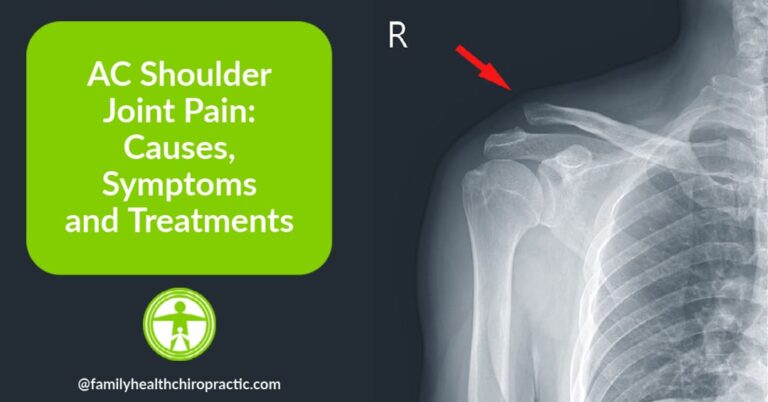
AC Shoulder Joint Pain: Causes, Symptoms and Treatment

The AC joint or acromioclavicular joint is where the acromion (a part of the shoulder blade) connects to the clavicle (collar bone) at the top of the shoulder.

The AC joint helps to maintain the proper position of the shoulder as well as control motion and strength. It is stabilized by a capsule and ligaments, and injury occurs when these structures are damaged.

When the capsule and ligaments are injured, the joint can become unstable and painful, and shoulder function can be affected.

This type of injury is referred to as an “AC joint sprain” or a “separation.”

These injuries typically occur after a sudden fall onto the shoulder  or overuse (repeated lifting of heavy weights or objects overhead with poor mechanics).

The AC joint is also a common place that arthritis develops, which can become painful when irritated.

In this article I'll share a few tests, exercises and treatments that could help with AC joint injuries.

AC shoulder joint pain


Causes of AC Joint Shoulder Pain

Sudden AC joint injuries (“sprains” or “separations”) typically occur by one of the following ways:

  • A fall onto the shoulder or blunt force trauma
  • Lifting weights or heavy objects using poor biomechanics

Alternatively, AC joint arthritis typically occurs slowly over time as a result of overuse and can become flared resulting in short bouts of pain.

Acromioclavicular (AC) joint injuries are the most common reason for medical consults following an acute shoulder injury, yet remain a frequently overlooked problem due to diagnostic bias toward other shoulder problems. [1] [2]

Pain from an acromioclavicular injury can be from the joint capsule itself, or any number of four ligaments (superior, inferior, anterior and posterior ligaments).

In general, ligament sprain injuries are graded based on the degree of tissue damage:

  • Grade 1 (mild strain with no fiber disruption)
  • Grade 2 (partial fiber disruption)
  • Grade 3 (complete ligamentous rupture).

AC joint injuries are categorized based upon the following Rockwood classification:

  • Type I – mild, unseparated sprain of the AC ligaments with no disruption of the coracoclavicular ligaments.
  • Type II – complete disruption of the AC ligaments with joint separation (less than 4 mm or 40% difference) and sprained but intact coracoclavicular ligaments.
  • Type III – complete disruption of AC and coracoclavicular ligaments with joint separation and inferior displacement of the shoulder complex.
  • Type IV – complete disruption of AC and coracoclavicular ligaments with posterior displacement of the clavicle through the fibers of the trapezius, and detachment of deltoid and trapezius muscles from the distal clavicle.
  • Type V – complete disruption of the AC and coracoclavicular ligaments with significant inferior displacement of the shoulder complex from the clavicle as compared to a typical Type III injury.
  • Type VI – complete disruption of the AC and coracoclavicular ligaments, and the clavicle has dislocated inferiorly, below the coracoid process.

It's estimated that AC joint injuries are responsible for 40-50% of all athletic shoulder injuries and males are affected five times more often than females.

Symptoms of AC Joint Shoulder Pain

The classic presentation of AC joint pain involves pain and swelling on the superior (top) aspect of the shoulder following acute trauma.

Initially, symptoms are often generalized to the trapezius and entire shoulder region but become progressively more localized to the AC joint as acute swelling improves.

Symptoms may intensify with specific movements, including bench pressing, dips, or when the individual rolls onto the affected side at night.

Range of motion testing will be painful and limited, particularly in abduction (moves the limb laterally away from the midline of the body).

For a review of self-assessment tests, watch this video:

Treatment for AC Joint Shoulder Pain

AC joint injuries result in sport-specific and activities of daily living disabilities, ranging from 1 to 10 weeks.

Passive mobility exercises should be initiated early and gradually progress into full active ROM.

The goal of strengthening is to maximize stability of the AC joint and return to your prior level of activity.

Strength training should begin with closed chain scapular stabilization exercises, progressing to isotonic strengthening, and eventually sport-specific training. Pain tolerance should dictate progression during the flexibility and strengthening phases of care.

There are 3 levels of physical therapeutic or corrective exercises to consider. In this article, I'm going to share the first.

Codman's Pendulum Exercise

codmans-pendulum-exercise

Starting Position

Begin by bending forward until the spine is at a 45 degree angle to the floor. Support upper body with opposite arm on sturdy chair without wheels. Maintain a straight spine and do not round low back. Arm should hang directly below shoulder. Grasp a light dumbbell or weight (1-5lbs.).

Movement

Initiate slight forward and back movement with shoulder, trying to minimize any tension in arm. Arm should swing like a pendulum. Keep movement range of motion small. Repeat for prescribed duration and sets. Then repeat, this time initiate slight inward and outward movement with shoulder, trying to minimize any tension in arm. Repeat for prescribed duration and sets. Lastly, initiate small clockwise movement with shoulder, trying to minimize any tension in arm. Keep movement range of motion small. Follow this by counter clockwise movement. Repeat for prescribed duration and sets. Alternate sides as directed.

Seated Flexion seated flexion

Starting Position

Begin by sitting alongside a table with a towel between the hand and table.

Movement

Slowly slide hand directly forward, simultaneously flex trunk forward while sliding hand as far forward until end of shoulder flexion range of motion. Slowly return to starting position by slowly sliding the hand back and sitting up slowly. Repeat for prescribed number of repetitions before switching sides.

Assisted Flexion

assisted flexion

Starting Position

Begin lying down on your back. A pillow may be placed under head for support. Grasp a dowel with the uninvolved hand while placing the other end against the hand of the involved side.

Movement

Slowly lift arm upward as tolerated. Allow dowel to gently assist arm flexion to 180°. Maintain a neutral spine position paying close attention not to arch your low back. Slowly return to start position. Repeat for recommended sets and repetitions.

Isometric Internal and External Rotation

internal-rotation

Starting Position

Begin by standing next to a firm object or a doorway. Maintain good posture, so that spine is straight with shoulders back and head up. Bend arm with elbow at side and place back of hand against door frame.

Movement

While maintaining good posture, exert pressure with back of hand against the firm object or door frame until muscle contraction is felt in shoulder. Keep elbow next to side during entire movement. Hold for 5-10 seconds or for recommended duration. Repeat for prescribed repetitions and sets.

external-rotation

Starting Position

Begin by standing next to a firm object or doorway. Maintain good posture, so that spine is straight with shoulders back and head up. Bend arm with elbow at side and lightly grasp the firm object or door frame.

Movement

While maintaining good posture, exert pressure with hand against the firm object or door frame until muscle contraction is felt in shoulder. Keep elbow next to side during entire movement. Hold for 5-10 seconds or for recommended duration. Repeat for prescribed repetitions and sets.

AC Joint Shoulder Pain and Chiropractic Care

Chiropractic has been proven to be very effective for AC joint pain. A chiropractor can perform shoulder or AC adjustments which involves manipulation of the shoulder girdle.

While it can be a little uncomfortable for the patient, it is one of the best ways to quickly decrease the pain. After the procedure, a chiropractor may recommend icing as well as corrective exercises similar to the ones presented in this article.

AC Shoulder Joint Pain: Causes, Symptoms and Treatment2026-04-26T11:13:28-05:00

3 Major Joints that Impact Mobility, Flexibility and Stability

If you're reading this, you've likely experienced pain at a joint or muscle.

Experts estimate that 80% of the population will experience back pain at some time in their lives.

Back pain can affect people of all ages – young and old – and is the 3rd most common reason for visiting a doctor.

Traditionally, we are quick to blame the affected body part and address it in a localized fashion.

If you have back pain, you'll want to focus on your low back. If you have neck pain, of course you're going to think you've got a neck joint problem. The same is true with bad knees, shoulders, ankles and wrists.

Unfortunately, it doesn't' work that way.

We all know that the ankle bone is connected to the knee bone, and the knee bone is connected to the hip bone.. etcetera etcetera.

So could it be possible that your nagging back problems are due to your ankles?

Could your chronic neck pain be due to your mid back or thoracic spine?

Absolutely. While treating the ‘painful’ body part can potentially improve your symptoms, not addressing the underlying dysfunction will simply lead to chronic pain.

In this article, I'm going to discuss 3 major joints that can cause dysfunctions in other parts of the body.

Mobility, Flexibility and Stability

If you don't already know it, human movement is extremely complex.

The simple act of walking requires every muscle in your body to either move or stabilize another body segment to deliver a ‘simple’ step.

Fortunately, there are biomechanical and physical medicine experts that have come up with various ways to analyze human movement and the dysfunctions it can be associated with.

Many of these experts suggest that the body could be seen as “just a stack of joints” with each having a main function that alternates between the need for flexibility, mobility and stability, starting from the bottom-up.

  • Mobility is the ability of your body and joints to move their full range of motion through space.
  • Flexibility is the maximum stretch tolerance or ability of a joint to be taken to end range of motion.
  • Stability is the ability of a joint to be controlled through movement or limit excessive movements of a body part.

If you have a joint or set of joints that lack the necessary mobility, the ‘stable’ joint or body part above or below will have to compensate and possibly result in pain and/or injury.

What this means is that your ankle mobility problems could be causing low back and hip pain.

Someone who has thoracic or mid back mobility issues can experience chronic neck and or shoulder pain.

So whether you are a professional athlete, weekend warrior, or avoid athletic activity at all costs, your flexibility, mobility and stability are all an inevitable part of life.

Prior to the COVID19 pandemic, we lacked the daily movement necessary to keep our joints healthy. Today, the sedentary lifestyles have become much more prevalent, creating an array of movement dysfunctions in the process.

The problem with movement dysfunctions is that they can often be masked by a lack of symptoms, but much like a tight pair of pants, it’s a matter of time before they break.

Unfortunately, it is not until pain shows its ugly face that people seek a remedy.

Although Chiropractic care is certainly effective at treating pain, it is also incredibly effective at preventing it.

Regardless of your current condition, pain or painless, I encourage you to learn how to identify your movement dysfunctions and treat them independently.

Ankle Mobility

The foot and ankle are the base of our entire body when standing.

Lack of mobility of the ankle, specifically dorsiflexion, can force the rest of the body to compensate in ways that can really interfere with movement.

Activities as simple as walking, sitting down, squatting, and jumping can be affected by a lack of mobility at the ankle.\

Causes of Poor Ankle Mobility

Like anything else, there are a number of factors that contribute to poor ankle mobility (specifically dorsiflexion). Here's a few to consider:

  • A lack of flexibility in the calf muscle. Wearing shoes with a raised heel (especially womens shoes) is a great way to cause this.
  • Former athletes who accumulated injuries over time. This includes rolling the ankle, spraining the ankle and/or joint capsule scar tissue buildup.
  • Any injury that resulted in you shifting your body weight more to one side than the other. Hip misalignments, shorter leg on one side and hamstring injuries can all contribute.

Testing Ankle Mobility

The Knee-To-Wall Dorsiflexion test is an easy way to assess your ankle mobility.

Simply get set up in a half kneeling position near a wall with your barefoot laying flat on the surface. Measure 4.5 inches for women and 5.5 inches for men from the wall to your big toe.

Then, while keeping your heel flat on the ground, try to move your knee directly forward over your toes in attempt to touch the wall. If your knee is unable to touch the wall, move your big toe towards the wall and try again until you find the exact distance that you can just touch the wall with your knee before your heel lifts.

Take a break and perform on the other side, record your score in terms of how far your big toe is from the wall in inches, centimeters, or fingers (whichever you prefer, just make note of it so you remember when it comes time for reassessment).

Some rules to remember with this assessment.

  • Make sure your heel stays on the ground.
  • Be mindful of your arch position, it is ok for your arch to lower a little bit, but don’t completely drop your arch so it is flat on the ground.

If you're a woman and your ankle dorsiflexion is less than 4.5 inches, you've got ankle dorsiflexion problems.

If you're a man and your ankle dorsiflexion is less than 5.5 inches, you've got ankle dorsiflexion problems.

Structures that Can Be Impacted by Poor Ankle Dorsiflexion:

Knee: To put it simply, the knee was made to bend and extend in one direction only. It has minimal rotational or side bending abilities. However, if the ankle is not moving as it should, the knee is left with the task of dissipating the stress that the ankle passed upwards. Obligating it to move in those ways it was not designed to move. A common example of this would be the infamous ‘knee valgus’, which undoubtedly could lead to injury.

Lumbar spine (low back): An easy way to visualize the interconnectedness of the ankle and the spine is by performing a squat. If the ankle’s dorsiflexion comes to a halt during the descending portion of a squat, meaning the knees are simply not allowed to continue moving forward, then the body will compensate by rounding the low back in order to maintain balance and reach further depth. Needless to say, this process done over and over will lead to back pain.

Hip Mobility

The hip is a complicated joint segment that is designed to be one of the most mobile joints in the body.

In order for the hip to function effectively, it also requires a high level of stability.

Unfortunately, as we age the hip tends to lose its mobility, and living a sedentary not only contributes to less mobility but a loss of stability, resulting in all sorts of issues.

Causes of Poor Hip Mobility

Again, a sedentary lifestyle is what typically leads to hip problems. The primary reason is that excessive sitting causes the muscles in and around our hip to become weak and inactivated. The progressive weakness and tightness of the muscles eventually causes hip dysfunctions.

A few other common causes include:

  • standing after long periods of sitting
  • hyper lordotic postures or tipped pelvis
  • leaning on one hip or leaning on one leg more than the other
  • sleeping on the same side every night
  • uneven leg lengths

Testing Hip Mobility

There are two tests that can help to identify a loss of hip mobility and flexibility: the Hip Flexion Test and Knee Flexion Test.

The Hip Flexion Test is done by simply laying on your back in a rested position. Next, pull one knee up to your chest and keep the opposite heel flat on the floor with a completely straight knee.

Align the kneecap with the heart and attempt to touch the raised thigh to the front of your torso.

If you cannot press the thigh into your torso and keep the opposite leg flat on the ground, you've got to work on your hip mobility, back and hamstring muscles.

hip flexion test

The Knee Flexion Test is done by laying on your stomach and reaching one hand back for the same side ankle.

Next, pull the foot towards your hips until it touches your glutes and keep both sides of your chest evenly pressed into the floor.

Do not allow your torso or hips to roll towards one side or the other.

Stay square and attempt to touch the heel to your hips.

If you cannot complete this movement, you need to work on your quadriceps and hip flexors.

Structures that Can Be Impacted by Poor Hip Mobility

Knee:This most commonly occurs due to lack of stability at the hip, from improper activation of the hip abductors, external rotators, and extensors. Furthermore, the low back can also be directly affected for the same reasons. Nonetheless, restoring hip mobility first is still paramount before addressing stability. The goal of addressing mobility first is to position the hip in correct alignment, allowing it to function adequately. Then, we can train stability by teaching the muscles to fire as needed.

Lumbar spine (low back): If the hip lacks flexion and internal rotation mobility, the spine will have to bend forward to make up for it. Try to touch your toes while keeping your back straight, do not worry, not succeeding is completely normal in this case. More than likely at some point during the movement, you had to bend your back to reach further down. Conversely, if the hip lacks extension and external rotation, the back will have to bend backward to account for the loss of mobility. Now place your hands on your hips and try to bend backward at the hip while keeping your back straight. Much like in the other example, your spine will have to bend backward to continue moving, which is also completely normal. With that being said, if the hip lacks adequate mobility while performing activities as common as walking, running, squatting, jumping, etc. the low back will have to compensate for it.

Thoracic (Mid Back) Mobility

The spine is divided into three sections: cervical (upper), thoracic (mid), and lumbar (lower).

Each has its own unique natural curvature that can also impact mobility, flexibility and stability.

The thoracic spine is most importantly involved in rotation, which is the way we generate power for throws and sprinting.

Many people have tightness in this area, which can have a huge impact on the way they move.

This joint complex is frequently under-evaluated and undervalued, considering its importance for posture and human movement.

Who has not spent hours slumped in a chair staring at a phone?

Unfortunately, sustaining the mid and upper back in a forward bent or ‘rounded’ posture for extended periods of time, for years on end, has potentially negative consequences.

Through time, the mid and upper back adapts to this position and adopts it.

Consequently, losing its mobility in the process.

Thoracic spine mobility is a precursor to optimal neck health, shoulder health, and so much more.

Yet, the average person is bound to be stiff and limited in this region and the rest of their mid back!

Testing Thoracic Mobility

The best way to assess for thoracic mobility is a Seated Thoracic Rotation test.

Sit cross-legged facing a door jam. Hold a dowel rod (pvc pipe, broom stick, etc) at chest height with your arms crossed.

Without leaning forward or bending the spine, twist to tap the rod on each side of the door jam.

If you can tap each side without leaning forward or lifting your arms off your chest, you pass.

If you cannot touch the dowel or rod to the door jam without leaning forward or lifting your arms, you've got thoracic mobility issues.

seated thoracic rotation

Another simple test is the Supine Overhead Reach test.

For this test, you simply lay on your back with your legs straight. Lift your arms straight overhead and then back towards the ground above you. Try to do this without arching your back or lifting your chest.

If you can lay your arms flat on the ground without arching or lifting your chest, you pass.

If you have to move your arms away from your head, your back arches or you have to lift your chest, you've got thoracic mobility issues.

supine overhead reach

Structures that Can Be Impacted by Poor Hip Mobility

Neck: With the mid and upper back in a ‘rounded’ position, the neck is forced to extend (bringing the chin up), in order to not stare directly at the ground. Not only could this posture stress the vertebrae in the neck, it also tenses the upper back muscles as they are tasked with maintaining the head looking up.

Neck:More often than not, a ‘rounded’ mid and upper back, will result in rounded shoulders as well. Consequently, the shoulder blades are now protracted (slide forward) and upwardly rotated (top of shoulder blade rotates towards spine, bottom rotates away from the spine). As you would expect, this affects the length and tension of different surrounding muscles. Additionally, the aforementioned motion of the shoulder blades (protraction and upward rotation) must occur during the act of raising your arm overhead. However, this motion has already occurred by maintaining the ‘rounded’ back posture. Try it for yourself, sit in and maintain a slumped posture and try to lift your arm above your head. Now sit upright and do it again. Your shoulder should have been able to move better when you were sitting upright. Like a domino effect, lack of mobility at the mid and upper back leads to lack of stability at the shoulder blade, subsequently causing lack of mobility at the shoulder. Evidently, this can cause pain and/or injury at the shoulder.

Lumbar spine (low back): Similar to the neck, with the mid and upper back ‘stuck’ in a ‘rounded’ position, it has lost its ability to fully extend (straighten). Therefore, the low back is now obligated to extend to maintain a ‘fake’ upright posture. This problem is aggravated by misalignments at the hip previously mentioned. No different than in the neck, this maintained posture also affects the lumbar vertebrae and places increased stress towards the low back muscles in order to maintain an over extended posture.

Closing Thoughts

Lacking mobility anywhere in the body can lead to breakdowns and compensations elsewhere in the body, potentially causing pain.

Treating the painful area in your body in a localized fashion can help reduce symptoms.

However, chances are this will only function as a temporary relief, as the dysfunctional area and culprit for your pain is left untreated.

Identifying and addressing mobility deficits in the body by utilizing the joint-by-joint approach is the first step to permanently fixing your pain.

3 Major Joints that Impact Mobility, Flexibility and Stability2026-04-26T11:13:29-05:00

Tight Hamstrings: Symptoms, Causes and Treatment

What to Know About Tight Hamstrings

Almost every patient that we evaluate for back pain in our chiropractic office has tight hamstrings.

This is because tight hamstrings cause stiffness and limit mobility.

The hamstrings are a group of muscles that can be viewed as the unsung heroes of the upper legs.

The three muscles in the back of the thigh allow us to bend our knees and pull our legs back as we walk.

They also assist the gluteal muscles, which are the powerhouses that propel us forward when getting up from a chair, leaping across a room, or climbing stairs.

The glutes (butt muscles) help us come to a stop from a run or walk and lower our bodies to sit down or squat.

Weak gluteal muscles wind up overburdening the hamstrings.

This is because there's a strong interplay between the glutes and our hamstrings. When the glutes are weak, which is common in the age of sitting too much, the hamstrings are continually overworked and overloaded, resulting in tight hamstrings.

Tight hamstrings can make it difficult to walk or stand comfortably, which in turn impacts our posture and activities of daily living.

In this article, we discuss symptoms, causes and a few treatments for tight hamstrings.

Symptoms of Tight Hamstrings

The hamstrings are a group of muscles that run down the back of the leg.

There are three muscles that make up what we refer to as “the hamstrings”:

  • biceps femoris
  • semitendinosus
  • semimembranosus

Together, these muscles support our ability to walk, run, and jump.

Some of the more obvious signs of tight hamstrings include:

  • cramping
  • pain
  • swelling
  • bruising
  • tenderness
  • redness

Having tight hamstrings can also increase the risk of injury.

Less common signs and symptoms would include:

  • pulled muscle (muscle strain or tendonitis)
  • weakness of the hamstring (ligament sprain)
  • weak hip flexors
  • constant back pain
  • knee pain or injuries
  • foot pain
hamstring muscles

What Causes Tight Hamstrings?

The most common cause of tight hamstrings is exertion or intense forms of exercise.

The tightness will usually occur after starting a new exercise routine or suddenly increasing workout intensity. In some cases, this can be completely normal due to lack of physical activity and training.

It could also be argued that tight hamstrings is most often caused by sedentarism or physical inactivity.

It is well documented that tight hamstrings occur after long periods of sitting or inactivity.

For example, sitting at a desk for two to three hours at a time will invariably lead to tightness.

In other cases, the tightness might be due to injury, possibly a recurring injury that makes the hamstrings more vulnerable to tightness.

Although it may seem as though tight hamstrings are due to tight muscles, the reality is, most of us with tight hamstrings have abnormal posture and alignment that causes these muscles to continuously overload.

This is where balancing our posterior chain (hamstrings and glutes) with a strong anterior core (abs) to maintain hip alignment becomes detrimental to overcoming tight hamstrings.

As with most mechanical problems, strength and good movement are the answer.

posterior chain muscles

What Treatments to Consider for Tight Hamstrings

Tight hamstrings are usually not a cause for concern but left unchecked, they can absolutely wreck your body posture and alignment.

We should always start with a strong foundation of maintaining good posture throughout the day, working on our flexibility and mobility and strengthening the muscles that support our body.

Strengthen The Posterior Chain

The posterior chain is the most influential muscle group in the body.

The posterior chain is quite simply the backside of the body including part of our core musculature.

Its primary muscles include the lower back, glutes, hamstrings and the calves. Other muscles include the trapezius, posterior deltoids and latissimus dorsi, transvere abdominus and diaphragm.

All these muscles play an essential role in our ability to move and stabilize, and therefore not only affect our day to day movements but also our athletic performance.

Therefore, to truly overcome your tight hamstrings, you'd want to make sure that you are activating and strengthening these muscles.

Some of the best exercises to maintain the health of these muscles include:

  • Weighted or Body Weight Squats
  • Deadlifts
  • Weighted or Body Weight Lunges
  • Extension based exercises
  • Hip Thrusters

Fix Your Posture & Alignment

Because the hamstrings attach to the top of the back of the pelvis when sitting, sitting itself contributes to tightness. The problem isn’t necessarily the inactivity, but a faulty position that we place our body in.

If the pelvis is tilted too far forwards, as is often the case when seated, this puts the hamstring in to a lengthened and weakened position. This inevitably results in us ‘feeling tight’, yet the muscle is actually long.

This is a very important concept to understand. When we feel tightness, the muscle itself may not be shortened or tight, but rather lengthened and inactive.

The solution therefore is to not stretch or lengthen the muscle further, but to change or correct our position and strengthen the muscle.

True Tightness or Shortened Muscles

Though the need to stretch hamstrings is not the most common cause of tightness, there absolutely occasions where we need to stretch our hamstrings.

In these cases, rather than just folding forward and grabbing your ankles, you'd want to focus on a low-load, long duration type of stretching.

This involves gently restoring muscle range using braces, beanbags, resistance bands, splints and pillows.

A few examples would include:

  • Lying hamstring stretch with a band
  • Seated hamstring stretch while on a chair
  • Downward Dog
  • Bended knee hamstring stretches
treating tight hamstrings

How Chiropractic Can Help

If you’ve ever gone for a run or a workout without stretching first, you can probably remember the feeling of your leg muscles tightening and being sore the next day.

Hamstring tightness is a common problem for many people.

Consistent tightness in the back of the legs is not only uncomfortable but can also make exercising extremely difficult.

However, many people stretch every day to relieve hamstring tension, only to see no results.

While this can be frustrating, it likely indicates that the problem does not lie in your muscle’s length.

Instead, there may be another underlying problem that needs to be identified and addressed.

Family Health Chiropractic utilizes Chiropractic BioPhysics (CBP), a chiropractic approach that diagnoses and treats the root of your pain, not just the symptom, with chiropractic adjustments.

If you are frustrated by hamstring tension, make an appointment with a our chiropractor to get help identifying the true issue.

Tight Hamstrings: Symptoms, Causes and Treatment2026-04-26T11:13:29-05:00
Go to Top