
Myths About Good and Bad Posture

Good and Bad Posture

At some point – whether as a child or adult we were told by our own parents, teachers, or some other human interested in your health that our posture is bad.

“Stand up straight!”

“Stop hunching!”

“No slouching!” or “Stop looking down at your phone!”

Of course, as soon as someone brings it to our attention, it's followed by an inevitable jump to fix ourselves in what we would consider to be “Good Posture” – a head up, shoulders back, no hunching and our stomach tightened.

What's interesting is that the more we try to maintain good posture, we begin to realize that our efforts are short lived and to “someday” be able to hold this idea of good or perfect posture with perfect comfort is not practical.

Usually, “good posture” is nothing more than a pose – it's fake – and our ideas of good posture are really based on myth more than fact.

What I'm not saying here is that bad posture is nothing to worry about.

What I am saying is that our approach to improving posture may not be realistic and or it's not coming from the right place.

In this article, my goal is to bring up common myths and misconceptions surrounding posture and what we should do about it.

What is Good and Bad Posture?

Posture is defined as the way we hold ourselves in different positions, both dynamic and static, such as sitting, standing, and walking.

We often associate someone who holds good posture with an individual that exudes confidence or discipline; this is because it really is a sign of good health.

While we are all built differently, there are a few common traits that you can recognize as good or “normal” posture.

These include:

  • The spine creates an “S” curve from head to butt designed to absorb impact with daily activities
  • Extension based curves (backwards “c”) are in the neck and low back
  • A flexion based curve is in the mid-back
  • The skull is balanced directly over the shoulders- rather than jutting forward
  • Both shoulders are in line with the spine- not slouched forward
  • Chin is neutral so that your line of vision is naturally forward
  • No rotation in the spine at rest
  • Hips, knees, and ankles are all relatively aligned from top to bottom
  • There's more… truth is, there are a lot of moving parts to when it comes to posture!

Poor posture is much more than an aesthetic issue.

It also can put a major damper on your body’s normal function.

The biggest problem it can contribute to is the overall alignment of the spine.

Spine misalignment is a common issue that is overlooked that can manifest as a whole slew of symptoms, including pain, poor concentration or mood, injury, and so much more.

Poor spine alignment blocks normal nerve energy and every bodily function it helps regulate (hint: that’s just about everything).

In addition to spine misalignment, poor posture can also lead to chronic inflammation, pain, respiratory and circulatory issues.

These can cause or aggravate other pre-existing health conditions as well.

Correcting your posture, especially as we age, isn’t just about “sitting up straight” anymore.

It will most likely take the guidance of a trained professional to restore your posture and improve your health.

what is good and bad posture

Myth: Good Posture Requires Sitting or Standing Straight

This advice doesn't teach anyone proper body alignment much less help avoid injury.

If it did, we would all be perfectly symmetrical – but we’ve had it beaten into us that good posture requires being erect, we often consider it a position we should emulate.

When we think “straight” means “proper alignment,” we place ourselves in a fixed position.

Truth be told, optimal posture is dynamic – not fixed – to give us the ability to move in any direction without needing to adjust our bodies.

So when you ask your body to complete a task such as stand up straight, or pull the shoulders back, without telling it how to accomplish this, the body will use the muscles you use the most.

This reliance on strong muscles results in the prolonged use of muscles that are already strong, while weaker groups are neglected.

Over time, stronger muscles get stronger and tighter, while weaker muscles atrophy.

Instead of thinking of posture as a position, think of it as the balance of strength and mobility across the muscles and joints of your body.

Rather than trying to achieve good posture by sitting or standing up straight, start training the muscles, ligaments and tendons of your body to support overall healthy posture.

How Chiropractic Can Help

Chiropractic BioPhysics (CBP) is a specialized form of chiropractic care designed to address health issues related to spine misalignment at their root.

When the root cause of these issues is addressed with proper spinal alignment, the body can start healing and function without inhibition. Working with a CBP certified chiropractor can vastly improve quality of life.

Talk to a CBP chiropractor for tips on posture and a gentle, holistic treatment approach. Techniques for treatment might include manipulation, joint mobilization, soft tissue massage, an exercise program, pain modalities, and lots of education.

Poor posture and its effect on spinal alignment are often overlooked as one of the key issues for optimal health. Having a healthy, aligned nervous system can help every other system in the body work better and with more ease. Find a CBP practitioner to help you today.

Myth: Good Posture Means I Never Hunch or Slouch

If you never flexed your body into a hunched position, you’d never get to enjoy your body’s full range of motion.

Hopefully, the message you're picking up hear is that our body is dynamic and meant to go through “all the ranges of motion” that it possibly can.

This is why practicing flexibility and mobility are so important.

Through flexibility and mobility training, you can improve your posture or ability to get into various postures.

But when we don't improve our flexibility or mobility, our body gets stuck into a particular posture, which then causes damage to our tissues over time.

So don’t limit your body's ability to twist, move, and curl in certain ways; slouching actually employs this full range of motion into a flexed position, allowing you to move fluidly throughout the day while remaining comfortable in your body’s natural twists and turns.

All that said, if you find that you cannot move into a position opposite of that slouch, you've got issues than need to be addressed!

does good posture equal never slouching

Myth: Good Posture Will Look the Same for Everyone

There is No One Size fits all when it comes to Posture.

Modern posture beliefs is that it’s usually about being stuck in ONE position that can ultimately cause problems.

Irrational fears of “bad” posture lead many people to lock their body in their misconstrued ideal of what “good” posture looks like, often avoiding movement entirely.

Posture should really be considered “efficient” or “inefficient;” not necessarily “good” or “bad.”

In other words, we should ask if the posture we have is efficient enough to allow us to shift spontaneously and exert our full range of motion in any direction, or inefficient and contributing to a loss of range of motion, mobility or contributing to our dysfunctions.

How Chiropractic Can Help

Chiropractic BioPhysics (CBP) is a specialized form of chiropractic care designed to address health issues related to spine misalignment at their root.

When the root cause of these issues is addressed with proper spinal alignment, the body can start healing and function without inhibition. Working with a CBP certified chiropractor can vastly improve quality of life.

Talk to a CBP chiropractor for tips on posture and a gentle, holistic treatment approach. Techniques for treatment might include manipulation, joint mobilization, soft tissue massage, an exercise program, pain modalities, and lots of education.

Poor posture and its effect on spinal alignment are often overlooked as one of the key issues for optimal health. Having a healthy, aligned nervous system can help every other system in the body work better and with more ease. Find a CBP practitioner to help you today.

Myths About Good and Bad Posture2026-04-26T11:13:29-05:00

Can Chiropractic Help Arthritis in the Neck?

Understanding Arthritis of the Neck

Arthritis of the neck, also known as Cervical spondylosis is a form of osteoarthritis or abnormal wear and tear of the joints that make up your neck.

In other words, neck arthritis is a condition involving changes to the bones, discs, and joints of the neck.

These changes are caused by the abnormal wear-and-tear experienced throughout our life.

Certainly, the more time you spend on this planet (the older you are), the more wear and tear you accumulate. So while age is a common risk factor associated with neck arthritis, it's not necessarily normal.

The truth is – at any age, depending on how an individual is treating their body – the degeneration of discs and other cartilage, spurs or abnormal growths called osteophytes can form on the bones in the neck.

These abnormal growths can cause narrowing of spinal column or in the openings where spinal nerves exit, which then causes a conditions known as cervical spinal stenosis.

Cervical spondylosis (arthritis of the neck) most often causes neck pain and stiffness.

Although cervical spondylosis is rarely progressive, corrective chiropractic adjustments and exercises should be the first step towards resolving symptoms.

Of course, in certain extreme cases, cervical spinal surgery would be indicated.

arthritis of the spine

What are Symptoms of Arthritis in the Neck

Neck arthritis develops very slowly over a period of many years.

This means that in the early stages of arthritis in the neck, symptoms are very mild and infrequent.

While it's great than an individual doesn't have symptoms of  neck pain, stiffness or nerve irritation, it also allows that individual to continue doing the activities that are contributing to the problem in the first place.

This is why we do not like to focus on symptoms, but base treatment recommendations on clinical examination, digital xrays and bodily function (movement and mobility).

The symptoms of spondylosis occur in several stages depending on the severity of its progression.

In early stages, symptoms include:

  • Neck stiffness that improves with activity
  • Decreased mobility of the neck
  • Intermittent sharp pain

In the more advanced stages of cervical spondylosis symptoms include:

  • Significant decrease in neck range of motion
  • Swelling around the joints of the neck
  • Pain that is worse in the morning
  • Pinched nerves (numbness/tingling in arms hands)
  • “Jarred” or “Guarded” sensations when moving neck
symptoms of neck arthritis

What Causes Arthritis of the Neck?

A common misconception about arthritis of the neck is that it is a normal age-related process.

This would mean that most people would exhibit the same level of cervical spondylosis at roughly the same age.

While neck arthritis does progress with time, it's not necessarily a normal process of aging.

There are other factors influencing the progression of cervical spondylosis.

Wolff’s Law states that bone will adapt to the load or stress placed upon it. This means that increased loading of bone tissue will promote increased density. This is why many individuals with osteopenia or osteoporosis utilize resistance training to stimulate bone growth.

However, when the stress or load on the bone is abnormally loaded, Wolff’s Law can contribute to the progression of cervical spondylosis.

Consider the following illustration:

A long thin board is placed on top of two blocks, one at either end. This makes a long bridge like span. If an increasing amount of bricks were to be stacked in the center of the board, it would naturally begin to sag. Common sense would suggest that a support will be needed in the center of the board for it to hold more and more bricks. This “buttressing” would make the board more rigid.

In the spine, a similar process plays out with cervical spondylosis.

As abnormal pressure builds up on the segments of the cervical spine, the increased demand requires more support. The wear and tear associated with increased stress around the joints of the neck will stimulate bone cells to produce a hardened tissue to help support the abnormal load.

This makes the spine more rigid, and cervical spondylosis begins to advance.

How does this process start in the average person?

Typically there is a physical trauma that starts the process. This may be a whiplash injury, car accidents, poor posture, or a jarring force to the neck and spine.

This jarring force will cause the alignment of the spine to be compromised.

Without proper alignment, the spine cannot move properly, and abnormal stress begins to build.

Loss of the cervical curve and spine misalignment are common underlying causes of cervical spondylosis.

This occurs when the alignment of the upper spine becomes compromised shifting the weight of the head away from its center of gravity.

As the weight of the head (weighs down on the neck, cervical spondylosis will slowly begin to develop.

How Can Chiropractic Help with Neck Arthritis?

Understanding how arthritis of the neck (cervical spondylosis) progresses is important for knowing what options you have to manage it.

When it comes to answering the question of whether or not chiropractic can help with arthritis, the answer is yes (at least according to the research).

A 2007 British Medical Journal paper titled Cervical Spondylosis and Neck Pain discussed several randomized controlled trials and systemic reviews demonstrating that corrective exercise, manual therapy and spinal manipulation appear to be “equally effective” as other forms of treatment, but without side effects.

In addition, if arthritis of the neck develops because of a loss of abnormal curvature in the spine (which it does), then restoring that abnormal curvature would be a possible treatment and even prevention strategy.

Corrective Chiropractic is the only non-surgical approach to correcting the curvature and biomechanics of the spine.

If you're looking for research that validates a corrective chiropractic approach to improving spine biomechanics, then visit this page for over 261 scientific references (at the time of writing this article) .

Sure, many patients try over the counter pain relievers such as NSAIDs, heat or ice packs, and/or topical pain creams. While these may provide temporary relief, a more long-lasting solution must target the underlying cause of cervical spondylosis – the structural alignment and mechanics of the spine.

Austin chiropractor Dr. Daniel has a unique focus within the chiropractic profession that focuses on detection and correction of cervical curvature and alignment.

Family Health Chiropractic focuses on the alignment, mechanics, and soft tissue integrity of the upper spine.

When the alignment of the cervical spine is restored and the weight of the head is more balanced over the body’s center of gravity, the additional stress placed on the neck is reduced.

can chiropractic help with neck arthritis
Can Chiropractic Help Arthritis in the Neck?2026-04-26T11:13:29-05:00

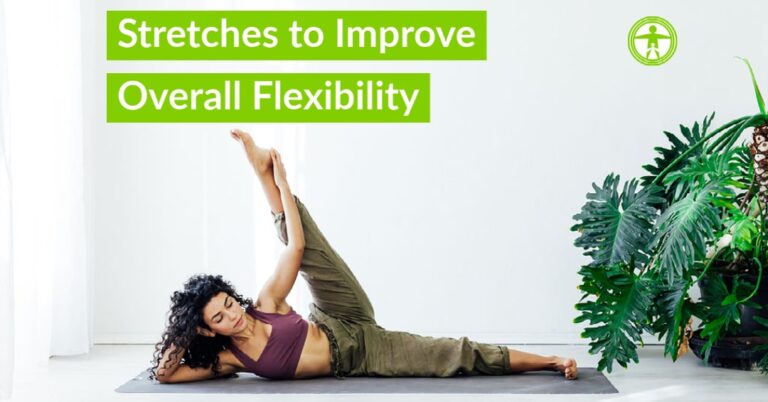
Stretches for Overall Flexibility

The Importance of Flexibility

If you consider touching your toes or performing a full split is all but an impossible fantasy, know that exercises before (and after) your workout combined with proper nutrition, hydration, and lifestyle choices can have a huge impact.

Improving your ability to bend limbs into certain positions is crucial for more than just preventing injury. In fact, flexibility training is an important aspect of gaining strength and size.

Most of us spend our days outside of the gym hunched forward over a computer further deteriorating any chance at proper posture.

And proper flexibility goes hand in hand with full range of motion exercises like squats and deadlifts, which are major muscle builders.

Having tight hips and shoulders can not only inhibit proper form when exercising, but it sets you up for chronic states of pain and muscular dysfunction.

When it comes to maintaining strength and mobility for everyday life, adopting the attitude of the generalist (a little bit of ground based movement, a few exercises that are concentrated strength and mobility exercises, and a little bit of restorative work), will do wonders for most people.

In this article we share a great combination of stretches designed to ease tight muscles throughout your body and help you gradually work toward a full range of motion in your joints.

Do these stretches daily, if possible—or at least two or three times a week.

Over time, you’ll notice real gains in flexibility and how easily you move around.

Single Knee Pull

Primarily stretches the low back, buttocks, and front of the hip

Reps: 2–4

Hold: 10–30 seconds

Starting position: Lie on your back with your legs extended on the floor. Relax your shoulders against the floor.

Movement: Bend your right knee. Grasp the back of your thigh and pull your knee in toward your chest. Flex your left foot and press the thigh and calf of that leg down toward the floor to feel a stretch in the front of your left hip and top of your left thigh. Hold. Return to the starting position and repeat with the other leg. This is one rep.

Tips and techniques:
• Keep your head on the floor and your neck relaxed.
• Keep the foot of your bent leg relaxed.
• For a more challenging stretch, raise your head off of the floor, bring your chin toward your chest, and hold.

austin-chiropractor-single-knee-pull

2. Floor Pretzel

Primarily stretches the buttocks, hip, and outer thigh

Reps: 2–4

Hold: 10–30 seconds

Starting position: Lie on your back with your right knee bent and foot on the floor. Rest your left ankle on your right thigh, just above your right knee. Your left knee should point out to the side, toward the wall. Grasp the back of your right thigh with both hands.

Movement: Slowly lift your right foot off the floor until you feel the stretch in your left hip and buttock. Hold. Return to the starting position. Repeat with your left knee bent and your right ankle resting on your left thigh, just above your left knee. This is one rep.

Tips and techniques:
• Keep your shoulders down and back, relaxing them against the floor.
• Keep your head on the floor and your neck relaxed.
• If it’s too hard to grasp your thigh with both hands, put a strap or small towel around the back of the thigh and hold both ends.

austin-chiropractor-floor-pretzel

Double Knee Torso Rotation

Primarily stretches the back, chest, hips, and outer thighs

Reps: 2–4

Hold: 10–30 seconds

Starting position: Lie on your back with your knees bent and feet together, flat on the floor. Put your arms out comfortably to each side at shoulder level, palms up.

Movement: Tighten your abdominal muscles and lift both knees toward your chest, then lower them together to the left side on the floor. Keeping your shoulders relaxed and pressed into the floor, look in the opposite direction. Feel the stretch across your chest and torso and in your lower back and hip. Hold. Bring both knees back to center and return your right foot, then your left foot, to the floor. Repeat in the opposite direction. This is one rep.

Tips and techniques:
• Try to bring both knees up into the fetal position. Ideally, keep them together throughout the stretch.
• Keep both shoulders flat on the floor. If one lifts up, don’t rotate so far.
• If necessary, put a rolled towel between your knees to make this stretch easier

Child's Pose Three Ways

Primarily stretches the back, shoulders, arms, and sides

Reps: 2–4

Hold: 10–30 seconds in each stretching position

Starting position: Position yourself on all fours, knees hipwidth apart, big toes touching, and head and neck in neutral alignment.

Movement: This is a three-part stretch. Slowly drop your buttocks back toward your heels as you extend your hands in front of you and rest your forehead on the mat. Feel the stretch down your arms, shoulders, and back. Hold. Then walk your hands diagonally out to the right and place your left hand on top of your right hand. Feel the stretch down the left side of your body and your back. Hold. Then walk your hands diagonally out to the left and place your right hand on top of your left hand. Feel the stretch down the right side of your body and your back. Hold. Return to the starting position. That’s one rep.

Tips and techniques:
• Rest your forehead on the mat when holding this stretch.
• Lower your buttocks only as far as feels comfortable. If necessary, place a pillow or towel between your thighs and calves to limit the stretch.
• While holding, take full breaths by inhaling gently through your nose and lengthening the breath as you exhale through your nose.

Cat-Cow

Primarily stretches the back, chest, and abdomen

Reps: 2–4

Hold: 10–30 seconds

Starting position: Position yourself on all fours, knees hipwidth apart. Align your shoulders over your wrists, and your hips over your knees. Keep your head and spine in neutral alignment.

Movement: Slowly arch your back upward like a scared cat as you exhale. Pull your belly button in toward your spine and tuck your chin. Feel the stretch along your back. Hold. Slowly drop your belly, pull your shoulders back, and lift your head up to look forward as you inhale. Feel the stretch across your chest and down the front of your torso. Hold. Slowly return to the starting position.

Tips and techniques:
• The slow movements of this stretch are like a wave of your spine.
• Don’t strain your neck by looking up too high.
• While holding, take full breaths by inhaling gently through your nose and lengthening the breath as you exhale through your nose.

austin-chiropractor-cat-cow-1

Downward Dog

Primarily stretches the back, hips, hamstrings, calves, shoulders, and chest

Reps: 2–4

Hold: 10–30 seconds

Starting position: Position yourself on all fours, hands shoulder- width apart, knees hip-width apart, and fingers extended. Align your shoulders over your wrists, and your hips over your knees. Keep your head and spine in neutral alignment.

Movement: Exhale as you lift your knees off the floor, straightening your legs without locking your knees. While maintaining a neutral neck and spine, align your ears with your biceps (upper arms). Try to keep your weight evenly distributed between your hands and feet. Press your heels down toward the floor, if possible, while keeping your shoulders down and rolled back. Feel the stretch down the backs of your legs, throughout your back, and into your shoulders and arms. Hold. Return to the starting position.

Tips and techniques:
• Soften your elbows and keep your shoulders down and rolled back as you lengthen your spine. Brace your abdominal muscles throughout.
• If necessary, bend your knees slightly and let your heels come up off the floor.
• While holding, take full breaths by inhaling gently through your nose and lengthening the breath as you exhale through your nose.

Kneeling Hip Flexor Stretch

Primarily stretches the front of the hip and thigh

Reps: 2–4

Hold: 10–30 seconds

Starting position: Kneel with your hands at your sides.

Movement: Put your right leg in front of you with the knee bent at a 90-degree angle and foot flat on the floor. Place your hands on your right thigh for support. Lean forward, pressing into the hip of your left leg while keeping your right foot on the floor. Feel the stretch in the front of your left thigh and hip. Hold. Return to the starting position, then repeat with your left leg forward. This is one rep.

Tips and techniques:
• Keep your front knee over your ankle, not jutting out past your toes.
• Keep your head and spine neutral, your shoulders down and back, and your abdominal muscles tightened.
• Keep your pelvis tilted forward (tailbone tucked under), rather than letting it tip back (tailbone lifted).

Full-Body Stretch w/Strap

Primarily stretches the upper body, abdominal muscles, and lower body

Reps: 2–4

Hold: 10–30 seconds

Starting position: Lie on your back with both legs extended. Hold the strap shoulder-distance apart with both hands by your hips.

Movement: Slowly lift the strap up toward the ceiling, then over your head and down toward the floor behind you. Imagine you are trying to reach your hands to the wall behind you and your feet to the wall in front of you. Feel the stretch throughout your body. Hold. Return to the starting position.

Tips and techniques:
• Keep your feet together and point your toes.
• Keep your shoulders down as you reach overhead. Don’t let them scrunch up toward your ears.
• If you cannot comfortably bring your arms down to the floor when reaching overhead, try placing a pillow above your head and pressing the backs of your arms into it.

Seated Chest Stretch

Primarily stretches the chest and shoulders

Reps: 2–4

Hold: 10–30 seconds

Starting position: Sit up straight facing sideways in a chair without arms.

Movement: Roll your shoulders down and back. Clasp your hands behind you, intertwining your fingers so your palms face you. Gently lift your hands toward the ceiling to the point of tightness. Feel the stretch in the front of your shoulders and across your chest. Hold. Slowly return to the starting position.

Tips and techniques:
• Look straight ahead, keeping your chin level with the floor.
• Keep your shoulders down and back, away from your ears, during the stretch.
• Don’t lean forward as you lift.

Stretches for Overall Flexibility2026-04-26T11:13:29-05:00

How to Properly Warm Up for Physical Activity

The Importance of Warming Up, Not Stretching

Previously, we discussed different types of stretching as well as how to stretch safely.

In this article we are going to share additional information regarding dynamic stretching and how it can impact your performance.

When done correctly, a warm-up enhances your physical performance by helping you limber up and get blood flowing to your muscles.

Current evidence suggests that the type of stretches you do and more specifically, when you do them, can help or even hurt your body.

Runners, for example, are known to warm up with a string of static hamstring and quadriceps stretches. Static stretches are the type of stretches we do when we bend over and hold a position for a few seconds or minutes.

While static stretching can be useful in terms of improving flexibility and mobility; it could hinder performance.

Current studies advise skipping pre-sport static stretches, which have been shown to undercut performance in activities that require running, jumping, and other explosive movements.

A 2013 meta-analysis of more than 100 studies on different types of athletes showed that doing static stretches before sports cut muscle strength by roughly 5% and explosive power by 2%. While this is not a major difference, it’s certainly enough to affect performance.

In a 2019 study, people who performed static stretches immediately before doing resistance training executed fewer reps during their workouts than those who did no stretching before working out, possibly because their muscle fibers were fatigued and may not have contracted as efficiently. And over the course of 10 weeks, the no-stretching group built more muscle than the stretching group, probably due to the fact that the no-stretching group lifted more weight – yet another reason to save static stretching until after your workout.

All that said, it seems apparent that holding static stretches multiple times for 30 seconds won’t help your game, but should be incorporated to improve flexibility. In fact, it’s particularly detrimental to the hamstrings before a run, or to calves before trying to jump.

So instead of the stereotypical types of stretching you can do, try warming up muscles and bringing joints through a range of motion with dynamic movements, including dynamic stretches.

safety first for stretching

Warming Up Muscles & Waking Up Nerves

A growing field of research in physical performance suggests neuromuscular training may have a role to play in sports that require jumps, quick stops, and sudden shifts in direction, such as basketball, soccer, and skiing.

A burgeoning field of research suggests neuromuscular training may have a role to play in sports that require jumps, quick stops, and sudden shifts in direction, such as basketball, soccer, and skiing.

Typically, neuromuscular training amounts to a pregame warm-up involving stretching, strengthening, and balance exercises, plus drills designed to enhance agility and reinforce good form when stopping short, changing direction, and landing.

The movement patterns chosen for neuromuscular training echo those used in a particular sport to facilitate coordination – or, as some trainers put it, movements that “wake up” the nerves and brain.

A 2012 review of studies in BMC Medicine found that consistently applying such strategies for three months or more reduced lower-limb injuries in young, amateur, and female athletes and in military recruits of both genders.

According to a recent review and meta-analysis of nine studies, a specially designed neuromuscular warm-up program for soccer players reduced risk of injury by 20% to 50%.

This type of training has also been shown to reduce the risk of knee injuries in females, who are more likely to suffer from this type of injury for a variety of reasons, including their anatomy.

At the most basic level, Chiropractic adjustments enhance the connections between your brain (cerebellum) and motor units (muscles).

One study shows that a single session of chiropractic manipulation results in a 64.2% increase in strength of weak plantarflexion muscles. Another study shows that chiropractic care increases reaction time by 25% in healthy individuals and 19% in individuals with chronic pain.

These changes were not created by a direct effect on the muscle fibers or spinal nerves, but the cortex and cerebellum via one single chiropractic adjustment.

The role chiropractors play in muscle health and physical performance is two-fold:

  1. A chiropractic adjustment creates neuroplastic changes that can increase strength and reaction time as well as decrease pain and dysfunction.
  2. By correcting and improving your posture and training your body to increase strength, flexibility and proper movement patterns.
when to check with a doctor

How to Start Practicing Dynamic Stretching

Unlike many neuromuscular training programs designed for athletes, a general dynamic stretch routine is designed for the widest possible audience.

A good dynamic stretching routine should move your body in three ways: forward and backward, side to side, and through rotations.

The goal is to loosen up joints to increase your range of motion and warm up tissues throughout the body, which helps cells to get the oxygen and energy demanded by any physical endeavor.

Perform each of the following six dynamic stretches 10 to 20 times, followed by four arm sweeps. During each dynamic stretch, go from smaller movements to larger movements, to gradually increase range of motion.

Shoulder Rolls

Stand up straight with your feet hip-width apart and arms at your sides. Roll your shoulders up, back, and down. Your thumbs point forward as you start the move. Palms point forward, elbows slightly bent, as you finish each shoulder roll.

shoulder roll 1

Overhead Reach

Stand up straight with your feet hip-width apart. Reach toward the ceiling with your right arm, while shifting your weight from your right foot to your left foot and tapping the toes of the right foot. Repeat on the left.

overhead reach 1 overhead reach 2

Torso Rotation with a Reach

Stand up straight with your feet hip-width apart. Reach toward the left wall with your right arm and then the right wall with your left arm, while shifting your weight with each change of direction. Tap your toes with each shift.

torso rotation 1 torso rotation 2

Hamstring Curls

Stand up straight with your feet hip-width apart. Alternately bend your right knee and then your left, bringing your right foot and then your left foot toward your buttocks. Press your arms backward as you do so.

hamstring curls 1 hamstring curls 2

Shallow Side Lunges

Stand up straight with your feet in a wide stance, toes pointing forward. Alternate shallow side lunges to the right and the left, hinging forward at the hip and bringing both hands to your upper thigh on the lunge.

shallow side lunge 1 shallow side lunge 2

Knee Lifts

Stand up straight with your feet together. Lift your right knee and then your left knee, touching both hands to the knee being lifted. For a more challenging dynamic stretch, lift your knee high enough to grasp the top of your shin with your hands and pull your leg gently in toward your body, then release it.

high knees 1 high knees 2

Repeat the above sequence of dynamic stretches for about five to eight minutes, rolling each stretch into the next one. Start over again as needed to fill the time you’ve allotted.

You can always add a sports specific move to the routine: for example, a golf or tennis swing, or a series of shallow to deeper jump squats to ready the body for basketball. If you do this, go slowly and deliberately through the first few reps, then pick up your pace, always focusing on correct form.

Finally, if you have trouble with balance, you can put one hand on the back of a chair or a counter. It’s even possible to do most of these movements while seated.

health professionals for stretching

Dynamic Stretching Improves Performance

Dynamic stretches are active movements where joints and muscles go through a full range of motion. They should be used to help warm up your body before exercising.

Dynamic stretches are meant to get the body moving. The stretches aren’t held for any length of time as in static stretching.

Dynamic stretches include movement, such as lunges with a torso twist. Static stretches, on the other hand, are where muscles are extended and held for a period of time.

The next time you exercise or play sports, try adding dynamic stretches rather than static stretces to your warmup. You may find your body feels more energized, stretched out, and ready to power you through your workout.

How to Properly Warm Up for Physical Activity2026-04-26T11:13:29-05:00

6 Tips for Safe Stretching

When Stretching: Safety First!

It's ironic when a new patient comes into our office for their initial Chiropractic Examination and we identify that the initial cause of their problem was stretching.

Certainly, stretching is important for back pain prevention, but if you're new to stretching or it's been a while since you've stretched a particular muscle group, you're in a vulnerable position to cause more harm than good.

So while it's tempting to skip right to stretches for back pain or neck pain, it's best to think about safety first.

In this article, I'm going to share with you key concepts on the safety of stretching and 6 specific tips for safe stretches.

safety first for stretching

When to Check with a Doctor

As simple as stretching may seem, there are certainly signs and symptoms of pain following stretching that would suggest a visit to your doctor.

Of course, if you're an active individual and experienced with different types of stretching methods, this doesn't apply to you.

But its best to check with your doctor first if any of the following apply to you:

  • You've had a recent surgery. Depending on the type, extent, and location of the surgery, you may need to limit stretching of the involved area until the soft tissues are healed. Ask your surgeon if there are any stretches or other activities that you should avoid or modify temporarily.
  • You’ve been experiencing significant pain. While stretches may help decrease soreness, you might find them difficult to carry out if you have sharp pain. Check with a medical professional before starting your program.
  • You have a chronic or unstable health condition, such as heart disease, breathing problems, high blood pressure, or diabetes.

Major Warning Signs

Generally speaking, stretching is super safe. However, there are some warning signs that you should never ignore during or after any form of physical activity.

These red flags or warning signs include:

  • upper-body discomfort, including chest pain, aching, burning, tightness, or a feeling of uncomfortable fullness
  • wheezing or shortness of breath that takes longer than five minutes to go away
  • faintness or loss of consciousness
  • sudden, sharp, or intense pain in bones or joints
  • in hot, humid weather, signs of overheating, such as headache, dizziness, nausea, faintness, cramps, or palpitations

These warning signs pertain to any kind of exercise, including strength training and aerobic exercise.

Persistent or intense muscle pain that starts during a workout or right afterward, or muscle soreness that lasts more than one to two weeks, also merits a call to your doctor. (This is in contrast to normal muscle soreness, which starts 12 to 48 hours after a workout and gradually improves.)

You should also call your doctor if the routine you’ve been doing for a while without discomfort starts to cause you pain.

when to check with a doctor

Health Pro's that Can Help Guide You

Team work makes the Dream Work!

If you need to tailor our stretches to your needs, various health or fitness professionals can help.

Here is a brief description of the skills offered by, and training required of, the different types of experts.

Doctors of Chiropractic

Anyone who has ever visited a chiropractor knows the importance of stretching. Surely almost every chiropractic doctor will recommend stretching as part of your daily routine, in order to keep your muscles and spine limber and keep the blood flowing.

When an adjustment is performed, the blood circulates and patients must maintain this between visits. If your chiropractor has not discussed at-home stretching in detail or you have gotten a bit rusty, then you're not getting the full benefit of your chiropractic adjustment.

Physiatrists (Physical Medicine Doctor)

Physiatrists, also known as physical medicine and rehabilitation physicians, are board-certified medical doctors who specialize in treating nerve, muscle, and bone conditions. They are among the sports medicine specialists who can diagnose and treat conditions and injuries that affect how you move, such as back problems, knee or shoulder injuries, debilitating arthritis or obesity, and stroke.

Physical Therapists

Physical therapists (PTs) help people with health conditions or injuries affecting muscles, joints, bones, or nerves by providing hands-on treatment and individualized exercise programs to restore movement in painful or debilitating conditions, or after an injury. Their expertise can be valuable, for instance, if you have suffered a lingering sprain or are recovering from a hip replacement or heart attack. Some PTs specialize in sports medicine, orthopedics, cardiopulmonary rehabilitation, geriatrics, or other areas.

Personal Trainers

Personal trainers are fitness specialists who can help ensure that you’re doing stretches and exercises properly. While encouraging and motivating you, they can fine-tune your form. Personal trainers teach new skills, change up routines to beat boredom, and safely push you to the next level.

health professionals for stretching

6 Tips for Safe Stretches

Everyone – with medical conditions or not – should use these tips to help protect muscles and joints while
ensuring flexibility gains.

  1. Warm up first. Much like taffy or silly putty, muscles stretch more easily when warm. Our dynamic stretches can act as a warm-up for static stretches, or you can do static stretches after sports, exercise, or even marching in place with arms swinging for five minutes or dancing to a few songs. Moist heat packs or a warm shower are effective as well.
  2. Feel no pain. Stretch only to the point of mild tension, never to the point of pain. If a stretch hurts, stop immediately! Reset your position carefully after checking the instructions, then try again. With time and practice, your flexibility will improve.
  3. Pay attention to posture and good form. Posture counts whether you’re sitting, standing, or moving. Good form translates to better gains in flexibility and less likelihood of injury when stretching tight muscles. Photos of stretches tell only part of the story, so read instructions carefully to get form right.
  4. Focus on the muscle being stretched. You’ll notice that one side of your body often is tighter than the other. Work on balancing this over time.
  5. Breathe. Breathe comfortably while stretching, or use yoga breathing. Whatever you do, don’t hold your breath while you are holding a stretch.
  6. Practice often. You’ll make the best gains if you stretch frequently—daily, or on as many days of the week as possible. At the very least, aim to do stretches two or three times a week.
6 tips for effective and safe stretching

Stretching Improves Your Chiropractic Care 

Arthritis, stiff backs, sore knees and tight shoulders can all suck the joy out of our lives when we experience it daily.

Stretching can help; especially when tight muscles are to blame.

Doctors of Chiropractic often prescribe stretching as part of a treatment plan to help maintain or reclaim abilities and ease discomfort.

Even if you don’t have a medical condition, you may be suffering from tight muscles that keep you from feeling your best. They can pull your body offkilter, and long hours spent at a desk—or staring down at tablet screens—may cause pain, too.

So if you're experiencing aches and pains and you're not regularly stretching, it very well could be the missing piece on your road to recovery.

6 Tips for Safe Stretching2026-04-26T11:13:29-05:00

All About Stretching

Stretching: The Basics

Everyone knows that stretching is important for their health – yet most Americans refuse to spend enough time doing it.

Or, if people do stretch, they often don't stretch all of their muscles groups – or the specific muscle groups they need to be stretching.

In many cases, people even stretch in a way that actually causes more harm than good.

That's why I'm going to spend some time sharing the basics of stretching such as

  • Why you should stretch
  • Different types of stretching you can do for health
  • Guidelines for proper stretching to prevent injury

Why Should You Stretch?

Stretching improves flexibility and flexibility determines your ability to move (mobility) and even contributes to force production (strength).

Stretching is important at any age. Stretching also helps to improve physical function.

For example, when our hamstrings and hip flexors are too tight, they can hamper basic movements like walking and running.

When muscles are tight – a common result of the modern living environment – you’re not able to fully extend and your movements become shortened and less powerful.

Tight hamstrings have been implicated in chronic low back pain, because they change the tilt of the pelvis, placing more pressure on the joints in the lower back.

But loss of flexibility isn't simply a problem for back pain.

For anyone who plays sports or works out, tight muscles contribute to muscle strains, knee pain, and diminished performance.

As you work your way up and down the body, many more examples come to mind:

  • Tight ankle and calf muscles contribute to loss of balance.
  • Tight arm and side muscles impact any task or sport involving reaching.
  • Tight neck muscles make it hard to look behind you.
  • Being inflexible contributes to your poor posture.

Tight chest muscles can pull your shoulders forward, giving you a hunched silhouette instead of a longer, slimmer looking one.

This is exactly why as you age, stretching becomes even more important.

The truth is, your joints become less flexible over time.

And this inflexibility puts a crimp in daily activities, making it harder to walk, raise your arms overhead, or turn your head while backing up the car.

why stretch

Types of Stretches

Most people are surprised to learn that there are multiple types of stretches.

The two most common types of stretches are static and dynamic stretching. These two types of stretches provide the simplest, safest route to flexibility for most people.

Static Stretching

Static stretching is what most think about when stretching.

Static stretching is when you hold a position that stretches a muscle or group of muscles for a given period of time.

Static stretches can be active or passive, though passive stretches are by far the most common.

Contrary to popular belief, you should not perform static stretching before exercise.

Dynamic Stretching

Dynamic stretches involve movement.

Dynamic stretching is when you take specific muscles and joints through their normal range of motion, from one position to another, to loosen up the joints and stretch the muscles.

The action is smooth and controlled and often mimics a sports motion, such as a golf swing or arm swings.

While static stretches should not be performed before exercising, dynamic stretches are beneficial and help warm up the body.

Ballistic Stretching

Many people try to go deeper into a stretch by adopting a stretch position, then bouncing extend muscle length and range of motion.

Stretches like these are called ballistic stretches.

It works by triggering the stretch reflex: resistance prompted by specialized nerves, forcing a lengthening muscle to contract.

Ballistic stretching is great for athletes, who must perform quick, powerful actions.

However, ballistic stretches go beyond an individual’s normal range of motion and can injure muscles if not done correctly.

For this reason I do not recommend this type of stretching for most people.

Active Isolated Stretching

Active isolated stretching is usually performed in reps and sets, just as strength exercises.

With active isolated stretching, instead of holding a stretch for 30 to 60 seconds, you hold it for only two seconds, slowly release it, and
repeat several times.

The idea is that each time you resume the stretch you are able to stretch a little farther than the time before.

Proprioceptive Neuromuscular Facilitation 

Proprioceptive neuromuscular facilitation, or PNF, is favored by some exercise and rehabilitation experts, who believe it enhances range of motion more than other approaches to stretching.

But unlike static stretches, which can be done safely by anyone, PNF is best done with a partner and requires advanced training.

PNF takes a two-step approach. It starts with isometric contraction of the muscle that opposes the one you want to stretch. (To do an isometric contraction, you press against an immovable object, like a partner, so that the muscle activates without lengthening or shortening.)

Then you follow with a passive static stretch of the target muscle, usually applied by a partner who focuses on moving a joint through its range of motion.

Because PNF stretches are generally done with a partner and require expertise to perform safely, we recommend that anyone interested in learning these stretches should work one-on-one with an experienced trainer or physical therapist.

Foam Rolling

While not technically a type of stretching, foam rolling may be another way to improve flexibility by loosening up fascia, the thin sheath of tissue surrounding each of your muscles.

Foam rolling is a form of selfmyofascial release (SMR), in which you loosen fascia by rolling parts of your body over a cylindrical piece of high-density foam. (Tennis or lacrosse balls can also be used for this purpose.)

How Often and How Much Should You Stretch?

How often should you stretch?

How long should you hold a stretch?

And how many repetitions (reps) of each stretch should you do?

While stretching has been studied much less rigorously than other forms of exercise – here's a current consensus among experts:

  1. Healthy adults should do flexibility exercises (stretches, yoga, or tai chi) for all major muscle-tendon groups—neck, shoulders, chest, trunk, lower back, hips, legs, and ankles—at least two to three times a week.
  2. For optimal results, spend a total of 60 seconds on
    each stretching exercise. So, if you can hold a particular stretch for 15 seconds, repeating it three more times would be optimal. If you can hold the stretch for 20 seconds, two more repetitions would suffice.
chiropractor for back pain

Stretching Improves Your Chiropractic Care 

Anyone who has ever visited a chiropractor should know about the importance of stretching.

Surely almost every chiropractic doctor will recommend stretching as part of a care plan.

A primary goal of chiropractic care is to improve flexibility, mobility and blood flow.

When an adjustment is performed, blood circulates and stretching can help to maintain blood flow between visits.

All About Stretching2026-04-26T11:13:30-05:00

When to Worry About Neck Pain

Neck Pain Can Be Scary

When we experience pain in our neck, mid back or low back – it's often scarier than other forms of pain.

As amazing as the human body is, in a modern world, the neck and back is vulnerable and when it hurts – our body literally seems to shut down. And yet most spinal pain does not have a serious cause.

When it comes to neck pain specifically, the bark is usually louder than the bite.

In this article I share a few concepts to help you understand the difference between serious neck pain and less serious causes of neck pain.

Of course, if you've been in an accident recently or experienced a trauma that caused sudden neck pain – get seen by a doctor immediately.

However, if your neck pain started due to non-emergency reasons, this is a good place to get some reassurance and decide whether or not to talk to a doctor.

neck pain can be scary

The Red Flags of Neck Pain

Neck pain is usually not going to be caused by more serious conditions.

But every once in a while, neck pain could be a warning sign of something bigger including signs of cancer, infection, autoimmune disease, or some kind of structural problem like spinal cord injury or a threat to an important blood vessel.

This is why knowing the red flags of neck pain are so important.

Three Red Flags of Neck Pain:

  1. it’s been bothering you for more than 6 weeks
  2. it’s severe and/or not improving, or actually getting worse
  3. there is at least one other “red flag” (see below)

Before proceeding to the other red flags, I just want to remind you – if your neck pain started from a sudden blow, blunt force trauma or collision injury, then you should get checked right away!

I cannot tell you how many times we've had patients come in for exams and their necks were a wreck due to collision injuries that they had in the past and never treated appropriately.

Several more red flags for neck pain: 

The more red flags you have below, the faster you should get checked by a doctor or chiropractor who understands how the spine works.

  • Tapping on the spine is painful.
  • Weight loss without dieting.
  • Mystery fevers and/or chills (especially in diabetic patients).
  • A ferocious headache, and/or an inability to bend the head forward, and/or fever, and/or altered mental state are all symptoms of meningitis (inflammation of the membranes covering the brain and spinal cord, caused by infection or drug side effects).
  • A severe headache that comes on suddenly
  • Severe, sudden neck pain (throbbing or constrictive) may be caused by an artery tear. Pain is the only symptom of some tears. Most but not all cases are sudden, on one side, and cause both neck and head pain (in the temple or back the skull), but the pain is usually strange. Any hint of other symptoms? Go to the ER.
  • There are many possible signs of spinal cord trouble in the neck, with or without neck pain, mostly affecting the limbs in surprisingly vague ways that can have other causes: poor hand coordination; weakness, “heavy” feelings, and atrophy; diffuse numbness; shooting pains in the limbs (especially when bending the head forward); an awkward gait. Sometimes people have both neck pain and more remote symptoms without realizing they are related.
  • Unexplained episodes of dizziness and/or nausea and vomiting may indicate a problem with stability of the upper cervical spine.
  • Steroid use, other drug abuse, and HIV are all risk factors for a serious cause of neck pain.
  • The main signs that neck pain might be caused by autoimmune disease specifically include: a family history of autoimmune disease, gradual but progressive increase in symptoms before the age of 40, marked morning stiffness, pain in other joints as well as the low back, rashes, difficult digestion, irritated eyes, and discharge from the urethra.

Arthritis Sucks, But It's Nothing to Fear

One of the most common concerns about neck pain that shouldn't be worrisome are the signs of “wear and tear” on the cervical spine such as arthritis and degenerative disc disease.

X-ray studies, CT scans, and MRI's have proven that arthritis is common, even in the absence of symptoms.

Many people who have clear signs of arthritic degeneration in their spines will never have any symptoms, or only minor, and/or not for a long time.

For instance, about 50% of “over 40 year olds” have clinically silent disk bulges, and even at age 20 there’s a surprising amount of spinal arthritis. The seriousness of these signs is routinely overestimated by patients and healthcare professionals alike.

Signs of arthritis are almost never diagnostic on their own, so don't blame a disc bulge too quickly.

In fact, do yourself a favor: don’t assume that you have a serious problem based only on pain plus signs of arthritis or MRI's that state you have “bulges” or small “herniations”.

Pain is common; serious degeneration is not.

Here's a table sharing some findings of spine degeneration at different ages; all without any pain.

Percentages of people with various kinds of spinal degeneration but no pain.
Source: Brinjikji et al
Imaging finding Age
20 30 40 50 60 70 80
Disc degeneration 37% 52% 68% 80% 88% 93% 96%
Disk height loss 24% 34% 45% 56% 67% 76% 84%
Disk bulge 30% 40% 50% 60% 69% 77% 84%
Disk protrusion 29% 31% 33% 36% 38% 40% 43%
Annular fissure 19% 20% 22% 23% 25% 27% 29%
Facet degeneration 4% 9% 18% 32% 50% 69% 83%

Neck Pain that is Sharp, Stabbing and Shooting

Sharp neck pain is not in itself a red flag.

In fact, and I know this is going to seem odd, but sharp pains are actually a bit reassuring when it comes to the more serious issues of neck pain, despite how they feel.

By itself — with no other obvious problems — sharp, stabbing and shooting neck pain is usually due to a condition that indicates you just have a temporary, minor source of irritation in the cervical spine.

Serious causes of neck pain like infections, tumors, and spinal cord problems tend to grind you down with throbbing pains, not “stab” you.

Sharp, shooting pains are mostly neurological fire alarms signalling trivial non-emergency musculoskeletal troubles.

It's basically your brain being overly-protective to real, but all too often trivial irritations in and around the spine.

The brain takes these much more seriously than it really needs to, but evolution has honed us to be oversensitive in this way.

That’s not to say that the brain is always over-reacting, but it usually is.

The cervical spine is also surrounded by a thick, tangled web of nerves.

In general, those nerves are amazingly difficult to irritate, much harder than people think, but it’s not impossible.

Many sharp and shooting neck pains are probably caused by minor neuropathy (pain from nerve irritation) that calms down over several days or a few weeks at the worst.

Yes, it’s unpleasant, but more often than not, nothing to be too concerned over.

chiropractor for back pain

Chiropractic Care for Neck Pain

The neck is – along with the low back, shoulders and knees – vulnerable to bouts of unexplained pain.

In most cases, the pain goes away on its own.

Pain is weird and unpredictable, and is often the result of the brain being overprotective and paranoid.

Worrying about the pain may be literally the worst thing you can do — not just a poor coping mechanism, but a genuine risk factor.

Like noise pollution, the more you focus on it, the worse it gets.

But if your neck pain is not going away and it's becoming more and more of a concern, consider visiting your local chiropractor to get it properly checked.

When to Worry About Neck Pain2026-04-26T11:13:30-05:00

What Type of Doctor Should I See for Back Pain?

Back Pain Always Has a Cause

When it comes to back pain, most people will receive poor advice that remains a barrier to their recovery.
Because of poor advice, many back pain sufferers remain in pain unnecessarily.
Some receive pain-numbing medication that does not stop the cause of pain. Others are told that they must learn to live with the pain, rather than being shown why they have back pain along with a roadmap of the steps to reduce it.
The truth is, when most people have back pain, they visit doctors or healthcare practitioners who are not qualified to actually treat it.
Back Pain is complex and the pain mechanisms are vast.
Some of the primary reasons people have failed previous approaches to treating their back pain include:
  • They were give pain medications that simply cover up pain and do not address the primary problem.
  • They were given inappropriate exercises, or there were barriers to relief that were not understood and addressed.
  • They did not undergo proper testing and assessing.
back pain has a cause

Where To Start With Back Pain?

Low back pain is one of the most common complaints on the planet.

And when someone starts experiencing back pain it can be so frightening that we immediately want an expert that will somehow magically get rid of it.

Unfortunately, there's just no unicorns and rainbows when it comes to solving back pain.

Realize that most back pain will resolve on its own. What I'm saying here is that your major ache or tweaked out back doesn't require a specialist in most cases.

Some of the most common causes of acute or sudden back pain include an injury:

  • to a muscle or tendon (a strain)
  • to a back ligament (a sprain)
  • to a bulging disc (basically a sprained disc that swells and irritates nerves).

And the reality is, many of these issues will eventually resolve on their own.

In my personal opinion, the first time someone starts to experience back pain, they should immediately start doing back extension exercises.

I would continue to do back extensions every 3-4 hours throughout the day for at least 3 days.

And if you notice that you're feeling better, continue for another 1-2 weeks.

But if your low back pain doesn't improve, then maybe there is something more serious happening.

More serious causes of back pain include:

  • a narrowing of the spinal canal (spinal stenosis)
  • disc tears or herniations
  • severe degenerative joint disease
  • severe degenerative disc disease
  • spinal infections

So if your back pain doesn't improve with back extensions and modified activities, then you'd want to consider someone who is qualified to properly assess the situation.

Best Doctors For Back Pain

Since you shouldn't try to diagnose your own back pain, make your first call to a professional who can assess your problem, such as a primary care physician or a chiropractor.

Both can serve as an entry point for back pain.

Generally speaking, your primary care provider will only offer pain medications or injections designed to reduce pain, but not necessarily correct the issue.

Chiropractors on the other hand, have much more training when it comes to addressing back pain.

A chiropractors training contains over 150 more hours of education in biomechanics, while medical students learn more about pharmaceuticals.

Chiropractors use posture exercises and hands-on spinal manipulation to relieve back pain, improve function, and help the body heal itself.

According to Harvard Health, the most positive research on chiropractic therapy has focused on spinal manipulation for low back pain.

Here's a few quotes including the scientific journal reference discussing chiropractic care for back pain:

“For patients with chronic low back pain, clinicians and patients should initially select non-pharmacologic treatment with exercise, multidisciplinary rehabilitation, acupuncture, mindfulness-based stress reduction (moderate-quality evidence), tai chi, yoga, motor control exercise, progressive relaxation, electromyography biofeedback, low-level laser therapy, operant therapy, cognitive behavioral therapy, or spinal manipulation (low-quality evidence).”

          American College of Physicians (2017)

“[Chiropractic Manipulative Therapy] in conjunction with [standard medical care] offers a significant advantage for decreasing pain and improving physical functioning when compared with only standard care, for men and women between 18 and 35 years of age with acute low back pain.”

          Goertz et al. (2013), Spine

“Patients with chronic low-back pain treated by chiropractors showed greater improvement and satisfaction at one month than patients treated by family physicians. Satisfaction scores were higher for chiropractic patients. A higher proportion of chiropractic patients (56 percent vs. 13 percent) reported that their low-back pain was better or much better, whereas nearly one-third of medical patients reported their low-back pain was worse or much worse.”

          Nyiendo et al (2000), Journal of Manipulative and Physiological Therapeutics

Reduced odds of surgery were observed for…those whose first provider was a chiropractor. 42.7% of workers [with back injuries] who first saw a surgeon had surgery, in contrast to only 1.5% of those who saw a chiropractor.”

          Keeney et al (2012), Spine 

“Acute and chronic chiropractic patients experienced better outcomes in pain, functional disability, and patient satisfaction; clinically important differences in pain and disability improvement were found for chronic patients.”

          Haas et al (2005), Journal of Manipulative and Physiological Therapeutics

best doctors for back pain

Next Steps for Unresolved Back Pain

If your condition is serious enough, then there is absolutely a time and place to consider more invasive treatment options.

So if you find yourself needing to step up your back pain treatment game, there are many experts who can help, depending on your needs.

You may be referred to any of these:

  • A neurologist, a doctor specializing in treatment of the nervous system. Back pain is commonly associated with lower-extremity symptoms, such as numbness and tingling. These symptoms can also be caused by neurological conditions that are not spine-related, such as multiple sclerosis. Neurologists are great at sorting this out and offering solutions.
  • A physiatrist, a doctor with expertise in physical medicine and rehabilitation. This may be helpful for back pain related to a sports injury, if surgery is not needed, and when medications are not working.
  • A rheumatologist, a doctor who treats diseases of the joints, muscles, and bones. Referral is most appropriate when there is inflammation of the joints in the back, or if the back pain might be related to an inflammatory disease, such as psoriatic arthritis.
  • A physical therapist, a licensed therapist who can help you strengthen back and core muscles to absorb pressure on the spine.
  • A pain management physician, a doctor who can prescribe medications, provide injections, and consider other approaches. People with symptoms that aren't responding to treatment are great candidates for pain management, such as injections or procedures to smaller joints in lower back.
  • An orthopedic spinal surgeon or a neurosurgeon who primarily does spine surgery, if surgery is likely needed for severe, unrelenting pain that may be due to a disc or spinal column problem.
chiropractor for back pain

Chiropractic Care for Back Pain

It may take several types of tests including x-rays, MRIs, and blood tests, to determine the exact cause of your back pain.

And you may need more than one expert managing your back pain.

It really just depends on your specific situation and the amount of damage that has occurred in your spine.

But for back sprains, strains, and even herniated discs, a visit to your local chiropractor may be all it takes to start feeling better.

What Type of Doctor Should I See for Back Pain?2026-04-26T11:13:30-05:00

Urinary Incontinence Signs, Symptoms and Treatment

What is Urinary Incontinence?

Urinary incontinence is the loss of bladder control. In short, it's when someone dribbles or leaks urine unintentionally.

Why does this happen?

There are many reasons, but let's go over a few basic urinary concepts.

  1. The body stores approximately 2 cups of urine in the bladder.
  2. During urination, muscles in the bladder tighten to move urine into a tube called the urethra.
  3. At the same time, the muscles around the urethra relax and let the urine pass out of the body.

That's how it's supposed to work.

But when the muscles in and around the bladder don’t work the way they should, urine can leak.

So urinary incontinence typically occurs if the muscles relax without warning.

While urinary incontinence can happen to anyone, at any age, it's far more likely to happen in an elderly female.

The severity of incontinence can range from occasionally leaking urine while coughing or sneezing, to having an urge to urinate that's so sudden and strong people cannot get to a toilet in time.

For most people, simple lifestyle changes can ease discomfort or stop urinary incontinence all together.

symptoms of urinary incontinence

Symptoms of Urinary Incontinence

The symptoms of urinary incontinence will often tell you the type of urinary incontinence you have.

Types of urinary incontinence include:

  • Stress incontinence. Urine leaks when you exert pressure on your bladder by coughing, sneezing, laughing, exercising or lifting something heavy.
  • Urge incontinence. You have a sudden, intense urge to urinate followed by an involuntary loss of urine. You may need to urinate often, including throughout the night. Urge incontinence may be caused by a minor condition, such as infection, or a more-severe condition such as a neurologic disorder or diabetes.
  • Overflow incontinence. You experience frequent or constant dribbling of urine due to a bladder that doesn't empty completely.
  • Functional incontinence. A physical or mental impairment keeps you from making it to the toilet in time. For example, if you have severe arthritis, you may not be able to unbutton your pants quickly enough.
  • Mixed incontinence. You experience more than one type of urinary incontinence.

With stress incontinence, the pelvis or sphincter muscles (or both) aren't strong enough to hold the urine by closing the bladder and urethra.

With urge incontinence or and overactive bladder, the bladder muscles contract too much, pushing urine out even when you are not ready to release it.

Mixed incontinence is usually a combination of both stress and urge incontinence.

Above all… if your incontinence is frequent or beginning to affect your quality of life, you should seek the guidance of a urologist to rule out any serious disease or pathology.

symptoms of urinary incontinence

Causes of Urinary Incontinence

First, understand that urinary incontinence isn't a disease, but a symptom.

It can be caused by everyday habits such as wearing high heels and not exercising enough to more serious underlying medical conditions such as multiple sclerosis, diabetes or Parkinson's disease.

Just as the symptoms of incontinence can indicate the type, they can also indicate the cause.

Causes of Temporary Urinary Incontinence

  • Alcohol
  • Caffeine
  • Carbonated drinks and sparkling water
  • Artificial sweeteners
  • Chocolate
  • Chili peppers
  • Foods that are high in spice, sugar or acid, especially citrus fruits
  • Heart and blood pressure medications, sedatives, and muscle relaxants
  • Large doses of vitamin C
  • Urinary Tract Infections
  • Constipation

Causes of Persistent Urinary Incontinence

  • Pregnancy
  • Childbirth
  • Changes with age
  • Menopause
  • Hysterectomy
  • Enlarged prostate
  • Prostate cancer
  • Obstruction
  • Neurological disorders

Urinary Incontinence Treatment

The choice of treatment depends on the type of bladder control problem you have, how serious it is, and what best fits your lifestyle.

As a general rule, the simplest and safest treatments should be tried first.

Bladder Control Training Treatment may help you get better control of your bladder.

Here are some examples:

  • Pelvic muscle exercises (also known as Kegel exercises) work the muscles that you use to stop urinating. Making these muscles stronger helps you hold urine in your bladder longer. Learn more about pelvic floor exercises and how to do them.
  • Biofeedback uses sensors to make you aware of signals from your body. This may help you regain control over the muscles in your bladder and urethra. Biofeedback can be helpful when learning pelvic muscle exercises. I would recommend the Elvie Pelvic Floor Trainer.
  • Timed voiding may help you control your bladder. In timed voiding, you urinate on a set schedule, for example, every hour. You can slowly extend the time between bathroom trips. When timed voiding is combined with biofeedback and pelvic muscle exercises, you may find it easier to control urge and overflow incontinence.
  • Lifestyle changes may help with incontinence. Losing weight, quitting smoking, saying “no” to alcohol, drinking less caffeine (found in coffee, tea, and many sodas), preventing constipation and avoiding lifting heavy objects may help with incontinence. Choosing water instead of other drinks and limiting drinks before bedtime may also help.

Medical Treatments are more invasive and can carry a higher risk.

When lifestyle changes do not help enough, your health care provider may ask you to try prescription medications. A frank talk with your provider about the risks, side effects and benefits of each medication will help you decide which might be the right one for you.

  • Anticholinergic Drugs. Anticholinergic drugs help  the bladder muscle to relax. Common medications include oxybutynin, tolterodine and solifenacin. They work well for the bladder, but are also linked to many bothersome side effects such as dry mouth, constipation, blurred vision, and lately, some concern for causing confusion or dementia with longer-term use.
  • Merbegron. This medication is not an anticholinergic medication, so it is not linked to any of the side effects described above. It is an alpha-agonist, so works a little differently on the bladder, but in the end has the same effect of getting the bladder to relax. It can cause increases in blood pressure so needs to be used with caution in patients with hypertension.
  • Hormone Treatment. For women, local vaginal/urethral estrogen therapy can help if you are having urinary incontinence after menopause. Estrogen replacement helps the health of the walls of the vagina, the bladder neck and the urethra. This may ease irritated bladder symptoms and incontinence.
  • Surgical Treatments. Choosing to have surgery is very personal. If surgery is suggested, there are many choices. It helps to learn as much as you can before you decide.

Chiropractic Care for Urinary Incontinence

Since chiropractic is all about optimal body function, a chiropractor is a great person to see when something in your body isn’t working properly.

In this case, weakened muscles around your bladder, pelvis, and urinary sphincter are not properly engaged at the right times and are not working the way they should.

Most people suffering from urinary incontinence have subluxations in their lumbar or sacral spine, which affect the way their bodies retain and eliminate waste.

At Family Health Chiropractic, we can gently adjust your spine, restoring spinal alignment and optimal function of bodily processes, positively influencing your ability to control your bladder and urinary incontinence.

Urinary Incontinence Signs, Symptoms and Treatment2026-04-26T11:13:30-05:00

Don’t Sit With Back Pain

Back Problems Can Be Aggravated from Sitting 

Sitting down might be a way to relax after a long day, but if you have back pain or spinal column problems, sitting can increase your state of pain.

Sitting can aggravate certain spine conditions more than relieving it.

One of these conditions is degenerative disc disease. The spinal discs act as pads between the vertebrae in your back.

When we lose flexibility, if we are dehydrated or if we move in the wrong fashion, a disc can become herniated, meaning it develops a bulge that can pinch a nearby spinal nerve, causing pain.

There are several studies that have measured the amount of pressure on the discs in various positions. [1, 2, 3]

Not surprisingly, the pressure is lowest when you're lying down and highest when you're sitting down, and even worse when you sit with poor posture!

Disc problems can cause back pain alone, but when the pain moves into the legs, this may be the nerve pain known as sciatica.

Sciatica occurs when a herniated disc pinches one of your sciatic nerves. True sciatica is when you have pain that connects from the lower back into each leg and goes through the knee.

People with sciatica typically report a burning pain that involves the lower back, the leg, and sometimes the foot.

Although the specific reason for back pain is hard to identify, muscle spasms and weakness are probably the most common cause.

While there isn't proof from medical studies that sitting leads to more spasms, people often report tighter and more painful back muscles with prolonged sitting. This is likely why people experience stiffness and pain from long periods of driving.

Not all back conditions are made worse from sitting.

If you find that you feel better when you sit, there's a good chance that you have a condition called spinal stenosis.

In cases where the arthritis is severe enough to pinch nerves going to the buttocks and legs, people often report that the pain is better when sitting than standing.

This is because when you sit, you bend forward a little bit at the lower back, and this may spread out the arthritic bones enough to relieve the pain temporarily.

Pain relief may also occur when you lean forward while using a shopping cart or a walker.

When Should You Get Your Back Pain Checked Out?

In most cases, you should be able to manage back pain by yourself.

I would certainly start by modifying your activity and begin the process of improving your flexibility and mobility.

However, you should see a doctor if the pain isn't improving even after you've modified your activity for a week or two.

It's important to keep in mind that healing takes time and most injuries can take up to four to six weeks to see improvement.

Of course, if your pain is severe enough or if you have lost function such as muscle strength or bowel/bladder control, you should see a doctor right away.

How to Relieve Back Pain from Sitting

If you're experiencing back pain when sitting, your impulse may be to lie down and then try to slowly progress back to sitting.

But this is the wrong approach.

You should lie down to relieve the pain, but the goal should not be to return to sitting, but rather to regain your ability to stand and move.

So the goal of overcoming back pain that gets worse from sitting it to not feel better when you're on the chair, but to start moving.

Walking is better than sitting.

Doing a Yoga class and not hurting is better than sitting and not hurting.

So remember, Movement is The Best Medicine when it comes to relieving pain.

Regular physical activity can make the back stronger to reduce future episodes of pain.

Exercises should focus on increasing strength and improving range of motion — as well as ensuring balance on both sides of the body, as some back pain can start when one side of the body is stronger than the other.

In addition, whenever possible, avoid prolonged sitting.

If you sit at a desk in the office all day, get up periodically — at least every 20-30 minutes — and walk around.

Walk to get a drink of water or to pick up your mail.

Specifically, there are two exercises to try out when you're experiencing pain.

Back Extensions – The First Exercise to Try

back extension for back pain when sitting

The first exercise I would recommend anyone with back pain to do is the back extension exercise.

If your pain is severe, then start by simply laying on the floor and resting on your elbows for 10 seconds, then relax. Repeat 15 times every three hours.

If you're able to fully extend up onto your hands, then I would suggest pushing all the way up, holding for 1 second and then going back down to the starting position for 1 second. You would repeat 15 times every 3 hours and do this for 3 days.

If after 3 days of doing back extensions, you're not better, then start performing the opposite (back flexion exercises).

It's also important to not combine these two movements. So you would only want to be performing extensions and avoid any flexion movement (bending forward to stretch your back or bending forward to tie your shoes).

Back Flexion Exercise – The Second Exercise to Try

back flexion

If Back Extension exercises don't help or reduce your back pain and you are sure you've done it for at least 3 days and avoided flexion movements, then the next step is to try Back Flexion Exercises.

To do this exercise, you would lie on your back with both knees bent.

Pull one knee toward your chest and hold it for 5 to 10 seconds. Return to the starting position. Repeat with the other leg. Do this 15 times with each leg every 3 hours for 3 days.

Final Thoughts 

Sitting down can absolutely worsen back pain.

If you find that you're having back pain from sitting, then modify your work station or try to start moving more throughout the day.

If your pain doesn't improve, then consider the back extension or back flexion exercises I shared here.

In addition, you should incorporate other simple exercises including stretching on your own, Yoga and/or Pilates.

These exercises build not only strength, but also flexibility.

Finally, if you're doing all the things and you're still hurting, you should consider getting checked by a chiropractor or at the very least get xrays to make sure you're not dealing with something more serious.

Don’t Sit With Back Pain2026-04-26T11:13:31-05:00
Go to Top