
Forward Head Posture Negatively Impacts Nervous System

Forward Head Posture

Every day thousands of men, women and children feel the negative effects of forward head posture, yet may not necessarily know its source or how to fix it.

Forward head posture or any type of spinal misalignment that causes abnormal body posture can reek havoc on your body.

It usually starts with a slight increase in the tension behind the head, neck and shoulders.

Eventually it progresses to tingling in the arms or legs, increased pain in the neck, increased headaches, and even feelings of fatigue that can span 3 or 4 days of out the week.

If left untreated, those symptoms can worsen quickly and start an onslaught of other problems that can make living life difficult, including walking, sitting and sleeping.

While most people spend time and money battling the symptoms, they aren’t addressing the core of the problem.

Most people simply pound coffee or energy drinks, pop pills such as aspirin, acetaminophen or ibuprofen to battle their headaches and migraines, invest thousands in space-aged mattresses or super chairs, or buy the latest gadgets to diminish the pain.

But at the end of the day, their forward head posture is not corrected and it gradually begins to impact digestion, immune system function, and even organ function – something that most people rarely notice happening until it’s too late.

Your nerves coming in and out of your spine are responsible for the function of EVERY system in your body.

Cardiovascular, immune, digestion, reproduction, and your muscles go through their daily tasks using nerve energy and information flow from the brain.

What do you think will happen to your body and its long-term health if your poor posture or spinal misalignment prohibits these nerves from doing their job properly?

Let's dive in and discuss a few things…

What is Forward Head Posture?

Forward head posture (FHP) is associated with the head moving in an anterior or forward relationship to the shoulder or lower spine versus an “ideal” position, which would have the ears in line with the shoulders. [1]

FHP is also associated with an increased kyphotic thoracic spine or thoracic hyperkyphosis. What the heck is that?

The middle part of your spine is known as the thoracic spine, and when it curves too much (think of the elderly when they're hunched forward from the mid back) it's called hyperkyphosis.

Hyperkyphosis is certainly something people don't like ethetically, but hyperkyphosis is associated with increased mortality from all causes, particularly in elderly men [2] and women [3,4], even independent of osteoporosis [5].

Forward head posture is not simply caused by poor posture itself, but can be manifested by poor ergonomic [6], traumas (i.e. falls, sports injuries and whiplash) [7], chronic pain [8] and even a loss of the normal cervical curvature.

If you're a patient of our office, you should have your xray report with the cervical curve measurements measured for you.

Spine research has determined that a statistically significant association between neck pain and neck curvature occurs when you have <20º and a ‘clinically normal’ or healthy range for neck curvature is between 31º to 40º . [9]

What Are the Symptoms of Forward Head Posture?

Because Forward Head Posture can impact all sorts of systems in the body, the symptoms of forward head posture are vast.

That said, let's start with an understanding of what muscles can be impacted.

Muscles That Become Long and Weakened With Forward Head Posture

Common muscles that elongate and weaken due to long-term forward head posture include:

    • Deep cervical flexors. These muscles, also called the longus capitus and longus colli, are located along the front of the cervical spine and help stabilize the neck. When weakened, the deep cervical flexors lengthen as the chin tilts away from the neck, often called “chin poking.”
    • Erector spinae (lower cervical and upper thoracic).These are extensor muscles attached to the back of the lower cervical spine and upper thoracic spine. The erector spinae play a key role in rotating and straightening the spine. When the erector spinae muscles lengthen and lose strength, they are less capable of keeping the neck and upper back from hunching forward.
    • Shoulder blade retractors. The middle trapezius and rhomboid muscles in the upper back help bring the scapulae (shoulder blades) backward to keep the shoulders back and chest open in good posture. Weakened trapezius and rhomboid muscles allow the shoulder blades to tilt forward, further contributing to hunched shoulders and forward head posture.

Muscles That Become Short and Tightened with Forward Head Posture

These are the muscles that commonly shorten and tighten due to long-term forward head posture:

    • Suboccipital muscles. These 4 pairs of small muscles, which connect the lower back of the skull to the top of the cervical spine, help with head rotation and extension. These muscles work extra hard and continually contract to keep the head tilted up and looking straight ahead during forward head posture.
    • Chest muscles. As the muscles in the upper back tend to become elongated as the shoulder round forward, chest muscles may become shortened and tight. An example includes the pectoralis minor muscles, which are a pair of thin triangular muscles in the upper part of the chest.
    • Levator scapulae muscles. This pair of muscles is located along the back and side of the neck, traveling from the upper cervical spine down to the shoulder blade (scapula). The levator scapulae plays a key role in lifting or elevating the scapula, in addition to helping with various neck movements. If the shoulder blade starts to tilt forward and rotate up with round.

Forward Head Posture Symptoms

When forward head posture causes muscle pain, it typically feels like one or more of the following:

    • General soreness. This dull or achy pain may spread across the side or back of the neck, as well as into the upper back, shoulder, and/or head.
    • Intense pain. If a muscle is strained and/or goes into spasm, resulting in tightness and severe pain that may feel sharp or burning. Intense neck pain may worsen with specific positions or movements but alleviate in other positions or at rest. This pain is typically localized in one spot—such as the side of the neck or base of the skull—rather than spreading across a region.
    • Trigger point pain. This pain involves tender, taut spots in muscles that can become even more painful when touched. Trigger points are especially common along the back of the neck, but the pain can also be referred up into the head or down into the shoulders. Some studies have linked trigger point pain as being more likely with forward head posture, especially in people who have migraines or other types of headaches.
    • Muscle tightness. Muscles can become inflamed and tight due to being overworked, injury, trigger point pain, or in response to nearby inflammation, such as from a herniated disc. Due to pain and reduced muscle function, the neck may become stiff or less mobile.

Forward Head Posture Negatively Impacts Nervous System Function

A new study published in the journal Gait & Posture has demonstrated that forward head posture negatively impacts the autonomic nervous system. [10]

The autonomic nervous system is the part of our nervous system that controls unconscious functions such as heart rate, swallowing, breathing, digestion, arousal, etc.

Specifically the study found:

  • Forward head posture negatively affects cervical sensorimotor control.
  • Forward head posture negatively affects the autonomic nervous system.
  • There is a strong correlation between the CVA and cervical sensorimotor outcomes.
  • There is a strong correlation between the CVA and skin sympathetic outcomes.

In short, if someone has forward head posture, they will exhibit abnormal control of their neck muscles and positioning as well as experienced diminished functions that the autonomic nervous system controls (i.e. breathing, heart rate, digestion, arousal, etc.).

Since more than 90% of brain activity comes from the stimulation of the spine, if we have an abnormal posture, we will influence negatively the receptors of the spine that will then send information to the brain.

An overstimulation of the spinal receptors could potentially influence the ability of your child to sit still, read, learn and socialize appropriately.

Key Takeaways & Tips

Considering the impact that forward head posture has on our health, it shouldn't be taken lightly.

Here's 5 tips on improving posture:

Perform the Wall Posture Awareness Exercise Daily

Simply walk up to a wall and line up your heels, butt, mid back and the back of your head against the wall. Allow your arms to fall by your side and stay in this position for 30 seconds every day. It might feel awkward at first, but this minor adjustment pulls your shoulder blades back and opens your chest.

Sit Up

Many people position themselves on their seats in a way that promotes poor posture. Try sitting at the edge of your chair as this may force you to be more “active” when you sit.

Ground Your Feet

Whether standing or sitting, be sure to keep both feet firmly planted. Make sure not to shift your weight to one side when standing and keeping your legs uncrossed when sitting. Grounding your feet will help keep your upper body straight without you having to think about doing so

Imagine Your Body Is Held By A String

An excellent way to maintain good posture is to pretend that a string is connected to your head and pulling it upward. It helps you keep your head and spine in alignment without tightening the rest of your muscles, which could lead to strain.

Visit A Chiropractor

If you’re suffering from pain or discomfort as a result of your posture, don’t hesitate to make an appointment with a professional. Family Health Chiropractic can help you determine if there are underlying issues that may need attention.

Forward Head Posture Negatively Impacts Nervous System2026-04-26T11:13:31-05:00

The 4 Causes of Morning Back Pain

“Hey doc, why do I get back pain in the morning?” is an all too often question I get asked as a chiropractor.

Have you ever gotten up in the morning and experienced back pain?

If so, you're not alone. Morning back pain is common and often felt first thing in the morning, especially from lying down to standing.

This type of back pain is usually the result of stiffness from long periods of rest or staying in the same position while you sleep.

So is sleeping dangerous for our backs? Of course not. And fortunately, waking up with back pain is usually not a serious problem either.

Having morning back pain is usually a sign of chronic back pain that is at its worst in the morning.

So if you find that you're waking up in the morning with quite a bit of pain, and that pain slowly decreases as the day progresses, you're likely experiencing an acute attack of back pain from several subtle chronic causes.

The most common causes of morning back pain include:

  1. Inflammatory Back Pain – inflammation from osteoarthritis, infection or some autoimmune process
  2. Myofascial Pain – failure to maintain your soft tissues (muscles, ligaments and tendons)
  3. Inflammaging – literally a chronic, mild inflammation associated with ageing
  4. Funky Sleeping Positions or a Bad Mattress – this is the most obvious reason, but not the only one
morning back pain

Morning Back Pain Caused by Inflammation

Inflammatory back pain is the most pathological. Some doctors will clump this type of back pain into something called a spondylarthropathy or spondyloarthritis.

Spondylarthropathy is arthritis of the spine or joints in your spinal column.

But don't get too worried about this, studies have confirmed that most morning stiffness and pain is not due to inflammation. How can you tell?

If your pain doesn't wake you up in the middle of the night, then it's likely not caused by inflammation or a spondylarthropathy.

If your pain does wake you up in the middle of the night, then getting some imaging (xrays, MRI, CT scans) would be recommended

Here's a good check list that can help determine if your morning back pain is caused by inflammation:

  • signs of inflammation in other body parts, especially tendons (where they attach to bone), eyes, fingers or toes, colon
  • a family history of spondyloarthritis (although it develops slowly, it’s a serious disease, so you’ll definitely know if someone in your family had it), or other autoimmmune diseases
  • you respond fairly well to NSAIDs (Aspirin, Ibuprofen, etc)
  • an infection in the weeks before your back trouble began

If we're going to be accurate, back pain that's caused by inflammation usually begins at night (not in the morning). In this case, the pain is simply considered “left over pain”

morning back pain caused by myofascial problems

Morning Back Pain Caused by Myofascial Problems

There are really two common causes for widespread body pain (myofascial problems) and both of them are largely ignored:

  1. Failure to Perform Daily Maintenance – this includes improving personal flexibility, mobility, strength and balance
  2. Nutrient Deficiencies – not getting adequate nutrients in the form of vitamins, minerals and water

Failing to perform daily maintenance on ourselves results in our tissues becoming dysfunctional. This is a huge topic in of itself and goes way beyond this article. In short, I'd start with self-massage and heating to begin working on muscle knots.

Then I'd progress to mobility work (think yoga, tai chi, pilates) that is is designed to help you move better.

Finally, you need to work on strengthening your muscles to continue to support your movements.

When it comes to nutrient deficiencies, it's important to appreciate the fact that your inflammation could be due to bad biochemistry.

If you're not eating well or consuming large amounts of nutrients required for daily function, it's safe to say that your body isn't going to work well.

And one of the ways that your body signals to you that it's not happy, are symptoms like tightness, irritation, weakness, etc.

morning back pain caused by inflamaging

Morning Back Pain Caused by Inflammaging

Aging itself seems to be inflammatory (no matter how fit, skinny, and calm you are), which is known as “inflammaging“.

So, if you’re on the far side of middle age, or you’re younger but struggling with your weight and/or major long-term stress, chronic inflammation could be your issue.

Inflammaging involves white blood cell function (immune cells) and several tissues and organs, including the gut microbiota, and is characterized by a complex balance between pro- and anti-inflammatory responses.

So what can you do about it? No one really knows, but I'd pay attention to the following:

  • Fitness is critical — it’s the closest thing we have to a miracle drug or a fountain of youth. But also avoid overdoing it.
  • It’s also possible to some extent to eat an “anti-inflammatory” diet — which really just means a healthy diet, particularly one that doesn’t give our system major blood sugar regulation challenges.
  • Fasting may also be worth experimenting with.
  • Work on your anxiety and major sources of chronic stress
  • And of course you should consider quitting any habits that are putting a strain on your biology, like smoking (uh… vaping), or drinking too much too regularly (more than a couple per day).
back pain caused by sleeping positions

Morning Back Pain Caused by Sleeping Positions

Certainly, awkward sleeping positions and a bad mattress or pillow can be to blame.

In 2015, Steffens et al found that most “back attacks” occur in the first few hours of the day.

They also identified an “awkward posture” in the two hours proceeding the attack as the second biggest risk factor (after “distracted during an activity”).

Although their study wasn’t perfect, the results were too strong not to take seriously and demonstrated that an “awkward sleeping posture” was more likely to be the cause of acute back pain, than the much more traditional causes such as sloppy weight lifting movements.

Based on this evidence alone, we can guess that morning back pain might be so common is that sleeping is a rich source of awkward postures. So if you're suffering from chronic morning back pain, paying attention to or trying to identify if your sleep position or mattress is the cause, is something to consider.

Sleeping often involves slightly awkward positions held for periods long enough to cause sustained compression, pinching, and oxygen starvation of tissues (which may or may not have been vulnerable or irritated to begin with).

The dose makes the poison: it doesn’t have to be an obviously terrible spine position to cause trouble. Just a little awkwardness will do the job if you’re stuck that way for long enough.

The most likely habitual position to cause trouble is face down.

I do not think that sleeping face down is a universally evil sleeping position, but, based on years of anecdotal reports from patients, I do think face-down sleeping can mess up a lot of backs.

The 4 Causes of Morning Back Pain2026-04-26T11:13:32-05:00

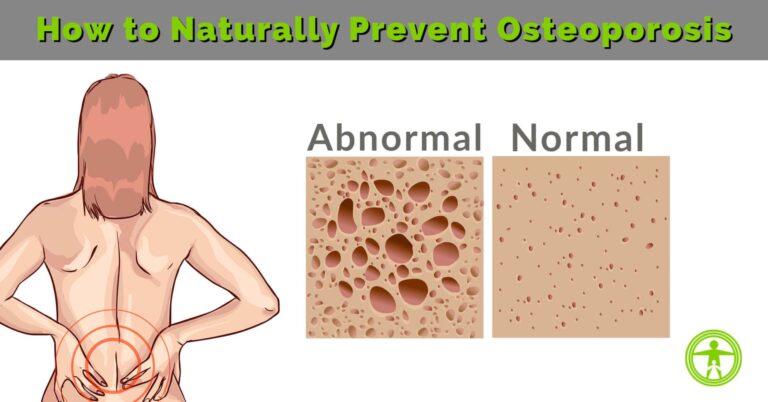
How to Naturally Prevent Osteoporosis

So many people have been taught that osteoporosis is a normal result of aging and not having enough calcium.

However, the truth is that age and low calcium are not the only risk factor for osteoporosis.

In fact, age isn’t as big of a risk factor as hormone imbalance or poor nutrient status.

Osteoporosis is a disease characterized by the thinning and deterioration of your bones.

When bones start to lose calcium, they become brittle and break.

But calcium isn't the only mineral you need for strong bones.

Other nutrients include:

  • Magnesium
  • Zinc
  • Copper
  • Manganese
  • Potassium
  • Boron
  • Vitamin C
  • Vitamin K

Calcium is not the most important supplement to prevent Osteoporosis!

Without a doubt, physical activities such as walking, Yoga, Tai Chi ans strength training are some of the most effective means of preventing osteoporosis.

Promoting hormone and nutrient balance are additional steps in preventing osteoporosis.

Bone loss after age 30 increases significantly, which is why age appears to be a huge factor. But just like you should build wealth over time, the same is true with health.

signs and symptoms of osteoporosis

Signs and Symptoms of Osteoporosis

How can you tell you have osteoporosis? Initially, you won’t have any symptoms. However, as this condition progresses you may experience:

  • Bone fractures (especially in the hip and wrist)
  • Low back pain
  • Vertebral compression fracture
  • Loss of height
  • Stooped posture (Dowager or widow’s hump)
  • Gum disease/excessive tooth decay
  • Premature graying of hair (50% by age 40)
  • Leg cramps at night
risk factors of osteoporosis

Osteoporosis Risk Factors

When it comes to osteoporosis, there are some risk factors within your control and then there are those that are out of your control.

Uncontrollable osteoporosis risk factors:

  • Age (>50yrs)
  • Female
  • Menopause
  • Family history

Controllable osteoporosis risk factors:

  • Eating acid-forming foods (excessive meat, coffee, sugar, sodas)
  • Nutrient deficiencies (Ca, Mg, K, D3)
  • Low stomach acid and antacid usage
  • Lactose intolerance
  • Poor gut bacteria
  • Low estrogen
  • Low androgens (DHEA and testosterone)
  • Birth control pills
  • Vitamin D deficiency
  • Sedentary lifestyle
  • Smoking
  • Medication
  • Heavy metals found in the body (cadmium and lead)

Have you noticed that so many more risk factors are in your control?

primary causes of osteoporosis

Primary Causes of Osteoporosis

There is a process of growth called ‘remodeling’ that goes on within healthy bones.

Each bone uses osteoclast cells to break down old and weak bone. And osteoblast cells are used to build new, strong, and healthy bone.

When this process is altered, it signals an imbalance is happening in our body. We are now learning age and a low calcium diet are not the only reasons to blame, but instead an imbalance of the remodeling process.

1. Sedentary lifestyle

The saying “If you don’t use it, you lose it” is so true when it comes to our bones.

Exercise increases the secretion of a thyroid hormone called calcitonin in our body. Calcitonin inhibits osteoclast (bone breakdown) –  yet another example of hormones affecting our bones.

Weight training is especially beneficial for osteoporosis.

One really cool (I think) aspect of the chiropractic adjustment, beyond its effect on joint motion and the central nervous system, is the effect it has on the process of bone breakdown and replacement.

A chiropractic adjustment stimulates the cells that are in charge of replacing bone (osteoblasts).

So when one receives a chiropractic adjustment, they are not only improving joint motion and the health of their nervous system, they are also giving a positive boost to the strength of their bones.

Getting adjusted supports the health of your bones and prevention of osteoporosis, as well as assists in the process of reversing it.

2. Low estrogen

On a cellular level estrogen is needed to inhibit osteoclast (bone break down activity). When you have estrogen deficiency, this speeds up bone resorption causing low bone density – resulting in increased fractures.

Estrogen deficiencies are not only found in postmenopausal women but also include:

  • Young women with amenorrhea (thin athletes, very low body fat, anorexia)
  • Women with bilateral oophorectomy (both ovaries removed)

The same is true with testosterone deficiency in males.

Androgens prevent the loss of bone density and promote bone formation. But we all know the prevalence of osteoporosis in women far exceeds men’s prevalence.

So why is it so important we also focus on a hormonal deficiency in men?

Studies show that the mortality rate in men is significantly higher after a hip fracture than women.

3. Nutrient deficiencies

Bone matter consists of a few things that are needed to give your bones hardness and flexibility:

  1. Calcium and phosphorus crystals
  2. Protein fibers (collagen)

Our bones house the majority of calcium and phosphate found in our body.

Vital nutrients for bone health and their roles:

  • Calcium – maintains bone strength and is the essential building block
  • Zinc – increases osteoblast and mineralization
  • Copper – helps with bone flexibility and strength
  • Magnesium – increases osteoblast and regulates the concentration of Vitamin D
  • Potassium – neutralizes metabolic acids
  • Vitamin C – synthesizes healthy collagen and regulates homeostasis for healthy bones
  • Vitamin D – facilitates calcium absorption in the intestines and critical in bone remodeling
  • Vitamin K – aids in calcium absorption and improves bone turnover

You can see how important all of these nutrients are in building strong healthy bones.

This is why we also focus on these deficiencies in our body – to determine if this could be the cause of osteoporosis.

The easiest way to become nutrient deficient is to not eat enough food in the first place.

4. Lifestyle Habits 

Smoking

To add to the long list of negative effects smoking has on your body –  it also decreases your bone density mass. Smoking increases the breakdown of estrogen in the liver. Smoking also has been proven to cause early onset of menopause in women.

Medications

Drugs like proton pump inhibitors, selective inhibitors of serotonin, hormone deprivation therapy, and glucocorticoids negatively affect bone density – increasing bone fractures.

Alcohol

Alcohol interferes with calcium absorption. So, it is no surprise that heavy alcohol consumption can lead to decreased bone density, bone formation, and increased fractures.

nutritional considerations for osteoporosis

Best Nutrition For Osteoporosis

Start with eating calcium-rich foods:

  • Broccoli
  • Kale
  • Collard greens
  • Bok Choy
  • Shrimp
  • Sardines (with bones)
  • Almond milk

Don’t forget Vitamin D (I use this supplement) is needed to absorb calcium so pair your calcium-rich foods with:

  • Fatty fish, like salmon or tuna
  • Orange juice
  • Egg yolks
  • Cheese

Dairy is also a good source of calcium, but I don’t recommend it due to increased food sensitivities to most dairy products such as milk, cheese, yogurt, and butter.

The dairy industry has created the need for dairy consumption by instilling fear in women that avoiding dairy will cause weak bones. To debunk this, let me offer you this analogy: Traditional Chinese cuisine never used any dairy and historically Chinese women had no problems with osteoporosis (this is changing now with Western food entering China).

Another analogy: cows don’t eat dairy and don’t seem to have a problem with their bones :-).

How to Naturally Prevent Osteoporosis2026-04-26T11:13:32-05:00

What You Should Know About Pain

Have you ever had a nasty paper cut that resulted in the worst pain you've ever felt?

Or maybe you stubbed your toe and that blinding “I'm going to die right now” pain shot right into your brain.

And then there's instances where people can have broken limbs or there's cases where people's knees and hips were so deteriorated that their bones were literally grinding together, and yet they didn't feel it.

Why is it that?

How can our bodies become so damaged and diseased and we are completely unaware of it?

Why is it that you can be strolling about your day, and then all of a sudden you cannot stand up straight because your spine is in excruciating pain?

What these simple differences tell us is that pain is a rich, complex experience.

Pain involves not just the physical experience of some injury (or threat of some injury), but, according to research over the past 30+ years, pain involves processing stimuli from various inputs, including social, psychological and physiological experiences.

core exercises you should do

Pain is Just Information

Research in pain indicates that the electro-chemical signals from an injury do not always say “I'm feeling pain” to the brain.

Rather, these same signals that yell at your brain “I'm in pain” today, can instead be translated as “I'm just frustrated” tomorrow.

In other words, pain is cognitive.

This means pain is interpreted by the brain using multiple streams of information – including physical, social, psychological and environmental inputs – and then decides whether the combined output says “Help, I'm in pain.”

At its most fundamental level, we can say that:

1. Pain is not the same thing as an injury.

2. Pain takes place not at the site of injury, but in the brain.

Research also tells us that the brain interprets specific signals as pain when it perceives something to be jeopardizing enough to the body’s balance (homeostasis).

Likewise, the role of pain seems to be an action signal: a signal that, if perceived, means something needs to be changed to restore the body’s homeostasis.

This gives us a third point:

3. Pain is a signal to change.

One of the challenges for treating pain is that the site of pain is not always the source of pain.

In fact, the pain in your shoulder could really be due to imbalanced hips or a bad ankle!

If you felt like you could tackle the world one day, and then your “back is out” the next day, that's a big signal that you need to change something in your daily habits.

But remember, pain is simply a brain signal and doesn't necessarily tell us what is wrong with your body.

core exercises you should do

Acute (immediate) vs Chronic (long term) Pain

Generally speaking, pain breaks down into two categories: Acute and Chronic Pain.

Acute pain

According to the International Association for the Study of Pain (IASP), acute pain would be a sudden back twinge during deadlifts, or twisting your ankle on an uneven sidewalk.

Acute pain is usually going to be associated with an injury and is site specific. It could be described as “damaging pain”.

This type of pain is sharp, shooting, burning and well defined. It's also usually accompanied by swelling and heat.

Chronic pain

Chronic pain is more nonspecific and nagging. It's that pain that's been around for a year and doesn't impact you too much; but it's still a problem.

Chronic pain tends to be more diffuse. But chronic pain can be intense. Some day's your chronic pain will be at an 8 out of 10, whereas other days its down to a 1 or 2 out of 10.

The distinguishing feature is that it's not associated with an injury and changes abruptly.

People with chronic pain tend to reduce their movement (to avoid or get rid of their pain), and even fear certain types of movements; which of course causes problems.

Chronic pain can also coincide with inflammation, but there may be no physical signs that there is any particular tissue repair work going on.

All that said, in both acute and chronic pain cases, pain-free movement will always accelerate healing and break pain cycles.

the bottom line of core exercises


Fix Your Pain by Optimizing Movement

Movement is a key signal to our bodies about how well we’re doing.

In fact, I'll go so far as saying that movement is a nutrient that your body needs to survive; just like oxygen, water and food.

We are designed as “use it or lose it” systems, constantly adapting to what we do (see Woolf’s Law for bone formation and Davis’ Law for tissue).

Abnormal movement causes wear and tear and arthritic changes to your structure (bones and soft tissue)!

Our bodies adapt to the demands — or lack of them — they experience. This is literally why exercise or strength training is so important.

If we don’t move something for a while, our bodies begin to adapt to support that lack of movement. So unused bone disappears and unused muscles atrophy.

Even things like balance and coordination will diminish if we don't practice them.

Our bodies compensate in other ways too, to make up for the lack of mobility and we often get new pain as a result of those compensations.

For instance, our joints may swell, or muscles may stiffen when asked to do work they are not designed to do.

Another example could be the pain you have in your right hip.

  • If it stays there long enough, you'll start favoring your left leg to compensate.
  • While this makes your right hip feel better (sort of), you eventually get pain in your left leg and hip, because you’re suddenly doing much more unbalanced work on the left hand side.
  • Then, maybe your right shoulder starts to hurt, or your neck, because you’re walking around lopsided like a boat with one oar, and it’s pulling on your spine.

Here’s another common example:

Your body becomes less flexible and weaker over time (because let's face it, you don't exercise or work on yourself as much as you should).

  • Your gait (or walk pattern) starts to change because your muscles are less flexible and limber
  • Eventually you're not bending over or lifting things as you should.
  • One night you go to bed and then wake up with severe back pain.
  • This pain is the worst pain you've ever experienced and all you want to do it lay down all day.
  • After a few days of lying around, you feel worse.
  • Maybe your shoulders and neck start to hurt too.
  • Your hips even start to hurt from the pressure of lying down.
  • Eventually your pain goes away, but the dysfunctions to your neck, shoulders and hip are still there… patiently waiting

Not moving is not a great solution!

Thus, immobilizing yourself can create a vicious cycle.

Compensating for one painful movement induces other restricted movements.

But by staying as mobile as possible, moving every joint, without pain, we signal two things.

First, movement says we are still using this part of our body and thus this body part needs resources for healing and growth.

Second, the movement signals themselves can overwhelm a pain signal to say there’s more right than wrong going on in the area: there are more nerves that tell the body how we’re moving than nerves that say there’s something wrong.

Movement nerves (mechanoreceptors) are also easier to turn on than nerves that trip in the presence of noxious stimuli.

This is why you can't help but jump up and down when you hurt yourself.

Movement overcomes pain signals. It's as easy as that.

the bottom line of core exercises


In Summary

If you’ve experienced fresh or ongoing pain, it may help to seek out a movement assessment.

This means being assessed in motion.

From the bottom up, a movement assessment would evaluate ankles, knees, hips, low back, mid and upper back, shoulder and neck mobility and flexibility.

The basics of a movement assessment include a head to toe visual exam of the most basic and fundamental movements such as:

This guidance may seem obvious, but it’s not in practice.

Many of us have seen specialists that will look at how a painful limb moves, or test our range of motion while lying on a table or standing still, but may not consider how we carry ourselves as we walk down a hallway.

Likewise, some approaches may deal only with musculo-skeletal issues.

If that works, great, but if it does not, that may be a sign that some other part of the somatosensory system is not functioning well.

This means it could be strength and balance problems or your ability to recover. There could be emotional signals and or biochemical imbalances.

But above all, pain is simply a signal to change. It means that what you're doing right now is not working.

And until the underlying issue is identified and addressed, the signal to change may keep coming.

If you're experiencing acute or chronic pain, then consider getting checked by a movement based professional who understands the complexities involved.

What You Should Know About Pain2026-04-26T11:13:32-05:00

Why is Treating Low Back Pain So Difficult?

Why is back pain so difficult to treat?

Back pain, including acute and chronic low back pain, is a common problem that interfere's with everyone at some point in their life.

Up to 80% of adults will experience low back pain at least once in their lives and according to one study, the one year prevalence of low back pain in children was reported to be 58%!

Due to the limited objective testing for pain, treating both acute and chronic back pain is one of the most difficult tasks in musculoskeletal medicine.

Most cases of low back pain in children or adults do not have an identifiable disease, injury, or cause.

Research suggests that nearly 80% of cases of low back pain do not have a specific identifiable cause aside from arthritis, abnormal alignment and a lack of physical fitness.

Most back pain is musculoskeletal, which means that it comes from the normal use and strain put on muscles, ligaments, tendons and bones, and most of the time none of these are caused by serious medical conditions.

Making things even more complex, the findings you see on Xray, CT or MRI's having nothing to do with how you feel?

MRI Examinations Are (Generally) Useless For Back Pain

In a recent study, scientists discovered that the majority of people who get advanced imaging studies have all sorts of degeneration, arthritis, tears and herniation's and yet no symptoms.

In other words, just because you have a disc herniation, that doesn't mean it's what's causing your pain.

From the authors mouth:

“Advanced imaging (MRI and CT) are increasingly used in the evaluation of patients with low back pain. Findings such as disk degeneration, facet hypertrophy, and disk protrusion are often interpreted as causes of back pain, triggering both medical and surgical interventions, which are sometimes unsuccessful at alleviating the patient's symptoms.” (Brinjikji, et al., 2015, p.811)

The key results of this systematic review were (Brinjikji et al., 2015, p. 811-812):

  • The prevalence of disc degeneration ranged from 37% in asymptomatic individuals in their 20s to 96% of those in their 80s.
  • Disc signal loss was present in over 50% of individuals older than 40 years and by 60 years86% of individuals had signal loss of scans.
  • Disc height loss and disc bulges increased on average 1% per year.
  • Disc protrusions and annular fissures did not substantially increase with age.
  • Facet joint degeneration is rare below 40 years of age and the prevalence increases sharply with ages over 40 years.
  • Spondylolisthesis is not commonly found in asymptomatic individuals until 60 years of age but prevalence doesn't increase greatly until 70-80 years.

Solving Back Pain Requires a Multi-Dimensional Approach

The most important step to solving back pain is to of course rule out any serious pathology.

Quite honestly, the best way to do this is with a low cost, non-invasive and immediate interpretation of your condition utilizing digital x-rays.

Generally, Xrays are an excellent way to assess your back pain and rule out most of the serious stuff.

Improve Your Personal Fitness

The next step is to begin improving how you move. This includes correcting posture, abnormal spine alignment and improving range of motion and flexibility. This is why a functional movement assessment is important.

If you cannot do the basics of squatting, lunging, bending forward, backward, etcs, then these are basic movements that need to be addressed.

Exercise is the foundation of chronic back pain treatment and it includes flexibility, mobility, strength and rest.

Improve Your Personal Diet & Nutrient Status

On top of making sure that you are at least doing the minimal amount of movement required to be healthy, the next step to focus on is your diet.

Some diets are highly inflammatory, especially those high in trans fats, refined sugars and processed foods.

If you need help optimizing your diet or improving personal nutrition, then consider my Functional Medicine services.

The best diet that I can recommend is the Paleo Diet or Whole30. Not only do these diets help you to keep inflammation down, but they also help to maintain a healthy weight which could also help lessen your back pain by reducing the pressure on your spine.

Improve Your Personal Relationship With Yourself

Chronic back pain is straining both physically and emotionally.

To manage the frustration, irritability, depression and other psychological aspects of dealing with chronic pain, you want to consider seeing a clinical psychologist or look into cognitive behavioral therapy.

This specialist may recommend meditation, yoga, tai chi and other cognitive and relaxation strategies to keep your mind from focusing on pain.

Improve Your Lifestyle

When you have chronic pain, it’s important to pay attention to the activities that you're doing daily.

  • Really listen to your body and learn how to be present.
  • Take a break from constantly looking down at your phone.
  • Work on improving your non-exercise related activity.
  • Take it easy on tasks such as carrying groceries such learning how to take several trips when carrying them into your home.
  • Take note of the activities that worsen your pain and avoid them if possible.

Not only could this help your back feel better, it could also prevent the underlying condition from advancing.

Another important lifestyle change to try is giving up smoking. Nicotine is scientifically known to accentuate pain and delay healing.

Medications, Injections and Surgery Help, Not Really

Many of the most popular treatments on offer from doctors for chronic nonspecific low back pain — bed restspinal surgeryopioid painkillerssteroid injections — have been proven ineffective in the majority of cases, and sometimes downright harmful.

As of 2016, 14,500 Americans died from opioid-related deaths. Opioid prescribing is common among people with back pain, with almost 20 percent receiving long-term opioid prescriptions.

Here’s what's Crazy: All these opioids were being prescribed before we actually knew if they helped people with chronic lower back pain!!!

Dumb.

It gets worse: Now high-quality evidence is coming in, and opioids don’t actually help many patients with chronic low back pain.

This newly published randomized controlled trial was the first to compare the long-term use of opioids versus non-opioid medications (such as anti-inflammatory drugs and acetaminophen) for chronic low back pain, and hip or knee osteoarthritis.

After a year, the researchers found opioids did not improve patients’ function any more than the non-opioids, and the patients on opioids were actually in slightly more pain compared to the non-opioid group (perhaps the result of “opioid-induced hyperalgesia” — heightened pain brought on by these drugs).

As for surgery, only a small minority of patients with chronic low back pain require it, according to UpToDate, a service that synthesizes the best available research for clinicians.

In randomized trials, there was no clinically meaningful difference when comparing the outcomes of patients who got spinal fusion (which has become more and more popular in the US over the years) with those who got a nonsurgical treatment.

Steroid injections for back pain, another popular medical treatment, tend to have similarly lackluster results: They improve pain slightly in the short term, but the effects dissipate within a few months. They also don’t improve patients’ long-term health outcomes.

Want to Know What Does Work?

  • Daily Exercise
  • Optimizing Your Diet
  • Yoga
  • Pilates
  • Tai Chi
  • Chiropractic/Physical therapy/Massage

Final Thoughts

When it comes to treating acute or chronic low back pain, taking a multi-dimensional approach is the goal.

This means that there isn't a magic bullet when it comes to healing.

There's not 1 adjustment that I can do that can help.

Rather, it's a combination of the things that I try to teach you that will end up helping you achieve the best results.

In February 2017, even the American College of Physicians advised doctors and patients try “non-drug therapies” such as exercise, acupuncture, tai chi, yoga, chiropractic, and avoid prescription drugs or surgical options wherever possible.

This was a recommendation even a year earlier in March 2016, when the Centers for Disease Control and Prevention also came out with new guidelines urging health care providers to turn to non-drug options and non-opioid painkillers before considering stronger medications.

Why is Treating Low Back Pain So Difficult?2026-04-26T11:13:35-05:00

Holiday Weight Gains: 2 Solutions to Big Problems

How many times have you thought about your health over the holidays?

It's the time of fall festivals and funnel cakes. Hot cocoa, pumpkin spice, latte's of every variety along with cookies and all sorts of delicatessens are at your fingertips.

And don't get me wrong, I absolutely love this time of year.

I enjoy hot, rich, cream filled drinks in the morning and a good bourbon with even better company in the evenings.

But I also never confuse the consumption of food or material items as the source of my holiday cheer.

The holidays are a special mixture of weather, music, movies, quality time with people I love. But make no mistake… while rich Food is a part of that cheer, we have to have limits.

In this article I'd like to share 2 Big Problems most people have when it comes to Health over the Holidays and what you can do about it…

Problem #1: “I'm just too busy, busier than I've ever been.”

As soon as we enter our 20s, 30s and 40s, things begin to move faster and faster. The speed is mixed with a few negatives and positives:

The Negatives

  • You get less sleep, wake up stiff, sore and tired.
  • Your sex hormones start doing weird things.
  • Your ankles, knees and elbows start to crackle.
  • You start snacking and overeating; especially in the evenings and with friends.
  • You start to do less binge drinking, but you're more consistent with your “sophisticated” drinking.

The Positives

  • If you're lucky you've got a great career and it's positively challenging and rewarding.
  • You're making more money than you were in your 20s.
  • You've developed long-lasting relationships with people you can trust.
  • You've built a family and it's become a center stage of focus.
  • You're smarter (hopefully) and more experienced.

But regardless of the positives and negatives in your life… there are some things that are consistent no matter what.

  • You have increased responsibilities at home.
  • You have increased stress from work.
  • You have less time to take care of your family, much less yourself.

And this is how we end up with a mid life slump. We've got gym memberships that we hardly ever use. There's those healthy recipes that never get made and we've come to live in a body that we are not entirely proud of.

Who doesn't want to lose fat and build muscle? Of course you want that… but you just keep telling yourself that you don't have the time for it.

And you just keep telling yourself the same story, over and over… I'll get to it. Someday.

According to Healthy Psychologists, most adults are so stressed out with work and family obligations that they don't feel like they hae the time or energy to “really commit” to better nutrition and exercise in their life.

And this is just a big lie.

Part of the problem is that when we feel busy and stressed, we simply allow our “busy schedules” to overtake our health.

Combine this with ridiculously huge fitness goals that will never be hit, and you've got a recipe for a vicious cycle of failed attempts at getting healthier.

Solution #1: Embrace Minimalism

How many times have you heard me say, “Progress is better than Perfection.”

The truth is, you don't have to spend hours in the gym to get in shape.

You can do a full workout, at-home workout (minimal equipment), quick workout (push ups/squats/lunges) or simply stretch.

If your workout is too hard… then modify or scale the workout to make it doable.

The goal is to simply do something rather than nothing.

Here's a weekly workout plan that takes less than 1 hour per week:

Day 1 Day 2 Day 3 Day 4
15 minutes 6 minutes 15 minutes 15 minutes
Pushups X 10 reps 2 minute walk Plank 45 second Walk/Run/Bike/Swim
Airsquats X 20 reps 15 sec sprint Crunches X 10 reps Maintain steady breathing through your nose
Lunges X 10 reps each leg Rest 15 sec Side Plank 45 sec
Rest 1 minute Repeat 5X Rest 1 minute
Repeat 5X 2 minute walk Repeat 5X

As you can see, the above workout takes no equipment, very little time and can be done anywhere… even if you're traveling.

The important thing to remember is repetition and consistency. I would also add that you can continue doing the above workout and simply make each successive workout more challenging every time you do it.

Problem #2: You Know What to Do, You're Just Not Doing It.

This is honestly the mother of all problems. Scientists report that approximately 65% of people report struggling with their health because they cannot stay consistent.

Why is that?

Because most of the time, we are just solving surface problems with surface solutions.

  • Don't have a gym to train at? No problem… here's a virtual workout.
  • Want to track your calories? Here's an app.
  • Want to know how many steps you're taking or hours you're sleeping? Here's a bracelet thing.

And all these do help to track progress and stay focused… for a little while.

What they don't do is account for the ups and downs of everyday life.

They don't adapt to your life which does nothing for helping you to stay consistent.

So what do we end up doing when we're not consistent? We pick another surface solution…

  • We switch from Paleo to Intermittent Fasting or Keto
  • We switch from Yoga to Strength Training, From Kickboxing to Crossfit.
  • We switch from working out at 6 AM to 7 PM
  • We start taking a new brand of vitamins or add apple cider vinegar with cayenne pepper (…that'll do the trick right?).

Solution #2: Own Your Life, Be Accountable and Focus on The One Thing!

Instead of trying to change everything about the way you eat right now – which will just add to your stress levels – I would encourage you to follow the advice I give to any patient:

Once you’ve been consistent for 2 to 3 weeks, then pick another thing to try.

The goal is to practice simple, strategic actions that build over time.

So how do you know what thing to pick? Easy. Just ask yourself this question:

“What’s the one thing I could do right now to feel better about my nutrition?”

Chances are you have a good idea on what you need to do.

Here’s a short list of what some of my patients have shared with me the last few weeks:

Goal: Drink Less.
Action: Instead of drinking two beers every night, have one beer.

Goal: Eat less junk food.
Action: Instead of stopping in for a burger or taco for lunch, go to a grocery store and get a pre-made salad with chicken on it.

Goal: Reduce carbohydrates.
Action: Rather than having both a burger and fries, pick one or the other and add a salad in place.

The idea here is to pick the one nutrition practice that will make the biggest impact on your body and health right now.

Final Thoughts

Do you need help becoming the healthiest, fittest and strongest version of yourself?

Most people know that regular movement, eating well, sleep, and stress management are important for looking and feeling better. Yet they need help applying that knowledge in the context of their busy, sometimes stressful lives.

Over the past 15 years, I've worked with now over 15,o00 people (that's a lot of people) to lose fat, get stronger and improve their overall health… beyond simply adjusting their spine.

All these people came from different walks of life, had different occupations and a variety of challenges that were all unique to them. And despite all these differences, the truth is that when you're held accountable and you personally decide to follow through solid health recommendations, you will see change.

If you need help in any of these categories then consider signing up for my Functional Medicine membership.

Holiday Weight Gains: 2 Solutions to Big Problems2026-04-26T11:13:36-05:00

Top 10 Knee Pain Exercises

Knee pain is a common complaint that impacts people of all ages. Knee pain may be the result of an injury, such as injured ligaments or cartilage, or due to medical conditions  — including arthritis, gout and infections.

The most common cause of knee pain is abnormal movement patterns. This means that knee pain is a systemic problem (not simply something within the knee itself).

This means that most people can fix their knee pain. If you have a diagnosis, that’s just a snapshot in time that describes where you ARE.  It does not describe the WHY.

The WHY is where the key to solving your knee pain lies. In this article I'm going to share with you the Top 10 Movements to Solve Knee Pain 

Think of it as your Knee Pain Fix Cheat Sheet.

Here are the 10 key movements you need to practice to start moving beyond knee pain.

90/90 Breathing

Points of Performance

  • Lay on back with heels elevated, with hips and knees at 90 degrees.
  • Gently dig the heels into the box or bench.
  • Squeeze an object between the knees.
  • Breathe through the nose and into the belly.
  • 5 Rounds of 6 second inhale and 6 second exhale.

90 90 Breathing

.

Calf Smash

  • In a seated position, place a lacrosse ball or foam roller under the calf.
  • Slowly roll the calf side to side finding any sensitive spots.
  • Be sure to linger on the more sensitive spots.
  • Spend 2 minutes on each calf.

calf smash

Quad Smash

  • Laying face down, place a lacrosse ball or foam roller at the outer, front top of the quad.
  • Slowly roll the length of the quad spending extra time in sensitive spots, including the inner quad.
  • Bend the knee and gently sway the foot from side to side on the more sensitive spots.
  • Spend 2 minutes on each quad.

quad smash

Clam Shells

  • In a side lying position, preferably against a wall, place a mini-band 2 inches below your knees.
  • Squeeze your glutes, tighten the abs and pull your knees away from each other.
  • With control, slowly return to the starting position, keeping glutes and abs engaged.
  • Complete 2 sets of 10 reps on each side., feeling your “side” glutes do the work.

clam shells

Work 3D Balance

  • Stand in the middle of 4 cones placed north, east, south, and west of your body.
  • Standing on one leg, reach the opposite leg towards each cone, keeping the glute engaged and the knee tracking over the outside of the foot.
  • Try not to put the foot down between cones.
  • Repeat sequence 5 times per leg.

3d balance (1)

Sumo Kettlebell Deadlifts

  • Stand with your feet outside your hips, toes slightly pointing out, with a kettlebell between your legs.
  • Driving your hips back, slowly lower hips back and down, driving your knees over your toes.
  • Come back up by squeezing your glutes, keeping the knees out.
  • Complete 3 sets of 8 reps

Calf Raises

  • Stand on a small box with your heels off the box.
  • Sink your heels below the box to stretch calf. Drive through toes elevating heels to max height.
  • Hold at the top before gently lowering.
  • Complete 3 sets of 10 reps.

Monster Walks

  • Wrap a mini band 2 inches below knee.
  • With feet shoulder width apart, walk forward, sideways, and backwards to activate glutes.
  • Control every step.
  • Complete 2 sets of 10 steps in each direction.

Single Leg Step Ups

  • Standing to the side of a box, place one leg on the ground and one on the box.
  • Use the leg on box to come to a standing position and slowly lower yourself back to the ground.
  • Complete 2 sets of 8 reps per leg.

Single Leg Deadlift

  • From a standing position, shift weight to one leg.
  • With or without a weight as a counterbalance, drive your hips back to raise one leg behind you, hinging at the hip.
  • Make sure your hips stay parallel to the floor.
  • Complete 2 sets of 6 reps per side.

Top 10 Knee Pain Exercises2026-04-26T11:13:36-05:00

How to Fix A Short Leg

Have you ever been told that you have a short leg or one leg is longer than the other? Do you have incidences of lower back pain?

Did you know that these two things could be related?

One of the most common findings we see in our office is uneven hips or a leg length discrepancy (one leg longer than the other).

For some, the discrepancy is small and negligible and will not be a contributor to lower back pain. However, a difference of leg lengths greater than 3 millimeters to 5 mm (1/4 inch) can contribute to lower back pain.

If you have a leg length difference of greater than 10 mm, then you have a 6X greater likelihood of having to get a knee or hip replacement.

In this article I'm going to share with you symptoms, causes and solutions to fixing a short leg caused by a lateral pelvic tilt.

Symptoms of a Short Leg

Uneven legs or a lateral pelvic tilt can cause many different symptoms including sciatica, low back pain, hip pain, knee pain and ankle instability.

In addition, you may notice that your shoes wear down faster on one side or that your dress, shorts or pants fall differently between left and right.

Other symptoms related to a short leg can include:

  • An obvious observance of one leg being longer than the other
  • Poor posture
  • Problems with gait (manner of walking)
  • Balance problems or clumsiness
  • Pain in the lower back, hip, ankle or knee

Other than one hip being higher than the other, the presence of a lateral pelvic tilt can have a drastic effect on the entire body. It can throw off alignment from the ankles, knees, pelvis, low back and even your shoulders.

This is exactly why it's so important to determine if you have one and more importantly correct it sooner than later.

uneven legs causes back pain

What Causes a Short Leg (Lateral Pelvic Tilt)?

Leg length discrepancies can be caused by poor posture, alignment of the pelvis or simply because one leg is structurally longer than the other.

The most common cause of a short leg is muscular imbalances, postural imbalances and spine alignment.

Muscle Imbalances Related to a Short Leg

The most common muscle imbalances result from an imbalance between the Quadratus Lumborum, Adductors and Glute medius muscle.

Other muscles involved can include the obliques and tensor fascia latae.

Generally speaking:

  • The HIGH HIP will occur on the side of a weak glute medius, tight quadratus lumborum and tight adductors.
  • The LOW HIP will occur on the side of a tight glute medius, weak quadratus lumborum and weak/elongated adductors.

Postural Imbalances Cause Uneven Hips/Legs

Poor posture and habits from day to day activities can certainly cause uneven hips and leg lengths.

Do you lean on one leg?

Do you sit more on one butt cheek than other other?

Do you always sleep on the same side?

If you do… then you have postural habits that are reinforcing the tilting of the pelvis which then causes uneven hips and leg lengths.

poor posture causes uneven legs

How to Fix a Short Leg (Lateral Pelvic Tilt)

Leg length discrepancies (short or uneven legs) can be classified as a structural leg length or functional leg length discrepancy.

galeazzi test for uneven legs

A structural leg length discrepancy can occur from developmental issues and or trauma such as broken femurs, ankles and knee derangement.

This is determined if the patient’s pelvis and sacroiliac joints are symmetrical and the leg length is simply due to one leg truly being longer than the other.  The best way to determine if a structural leg length discrepancy exists is with an anterior-posterior x-ray of the pelvis.

A clinical alternative is using a tape measure to measure the length of the leg from the hip to the ankle.

Structural leg length discrepancy can be treated with a heel lift in the shorter leg’s shoe, if the leg length is greater than 5 mm.

For a functional leg length discrepancy, heel lifts have been shown to help restore abnormal function, but proper manual therapy techniques and specific therapeutic exercise are needed to treat and normalize pelvic and lower extremity compensations.

The number of treatments needed to hold the pelvis in a symmetrical position is different for each patient based on their presentation and biomechanical dysfunctions in their lower back, pelvis, hip, knee, and foot/ankle.

If a functional leg length discrepancy exists, then identifying and correcting poor postural habits, undergoing tissue releases, stretches and activation of certain muscle groups.

Correct Postural Habits

Before discussing self myofascial releasing, stretching and corrective exercises… we must address poor postural habits.

Make sure you're sitting properly. If you're leaning more to one side when you sit, you will most certainly create a pelvic imbalance.

Next, make sure that you distribute your weight evenly between both feet when standing. Do not lean to one side!

If you are unsure, try standing on 2 scales (1 for each leg).  Both readings should be within 3 lbs.

A simple way you can monitor your pelvis when standing is by placing your hands on your hips.

Pay attention to the following:

  • Walking
  • Stepping up/down stairs
  • Lunging
  • Squatting

In addition to the above, it is essential that you address the following bad habits that may be predisposing you to have a lateral pelvic tilt in the first place:

  • Favoring one leg when standing
  • Leaning to one side whilst sitting/driving
  • Sleeping on one side
    • (Tip: Try placing a small rolled up towel under the waist crease.)
  • Holding baby on side of hip

Tissue Release for a Short Leg

Note: I will be explaining these exercises to fix a Right sided lateral pelvic tilt (Right Hip Is Higher).

If you have a LEFT sided tilt, then do the opposite side muscle to the side mentioned.

Release the Quadratus Lumborum

  • Place a massage ball directly on the Quadratus lumborum. (Right side)
  • Apply your body weight on top of the ball.
  • Roll your body over the entire length of the muscle.
  • Aim for 1 minute.

Release the Gluteus Medius

  • Place a massage ball directly on the Glute medius/Tensor fascia lata. (Left side)
  • Apply your body weight on top of the ball.
  • Roll your body over the entire length of the muscle.
  • Aim for 1 minute.

Release the Adductors

  • Place a foam roller directly underneath the Adductors. (Right side)
  • Apply the weight of your right leg on top of the foam roller.
  • Make sure to cover the entire length of the muscle.
  • Aim for 1 minute.

releases for uneven legs

Stretches for a Short Leg

Stretch the Quadratus Lumborum/Obliques

  • Start with your feet wide apart with your left foot turned out to the side.
  • With arms outstretched, start to bend all the way to your left side.
  • Reach your upper arm as far to the left as possible.
  • Keep your body in line with your left leg.
    • Do not rotate your body.
  • Keep your legs fairly straight.
  • Aim to feel a stretch on the right side of your body.
  • Hold for 30 seconds.

Stretch the Gluteus Medius

  • Assume the position as above with the left leg crossed over the right leg.
  • Sit up tall and arch your back.
  • Pull the left knee up towards your right shoulder.
  • Rotate your torso towards the left knee.
  • Aim to feel a stretch on the outer left hip.
  • Hold for 1 minute.

Stretch the Tensor Fascia Lata

  • Assume the lunge position with your left leg at the back.
  • Maintain a narrow stance.
    • Keep both of your feet in line with each other.
  • Lunge forwards.
  • Rotate your pelvis backwards.
    • “Tuck your tailbone underneath you”
  • Lean towards your right side.
  • Aim to feel a stretch on the upper side of the left leg.
  • Hold for 1 minute.

Stretch the Adductors

  • Perform a side lunge towards the left side.
  • Aim to feel a deep stretch in the inner right thigh region.
  • Hold each stretch for 1 minute.

stretches for uneven legs

Activation Exercises for a Short Leg

Hip Hitching

  • Sit tall on a chair.
  • Lift your left buttock off the chair.
  • Hold this position for 3 seconds.
  • Aim to feel your left lower back muscles activate.
  • Repeat 10 times.

Leg Lifting for Glute Medius

  • Lie on your left side with your upper leg straight. (see above)
  • Elongate your right leg by pushing your foot away from you.
  • Lift your right leg.
  • Keep your pelvis completely still.
    • Only your leg should be moving.
  • Aim to feel your right hip muscle activating.
  • Hold the top position for 3-5 seconds.
  • Repeat 10 times.
  • Progression: Apply a resistance band between the ankles.

Leg Lifting for Adductors

  • Lie on your left side with your upper leg bent forward and bottom leg straight. (see above)
  • Lift your left leg up towards the ceiling.
  • Keep your pelvis completely still.
    • Only your leg should be moving.
  • Aim to feel your left inner thigh activate.
  • Hold the top position for 3-5 seconds.
  • Repeat 10 times.
  • Progression: Apply a weight to the left ankle.

Leg Lifts (Glute Medius)

How to Fix A Short Leg2026-04-26T11:13:36-05:00

Collagen Peptides and Why You Should Take Them

Collagen is quite literally – The Body's Protein. In fact, 30% of our total body protein is collagen.

This makes collagen a crucial component for mobile joints, stable bones, healthy muscles, strong ligaments and tendons, smooth skin, glossy hair and healthy finger nails.

It is one of the primary structural proteins of connective tissues and also abundant in blood vessels, intervertebral discs, the blood-brain barrier, the cornea, dentin and the intestinal wall.

Because collagen is so important for our body, dozens of collagen products are now on the market.

But not all collagen supplements are the same. 

In fact, a majority of collagen supplements won't contribute to the benefits simply because they're poorly formulated.

In this article, I'm going to discuss what collagen is, how it's formed and the various types of products that are out there.

What is Collagen?

Collagen is a protein made up of long chain amino-acids (i.e. glycine, proline, hydroxyproline, and arginine), all of which help our body's connective tissue, skin, hair, nails, as well as gut health stay as healthy as possible.

what is collagen

Collagen is formed from three very long chains of over 1,000 amino acids twisting into a rope like helix conformation. This tightly twisted helix (rope) gives collagen the strength to build our body, but is difficult to break down during digestion and too large to cross the intestinal wall, so in it’s unhydrolyzed, full-length form, collagen is not an effective oral supplement.

Today, 1 out of 4 people suffers from joint problems due to collagen deficiency and that number is continually increasing. The principal cause of joint degeneration is wear and tear brought about by age, excess activity and stressed joints.

How Do We Get Collagen In Our Diet?

When it comes to the food sources of collagen, the main foods include animals sources of protein, including beef, chicken, fish and egg shell membranes.

Here’s a bit about how these collagens differ and benefit us:

  • Bovine (cow or beef) collagen: Bovine collagen comes from cows, specifically their skin, bones and muscles. Bovine collagen is rich in glycine and proline, and therefore useful for creatine production, building muscle and helping the body make its own collagen.
  • Chicken collagen: The type of collagen most abundant in chicken collagen is type 2, which is best for building cartilage. Most supplements containing collagen usually use chicken collagen and provide type 2.
  • Fish collagen: Collagen derived from fish has been found to be easily absorbed and provide mostly type 1 collagen.
  • Egg shell membrane collagen: Egg collagen, found in the shells and whites of eggs, contains mostly type 1 collagen.

Food is certainly the best medicine and I would advise anyone interested in optimizing nutrition to consider the following dietary recommendations to increase collagen:

  • Making and drinking real bone broth.
  • Using protein powder made from bone broth in recipes.
  • Consuming “nose to tail” parts of animals. I know this kind of sounds gross, but your ancestors ate them and these structures contain a lot of collagen.

What Makes Collagen Peptides Different?

It's important to understand that not all collagen products are made the same.

To understand the difference between regular collagen versus collagen peptides, it is important to understand that collagen peptides are made by breaking down the full-length collagen molecules into smaller “peptides”.

They are made of the same amino acids as collagen, but have different properties and absorption rates.

collagen peptide size chiropractor austin texas

In short, Collagen peptides are more bioavailable – they are better absorbed into the bloodstream because they are much shorter chains of amino acids than collagen and gelatin. Because they’re shorter, collagen peptides are more readily broken down into a form that can enter the bloodstream upon digestion.

After absorption, collagen peptides travel throughout the body, repairing, rebuilding and providing energy. Collagen peptides are shuttled to the different tissues where cells will build the peptides into full-length collagen helices to repair our skin, bones and joints, or the cells can use the amino acids directly for energy.

Still, just because you have a supplement that contains “collagen peptides”, it doesn't mean those peptides are doing what we want them to do… repair your tissues.

Why I Created Bioactive Collagen Peptides

collagen peptidesI live a very active lifestyle and as a practicing Austin chiropractor, I know that I put my body through a lot of repetitive stress. Over time, these lifestyle factors can cause reduced elasticity in cartilage, tendons, ligaments and skin.

This not only leads to wrinkles and decreased elasticity of my tissues, but to soft tissue and joint discomfort.

I've been a fan of collagen for years and I've been taking collagen supplements for as long as I can remember.

However, given the fact that industries mature and clinical studies come out in support of nutritional supplements, I like to stay ahead of the game and decided to create my own collagen product.

Bioactive Collagen Peptides was created to contain 3 patented ingredients with several clinical studies and scientific papers to back up it's purpose of reducing joint damage, repairing and rebuilding ligaments, muscles and tendons and increasing overall strength.

Bioactive Collagen Peptides Protects Your Joints

FORTIGEL® is backed by more than fifteen studies, provides bioactive collagen peptides (BCPs), which contain high concentrations of specific peptides that make up your connective tissue. According to published research, orally administered FORTIGEL® is absorbed intestinally and accumulates in the cartilage. The ingestion of FORTIGEL® stimulates a statistically significant increase of cartilage tissue metabolism.

In fact, a randomized, double-blind, placebo-controlled clinical trial performed in cooperation with Harvard Medical School and Tufts Medical Center demonstrated that FORTIGEL® that has the potential to improve joint regeneration. 

TendoActive® Helps to Repair Tendons and Muscles

TendoActive® is a combination of type I collagen and mucopolysaccharides. Tendoactive® is a specific formulation for tendons and has 5 scientific studies that support its efficacy and safety.

Tendoactive is a food supplement that contains type I hydrolyzed collagen, mucopolysaccharides, vitamin C and manganese, which contributes to the normal formation of connective tissue such as tendons and ligaments.

Mobilee® Reduces Inflammation and Increases Hyaluronic Acid

Mobilee® is a natural extract rich in hyaluronic acid, polysaccharides and collagen.

Hyaluronic acid is the lubrication for your joints and Mobilee® was shown to result in a 10x increase of hyaluronic acid, reductions of inflammation as well as pain.

Collagen Peptides and Why You Should Take Them2026-04-26T11:13:37-05:00

How to Fix a Stiff Neck in 3 Steps

Almost everyone has experienced a kink in the neck and we all know that it can ruin your day when it happens.

In the vast majority of cases, a stiff neck is caused by a simple muscle strain or sprain that will heal on its own.

However, there are several self-management or self-treatment options that can speed up healing time to get you feeling better. In this article, I'm going to offer a few tips and tricks to help you out.

#1 – Self-Myofascial Release of Your Neck

self myofascial release of neck

One of the first recommendations I have for you is to work on releasing the muscles of your neck.

The muscles I would specifically focus on include:

  • Sternocleidomastoid Muscle
  • Levator Scapulae Muscle
  • Trapezius Muscle

There are several techniques you can utilize to self-myofascial release.

You can simply use hands by pinching your fingers together and sliding them across the muscles, or you can use a myofascial tool such as a lacrosse ball, small rubber ball or theracane.

Yes… you will feel pain while working through these muscles. However, if you stick to it, you'll notice that your muscles begin to release and you will get more relief as you proceed to loosen things up.

#2 – Stretching Your Neck Muscles

stretch neck muscles

The second part of this protocol is to work on stretching your neck muscles.

Stretch the back part of your neck:

Start by sitting or standing and placing the hand on the side to be stretched behind your body. Then turn your head away from the side to be stretched and slowly tuck your chin. Hold for a few seconds and then relax. This stretch helps to improve flexibility, joint range of motion and circulation into the upper, middle and lower trapezius muscles.

Stretch the front part of your neck:

Start by contacting the SCM muscle at its origin (basically your clavicle), and then while firmly pressing against the muscle, extend your head and rotate or side bend to the opposite side.

You should feel a gentle stretch from your finger tips upward. Hold for a few seconds and then relax.

#3 – Upper Extremity and Neck Mobility

Finally, we want to start working on restoring movement of your upper extremity (shoulders) and neck.

I would work on rotating your neck left to right as well as looking up and down as far as possible. Perform these movements at a frequency of 10-15 reps per side and repeat throughout the day.

In addition, it would be great if you could perform arm swings. Arm swings or circles help to improve circulation throughout the muscles of your upper extremity.

New Patient?


How to Fix a Stiff Neck in 3 Steps2026-04-26T11:13:37-05:00
Go to Top