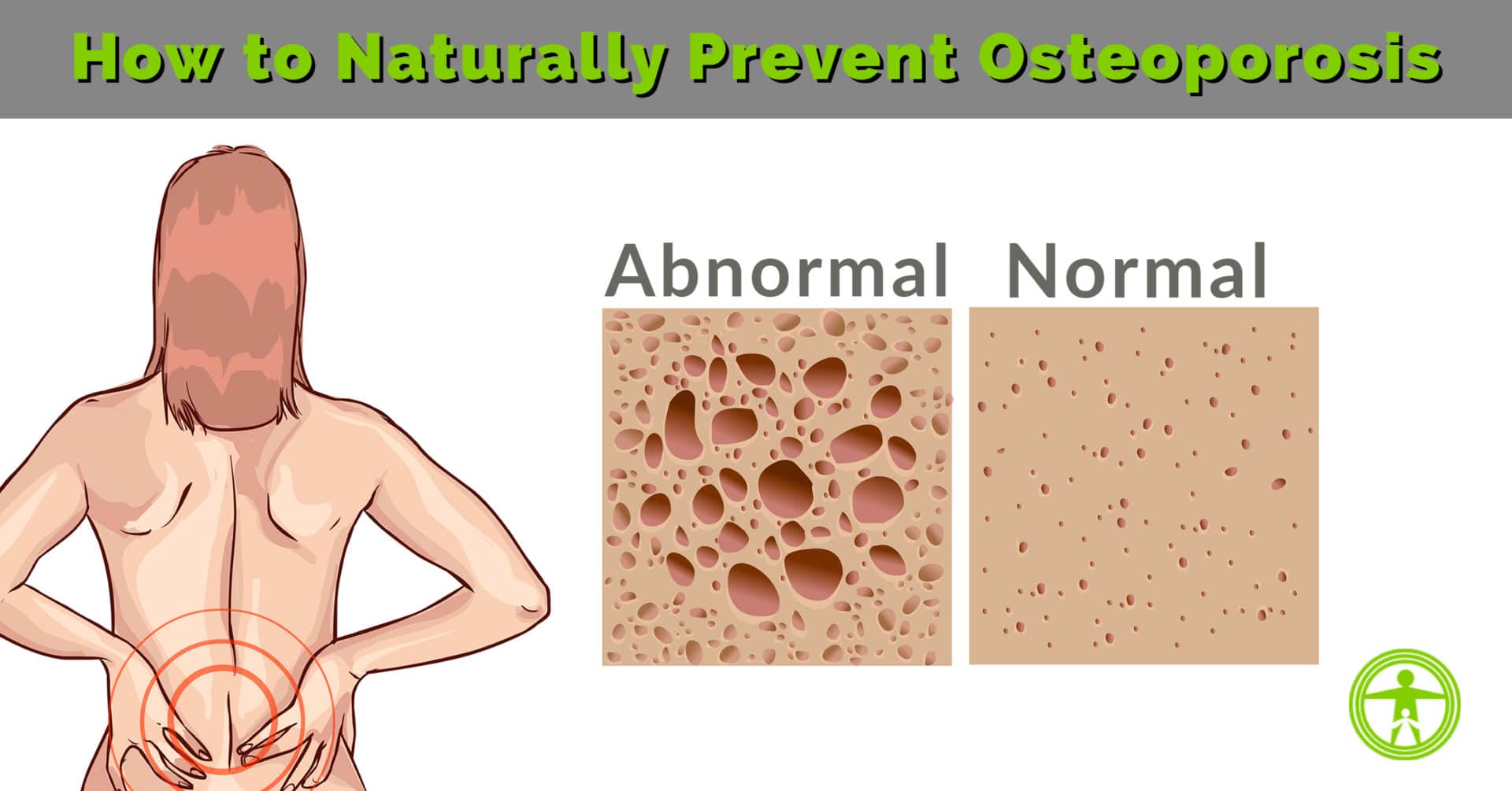
How to Naturally Prevent Osteoporosis
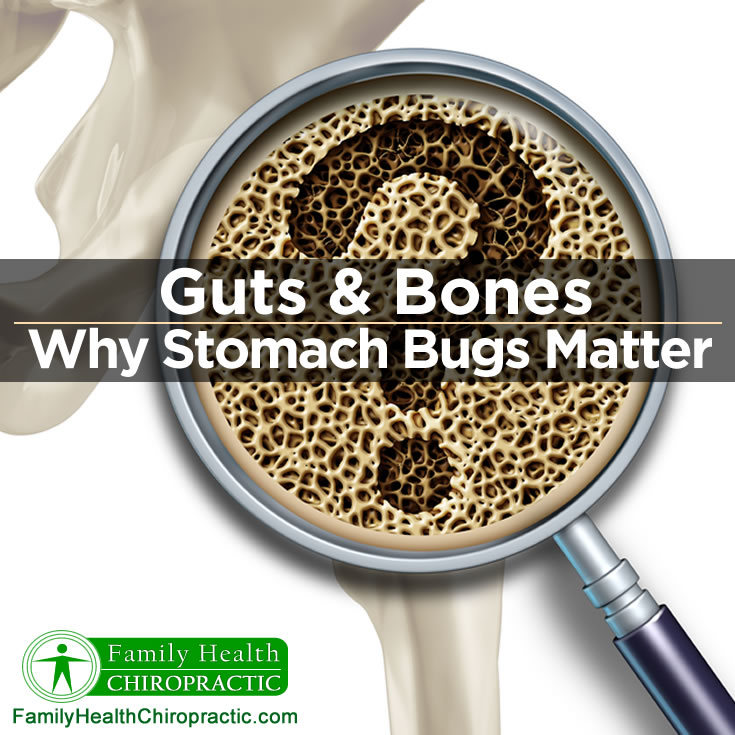
Many people assume osteoporosis is just an inevitable part of aging and a matter of getting enough calcium. The reality is more encouraging and more empowering: while age and calcium matter, they are far from the whole story, and a great deal of what determines bone health is within your control.
Osteoporosis is the thinning and weakening of bone that makes fractures more likely. Calcium is important, but it is not the only nutrient bones need, and supplementing calcium alone is not the answer. Building and keeping strong bones depends most on how you load them and on overall healthy nutrition.
How Bone Stays Strong: Remodeling
Bone is living tissue in constant renewal. Cells called osteoclasts break down old bone while osteoblasts build new bone, a balanced process called remodeling. With age, hormonal changes, and inactivity, the balance can tip toward breakdown faster than buildup, which is what leads to bone loss. Supporting that balance is the goal of prevention.
Exercise Is the Most Powerful Tool
If there is one standout strategy for bone health, it is exercise, specifically weight-bearing and resistance training. Loading bone signals it to stay strong. The LIFTMOR randomized trial showed that supervised high-intensity resistance and impact training improved bone mineral density and physical function in postmenopausal women with low bone density, and did so safely (J Bone Miner Res, 2018; PMID 28975661). Reviews of exercise interventions confirm meaningful benefits for bone density (Osteoporos Int, 2023; PMID 36749350).
- Resistance training that progressively challenges the muscles and bones
- Weight-bearing activity such as brisk walking, hiking, and stair climbing
- Balance work like tai chi to reduce fall and fracture risk
- Consistency over years, since bone responds slowly
Nutrition Beyond Calcium
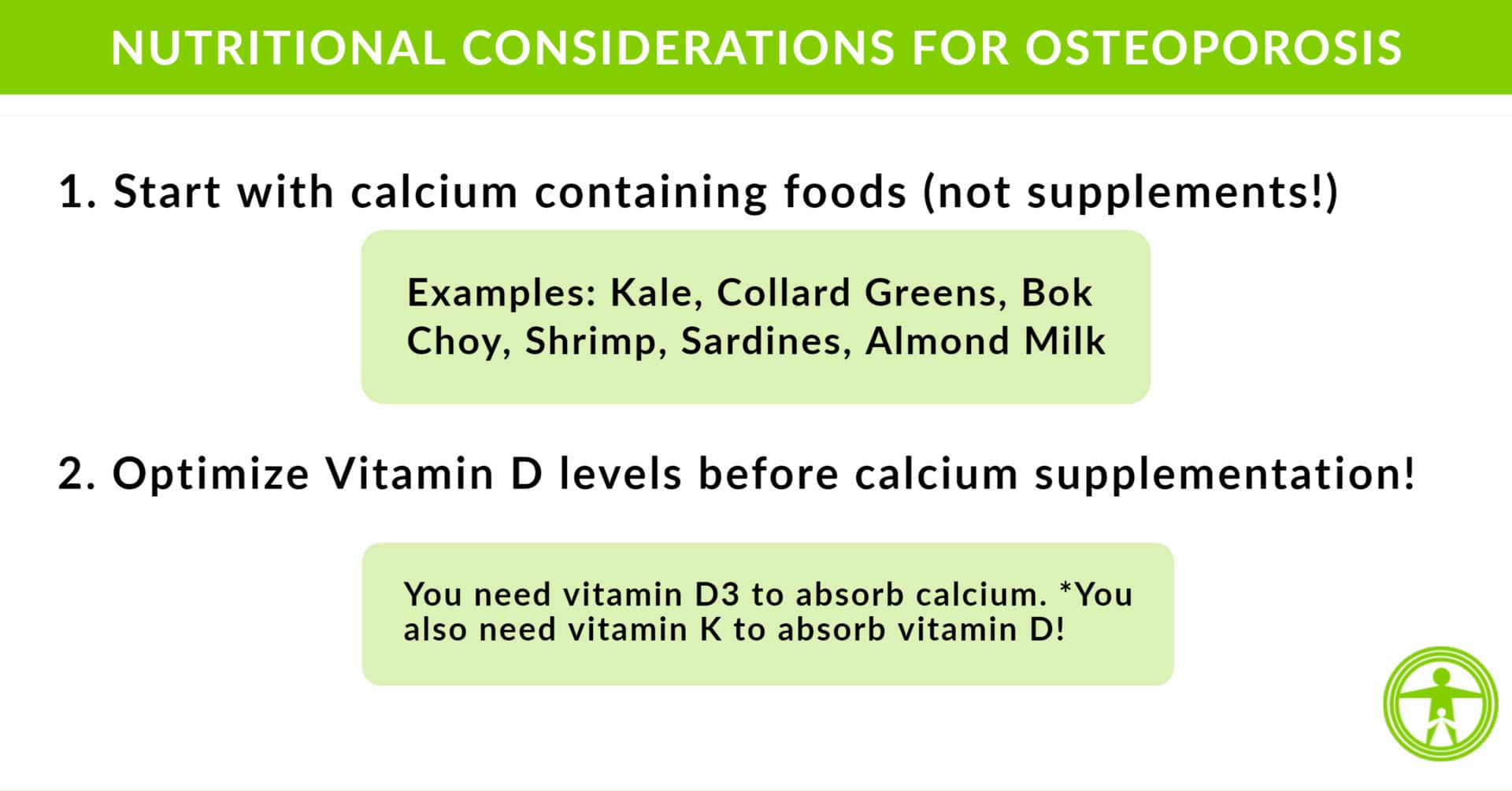
Bones need more than calcium. Adequate protein, vitamin D, vitamin K, magnesium, and a varied diet rich in vegetables and fruit all support bone health. Vitamin D in particular helps you absorb calcium, and many people are deficient.
One common myth worth clearing up: the idea that acid-forming foods like meat or coffee leach calcium from your bones is not supported by good evidence. Systematic reviews have found no convincing causal link between dietary acid load and bone disease, and adequate protein is actually beneficial for bone (Nutr J, 2011; PMID 21529374; Crit Rev Food Sci Nutr, 2014; PMID 24499146). You do not need to fear protein for the sake of your bones.
Modifiable Risk Factors
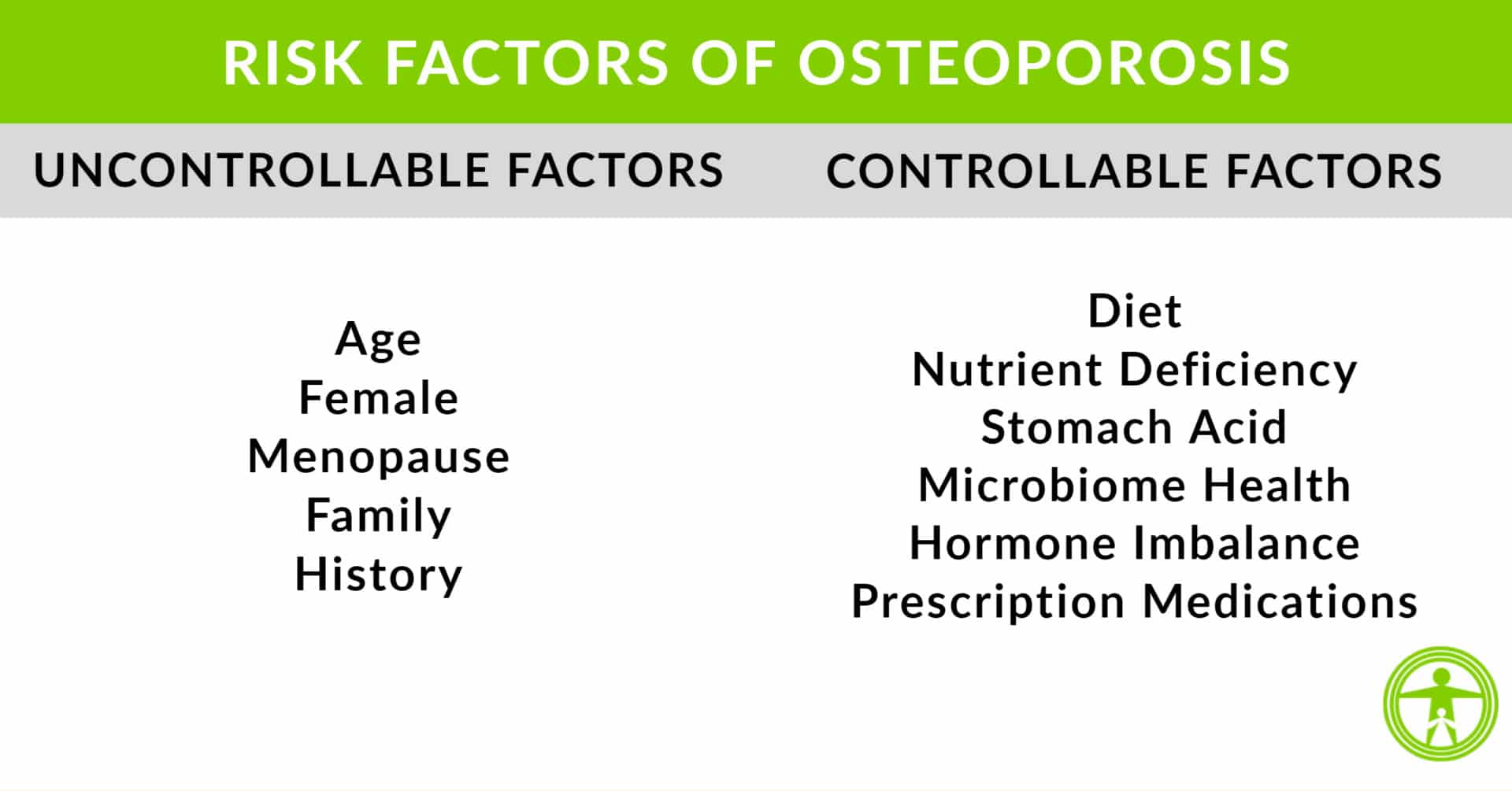
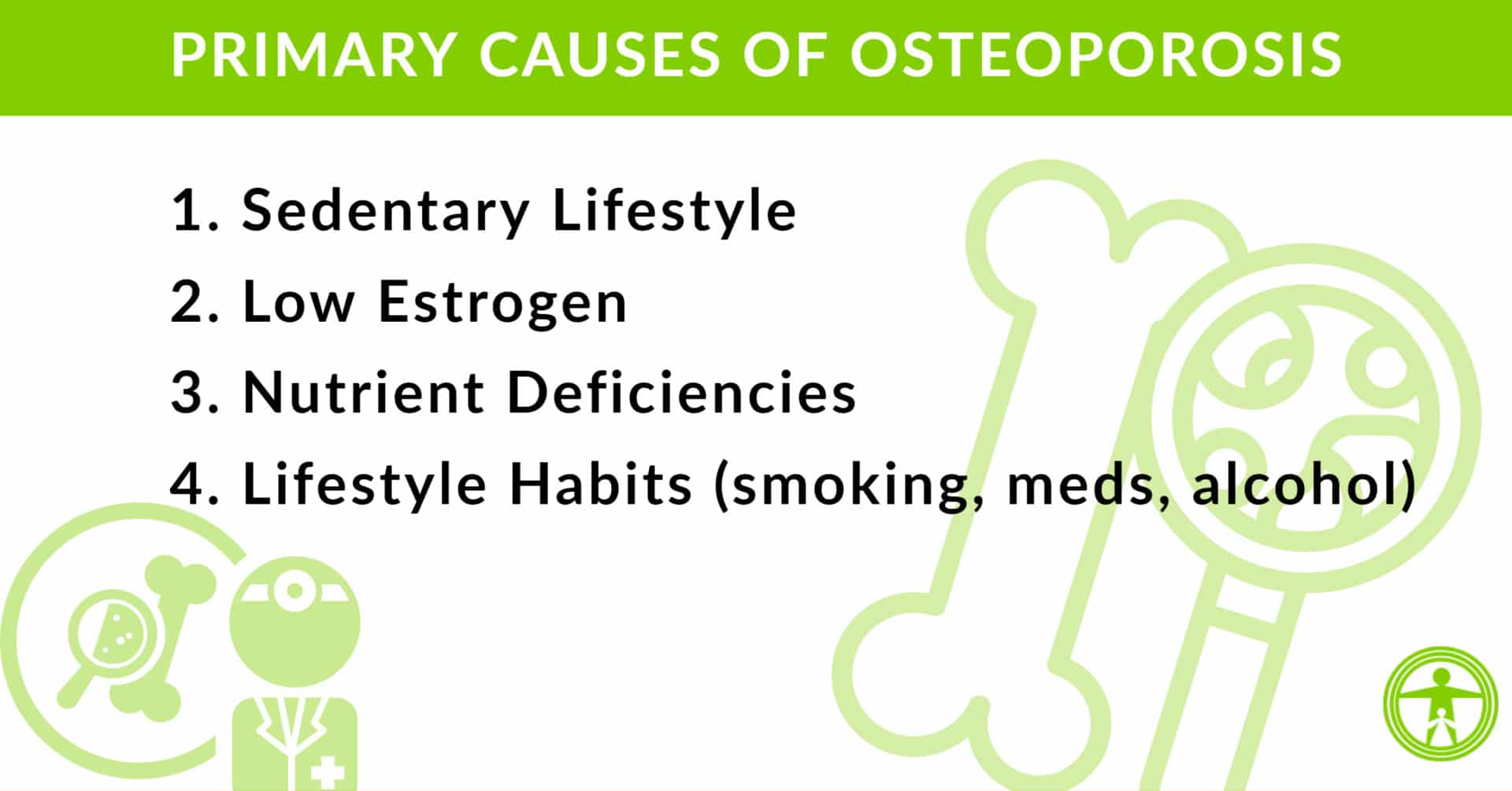
Some risk factors are fixed, such as older age, being female, menopause, and family history. But many are within your control, which is the good news:
- Physical inactivity
- Smoking and excessive alcohol
- Low vitamin D and poor overall nutrition
- Being underweight or losing weight rapidly
- Certain medications, worth reviewing with your doctor
Get Tested and Take Action
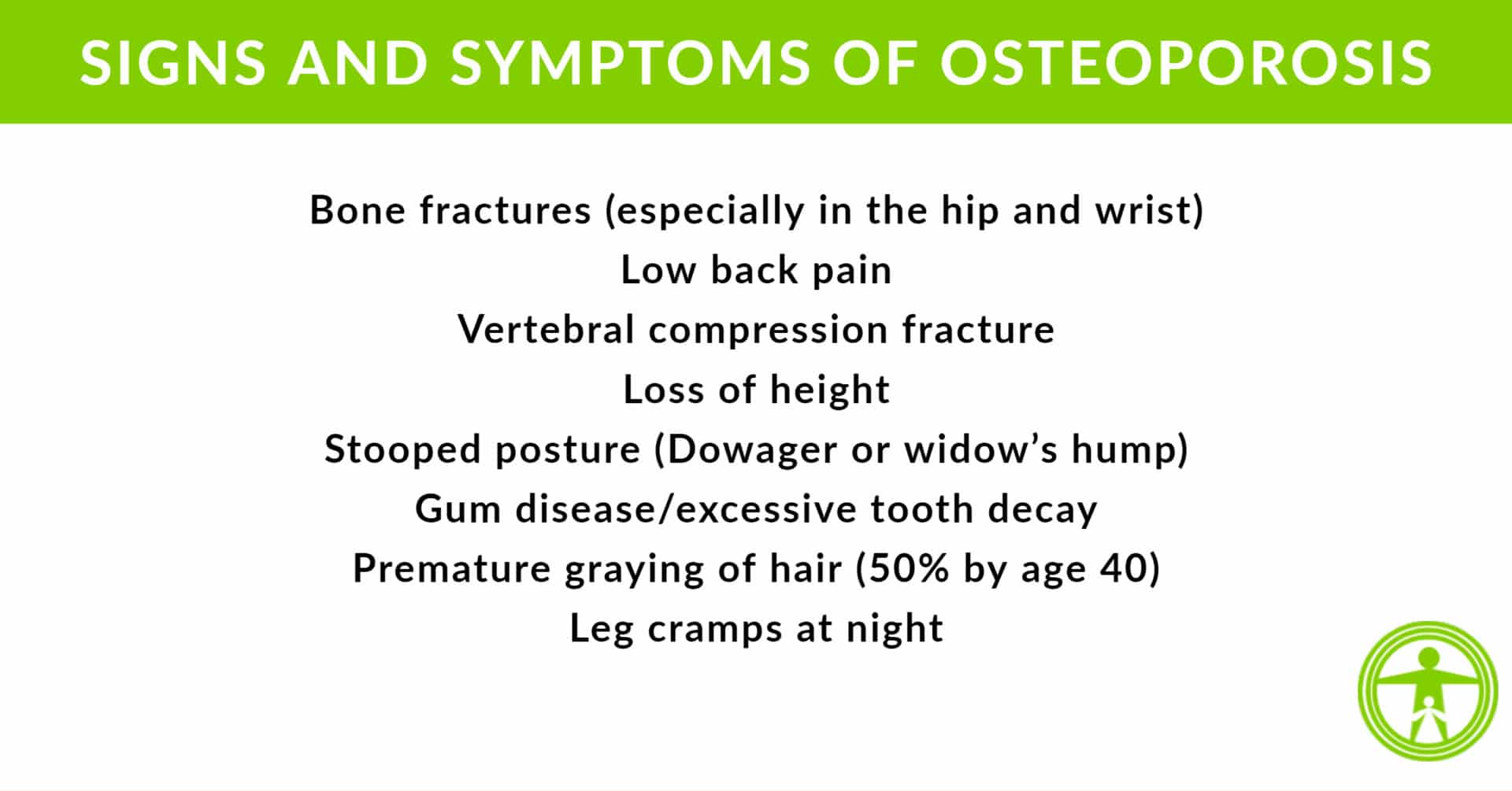
Bone loss is silent until a fracture occurs, so if you are at risk, ask your doctor about a bone density scan. The earlier you build the habits of regular resistance exercise and good nutrition, the better your bones will serve you for life. At Family Health Chiropractic in Austin, we can help you move safely and build an exercise routine that supports strong bones, and point you to the right resources for testing and medical management.
READY TO FEEL BETTER?
Book Your Appointment Today
Same-week appointments are often available. Call 512-347-8881 or request a time online.
Ready to feel better?
If you are new to our office, learn what to expect on your first visit, or explore the conditions we treat.