
What You Should Know About Pain
Pain is one of the most universal human experiences, yet it is widely misunderstood. We tend to assume pain is a simple, direct readout of tissue damage: more damage means more pain. The reality, backed by decades of research, is far more interesting and far more hopeful.
Pain Is Not a Direct Measure of Damage
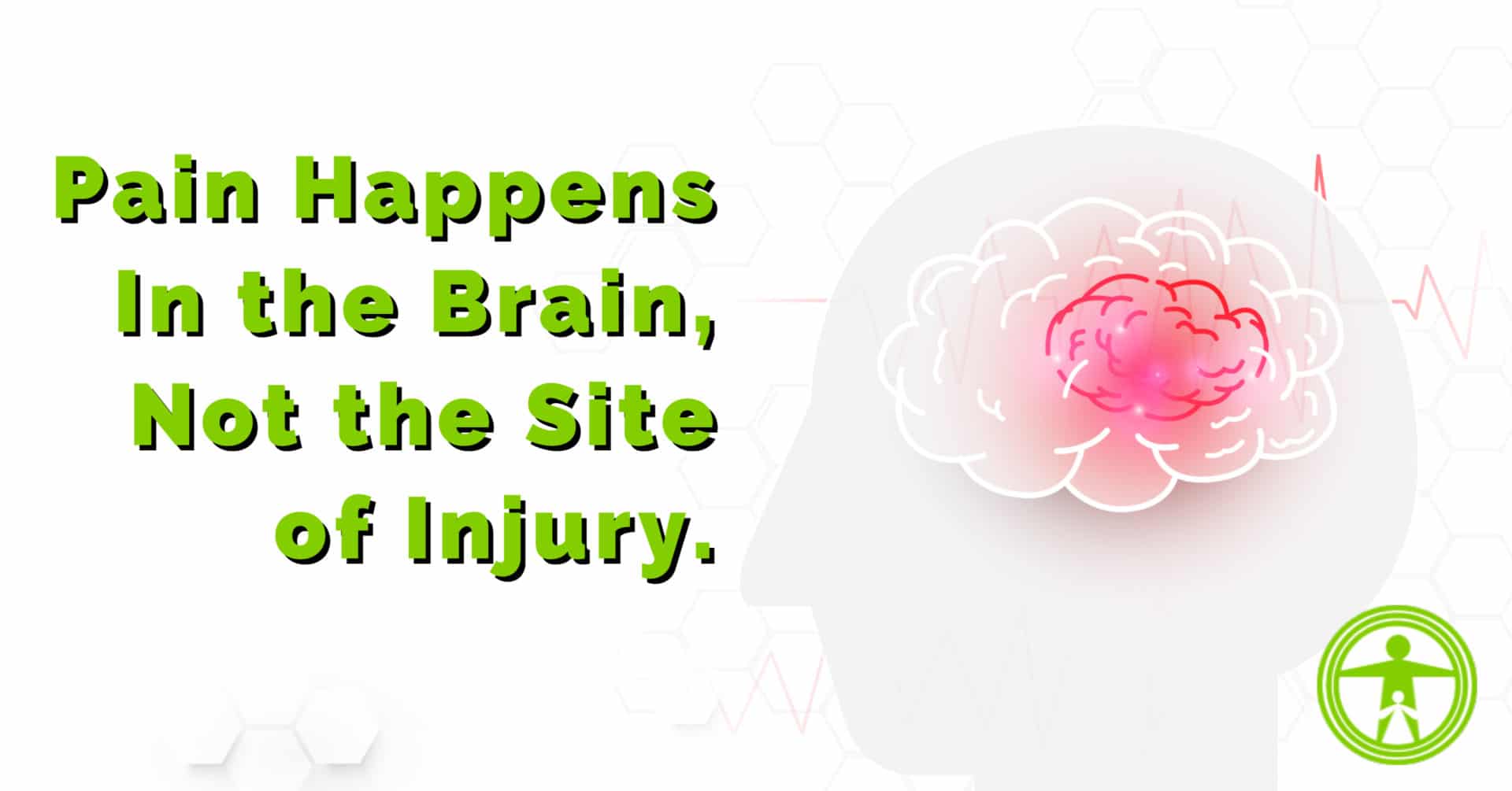
Consider how a small paper cut can feel intensely painful, while serious injuries are sometimes barely noticed in the moment. Conversely, significant joint wear can show up on imaging in people who feel no pain at all. Pain and tissue damage are related, but they are not the same thing.
Modern pain science describes pain as the brain’s protective output, shaped by many inputs at once. These include the physical signals from the body as well as psychological and social factors such as stress, fear, beliefs, sleep, and past experience.
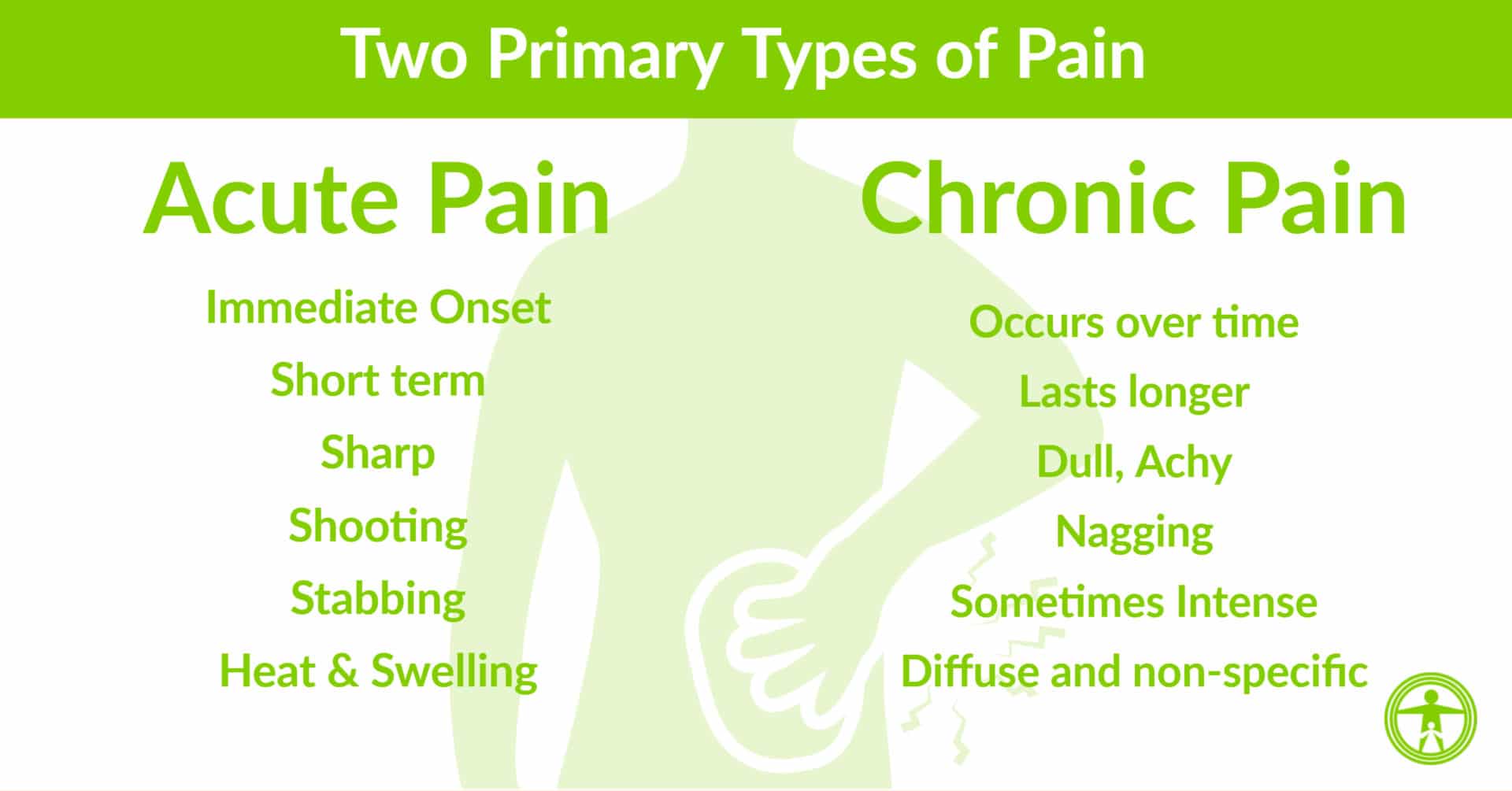
Acute vs. Persistent Pain
Acute pain is the normal, helpful alarm that protects an injury while it heals. Persistent or chronic pain is different. When pain lasts beyond normal healing time, the nervous system itself can become more sensitive, so the alarm keeps sounding even when the original injury has settled. This is called central sensitization, and it helps explain why hurt does not always equal harm.
Why This Matters for Recovery
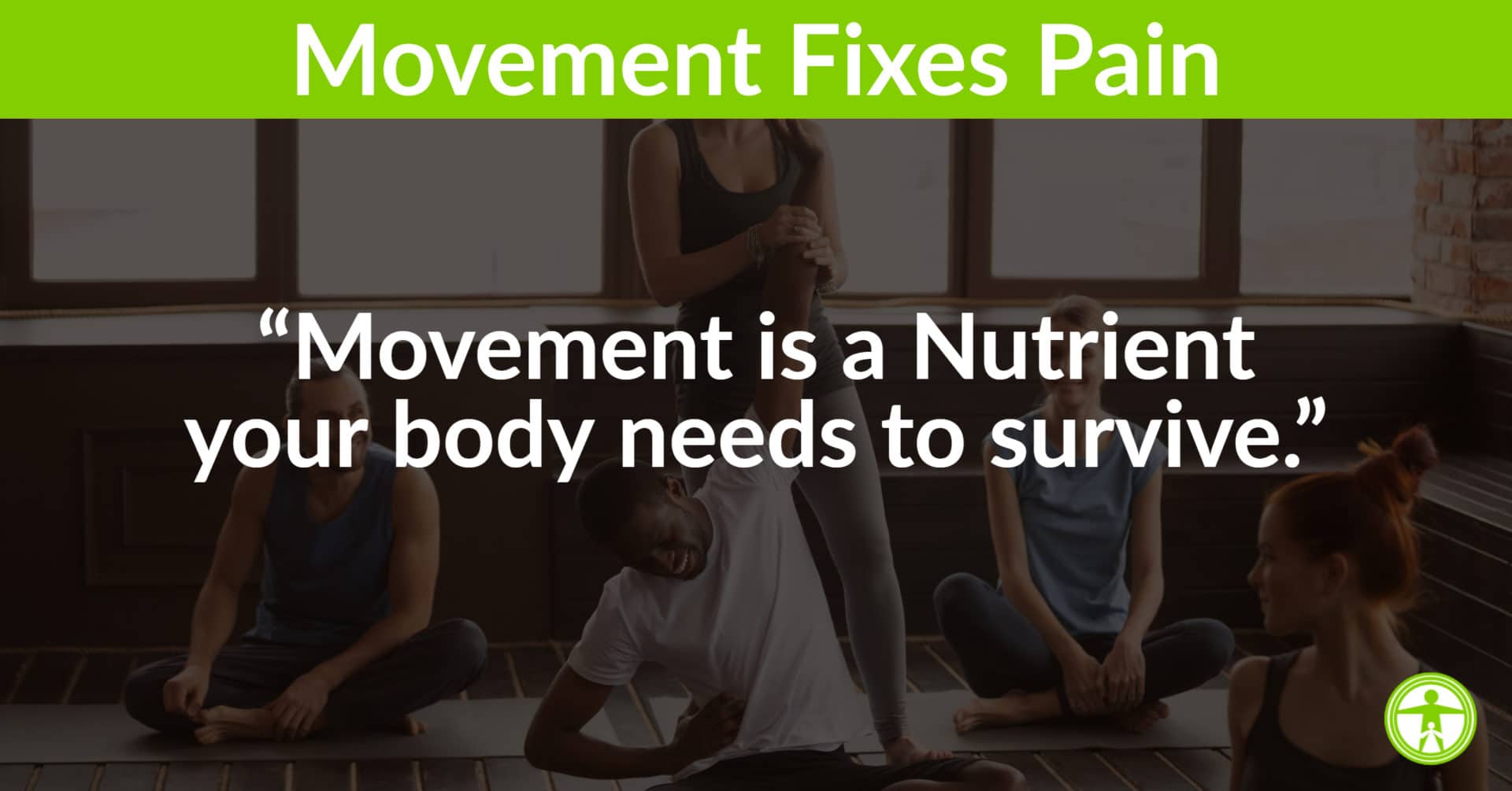
Understanding how pain works is itself part of treatment. Pain neuroscience education, combined with graded movement and addressing contributing factors like stress and sleep, is consistently associated with better outcomes for persistent pain (Int J Environ Res Public Health, 2023, PMID 36901108).
- Hurt does not always equal harm, especially with persistent pain
- Movement is usually safe and is part of recovery, not a threat
- Stress, fear, and poor sleep can genuinely amplify pain
- Understanding your pain tends to reduce its grip on you
If you are dealing with pain that is not resolving, the goal is not just to chase symptoms but to understand what is driving it and to rebuild confident, comfortable movement. A thorough assessment can help map out that path.
READY TO FEEL BETTER?
Book Your Appointment Today
Same-week appointments are often available. Call 512-347-8881 or request a time online.
Ready to feel better?
If you are new to our office, learn what to expect on your first visit, or see our full range of chiropractic services.