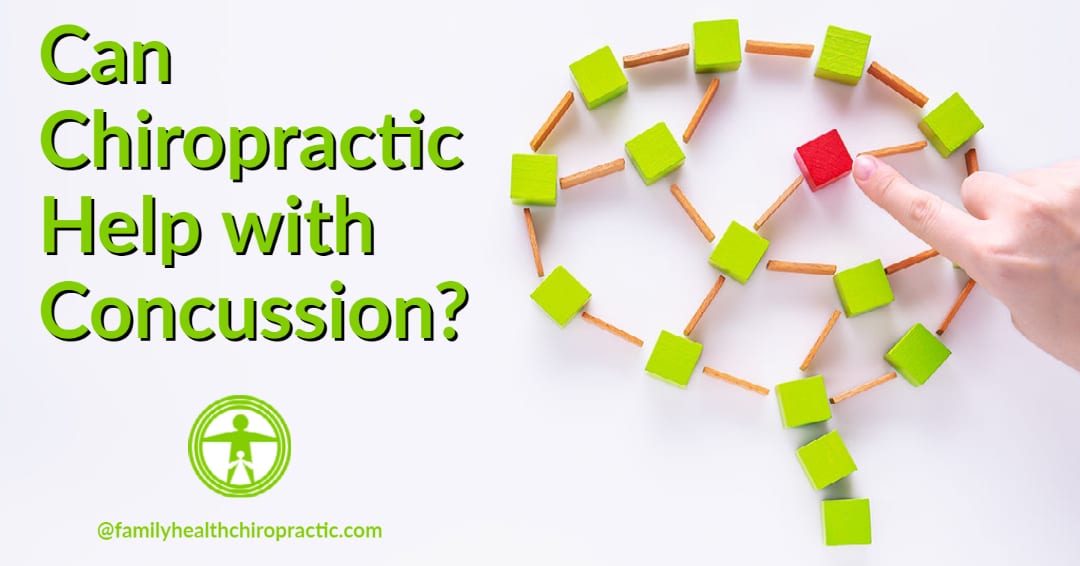
Can Chiropractic Help with Concussions?
A concussion, a form of traumatic brain injury (TBI), is caused by a bump, blow or jolt to the head or body that makes the brain move rapidly inside the skull, disrupting how it normally functions. Concussions are common: the CDC has estimated that hundreds of thousands of young people are treated in emergency rooms each year for sports- and recreation-related concussions, and other causes include car and bicycle accidents, work injuries, falls and physical altercations.
This article covers what a concussion is, its symptoms, and how recovery is typically approached – including where chiropractic care can play a supportive role.
What Is a Concussion?
“Concussion” is the common name for a traumatic brain injury that can present with a wide variety of symptoms and injury mechanisms. Concussions were once called mild traumatic brain injuries, but experts found “mild” misleading and have largely dropped that qualifier. There is no single symptom required for a TBI diagnosis; instead, symptoms span physical, cognitive, emotional and sleep-related categories. And while concussions are a common sports injury, they are not limited to contact sports.
Symptoms of a Concussion
You do not have to lose consciousness for an injury to count as a concussion. At the cellular level, a concussion involves shearing forces on the axons – the long connecting fibers of neurons. When these are overstretched, information processing is impaired, which can show up clinically as short-term memory loss, headaches and balance problems, among other things. Signs can be subtle and may not appear immediately. Common early symptoms include headache, memory loss and confusion.
Physical signs and symptoms may include:
- Headache
- Ringing in the ears
- Nausea or vomiting
- Fatigue or drowsiness
- Blurry vision
Other signs include confusion or a “foggy” feeling, amnesia surrounding the event, and dizziness or “seeing stars.” A witness might notice:
- Temporary loss of consciousness (though this doesn’t always occur)
- Slurred speech
- Delayed responses to questions
- A dazed appearance
- Forgetfulness, such as repeatedly asking the same question
Some symptoms can emerge in the days following the injury, including concentration and memory complaints, irritability and personality changes, sensitivity to light and noise, sleep disturbances, mood changes, and disturbances of taste and smell.
There are also emergency symptoms. If any of the following come on rapidly, contact emergency services or go to the ER immediately:
- Worsening headaches
- Seizures
- Focal neurologic signs
- Inability to be awakened
- Repeated vomiting
- Slurred speech
- Increasing confusion
- Numbness in the extremities
- Neck pain
- Unusual behavior changes
- A change in level of consciousness
Treatment and Recovery
If hospitalization isn’t required, most experts recommend a follow-up exam within 24 to 72 hours, and sooner if symptoms worsen. Key steps for recovering at home include:
- Rest. If the concussion happened during athletic activity, stop play and sit out – the brain needs time to heal, and you should not return to play the same day. Returning too soon raises the risk of a second concussion, which can compound the damage. The American Academy of Neurology has issued guidelines on resuming activity after a concussion.
- Guard against repeat concussions. Their effects are cumulative, and successive concussions can have serious consequences including brain swelling and long-term impairment. Don’t return to normal activities while symptoms persist, and get a doctor’s clearance before going back to work or play.
Conventional medical care for concussion focuses on prevention and managing symptoms – both important. Prevention, such as wearing a helmet and proper protective gear, helps reduce the risk of a TBI and of repeated injuries, whose consequences can become increasingly serious.
Where Chiropractic Care Fits In
Chiropractic care is not a treatment for the brain injury itself, and a concussion always warrants proper medical evaluation and management. Where chiropractic care can help is with the associated musculoskeletal problems that often accompany the head impact – particularly neck pain and cervical strain, which can contribute to post-concussion headaches and dizziness. Many concussions involve a whiplash-type force to the neck, and addressing that cervical component can support comfort and recovery alongside medical care rather than in place of it. If you’ve had a concussion, your medical provider should guide your recovery, and we’re happy to work as part of that broader care team to address related neck and musculoskeletal symptoms.
READY TO FEEL BETTER?
Book Your Appointment Today
Same-week appointments are often available. Call 512-347-8881 or request a time online.
Ready to feel better?
If you are new to our office, learn what to expect on your first visit, or explore the conditions we treat.