Blog

Forward Head Posture Negatively Impacts Nervous System

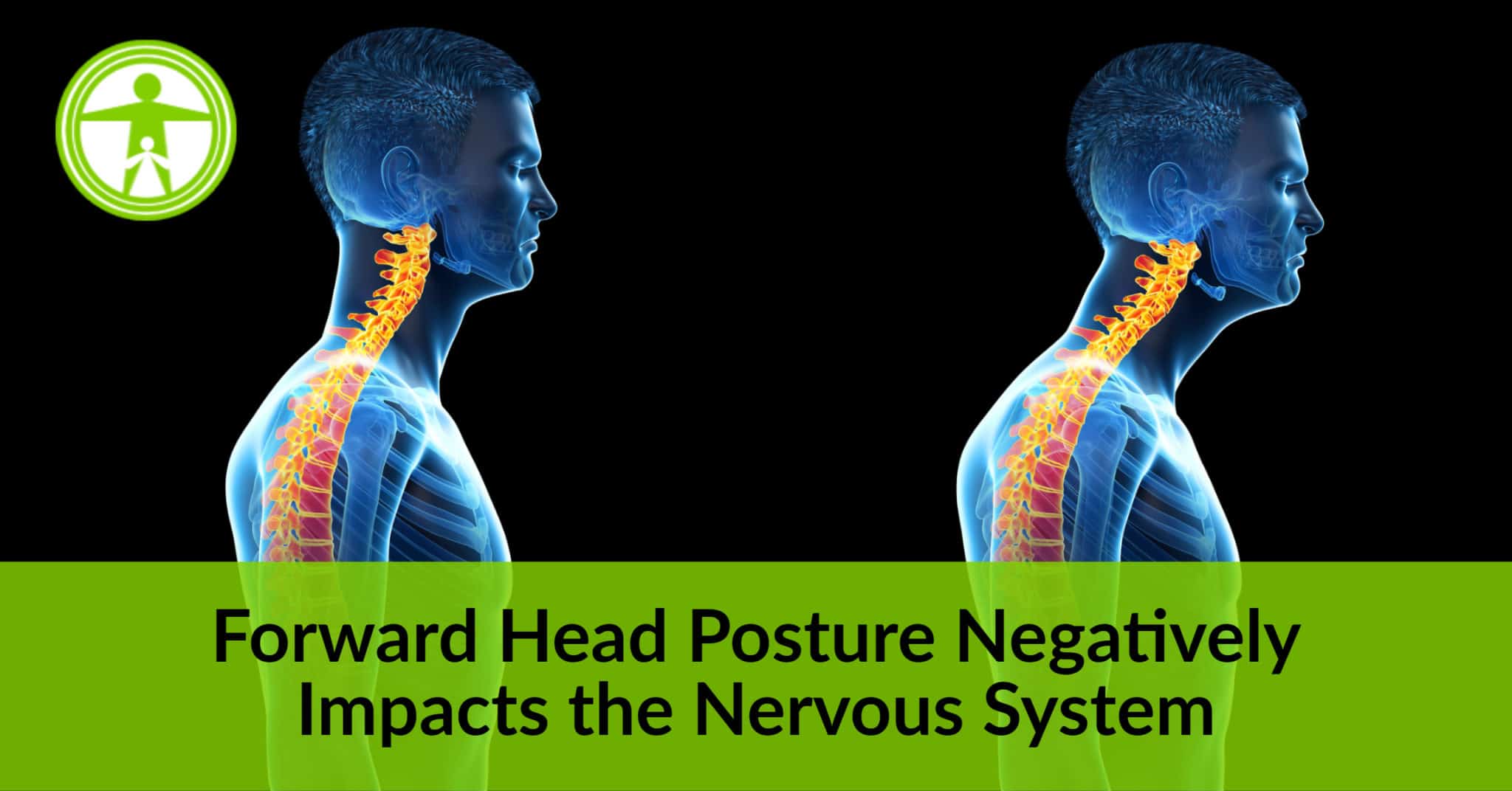
Forward Head Posture

Every day thousands of men, women and children feel the negative effects of forward head posture, yet may not necessarily know its source or how to fix it.

Forward head posture or any type of spinal misalignment that causes abnormal body posture can reek havoc on your body.

It usually starts with a slight increase in the tension behind the head, neck and shoulders.

Eventually it progresses to tingling in the arms or legs, increased pain in the neck, increased headaches, and even feelings of fatigue that can span 3 or 4 days of out the week.

If left untreated, those symptoms can worsen quickly and start an onslaught of other problems that can make living life difficult, including walking, sitting and sleeping.

While most people spend time and money battling the symptoms, they aren’t addressing the core of the problem.

Most people simply pound coffee or energy drinks, pop pills such as aspirin, acetaminophen or ibuprofen to battle their headaches and migraines, invest thousands in space-aged mattresses or super chairs, or buy the latest gadgets to diminish the pain.

But at the end of the day, their forward head posture is not corrected and it gradually begins to impact digestion, immune system function, and even organ function – something that most people rarely notice happening until it’s too late.

Your nerves coming in and out of your spine are responsible for the function of EVERY system in your body.

Cardiovascular, immune, digestion, reproduction, and your muscles go through their daily tasks using nerve energy and information flow from the brain.

What do you think will happen to your body and its long-term health if your poor posture or spinal misalignment prohibits these nerves from doing their job properly?

Let's dive in and discuss a few things…

What is Forward Head Posture?

Forward head posture (FHP) is associated with the head moving in an anterior or forward relationship to the shoulder or lower spine versus an “ideal” position, which would have the ears in line with the shoulders. [1]

FHP is also associated with an increased kyphotic thoracic spine or thoracic hyperkyphosis. What the heck is that?

The middle part of your spine is known as the thoracic spine, and when it curves too much (think of the elderly when they're hunched forward from the mid back) it's called hyperkyphosis.

Hyperkyphosis is certainly something people don't like ethetically, but hyperkyphosis is associated with increased mortality from all causes, particularly in elderly men [2] and women [3,4], even independent of osteoporosis [5].

Forward head posture is not simply caused by poor posture itself, but can be manifested by poor ergonomic [6], traumas (i.e. falls, sports injuries and whiplash) [7], chronic pain [8] and even a loss of the normal cervical curvature.

If you're a patient of our office, you should have your xray report with the cervical curve measurements measured for you.

Spine research has determined that a statistically significant association between neck pain and neck curvature occurs when you have <20º and a ‘clinically normal’ or healthy range for neck curvature is between 31º to 40º . [9]

What Are the Symptoms of Forward Head Posture?

Because Forward Head Posture can impact all sorts of systems in the body, the symptoms of forward head posture are vast.

That said, let's start with an understanding of what muscles can be impacted.

Muscles That Become Long and Weakened With Forward Head Posture

Common muscles that elongate and weaken due to long-term forward head posture include:

    • Deep cervical flexors. These muscles, also called the longus capitus and longus colli, are located along the front of the cervical spine and help stabilize the neck. When weakened, the deep cervical flexors lengthen as the chin tilts away from the neck, often called “chin poking.”
    • Erector spinae (lower cervical and upper thoracic).These are extensor muscles attached to the back of the lower cervical spine and upper thoracic spine. The erector spinae play a key role in rotating and straightening the spine. When the erector spinae muscles lengthen and lose strength, they are less capable of keeping the neck and upper back from hunching forward.
    • Shoulder blade retractors. The middle trapezius and rhomboid muscles in the upper back help bring the scapulae (shoulder blades) backward to keep the shoulders back and chest open in good posture. Weakened trapezius and rhomboid muscles allow the shoulder blades to tilt forward, further contributing to hunched shoulders and forward head posture.

Muscles That Become Short and Tightened with Forward Head Posture

These are the muscles that commonly shorten and tighten due to long-term forward head posture:

    • Suboccipital muscles. These 4 pairs of small muscles, which connect the lower back of the skull to the top of the cervical spine, help with head rotation and extension. These muscles work extra hard and continually contract to keep the head tilted up and looking straight ahead during forward head posture.
    • Chest muscles. As the muscles in the upper back tend to become elongated as the shoulder round forward, chest muscles may become shortened and tight. An example includes the pectoralis minor muscles, which are a pair of thin triangular muscles in the upper part of the chest.
    • Levator scapulae muscles. This pair of muscles is located along the back and side of the neck, traveling from the upper cervical spine down to the shoulder blade (scapula). The levator scapulae plays a key role in lifting or elevating the scapula, in addition to helping with various neck movements. If the shoulder blade starts to tilt forward and rotate up with round.

Forward Head Posture Symptoms

When forward head posture causes muscle pain, it typically feels like one or more of the following:

    • General soreness. This dull or achy pain may spread across the side or back of the neck, as well as into the upper back, shoulder, and/or head.
    • Intense pain. If a muscle is strained and/or goes into spasm, resulting in tightness and severe pain that may feel sharp or burning. Intense neck pain may worsen with specific positions or movements but alleviate in other positions or at rest. This pain is typically localized in one spot—such as the side of the neck or base of the skull—rather than spreading across a region.
    • Trigger point pain. This pain involves tender, taut spots in muscles that can become even more painful when touched. Trigger points are especially common along the back of the neck, but the pain can also be referred up into the head or down into the shoulders. Some studies have linked trigger point pain as being more likely with forward head posture, especially in people who have migraines or other types of headaches.
    • Muscle tightness. Muscles can become inflamed and tight due to being overworked, injury, trigger point pain, or in response to nearby inflammation, such as from a herniated disc. Due to pain and reduced muscle function, the neck may become stiff or less mobile.

Forward Head Posture Negatively Impacts Nervous System Function

A new study published in the journal Gait & Posture has demonstrated that forward head posture negatively impacts the autonomic nervous system. [10]

The autonomic nervous system is the part of our nervous system that controls unconscious functions such as heart rate, swallowing, breathing, digestion, arousal, etc.

Specifically the study found:

  • Forward head posture negatively affects cervical sensorimotor control.
  • Forward head posture negatively affects the autonomic nervous system.
  • There is a strong correlation between the CVA and cervical sensorimotor outcomes.
  • There is a strong correlation between the CVA and skin sympathetic outcomes.

In short, if someone has forward head posture, they will exhibit abnormal control of their neck muscles and positioning as well as experienced diminished functions that the autonomic nervous system controls (i.e. breathing, heart rate, digestion, arousal, etc.).

Since more than 90% of brain activity comes from the stimulation of the spine, if we have an abnormal posture, we will influence negatively the receptors of the spine that will then send information to the brain.

An overstimulation of the spinal receptors could potentially influence the ability of your child to sit still, read, learn and socialize appropriately.

Key Takeaways & Tips

Considering the impact that forward head posture has on our health, it shouldn't be taken lightly.

Here's 5 tips on improving posture:

Perform the Wall Posture Awareness Exercise Daily

Simply walk up to a wall and line up your heels, butt, mid back and the back of your head against the wall. Allow your arms to fall by your side and stay in this position for 30 seconds every day. It might feel awkward at first, but this minor adjustment pulls your shoulder blades back and opens your chest.

Sit Up

Many people position themselves on their seats in a way that promotes poor posture. Try sitting at the edge of your chair as this may force you to be more “active” when you sit.

Ground Your Feet

Whether standing or sitting, be sure to keep both feet firmly planted. Make sure not to shift your weight to one side when standing and keeping your legs uncrossed when sitting. Grounding your feet will help keep your upper body straight without you having to think about doing so

Imagine Your Body Is Held By A String

An excellent way to maintain good posture is to pretend that a string is connected to your head and pulling it upward. It helps you keep your head and spine in alignment without tightening the rest of your muscles, which could lead to strain.

Visit A Chiropractor

If you’re suffering from pain or discomfort as a result of your posture, don’t hesitate to make an appointment with a professional. Family Health Chiropractic can help you determine if there are underlying issues that may need attention.

Forward Head Posture Negatively Impacts Nervous System2026-04-26T11:13:31-05:00

Air Pollution & Toxicity Contribute to Weak Bones

Pollution, Toxins and Your Health

Each Year, An estimated 1.2 Billion pounds of toxic chemicals are released into the air & water in the United States alone, with approximately 80,000 different Chemicals.

Less than 10% of these chemicals have had any safety evaluations.

As a child, I still remember TV commercials from chemical companies with sales slogans that said, “Better Living Through Chemistry!”

As we advance in our ability to make products that are more efficient and effective, we have also increased our toxic burden in the world.

Chemicals play a significant role in many of the products that we take for granted in modern society such as adhesives, ceramics, electronics, plastics and petroleum.

Modern agriculture is an area where the use of specific chemicals has allowed for mass food production resistant to common pests.

However, the impact of these chemicals on the environment and human health can be severe and lasting.

Although scientists have yet to fully uncover the long-term effects of these chemicals in our environment, food or bodies, they have discovered more than 200 chemicals in the newborn umbilical cord blood of babies.

Another study foundwide exposure to environmental toxins in cohorts of pregnant women. Eight of the 59 chemicals analyzed were detected in more than 90 percent of both the maternal and cord blood samples, with the median number of chemicals at 25 in maternal blood and 17 in umbilical cord blood.

Birth defects, immunological disorders, developmental disabilities such as autism, ADD/ADHD and autoimmunity are all linked to chemical exposure.

A recent study is now suggesting that living in polluted cities may make our bones weaker and easier to break!

Air Pollutants Linked to Reduced Bone Mass

A study of nearly 4,000 people in India found those who inhaled more toxic airborne particles had less bone mass in their spines and hips. 

Researchers believe that our bones become weak because of tiny pollutants that make their way into the blood when inhaled, causing the ageing process to speed up.

Say what? Air pollution might make you age faster?

Yes. Inhalation of toxic compounds or nanoparticles can seep into your blood stream and cause a loss of bone mass and accelerated ageing due to the production of oxidative stress (tissue damage) and inflammation.

But this isn't new news.

A 2018 study by Columbia University of more than nine million people was the first to find a link between traffic fumes and fractures caused by osteoporosis.

Previous studies have linked air pollution to low levels of parathyroid hormone, which regulates calcium production, leading to more fragile bones.

Osteoporosis is a health condition that weakens bones, making them fragile and more likely to break.

Broken bones aren't fun, but within a year of a bone fracture in older adults, the risk of death increases by 20 percent, with only 40% regaining full independence!

In two separate studies, Dr Baccarelli, a world leader in the science of epigenetics which examines the effect of environmental factors on our genetics, found that vitamin B can reduce pollution fueled cardiovascular disease, and damage to DNA.

While supplements and nutrition are important, focusing on helping your body to rid these pollutants needs to be a comprehensive and holistic effort.

Described as an invisible killer, pollution causes an estimated seven million premature deaths a year worldwide, according to the World Health Organisation.

But it's not just ageing or brittle bones, heavily polluted cities have been also been linked to an increased risk of stroke, heart disease, lung cancer, acute respiratory diseases such as asthma and even dementia.

What Else Does Pollution Do To Us?

CAUSE CHILDREN TO HAVE A LOW IQ: Researchers at the University of California, San Francisco, found in May 2019 that children born to mothers who live in polluted areas have an IQ that is up to seven points lower than those living in places with cleaner air.

CAUSE CHILDREN TO HAVE POORER MEMORY: Researchers at the Barcelona Institute for Global Health found boys exposed to greater levels of PM2.5 in the womb  performed worse on memory tests by the time they are 10.

DELAY THE DEVELOPMENT OF CHILDREN: Youngsters who live less than one-third of a mile away from busy roads are twice as likely to score lower on tests of communication skills in infancy, found researchers at Eunice Kennedy Shriver National Institute of Child Health in April. They were also more likely to have poorer hand-eye coordination.

MAKE CHILDREN MORE ANXIOUS: University of Cincinnati scientists claimed pollution may alter the structure of children's brains to make them more anxious. Their study of 14 youngsters found rates of anxiety was higher among those exposed to greater levels of pollution.

CUT YOUR CHILD'S LIFE SHORT: Children born today will lose nearly two years of their lives because of air pollution, according to a report by the US-based Health Effects Institute and the University of British Columbia in April 2019. UNICEF called for action on the back of the study.

RAISE A CHILD'S RISK OF AUTISM: Researchers at Monash University in Australia discovered youngsters living in highly polluted parts of Shanghai have a 86 per cent greater chance of developing ASD. Lead author Dr Yuming Guo said: ‘The developing brains of young children are more vulnerable to toxic exposures in the environment.'

CAUSE ASTHMA IN CHILDREN: Four million children around the world develop asthma each year because of road traffic pollution, a major study by academics at George Washington University estimated. Experts are divided as to what causes asthma – but exposure to pollution in childhood increases the risk by damaging the lungs.

MAKE CHILDREN FAT: University of Southern California experts found last November that 10 year olds who lived in polluted areas when they were babies are, on average, 2.2lbs (1kg), heavier than those who grew up around cleaner air. Nitrogen dioxide pollution could disrupt how well children burn fat, the scientists said.

LEAVE WOMEN INFERTILE EARLIER: Scientists at the University of Modena, Italy, claimed in May 2019 that they believe pollution speeds up ageing in women, just like smoking, meaning they run out of eggs faster. This was based on them finding almost two-thirds of women who have a low ‘reserve' of eggs regularly inhaled toxic air.

RAISE THE RISK OF A MISCARRIAGEUniversity of Utah scientists found in January that pregnant women are 16 per cent more likely to suffer the heartbreak of a miscarriage if they live in areas of high pollution.

RAISE THE RISK OF BREAST CANCER: Scientists at the University of Stirling found six women working at the same bridge next to a busy road in the US got breast cancer within three years of each other. There was a one in 10,000 chance the cases were a coincidence, the study said. It suggested chemicals in the traffic fumes caused the cancer by shutting down the BRCA genes, which try to stop tumours growing.

DAMAGE A MAN'S SPERM: Brazilian scientists at the University of Sao Paulo found in March that mice exposed to toxic air had lower counts and worse quality sperm compared to those who had inhaled clean air since birth.

MAKE MEN LESS LIKELY TO GET SEXUALLY AROUSED: Scientists at Guangzhou Medical University in China found rats exposed to air pollution struggled to get sexually aroused. Scientists believe it may also affect men, as inhaling poisonous particles may trigger inflammation in blood vessels and starve the genitals of oxygen – affecting men's ability to become sexually aroused.

MAKE MEN MORE LIKELY TO HAVE ERECTILE DYSFUNCTION Men who live on main roads are more likely to have difficulty getting an erection due to exposure to pollution, a Guangzhou University in China study suggested in February. Toxic fumes reduced blood flow to the genitals, tests on rats showed, putting them at risk of developing erectile dysfunction.

RAISE THE RISK OF PSYCHOSIS: In March, King's College London scientists linked toxic air to intense paranoia and hearing voices in young people for the first time. They said uncovering exactly how pollution may lead to psychosis should be an ‘urgent health priority'.

MAKE YOU DEPRESSED: Massachusetts Institute of Technology researchers found in January that that the more polluted the air, the sadder we are. Their study was based on analysing social media users in China alongside the average daily PM2.5 concentration and weather data where they lived.

CAUSE DEMENTIAAir pollution could be responsible for 60,000 cases of dementia in the UK, researchers from King's College London and St George's, University of London, calculated last September. Tiny pollutants breathed deep into the lungs and enter the blood stream, where they may travel into the brain and cause inflammation – a problem which may trigger dementia.

Key Takeaways & Tips

In order to protect ourselves and our children against environmental toxins in the modern environment, we should:

  1. Reduce exposure as much as possible
  2. Support detoxification pathways
  3. Cultivate a healthy gut microbiota

Here's a few additional tips:

  • Make sure you have optimal levels of iodine and selenium. Optimal iodine and selenium intake has been found to attenuate the toxic effects that heavy metals and perchlorate can have on the thyroid.
  • Purchase a high-quality water filter for their drinking and bathing water; municipal tap water can be a significant source of toxins. However, a water pitcher filter is not enough if one hopes to remove as many toxins as possible. Reverse-osmosis filters, on the other hand, have been found to effectively remove perchlorate, pesticides, PCBs, plastics, and a wide variety of heavy metals.
  • When possible, eat organic food or purchase your food from a local farm or market as much as possible. This will help to not only reduce pollution but minimize excessive pesticide and herbicide exposure.
  • Stop using synthetic antibacterial products and to limit your use of plastics at home. If you still choose to use some plastic products, look for “BPA-free” options. However, keep in mind that BPA-free products may still contain other bisphenol derivatives with potential thyroid-disrupting effects, so it really may be best to entirely avoid drinking from or storing food in plastic containers.
  • Stop using non-stick cookware. PFOA from non-stick cookware can leach into food and is subsequently ingested. Suggest that they use stainless steel or enameled cast iron cookware instead.
Air Pollution & Toxicity Contribute to Weak Bones2026-04-26T11:13:31-05:00

Chiropractic Adjustments Influence the Vagus Nerve

With each passing year, more and more evidence is mounting supporting the benefits of regular chiropractic adjustments.

Every year, scientists are publishing scientific chiropractic-based studies aimed at gaining a little more understanding as to how chiropractic influences your health and wellness.

While there’s a lot of work yet to do, the evidence is pointing to a world of possibilities when it comes to neuroplasticity (changes in nerve and brain tissue) and human performance.

Still, there are new frontiers yet to be explored.

One of these is the area of vagal nerve stimulation.

Recent research indicates that decreased neuro-inflammation is associated with higher vagus nerve activity. [1]

So what is the vagus nerve and how exactly does a chiropractic adjustment stimulate the vagus nerve?

The Vagus Nerve is a Key to Well Being

Take a deep breath.

Hug a friend.

Reach for the ceiling and stretch your limbs.

Each of these simple acts bestows a sense of calm and comfort.

And each works its soothing magic in part by activating a complicated system of nerves that connects the brain to the heart, the gut, the immune system, and many of the organs.

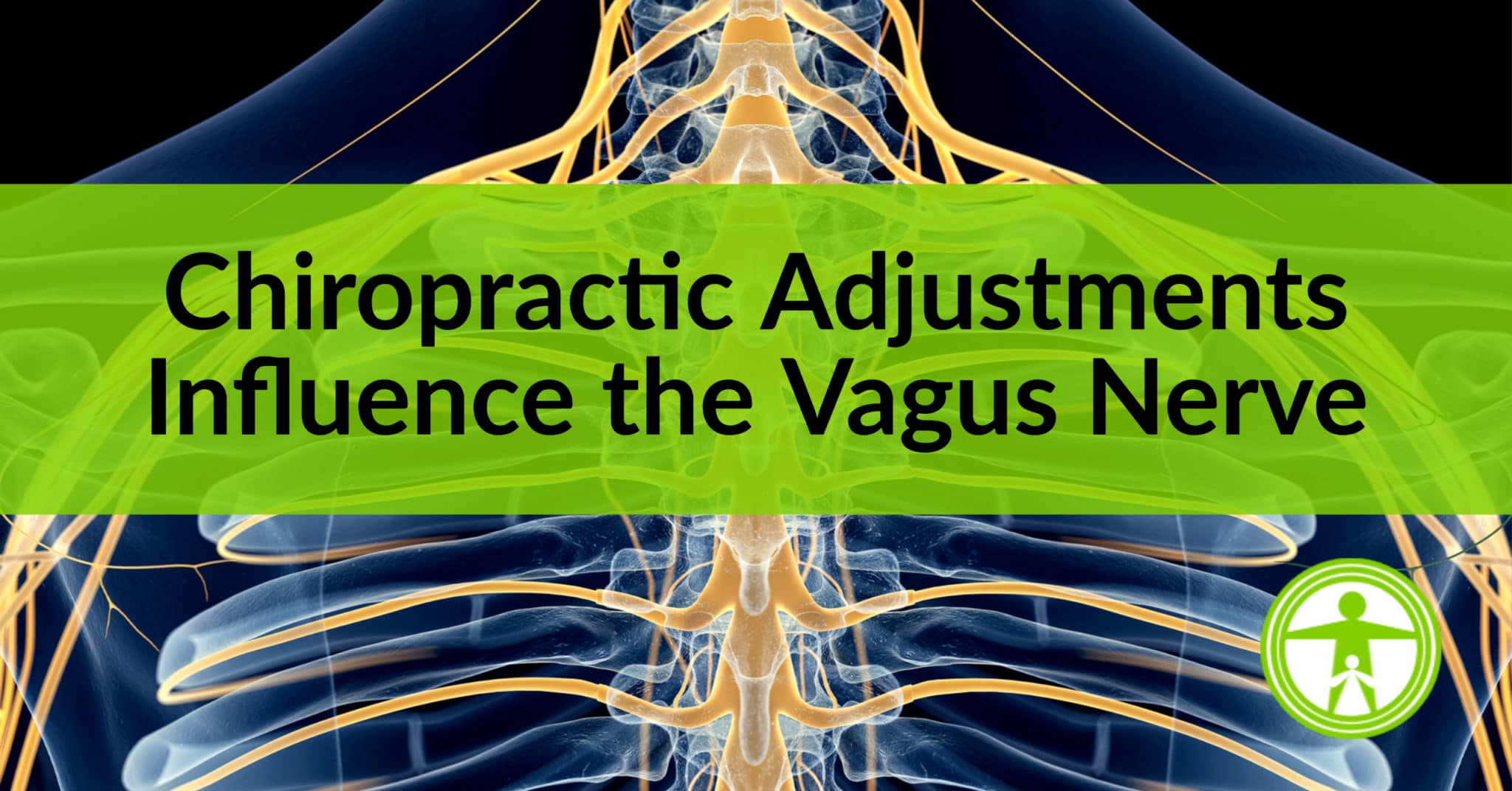
That system is known collectively as the vagus nerve.

vagas nerve austin chiropractor The vagus nerve is one of the twelve cranial nerves, which spread out from brain and into the body like an intricate network of roots.

These nerve networks act as lines of communication between the brain and the body’s many systems and organs.

Some of the cranial nerves interpret sensory information collected by the skin, eyes, or tongue.

Others control muscles or communicate with glands.

The vagus nerve, also called the “10th cranial nerve,” is the longest, largest, and most complex of the cranial nerves, and in some ways it’s also the least understood.

Experts have linked its activity to symptom changes in people with migraine headaches, inflammatory bowel disease, depression, epilepsy, arthritis, and many other common ailments.

The more scientists learn about the vagus nerve, the more it seems like a better understanding of its function could unlock new doors to treating all manner of human suffering.

We know that depressed people have low vagus nerve activity.

A separate branch of the vagus nerve runs down to the gastrointestinal tract and decreased activity is associated with slowed gastric function, which interferes with proper digestion.

Still other branches of the vagus nerve are connected to the heart, the lungs, and the immune system.

The vagus nerve’s activation or deactivation is tied to the ebb or flow of hormones such as cortisol and the digestive hormone ghrelin, the amount of inflammation the immune system produces, and many other internal processes that shape human health and experience.

There’s a massive bioelectrical and biochemical series of events that the vagus nerve is responsible for, and all that is almost impossible to map; yet we know that chiropractic adjustments can stimulate it.

Why is that important?

Pick almost any common medical condition that’s made worse by stress or inflammation — everything from arthritis to inflammatory bowel disease — and there’s research showing that vagus nerve stimulation can help treat it or relieve its symptoms.

Chiropractic Adjustments Influence the Vagus Nerve

The vagus nerve is especially important to Chiropractors because of the link between essential nerves and the spine and upper neck.

Spinal health plays a significant role in directing the health of the vagus nerve.

If the spine becomes altered in its positioning or ability to move freely, the information to and from the spinal nerves become interrupted.

Chiropractors play close attention to the alignment and movement of the spine to assure better vagus nerve activity.

New research from 2018 proved that chiropractic adjustments boost the function of the vagus nerve by impacting heart rate variability, which is what the vagus nerve controls.

Another study showed that long term chiropractic care (52 weeks) resulted in sustained improvements of heart rate variability.

An improvement in the vagus nerve activity plays a major role in regulating autonomic nervous system function, lowering chronic disease risk, and decreasing mortality rates.

Better health and function within the nervous system represents only a portion of the benefits experienced through regular Chiropractic care.

All people deserve the proven health care option delivered conveniently by a local Chiropractor.

Now you know!

Chiropractic Adjustments Influence the Vagus Nerve2026-04-26T11:13:32-05:00

Why You Should Care About the Curve in your Neck

The curvature in your neck is an all too often, neglected step-child of spine care.

No one every thinks about the loss of curvature in the neck when it comes to neck pain.

Neck pain is one of the most common complaints and ranked 4th highest in terms of disability. [1, 2]

From 1990-2010, the Disability Adjusted Life Years (DALYs) as a result of neck pain, increased from 23.9 million in 1990 to 33.6 million (47%).

Experts agree that the incidence of neck pain is rising due to poor posture, ergonomics and the adoption of smart devices.

The most common treatment for neck pain includes over the counter medication such as aspirin and ibuprofen, steroid injections, surgery and chiropractic care.

Previously, I discussed the problems associated with using over the counter medications.

NSAIDs (like tylenol and advil) can result in stomach ulcers and bleeding and are associated with an increased risk of stroke and cardiovascular incidents. This is common with continued and prolonged use.

In addition, research, published in The Annals of Internal Medicine, found that chiropractic care was better at reducing neck pain than taking medications like aspirin, ibuprofen or narcotics.

Despite the fact that research has proven chiropractic care to be better than other treatments for neck pain, spinal surgery is often recommended.

For years spinal surgeons and orthopedic physicians performed surgeries that completely disregarded the curvature of the neck.

Regrettably, these surgeries have caused more harm than good and resulted in a diagnosis known as failed neck surgery syndrome.

Failed neck surgery syndrome (FNSS) is a general term used to describe pain or discomfort that continues after a surgical procedure to the neck. Chronic pain following neck surgery may come from recurrent damage to vertebrae or tissue in the cervical spine, inadequate healing of bone or tissue surrounding the surgical site, or from scar tissue formation.

It's ridiculous to know that a loss of the cervical curve is what causes neck pain, and very few doctors, spine specialists and orthopedics are aware of it.

In our personal clinical experience, well over 90% of patients with headache and neck pain have a loss of the normal cervical curve that is easily observed with digital X-Ray examination and abnormal posture.

We even have patients who have visited orthopedic doctors and were never informed of this loss of curvature?

Normal cervical curvature presents with a lordotic or “C shaped” curve of approximately 42 degrees measured from C2 to C7.

Without this normal curvature, most often the balance of the weight of the head will be shifted forward, creating more wear and tear of the spinal discs and tension on the muscles and ligament surrounding the neck.

This eventually leads to bony spurs and osteophytes, decreased mobility of the cervical spine and neck pain.

Among other conventional treatments, corrective chiropractic techniques are proven to improve the curvature of the neck.

Let’s explore why fixing the neck curve is a big deal and what you can do short of surgery to help it.

What is a Normal Neck Curve?

The neck curve is also called the cervical lordosis.

It’s a curve that distributes weight evenly to the joints in the back and front parts of the spine.

This curve can be measured on a digital xray and the normal amount of curvature is anything > 30 degrees.

Think of this as a biometric similar to blood pressure, where 120/80 mm hg is normal blood pressure. Similarly, anything > 30 degrees is considered normal.

Anything less than 30 degress and the incidence of neck pain and damage begins to occur.

The neck curvature is ultimately a primary factor in the development of spine dysfunctions.

It also balances out the other curves in your spine including the upper mid back (known as a kyphosis) and the opposing curve in the low back (lordosis).

So a loss of the normal neck curve can even contribute to mid back pain and low back pain.

What else happens when you lose the normal neck curve?

The head begins to shift forward and this changes the body's center of gravity.

In short, it causes forward head posture and effectively increases the amount of weight and pressure placed on the spine. The loss of curvature in your neck places more weight on the discs, which causes them to fail much sooner.

The loss of the neck curve is also associated with “hump back syndrome” or age-related hyperkyphosis. This condition impairs mobility and increases the risk of falls and fractures. In fact, a 2011 research study found that age-related hyperkyphosis was associated with an increase in all cause mortality!

All that said, if you have neck pain and you know that you have a loss of curvature in your neck – that's they primary reason why you're hurting. [3]

If you don't know what your neck looks like on X-ray, you should consider getting an X-ray examination!

Why Neck Surgery is Not a Good Option for Neck Pain

As I mentioned previously, surgeons have often ignored the normal curvature in the neck.

Until recently, the devices to fuse the spine would cause the spine to straighten even more, even though the spine needs to be curved in order to stop the deterioration of joints and discs.

Fortunately, newer spine-fusion devices allow for the curvature, but we’ve seen plenty of those installed that still result in any changes.

What's ridiculous is that you can restore the normal neck curve without surgery.

But what happens to patients who get neck surgery?

Their head is forced forward, and the muscles that are supposed to hold up their bowling ball end up getting overloaded, causing pain and disability.

This means that people who have gotten surgical fusions or plates placed into their necks during surgery, will most likely suffer from long term chronic neck pain because the curve was not corrected.

A new study looked at neck surgery where the curve was corrected and they found much better outcomes. [4]

Forgetting about the problems with neck fusions for a moment, the new research results suggested that fusing patients with a neck curve was better and that special tools could accomplish that goal.

The authors also found that by fusing more levels, they could make it more likely that the whole neck still had a curve after the surgery.

At first this all sounds pretty good, and for the few patients out of 100 in the U.S. who get a fusion surgery and actually needed one, this might be a great approach.

However, in our experience, the vast majority of patients who end up with these aggressive surgeries don’t need them and in fact develop complications far worse than the initial neck problem.

Let me explain.

Getting a neck fusion is a lot like owning a dog with fleas; it comes with baggage you might not have expected before.

You see, the surgery doesn’t really cure anything; it just accomplishes a goal while screwing other things up.

Why does this happen? Because of something known as adjacent segment disease.

Adjacent segment disease (ASD) is where the levels above and below the fusion get worn out faster than they normally would.

So either way, neck surgery is only a temporary fix.

In addition, the more segments you fuse, the more common ASD will be.

Nonsurgical Ways to Fix the Neck Curve

Yes, you can absolutely correct your spine without surgery.

First, there's Corrective Chiropractic techniques much like our office prescribes.

The chiropractic technique utilized in our office is one of the most well-researched chiropractic techniques called Chiropractic Biophysics. [5]

It basically uses specialized traction methods, exercises and chiropractic adjustments to improve the curvatures of the spine.

In addition, there are cervical orthotics that can absolutely improve the cervical curve.

Recently a breakthrough randomized trial was conducted at Cairo University in Egypt and co-authored by CBP Non-Profit research organization where it was determined that using a Denneroll Cervical Orthotic improved the cervical curve. [6]

The study investigated 40 patients with chronic pain and disability. There was a short (10-weeks) and long term (1-year) outcome measurement of neck disability, neck pain, arm pain, and measures of neuro-physiology were assessed.

The investigation used a standard intervention frequency and duration of 3x per week for 10 weeks or 30 total chiropractic treatment sessions.

Patient participants were assigned equally to one of two groups: Denneroll Cervical Orthotic group and Non-Denneroll Orthotic Group.

Both groups received a standardized multiple treatment procedure protocol including:

  • Spinal manipulative therapy for the thoracic spine,
  • Myofascial stretching and release techniques to the cervical spine and anterior brachial plexus area,
  • Functional and strengthening exercise protocol designed to improve strength, flexibility, posture, and reduce pain,
  • A series of home care instructions.

Only the Denneroll group received the cervical Denneroll in addition to the standardized multiple treatment techniques.

All treatments were applied 3x per week for 10 weeks. At the end of the 30 treatments, following a minimum of 1-day with no treatment, all subjects were re-evaluated.

Lastly, treatment was then stopped and all subjects were followed for an additional 1-year to see if the 10-week outcomes were maintained at this long term follow up.

What did they find?

The addition of the cervical Denneroll orthotic was found to improve the cervical curve by an average of 13° and improved forward head posture by 12mm.

This improvement in cervical curvature and posture in the Denneroll group was found to be associated with improvement in chronic neck pain, arm pain, and neck disability and a reduction in medication usage over the 1 year time period.

Furthermore, in the group receiving the Denneroll and curve correction, their peripheral nervous system speed was found to increase by 24% and the spinal cord–central conduction time–was found to increase by 23%! [16] 

Increases in Neck Curvature Results in Increased Blood to the Brain

We all know that blood needs to flow in and out of the brain to keep us healthy.

But what happens when the channels where the blood passes through to get to and from the brain is not aligned properly? Bad Stuff – that impacts every single part of your body!

In a recent study, published in the journal Brain Circulation, a positive correlation was found between cervical lordosis (neck curvature) and blood flow to your brain. [8]

When people used the Denneroll neck orthotic, it instantaneously changed the curve in their neck, and an MRI measured more blood flow to the brain.

Why does this matter?

Proper neck curve has a lot to do with how well your neck and spine function.

Not only does the improvement in neck curvature result in better movement, but it also results in better function i.e. increased blood to the brain, increased nerve conduction to the arms and hands.

It makes sense that when a head or neck injury occurs, it can affect many things like: memory, hearing, vision, headaches, dizziness and neck pain.

Now we know that if the neck has lost its proper orientation in a c shaped curve of 30-40 degrees, then the blood flow can literally be restricted to the BRAIN as well!!!

And what's bad for the brain is bad for the entire body.

So if you know someone with a head or neck injury and who complains of chronic pain or problems, it might be time to have a look and see what’s going on.

Why You Should Care About the Curve in your Neck2026-04-26T11:13:32-05:00

Tylenol, Little Known Secrets and the Dangers of Taking It

Most people who read this article will likely consider Tylenol (i.e. Acetaminophen) as being a safe pain reliever for both children and adults.

Yet, one medical doctor has gone so far as to claim that “Tylenol is By Far The Most Dangerous Drug Ever Made.”

Why would Dr. Aric Hausknecht, a New York neurologist and pain management specialist, say this?

Taken out of context, such a sweeping statement may seem to be hyperbolic. The most dangerous drug ever made?

Well, according to Dr. Hausknecht:

“Each year a substantial number of Americans experience intentional and unintentional Tylenol (acetaminophen) associated overdoses that can result in serious morbidity and mortality. Analysis of national databases show that acetaminophen-associated overdoses account for about 50,000 emergency room visits and 25,000 hospitalizations yearly. Acetaminophen is the nation's leading cause of acute liver failure, according to data from an ongoing study funded by the National Institutes for Health. Analysis of national mortality files shows about 450 deaths occur each year from acetaminophen-associated overdoses; 100 of these are unintentional.”

So while most people wouldn't think twice about popping a few pills of Tylenol, the reality is that it can be extremely dangerous and causes significant side effects.

Regular use of acetaminophen has also been linked to a higher likelihood of asthma, infertility, and hearing loss (especially in men under 50 years of age).

Most people don't know about this because the FDA has done a poor job alerting the public to the dangers of acetaminophen.

In my opinion, it is a drug that serves no real medical purpose in the 21st century. Its use should be curtailed or even eliminated entirely.

I say this because acetaminophen is the last remaining member of a class of drugs known as “aniline analgesics” that is still on the market.

The rest of it's family members were discontinued long ago!

This pains me because not only are chiropractic adjustments better at relieving pain than Tylenol, but they help you to avoid the toxic and dangerous side effects of taking over the counters.

History of Tylenol

Hundreds of years ago, doctors of the time figured out that fever reducing agents were contained in white willow bark (which led to the development of aspirin) and cinchona bark.

When the cinchona tree became scarce in the 1880s, people began to look for alternatives.

Two alternative fever reducing agents were developed in the 1880s: acetanilide in 1886 and phenacetin in 1887.

Harmon Northrop Morse first synthesized paracetamol (Tylenol) in 1878; however, paracetamol was not used in medical treatment for another 15 years.

Paracetomol wouldn't be commercially sold until 1955 by McNeil Laboratories, as a pain and fever reliever for children, under the brand name Tylenol Children's Elixir.

In 1956, 500 mg tablets of paracetamol went on sale in the United Kingdom under the trade name Panadol, produced by Frederick Stearns & Co, a subsidiary of Sterling Drug Inc.

Panadol was originally available only by prescription, for the relief of pain and fever, and was advertised as being “gentle to the stomach,” since other analgesic agents of the time contained aspirin, a known stomach irritant.

The U.S. patent on paracetamol has long expired, and generic versions of the drug are widely available under the Drug Price Competition and Patent Term Restoration Act of 1984, although certain Tylenol preparations were protected until 2007. U.S. patent 6,126,967 filed September 3, 1998 was granted for “Extended release acetaminophen particles.”

How Does Tylenol Work?

According to MedicineNet.com, No one really knows? (that's pretty scary isn't it?)

Tylenol is thought to reduce the production of prostaglandins (chemicals that cause inflammation) in the brain, and reduces fever through its action on heat-regulating centers in the brain; yet no one knows exactly how.

Acetaminophen is very hard on the liver and is known to reduce the liver's store of the important detoxifying aid and antioxidant glutathione.

This is why combining Tylenol with alcoholic drinks, or other compounds that impact your liver including other medications, can cause major liver dysfunction.

Tylenol should definitely not be used in anyone with impaired liver function.

Tylenol is often the drug of choice in children to relieve fever. However, use for fever in the first year of life is associated with an increase in the incidence of asthma and other allergic symptoms later in childhood.

Let's talk about all the problems associated with taking Tylenol.

Tylenol Causes Liver Damage

Overdose with acetaminophen (Tylenol) is the leading cause of phone calls made to poison control centers in the United States and responsible for more than 56,000 ER visits and an estimated 458 deaths every year due to acute liver failure (1).

In fact, more than half of all acute liver failure cases in the US are due to acetaminophen overdose (1)!

Most guidelines would suggest that you take no more than 4,000 milligrams per day (2), but according to a 2006 study publisehd in the Journal of the American Medical Association, a 4,000 mg dose taken for four days causes elevated serum alanine (AST) and aminotransferase (ALT), which are markers of liver injury and damage (3).

These concerns are nothing new. In fact, it's been known as far back as 1977, when an FDA advisory board said it was “obligatory” to add warning labels regarding liver damage. It wasn't until 2011 when a statement was issued to manufacturers to limit the strength of each capsule to 325 milligrams and mandated warning labels.

So how does Tylenol cause liver damage?

Acetaminophen depletes levels of glutathione, the body's master antioxidant. Glutathione levels help to protect our cells from damage by free radicals.

So if you regularly take Tylenol, or any medication for that matter, you should strongly consider supplementing with glutathione.

Tylenol Depletes Glutathione Levels

Glutathione is the body’s most important endogenous antioxidant.

Endogenous means that the body produces it (unlike antioxidants from chocolate, red wine or berries, for example) or vitamin C which needs to be ingested.

“Oxidation” is a normal process in the body that happens when we use oxygen to create energy for the cell.

The byproduct of oxidation is the creation of “free radicals” which are unstable molecules.

Free radicals are “bad” because they can damage cell DNA, potentially causing permanent mutations.

The body uses anti-oxidants to “scavenge” free radicals, neutralizing them so they can’t damage the DNA or any other part of the cell.

Glutathione is a molecule that can absorb the impact of many of these free radicals.

Once it absorbs a free-radical, it needs to be converted back to the active form. When the body takes a large oxidative “hit”, it causes the depletion of active glutathione.  The result is lots and lots and lots of oxidative damage.

Glutathione is especially important because it is active in the brain, unlike most other antioxidants.

Can you imagine what would happen if you deplete glutathione in the brain?  You end up with oxidative damage, inflammation and brain injury.

As previously mentioned, Tylenol is famous for depleting glutathione.

If someone's levels of glutathione are already low, then a “normal” dosage of Tylenol could cause massive damage.

Tylenol, Cardiovascular, Kidney and Cancer Connections

Several studies have made strong connections between acetaminophen’s relationship to the development of cardiometabolic diseases.

One study found that those taking opiates (some of which contain acetaminophen) were 95 percent more likely to be obese and 63 percent more likely to have hypertension (4).

Not only does Tylenol tax your liver (detoxification capacity), but when combined with alcohol, your kidneys take a hit as well. One study found that combining the use of acetaminophen and alcohol resulted in a 2.23 times increased risk for kidney dysfunction (5).

There's also a connection with cancer. A 2013 meta-analysis of epidemiological studies found that acetaminophen was associated with a significantly increased risk of kidney cancer (6). A 2011 study of more than 64,000 older men and women found that acetaminophen use was also associated with several different types of blood cancers, including myeloid neoplasms, non-Hodgkin lymphomas, and plasma cell disorders like multiple myeloma (7).

Tylenol Blunts Emotions and Makes us Socially Numb

Like I mentioned previously, we don't know how Tylenol works exactly, but we do know that it just doesn't impact our physical health.

According to brain imaging studies, Tylenol also seems to dim activity in regions of the brain involved in processing social pain and cues.

As part of the study, participants were given either acetaminophen or a placebo for three weeks. None of the participants knew which one they were given. Each evening, participants completed a Hurt Feelings Scale, designed as a standardized measure of emotional pain.

They were asked to rank themselves on statements such as: “Today, being teased hurt my feelings.” It turned out that Tylenol reduced reports of social pain.

Since that study was published in Psychological Science, a body of evidence has accumulated that points to a range of psychological effects attributed to acetaminophen (8).

For instance, another study published in 2015 found that Tylenol diminishes our emotional highs and lows (9). Another study pointed to a reduction in empathy among people taking acetaminophen (10).

In one recent experiment, published in Social Cognitive and Affective Neuroscience, scientists found that acetaminophen seemed to make people care less about the mistakes they made when they zoned out (11).

All of these studies should raise concerns about the broader social side effects of using something as easily accessible as acetaminophen.

If a quarter of Americans use this every week, what kind of impact is this having on us as a society?

Tylenol, Genetics, Austism, ADHD and Brain Health

Did you know that a link between Tylenol and Austism/ADHD exists?

Please understand me on this one – not every child who gets Tylenol will get autism.  And not every child who has the gene and gets Tylenol will get autism!

I believe that developing Autism and ADHD or anywhere on the spectrum is a combination of genes and environmental insult.

This means that not only do you have to have the genetics, but then be exposed to a multitude of things that deplete glutathione. (This is probably why vinyl flooring, pthalates, PCBs, pollution and GULP… vaccines have all been linked to autism – detoxfying toxins depletes glutathione too.)

I want you to understand that this isn’t just crazy Dr. Daniel offering an opinion (though I’ve been suspecting it for years).

First, how stupid are we to market acetaminophen as safe during pregnancy?

Especially when current research has demonstrated that using acetaminophen can have neurodevelopmental consequences for the fetus.

A 2016 study followed more than 2,000 mother–child pairs from the first trimester of pregnancy and performed several tests of behavior when the children were about five years old (12).

Now there is new research that prenatal and perinatal exposure to acetaminophen is linked to autism (13). There is also research that using Tylenol after the MMR vaccine may cause autism (14)

Even an NIH-funded study found that acetaminophen exposure in pregnancy was linked to higher risks of ADHD and autism (15).

So here’s the bottom line: AVOID acetaminophen (Tylenol).

Do not give acetaminophen before or after your child’s vaccinations.  Not only can it trigger autism, it is also linked to a decreased immune response to the vaccine (16).

Alternatives to Acetaminophen (Tylenol)

Hopefully you understand why Tylenol shouldn't be your first choice.

And before I offer a few “natural medicine” suggestions, I'd like to preface it all by saying that pain is a sign of a deeper problem and throwing some pills at it is only putting a band aid on. The best approach is to eat an anti-inflammatory diet, optimize sleep, improve your movement and fitness and manage stress appropriately.

But if someone were to ask me for the best recommendations to overcome pain, here's a few things I'd consider:

1. Turmeric. Turmeric is a bright orange-colored spice that has been in use for thousands of years in cooking and medicine. Curcuminoids are compounds extracted from turmeric which have been shown to play a crucial role in maintaining normal inflammatory balance in a variety of bodily systems due to its strong NFkB-modulating properties. I'd suggest 600 to 1200 mg of Turmeric root extract.

2. Magnesium. Three of the most common reasons for taking acetaminophen over the counter are headaches, muscle pain, and menstrual cramps. For many people, magnesium can provide significant relief from these symptoms, often equivalent to or better than Tylenol. I recommend 400 to 1200 mg of Activated or Chelated Magnesium.

3. CBD Oil. Cannabidiol or CBD is the non-psychoactive oil of the cannabis plant that has pain-relieving and anti-inflammatory properties. It does not produce the “high” that THC does, and as of now, it is currently sold legally over the counter. After extensive research on CBD products available today, Colorado Hemp Oil by Quicksilver Scientific is my top choice.

4. Mindfulness. Emotional-freedom techniques, yoga, and meditation can all provide short-term pain relief.

5. Chiropractic. Among the holistic options out there for people, chiropractic has emerged as a leading candidate to both reduce pain and improve quality of life. Because of the growing body of research that supports the effectiveness of chiropractic as an alternative for pain management, many healthcare organizations have begun to recommend it as treatment for their patients. Consider that new research has shown that patients who see a chiropractor as their initial provider for low back pain had 90% decreased odds of both early and long-term opioid abuse. Not only can chiropractic care help ease the pain patients are dealing with, but they've also been known to release dopamine-stimulating endorphins and improve body function.

There's no denying the effectiveness of chiropractic care as a means to cope with pain and improve overall quality of life. Chiropractic is both cost-effective and viewed as a viable long-term solution that comes without any of the harmful side-effects of opioids or other pain medications.

Tylenol, Little Known Secrets and the Dangers of Taking It2026-04-26T11:13:32-05:00

How to Avoid the Flu with Chiropractic Care

Most people under the age of 75 have likely never heard of the Influenza epidemic of 1918. You’d think more schools would teach about it and try to use what happened as a means to promote healthy living, disease prevention, and how to avoid the flu.

The 1917 – 1918 influenza epidemic swept silently across the world bringing death and fear to homes in every land. And after 100 years, public health experts are still unable to explain why this flu outbreak was so deadly.

The whole world stood at its mercy, or lack of it.

This disease was so severe that case-fatality rates exceeded 2.5%, which is 25 times greater than most flu pandemics. This is a 2,500% difference! No one really knows for sure, but the total death toll has been estimated between 50 – 100 million.

Between 1918 – 1919, an estimated one-third of the world’s population (~500 million) were infected by what public health researchers now believe was a mixture of H1N1 and swine flu pandemics.

Recent research conducted on the bodies of frozen victims has actually discovered that the virus killed through an overreaction of the body’s immune system; somewhat like an autoimmune disorder where your body thinks your own cells are pathogens and puts your immune system in overdrive. According to one source,

“The strong immune reactions of young adults ravaged the body, whereas the weaker immune systems of children and middle-aged adults resulted in fewer deaths among those groups.” [1]

This is important to understand because we live in a time where autoimmunity affects more than 50 million people alone in the U.S. This suggests that immune deficiency and intolerance is setting us up for another health catastrophe. [2]

So learning how to avoid the flu or protect yourself as much as possible is something you should pay attention to.

Prevention is Key to Avoiding the Flu

You don’t have to worry about dying from the flu (or even getting the flu) if your immune system is functioning at 100%.

As many immunology experts have said before,

Cancer, first and foremost, is a problem with the immune system. You cannot have cancer if you have an intact immune system.

And so it goes with all other diseases, including the flu.

How to avoid getting the flu – The key to keep sicknesses like influenza at bay is to follow these steps that have been shown to enhance your immunity:

1. Maintain a healthy nutrition plan that consists of a variety of plants and healthy meats.

There are several micronutrients that are essential for immune health. Many Americans don’t get enough of these nutrients through their diets. But even if you are getting enough, taking additional amounts of them when people around you are sick, or if you’re already sick, can be a big help. This is why I suggest a good whole food multivitamin.

2. Wash Your Hands!

Seems obvious, but there's plenty of people (and kiddos) who don't do this. Maybe you already know this, but studies have shown that frequent hand-washing is one of the most important things we can do to protect ourselves during cold & flu season. So wash your hands every time you arrive at a destination while out and about, and first thing when you get home.

3. Minimize the stressors in your life.

Of all of the recommendations I could offer, most people will have the hardest time with this one. In our crazy, hectic world, minimizing stress is something we just can't get a hold on; but it’s absolutely necessary when battling a viral infection that's consuming a lot of your energy.

Of course it’s not always easy to take time for yourself to unwind, especially if you have young children (I know this firsthand!), but even a few short rest periods (ME TIME) throughout the day can make a big difference when it comes to supporting your immune system.

4. Stay Physically Active,  But Don't Overexercise

Look, if you're not exercising or physically working your body in any way that raises your heart rate – You Need to Start. There's no way around it, exercise and physical fitness are intimately tied to the genetics and neurobiology of our body.

But if you are exercising, make sure you're also no over training as this can lead to immune suppression. This goes for any long distance runners, cyclists and high intensity interval performers.

5. And, of course, regularly visit your chiropractor!

Chiropractic adjustments have been shown to improve immune function and even aid in the treatment of the flu. This understanding goes way back to the Flu Pandemic of 1918…

Get Regular Chiropractic Adjustments

One of the most interesting facts about the Influenza epidemic of 1918 is that research shows that chiropractors were one of the primary instruments to help stop the plague!

Multiple literature reviews have supported this notion that chiropractic adjustments can boost various aspects of the immune function in a unique way. [67]

Specifically, chiropractic has been clinically shown to:

  • Promote the production of white blood cells, which are the mainstay of the immune system. [89]
  • Consistently reduce the production of pro-inflammatory cytokines. [10]
  • Induce and enhance production of the immunoregulatory cytokine IL-2 and the production of immunoglobulins. [1112]
  • Increase CD4 counts in HIV/AIDS patients. [13]

Chiropractors were originally licensed as doctors because of their ability to treat infection, NOT take away headaches or back problems. [14]

Contrary to popular folklore, chiropractors primarily treated infectious diseases like polio up until the 1950s!

The Texas Chiropractic Association highlights this point in their historical account of the Chiropractic – Spanish Flu connection: [14]

“Chiropractors got fantastic results from influenza patients while those under medical care died like flies all around.”

“Statistics reflect a most amazing, almost miraculous state of affairs. The medical profession was practically helpless with the flu victims but chiropractors seemed able to do no wrong.”

THE DATA THAT THEY REFERENCE IS QUITE REMARKABLE: [14]

  • In Davenport, Iowa, 50 medical doctors treated 4,953 cases, with 274 deaths. In the same city, 150 chiropractors including students and faculty of the Palmer School of Chiropractic, treated 1,635 cases with only one death.
  • In the state of Iowa, medical doctors treated 93,590 patients, with 6,116 deaths – a loss of one patient out of every 15. In the same state, excluding Davenport, 4,735 patients were treated by chiropractors with a loss of only 6 cases – a loss of one patient out of every 789.
  • National figures show that 1,142 chiropractors treated 46,394 patients for influenza during 1918, with a loss of 54 patients – one out of every 886.
  • Reports show that in New York City, during the influenza epidemic of 1918, out of every 10,000 cases medically treated, 950 died; and in every 10,000 pneumonia cases medically treated 6,400 died. These figures are exact, for in that city these are reportable diseases.

The same epidemic reports show that chiropractors 3,490 cases of influenza with only 7 deaths.

But the best part of this is, in Oklahoma there is a clear record showing that chiropractors were called in 233 cases where medical doctors had cared for the patients, and finally gave them up as lost. The chiropractors saved all these lost cases but 25.

This information is absolutely profound and is a strong argument for the benefits of chiropractic care that go way beyond simply treating neck and back pain.

In the words of Dan Murphy, DC, “Chiropractors are doing something to influence the efficiency of the immune system.” [15]

So as the cold and flu season approaches, I strongly recommend that you regularly visit your chiropractor and to develop and stick to a good natural health regimen.

How to Avoid the Flu with Chiropractic Care2026-04-26T11:13:32-05:00

10 Medications with Black Box Warnings You Should Know About

In 2018, a record-breaking 59 novel drugs were approved for the treatment covering a wide range of diseases, bringing hope to scores of health sufferers around the world.

This is more than a twofold increase from the decade prior, which saw only 24 new drug approvals. And while the rise in the production and dissemination of new prescriptions and compounds is good news for the advancement of healthcare, it is also cause for concern.

We now take more medications than ever before. More than half of us regularly take a prescription medication with the average being four!

And despite the increases in prescriptions being filled and take, we’re still suffering from an epidemic of chronic disease.

Consider the following:

  • A billion people worldwide are suffering from diabetes and obesity
  • 600 thousand people in the U.S. die from heart attacks each year
  • 1 in 6 Americans now suffer from autoimmune disease
  • 20 to 30 percent of Americans suffer from GERD (acid reflux)
  • Major depression is on the rise among Americans from all age groups, but is rising fastest among teens and young adults

Unfortunately, there’s every indication that things are going to get worse before they get better.

American's have been sold on this idea that the solution to disease is to develop better drugs. And while there’s no doubt that prescription medication is sometimes necessary, and even life-saving; drugs are not the solution – and even contribute to the problem. 

So what is the solution? In short, it’s one that directly addresses the problem: the way we live, and in particular, the way we eat. 

More Medications, Less Health

Researchers have demonstrated that there's a strong association between the number of new medication approvals and an increase in the incidence of black box warning labels—the FDA’s most stringent safety labeling requirements for prescription drugs, designed to inform prescribers and patients of the serious health risks associated with a drug’s use.

Researchers also show that the connections between drugs approved through the FDA’s fast track programs— are those drugs that will more likely require boxed warnings shortly after hitting the market.

For instance, in two 2017 studies published in JAMA and Expert Opinions on Drug Safety, researchers examined the incidence of new FDA black box warning requirements from 2001 to 2010 and 2008 to 2015, respectively. In both studies, nearly one-third of all FDA-approved novel therapeutics (27% and 29%) required new post-market boxed warnings.

With over 600 medications carrying boxed warnings and over 40% of patients in the ambulatory care setting receiving at least one medication with a black box warning, it’s important for healthcare providers and consumers to be aware of commonly prescribed drugs that carry these severe side effect warnings.

Here's a list of 10 black box warnings that you should know about:

Aripiprazole (Abilify).

This atypical antipsychotic is indicated for the treatment of various mental health and mood disorders, including schizophrenia, depression, and bipolar disorder.

However, aripiprazole  increases the risk of suicidal thoughts and behaviors in pediatric patients and young adults taking antidepressants, and increases the risk of death in elderly patients with dementia-related psychosis.

Of note, aripiprazole is not indicated for the treatment of dementia-related psychosis, but has a history of off-label use for the treatment of dementia.

Furthermore, although not included in the boxed warning, the FDA warned that the drug could cause impulse-control problems, such as binge eating and compulsive gambling, in May 2016. More than 2,700 patients who experienced these extreme compulsive behaviors have filed lawsuits.

Sertraline hydrochloride (Zoloft)

Indicated for the treatment of major depressive disorder, OCD, PTSD, panic disorder, and social anxiety disorder, this selective serotonin reuptake inhibitor antidepressant received a black box warning due to the increased risk of suicide associated with its use in several demographics, including children, adolescents, young adults.

Dabigatran etexilate mesylate (Pradaxa).

This commonly prescribed anticoagulant is indicated for the prevention of strokes in patients with atrial fibrillation, deep vein thrombosis, and pulmonary embolism.

While dabigatran has been shown to increase the risk of serious bleeding during use, the drug’s boxed warning indicates that premature discontinuation may increase the risk of thrombotic events, such as stroke or myocardial infarction (MI), due to blood clots.

Dextroamphetamine-amphetamine (Adderall).

This CNS stimulant is commonly used for the treatment of ADHD. Researchers have shown, however, that it is frequently used recreationally by college students and other young adults for its effects on improved concentration/focus, and also have demonstrated an association of the drug’s use with addictive behavior.

In addition to the known side effects of sleep disruption and increased risk for mental health problems—including depression, bipolar disorder, and aggressive or hostile behavior—there are also CV risks such as high blood pressure and stroke, as well as the potential for drug abuse and dependence, which have warranted a black box warning.

Hydrocodone and acetaminophen (Vicodin)

This schedule II drug is used for the treatment of moderate to severe pain, largely after surgery. It earned a black box warning due to its highly addictive potential, as well as the increased risk of respiratory depression and significantly increased risk of liver damage/failure associated with its use.

Alprazolam (Xanax)

This sedative is used primarily for the treatment of anxiety disorders, is contraindicated in patients with glaucoma, and should never be used in patients with a history of drug abuse due to its addictive potential.

Alprazolam’s boxed warning advises that concomitant use with opioids, alcohol, or other CNS depressants may cause severe sedation, respiratory disorders, coma, and even death. In a 2017 safety communication, however, the FDA stated that buprenorphine and methadone should not be withheld from patients taking benzodiazepines or other drugs that depress CNS:

“The combined use of these drugs increases the risk of serious side effects; however, the harm caused by untreated opioid addiction can outweigh these risks. Careful medication management by health care professionals can reduce these risks. We are requiring this information to be added to the buprenorphine and methadone drug labels along with detailed recommendations for minimizing the use of medication-assisted treatment (MAT) drugs and benzodiazepines together.”

Canagliflozin (Invokana).

A third-line medication to metformin, canagliflozin is prescribed to treat type 2 diabetes along with diet and exercise, and reduce the risk of major adverse cardiovascular (CV) events in adults with type 2 diabetes.

However, a recent boxed warning has indicated that patients with type 2 diabetes who have established CV disease (CVD) or are at risk for CVD may be at increased risk for lower limb amputation, specifically the toe, midfoot, and leg.

To date, over 1,000 lawsuits have been filed.

Febuxostat (Uloric).

Indicated for the chronic management of hyperuricemia in adults with gout, Febuxostat received a black box warning in February 2019, alerting prescribers and patients of the higher rate of CV mortality associated with the drug’s use compared with allopurinol, its most common competitor.

Ticagrelor (Brilinta).

This antiplatelet medication received FDA approval in 2011, and is indicated to reduce the risk of CV death, MI, and stroke in patients with acute coronary syndrome or a history of MI.

However, it secured its black box warning for causing significant and sometimes fatal bleeding. Ticagrelor should not be prescribed for patients with active pathological bleeding or a history of intracranial hemorrhage, and should not be initiated in patients undergoing urgent coronary artery bypass graft surgery.

Also included in the black box warning: Ticagrelor increases the risk of subsequent CV events upon premature discontinuation; therefore, managing bleeding events without treatment discontinuation is advised. Ticagrelor’s labeling also cautions that maintenance doses of aspirin greater than 100 mg can reduce the efficacy of ticagrelor and should thus be avoided.

Tigecycline (Tygacil).

An injectable antibiotic, tigecycline  is indicated for the treatment of complicated skin structure infections, complicated intra-abdominal infections, and community-acquired bacterial pneumonia in patients aged 18 years and older.

However, the tetracycline class antibacterial carries a black box warning for increasing all-cause mortality vs comparators. Thus, it should only be used for infections that cannot be treated with other medicines.

Chiropractic offers Health, Without Prescriptions

One of the defining characteristics of chiropractic care is that it does not involve drug or surgical therapies.

It is my belief that medications and surgery have an important role in healthcare, but all too often heavily relied upon by the patient. I do not feel that there is any single approach to health that fits all people so it is important for each person to become informed of all of their options and decide for themselves which makes the most sense.

Unfortunately, that does mean that one literally needs to “shop” around for options and opinions as it is unlikely that any one practitioner has knowledge of all fields of healthcare.

Talk to a chiropractor if you think it may be the right option for you. If they are sensible, they will recognize they will not cure everything and can work well with your medical team to create the best outcome for you.

As a healthcare consumer, it’s ultimately your responsibility to know and accept the risks associated with anything you put into your own body. However, there is a lot of trust and responsibility that we, as health consumers, have given up.

Unfortunately, because drugs are fast tracked, many adverse reactions and events are unknown.

If you or someone you know has experienced an adverse event, its important to alert the FDA of side effects that may not be covered in a drug’s package insert, important safety information, or medication guide, and can lead to the addition of  new boxed warnings.

To report an event, you can submit an electronic form, mail a report form to the agency, or call them directly (1-800-FDA-1088). Once you report an event, you can monitor the status of your report, or ask for the general information regarding adverse events associated with the therapeutic.

10 Medications with Black Box Warnings You Should Know About2026-04-26T11:13:32-05:00

The 10 Most Deadly Diseases in the World

Last week I talked about Why Men Don't Live As Long as Women.

This week, I'd like to shift gears and talk about the 10 Most Deadly Diseases in the World (at least according to the World Health Organization).

After seeing their report, I can identify.

For several years, I've been practicing Functional Medicine and the list I'm about to discuss is hands down full of people that I work with every single day.

Fortunately for them, they're reversing their chronic disease and making the right steps in getting their health problems under control.

Still, there are hundreds of thousands to even millions of people who are unknowingly living with these conditions. But this is why they're called silent killers.

As human beings, we are susceptible to hundreds, if not thousands, of diseases throughout our lives.

Yet some diseases are far deadlier than others. Here's the top 10 according to the foremost international health authority…

11. The XY Chromosome

Haha. Get it?

Men have an XY chromosome, and in my opinion are a leading cause of death simply because we are more aggressive, seemingly make stupid health choices (again, refer to my previous article), and by sheer gender-specific homicide difference twice as likely to kill our female counterparts.

So if we're considering the cause of death by all accounts, men rank pretty high.

10. Cirrhosis and Non-Alcoholic Fatty Liver Disease (NAFLD)

Accounting for 2.1% of all deaths worldwide, cirrhosis is caused by chronic damage to the liver from kidney disease, hepatitis, or chronic alcoholism.

Risk factors include chronic alcohol abuse (more than 2 drinks per day), nonalcoholic fatty liver disease, and chronic viral hepatitis.

The complications of cirrhosis cause 1 million deaths per year throughout the world, and mortality rates have increased from 905,000 in 2000 to 1.2 million in 2015.

Over seventy million Americans may have nonalcoholic fatty liver disease. [1] The disease begins with the accumulation of fat within the cells of the liver, but can progress to inflammation, the development of scar tissue, and in some cases death from liver failure or cancer. [2, 3, 4]

Simple accumulation of fat within the liver generally proceeds without producing any overt symptoms, but it is not necessarily harmless. The liver regulates blood glucose and blood cholesterol levels, plays a critical role in burning fat for fuel, helps eliminate excess nitrogen, contributes to the metabolism of endocrine hormones, stores vitamin A, protects against infections, and detoxifies drugs and environmental toxins.

It's very common for me to identify fatty liver in people who otherwise assume they're healthy. Worse is the fact that many of these people had an annual check up with their doctors and nothing was even mentioned.

Moving on…

9. Tuberculosis

Tuberculosis accounted for 2.4% of deaths worldwide in 2015.

But luckily, the prevalence of this disease – caused by Mycobacterium tuberculosis – is decreasing as is its mortality rate, from 2.3 million in 2000 to 1.3 million in 2015.

Tuberculosis, however, remains one of the primary causes of death in people with HIV (35%).

Risk factors for tuberculosis include low body weight, regular use of corticosteroid or immunosuppressive drugs, diabetes, HIV infection, and living in close proximity to those with tuberculosis.

8. Diarrheal disease

Dehydration caused by diarrheal disease resulted in 1.4 million deaths in 2015, but its prevalence is decreasing, having dropped from 2.2 million deaths in 2000 to 1.4 million in 2015.

Unfortunately, diarrheal disease is the second leading cause of death in children under the age of 5 years, and a primary cause of malnutrition in this age group.

In the United States, approximately 179 million cases of acute diarrhea occur each year, and most of those cases are entirely preventable.

Risk factors include living in areas with poor sanitary conditions, malnourishment, a weakened immune system, young age, and no access to clean water.

7. Alzheimer disease

This progressive neurologic disease accounted for 1.5 million deaths in 2015, and for 2.7% of all deaths worldwide.

Its prevalence over the past 15 years (2000-2015) has increased from 1.2 million to 1.5 million.

Risk factors include being female, over age 65 years, genetic predisposition, an unhealthy lifestyle, previous head trauma, and family history.

Current studies suggest that diet and more specifically digestive health, may play a large role in reducing the risk of Alzheimer disease, especially one that is heart-healthy, low in saturated fats, and high in monounsaturated fats from fish, nuts, and olive oil.

6. Diabesity (Diabetes & Obesity)

The prevalence of diabetes-related death has increased from 1.0 million to 1.6 million from 2000 to 2015.

In 2015, diabetes-related illnesses accounted 2.8% of all deaths throughout the world.

In the United States today, someone dies from diabetes-related causes every 10 seconds.

Diabetes and cardiovascular disease have now outpaced infectious disease as the primary cause of morbidity and mortality worldwide.

The Centers for Disease Control and Prevention reports that one in three people will develop diabetes in his or her lifetime.

What is particularly horrifying about this statistic is that many of those who develop diabetes will be kids. Approximately one in three new cases of diabetes mellitus in patients under age 18 is diagnosed as type 2 diabetes, and this is worse for teenage ethnic minorities.

Diabetes-related illnesses include cardiovascular disease, neuropathy, nephropathy, and retinopathy, along with a host of skin conditions and other complications.

5. Respiratory cancers

Cancers of the lungs, bronchus, larynx, and trachea comprise this group, and were responsible for 1.7 million deaths worldwide in 2015, totaling 3% of all deaths, and up from 1.2 million deaths in 2000.

Pollution and smoking (both primary and secondary) are the primary causes of respiratory cancers.

In fact, experts predict an 81% to 100% increase in respiratory cancers in developing countries due to pollution.

4. Chronic obstructive pulmonary disease (COPD)

Chronic bronchitis and emphysema are the two primary forms of COPD, and there is some thought to adding asthma as well, although no consensus has been reached.

COPD deaths accounted for 5.6% of all deaths worldwide, totaling 3.1 million in 2015.

Risk factors include smoking, secondhand smoke, lung irritants, family history, and a history of respiratory infections as a child.

3. Lower respiratory infections

The biggest contribution and greatest success of modern medicine is its impact on infectious disease. However, flu, pneumonia, bronchitis, and tuberculosis and lower respiratory infections continue to make up 5.7% of deaths worldwide.

Viruses are the main cause of these infections, but bacteria are implicated as well.

Risk factors include a suppressed immune system, poor air quality, frequent exposure to respiratory irritants, smoking, asthma, HIV and crowded childcare settings.

2. Stroke

Between 2000 and 2015, the mortality from stroke increased from 5.7 million to 6.2 million.

Stroke was responsible for 6.2 million deaths in 2015, accounting for 11.1% of deaths worldwide. Stroke is also the leading cause of long-term disability. Diabetes, hypertension, hypercholesterolemia, smoking, and obesity are the leading causes of stroke.

Risk factors include high blood pressure, family history of stroke, smoking (especially when combined with oral contraceptives), African American race, and female sex.

1. Coronary Artery Disease

The number one deadliest disease is CAD, responsible for 15.5% of all deaths worldwide.

And mortality rates have been increasing, with a significant jump from 6 million deaths in 2000 to 8.8 million deaths in 2015.

CAD happens when the arteries that supply blood to heart muscle become hardened and narrowed.

Over time, CAD can also weaken the heart muscle and contribute to heart failure and arrhythmias. Heart failure means the heart can't pump blood well to the rest of the body. Arrhythmias are changes in the normal beating rhythm of the heart.

Unfortunately, cardiovascular disease is one of the most misdiagnosed and mistreated conditions in medicine.

We’ve learned a tremendous amount about what causes heart disease over the past decade, but the medical establishment is still operating on outdated science from forty to fifty years ago.

It is now well established that eating cholesterol has no discernible impact on blood cholesterol levels and even if it did, it wouldn’t matter because the amount of cholesterol in the blood is not the driving factor behind heart disease.

There are several theories of how heart disease develops, I believe this is the most likely scenario (given all the data we currently have):

  1. LDL (bad guys) particles penetrate the artery wall and enter the sub-endothelial space (the space just underneath the lining of the artery).
  2. Some of the LDL particles are retained in the sub-endothelial space.
  3. Immune cells initiate an inflammatory response against the sterols that are carried in the LDL particles, including an interaction between the LDL particle and proteins called proteoglycans. (The proteoglycans are like “cement” keeping the LDL particles and their cholesterol cargo inside the artery wall.)
  4. More LDL particles enter the artery wall and continue to be retained.
  5. The LDL particles in the artery wall become subject to oxidative forces like free radicals and begin to oxidize.
  6. Oxidized LDL particles provoke an immune response directly mediated by white blood cells called T-cells, which leads to further retention of LDL particles as well as destruction of the artery wall.
  7. Eventually the lumen (interior space) of the artery narrows, a fibrous cap develops, and plaque forms.
  8. When those plaques become unstable and dislodge, they obstruct blood flow to the portion of the heart muscle supplied by that coronary artery, and a heart attack occurs.
This is why measuring LDL-P, oxLDL, oxidative stress (inflammatory markers) and nutrients that play a role in oxidation are all important rather than simply measuring total cholesterol, HDL and LDL.

What Causes LDL-P to Go Up?

  • Metabolic Syndrome (insulin and leptin resistance)
  • Genetic Predispositions
  • Poor Thyroid Function
  • Infections (gut infections, H. pylori, viral infections such as EBV, cyomegalovirus, SIBO, etc)
  • Intestinal Permeability (leaky gut)
  • Environmental Toxins (mercury, lead, arsenic, bisphenol A, etc)
That said, when it comes to truly assessing risk, these are all things to evaluate, to determine the best course of action.
The 10 Most Deadly Diseases in the World2026-04-26T11:13:32-05:00

Men’s Health & Why They Don’t Live As Long As Women

Everywhere in the world women live longer than men – but this was not always the case.

The available data from rich countries shows that women didn’t live longer than men in the 19th century.

So why do women live so much longer than men today, and why has this advantage increased over time?

Well, we know that biological, behavioral and environmental factors all contribute to the fact that women live longer than men; but we don’t know exactly how strong the relative contribution of each of these factors is.

Independent of the exact reason, we know that part of the reason has to do with the fact that some key non-biological factors have changed.

What are these changing factors?

Some are well known and relatively straightforward, like the fact that men smoke and drink alcohol more often than women. Other factors are more complicated.

For example, new evidence shows that in rich countries the female advantage increased in part because infectious diseases used to affect women disproportionately a century ago, so advances in medicine that reduced the long-term health burden from infectious diseases, especially for survivors, ended up raising women’s longevity disproportionately.

Thank God for Dr. Semmelweis, the father of modern antiseptic procedures who early in his career started a new job at a medical clinic and discovered that women in that clinic died at a rate nearly five times higher than women in the midwives' clinic! True story.

But today, what's the biggest reason why men die sooner than women?

If you dig into it, you'll find that it comes down to personal responsibility.

It's something men seem to be lacking when it comes to their health.

Men Don't Like Going To the Doctor For Their Health

Most men—77%—would rather go shopping with their wife or significant other than go to the doctor, according to a new national survey by the Cleveland Clinic.

Despite the fact that 33% of men aged 40-59 have degenerative disc disease, 72% would rather do household chores, like cleaning the bathroom or mowing the lawn, than go to an Austin Chiropractor.

What's ironic about this – is that that some men can't even do basic chores without hurting themselves. Oh brother!

Why is that? To be blunt – we're stubbornly stupid.

Men are pretty dang stubborn about a lot of things and taking care of themselves or putting their health as a priority is at the top of the list.

About two-thirds of men (65%) tend to wait as long as possible to see a doctor when they have any health symptoms or injury.

This is particularly true for men ages 35 to 54 years—72% of whom said they try to tough it out before going to the doctor.

It doesn't make sense.

Even among men who do go to the doctor, 20% admit they haven’t been completely honest with their PCP before.

Why did they not tell the truth?

  • 46% said they were embarrassed
  • 40% said they felt uncomfortable
  • 39% said they didn’t want to be judged
  • 38% said they thought their health problem would resolve on its own
  • 37% said they knew something was wrong, but weren’t ready to face the diagnosis and/or would rather not know if they have any health issues
  • 36% said they didn’t want to hear they needed to change their diet/lifestyle (ie, exercise more, change diet, quit smoking, etc)

But when it comes to testicles and testosterone; well that's a different story?

At least 54% of men said they would discuss sex-related concerns, such as their sexual history and “below the belt” issues (skin irritations, erectile dysfunction, sexually transmitted diseases/infections, etc).

morning back pain

Men Simply Don't Pay Attention to Their Health

The average man pays less attention to his health than the average woman.

Compared to women, men are more likely to

  • drink alcohol and use tobacco
  • make risky choices
  • not see a doctor for regular checkups

Even though men succumb to diseases and dysfunctions that can affect anyone – heart disease, stroke, diabetes, cancer, depression – they only seem to care about their health when it impacts something closer to home, such as anything having to do with their testicles, testosterone or the lack of “gains” that they're getting in the gym.

As an Austin chiropractor, the vast majority of “Bros” that come to see me, do so because their “manhood” has been taken by an upset spine. One that doesn't let them play basketball anymore, bench press or golf.

Men's health is for the most part reactive, rather than proactive.

Many of the major health risks that men face can be prevented with a healthy lifestyle: regular exercise, a healthy diet, not smoking, stress reduction, and alcohol consumption in the moderate range (no more than two drinks a day) if at all.

And yes… there are a lot of men who ASSUME that they're doing ok because maybe they do exercise regularly, eat a healthy diet and don' smoke.

But regular checkups and screening tests can spot disease early, when it's easiest to treat.

So don't be an average man — get on board with protecting your health and get checked.

back pain caused by sleeping positions

Stop the Stigma and Start MENtioning Your Health Problems.

So, what’s the underlying reason for all this stubbornness and stonewalling about going to the doctor?

It could be as simple as being told as a boy to just “Man Up” and talk to someone about your problems. Take some personal responsibility for your health and the people around you.

There's a big problem in our culture where we teach people to not complain about their health problems. It's even worse for mental health.

But it's time to get rid of the stigma that a man isn’t allowed to show weakness by admitting something might be wrong with his health.

Men’s Health & Why They Don’t Live As Long As Women2026-04-26T11:13:32-05:00

The 4 Causes of Morning Back Pain

“Hey doc, why do I get back pain in the morning?” is an all too often question I get asked as a chiropractor.

Have you ever gotten up in the morning and experienced back pain?

If so, you're not alone. Morning back pain is common and often felt first thing in the morning, especially from lying down to standing.

This type of back pain is usually the result of stiffness from long periods of rest or staying in the same position while you sleep.

So is sleeping dangerous for our backs? Of course not. And fortunately, waking up with back pain is usually not a serious problem either.

Having morning back pain is usually a sign of chronic back pain that is at its worst in the morning.

So if you find that you're waking up in the morning with quite a bit of pain, and that pain slowly decreases as the day progresses, you're likely experiencing an acute attack of back pain from several subtle chronic causes.

The most common causes of morning back pain include:

  1. Inflammatory Back Pain – inflammation from osteoarthritis, infection or some autoimmune process
  2. Myofascial Pain – failure to maintain your soft tissues (muscles, ligaments and tendons)
  3. Inflammaging – literally a chronic, mild inflammation associated with ageing
  4. Funky Sleeping Positions or a Bad Mattress – this is the most obvious reason, but not the only one
morning back pain

Morning Back Pain Caused by Inflammation

Inflammatory back pain is the most pathological. Some doctors will clump this type of back pain into something called a spondylarthropathy or spondyloarthritis.

Spondylarthropathy is arthritis of the spine or joints in your spinal column.

But don't get too worried about this, studies have confirmed that most morning stiffness and pain is not due to inflammation. How can you tell?

If your pain doesn't wake you up in the middle of the night, then it's likely not caused by inflammation or a spondylarthropathy.

If your pain does wake you up in the middle of the night, then getting some imaging (xrays, MRI, CT scans) would be recommended

Here's a good check list that can help determine if your morning back pain is caused by inflammation:

  • signs of inflammation in other body parts, especially tendons (where they attach to bone), eyes, fingers or toes, colon
  • a family history of spondyloarthritis (although it develops slowly, it’s a serious disease, so you’ll definitely know if someone in your family had it), or other autoimmmune diseases
  • you respond fairly well to NSAIDs (Aspirin, Ibuprofen, etc)
  • an infection in the weeks before your back trouble began

If we're going to be accurate, back pain that's caused by inflammation usually begins at night (not in the morning). In this case, the pain is simply considered “left over pain”

morning back pain caused by myofascial problems

Morning Back Pain Caused by Myofascial Problems

There are really two common causes for widespread body pain (myofascial problems) and both of them are largely ignored:

  1. Failure to Perform Daily Maintenance – this includes improving personal flexibility, mobility, strength and balance
  2. Nutrient Deficiencies – not getting adequate nutrients in the form of vitamins, minerals and water

Failing to perform daily maintenance on ourselves results in our tissues becoming dysfunctional. This is a huge topic in of itself and goes way beyond this article. In short, I'd start with self-massage and heating to begin working on muscle knots.

Then I'd progress to mobility work (think yoga, tai chi, pilates) that is is designed to help you move better.

Finally, you need to work on strengthening your muscles to continue to support your movements.

When it comes to nutrient deficiencies, it's important to appreciate the fact that your inflammation could be due to bad biochemistry.

If you're not eating well or consuming large amounts of nutrients required for daily function, it's safe to say that your body isn't going to work well.

And one of the ways that your body signals to you that it's not happy, are symptoms like tightness, irritation, weakness, etc.

morning back pain caused by inflamaging

Morning Back Pain Caused by Inflammaging

Aging itself seems to be inflammatory (no matter how fit, skinny, and calm you are), which is known as “inflammaging“.

So, if you’re on the far side of middle age, or you’re younger but struggling with your weight and/or major long-term stress, chronic inflammation could be your issue.

Inflammaging involves white blood cell function (immune cells) and several tissues and organs, including the gut microbiota, and is characterized by a complex balance between pro- and anti-inflammatory responses.

So what can you do about it? No one really knows, but I'd pay attention to the following:

  • Fitness is critical — it’s the closest thing we have to a miracle drug or a fountain of youth. But also avoid overdoing it.
  • It’s also possible to some extent to eat an “anti-inflammatory” diet — which really just means a healthy diet, particularly one that doesn’t give our system major blood sugar regulation challenges.
  • Fasting may also be worth experimenting with.
  • Work on your anxiety and major sources of chronic stress
  • And of course you should consider quitting any habits that are putting a strain on your biology, like smoking (uh… vaping), or drinking too much too regularly (more than a couple per day).
back pain caused by sleeping positions

Morning Back Pain Caused by Sleeping Positions

Certainly, awkward sleeping positions and a bad mattress or pillow can be to blame.

In 2015, Steffens et al found that most “back attacks” occur in the first few hours of the day.

They also identified an “awkward posture” in the two hours proceeding the attack as the second biggest risk factor (after “distracted during an activity”).

Although their study wasn’t perfect, the results were too strong not to take seriously and demonstrated that an “awkward sleeping posture” was more likely to be the cause of acute back pain, than the much more traditional causes such as sloppy weight lifting movements.

Based on this evidence alone, we can guess that morning back pain might be so common is that sleeping is a rich source of awkward postures. So if you're suffering from chronic morning back pain, paying attention to or trying to identify if your sleep position or mattress is the cause, is something to consider.

Sleeping often involves slightly awkward positions held for periods long enough to cause sustained compression, pinching, and oxygen starvation of tissues (which may or may not have been vulnerable or irritated to begin with).

The dose makes the poison: it doesn’t have to be an obviously terrible spine position to cause trouble. Just a little awkwardness will do the job if you’re stuck that way for long enough.

The most likely habitual position to cause trouble is face down.

I do not think that sleeping face down is a universally evil sleeping position, but, based on years of anecdotal reports from patients, I do think face-down sleeping can mess up a lot of backs.

The 4 Causes of Morning Back Pain2026-04-26T11:13:32-05:00
Go to Top