Blog

How to Eliminate Allergies, Histamine & Prevent Brain Farts

Do you suffer from seasonal allergies? Chances are, if you’re reading this – you’re a fellow Austinite and personally suffer from allergies or know many people who do!

Over the last 50 years, allergic diseases and disorders have continued to rise in the industrialized world. Allergic rhinitis, the medical term for hay fever and what’s behind the unpleasant seasonal allergy symptoms the people of Austin all know so well, develops when the body’s immune system becomes sensitized and overreacts to something in the environment.

When left untreated, allergies cause blocked and runny nose, sneezing, watery eyes, headaches, an impaired sense of smell and god awful irritated eye lids — but this is in less severe cases. For some allergies can be life threatening, leading to inflammation in and around the lungs resulting in a shortness of breath. In 2004, Austin, Texas was named the number one allergy capital by the Allergy and Asthma Foundation of America and it continually ranks in the top 5 worst US cities for seasonal allergies overall.

With summer approaching, if you are like most people, you are looking for ways to prevent, reduce and even eliminate your seasonal allergy symptoms. Today, I want to share with you a three-step approach to curing seasonal allergies naturally and effectively as well as bring to your attention common treatments that can be harming you more than you know.

FIRST THINGS FIRST: YOUR BRAIN ON DRUGS

austin allergy reliefI know it’s easy for you to think that over the counter allergy and insomnia drugs in grocery store aisles are safe enough, but a study published just this month in JAMA Neurology describes some frightening health risks.

What did they discover? Over the counter Anticholinergic medications (histamine blocking) and prescription drugs are linked to dementia, cognitive decline and to be blunt: a shrinking brain.

This class of drugs includes popular medications like Benadryl, Demerol, Dramamine, Paxil, Advil PM and Unison, among others.

It’s important to note that this isn’t the first time researchers found a relationship between this class of drugs and brain impairment. In 2015, University of Washington scientists also found the chronic use of certain anticholinergic sleep aids and hay fever meds in the increased a person’s risk of dementia.

Anticholinergic drugs include antihistamines, anti-psychotics, anti-vertigo drugs, cardiovascular and gastrointestinal drugs, and muscle relaxants, according to the Centers for Medicare and Medicaid Services.

Pay attention here: It is important to remember that the active ingredients are approved by the U.S. Food and Drug Administration and recognized as safe and effective when taken as instructed on the product label. So yes, the FDA approved a product that causes dementia and shrinking of the brain. I don’t like being an alarmist; but there is just too much out there that we don’t know about.
The takeaway here is that just because it's over-the-counter does not necessarily mean it's safe for you to use long term. Just because medication is easy, doesn’t mean it’s the best.

So what options do you have? Let me start by saying you have many; but it will be a comprehensive approach and takes work.

LETS START WITH HISTAMINE INTOLERANCE
histamine intolerance austin texasPeople who suffer from allergies are often told to avoid triggers that cause histamine production, but that is nearly impossible when the seasons are changing and our immune systems are impaired by the food industry and environmental toxins. This is why any natural remedy program for allergies must begin with cleaning up the body.

Histamine Intolerance, in my opinion, is the biggest factor behind most allergy sufferers. Histamine is a chemical produced by the body that works with immune function, proper digestion, and your central nervous system. As a neurotransmitter, it communicates important messages from your body to your brain. It is also a component of stomach acid, which is what helps you break down food in your stomach.

When histamine is released it causes your blood vessels to swell, or dilate, so that your white blood cells can quickly find and attack the infection or problem. The enzyme Diamine Oxidase or DAO is then released to chew up histamine and prevent irritation. Histamine intolerance occurs when something prevents DAO from being produced. This can include: bacterial overgrowth (SIBO), Leaky Gut, GI Bleeding, DAO deficiency and or excess Histamine-rich Foods.

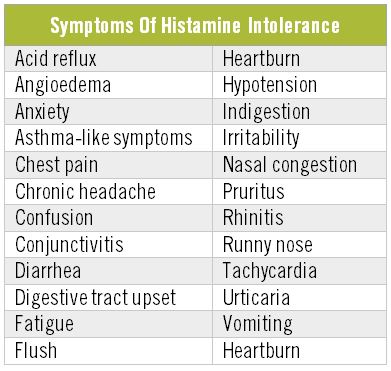
Here are a few symptoms of Histamine Intolerance (Inability to break histamine down):

  • Headaches/migraines
  • Difficulty falling asleep
  • Hypertension
  • Vertigo or dizziness
  • Arrhythmia, or accelerated heart rate
  • Difficulty regulating body temperature
  • Anxiety
  • Nausea, vomiting
  • Abdominal cramps
  • Flushing
  • Nasal congestion, sneezing, difficulty breathing
  • Abnormal menstrual cycle
  • Hives
  • Fatigue
  • Tissue swelling

START WITH AN ELIMINATION DIET

In addition to the histamine produced inside your body naturally, there are a variety of foods that naturally contain histamine, cause excess release of histamine or block the DAO enzyme.

When performing an Elimination Diet, I have patients remove toxic and inflammatory foods from the diet for a minimum of fourteen days (28 would be better). The inflammatory foods you remove are: gluten, dairy, soy, yeast, eggs, corn, peanuts, alcohol, sugar, caffeine and food additives. I’ve also provided a list below specifically related to histamine.

Here’s a list of foods rich in histamine:

  • Fermented alcoholic beverages, especially wine, champagne and beer
  • Sauerkraut, vinegar, soy sauce, kefir, yogurt, kombucha
  • Pickles, mayonnaise, olives
  • Cured meats: bacon, salami, pepperoni, luncheon meats and hot dogs
  • Soured foods: sour cream, sour milk, buttermilk, soured bread, etc
  • Dried fruit: apricots, prunes, dates, figs, raisins
  • Most citrus fruits
  • Aged cheese including goat cheese
  • Nuts: walnuts, cashews, and peanuts
  • Vegetables: avocados, eggplant, spinach, and tomatoes
  • Smoked fish and certain species of fish: mackerel, mahi-mahi, tuna, anchovies, sardines

Here’s a list of foods that release histamine:

  • Alcohol
  • Bananas
  • Chocolate
  • Cow’s Milk
  • Nuts
  • Papaya
  • Pineapple
  • Shellfish
  • Strawberries
  • Tomatoes
  • Wheat Germ
  • Many artificial preservatives and dyes

Here’s a list of foods that block DAO:

  • Alcohol
  • Energy drinks
  • Black tea
  • Mate tea
  • Green tea

So now that I’ve told you what to avoid, here’s “Safe List” that you can experiment with:

Foods that are considered “Low-Histamine”:

  • Freshly cooked meat or poultry
  • Freshly caught fish
  • Cooked eggs
  • Gluten-free grains*: rice, quinoa, corn, millet, amaranth
  • Fresh fruits: mango, pear, watermelon, apple, kiwi, cantaloupe, grapes
  • Fresh vegetables (except tomatoes, spinach, avocado, and eggplant)
  • Dairy substitutes: coconut milk, rice milk, hemp milk, almond milk
  • Cooking oils: olive oil, coconut oil
  • Leafy herbs
  • Herbal teas

UNDERGO IgG FOOD SENSITITY TESTING

The elimination diet is a great place to start, but some people choose to test for food sensitivities. This process involves getting a blood test called an IgG Food Sensitivity Test to determine which foods they are intolerant to. The advantage of the Food Sensitivity Testing is that it test for 155 foods.
The Food Sensitivity Test is different than traditional allergy testing in that it is checking for IgG or delayed immune reactions where as the allergy testing checks for IgE or immediate immune reactions.

Food sensitivities or intolerances can develop over time, often because of a poor diet and a leaky gut. The consequences of improper food choices can manifest as food intolerances and cause weight gain, fatigue, sinus problems, acne, mood swings, and Irritable Bowel Syndrome.

Because the reactions can take up to 72 hours to occur they can be very difficult to recognize. Eating a diet low in these inflammatory foods reduces excess swelling and fluid accumulation in your tissues, which will assist with your body’s healing, detoxification processes and reduce seasonal allergies symptoms.

FINALLY, GET THE GUT CHECKED!

I know many of my patients with seasonal allergies have likely taken many antibiotics in their lifetime. Because of this, the antibiotics kill of most or all of their good bacteria and they end up with intestinal yeast or Candida overgrowth.

Candida alone will exponentially increase allergy symptoms and damage the gut resulting in a condition known as “leaky gut”. Leaky gut then increases our susceptibility to food sensitivities or intolerances, which just fuels this vicious cycle over and over again.

Symptoms of Candida or intestinal yeast include itching especially in the anal or genital region or ears, bloating or gas, eczema-like rash or diaper rash, intense sugar cravings, headache, brain fog, anxiety and even hyperactivity in children. Candida infections can be confirmed by either a blood test or a comprehensive stool test. I tend to find that the comprehensive stool test picks up Candida more often than the blood test.

If your seasonal allergies have not fully resolved after completing an elimination diet then I would highly recommend that you request a comprehensive stool test.

FINAL THOUGHTS AND REMEDIES

While It’s often possible to deal with conditions like allergies and insomnia without turning to supplements, herbs or over the counters, here are a few remedies to try:

Essential Oils

  • A 2010 study published in the Journal of Ethnopharmacology suggests peppermint oil acts as a relaxant and exhibits antispasmodic activity, inhibiting contractions that causes you to cough.
  • Basil oil is another option which helps to reduce the inflammatory response of allergens. It also supports the adrenal glands, which are involved in producing over 50 hormones that drive almost every bodily function. Essentially, basil oil is helping your body to react appropriately to a threat by rushing blood to your brain, heart and muscles.
  • Take 1 to 2 drops of these oils internally every day.

Bone Broth

Bone broth from chicken, beef or lamb helps to ease respiratory problems. It also helps to reduce inflammation in the body and boosts the immune system. The healing benefits of bone broth come from the gelatin. This gelatin contains amino acids such as arginine, glycine, glutamine and proline; all of which help to rebuild the gut, reduce inflammation, regenerate the liver and detoxify the body.

DAO Supplementation

Another option many patients find not only acceptable, but also preferable, is simply to raise their DAO levels by taking daily supplements. I have never personally tested or studied the products on the market and from what I know, they can be pricey. Still, for many it can improve quality of life without going through the further disruption of food elimination or testing.

How to Eliminate Allergies, Histamine & Prevent Brain Farts2026-04-26T11:13:47-05:00

Blood Test Reveals How Chiropractic Adjustments Improve Health

Why do so many people get off our chiropractic tables feeling invigorated? Is it because of the pop? Or is something greater happening within? Across the United States, many individuals can attest to experiencing a reduction of seemingly unrelated health issues after receiving a chiropractic adjustment.  At the very least, those who partake in routine spinal adjustments describe an overall increased sense of well-being; especially when sticking to a maintenance program and being adjusted regularly.

But why? Well, it turns out that every time you receive a chiropractic adjustment – two special hormones are increased in the body. These hormones are called Neurotensin and Oxytocin.

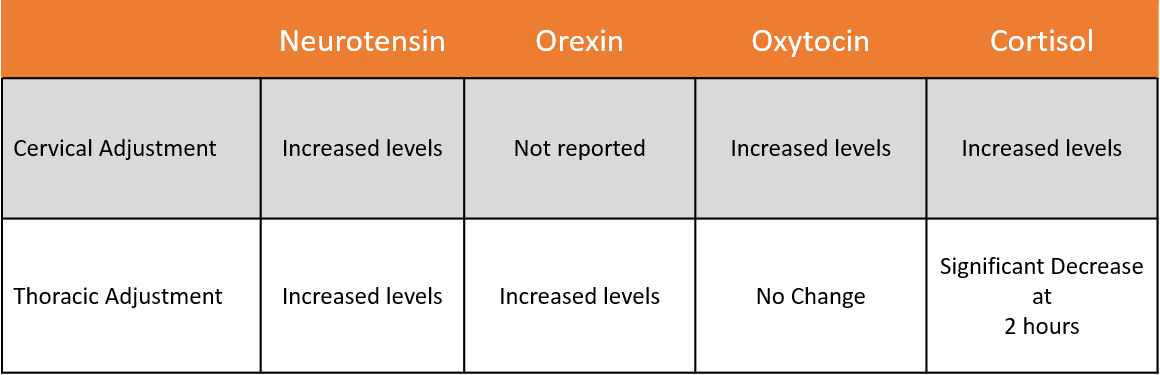
To understand what occurs after spinal manipulation or chiropractic adjustments, scientists at the University of Spain took 30 graduate students with no symptoms and assigned them to receive cervical adjustments, thoracic adjustments, or no manipulation at all. Blood samples were taken before the manipulation, immediately after it, and two hours later. The scientists sought to understand how hormones change in response to chiropractic adjustments.

What Did They Discover?

Scientists tracked four chemicals in the blood plasma: neurotensin, oxytocin, cortisol, and orexin. They found increases in neurotensin, oxytocin and cortisol when students received neck or cervical chiropractic adjustments. They also identified increased levels of neurotensin and orexin following thoracic or mid back chiropractic adjustments! Pretty cool huh?

hormone

Neurotensin plays a role in neutralizing pain and stress. In fact, many antipsychotic drugs are designed to increase neurotensin levels.

Decreased levels of neurotensin has also been linked to:

  • Schizophrenia
  • Gastrointestinal function
  • Cardiac function
  • Parkinson’s disease
  • Elevated blood pressure
  • Eating disorders
  • Alzheimer’s
  • Stroke
  • Inflammation

Cancer of the:

  • Colon
  • Lungs
  • Ovaries
  • Pancreas
  • Prostate
  • Bones
  • Brain

Oxytocin is the hormone that acts as a neurotransmitter in the brain. When levels are high, it helps you to bond with the people around you. Oxytocin levels are high when moms are giving birth, breastfeeding their babies, and when you kiss your loved ones. So when is the best time to get a hug from someone? Yup, right after an adjustment!

How Spinal Manipulation Changed Hormones

This study suggests that the descending inhibitory pathway mechanisms, or sensors of the spine may be mechanically stimulated during chiropractic adjustmetns. This tells you that the adjustment can cause definite increases in these neurotransmitters and hormones. The body interpreted the chiropractic manipulation as a mechanical force on the tissues that caused them to create the neuropeptides.

They also found that cervical manipulation (neck adjustments) increased levels of neuropeptides higher than thoracic manipulations (mid back).

Chiropractors Do More Than Crack Backs

The first Chiropractic adjustment, performed in 1895, helped restore a deaf janitor’s hearing in Davenport, Iowa. Twenty-three years later, Chiropractic was mostly notably utilized as a way to avoid acquiring or suffering fatal consequences from influenza during the flu pandemic of 1918. Millions of chiropractic patients receive nonmusculoskeletal benefits each week in chiropractic offices around the world from an adjustment. This particular study proved the clear connection between an adjustment and the hypothalamus, the part of the brain that directs neurotensin, oxytocin, and other hormones.

It is my goal to make sure that you understand why getting regular chiropractic care is so important. You are getting more than just a better range of motion or improving your alignment. When you get adjusted, you’re getting positive effects on the entire nervous system that are making widespread changes in your entire body. You’re literally getting a brain upgrade that helps your body run better overall.

Chiropractic works and now we know why it’s better than pain-killing drugs with side effects.

Reference:

Plaza-Manzano, G., et al. Changes in biochemical markers of pain perception and stress response after spinal manipulation. Journal Orthopaedic and Sports Physical Therapy 2014;44(4):231-9. doi: 10.2519/jospt.2014.4996.

Blood Test Reveals How Chiropractic Adjustments Improve Health2026-04-26T11:13:47-05:00

Rory Mcllroy and Every Elite Athlete Use Chiropractic to Maximize Performance And So Should You!

Whether it’s the Super Bowl or a scrimmage, the Masters or a practice round, a professional athlete’s health care team is always nearby. For a majority of them, that team includes a chiropractor. Athletes such as Aaron Rodgers, Vernon Davis, Phil Mickelson and Jordan Spieth view chiropractic as an essential part of their overall health and wellness routines. A recent Nike commercial with top golfer Rory Mcllroy showed a clip of him getting adjusted as part of his daily routine of sleeping well, eating well, exercising, and lifting weights. Chiropractic adjustments are no longer about neck and back pain, but performance and physical enhancement. Chiropractic adjustments improve all aspects of human performance by optimizing brain function and efficiency, and most top performers utilize its benefits on a regular basis to gain a performance edge.

Even though we are not all professional athletes for any particular sport- we most certainly are all athletes when it comes to life. Your body, by design and selection is athletic. Today many blue and white collar workers represent a growing population better known as occupational athletes. These employees view their positions like professional athletes, inspired to take better care of their body and perform at peak levels. I can guarantee that your body already deals with enough wear and tear without also dealing with a number of symptoms that plague us both in the home space and our workplace. A whopping 25% of the U.S. population between the ages of 18 to 44 experiences back pain. That number increases to 33% when evaluating people aged 45-64 who experience back or neck pain. 20% of Americans between 18 and 44 years of age experience headaches or migraines on a regular basis. The financial burden of back and neck pain escalated over the past 20 years. Pharmaceutical drug demand increased the cost of pills to the tune of 171% between 1997 and 2005. Back problems remain the second most significant cause of disability in the U.S., accounting for tens of billions in lost wages. Nothing reveals the need for Chiropractic more than the working class.

75% of the current workforce either sits in front of a computer screen or performs hard manual labor. Doing heavy labor or sitting for long periods of time puts extreme stress on the spine and central nervous system. A Chiropractor specifically analyzes the spine and nervous system for any interference that will most likely lead to an unwanted condition of pain or discomfort. Locating and correcting subluxations improves all aspects of human performance by improving the function of the brain. Science and research proved many times over that Chiropractic adds years to life and life to years.

A 2012 study looked at the results of workplace employees before and after implementing an on-site Chiropractic program offering Chiropractic spinal adjustments. Employees reported that the program proved extremely effective in reducing employee pain and disability. The application of Chiropractic care also lowered costs, absenteeism, drugs, hospitalization, and the need for physical therapy and medical care. Employee productivity improved and adjustments provided fast and convenient option for employees and employers to get the appropriate care they needed. Statistics clearly show the desperate need for all workers, just like high-performing athletes, to make Chiropractic care a part of their weekly routine.

Chiropractic improves performance and research continues to support why millions of elite athletes, occupational athletes and their families turn to Chiropractic to ensure better performance at work, at school, and at home.

Rory Mcllroy and Every Elite Athlete Use Chiropractic to Maximize Performance And So Should You!2026-04-26T11:13:47-05:00

Conquering Your Chasm

Most of us have had to do things we did not want to do as children. We were told to get out of bed to get ready for school, to eat vegetables we didn’t want to eat and do homework on subjects we didn’t like.  We were told to take showers, brush our teeth, clean our room and throw out the trash. This stuff went on for years until we finally leaped into the world on our own, fully capable of doing it all ourselves.

Today, we continue to do all sorts of things we don’t want to do, because we know they’re good for us. We pay taxes, clean up after ourselves, mow the grass, finish not so interesting work projects and go to family gatherings we’d rather skip. So how is it that when it comes to taking care of ourselves physically or mentally, people can’t seem to kick themselves in the butt to do what’s necessary? – even when it almost always makes us feel better.

HONOR HUMAN POTENTIAL

The fitness industry uses a whole lot of words to describe various concepts of health, but the essence is pretty simple: don’t eat crap, move correctly, move a lot and get enough sleep. Yet, there is a mental chasm that separates those who bear the title “athlete” from those who watch them on TV.

Part of the problem is understandable. The athletes we see on TV are peak performers who have spent that last several years or better part of their life honing their skills. The distance between the average beer-swilling couch surfer and the Olympic sprinter he just watched isn’t far reaching – it’s inconceivable.

BUT… in what other areas of our life do we set ourselves against such standards? We don’t tell our first-graders they should stop writing because they’ll never be Shakespeare. We take our kiddos to soccer practice fully understanding that they won’t be the next Messi. Every day we go to our jobs not having an expectation of ever becoming the CEO.

When someone looks at an athlete and says “I could never do that,” what they’re really saying is “I don’t want to put in the work that person did to get where they are.” The difference is not ability or talent; but desire. Sure, you may not have the level of athletic talent, desire or determination to win a super bowl title or write your own symphony, but does that make it OK to neglect yourself physically or mentally? Not Really!!!

Your body was undeniably built to walk, run, climb, lift, jump and build or create wonders of amazement. We have specific physiological adaptations such as enormous lungs and the ability to sweat all controlled by a brain that can produce chemicals that give us super-sauce all at the right moments. AND, all these mechanisms are really only relevant for athletic organisms. The human body is, by design and construction, an athletic artistic collection of successes. To neglect the required maintenance of this vessel is to deny its nature.

CHOOSE YOUR PATH

The reality is that everyone wants to be an athlete. I really don’t think that anyone wants to sit around, decaying prematurely, suppressing their artistic birthright. People don’t want to be weak or stiff or tired. People don’t want to have to take 12 medications or end up with a nurse cleaning their bottoms every night. People want to eat food without gaining weight. We want to sleep without breathing devices. We want to go to the grocery store and walk without a mobility scooter. We want to climb stairs and not get out of breath because of it. People don’t want to be miserable.

So why, why do we avoid what we so desperately need to be doing every day to not be miserable? Because we perceive the chasm. The illusion of where we are now and where we want to be. Because these people are convinced of their own inability to undertake any sort of training at all. Or if they did train, it would be so painful, and the progress so infinitesimal, as to not be worth the effort. So rather than sweating in some dungeon of a gym or hitting a glorious trail trying to chase down the body we were meant to have, we go to great lengths to justify rotting away on the sofa.

Then there are people who stand on the other side of the chasm who know it isn’t impassable, because we had to cross it ourselves. We had to do it of our own will and for our own reasons even though the same basic principles applied. Many of us didn’t even consider ourselves to be athletes to begin with. We changed our diet, little by little. We found ways to move ourselves that challenged and stimulated us mentally as well as physically. We had to prioritize sleep to make sure we had ample time to repair. We didn’t give up when it was hard, or when results were slow to come. We sweated, sacrificed, and gritted our teeth through every manner of discomfort, inconvenience and even embarrassment. We fell off the wagon and then got back on. Even though we saw the chasm too, we trained anyway.

END THE EXCUSES

The chasm is wide and deep and made up entirely of your excuses. It is jam-packed with your busy schedules, your bad knees, the weight you’ve put on since high school and even your children are blamed. The chasm is thick with your distaste for sweating and breathing hard, it smells of your fear of looking stupid and the self-defeating thoughts that tower over you. The chasm is every rationalization you’ve ever made for not doing what needs to be done to properly care for the only body you’ll ever, ever, ever have. It is the misguided modern notion that anything uncomfortable isn’t worth doing.

Everybody has that chasm, and everybody should be training in spite of it or even because of it. Find something you can do, then do it. Then do it a little more. And then go do something else. Take up cycling, yoga, weightlifting or even qi gong. Take a spinning class. Go for a hike and try to scale a small rock. Adapt your chosen activity to the skills and weaknesses you have and then stretch yourself.

If you start tomorrow, will you become the next iron man champion? Probably not. But I’d be willing to bet that it’s not your goal anyway. What I do know is that you’ll be a better you and I’m also pretty sure that being a better you is a goal. Being better is always on the table but It will not be easy, it will not be fast and it will decidedly be uncomfortable. You won’t be immediately impressed; so just stop with the expectation. In fact, you might even be horrified and disgusted with yourself; at least for a while. Train anyway. Train everyday. Train in some way to be better.

CONQUER YOUR CHASM

I’m going to ask that you do some homework. Get out a blank sheet of notebook paper and your #2 pencil or a pen and draw 3 columns.

  1. In the first column, write down all the things you wish you could do, if you were more fit.
  2. In the second, write the obstacles that are keeping you from getting there.
  3. In the third, write down how you’re going to get around them.

Do this and send it to me. Give it to your partner or ask a co-worker to hold you accountable. Do this and start tomorrow. Even if its small – you’ll still be a better you. If you do it again the next day, despite failure and pain, you’ll be better still. And if you keep doing it, consistently and intelligently, no one can tell you what you may achieve.

Maybe you’ll lose 100 pounds. Maybe you’ll rediscover a joy of cycling through the city or a park. Maybe you’ll run a mile or 30 miles. Maybe you will regain the dignity and confidence of youth or at least something you haven’t felt in too many years. But if you wait a week, you’ll wish you had started sooner.

So just start.

Conquering Your Chasm2026-04-26T11:13:47-05:00

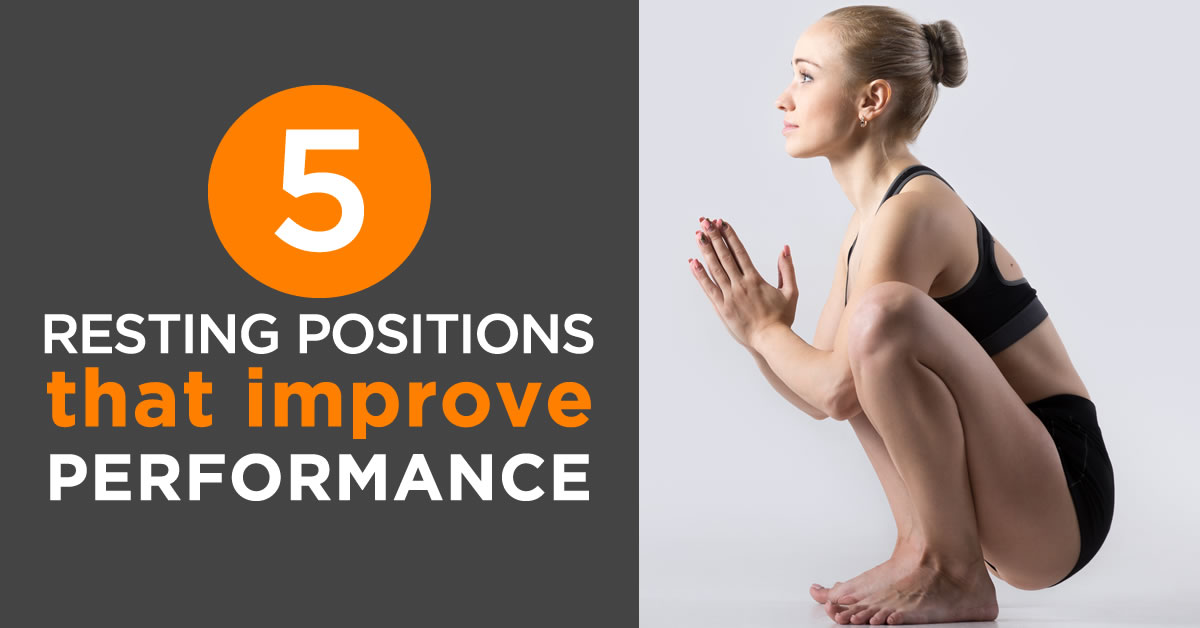
5 Resting Positions to Improve Performance

I can teach you all about rehab and mobility techniques, exercises that can improve endurance or strength, but the reality is, if you want to improve performance- you need to learn how to rest. There are two sides of fitness and performance – working OUT (exercise) and working IN (rest and recovery).

And just like any piece of high performance machinery, your body requires regular tune ups. The good news is that we all come upgraded with our own self-tuner (the brain), yet all the “self-tuning” depends on the type of daily programming (movement and stimulation of the spine) that many of our “tuners” are out of whack.

Your brain's ability to “self-tune” the body is directly related to the amount of lifting, pushing, pulling, running and jumping that you do on a daily basis. You are hardwired for it. And unfortunately, most of us have decided to spend our entire waking life in a chair, looking through an endless time sucking vacuum of a computer screen with the occasional break for smart phone screen snacks.

The Body Is a Self-Tuning Instrument

Over the last several hundred years our knowledge of structural and functional anatomy has taught us how complex the human body is. And like any complex system, it has developed self-correcting mechanisms over time. But when a system isn’t allowed to self-correct, problems arise. Individual elements become overused, and we see things like low back pain pop up like weeds. (http://www.bprclinrheum.com/article/S1521-6942%2810%2900088-4/abstract)

“These are natural positions for the human animal. If your body doesn't work the way a body should, movement will suffer.”

Complex systems crave variety. This is why doing the same exercises over and over is never a good thing for you. If you want your brain to work at its best; you need to push yourself; you need a bit of manageable disorder. Changing up your habits and patterns can have huge benefit for the health of a system. For the human system, something as simple as sitting on the floor can be just the change we need.

5 Resting Positions that Improve Performance

If you think about it… our entire course of history from evolution and development to the epic quests of conquering land and leaving the planet can be seen as a rise from the ground to vertical. Standing up. Rising. Planting our feet and pressing ourselves upward is the mission. What we haven’t explored, is how super-simple and effective it is to incorporate ground time in your day-to-day life to also improve performance.

I argue that floor sitting requires no additional time in your day and yes – you can do it at work. This practice requires no change in your day to day activities including: reading, eating, watching Netflix, typing up TPS reports or studying. Floor sitting integrates seamlessly into your time outside the gym with amazing benefits to joint health. Even miniscule changes in body position create a change in joint loading. (http://www.hindawi.com/journals/tswj/2012/184016/)

So let’s dig in and get grounded shall we? The next five resting positions I’m about to show you are called “archetypal postures” because they’re seen in cultures across the globe. They’re an inherent component of natural human rest. Hint: This means they’re likely genetically good for your auto-tuner (brain).

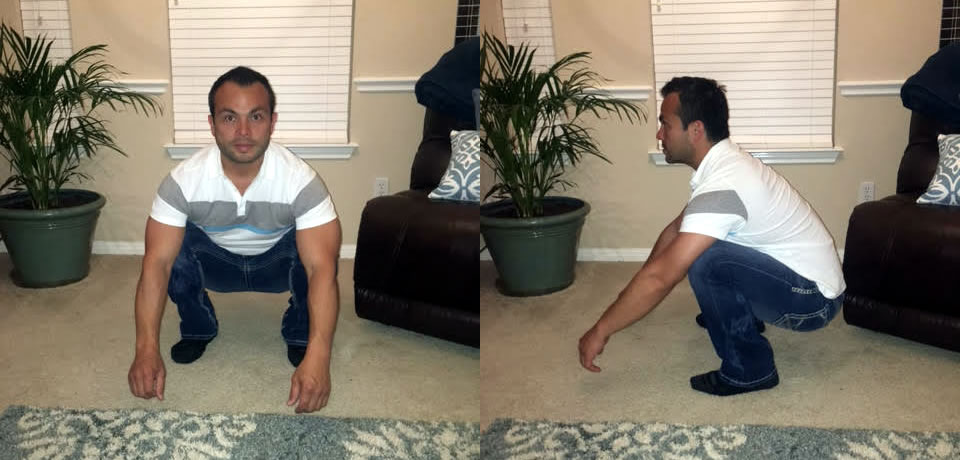
1. Squatting

Anyone who is my patient knows that I talk squats all the time. A squat is a fundamental building block of human movement. The full squat puts the legs in the unique position of triple flexion: flexing the ankles, knees, and hips. This brings length to some of the most overworked muscles in the body. Ideally the squat is done with feet facing forward, heels close to the ground, and knees tracking toes without collapsing into the arches of the feet.

This position may prove to be difficult for some of you if you’re out of practice, so approach it slowly. Of course, damaging pain (burning, tearing, shooting pain) is never a good sign. Start by easing into the position, using as much padding or propping with pillows as needed. You may need to hang on to an object for additional support. The key here is to give your body permission to release into the position. Be mindful of the small improvements you can make with ankle flexion, knee flexion and hip flexion, and you’ll find your squat getting better and better over time.

squatting

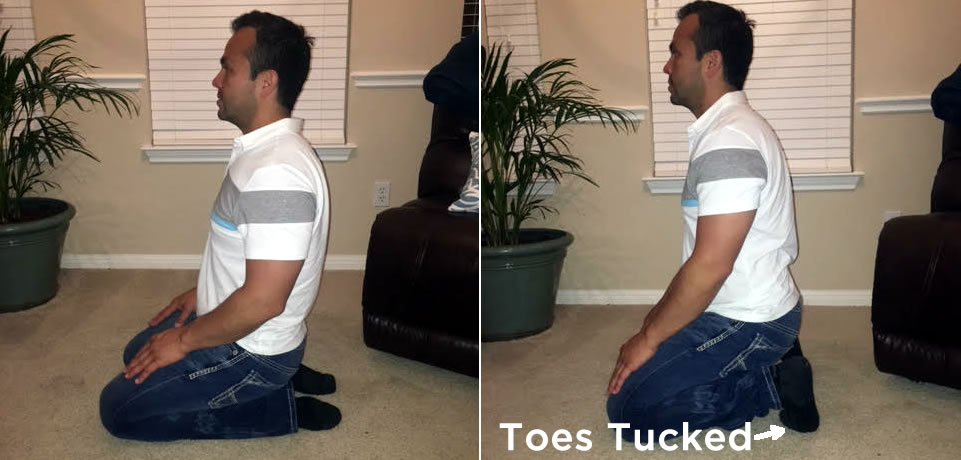
2. Kneeling

Kneeling gives the body a huge number of options to explore. You can kneel low or tall, with toes tucked under (to stretch your calves) or pointed behind you (to stretch your tibialis anterior). These positions are found fairly often outside of Western cultures, but again, if your body is unaccustomed to this range of motion or posture, you’ll have a relearning curve.

Some individuals will need padding under the butt to rest comfortably (particularly if the quads have excess tension cause you never foam roll like I ask you too!). If your knees are sensitive, make sure to pad beneath them as well. From kneeling, you can easily find the fold up position (or child’s pose) to bring more length to the back in global, whole-spine flexion.

kneelingaustinchiropractor

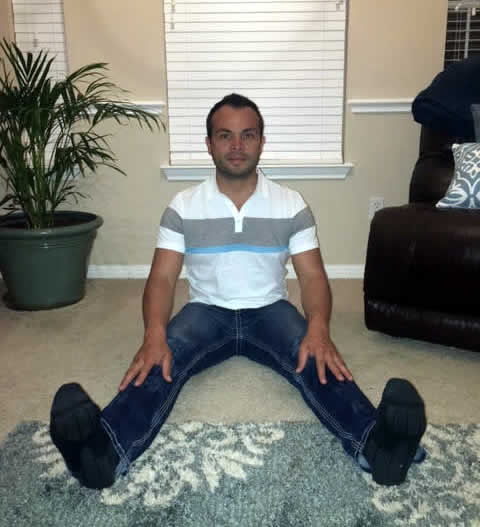
3. Long Sitting

sitting longThis is a great resting position to determine how much flexibility you have or don’t have. Ideally you should be sitting on your

ischial tuberosities, those bony bumps beneath the pelvis or in your butt.
Often people will find that they collapse here and rest on the tail bone. If this is the case, simply prop the pelvis a bit higher and let gravity do its thing. Explore this position with both legs out, or one leg tucked in.


4. Cross-Legged

crossedleggedThe prior positions are more linear and don’t take the hips into much rotation. It’s not uncommon for chair-bound individuals to have knees significantly elevated in this position.
So if you sit like this and you find that your knees are moving up: give the knees some support to release into. From cross-legged you may explore the tailor’s posture, with the soles of both feet together and knees out to the sides.


5. Side Sitting

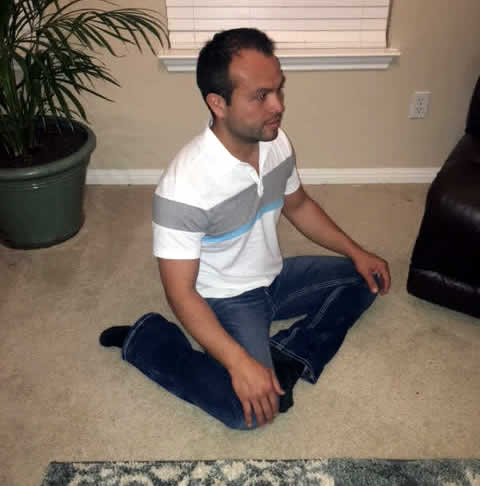
sidesittingThe last position we’ll cover here is side sitting. In this position, one hip is in internal rotation, while the other is in external rotation. This position may strain the knees if they are forced to compensate for overly tight hips.

Pay close attention to differences as you switch from one side to the other to determine what side you may need to work extra on.


In closing….

This is by no means an exhaustive list of resting positions, but it gives you a few things to sink your butt into. If your body doesn’t work the way a body should, movement will suffer. If your movement is suffering, then you need to do something about it- and it may include how you rest throughout the day. So it shouldn't be a surprise when I say that a simple way to improve your movement is to rest better. Use these resting positions to tap into the body’s natural ability to tune itself.

5 Resting Positions to Improve Performance2026-04-26T11:13:47-05:00

10 Reasons Children Should Get Chiropractic Adjustments

Increasingly, parents ask me why children should see a chiropractor or get chiropractic adjustments. It’s a great question and the answer is simple: the Brain.

If you are a parent interested in optimizing the development of your child’s brain, bodily function and health, then you should know that the majority of brain research now demonstrates that optimal movement and function of the spine is what keeps the brain healthy.

A Healthy Brain Comes From Having a Healthy Spine

If you could only pick one… Would you rather your child have a healthy spine or a healthy brain? Of course, you’d pick a healthy brain! And if that’s the case, then the ONE thing you need to protect and care for the rest of your life is your spine.

Some of the greatest neuroscientists in the world including Nobel prize laureates, medical doctors, physiologists and neuroanatomists have all concluded that 80% of baseline brain activity is due to movement sensors located in around our body.

So my next question is, where do you think the majority of these “movement sensors” are located?

The Spine.

Any and every medical student, anatomy, physiology, biology or neurology student has studied from either Jack Nolte, PhD or Arthur Guyton, PhD (both teachers and medical text book authors of Anatomy & Physiology). Both of these professors indicated in their medical textbooks that if the signals from the spine to the brain are eliminated, the brain would be incapable of functioning in a conscious manner and would actually approach a permanent state of coma.

So how important is taking care of the spine?

Well, if you knew that all the neurology necessary for brain health was running through your arm, you would focus all your attention on looking, examining and caring for your arm right? But its not.

All the neurology necessary for brain health runs through your spine. That’s why we care so much about it. That’s why we try to teach you to have better posture and to stretch and to hydrate. That’s why your children should see a chiropractor or get adjusted. Taking care of your spine is synonomous with taking care of your brain. 

The nervous system is the ‘Master Controller’

Your brain and spinal cord make up the master controller of your body and if its communication channels become fuzzy, distorted or damaged then we experience all sorts of communication errors. For babies and children, this ineffective communication can play out as colic or irritability, an inability to suckle and breastfeed, poor sleep patterns, developmental delays, digestive problems, asthma, behavioral issues, low energy, lack of concentration, and a whole host of other problems – the list is endless. In fact, regardless of what the end result or symptom may be, all roads to ‘optimal health’ lead back to the health and state of your spine and brain. Period.

While chiropractic may be able to help with a number of back and muscular issues, our focus is not treating or curing ailments of the back and muscles; our focus is ensuring the nervous system has every opportunity to work efficiently and effectively by having normal alignment of the spine and movement. Because movement and alignment help to generate the information necessary for your brain to function at 100%.

Can you drive at night with the lights out?

Imagine if your nervous system is like the lighting system in your car. If the lights start to dim, you might not be able to see very well, you may start swerving back and forth within the lane, you may cross the lane increasing your risk of injury; you’ll experience stress and anxiety. How the dim lights influence you precisely will vary but the issue is still the same – there is a communication problem between the wiring and the headlights which need detecting and fixing.

In the same way, chiropractors spend years studying the systems between your spine and brain to be able to detect and correct these ‘communication errors’ in the body.

Another question people ask…

How do little kids get nerve irritation or disturbances?

Nerve irritations (or vertebral subluxations) occur as a part of normal daily life. They result from physical, chemical and emotional stressors or ‘insults’ to our health, such as bad posture, prolonged postures, sleeping on our stomachs, knocks and falls, poor food choices, dehydration, exposure to chemicals and toxins, and stress and anxiety. Some research suggests that even before these lifestyle stressors have an impact, nerve irritation may occur in the uterus from awkward positioning, restriction of movement, and exposure to toxins. Subluxations or nerve irritation may also occur from birth complications such as long labours, very fast labours, forceps or caesarean delivery and even the use of prescription drugs over the course of pregnancy and during labor.

While research to support how effective chiropractic for children is not yet extensive, parental satisfaction with results achieved is compelling in its own right.

While more research into the benefits of chiropractic for babies and children is needed, chiropractic for children has been shown to be gentle, safe and effective. Babies can be checked by chiropractors very soon after birth and special techniques have been developed to carefully correct any subluxated areas.

When we appreciate how the nervous system may be hindered and impaired it makes sense why more parents are having their child’s spine and nervous system assessed.

Here are 10 solid reasons why parents have brought their kiddos to our office:

  1. To encourage good neural plasticity (brain and nerve development).
  2. To support their child’s overall health and wellbeing.
  3. To help strengthen their child’s immunity and potentially reduce the incidence of colds, ear-aches and general illness.
  4. To assist with colic and Irritable Baby Syndrome.
  5. To help with asthma, breathing difficulties and allergies.
  6. To encourage good spinal posture.
  7. To help improve their child’s ability to concentrate.
  8. To assist with behavioral disorders.
  9. To help alleviate digestive problems.
  10. To assist with bed-wetting and sleep issues.

Your child’s health is their greatest asset. Your child's brain is what controls their health and the spine is a major influence on the brains ability to do this.

In our household we utilize the skills and knowledge of natural medicine practitioners, chiropractors (obviously) and wellness-oriented physicians. We seek out the best, safest and least damaging practices to build health. And I can say with certainty that my children are healthier than 90% of the children out there because of it. I urge you to explore all possibilities you have to strengthen your child’s health.

For more information about improving your child’s nervous system function and general health, please contact our office at 512-347-8881, send us an email to info@familyhealthchiropractic.com or click the “schedule appointment button”

10 Reasons Children Should Get Chiropractic Adjustments2026-04-26T11:13:47-05:00

Just 1 Chiropractic Adjustment was Just as Good as 3 Weeks of Strength Training

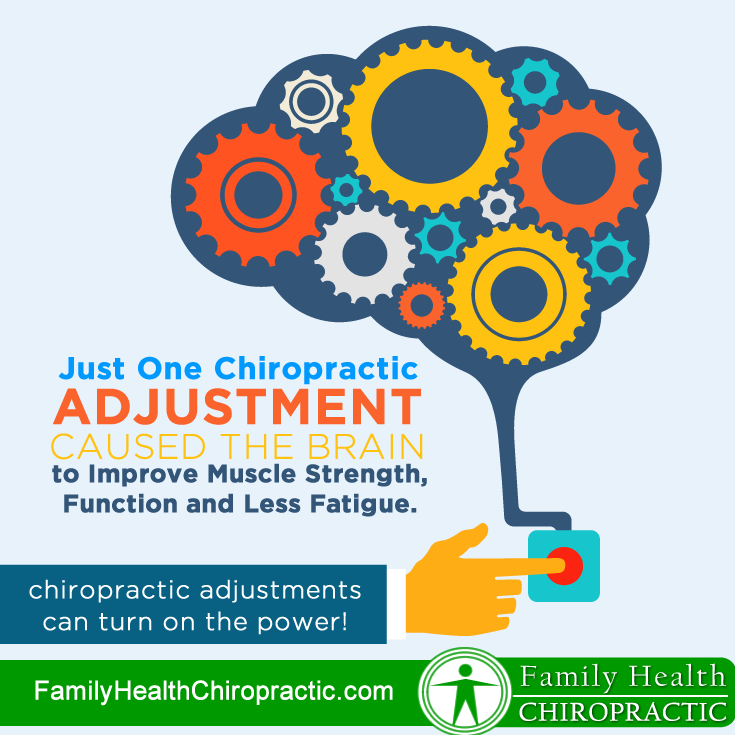
A study published in Experimental Brain Research in January of 2015 demonstrated that Chiropracic care can increase strength, decrease fatigue and improve the brain’s ability to drive muscles to enhance performance.

This particular study is groundbreaking because it demonstrates how chiropractic is more about THE BRAIN and NOT YOUR PAIN! Once again, only getting Chiropractic adjustments when you hurt is like waiting for a heart attack or stroke until you decide to get your heart checked. It’s just dumb and the science has proven it over and over again.

Over the last decade, scientists have demonstrated that spinal manipulation or Chiropractic Adjustments can change various aspects of nervous system function, including muscle reflexes, cognitive processing, reaction time, and the speed at which your brain processes information.

In this latest study, a New Zealand research group hypothesized that Subluxations (found and corrected by chiropractors) results in altered signals and communication to the central nervous system (CNS) ultimately changing how the brain relays information back to the body. This processing (i.e., sensorimotor integration) is a central nervous system (CNS) function that appears most vulnerable to miscommunication.

Many studies show that chiropractic adjustments result in changes to sensorimotor integration within the central nervous system. But do these changes correlate with beneficial clinical outcomes?

Apparently so.

What the researchers found was that a single chiropractic adjustment resulted in greater strength, muscle function and less fatigue than the control groups. One of the lead scientists went on to say that when chiropractors adjust subluxations, they change the way the brain processes what’s going on in the body; ultimately allowing the brain to control the body better.

The study specifially showed:

  • an increase of almost 60% in the electrical activity readings from specifically targeted muscles
  • a 16% increase in absolute force measures
  • a 45% increase in the drive from their brain to their muscle

Another interesting finding was that of comparing a chiropractic adjustment to people who strength trained for 3 weeks. What they found was that the results were almost identical to three weeks of strength training for participants.

These are compelling research outcomes which backup what chiropractors and people under chiropractic care already know: that people function better with chiropractic care regardless of pain decreasing or not.

The point here is that you should get your chiropractic adjustments as often as possible, not simply because you hurt, but because it’s a vital nutrient that your brain can use to operate your body in a better way.

Reference: Niazi IK, Türker KS, Flavel S, Kinget M, Duehr J, Haavik H. Changes in H-reflex and V-waves following spinal manipulation. Exp Brain Res

Just 1 Chiropractic Adjustment was Just as Good as 3 Weeks of Strength Training2026-04-26T11:13:47-05:00

How to High 5 Your Brain for Happiness & Health

This week I want you to try to incorporate these 5 mental floss techniques that will help you to feel great, both physically and mentally. Some of you will read these 5 tips and think they’re way too simple to make a big difference for your health, movement, injury rate, or experience of pain.

So let me be blunt: get over yourself.

Most people need to read and re-read these 5 mental floss tips and actually do them every single day!

#1. Laugh. More.

Laughing is certainly the best medicine. You need to laugh every single day. And I mean really laugh. Humor is infectious. The sound of roaring laughter is far more contagious than any cough, sniffle, or sneeze. When laughter is shared, it binds people together and increases happiness and intimacy. Laughter also triggers healthy physical changes in the body. Laughter relaxes the whole body, triggers the release of endorphins, relieves stress, improves mood, and just makes you feel good. And I don’t think I need to discuss how bad stress is for your body, both physically and mentally.

Try this:

  • Watch a funny movie or TV show.
  • Go to a comedy club.
  • Seek out and hang with funny people.
  • Share a good joke or a funny story.
  • Host game night with friends.
  • Play with a pet.
  • Goof around with children.
  • Do something silly or spontaneous.

#2. Train With Friends

Working out has countless positive effects on our lives. And working out with friends or a small community just expands on the benefits. So challenge yourself on melding the two together. Go to a gym that is a community, somewhere you love going and being and make friends. We all know that it can be pretty hard finishing a strenuous workout on your own. Especially in the cold and dark time of the year. Training with a partner (both male or female), however, opens up a whole new range of possibilities for motivation.

Try this:

  • Start a walking group with personal friends
  • Make a friend at your local gym or training facility
  • Join a running club
  • Seek out people better than you at a certain sport and ask them for help

#3. Break The Electronic OCD Loop

Do you ever find yourself checking the same websites over and over, even though you were just on them moments before? Have you noticed that the second your phone makes a noise you have to grab it and see what’s going on? And when you do, you instantly go into robot mode and check all the “usual” sites and click all the “usual” buttons that you do?

Thanks to powerful mobile devices and social media, we live in a super connected world. I am the first to admit that I couldn’t live without my phone. But when you get in this loop, it can be difficult to have good, productive, consistent thought patterns.

This electronic OCD loop can also lead to fatigue, stress, and anxiety. You’ll find you feel “busy” all day, even though you have nothing to show for it. Once you are distracted by something like an email popping up on your phone, it can take up to 4-5 minutes to re-focus on your first task. That’s a lot of time lost if you add up all of the emails you check in a day.

So how can you decrease this stress and become more productive? The answer is simple, but perhaps not easy if you are in the habit of constant checking.

Try this:

  • Turn off the alerts on your smartphone.
  • Check your emails at preset times: every 3 hours, or once a day.
  • Preset social media breaks into your workday so these distractions don’t interfere with your productive thoughts while you are working.
  • Don’t accept phone calls or respond to text messages every single moment of the day.
  • Activate airplane mode when you’re working on something
  • Leave your phone in your car or in your bag and not right in front of you

#4. Stop Sitting So Much. No Seriously, Stop it!

We’ve all heard the headlines, and I’ve certainly written on the topic before – sitting is the new smoking. It sucks the life out of you. Studies show a huge number of negative physical and mental health effects of extended periods of sitting. Something as simple as sitting less can make you feel better both physically and mentally.

I realize this is easier said than done, especially for those of you who are chained to a desk for long hours each day.

Consider these simple, positive steps you can take:

  • Use a desk that converts from sitting to standing.
    Get up for frequent breaks.
    Stand during meetings.
    Walk around the office when you talk on the phone.

#5. Do Daily Mobility Work

This one is simple. Grab a foam roller, lacrosse ball, or a piece of PVC pipe you have laying around and spend five minutes a day doing some soft tissue work. If you have problem areas, focus on them. It may feel uncomfortable as you do it, but you usually finish feeling much better than when you started.

Try this:

  • Start foam rolling. Something. Anything.
  • Perform straight leg swings throughout the day. Simply hold something while standing and swing your legs out in front of you or try walking and swinging your legs in front to touch your toes.
  • Do pushups every 3-4 hours
  • When you see a bar or something that you can hang from, get your butt up and hang for a few minutes.
How to High 5 Your Brain for Happiness & Health2026-04-26T11:13:47-05:00

Chiropractic Adjustments Result in Better Births

Proper alignment and spinal motion allow required information to flow freely between the brain and the body. The nervous system regulates bodily health and the concept of optimal function within the system drives home the importance of every man, woman, and child caring for their spine and posture from birth until death. Chiropractic provides immense benefits to mother and child beginning with pregnancy and continuing through labor and delivery. No stronger bond exists than that between mother and child and that relationship begins with the opportunity for vibrant health for new life from the moment of conception.

Every mother and doctor imagines a pregnancy and delivery free from fear and worry. Research published in 2012 showed that women receiving spinal adjustive care during pregnancy experienced a decreased likelihood of having a preterm baby, decreased use of forceps during delivery, decreased probability of meconium-stained amniotic fluid, decreased fluid overload, decreased low back pain, decreased carpal tunnel syndrome, and decreased duration of labor. No pill or drug provides health driven birth preparation like the priceless power that exists within the body being unlocked through Chiropractic adjustments.


Chiropractors began advocating the benefits of adjustments for pregnant women over the last thirty years. Most obstetricians and pediatricians still remain unaware of the benefits and safety that come with Chiropractic care for women before, during, and after pregnancy.

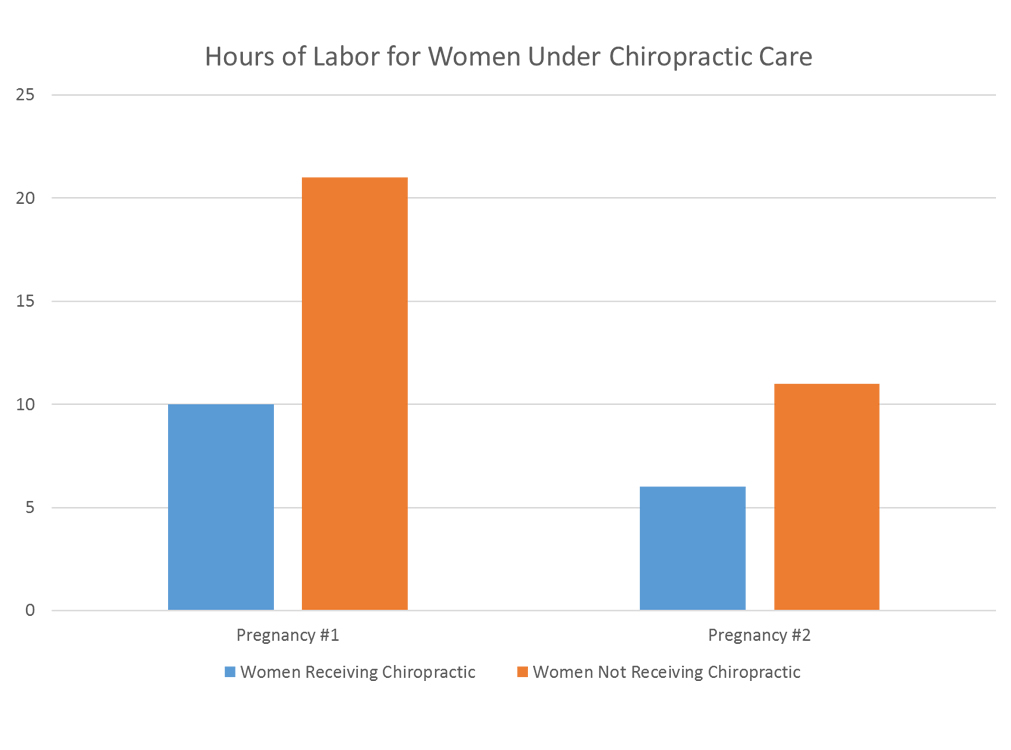
A study involving 223 women showed the average labor time for first-time mothers concluded at 21 hours. Labor time decreased from 21 hours to approximately ten hours for women receiving spinal adjustive care. The same 223 women again participated in the study during their second pregnancy. The mothers who did not receive spinal adjustments averaged labor times of approximately 11 hours and 41 minutes. The second time mothers under spinal adjustment care experienced an average labor time of just 6 hours and 19 minutes. The similar study repeated these conditions a second time with similar results.hours of labor

The structure within the body directs function of the systems within the body. The benefits of a healthy spine manifest through improve organ and hormone health. High functioning organs and hormones contribute directly to pregnant women under Chiropractic care experiencing healthier pregnancies with less labor time and less need for intervention. Every Chiropractic office accepts the responsibility of educating current and future parents regarding the benefits that can be achieved through gentle and safe Chiropractic adjustments. Awareness and education contribute essential steps along the mission to improve infant and women’s health around the world. Each satisfied patient delivering their Chiropractic success story into their community brings the whole world closer to a healthier tomorrow. 

Chiropractic Adjustments Result in Better Births2026-04-26T11:13:47-05:00

5 Exercises that Reverse Faulty Posture

There are 5 fundamental posture exercises that I like discussing in detail with patients. However, having a busy practice I know it's hard for you to remember all the cues and tidbits of information I may discuss, so here is the low down on how to say upright and repair faulty posture!

The five exercises we will cover include:
Static Back
Static Wall
Sitting Floor
Air Bench
Standing Wall

*If you are not a patient of mine then please use your best judgement and choose the exercises that are best for your body at this time. If an exercise causes pain or discomfort (specifically burning, tearing or shooting), discontinue that exercise and refer to the modifications and progressions listed below.

Let’s get started.

The Static Back Exercise

static-back


Purpose: During the day, sitting causes our shoulders to roll forward and back muscles to get tight. The Static Back exercise places the shoulders in the same plane as the hips and allows the muscles of the low back to release gradually and passively using body weight and gravity. This exercise also engages the hip flexors and encourages thoracic extension. In other words, your upper back will begin to open up against the flat surface of the floor (reversing slouched posture). Finally, if you allow your head to rest in line with the shoulders and hips, the muscles of the neck and jaw will also begin to release. So avoid chewing gum and texting during the Static Back exercise.

Instructions:

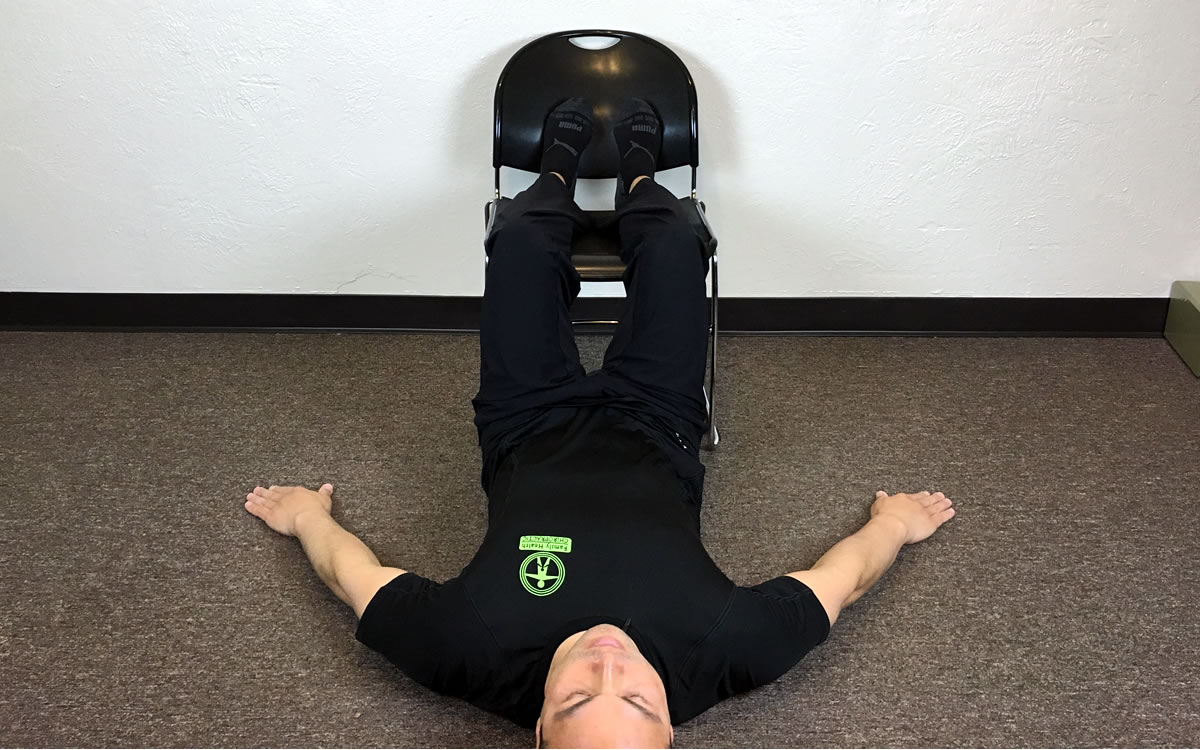
  1. Lie on your back with your legs up over a block or chair. Keep your knees and hips at 90 degrees.
  2. Place your arms at your sides at either 45 degrees to your body.
  3. Take deep full breaths and just relax.
  4. Stay here until you feel your low back and hips settle evenly into the floor. This may take 5 minutes or even longer.

Note: If you have been in the Static Back position for ten minutes and your low back and hips are still not even on the floor, try the other exercises included in this article first before returning to Static Back. Sometimes different areas of the body need to be activated or released before the body is ready to ‘let go’ and settle into a neutral position.

static-back-side


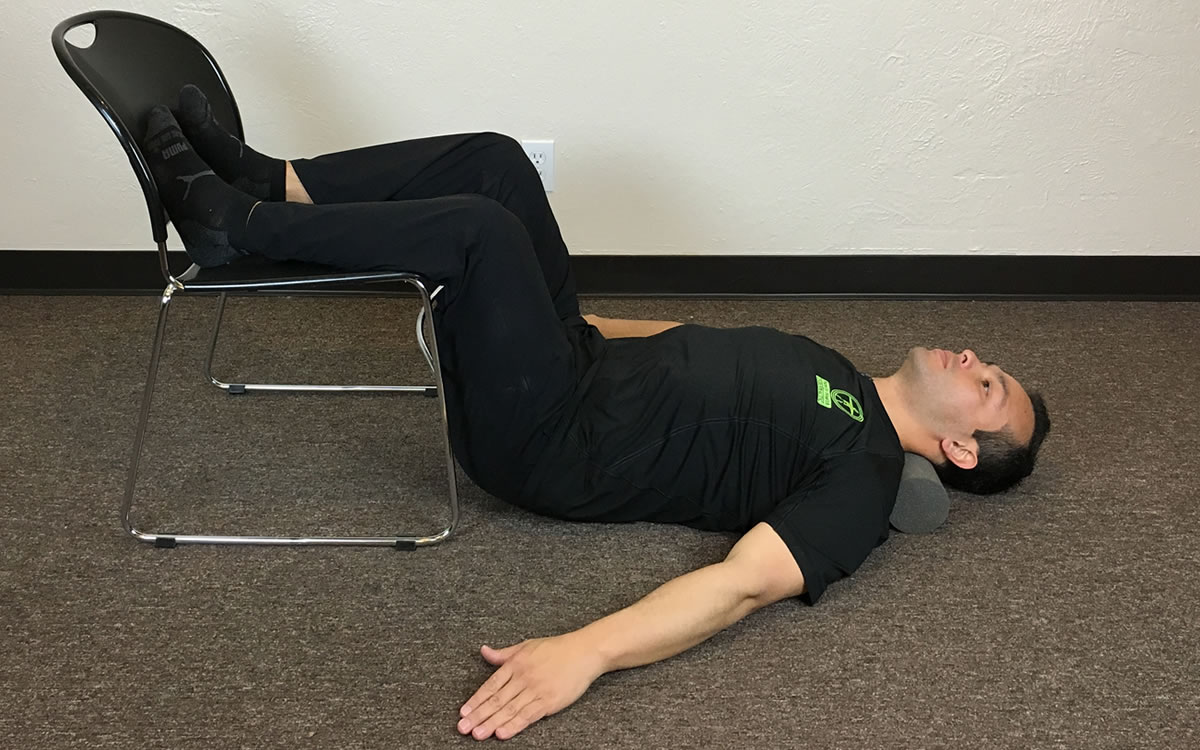
Modification: If you notice that your head does not easily or comfortably come down to the floor, or if your chin is tilted up and back, then place a folded towel under your neck and head for support. Elevating your head will place your head and neck in a neutral position and allow the neck and thoracic spine to release. The goal is to gradually be able to lower your head all the way to the floor.

Additional Notes: Keep your arms somewhere between 45 degrees and shoulder height so the shoulder joints into a neutral position. Your scapula should lie flat on the floor, and the shoulders should not be rotated up off the floor. Find the arm position that allows for the most neutral shoulder position. If your shoulders remain rotated off the floor, then stay here in Static Back for 10 minutes and observe as gravity and your own body weight bring your shoulders closer to the floor.

Do not retract your shoulders and actively try to force these changes to happen. The Static Back exercise is intended to be a passive release that leads to changes in muscle tension and alignment.

If you have an excessively rounded thoracic back (humped posture) and protracted or internally rotated shoulders, you may want to begin Static Back with your palms down as a way to get into position, and gradually work towards having your palms facing up.

If your knees and feet fall apart while you are in Static Back, you will not get the full benefit of the exercise. To troubleshoot this problem, check your body positioning. This problem is likely to happen if your legs are too low. Try adding a pillow or a folded blanket to the surface that your legs are resting on. Once you relax, your knees and feet can fall apart slightly, but they should remain pretty close to hip-width distance apart.

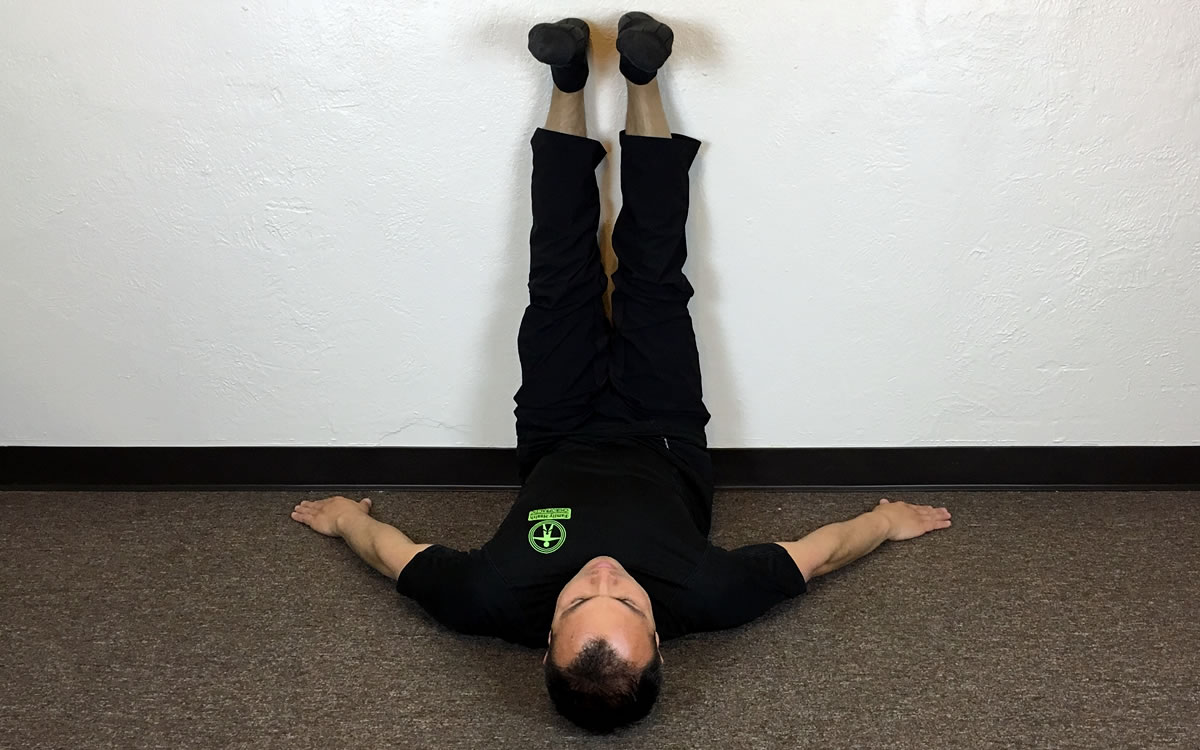
The Static Wall Exercise

static-wall

Purpose: The Static Wall promotes thoracic extension. This exercise is more aggressive than the static wall because it lengthens the entire posterior chain or muscles on the lower backside of your body.

During sitting positions, the front side posture muscles of the lower leg (shins and thighs) stop working; this exercise will correct for that. For this reason, it is critical that you keep your thighs tight by contracting your quads and that you keep your feet pulled back, which will contract the muscles of the shin.

Instructions:

  1. Start by getting on the floor with your hips as close as possible to a wall.
  2. Place your back on the floor and bring your legs up the wall with your butt as close to the wall as possible.
  3. Lie on your back with your legs pointed straight up and against the wall, upper body relaxed with arms out to sides at about 45 degrees. Your feet should be hip-width apart, which is about one and a half fist widths apart. If your hips lift off the floor, then scoot your butt back until you are able to place your hips flat on the floor. As you become more functional, your hips will sit closer to the wall and be flat on the floor at the same time.
  4. Hold for 2-4 minutes.

In this position, tighten your thighs and pull all of your toes down and back evenly towards your face. Your feet must be pointed straight (parallel) for your hips to properly do the needed work to stabilize your spine. Be sure to keep your toes pulled back and thighs tight.

Modifications: If your tailbone does not rest flat on the floor, scoot back until your tailbone is flat. If you are so tight that you simply cannot pull your toes back and keep your tailbone flat even after scooting back 6-12 inches, then you will need to do some more spine and pelvic extension work before you return to this exercise.

Additional Info: The most commonly made mistake in Static Wall is improper foot and ankle positioning. In order to get the full benefit of Static Wall, your feet must be pulled back evenly and must be pointing straight out from the wall. Improper foot and ankle positioning in Static Wall (shown on the left) is characterized by feet that turn out and pinky toes that are higher than the big toes.

To find the correct foot/ankle position for Static Wall, first get into position on the floor with your legs up the wall. Spread your heels one and a half fist widths apart (any wider than this will be wider than hip-width and thus too wide). Pull your feet back, and pull down from the pinky side of your foot. Keep that outer edge of your foot pulled back. Then internally rotate your legs until your feet point straight back from the wall.

Simply getting into the proper foot/ankle position for Static Wall can be a huge effort for many, but taking the time to nail this position will make or break this exercise. It is better to perform Static Wall with the correct positioning for a shorter period of time than to do it incorrectly for a longer period of time.

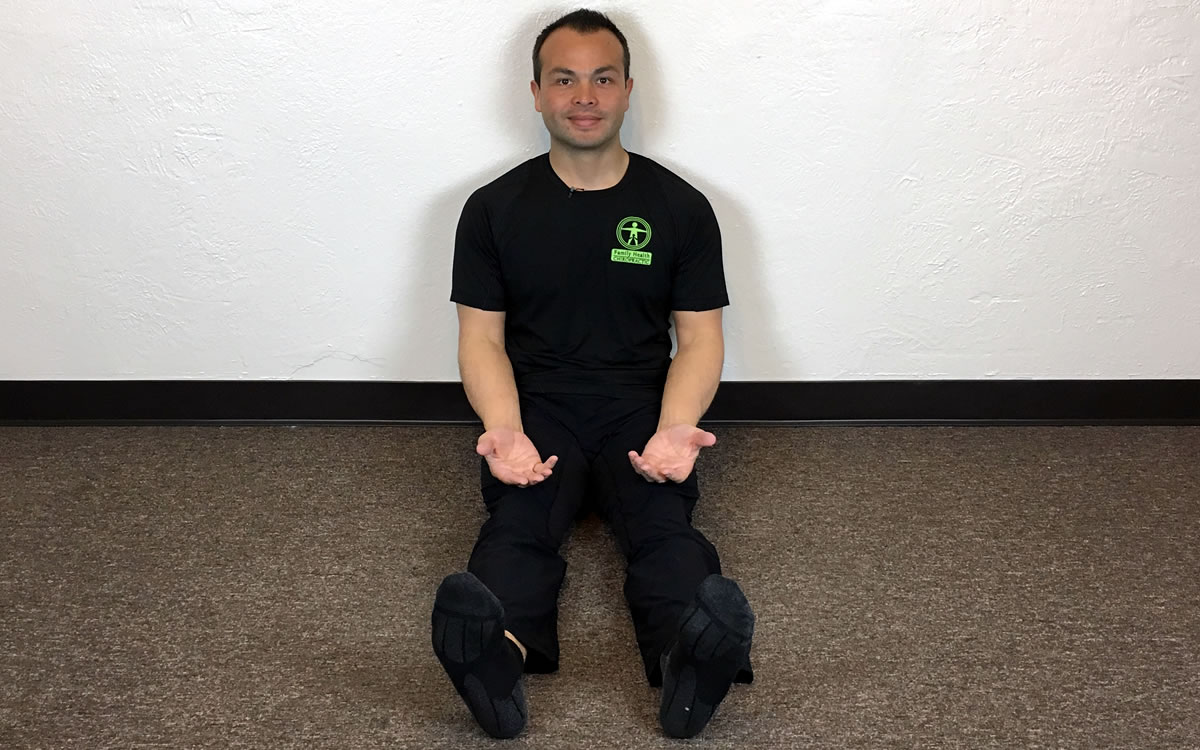
The Sitting Floor Exercise

sitting-floor

Purpose: This is a great exercise for the muscles of the upper back and shoulders. These are the muscles that literally hold you upright! This exercise also engages the anterior (front side) posture muscles of the legs (shins and thighs) which typically stop functioning properly when you spend a lot of time sitting. So make sure that you keep your thighs tight (contract your quads) and feet pulled back (which will contract shin muscles)!

If you're feeling like challenging yourself, see if you can get your heels to pop off the floor by fully extending the knees and tightening the quads.

Instructions:

  1. Sit against a wall with your legs straight out in front of you. Your buttocks and upper back should be against the wall the entire time.
  2. Squeeze your shoulder blades together and down and hold. Tighten the thighs and flex the feet back so that your toes are pointing back toward you. The key points here are to keep your shoulder blades pulled together, your thighs tight, and your feet flexed back.
  3. Hold for 1 – 3 minutes.

Modification: If you cannot sit with your hips all the way back to the wall, then start with Static Back and Static Wall only as this exercise is a progression from the two.

Additional Info: So many of you have internally rotated shoulders and rounded backs that it prevents your scapula from coming together. If you find that you have to lift your sternum or chest or arch your back excessively- you are cheating!

If this is the case, then drop your sternum and rib cage to place your low back flat against the wall. Then pull your shoulder blades down and together. You can have a small arch in your low back, but not while simultaneously lifting the rib cage. Once in this position, tuck your chin and breathe deeply for the duration of the exercise.

Warning: This particular exercise requires a lot of effort. There are many systems working together here so have patients and focus on constantly scanning your body to make sure you're hitting all the points: feet pulled back, thighs tight, rib cage neutral, shoulders back and down, chin tucked, breathe!

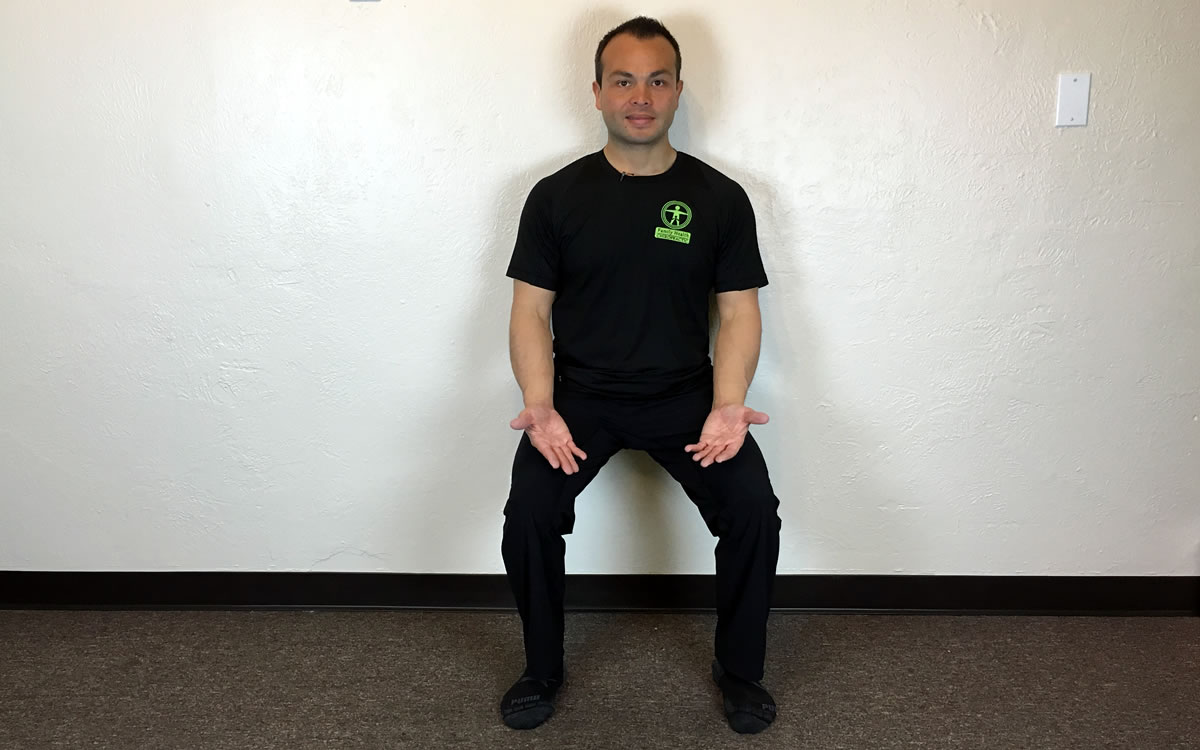
The Air Bench Exercise

air bench

Purpose: This exercise helps to reduce rotation of the pelvis. How many of you have a rotated hip? Everyone. Make sure that your feet, knees and hips are all even for this move. Check to see if one knee juts out in front of the other. If that's the case, then your pelvis is rotated while you are in Air Bench, which will hinder the benefits of the exercise. Push your pelvis back into the wall equally on both sides until your knees are in the same plane, then begin your timer.

The Air Bench will also ‘reset’ your pelvis and low back. So it's important your low back is flat against the wall for the duration of the exercise. This will allow your low back muscles to relax.

Do not worry about keeping your shoulders and head back at first. In fact, feel free to slouch in order to get your low back and hips even against the wall. Once you can maintain this position for 1 minute with your low back flat, then start working on bringing your shoulders and head back to meet the wall while maintaining a flat spine.

The goal here is to not hold the air bench for a long time, but to perform the exercise properly in order to have a positive impact on posture and muscle function.

Instructions:

Stand with your back against a wall with feet and knees hip-width apart and feet pointed straight. You should have one and a half fist widths between your ankles and knees.

Walk your feet away from the wall while sliding your body down at the same time. You will be “seated” in an invisible chair, with your knees bent to 105 degrees. Your hips should be just slightly higher than your knees; your ankles should be slightly ahead of your knees. Your low back should be completely flat against the wall. Your arms can hang down to your sides, or rest gently on your lap.

Hold for 30 seconds to start, then work up to 2 minutes.

Keep the weight in your heels, and do not press forward on your toes. In order to avoid slipping, be sure to do this exercise wearing shoes or standing on a non-slip surface, such as a yoga mat.

Modifications:

If this exercise hurts your knees, try bringing your hips up higher and make sure that your ankles are out in front of your knees. Also make sure that your ankles, knees, and hips are aligned. Once you get into position, you should begin to feel the work happening evenly in both quads. If the knee pain persists, then try Static Back, Static Wall, and Sitting Floor first. Return to Air Bench when you feel you are ready.

Additional Info:

The most common mistake I see with Air Bench is improperly aligned ankles, knees, and hips. Keep everything in line and you'll be fine :)

The Standing Wall Exercise

standing-wall

Purpose:  The Standing Wall Exercise is my go to “Posture Training” exercise. This one move can improve proper vertical alignment of the 8 major load bearing joints: the shoulders, hips, knees and ankles. Additionally, posture muscles from the feet all the way up to the neck are getting a workout. In fact, most of my new patients will say that they can feel pain in their back when doing this one move. That's how DE-conditioned our posture muscles have become.

Instructions:

  1. When possible, do this exercise barefoot.
  2. Stand against a wall with your feet pointed straight ahead and hip-width apart. This means you should have a fist and a half width between your heels, and your feet should be slightly turned in.
  3. Stand with your heels, hips, and shoulders touching the wall. Your head should be in a comfortable position so that your eyes are looking straight ahead to the horizon. In many instances, when people try to put their head against the wall they end up looking up at the ceiling because their neck is under stress.
  4. In this exercise your head will go back to the wall eventually as the upper back changes position. Relax your stomach and your arms and allow your body to adjust to this new position. Remember to keep your feet pointed straight ahead and your stomach relaxed throughout the exercise.
  5. Hold for 2-3 minutes.

Modification: If you are not able to stand with your heels touching the wall, try starting with your heels 2-3 inches away from the wall and gradually progress yourself to heel-to-wall.

Additional Info: For an added challenge, bring the backs of your hands to the wall with your fingers spread wide and your arms at 45 degrees to your body for the duration of this exercise. This will work the muscles of your upper back and shoulders.

Now Do It Every Day

I recommend working these exercises into your daily routine. The forces of gravity are constant, and we just don’t move enough in our day-to-day lives to maintain the full functionality of our bodies. If done correctly, these exercises will help to restore proper joint alignment and posture!

5 Exercises that Reverse Faulty Posture2026-04-26T11:13:48-05:00
Go to Top