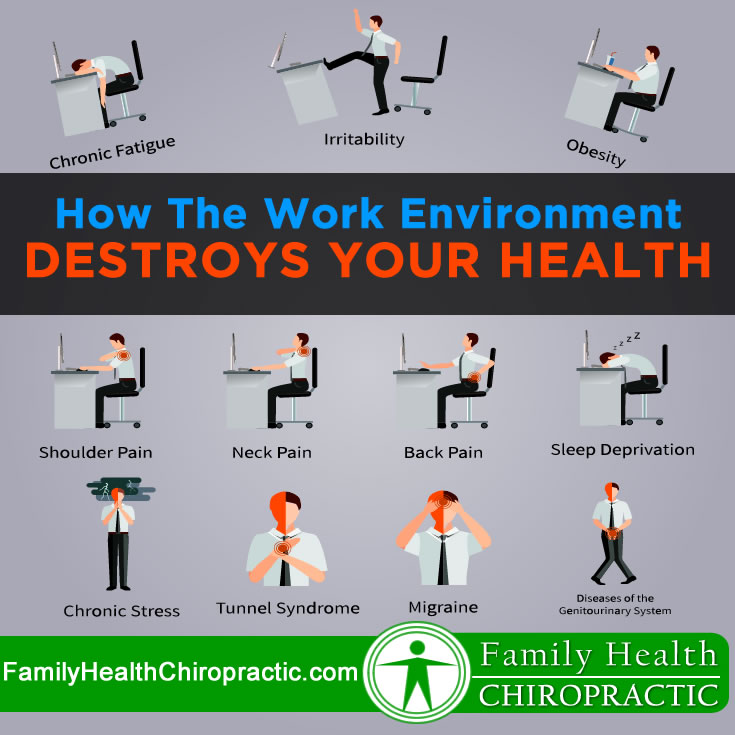
How The Work Environment Destroys Health
Stress, long hours sitting in front of a screen, and the sedentary nature of your modern office job are literally sucking the life out of you. Many of us have tight deadlines, bad food habits, lack of sunlight and plenty of other things that contribute to poor health status – work is definitely a major contributor.
From the printer to your keyboard, the dangers presented in a typical work setting can have real effects on your physical well-being and mental health.
Sitting all day shaves years off your life.
Sitting all day shaves years off your life. That's a fact. We now know that sitting for lengthy periods of time is just terrible for your body. But the aches and pains are the least of your problems — sitting too much can lead to early death because of metabolic factors that increase your chances of developing obesity, diabetes, cancer, heart disease and more. Scientists also determined that working out is not a way to offset the dangers of sitting!!!
Around 86% of American workers sit all day at work. And the majority of workers end up slouching. If your job requires you to sit most of the day, you need to become aware of your sitting posture and correct it. Failure to do so is resulting in neck and back pain as well as other joint related ailments.
Solution: Besides being better aware of your posture as you’re sitting at your desk, getting regular exercise, performing range of motion movements and getting frequent chiropractic adjustments will help.
Regularly eating fast food for lunch will increase your risk of heart disease.
Let's face it. Most office-folk go out for an unhealthy lunch pretty regularly — some more than others — but even the occasional indulgence has negative effects. A portion of fast food usually has around double the calories to another similar food of the same size, and they have a lot of oxidized fat, which increases the risk of heart disease.
Did you know that the amount of transfat in just 1 torilla chip from Chuy's can continue to cause damage to your body for 102 days? That's because Trans fat has a half-life of 51 days. This means, if you eat food that has trans fat or partially hydrogenated oil, normal brain and nervous system fat will be compromised for 102 days, which is the half-life multiplied by two.
Solution: If you bring some healthy snacks to work, you do not have to eat fast food to suppress your hunger pangs. Some of the healthy snacks that you can bring include unsalted mixed nuts, fruits, raisins, prunes, granola bars, beef jerky and of course veggie sticks or cut vegetables.
Motivational meetings can actually be depressing.
In order to get workers excited about working towards a company's mission, employers may host team-building exercises or motivational meetings. But research has shown that forcing people to feel positive for something they're unsure about can actually “highlight how unhappy they are” and, ultimately, will make them even more depressed.
Solution: Work on cultivating happiness and not waiting for it to show up. We are all brought up thinking that happiness is something that just happens. We now know that it needs to be cultivated. Seek out activities that make you happy and then create a plan to make them a regular occurrence.
Over-exposure to printers and photocopiers has been linked to lung disease.
Photocopiers are a source of potentially deadly ozone if the filter isn't periodically changed, and even small amounts can cause chest pain and irritation. Laser printers do, too, along with toner particles that can get in your lungs and blood stream, which could lead to lung disease and other ailments.
Solution: Make sure the office is well-ventilated with air from the outside or ask for an air filter to be placed next to the main printer. If possible, locate heavily-used printers in well-ventilated areas, away from people. Avoid standing over the printer as it prints and if you are sitting next to a heavily-used printer, consider asking for it to be moved. People with asthma or heart disease would be best advised not to sit near busy printers as well!
Working for more than 10 hours per day may lead to a heart attack.
European researchers found that people who work 10 hours or more every day have a 60% greater risk of a multitude of cardiovascular problems, including heart attack and angina. You also have a 95% chance of being an A-hole to your family and a 99% chance of actually never having a family of your own.
Solution: If you're currently working 10 or more hours per day, you need to do a serious assessment as to whether or not you are actually enjoying what you are doing. I am a firm believer in “It's not work if you're having fun.” So just make sure you're having fun!
Working odd hours can cause weight gain and increase stress hormones.
Those who mostly work in the evenings — such as programmers — are at greater risk for Type 2 diabetes, cancer, and heart disease. As tested by Harvard researchers in 2009, people who woke up later in the day showed a decline in leptin, a hormone responsible for curbing appetites, and an increase in the stress-related hormone cortisol.
Solution: Regardless of how much work you have, do not take it home. Get yourself onto a regular sleeping schedule and stick to it!
Uncomfortable shoes may eventually lead to spinal injuries, muscle spasms, and chronic headaches.
Those sexy but low back damaging power pumps that women like to wear might make them feel tall and confident, but they're also harming their body in surprising ways.
Between 2005 and 2009, women's visits to doctors for their feet increased by 75%, according to the American Academy of Orthopaedic Surgeons (AAOS). Wearing uncomfortable shoes can lead to spinal injuries, muscle spasms, and even chronic headaches and migraines.
Solution: I dare not give advice. As a man, I plead the 5th!
Smartphone overuse may eventually weaken your hands and wrists.
People who use their smartphones to text and email are prone to muscle fatigue and “text neck” which is a type of Repetitive Stress Injury. The effects can get so bad that the pain can radiate all the way to your wrist (carpal tunnel syndrome).
Solution: Before you’re forced to treat carpal tunnel with drugs or even surgery, stretching and other exercises may help release tension in the wrist. And, contrary to what many believe, your wrists shouldn’t actually rest on those cushy wrist pads that sit below your keyboard or mouse pad. They should actually be used as a guide for how high your wrists should be.

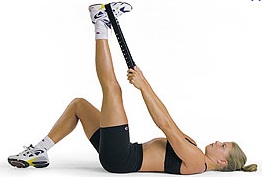
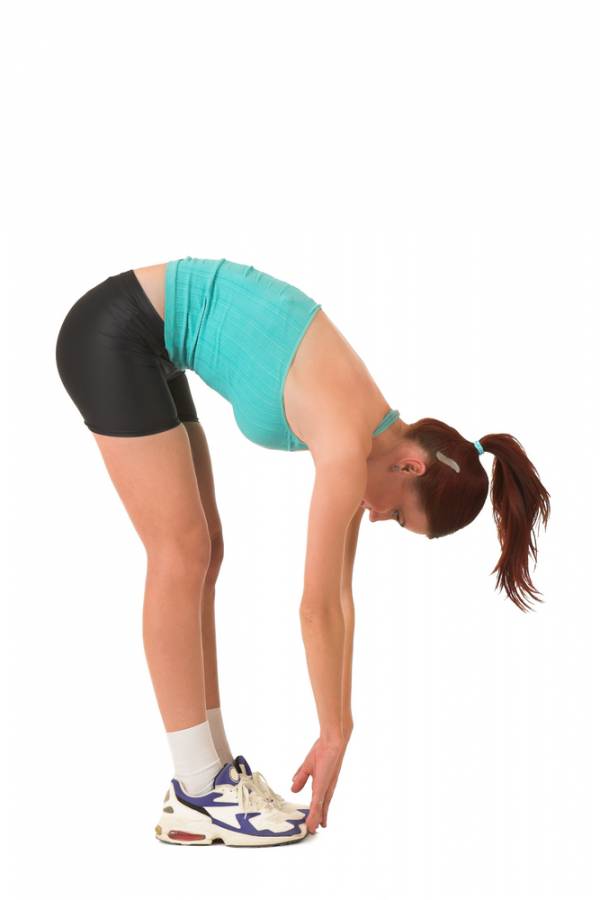
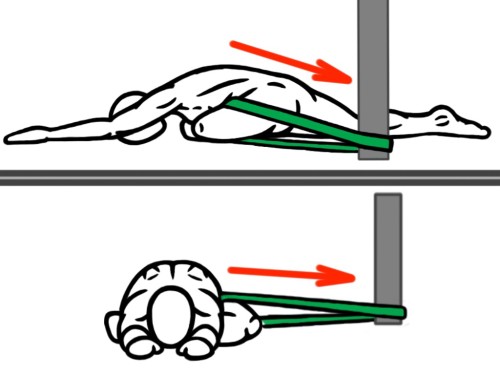
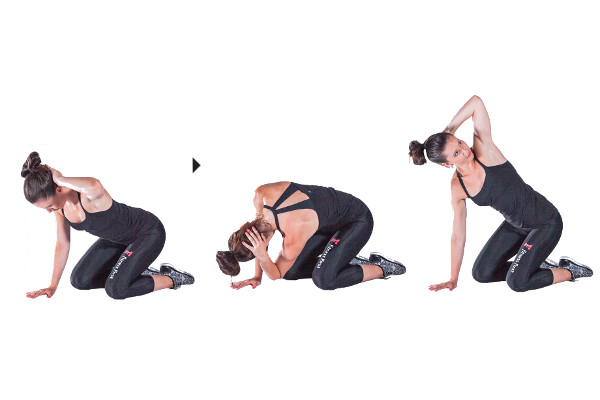
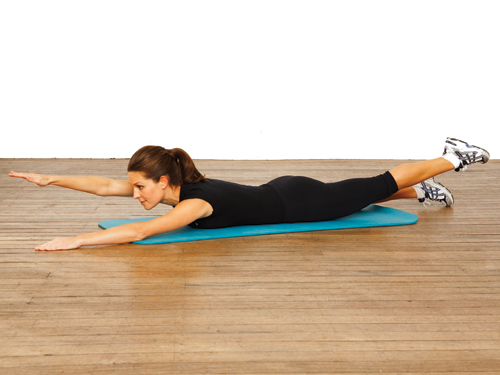 The pattern of hip and back muscles with cross-body patterning on the ground. Do four repetitions total, two on each side. Go slowly, with mindful movement and controlled motion. Completely relax after each repetition.
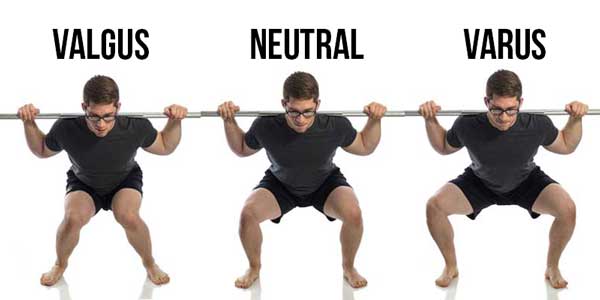
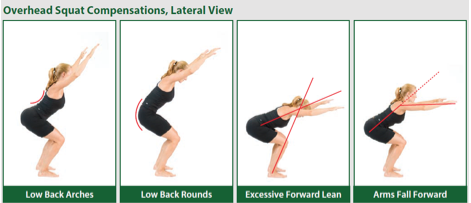
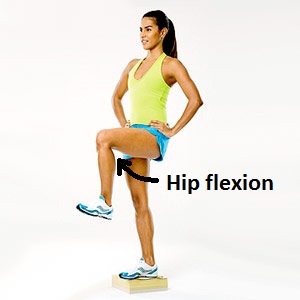
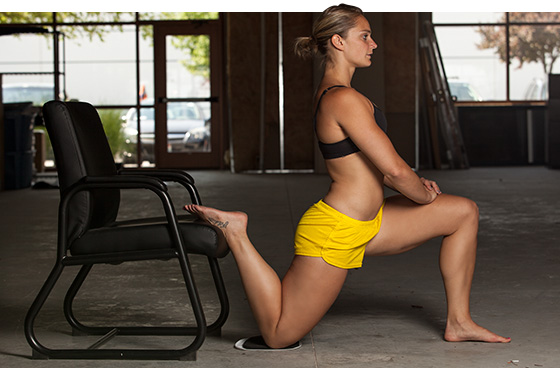 Exercise is often a llinear series of movements that many get boxed into. Despite lateral and backwards movement being available to people, we tend to train down the straight and narrow path. Compound that with the amount of time we spend seated in 90 degrees of flexion and you can see why we have a hip extension limitation epidemic. The fix? Limit your time spent sitting to as close to ZERO as possible and do the couch stretch (pictured to the right). Squeeze the glutes to reciprocally inhibit the hip flexors to get the deepest stretch to the hip flexors and all the gunk in the deep capsule.
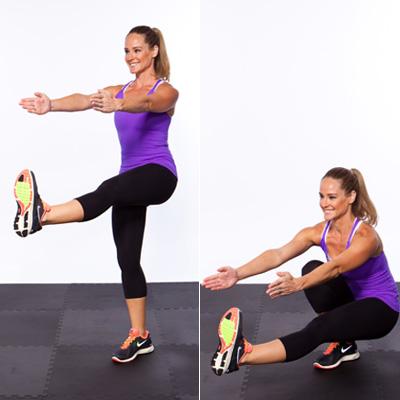 You don’t need to do the full-on single leg squat, just the end shape. So begin by touching your inner feet together heel to toe, then squat with both legs balancing your body weight, then at the bottom position stick one leg out straight at a 45 degree angle. The squatting leg will be loading the ankle to the max in dorsiflexion. If your heel raises off the ground or your arch collapses then you do not pass the standard.
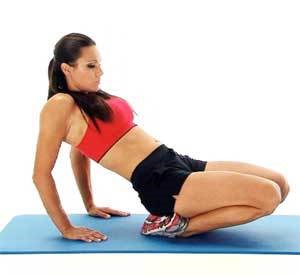 To test your ankle plantarflexion simply point your toes down and sit on them, tall, elongated spine in a MLS posture. Hang out for a few minutes – or as long as you can handle. Increase that time over time. If you don’t feel enough of a stretch then kick it up a notch and do what the above picture shows – lift yours knees and lean back with the hips still clamped down over the top of the ankle. Still not enough? Draw circles with your knee to scour all the nooks and crannies of the anterior ankle.
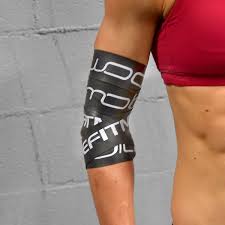 Learn how to use them!
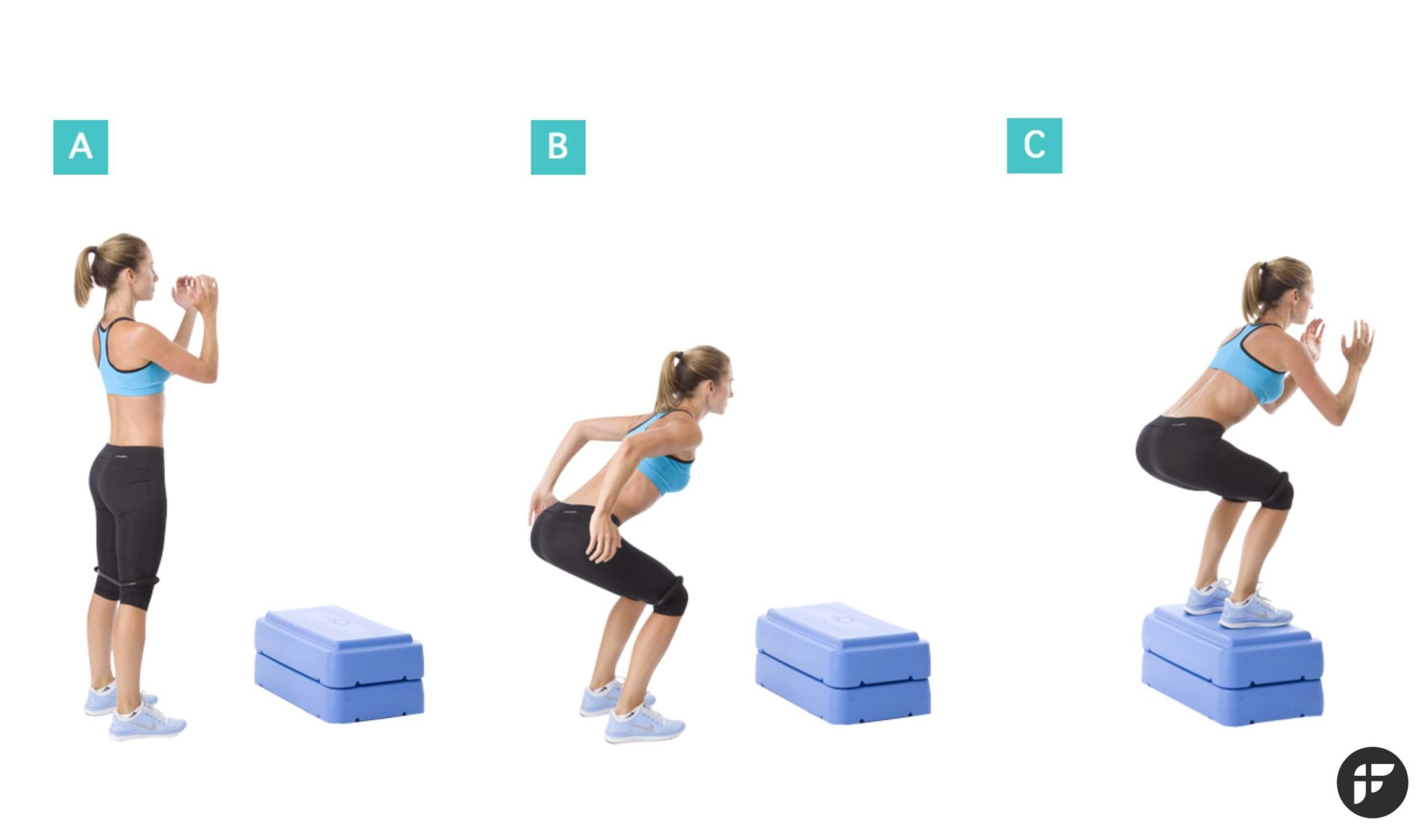 Box Jumps (Pictured Above): perform with mechanics similar to good squat form. The movement is essentially an unloaded, dynamic squat.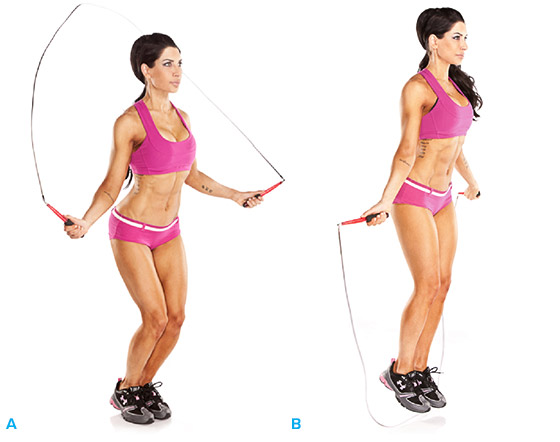

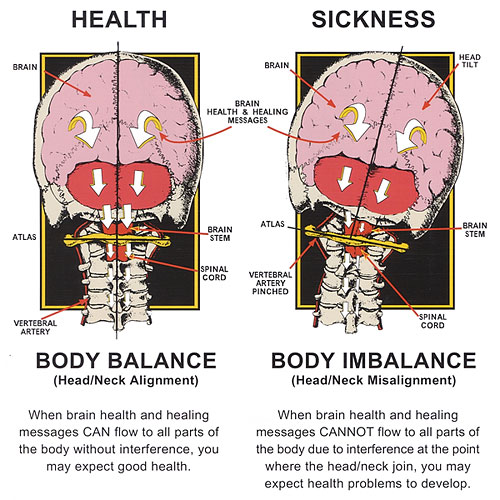 Research from a 2009 medical journal proved that the upper neck houses more direct connections to the central nervous system than almost any other part of the body. A mal-positioned and improperly moving spine prohibits healthy signals from the brain and central nervous system from firing at full capacity. The interruption within the neural communication network leads to cell dys-function, a condition now proven to directly influence hormone and organ health.