Blog

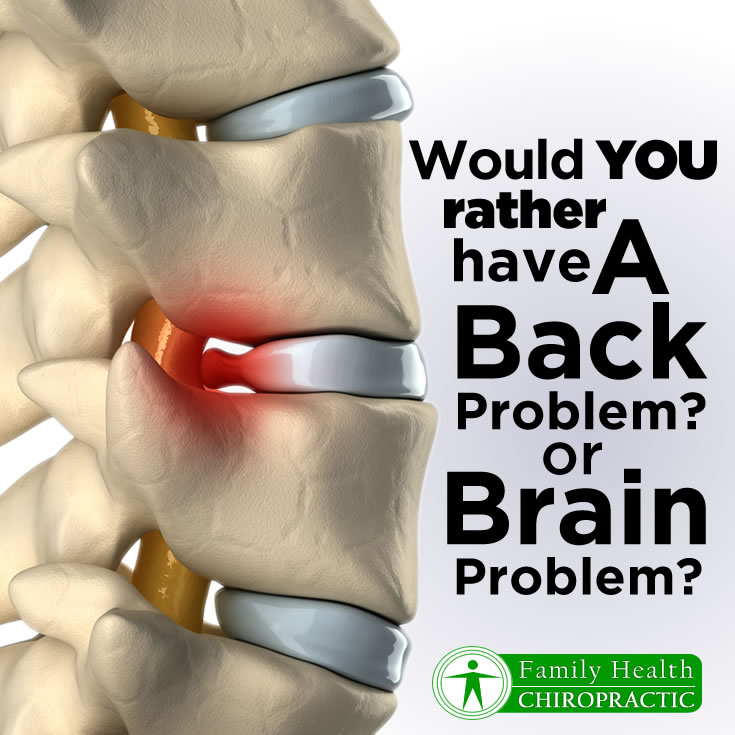
Would you rather have a back problem or a brain problem?

Thousands of people of all ages across the world were asked whether they would rather suffer from a back problem or a brain problem.

Every single individual responded that they would choose to suffer from a back related issue.

People tend to assume that even severe back problems present less of a health challenge than brain problems because the brain regulates so many aspects of life and health.

Would you rather have a back problem or a brain problem?

What most people fail to understand is that the two organs are connected.

The Brain and Spine are really one and the same.

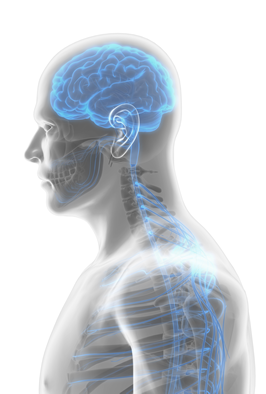
The brain and spine combine to form the nervous system and the nervous system regulates the health of your body.

Four medical studies over the last 10 years have proven that stimulating the spine improves brain function.

Chiropractic care improves the brain and the health of the entire body through specific adjustments to the spine.

Spine health can ultimately be broken down into 2 components: Posture & Mobility.

In today’s article, I’d like to discuss the significance of posture and a new study, hot off the presses that justifies why everyone should be using the spine correction device called a Dennerol.

According to the American Journal of Pain Management, “Posture affects and moderates every physiological function, from breathing to nervous system function, and despite the considerable evidence that posture affects physiology and function, the significant influence of posture on health is not addressed by most physicians.”

When you realize that the poor posture (think looking down at your phone or slouching in front of a computer) forces your spinal cord to compress into an abnormal shape, you can begin to appreciate its impact on brain function.

This is why I always start my exams with posture assessments.

Posture influences everything. Posture directly impacts health and influences every aspect of human performance. People with good posture simply experience better overall function.

Poor Posture Results in Poor Health Outcomes

A 2013 medical study revealed the significance of bad posture.

In this study, over 800 people were separated based on “good” and “bad” forward head posture and were followed for 4.5 years.

The group of people with the poorest posture showed a 393% higher rate of disability compared to a group of people with good posture.

Those people that displayed the poorest posture suffered from nearly a 400% greater chance of losing the ability to perform one or more daily living activities.

Chiropractors influence posture on a daily basis by addressing abnormal spinal health that produces poor posture.

Additionally, Chiropractors restore balance in the central nervous system by stimulating the spine to in turn stimulate the brain.

Every single adjustment reduces stress in the communication system connecting the brain to the body.

Regular adjustments reduce posture deviations and promote health restoration.

Breakthrough Randomized Trial Offers Hope for Patients Suffering from Neck Pain, Arm Pain, and Disability with Cervical Disc Injuries
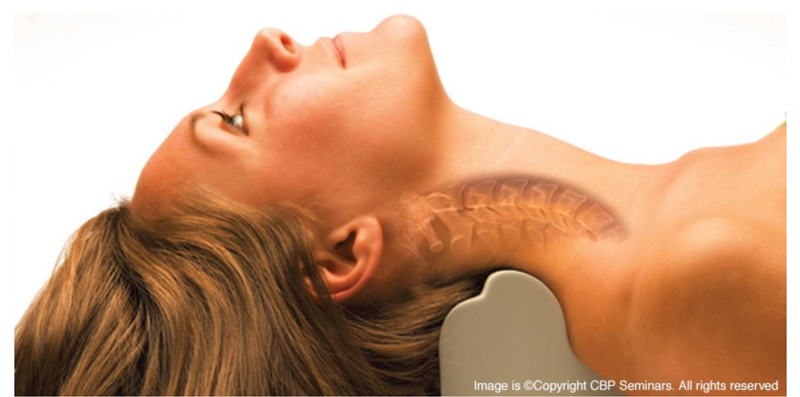
austin chiropractor denneroll

A study was recently accepted for publication in The Archives of Physical Medicine and Rehabilitation (http://www.archives-pmr.org/article/S0003-9993(16)30898-X/abstract) titled: Improvements In Neck Curve and Posture Using the Denneroll Improves Neck Pain, Arm Pain, Disability, and Nerve Function in Patients with Disc Herniation.

In this paper, Physical therapists investigated 40 patients with chronic pain and disability due to Discogenic Cervical Radiculopathy (basically neck pain and problems due to disc injury).

Patients were assessed for short (10-weeks) and long term (1-year) outcomes of neck disability, neck pain, arm pain, and measures of neuro-physiology.

Important Findings and Conclusion

The addition of the cervical denneroll orthotic device was found to improve the cervical lordotic curvature by an average of 13° and improve forward head posture by 12mm.

This improvement in cervical curvature and posture in the Denneroll group was found to be associated with improvement in chronic neck pain, arm pain, and neck disability and a reduction in medication usage over the 1 year time period.

Furthermore, in the group receiving the denneroll and curve correction, their peripheral nervous system speed was found to increase by 24% and the spinal cord–central conduction time–was found to increase by 23%! 

Seriously… what more do you need to understand how vital the curve and positioning of the head is relative to brain and nervous system function!

If you currently have poor posture and loss of curvature in your neck, you need to be using a denneroll every night!

So how do people end up with disc injuries to the neck?

Yep… Altered alignment, posture and movement!

Bad posture and alignment of the bones that make up your neck has been found to result in degenerative changes in the muscles, ligaments, discs and bony structures.

These degenerative changes, in turn generate increased force on the spinal cord and neural elements leading to arm pain and altered physiology or nerve signaling.

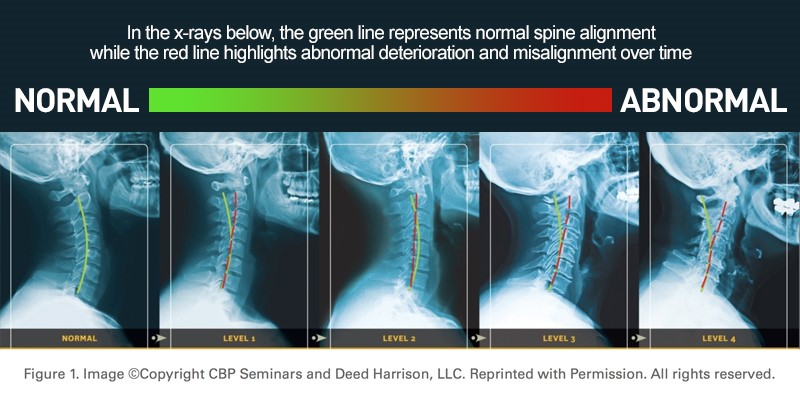
One of the best solutions to control for the progressive development of Spinal Arthritis and Disc Disease (SADD), is to ensure that you have a proper cervical spine posture (head position) and a proper cervical lordotic curvature (verified with xray analysis).
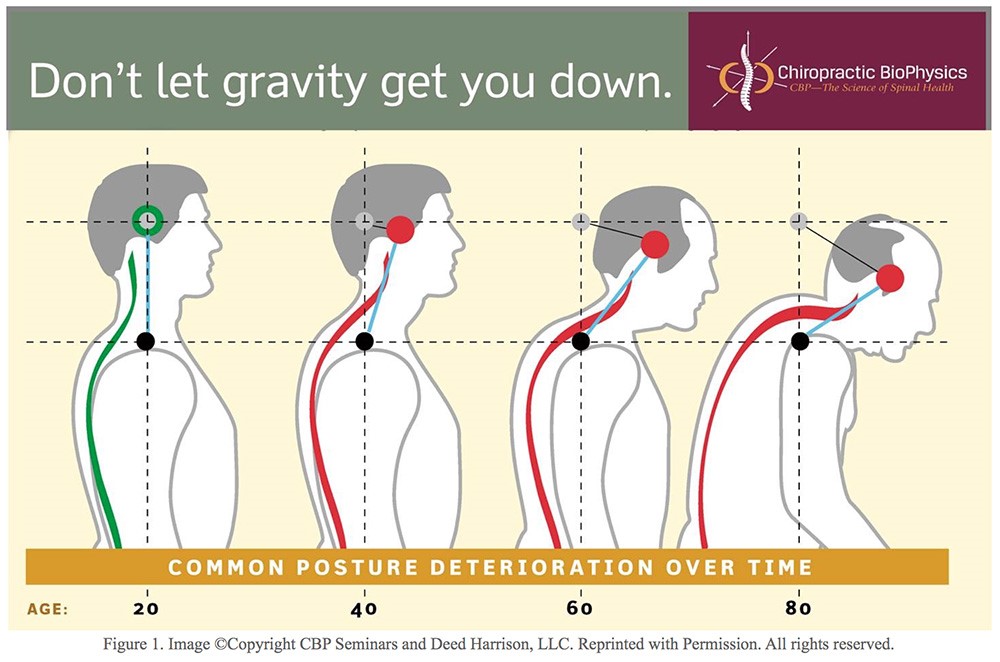
chiropractor-austin-tx-poor-posture

In fact, abnormal neck curvatures are 18X’s more common in chronic neck pain subjects compared to non pain persons!

This is why xrays and posture analysis are so important.

It's also been demonstrated that individuals with loss of curvature are a greater risk of injury in car collisions and high velocity sports (football, soccer) than those individuals with increased curvature.
austin-chiropractor-corrects-spine

How Can You Get Help for Your Altered Posture and Spinal Arthritis and Disc Disease and Health Disorders?

Chiropractic BioPhysics® corrective care trained Chiropractors are located throughout the United States and in several international locations.

Our goal at Family Health Chiropractic is to help people realign their cervical spines back to health, and eliminate a potential source of progressive SADD, chronic neck pain, chronic headaches and migraines, fibromyalgia, and a wide range of other health conditions.

If you are serious about your health and the health of your loved ones, contact our office to schedule an exam.


Would you rather have a back problem or a brain problem?2026-04-26T11:13:44-05:00

FDA Bans Toxic Substance from Soap and 5 DIY Cleaning Products

FDA Finally Bans Toxic Triclosan from Antibacterial Soap

The federal Food and Drug Administration finally announced that Triclosan, a toxic chemical ingredient associated with hormone disruption in humans, will no longer be allowed in antibacterial hand soaps! As is with most chemical agents found in our environment including medications and vaccinations, the dangers of triclosan have been known for quite some time.

Unfortunately, the Toxic Substances Control Act (TSCA) of 1976 (1) allowed for all chemicals in use prior to 1976 to be grandfathered in. In fact, the U.S. Environmental Protection Agency (EPA), which enacted the TSCA, grandfathered approximately 60,000 chemicals that hit the market in the 70's. Making matter worse, the EPA only tested a few hundred and deemed only a handful (literally 5) to be semi-regulated. There are now over 80,000 chemicals on the market that have never been tested by the EPA, yet are deemed “safe to use” in products (2).

CDC research on a broad cross-section of the population detected triclosan in the urine of 75% of 2,517 Americans (3). Higher levels of triclosan were typically found in higher income participants and an earlier study by the Mount Sinai School of Medicine found triclosan in the urine of 61% of 90 girls age 6 to 8 (Wolff 2007).

Triclosan is Some Nasty Stuff and It's in Toothpaste, Soap and Even Breast Milk!

triclosan-danger-2Lab studies have linked triclosan to cancer (4), developmental defects (5), and even impaired muscle function! (6). A study by Colgate scientists revealed exposure to low levels of triclosan caused liver tumors in mice. Colgate refuses to release this study to EPA for evaluation, though it provided it to FDA in order to ensure it could add triclosan to toothpaste and other oral care products. Still, based on the study summary alone, and using a controversial assumption about the way this type of liver tumor forms in mice, EPA classified triclosan as “not likely to be carcinogenic to humans”.

How's your thyroid functioning these days ladies? A study showed that triclosan hinders a fundamental thyroid hormone signaling mechanism (7,8). Triclosan may also disrupt other critical hormone systems. A recent lab study found the chemical to exert both estrogenic and androgenic effects on human breast cancer cells (9).

Do you suffer from allergies? Triclosan exposure leads to the development of allergies, especially a problem with children. If you or your child suffers from hay fever, asthma, seasonal allergy symptoms or food intolerance, you should have a big concern with using products that contain triclosan!

A 2013 Norwegian study looked at the effect of triclosan on 10-year-old children. The study found that triclosan concentrations in urine samples were associated with allergic sensitization, especially inhalant and seasonal allergens, rather than food allergens. The study found that triclosan levels measured in urine were associated with elevated levels of immunoglobulin E and rhinitis (blocked nose/hay fever) in the 623 children studied (10).

Products Containing Triclosan

Soap: Dial® Liquid handsoap and bodywash; Tea Tree Therapy™ Liquid Soap; Clearasil® Daily Face Wash; Dermalogica® Skin Purifying Wipes; DermaKleen™ Antibacterial Lotion Soap; CVS Antibacterial Soap, Ajax Antibacterial Dishsoap, Kimcare Antibacterial Clear Soap, Bath and Body Works Antibacterial Hand Soaps, Gels and Foaming Sanitizers.

Dental Care: Colgate Total®; Breeze™ Daily Mouthwash; Reach® Antibacterial Toothbrush

Cosmetics: Garden Botanika® Powder Foundation; Mavala Lip Base; Movate® Skin Litening Cream HQ; Paul Mitchell Detangler Comb, Revlon ColorStay LipSHINE Lipcolor Plus Gloss, Babor Volume Mascara, Phytomer Perfect Visage Gentle Cleansing Milk, Phytomer Hydracontinue Instant Moisture Cream, Bath and Body Works Antibacterial Moisturizing Lotions.

Deodorant: Arm and Hammer® Essentials Natural Deodorant; Queen Helene® Tea Trea Oil Deodorant and Aloe Deodorant; DeCleor Deodorant Stick; Epoch® Deodorant with Citrisomes.

First Aid: SyDERMA® Skin Protectant plus First Aid Antiseptic; Healwell Plantar Fasciitis Night Splint; Solarcaine® First Aid Medicated Spray; Nexcare™ First Aid, Skin Crack Care; : Universal Cervical Collar with Microban.

Kitchenware: Farberware® Microban Cutting Boards; Franklin Machine Products FMP Ice Cream Scoop SZ 20 Microban; Hobart Semi-Automatic Slicer; Chix® Food Service Wipes with Microban; Compact Web Foot® Wet Mop Heads.

Other Personal Care Products: Murad Acne Complex® Kit, ®; Diabet-x™ Cream; Scunci Microban Comb, Sportslick Pocket Slick.

Clothes: Biofresh® socks, undergarments, tops and bottoms.

Office and School Products: Ticonderoga® Pencils with Microban Protection, Avery® Touchgaurd View Binders, C-line® products, Clauss® cutting instruments, Costco® products, Sharp® printing calculators. Westcott® scissors

Other: Bionare® Cool Mist Humidifier; Deciguard AB® Antimicrobial Ear Plugs; Bauer® Re-Akt hockey helmet and 7500 hockey helment; Miller Paint Acro Pure Interior Paint; Holmes Foot Buddy™ HMH120U Antimicrobial Foot Buddy Foot Warmer, Blue Mountain Wall Coverings, California Paints®, Davis Paint® Perfection, Hirschfield’s Paint®,O’Leary Paint®, EHC AMRail Escalator Handrails, Dupont™ Air Filters, Winix Dehumidifiers, J Cloth® towels, select Quickie cleaning products, Kimberly Clark® WYPALL X80 Towels, Canopy® kitchen towels, ALUF Plastics®, BioEars earplugs, Petmate® LeBistro feeders and waterers, Infantino cart covers and baby carriers, Oreck XL®, Bissell Healthy Home Vacuum™, NuTone® Central Vacuum systems, Rival® Seal-A-Meal® Vacuum Food Sealer, CleenFreek SportsHygiene Yoga Mat, Resilite Sports Products, Rubbermaid® Coolers, Stufitts sports gear, Venture Products® fitness mats, Custom Building Products, DAP®Kwik Seal Plus®, Laticrete, Niasa Biquichamp® mortar grout and sealant, ProAdvanced Products.

What Else Have you Been Told is Safe But is Not?

triclosan-danger-3

True, the FDA’s decision to ban Triclosan marks another important victory for the tens of millions of shoppers who are health conscious, but what other consumer products or “health campaigns” (ie mass vaccination campaigns, antibiotic usage, statin medications) will turn out to be nothing other than human experiments gone wrong?

If there's anything to learn from this, it's that history does tend to repeat itself and it should be obvious that our “health” is typically not in the best interest.

Here's a list of the newly banned chemicals:

  • Cloflucarban
  • Fluorosalan
  • Hexachlorophene
  • Hexylresorcinol
  • Iodine complex (ammonium ether sulfate and polyoxyethylene sorbitan monolaurate)
  • Iodine complex (phosphate ester of alkylaryloxy polyethylene glycol)
  • Nonylphenoxypoly (ethyleneoxy) ethanoliodine
  • Poloxamer-iodine complex
  • Povidone-iodine 5 to 10 percent
  • Undecoylium chloride iodine complex
  • Methylbenzethonium chloride
  • Phenol (greater than 1.5 percent)
  • Phenol (less than 1.5 percent) 16
  • Secondary amyltricresols
  • Sodium oxychlorosene
  • Tribromsalan
  • Triclocarban
  • Triclosan
  • Triple dye

Here's a list of the chemicals (not yet tested) that have replaced triclosan:

  • Benzalkonium chloride
  • Benzethonium chloride
  • Chloroxylenol (PCMX)

DIY Natural Homemade Cleaning Products

Did you know..

  • The Average American Uses about 25 Gallons of toxic, hazardous chemical products per year in their home. (A major portion of these can be found in household cleaning products.)
  • Only 1% of toxins are required to be listed on labels, because companies classify their formulas as “trade secrets.”
  • Within 26 seconds after exposure to chemicals such as those found in cleaning products , traces of these chemicals can be found in every organ in the body.
  • Over 80 percent of adults and 90 percent of children in the United States have residues of one or more harmful pesticides in their bodies.

There is no current law that requires cleaning product manufacturers to test their products for safety or even list toxic ingredients. Rather, it's opposite. The ingredients are safe guarded against public knowledge because they are classified as “trade secrets” in the industry.

Don't wait for the FDA to finally admit that something is bad for you. When it comes to safe guarding your body, logic is really all you need. There is no chemical on the planet that can ever be good for you. Take the initiative to protect your health and use the following suggestions to create your own cleaning agents that are safer and less toxic.

First things first…

1) Avoid any and all products that are labeled “dangerous, hazardous or poisonous”. These products are not only bad for you with direct skin contact, but likely emit vapors and/or leech into your cabinets (especially if they're in plastic containers!).

2) Avoid any product that does not provide a complete ingredient list.

3) Avoid any products that are petroleum-based surfactants, contain chlorine, formaldehyde or phosphates.

4) Seek out those products that are labeled “non-toxic” and “biodegradable”. In fact, I'd take the time and spend the money to purchase cleaner products from stores such as Whole Foods, Central Market or Sprouts.

Common Homemade Cleaning Agents

White Distilled Vinegar: White distilled vinegar has been used for more than 10,000 years. This amazing all-purpose cleaner is inexpensive and is a strong deodorizing tool. Vinegar also acts as a powerful home insect repellant.

Lemon Juice: Lemon juice contains a high amount of alkaline elements. A highly acidic substance, lemon juice has a pH of 2 when not broken down and outside the body. Its primary component, citric acid disinfects and cleans while providing a natural lemon fragrance.

Baking Soda: A natural alkaline substance, baking soda is a sodium bicarbonate. A natural odor eliminator, baking soda neutralizes both acids and bases. Unlike synthetically produced odor “eliminators”, baking soda actually does eliminate odors rather than adding more chemicals into the air which only cover up smelly scents. Baking soda also can be used to remove stains from surfaces as fragile as fine china. When used as an abrasive tool, baking soda can be scrubbed on sinks, countertops and other surfaces.

Citrus Seed Extract: Citrus seed extract is analogous to the properties of lemon juice. Typically made from grapefruit seed, citrus seed extract functions as a natural preservative and a strong antimicrobial substance.

Essential Oils: Essential oils are extracted from raw plant materials like flowers, bark, wood, root, seeds and peels. They act as some of the most powerful antioxidant concentrates and have medicinal qualities when properly used. Essential oils serve as powerful antimicrobial disinfectants. With concentrated essential oils, a little goes a long way and are in fact a highly economical way to slash your cleaning budget.

General Cleaner

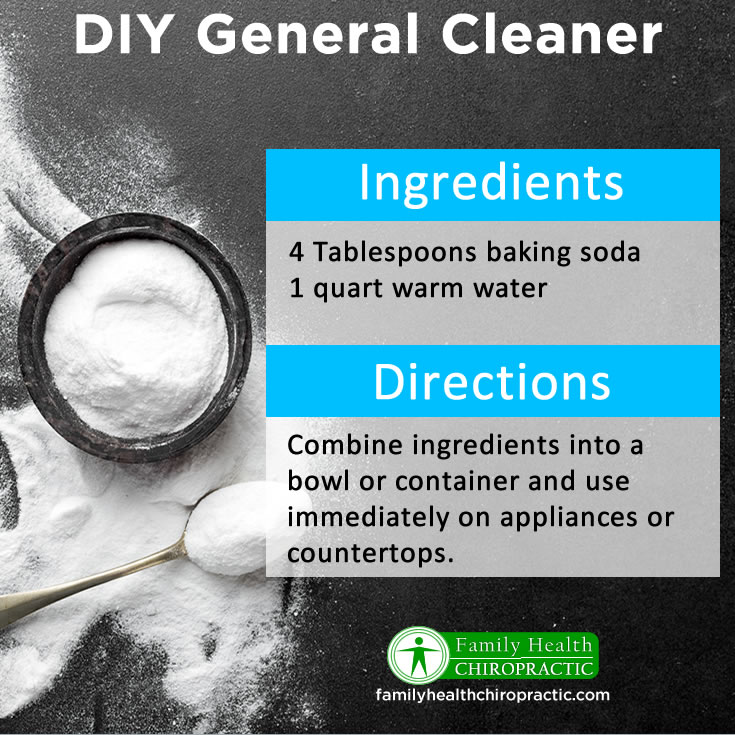
diy-general-cleaner-1For a general cleaner to use on grime and soil build up mix 4 tablespoons of baking soda with a quart of warm water. Combine the ingredients into a bowl and use immediately on your appliances. You can also spray on your prepared cleaner and allow to set for several minutes. Using a metal spatula or metal brush to clean the grill or scrape the bottom of an oven, rake away the burnt debris in one swift motion.
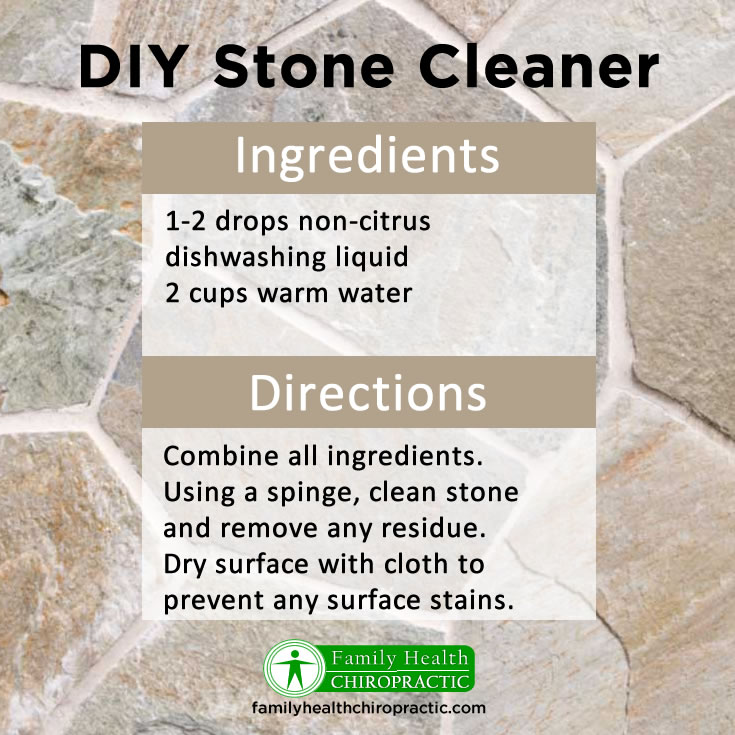
All-Purpose Stone Cleaner

diy-stone-cleaner-1Never use an acidic cleaner on a natural stone surface. The acid will actually eat away at the stone. Use your non-citrus dishwashing liquid to create this cleaner. Mix 1-2 drops of non-citrus dishwashing liquid with 2 cups of warm water. Combine all the ingredients together and use a sponge to clean the stone surface. Finally, make sure that you dry the surface with a clean cloth to prevent any staining.
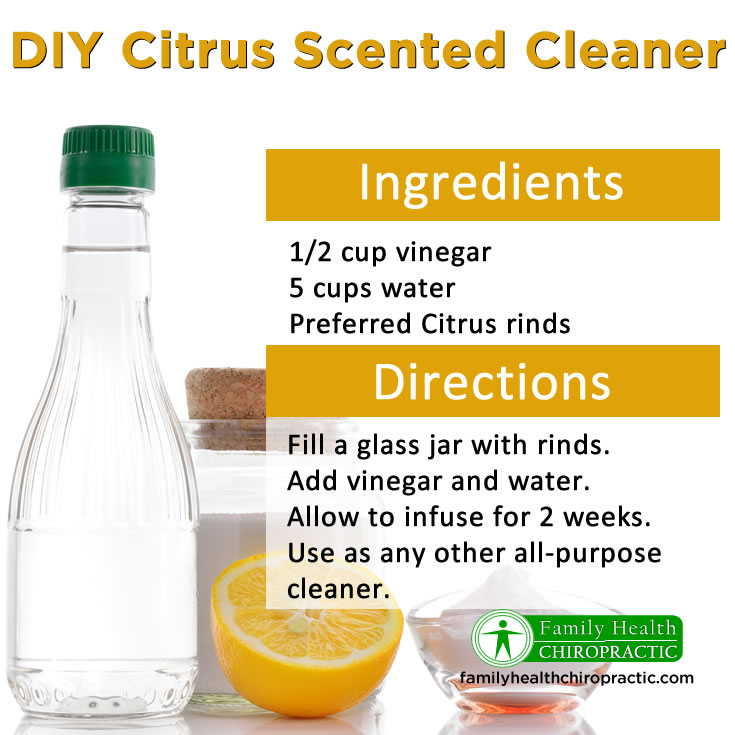
Citrus Scented Cleaning Spray

diy-all-purpose-citrus-scented-cleaner-1Vinegar is one of the best multi-surface cleaners. Keep all of your leftover citrus peels from oranges, lemons or limes and save them for this all-purpose spray. Take 1/2 cup of vinegar, 5 cups of water and a handful of your preferred citrus rinds. Put all the ingredients into a glass jar and let it infuse for about 2 weeks. Use this spray as you would any other all-purpose cleaner.
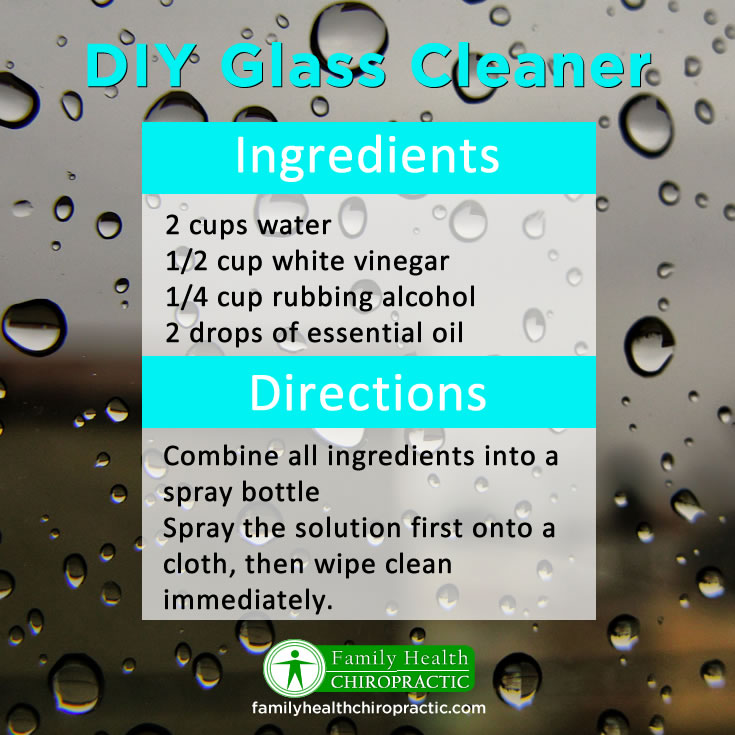
Clean Glass Cleaner

diy-glass-cleaner-1This is an easy glass cleaner recipe for streak free windows and mirrors. Be sure to avoid cleaning heated glass surfaces such as windows on a sunny day or the glass door of a warm oven. The heat will increase the likelihood that your solution will dry too quickly leaving streaks left behind. To prepare, take 2 cups of water, 1/2 cup of white vinegar, 1/4 cup rubbing alcohol and 2 drops of your preferred essential oil (orange, lemon, eucalyptus) and combine all the ingredients into a spray bottle. Spray the solution first onto a cloth or paper towel and not directly onto the glass surface. Wipe clean immediately.

Not a DIYer? Here's a list of Green Cleaning Products:

If you still prefer to purchase your cleaning products rather than make them yourself, here are a few products you can have shipped to your door from Amazon.

Purex Ultra Concentrated Liquid Natural Elements Detergent, Linen/Lilies, 150 Fluid Ounce
Planet Ultra Dishwashing Liquid

Green Works All Purpose Cleaner Spray, Original Fresh, 32 Ounces (Pack of 3) (Packaging May Vary)

FDA Bans Toxic Substance from Soap and 5 DIY Cleaning Products2026-04-26T11:13:44-05:00

No. Your Doctor Doesn’t Know What I Know

In my training, I've been witness to surgeons cutting open patients to perform surgeries that are complex and powerful. The risks of such procedures usually cannot be tangibly measured when it's a case of necessity. As in the case of urgent open heart surgery or when a patient loses the ability to control their bladder, or when a raging tumor is about to take your life. The risk of surgery during these cases certainly outweighs the risk of death. Chiropractic adjustments and chiropractic care offer a completely different perspective and approach. It's why I am so proud of what I get to do daily. I do love the thought of having “emergency medicine” men and women available should my life depend on it. What's unfortunate, is when a patient puts their full faith into these doctors and follows their advice about topics that they simply are not educated in. In my case… personal fitness, nutrition and chiropractic care.

A Chiropractic adjustment completely strays from the approach that modern medical care takes place with scalpels and powerful drugs. In fact, I would never tell someone that they shouldn't see an orthopedic doctor or take a prescription drug because I'm not the expert when it comes to those particular interventions. Yes, I make sure that you understand the risks associated with these procedures, but I won't say don't do it. Rather, I promote the services of these doctors and ask patients to seek knowledge to learn about and empower themselves on whether these services are beneficial to them or not.

I do so, because I can confidently say that what I do is completely different from what these medical professionals do. The problem is when a medical professional takes it into their own hands to assume they know what I know; and they don't.

Your Medical Doctor Does Not Know What I Know

Those people with limited understanding of the science surrounding Chiropractic, including the biomechanics, spinal disc fluid dynamics, structure and neurological functions of the spine know little about the nervous system beyond witnessing a Chiropractor apply pressure to the back. That scenario often leads to misunderstanding or lack of understanding and creates questions of validity regarding how chiropractic adjustments on the spine can impact all parts of the body. Once again, these health professionals have not had the 8 years of intense training as well as hundreds of hours of post-graduate work on taking care of the spine without using a scalpel or prescribing medications. And I don't expect your doctor to know what I know. If they did, they would be doing what I do. But here's where it gets tricky. When these doctors tell you that you should not be getting chiropractic care because there's no validity or research or outcome measures to show benefits, they are flat out wrong and showing their lack of education and competence. I get embarrassed for them really.

The modern Chiropractor believes in the call to not only offer the best health care available, but to also create an environment of education that empowers patients to understand and take ownership of their family’s health. My goal is to teach my patients as much as I can about health and healing.

Understanding the importance of a healthy spine begins the empowerment process. The purpose of the spine extends far beyond providing a strong tube-like pipe encasing a delicate spinal cord. The spine supplies a significant amount of the vital nutrition (nerve signals) to the brain through electrical feedback and movement. The better the movement, the better the brain and nervous system function. Every organ in the body connects to the nervous system. When the nervous system functions better, all aspects of health and human performance improve. A massive influx of research over the past 15 years proves the immeasurable value in living with a healthy spine. (1, 2,3,4)

Every week, I am reminded of how silly medicine can be. It still blows my mind when a patient tells me that their “doctor said they should not see a chiropractor” because there's “no evidence” for it beyond neck and back pain. It is seriously annoying and downright foolish when there is plenty of data to show otherwise. Again, all this does is demonstrate the incompetence of such professionals or lack of interest in their patients health for not reading their medical journals and relaying the proper information.

Continually updated peer reviewed, scientific research articles in these doctors medical journals explain that the benefits of a Chiropractic adjustment and improved posture go well beyond pain relief. Here are just a few:

  • Improved Blood Pressure after Chiropractic Adjustment (5,6) 

The atlas is the fist bone that makes up your spine. This particular study demonstrated that precise chiropractic spinal adjustments delivered in to people with high blood pressure were able to produce important reductions in both systolic (17 mm HG) and diastolic (10 mm Hg) blood pressure that was sustainable over a 8 week period with “no adverse effects.” It also demonstrated that very small displacements of the atlas can adversely affect blood pressure. Chiropractic should not be limited only to those with aches and pains. The patients in this study did not have aches and pains, but they suffered from hypertension. This study further supports that chiropractic benefits systemic health and wellbeing.

  • Improved Immune Function and Reduced Allergies with improved spinal health (7)

In this particular study, scientists investigated the relationship between allergic diseases and thoracic vertebral misalignments. The thoracic vetebrae are those bones that make up your mid back. This study observed that the allergic diseases atopic dermatitis and bronchial asthma, hay fever, nasal allergic inflammation/discharge, etc., in 3,013 patients had a high ratio of “chronic vertebral misalignments.”

[Important] Correction or improvement in spinal misalignment, misalignment and loss of curvature in 2,733 allergic disease patients showed that the allergy symptoms, such as skin eczema, skin itches, and asthma attack improved with the reduction of chronic vertebral misalignment. Oh… and for those people who say that a short course of treatment of only 2-4 weeks should be necessary; you're wrong. This study showed that regarding the frequency and duration of the treatment to correct changes in the vertebrae, daily corrective treatment for three to six months of the course of treatment had the best improvement effect. It was necessary to give daily stimulation for at least three to six months to the autonomic nerves indirectly to obtain sure treatment effect.

  • Improved Hormone Balance following Spinal Adjustment (8)

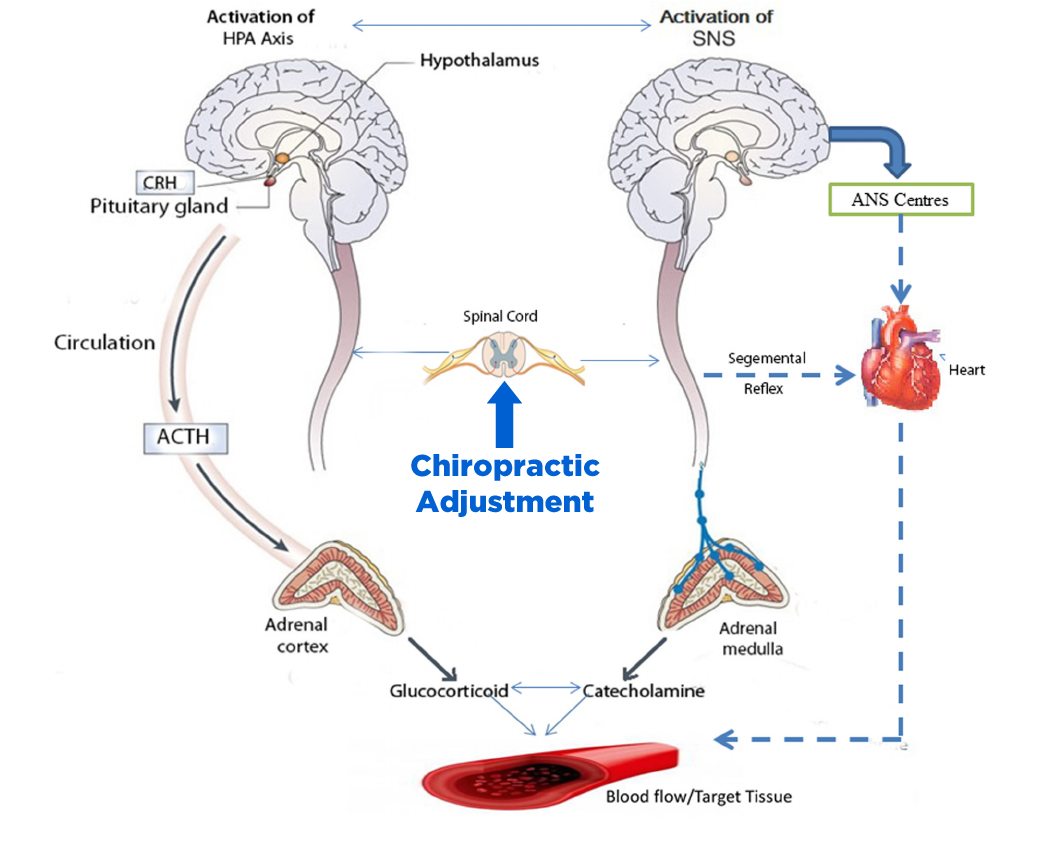
This paper covers dozens of other peer reviewed papers that discuss the effects of spinal manipulation (aka Chiropractic Adjustments) and how they influence the Spinal Cord, Brain, Hypothalamus-Pituitary-Adrenal Axis (Think Hormones) as well as blood vessels, heart and other physiological reflexes. It lays out the specific pathways that have been identified to be influenced by chiropractic adjustments. This paper also gives rise to the hundreds of other reasons why you should get adjusted for health, rather than simply pain.

See the image below:

5 (1)

  • Poorer Health Outcomes in Measured Categories as Posture Deviation Increased (9,10)

In this study, patients with various health conditions and health status outcomes were observed and compared to good and bad posture. It's IMPORTANT to note that the analysis in this study was a measurement for forward head posture on an upright full-spine lateral x-ray; not simply looking at your posture. Statistical correlation between xray analysis and health status measures were then performed and the potentially confounding variables were assessed. What did they find out? Forward head posture in the group studied ranged from 1 to 271 mm [about 11 inches]. All measures of health status showed significantly poorer scores as forward head posture line deviation increased. [WOW!] Chiropractic improves posture by way of specific spine corrective adjustments and corrective exercises. Posture is proven to be connected with health care status. Can your doctor still argue that chiropractic is not necessary?

  • Chiropractic pediatric care is safe (much safer than antibiotics) (12, 13, 14, 15, 16)
The numbers are rising. In 2000, a survey found that there were about 30 million pediatric visits to chiropractors; by 2009, that figure had more than doubled, to 68 million. The National Board of Chiropractic Examiners’ most recent practice analysis, issued in 2010, found that about 17 percent of chiropractic patients were under age 18 — approximately 7.7 percent aged five years or younger and some 9.4 percent between ages six and 17. With chiropractic care involving children becoming so commonplace, it’s important to understand the evidence regarding its safety and effectiveness. Several reviews of the literature in recent years have examined the safety of pediatric chiropractic:
  • A 2011 review by Matthew Doyle found a rate of .53 percent to 1 percent mild adverse events for pediatric chiropractic manipulative therapy.
  • A 2009 survey study by Alcantara et al. surveyed both chiropractors and parents of pediatric patients in a practice-based chiropractic research network. Chiropractor responders indicated three adverse events per 5,438 office visits from the treatment of 577 children. The parent responders indicated two adverse events from 1,735 office visits involving the care of 239 children.
  • A 2007 analysis by Vohra et al., involving two randomized trials and 11 observational reports, found nine serious adverse events and five mild to moderate adverse events, as well as 20 cases of delayed diagnosis for other conditions.

The Vohra study looked at all the peer-reviewed literature over 110 years and involved not just chiropractic practitioners, but anyone doing spinal manipulation on children. They only found nine serious adverse events in 110 years. Compare that to the risk of something as common as antibiotics. One of the most common reasons parents bring their children to the chiropractor is for management of chronic ear infections. The other common treatment for ear infections, of course, is antibiotics. In a 2009 review of pediatric adverse drug events in the outpatient setting, Bourgeois et al. found that an average of more than 585,000 pediatric adverse drug events required medical attention each year; by far the most common culprits in these cases, at 27.5 percent, were antimicrobial agents.

Let's also look beyond just the peer-reviewed literature, and pay attention to another strong indicator of the safety of chiropractic in general and pediatric chiropractic: insurance rates. Chiropractors have the lowest malpractice rates of all primary health care providers in the country, and those rates are based on risk. I guarantee that insurance companies aren’t going to give us lower rates without good reason. And as a pediatric chiropractor, my rates are exactly the same as my colleagues who treat adults but no where close to that of medical doctors or orthopedic surgeons (who… like to claim that chiropractic is unsafe?).

  • Improved Brain Function following Spinal Adjustment (11)

The absolute, most important organ that any doctor could ever help their patient improve is the BRAIN. Because the brain controls all human functions and health is equal to 100% function of the body physically, mentally, socially and spiritually. This means that anything that improves function of the brain, is good for your body! Does chiropractic improve brain function? HELL YEA it does! Over the past decade, there has been a growing body of evidence to suggest that chiropractic adjustments change the structure of the brain. This is called neural plasticity.

More than just confirming once again that adjusting the spine has an effect on the brain, this study indicates that adjustments impact the function of the prefrontal cortex, the part of the brain where learning and cognition occur. The study showed a change in brain function by almost 20% on average. Say Wow! Ask your doctor if anything that improves “Learning and Memory” is good for you? If they say yes, then they also have to scientifically agree that chiropractic is good for you!

But more than just improving learning and memory, the pre-frontal cortex is also related to sensorimotor function. This is why adjustments are good for athletes as well as people interested in improving balance and coordination. Chiropractic adjustments can help with falls-prevention, better joint-position sense in both the upper and lower limbs, improved muscle strength in lower limb muscles, better pelvic floor control and better ability to carry out mental rotation of objects.

WHY THIS ARTICLE MATTERS

All the studies that have been performed to date not only shows that when we adjust the spine we can improve physiology including brain function. In fact, a chiropractic adjustment changes brain activity by 20% each and every adjustment. This means that every time you get adjusted, regardless of pain, improving posture or spine alignment- we're having a big, positive effect on the brain. And a brain that’s functioning differently and conducting its activities better is sure to have an amazing, positive effect on the body. It's not a matter of opinion. It's not about an MD versus DC. It's about getting the right information out there so you can make a good choice. It's a scientific fact that chiropractic can play an important role in anyone's health including the terminally ill, newborns and everyone in between.

So the next time someone challenges the benefits of chiropractic, questions why you see a chiropractor or tells you that chiropractic is not safe or proven to be effective, ask them where they got their Chiropractic degree from, and if they are up to date on the following peer reviewed, scientific, medical papers.

References:

  1. http://www.ncbi.nlm.nih.gov/pmc/articles/PMC4756865/
  2. http://www.ncbi.nlm.nih.gov/pmc/articles/PMC3399029/
  3. http://www.ncbi.nlm.nih.gov/pmc/articles/PMC4800094/
  4. http://www.ncbi.nlm.nih.gov/pmc/articles/PMC4664642/
  5. http://www.ncbi.nlm.nih.gov/pubmed/17252032
  6. http://www.ncbi.nlm.nih.gov/pubmed/26693212
  7. http://ispub.com/IJOS/2/1/8061
  8. http://www.ncbi.nlm.nih.gov/pubmed/26464145
  9. http://www.ncbi.nlm.nih.gov/pubmed/16166889
  10. http://www.ncbi.nlm.nih.gov/pubmed/19564757
  11. http://www.ncbi.nlm.nih.gov/pubmed/27047694
  12. http://www.ncbi.nlm.nih.gov/pubmed/10768681
  13. http://www.ncbi.nlm.nih.gov/pubmed/19733815
  14. http://www.sciencedirect.com/science/article/pii/S1479235411000903
  15. http://www.ncbi.nlm.nih.gov/pmc/articles/PMC3364062/

No. Your Doctor Doesn’t Know What I Know2026-04-26T11:13:45-05:00

Back to School is Literally a Pain in the Neck!

It's school time and that means traffic, homework and backpacks! School can be a pain in the neck, but we can certainly do something about it… especially for our kids sake.

There are over 50 million children in America who carry backpacks every day, but many of these students have an overloaded bag or don’t wear it properly. This can lead to neck pain, muscle spasms, tingling hands, headaches, back pain, and lead to poor posture and spine development even into adulthood. According to the Consumer Product Safety Commission, there were about 21,000 reports of emergency room visits for backpack related injuries.

But have no fear! In this article we provide several tips for wearing backpacks and what exercises you need to be performing to reverse the effects of improper usage.

If you're concerned about your child's health and want to know if their backpack or standing posture is hurting their spine, then ask about our Back to School Backpack Screen!

CHILDREN AT RISK

Most kids today prefer to use backpacks to carry their stuff to school. These bags allow the kids to carry weight on two shoulders instead of just one, and they also leave the hands free for other stuff like smartphones, ipads and laptops. Also, most kids just consider them cool, especially compared to the alternatives. What’s not cool is that these backpacks can actually cause some harm to your kids and impact them well into adulthood.

A lot of the problem has to do with overloading. A recommended weight of a backpack  should not exceeds more than 10% to 15% of the child’s weight. But about a fourth of all young students bear more than 20% of their body weight on their backpack. There are certain posture corrective exercises that have been designed and studied by doctors of chiropractic, which helps to reverse the daily effects of poor posture and allows the body to be supported while under daily load of backpacks. Today thousands of young students carry backpack loads of more than 25 to even 30 pounds. The first step to getting a handle on this problem is to undergo a posture analysis of your child wearing his or her backpack to determine what changes, if any, are occurring. Following this analysis, we can then prescribe the correct course of action!

According to recent studies, 6th graders are carrying anywhere between 14 and 20 pounds (some as much as 30 pounds) of books, notebooks, snacks, and supplies in their backpacks. When that amount of weight is incorrectly placed on the shoulders, it begins to pull the child's body backwards. To compensate for this, most children will bend forward at the hips or arch the back – which leads to spinal misalignments, pain, discomfort, and even headaches and breathing problems.

Children who choose to wear their backpacks over just one shoulder, will end up forcing themselves to lean to the opposite side, in order to offset the extra weight. This will not only cause shoulder strain / pain, as well as back and neck pain, but for those with scoliosis, it will be downright uncomfortable and lead to worsening of the condition.

Without help, children will develop spinal misalignments – leading to a wide range of health problems in the future. Besides the obvious back pain, neck pain, and shoulder pain, most children with spinal misalignments suffer from weak immune systems, headaches, migraines, allergies, asthma, fatigue, and acid reflux disease. While wheeled backpacks and online books are a great way to keep children from carrying heavy loads, one must remember that school-age children can also develop poor posture and spinal injuries during sports, slouching in their chairs in class, or horsing around with their friends.

BACK PACKS CHANGE POSTURE

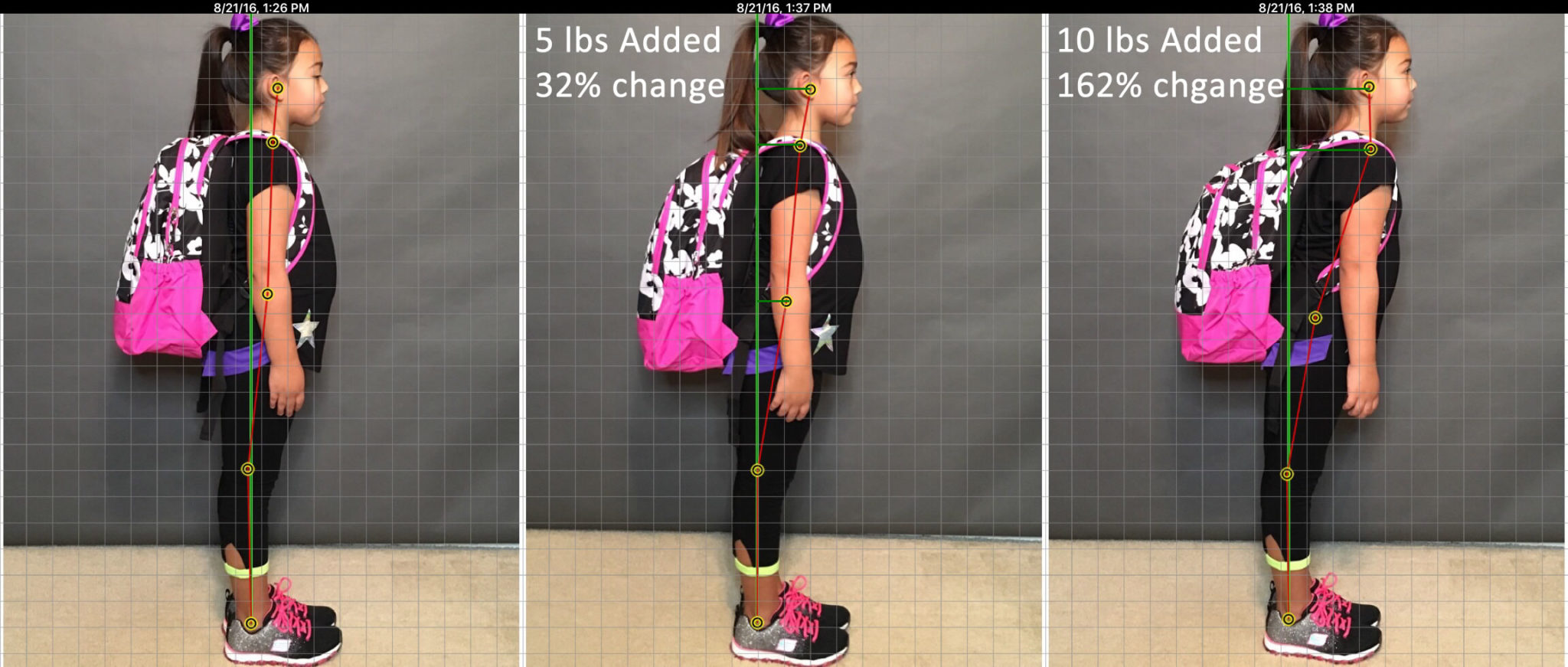
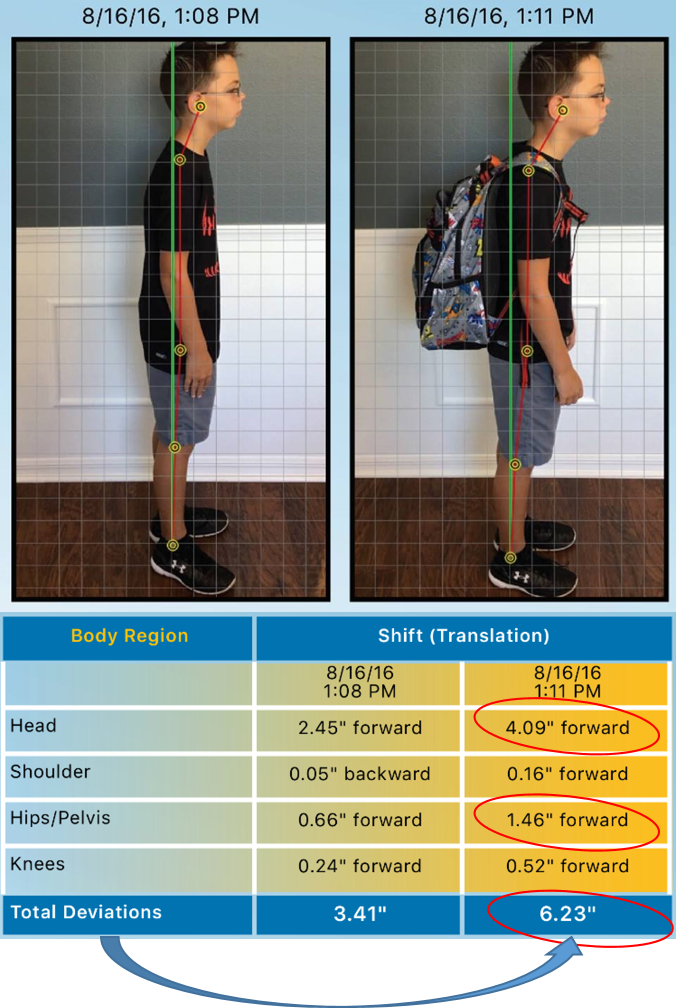
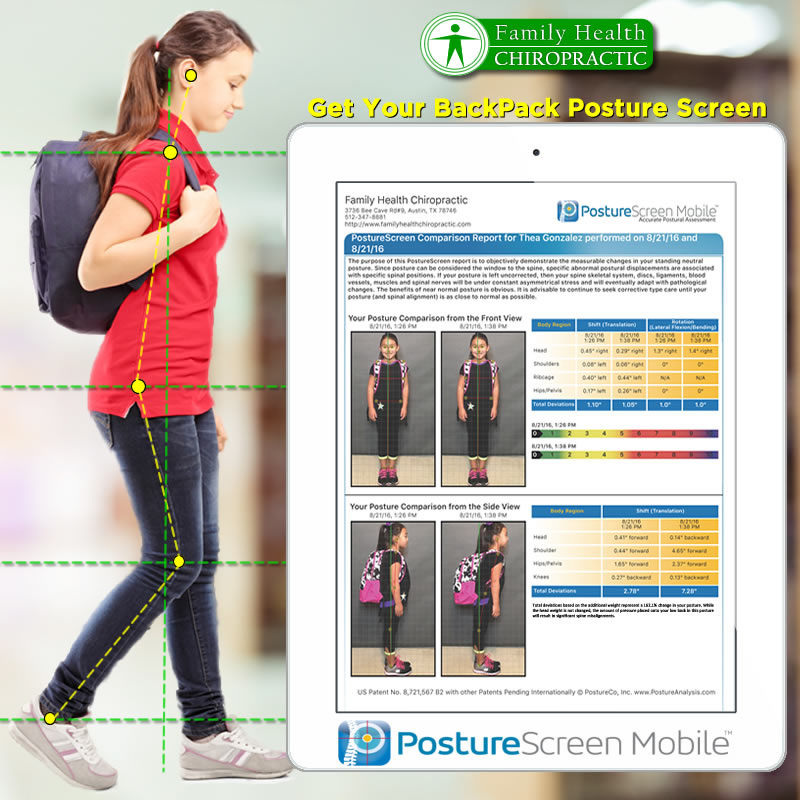
Below is a picture of my daughter with 5 and 10 pounds of weight added to her backpack. The photo on the far left is just her backpack with her lunchbox and school supplies. When we added 5 lbs to her backpack, it caused a 32% change in her postural deviations with the most significant change occurring at her neck. After adding 5 more pounds for a total of 10 pounds, it didn't change her forward head posture, but if you look at her shoulders relative to the green vertical line (normal posture) you can see a dramatic shift forward as well as her hips. Her total body weight is 72 lbs. If we go off the recommendations of experts of only allowing 10-15% of bodyweight in a backpack, we get 7.2 to 10.8 lbs. However, as you can see below, 10 lbs of weight in her backpack still created 162% change in postural deviations. This posture is enough stress to create physical problems.

backpack-posturescreen-thea

When a load of 15% or higher is carried in a backpack over both shoulders, forward head posture increases. And the research is clear: Forward head posture effects every single phsyiological function from breathing and heart rate, to hormone production and even brain health. Forward head posture has an impact on feelings of stress, mood, memory and even behavior. While this process begins in our adolescence, Forward head posture leads to chronic pain, numbness in the arms and hands, improper breathing, and pinched nerves in adulthood.
This is why you should take the time to have your child's posture analyzed with and without their back packs. If they are carrying more than 15% of their body weight, it's not good! This means that a 100lb person should not carry more than 15 lbs in their backpack. So the maximal load of 10%-15% can be carried without significant changes to forward shoulder and forward neck posture. Additionally, females should try to carry closer to 10% due to the differences in body structures compared to men. This suggests that a student ages 13-16 years old with a backpack weighting over 15% of their body weight would not be able to maintain correct posture and therefore could be damaging their spine.

Picture1

How to choose the right backpack:

  • Choose a padded bag to minimize direct pressure on the back
  • Make sure the bag is wide padded shoulder straps which will not affect circulation to the arms to cause numbness or tingling
  • Use waist and chest belts to transfer weight from back and shoulders to the trunk and pelvis
  • Multiple compartments to distribute the weight in the backpack

How to load the backpack:

  • 15% weight maximum! Ex. A child weighing 100 pounds should not wear a backpack heavier than 15 pounds
  • Load the heaviest items closest to the child’s back
  • Pack items only needed for that particular day
    • If the books and materials needed exceed the 15% weight maximum, use a book bag on wheels.

How to wear the backpack:

  • Wear both straps at all times! This will evenly distribute the weight and promote aligned posture
  • Tighten the straps so that the bag fits snugly to the child’s back, but still allowing the backpack to be put on and taken off easily. A bag that hangs loosely will strain the back muscles and pull the child backwards
  • Wear the bag over the strongest mid-back muscles and make sure it rests evenly in the middle of the back where the center of gravity is.

While backpacks are a major concern in causing neck, shoulder, and back pain.  There are other things we meed to take into consideration to help prevent spine disease and dysfunctions from modern life:

Sitting:  More and more research is coming out, and long story short sitting wrecks our bodies.  Again, most students today sit way more than the recommended limit of 2 hours per day. So the best course of action is to initiate a Spine Hygiene program to protect your child.

Texting: This is becoming a major issue!  Hunched over a cell phone is no way to text, sit up straight and bring the phone into your line of vision.

Activity: Being inactive and losing strength in important muscle groups puts you at a much higher risk to develop pain in the neck, shoulders, and back.  Make frequent movement and activity a priority!

Often the solution is simple and being more aware of your posture can address and reverse pain that you are experiencing.  Don’t let this linger, this is something that needs to be addressed before it becomes a chronic condition that is much more difficult to treat.  If you’ve been in pain for longer than one month and this does not change with postural corrections, please see us for a posture screen for a more detailed assessment to avoid this becoming a real issue.

Posture Corrective Exercises

The specific type of corrective exercises your child should be doing is highly dependent on their current spine and posture positions. This is why we highly recommend getting them checked. That said, here are a few movements that you can have them do to reverse the harmful effects of bad posture.

Seated Forward Fold

backpack-chiropractor-austin-3.fw

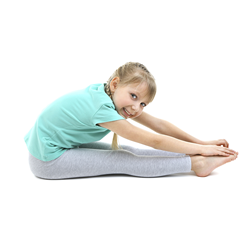
How to do it: Sit and straighten legs out in front of you, grounding thighs into the floor. Hinge at hips to elongate torso over thighs. Grab hold of the outer edges of your feet. (If your hamstrings are tight, use a strap or sit up on blankets.) Bend elbows wide up toward the ceiling and lengthen the sides of your torso forward toward feet.

Benefits: This feel-good fold elongates the back of your body, lengthens your spine, and stretches your hamstrings.

The Bow

backpack-chiropractor-austin-1.fwHow to do it: Lie facedown, then lift chest, arms, and legs off the floor. Bend knees and reach back to grab outer ankles. Lift toes toward the ceiling, spin inner thighs in the same direction, and lengthen tailbone toward the backs of your knees. Spread and lift chest.


Benefits: This backbend stretches the whole front of the body, especially the chest and the fronts of your shoulders. It also gives a nice massage to your abdominal organs.

Side Stretch

backpack-chiropractor-austin-4.fw

How to do it: Begin standing with feet shoulder width apart or slightly wider. Side bend as far down to one side of the body reaching for the ankles with your hand. Keep the other hand on your hip.

Benefits:  This stretch opens up the quadratus lumborum muscle which is chronically shortened due to all the sitting we do.

The Wheel

backpack-chiropractor-austin-2.fw

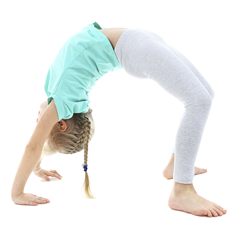
How to do it: Lie faceup with knees bent, feet flat on the floor. Position feet parallel to one another, hip-distance apart, with heels under the knees. Bring hands to the floor, framing ears, fingers facing toes. Press down into hands and feet, lifting hips and chest off the floor. Straighten arms and lift up through your shoulders. Spin your upper inner thighs down toward the floor as you lengthen tailbone toward the backs of your knees. To come out of the pose, bend arms and look up toward ceiling, slowly lowering upper back down to the floor.

Benefits: This backbend opens the entire front of the body. It strengthens the muscles in your back, shoulders, and hamstrings.

Lotus Position (Sitting Cross Legged)

backpack-chiropractor-austin-5.fw

How to do it: Sit on the floor with legs crossed. Take your right foot in your hands, and slowly place it on your left thigh as close to the crease of your hip as you can. Try to align your left heel with your hip joint while keeping your left ankle straight. Take your left foot in your hands, and slowly place it on your right thigh as close to the crease of your hip as you can. Try to align your right heel with your hip joint while keeping your right ankle straight. Be aware of correct posture as you open your chest, lengthen your spine, and gently pull your shoulders back; feel yourself relax as you sit proud, with your chin held high. Remember to press in at your lower back to maintain its natural inward curve.

Benefits: Opens up the hips, stretches ankles and helps to keep the spine erect improving posture.

Get your Backpack PostureScreen today!

Back to School is Literally a Pain in the Neck!2026-04-26T11:13:45-05:00

8 Sitting Positions That Save Your Spine

Every single one of you should already know about the harmful effects of sitting, but of course, some sitting is not optional. Whether you’re on a flight, driving to work, having dinner or the work environment doesn’t allow for a standing workstation – sitting is a part of our life.

Did anyone ever teach you about functional sitting or the best sitting positions? I’m assuming the answer is no. So I’ve decided to put together a few pictures of positions that are way better for your spine, brain and nervous system than simply flopping into your chair.

A healthy spine is determined by 1) Alignment and 2) Ability to Move through space properly. Part of having optimal alignment in a standing position is to engage the glutes properly and, keep your tummy engaged and toes straight to ensure proper hip position. The instant you sit down however, it becomes nearly impossible to engage your glutes and focus on your hips. In this article, I am going to attempt to cover as much as I can with respect to proper sitting mechanics and positions.

SITTING ON THE GROUND

Sitting on the ground is the most ideal seated position because 2 parts of the standing equation are active: hips and core. Additionally, when you sit, your pelvis is actively loaded versus when you sit on a chair it’s more the hamstrings and glutes muscles (which are not designed to take the same load). If you want to improve hamstring and glute flexibility… then stop sitting on them!

Another important aspect of sitting on the floor is that you are forced to perform a squat when you stand up; which takes your hips through their normal, natural range of motion. This is why cultures that sleep on the ground have far less low back problems, hip disease and falls as they get older.

Fun Fact: Did you know that your ability to get up and down from the floor is a predictor of overall mortality?

A Brazilian study showed that subjects who could not pass a simple test of getting up and down off the floor without support were more likely to die an early death!!!

The lotus position is hands down the best sitting position while on the floor because it creates mechanical, passive hip external rotation and automatically stabilizes your pelvis. A big problem with this position however, is that most people cannot get into it because of a loss of full hip range of motion.

SITTING AT HOME or p-ASS-ive SITTING

When you sit at home or want to recline, follow these basic guidelines to ensure the best position for your spine. Passive sitting is okay as long as

  • Your head is neutral
  • The backrest contours to the natural curves of your spine.
  • The lower back support prevents your pelvis from rotating posteriorly
  • Your legs and torso form approx. a 135 degree angle
  • Your legs are either supported or resting on the ground at a 90 degree angle

Of course passive sitting is not ideal for working. This would be the position that you can relax in. The trick here is to find a recliner that fits your body and allows for the bullet points above.

SITTING AT WORK OR ANYWHERE ELSE

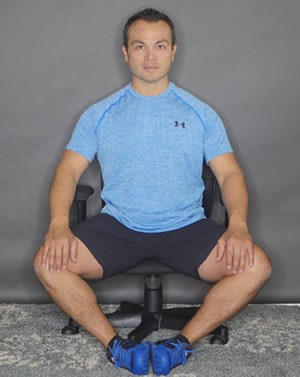
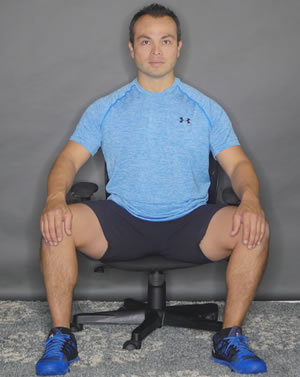
First and foremost, let me talk about the “man spread”. Man spreading is a position that allows for some rotation of your hip (good) and stabilizes the spine. Manspreading creates stability for your pelvis and lower back. You can either position your feet together and let your knees fall to the sides or spread your feet wide. Of course this position is not very lady like and may not be suitable for most work environments, but turns out that women also have hips and spines.

So… standing is your best option to maintain a healthy spine. When standing is not an option, sitting on the floor is the next best option and then when you cannot do that, there’s functional sitting. Here are a few things to consider.

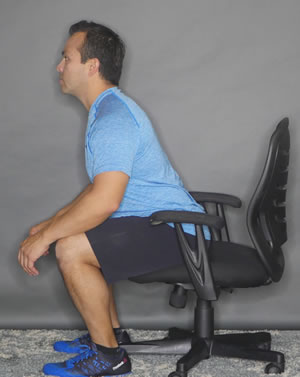
Sitting Down Sequence

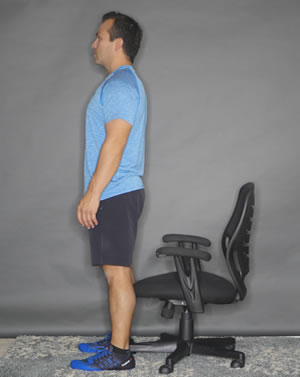
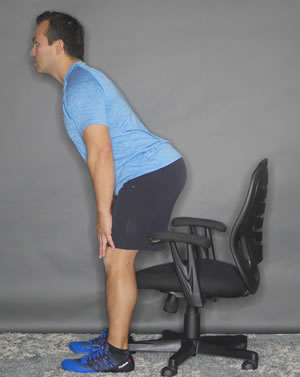
  • Approach the chair and initiate a braced spine position (tight glutes, engaged core, head and trunk neutral).
  • Hinge at the waist while keeping your belly tight and drive your hips back onto the edge of the chair and sit into an upright position while trying to maintain about 10-15% trunk tension.

Sitting Up Sequence

When you’re ready to stand, simply reverse how you sit: Hinge forward off the chair and lift your butt up using your hamstrings.

Maintaining a neutral spine and head position stand upright while squeezing your glutes.

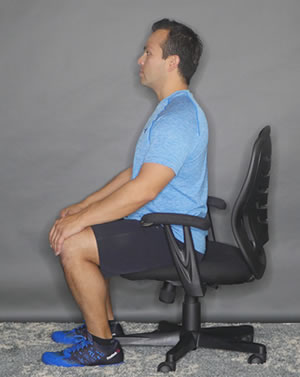
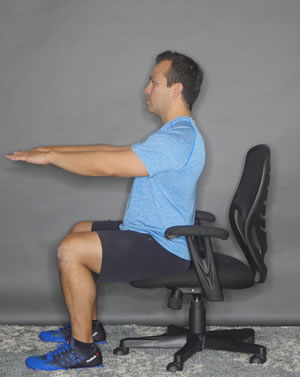
Sit on the Edge of your Chair

5

Sitting on the edge of your chair and not relying on the “backrest” has 2 primary advantages:

It encourages you to keep your trunk tight, which allows you to maintain a more supported spine.

It also keeps your body weight off your femurs (legs) and hamstrings. Sitting on your hamstrings will actually drive the “ball” of your leg or femur to the tops of your hip socket damaging the hip joint and decreasing hip range of motion.

Shift Positions Often

If you are required to sit at work for long periods of time then simply shift your position. This is mission critical for your health!!! In fact, studies on the damaging effects of sitting have demonstrated that those of us who get up and move every 20-30 minutes have healthier spines that people who sit the same amount of time but also work out 45 minutes every single day.

Here are 8 functional sitting positions that I would recommend you adopt during your “sitting work day”

#1 Sitting at the Edge

5

#2 Manspread/Wo-manspread

6

7

#3 Sitting Lunge

The sitting lunge position will help your low back to maintain its proper “lordotic curve” as well as work on hip flexion and extension. Make sure to alternate between both sides.8

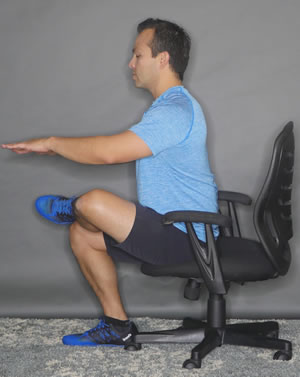
#4 Sitting Pigeon

The sitting pigeon position is great for stretching the piriformis muscle. The piriformis muscle sits right on top of the sciatic nerve. When this muscle is tight, it can compress the sciatic nerve causing “Psuedo-Sciatica”. Once gain, make sure to alternate between left and right.

9

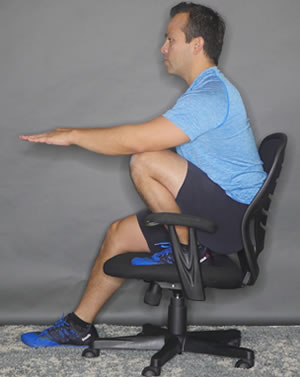
#5 Sitting Pistol

The sitting pistol, or single-leg squat, is a unique position that combines strength, flexibility, and balance in a way that many other movements do not. There are several pieces to the pistol position including normal ankle range of motion, knee range of motion, hip range of motion and low back stability. While this is a normal position that we should all be able to get into, failure to obtain this position will let you know areas of your body that you need to work on.

10

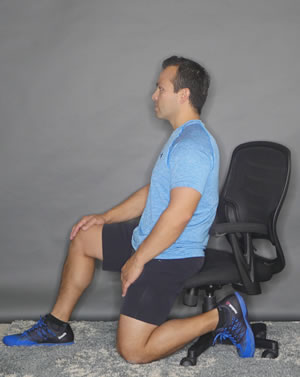
#6 Sitting Kneel

Kneeling for short periods of time is way better than sitting on your hamstrings and glutes for short periods of time. This position will ensure that your low back is in the right position while also opening up your hips and stretching your ankles.

11

#7 Sitting Hip Flexor Stretch

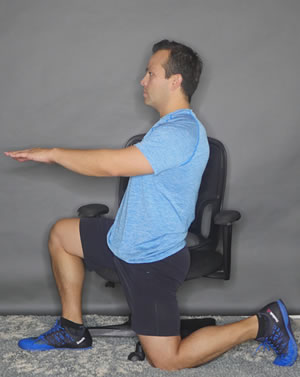
Who say's you cannot kneel on the floor? This position uses the chair to help support your single legged kneel position and also helps to stretch your hip flexors.

14

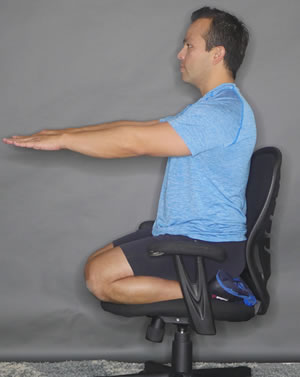
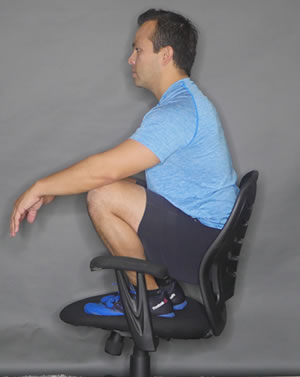
#8 Sitting Squat

Finally, we don't squat enough as a society. So why not incorporate a squat while you sit.  In most traditional cultures around the world, lower back pain is almost non-existent, despite the fact that people living in these societies perform a lot more physical labor.  The reason for this is pretty clear cut.  Most people in traditional societies rarely, if ever, sit in chairs for long periods of time.  If they need to rest, they squat.  Put simply, it's what our bodies are designed to do.

When we squat, our lumbar spine (low back) extends, stretching the muscles in our low-back.  There is little-to-no compression in the spine and stabilization is distributed between the muscles of the legs, hips and core.  It's a perfect posture.

12

Sitting down is often equated with rest and relaxation, but considering the devastation it has on our spine and health nothing could be further from the truth. The science is clear: sitting destroys our posture, musculoskeletal health and causes all sorts of problems from headaches, neck pain, low back pain, hip problems and is even associated with increased risk of diabetes and heart disease.


We were certainly designed to be able to sit. But how you sit, how often you sit and the lack of proper joint maintenance is what makes all the difference. Follow the rules and suggestions I have laid out in this article and you can be sure you're sitting in the best positions possible!

8 Sitting Positions That Save Your Spine2026-04-26T11:13:45-05:00

4 Reasons Elite Athletes Get Adjusted!

Every elite athlete is concerned with keeping themselves in tip-top shape. These high performers know that it takes a combination of nutrition, recovery and work to excel in their sport, but these aren’t the only ways athletes stay in peak performance mode. Each year, a growing number are turning to chiropractic care including a vast majority of Olympians both in the US and abroad.

Experts estimate that 90 percent of all world-class athletes use chiropractic care to prevent injuries and increase their performance potential.  Additionally, all National Football League (NFL) teams rely on Chiropractors in varying capacities, and approximately 77 percent of athletic trainers choose to refer players to a chiropractor for evaluation or treatment.  Of course, you don't have to be a professional athlete to benefit from chiropractic care. Some, like New England Patriots quarterback Tom Brady, find that it helps improve not only their their performance but overall health, “Chiropractic just makes you feel so much better. When I walk out of the clinic, I feel like I’m about three inches taller and everything’s in place. And as long as I see the chiropractor, I feel like I’m one step ahead of the game.”

So here are 4 reasons why Elite Athletes choose to get adjusted regularly:

#1 Chiropractic Heightened Body Awareness and Improved Brain Function

A back problem is actually a brain problem! Back problems are not isolated to back or neck pain and can exist in children, adults and athletes without any pain or symptoms. When a spinal vertebra loses proper alignment or movement, interference occurs in the brain and central nervous system. The spinal misalignment is called a vertebral subluxation. Research proves that subluxations exist in the spine but cause problems in the other parts of the body because of their influence on the brain. Chiropractic reduces the interference in the brain and central nervous system by checking and adjusting the spine on a regular basis. Proper alignment assures proper brain to body communication and improved overall health. Back problems involve much more than the sensation of pain. A back problem impacts overall body health because of the united influence on the brain and central nervous system.

A study published in a medical journal in 2016 (Neural Plasticity) proved a major connection between just one adjustment of the spine and significant brain improvement. A specific area of the brain most affected by the adjustment was the pre-frontal cortex. The pre-frontal cortex plays a significant role in your executive functions, focus control, attention, memory, initiation of activity, and response to stimuli. This area plays a critical role for athletes to make quick decisions and anticipate changes in their environment. It'a also important for kids and adults with attention and focus problems, memory, and learning issues. Improving the pre-frontal cortex also impacts many other symptoms exhibited by children or adults because the brain directs all aspects of health, function, and human performance.

#2 Chiropractic Improved Movement and Response Time

In a study published in the Journal of Manipulative and Physiological Therapeutics, individuals who received chiropractic care noted a nearly 10% increase in improved movement and response time compared to those not under chiropractic care!

# 3 Chiropractic enhances bodily functions related to recovery

Because it is so effective at pain-based and pathological conditions, one of the most overlooked aspects of chiropractic care is that it enhances personal and athletic performance with respect to recovery. Studies have sown that it:

# 4. Chiropractic Reduces Acute and Chronic Pain

Once again, the main reasons why you should get chiropractic adjustments are about the BRAIN and not PAIN. But, if you're hurting the spine is an important physical structure that contains many pain-sensitive tissues; most notably, joints, muscles, nerves, discs and ligaments. If there are any abnormal alignment patterns in the spinal column, this can place an abnormal amount of stress and strain on any one of these tissues. In a recent article reviewing the effectiveness of spinal manipulation, chiropractic adjustments were consistently better than other medical options in reducing the intensity of acute low back pain, plus restoring normal function, both for short-term and long-term effects.

This particular study actually compared several modalities including: spinal manipulation (Chiropractic) cold versus heat, ultrasound, laser therapy, medications (steroids, muscle relaxers, anti-inflammatories, opioids and antidepressants), injections, acupuncture, massage, traction, tens, back schools and corrective exercise.

Out of all the various forms of therapy and treatment, chiropractic adjustments were found to be superior to all others.

The fact remains, whether you are an athlete or not,  you can experience the same benefits from routine chiropractic care. And it is just as important for you to include as a key part of your overall health routine.

4 Reasons Elite Athletes Get Adjusted!2026-04-26T11:13:45-05:00

BrainWashing: How to Determine if it’s Your Body or Your Brain that is Broken

Enough. I am tired of hearing 40 and 50 year olds complain about their age and using it as an excuse for their lack of activity. It's a BS excuse and a lie you keep telling yourself over and over.

I am writing this article as a shout out to those of you who have been told that you need to stop running, jumping, lifting or just plain living because you have bad knees, hips and shoulders. This article is for those of you that have been told that you need to take it easy because your favorite sport is too “high impact”. This article is for all of you who have been told that your body aches and is in pain because of your age.

Consider for a moment that maybe your symptoms are not due to wear and tear, or old age. Use the checklist at the end of this article to explore new ways of thinking that empower healing and joint repair within your body.

THE DOWNWARD SPIRAL

As a Chiropractor, I get to hear all sorts of stories of people who have been riddled with injuries, pain, and arthritis. Whether its from torn tendons, rotator cuff problems or spine injuries from all the sports we played at children- the pain and injuries that people often complain about the most include chronic shoulder, hip, lower back pain and neck pain.  People quite often blame their lack of physical activity on injuries or the wear and tear from high impact running, squatting with heavy barbells, hours on the elliptical and treadmill, and countless hours spent working on the yard.

Everyone has the best “knee doctor”. Everyone has a “shoulder guy”. By the time someone comes to me, they've been to the best “surgeon” or “orthopedic”.  What's funny is the best always seem to give the same advice: “taking it easy.” And when the experts validate the belief that wear and tear has taken its toll on your body by telling you that your knees, hips, and shoulders are not meant to be pounded on consistently; your brain rewires this lie for truth. And despite the rest and withdraw from physical activity that these people have take from their “high impact activities”, their health and fitness continue to dwindle and they are no longer able to perform their favorite activities without pain or limitation. 

But I want you to know that you can absolutely change it. Your knees, hips, back, and shoulders can be pain free. You can perform high-impact activities five to six days a week such as weight lifting, running hills and long distances, and even water sports. You can achieve a status of injury free and enjoy physical activity the rest of your life.

And if you don't change it… then I'd rather you be in pain from movement and activity and enjoying the activities you love, rather than being in pain and spending the rest of your life in limbo.

MOVEMENT IS MEDICINE

I have seen people make a 180 degree shift in their thinking that set them on a physical 180 degree shift in health. There is something transformative when you go from stinking thinking such as “My body has been ruined from high impact activities.” to realizing that there is actually nothing wrong with these activities, and in fact, your body is supposed to be able to move and perform at a high level regardless of age. When you take a global look at your body and begin to realize that your chronic ailments are simply symptoms of joint misalignments and muscular imbalances, you can begin to take ownership of your body and work on correcting it with daily corrective exercises. I personally have taken daily actions since 2002 to fix and heal my own body, I never skip a day of doing my posture exercises. This process has not been a passive or a fast one by any means! But I can confidently say that my body is stronger, more flexible and durable than 10 years ago.

The science of Physiology has taught us that the human body has the ability to heal itself, if given the chance, and I have hundreds of not thousands of files of peoples who are breathing proof that this is possible. Today, I believe that we don’t ruin our bodies by moving, instead we ruin our bodies by not moving.

Movement is my “healthcare plan” for remaining pain and injury free. And as I get older, my body will continue to get younger by most peoples standards. My range of motion and ability to function the way the human body was designed to move without limitation and with total freedom will continue to expand.

Shift Your Stinking Thinking

Now, how can we determine if it's your body or your brain that is broken?

If you are suffering from chronic pain or old injuries, take a moment to write down the thoughts that you tell yourself consistently every day. And yes… literally write them down because then you won't be “actively participating” and if that's the case, I can't help you! Professionals do the work. So be a pro for your body and do the work! So…

Step 1: Write down your self-talk. Write down the things you tell yourself as to why you are not being physical or refraining from participating in a certain activity.

Step 2: Ask yourself the questions: Are these thoughts empowering? Do these thoughts honor my body’s ability to heal itself the way my body is supposed to heal itself? Is it the physical activity itself that is causing the problem, or is it something you can correct internally?

Step 3: Write down alternative thoughts and mindsets you could adopt that could lead to healing and getting the most benefit from the healing modalities that are available to you. Is there something you can be doing everyday to improve movement during the activity? Do you lack the joint flexibility to participate? Do you need to improve your endurance to handle the stress? Can you improve strength?

We all have the same innate abilities within ourselves to heal, and the brain is the most powerful vehicle for facilitating this process of healing within ourselves.

Maxwell Maltz was a plastic surgeon who wrote the book Psychocybernetics) said it best:

We are engineered as goal seeking mechanisms. We are built that way. When we have no personal goal which we are interested in and which “means something” to us, we are apt to “go around in circles”, feel “lost” and find life itself “aimless” and “purposeless”. We are built to conqueror environment, solve problems, achieve goals and we find no real satisfaction or happiness in life without obstacles to conqueror and goals to achieve. People who say that life is not worthwhile are really saying that they themselves have no personal goals which are worthwhile.

If you have the belief that your body is broken and you cannot do anything about it- then you need to rewire your circuits, because it's just not true. The best part about all this, is that the brain is designed to be rewired. In fact, your self image is just a bunch of neurons and circuits that can be rearranged. If you currently have a self image of being broken by age or old injuries, then you've got a brain problem; not a body problem and you are in desperate need of brainwashing! Neuroscientists call the process of rewiring neural connections brainwashing. And how do you brainwash? By performing the activities listed in Steps 1-3 above. You literally have to make it a habit to soak up and concentrate on new thoughts.

Ultimately, your health, diagnosis or treatment outcome is YOUR RESPONSIBILITY. Health is your greatest asset and failure to invest in your health daily has its consequences. I hope each and everyone of you read this article from top to bottom and then re-read it over and over and even share it with your friends. I hope you make the decision to free yourself from the chains of bad beliefs and negative neural connections. But most of all, I hope you take this information and execute. 

BrainWashing: How to Determine if it’s Your Body or Your Brain that is Broken2026-04-26T11:13:45-05:00

4 Reasons You Should Get Your Spine Checked Today!

Modern life does a great job at stressing out the human body. From processed foods and an ever growing list of chemicals, to sedentary lifestyles and abnormal body mechanics we are all exposed. So what can we do to keep our bodies from falling apart?

Failing to address the importance of human structure and its relationship to gravity proves costly. The current medical model of healthcare in most developed nations unintentionally fails to address this major component of health. Gravity plays a vital role in human function and performance. The human body uniquely functions in a world where gravity directly impacts a person’s health. Chiropractors use uniquely specific skills that address spinal structure and biomechanics. Patients achieve extraordinary results when Chiropractors help unlock the optimal brain and nervous system potential within the body.

Chiropractic care gained early notoriety for making a positive impact on neck and back pain symptoms. Up to date science and research established that although Chiropractic care alleviated neck and back pain, the results expanded to a much greater extent. Consistent Chiropractic visits directly produce benefits in overall organ health, prevention of bone and nerve degeneration, increased range of motion, and injury prevention. A study published in 2011 evaluated the data from previous scientific literature and come to the conclusion that the best benefits achieved through Chiropractic occur over a longer period of time due to the optimal health influence experienced by the brain, nerves, bones, and soft tissue.

The application of on-going Chiropractic adjustments (with or without the presence of pain or symptoms) optimizes the spine and nervous system health and function. Millions of Chiropractic patients all over the world utilize wellness or maintenance care. Research has proven an uncompromising link between Chiropractic maintenance care and the optimized levels of function within the body. This not something you have to believe in.


It's a medical fact when a spinal joint loses the ability to move freely, degeneration begins to occur almost immediately. A lack of spinal joint mobility also accompanies neural degeneration, neuroplasticity changes, neural and muscle atrophy, and muscle weakness at an average rate of two to four weeks. A misaligned or improperly moving spinal vertebra produces nerve, bone, and muscle degeneration within two to four weeks as well. The negative reactions occur even without the presence of pain or symptoms.

Reason #1 – The Spine Helps Prevent Insult and Injury to Your Central Nervous System

central-nervous-system-austin-chiropractor.fwThis kind of injury can put your entire life on hold. It can affect sleep, sex, work, overall happiness and your sheer will to live. It's possible to rebound from some spinal injuries, but others bring about lifelong devastating changes. We regularly see young people with spine-related degeneration and disc injuries well before their 25 birthdays! The structures of the spine were intended to last a very long time- certainly longer than two decades of life! The best way to prevent spinal injuries and degeneration is – you guessed it – learning how to care for and following through with spine health treatment!
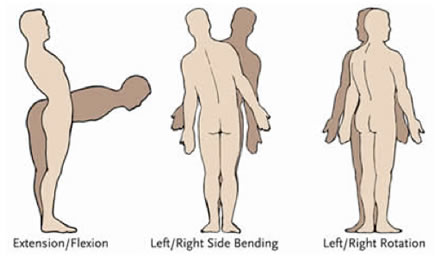
Reason #2 – The Spine can Increase your Joint Ranges of Motion.

A disorganized spine can and will limit your ability to move freely in space because of its relationship with the central nervous system. The spine is the chassis or engine for your body’s other two primary motors, the hips and shoulders. This is why it's vital to correct your spine before you attempt to “heal” or treat shoulder and hip problems. Each functional movement begins and ends at the spine, so your spine has to be properly aligned. When the spine is not aligned properly, the shoulders and hips compensate abnormally and you will never achieve maximum force. Simply looking up – and thus breaking the spine alignment with a bent neck – can reduce strength in your arm and/or sprints.

When the spine is disorganized, the central nervous system will protect itself by limiting force production (strength) and altering how your tissues adapt to movement (athleticism). The nerves that exit the spine do not stretch, so when there are kinks in the spine, the nervous system will recognize the problem and begin to tighten structures such as muscles to limit the range of motion and prevent injury.

For example, when you overextend your low back (lumbar spine), the your quadriceps, hamstrings and even calves will begin to tighten. When your spine is braced and held in the optimal, neutral position however, your muscles can begin to relax giving you access to untapped mobility and flexibility.

Reason #3 – The Spine allows you to Safely and Effectively Transition from one Position to Another.

movementsLet's face it: You need to be able to change your position without compromising spinal integrity. Think about how many times you sit up and down, roll off your bed or rotate from side to side. Most people would agree that lifting something heavy with a rounded back isn't a great practice. Try adding “twisting” to that movement and you'll have to search long and hard before you find someone who agrees that it's healthy. A big problem is that we rarely point out faulty movement patterns in “pedestrian movements” like walking, getting in and out of a chair or even our cars. But making these small, poorly organized movements over and over again most certainly takes its toll on the spine. So when you finally do go an lift something heavy, you'll do it with a compromised spine that was not ready for it.
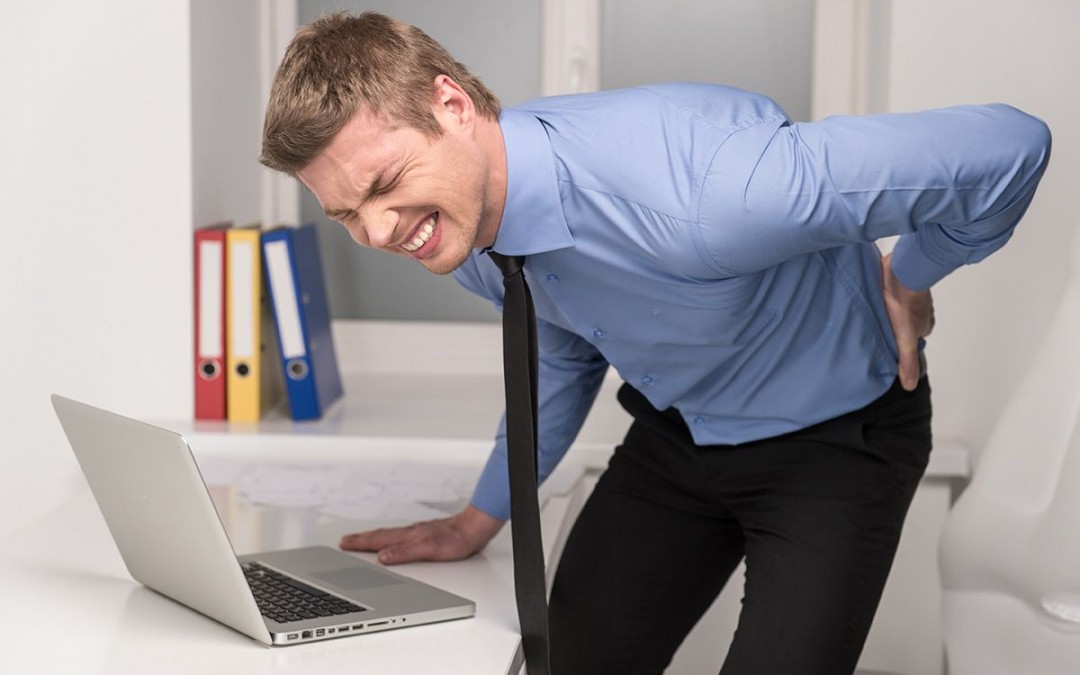
Reason #4 – The Spine Helps you Buffer Bad Working and Life Situations.

back-pain-chiropractor-austinCertainly your body is capable of awkward positions and abnormal loads like rounding the back. Certainly the human body is built to handle a certain amount of physiological stress without breaking in an instant. Think of a harried mom reaching into the backseat to pull her crying infant out of the car seat. Think of a time when you saw something fall off the table and you lunged in an instant to catch it. A highly organized, braced spine is the base from which you generate all of your movement. No, I don't expect you to stand like a robot with perfect posture all day long. What I expect is that you practice so that when the time comes, you are ready for whatever comes your way – that includes avoiding tiny little injuries that happen over the weekend or catastrophic unforseen events.


The key is to have a base position, or starting shape, that is automatic so that you're not hammering your body with poor posture all day, every day. This will keep your body strong so that when you do lose focus and move incorrectly, you can handle that compromised position no problem. The last thing you should be thinking about as you move through the world is what your spine is doing. BUT… achieving a healthy spine and optimizing health (which is freedom) requires practice and intention. 


When it Comes to Physical Fitness, You Must Start with The Spine First

There are 2 ways to analyze the health of your spine: 1) Alignment and 2) Motion. When someone comes to our office for an initial exam, they often come with a number of symptoms including: headaches, neck pain, back pain, shoulder pain, hip and knee problems and or stiffness. The first order of business is to assess their alignment. Scanning the spine for alignment can be done by visual posture analysis and xray examination. We of course do both. From this initial exam we are able to identify mis-alignments that are contributing to the problem. Once the mis-alignments are addressed, we can then move into movement and begin re-educating the body on proper spine sequencing which gives rise to optimal shoulder and hip mobility, etc.

Regular and consistent Chiropractic adjustments provide the necessary foundation for optimal health and well-being. The onset or progression of permanent degenerative nervous system and spinal degeneration occurs with or without the presence of immediate symptoms. An old adage encourages people to proactively invest in an ounce of prevention rather than be subjected to a pound of cure. Children and adults should be consistently checked for the presence of BOTH loss of motion and abnormal alignment by a Chiropractor on a regular basis. Wellness care not only prevents the deterioration of spine and nervous system health, but also optimizes brain and central nervous system function. New born infants and adults all experience health by way of the functional capacity of the nervous system. Chiropractic offers the chance for optimal health to everyone within the community.

4 Reasons You Should Get Your Spine Checked Today!2026-04-26T11:13:45-05:00

How To Clean & Detox Your Brain: The Amazing Glymphatic System

Have you ever heard that sleep quality is just as important if not more than quantity? Wonder why some people can operate on 4 hours of sleep while others need 8? While modern science still doesn’t know all of the molecular mechanisms behind the purpose of sleep, we do know that it’s a huge component to healing and recovery.

In a series of studies published between 2012 and 2015, we now know that the brain has its own internal detoxing system that turns on when we are asleep. It literally has its own detox organ system! Lead investigator and discoverer of the system, Dr. Maiken Nedergaard summarizes: “the restorative nature of sleep appears to be the result of the active clearance of the by-products of neural activity that accumulate during wakefulness.”

The point here is that while you rest, your brain is busy sweeping the floor, washing the dishes, and taking out the trash to prepare your body for the next day. The understanding of how this system works is already transforming scientific understanding of what sleep is for, and how it works and offers new directions for brain disease treatments. This wonderful brain detox organ is called The Glymphatic System.

cleandetoxhome3.banner

The Glymphatic System: Your very own “Brain Drain”

While the glymphatic system hasn’t hit “lame”-stream media just yet, it will. If you are a patient of mine, then you should already know where health and healing come from… The brain. These findings further support the notion of caring for and optimizing brain health.

The glymphatic system uses the cells’ mitochondria (your cells battery) to remove cellular waste from the brain (see reference). Scientists have found that the clear cerebrospinal fluid (CSF) in the brain is what is responsible for draining toxins from the brain, much like how the lymph system in other organs is what removes waste from those cells to the kidney and liver.  But the brain has no lymph – it has cerebrospinal fluid (CSF) instead. The CSF is a clear fluid that transfers between the brain and spinal cord.

Brain cells, like all cells of the body, require food and oxygen for metabolism. And like all cells of the body, brain cell metabolism results in waste. During the day, this waste collects in the brain's fluid. Some of this waste dissolves in the fluid, but most of it simply collects, waiting for sleep.

One of the most fascinating aspects of the brain cleansing process is the behavior of the brain cells. They actually shrink during sleep. As they shrink, the space between the cells increases by 60% aiding in the cleansing process. Cerebral spinal fluid quickly flows into the space, aided by the pulse of the arteries. It mixes with the fluid and washes the waste toward the veins and carries it to the liver. This process occurs during slow wave sleep, the deepest part of our sleep cycle. In other words, as you sleep your brain cells’ mitochondria remove cellular waste. If you improve your mitochondrial function during sleep, you’ll turbocharge your brain’s maintenance system and can potentially get cleanup done in fewer hours.

Why detoxing the body (and brain) is so important!

We call the process of eliminating toxins, “cleansing” or “detoxification,” which is the opposite of “intoxication.” The body has several organs aimed at helping to clean up:

  • Skin
  • Liver
  • Lungs
  • Kidneys
  • Spleen
  • Gall Bladder
  • Lymphatic System

But just like any filtration system, the efficiency starts to drop with repeated exposure and lack of proper maintenance. This is exactly why I recommend everyone to detox at least once per year if not every 3 to 4 months for maximum health.

Think about what happens to your body during exercise. You start off full of energy and ready to go! But soon enough, your breathing turns uneven, your muscles tire, and your stamina runs its course. What’s happening internally is that your body isn’t able to deliver oxygen quickly enough to each muscle that it needs and instead creates energy anaerobically (without oxygen). And while that process allows you to keep on going, a side effect is the accumulation of toxic byproducts in your muscle cells. Those byproducts are cleared out by the body’s detox organs, allowing you to resume normal function without any permanent damage. This is the recovery stage.

The body has its own set of detox organs that act as custodians: Whenever waste is formed, it sweeps it clean. The brain, however, is outside its reach despite the fact that it uses up about 20 percent of your body’s energy. So how does it all get cleared? What happens to all the wrappers and leftovers that litter the room after any mental workout?

UNTIL a few years ago, the prevailing model was based on recycling: The brain got rid of its own waste by breaking it down and recycling it at an individual cell level. When that process eventually failed, the buildup would result in age-related cognitive decline and diseases like Alzheimer’s would develop. Surely the body is smarter than that!!!

MODERN society is increasingly ill equipped to provide our brains with the requisite cleaning time. Some 80 percent of working adults suffer to some extent from sleep deprivation. According to the National Sleep Foundation, adults should sleep seven to nine hours. On average, we’re getting one to two hours less sleep a night than we did 50 to 100 years ago and 38 minutes less on weeknights than we did as little as 10 years ago. Between 50 and 70 million people in the United States suffer from some form of chronic sleep disorder. When our sleep is disturbed, whatever the cause, our cleaning system breaks down.

When the cleaning system breaks down, whether its your skin, liver, gall bladder or the glymphatic system in your brain – you’ve got problems!

If the brain's primary detox organ relies heavily on the mitochondria – then you should work towards optimizing these cellular structures. Mitochondria are well-defined structures found within your cells. Survival of the cells requires energy to perform different functions. The mitochondria are the primary source of biological energy of the cell, and they obtain this energy ultimately from the fuel you put into your body.

That said, if you want to improve the brain's ability to detox; you've got to improve mitochondrial function by optimizing nutrient intake. This is exactly why cellular detoxification programs are so important!

cleandetoxhome3.banner

Caring for the Spine Optimizes CSF and the Glymphatic System

Your brain controls every single physiological function from heart rate, breathing, digestion to hormone production and tissue repair. Alignment and movement of the spine is the primary source of energy and stimulation the brain needs to function properly. The cerebrospinal fluid is what the glymphatic system uses to cleanse the brain. Stimulating the spine (chiropractic adjustments) and maintaining its alignment (posture) and movement (exercise) are essential for brain detoxification.

The effectiveness of the Glymphatic system is dependent upon cerebrospinal fluid flow. Research using upright MRI’s show how upper cervical adjustments (chiropractic adjustments delivered to the top part of your neck) affect various brain-based conditions. Not only are MRI scans revealing that cerebral spinal fluid and blood flow are markedly increased after a chiropractic adjustment, researchers are observing that cerebellar invagination (when the cerebellum drops down below the skull line) is being reversed and brain plaquing (common in multiple sclerosis patients) is disappearing!

Obviously there are several ways beyond a chiropractic adjustment to improve CSF flow and the Glymphatic system. It turns out that many of my core health recommendations influence the way cerebral spinal fluid (CSF) enters the brain’s glymphatic system.

Here are a few that you should consider implementing:

  • Intermittent Fasting
  • Yoga and movement (especially inversions!) improves CSF
  • Standing at work instead of sitting moves more CSF
  • Using WBV or whole body vibration therapy improves CSF
  • Pranayama and just about any breathing exercises is great for CSF
  • Massage
  • Hydration
  • Exercise (especially rebounding, jumping, running)

Supercharge Your Brain to Supercharge Health and Healing

I believe that we need quality sleep over quantity. I also believe that we need to be “building sleepiness” or earning our sleep by working hard throughout the day. And when the brain reaches a certain level of toxicity; you rest. That's how it's supposed to work and I’ve also noticed that just about anything that helps to reduce toxins or toxicity in my body makes me require less sleep.

How many of you fall asleep as soon as you sit down on a chair or the couch? Do you find yourself sleepy all the time? If so, that may be a symptom or signal of how toxic your brain really is. Of course, if you just ran a marathon or finished an SAT exam, the brain wants you to rest… but if you find yourself dozing off without having earned it; i'd start paying attention to how you're living and what you're putting into your body.

Every chiropractic adjustment you get will improve the brains ability to detox. I hope you cannot wait till your next one.

cleandetoxhome3.banner

How To Clean & Detox Your Brain: The Amazing Glymphatic System2026-04-26T11:13:45-05:00

How I got Myself Sick in 28 Days

Over the last month I developed fatigue, mental fog, sleep disturbance, headaches, acid reflux, phlegm (gross), joint stiffness including neck and back pain and moodiness. I also measured an elevation of overall blood pressure, fasting glucose, and resting heart rate. All of these symptoms are completely out of the norm for me and the only thing different that I did was eliminate physical activity.

After the 2nd week of not exercising I started to notice that my mind was racing constantly and I lost the ability to focus. I also noticed that while my body was physically rested, my mind was exhausted. I couldn’t concentrate and it also impacted my sleep. Of course this brought on other symptoms such as fatigue during the day (even though my body was rested) and headaches (even thought I was well hydrated). By the third week I started to develop tightness and stiffness. I was no longer flexible and could not perform stretches that I normally perform daily. I started to get neck, low back and even elbow pains. By week 4, I developed acid reflux, mucus and phlegm that I had to continuously cough out or clear my through from. All of this happened even though I was not “sick”. Just like flowers can go from blooming to withering in just a few hot days; the body equally breaks down when it is robbed from its necessities.

All of this happened in a matter of 28 days and yes, when I started exercising again last week, it was hard. Whereas I normally cannot wait to go for a run or physically exert myself; the last few days I’ve had to grab and fight for every inch of motivation to get my butt up and move.

How many of you are in this state? How many of you are OK suffering from similar symptoms due to a lack of physical activity?

How does not exercising impact your body?

First, the combination of inactivity (not exercising) and eating the wrong foods is the second most common preventable cause of death in the United States (smoking is the first). So, choosing to not exercise is choosing to die earlier than you’re supposed to. That’s a medical fact.

Studies clearly show that exercise helps the heart, both by improving exercise capacity and reducing the risk of heart disease (which is the #1 cause of death in the US). In addition, new brain imaging studies have confirmed that exercise boosts the brains ability to repair itself. When you improve the function of the brain, you improve function of the body and it's ability to repair and heal itself.

The specific benefits of exercise include:

  • Decreased risk of heart disease, high blood pressure, and stroke
  • Decreased risk of colon and breast cancers
  • Decreased risk of diabetes
  • Decreased risk of osteoporosis and fractures
  • Decreased risk of depression and dementia (memory loss)
  • Improved balance, mobility, and the ability to perform basic activities of daily living.
  • Improved blood sugar control
  • Improved hormone balance
  • Improved sleep patterns
  • Improved brain chemistry and signalling

Molecular Biologists have discovered that our DNA evolved to favor exercise. In other words, during prehistoric times, if a person couldn't move quickly and wasn't strong, that person died. Those who were fit survived to reproduce and pass on their “fitter” genes. Some researchers believe that with our current inactive lifestyle, these genes produce a number of bad effects, which can lead to many chronic illnesses.


Not Exercising Daily Goes Against Your DNA (Genetics)

That said, I don’t know anyone who has never skipped a workout. But I do know a lot of people who never workout! Look, I am a firm believer in cutting yourself some slack and taking time off from exercise when you need to. But we also know how easily three days away from exercise can snowball into six, then 10, then you find yourself decades later asking the question we’ve all asked when the gym feels like a distant memory: How can I possibly get back into a rhythm?

It’s true what they say, “use it or lose it” is the rule. But exactly how much fitness you’ll “lose” depends on the length of your break and how fit you were to begin with. Don’t worry about going from 0 to 50 your first week back. The only way to really get back into it, is to simply start.

Studies continue to show that it is never too late to start exercising. Elderly adults who exercise twice a week can significantly increase their body strength, flexibility, balance, and agility. Studies also show that even small improvements in physical fitness and activity can prolong life and independent living. A recent study based on a 35-year follow-up showed that in men who increased their physical activity at age 50, the reduction in mortality rate was similar to that of smoking cessation. In fact, after 10 years of increased physical activity, these men had the same mortality rate for their age group as men who were highly physically active throughout entire adult their lives. So to repeat… no one is too young or too old to exercise. The United States Surgeon General recommends at least 30 minutes of moderate exercise, such as brisk walking, nearly every day.

Start By Simply Warming Up

Whether your workout is lifting weights, using your own body weight, running, swimming, etc. warming up should be the first thing on the to-do list. In fact, if you have not been working out consistently and your personal fitness needs work; experts agree a warm-up should be the only thing you focus on for the first three months. This will get things moving in the right direction and much easier for you to stick with!


Of course every warm-up will be different, depending on your fitness level and the goal of your workout. But as a jumping off point, start with these four basic goals for every warm-up, as outlined by the National Strength and Conditioning Association.

  1. Loosen up the body – think of simply moving your joints, muscles and prepping your body for moving. This can include big arm swings, rolling your neck, bending forward and backwards, twisting or rotating from side to side.
  2. Get your heart pumping – Here you’ll slowly increase your heart rate by performing jumping jacks, lunges, squats or push ups.
  3. Do some dynamic stretches – stretch your muscles by swimming your arms around in circles, swing your legs back and forth, reach for your toes and then lift your arms up in the air and reach as far back as you can.
  4. Practice – move through your exercise plan for the day but at a much lower intensity. This will build muscle memory and train your brain for how you will want be exercising when you actually start.


The 3 Primary Forms of Physical Training You Should Do Daily

  1. Flexibility/Mobility Trainingflexibility training

The first type of exercise you should incorporate is flexibility training. This will prep your body for bigger movements as your physical fitness improves. Flexibility training uses stretching exercises. Many stretching exercises are particularly beneficial for the back. In general, flexibility training provides the following benefits:

  • Prevents cramps, stiffness, and injuries
  • Improves joint and muscle movement (improved range of motion)

Certain flexibility practices, such as yoga and tai chi, also involve meditation and breathing techniques that reduce stress. Such practices appear to have many health and mental benefits. They may be very suitable and highly beneficial for older people, and for patients with certain chronic diseases.

I personally recommend performing stretching exercises for 10 – 12 minutes at least three times a week. The following are some general guidelines:

  • When stretching, exhale and extend the muscles to the point of tension, not pain, and hold for 20 – 60 seconds. (Beginners may need to start with a 5- to 10-second stretch.)
  • Breathe evenly and constantly while holding the stretch.
  • Inhale when returning to a relaxed position. Holding your breath defeats the purpose; it causes muscle contraction and raises blood pressure.
  • When doing stretches that involve the back, relax the spine to keep the lower back flush with the mat, and to work only the muscles required for changing position (often these are only the abdominal muscles).
  1. Aerobic (Endurance) Trainingendurance training

There are a variety of types of Aerobic Exercise. This type of exercise is categorized as high or low intensity. High intensity aerobic exercise is further classified as high or low impact. Examples of each include the following:

Low- to moderate-impact exercises: Walking, swimming, stair climbing, step classes, rowing, and cross-country skiing. Nearly anyone in reasonable health can engage in some low- to moderate-impact exercise. Brisk walking burns as many calories as jogging for the same distance and poses less risk for injury to muscle and bone.

High-impact exercises: Running, dance exercise, tennis, racquetball, squash. High impact exercises are excellent for cardiovascular conditioning, but they increase the risk of complications and are generally not suitable for people who are overweight, elderly, out of condition, or have an injury, arthritis, or other medical problem.

As little as 1 hour a week of aerobic exercises is helpful, but 3 – 4 hours per week are best. Some research indicates that simply walking briskly for 3 or more hours a week reduces the risk for coronary heart disease by 45%.

  1. Anaerobic (Strength or Resistance) TrainingFemale runner exercising

While aerobic exercise increases endurance and helps the heart, it does not build upper body strength or tone muscles. In fact, if your goal is weight loss, I would personally focus on strength training because strength training helps:

  • Build muscle strength while burning fat
  • Help maintain bone density
  • Strength-training exercises are also associated with a lower risk for heart disease, possibly because it lowers LDL (the so-called “bad” cholesterol) levels.

Strength training involves intense and short-duration activities. For beginners, adding 10 – 20 minutes of modest strength training two to three times a week may be appropriate.

Not Exercising is Worse Than Being Obese

We all know that being overweight or obese carries with it a host of health risk factors — including the top 3 killers: heart disease (high blood pressure, stroke and heart attacks), cancer and diabetes. But being inactive actually carries a bigger risk. A 12-year-long study emphasizes this point with the finding that a lack of physical activity claims twice as many lives as obesity does.

The European Prospective Investigation into Cancer and Nutrition (EPIC) study is following more than half a million Europeans in 10 countries to look for links between diet, nutrition, lifestyle, the environment and the occurrence of cancer and other diseases. Using that data set, researchers based at the University of Cambridge, looked at 334,161 men and women for the relationship between physical activity and premature death. Over the 12 years that they asked for weight, waist circumference and activity levels, 21,438 participants died.

The researchers found that if people who reported no physical activity had done a little exercise—just a 20 minute brisk walk every day—they could have reduced their chance of dying early by between 16 to 30 percent.

This is a simple message: just a small amount of physical activity each day could have substantial health benefits for those of you who are physically inactive.

So get moving!

How I got Myself Sick in 28 Days2026-04-26T11:13:45-05:00
Go to Top