Blog

10 Ways to Recover From Thanksgiving & The Holidays

Overeating and overdrinking on Turkey Day are inevitable. Even if you’re one of “The Good Ones”, chances are – you still overindulged form your daily routine. In this article I will try to provide a few helpful tips that will make indulging—and recovering from the Holidays a bit easier.

Look, I know full well that you probably won’t be eating perfectly healthy between now and New Year’s. Don’t worry about it—enjoy the holidays.  But know this: What you do from now until then will determine your level of success in the months to come.

Everyone uses the New Year to get their body’s health and mind back on track. Unfortunately, the devastation that occurs beginning with Halloween and ending on December 31st keeps them from achieving their goal. Thanksgiving certainly marks the beginning of a five-week period of holiday parties and other festive social events that consist of food and drinks to excess. It’s enough to make you want to throw your hands up and completely write off the whole month of December — Don’t!

Truth: There’s no silver bullet to recovering from the gastronomic onslaught that is the last quarter of the year. But by adopting some of the small and manageable changes below, you can feel slimmer, rev your metabolism, tackle the rest of the holiday season mindfully and ring in the New Year feeling good about your health-and-fitness goals for 2016.

Don’t Waste Your Will Power
willpower-austin-chiropractor

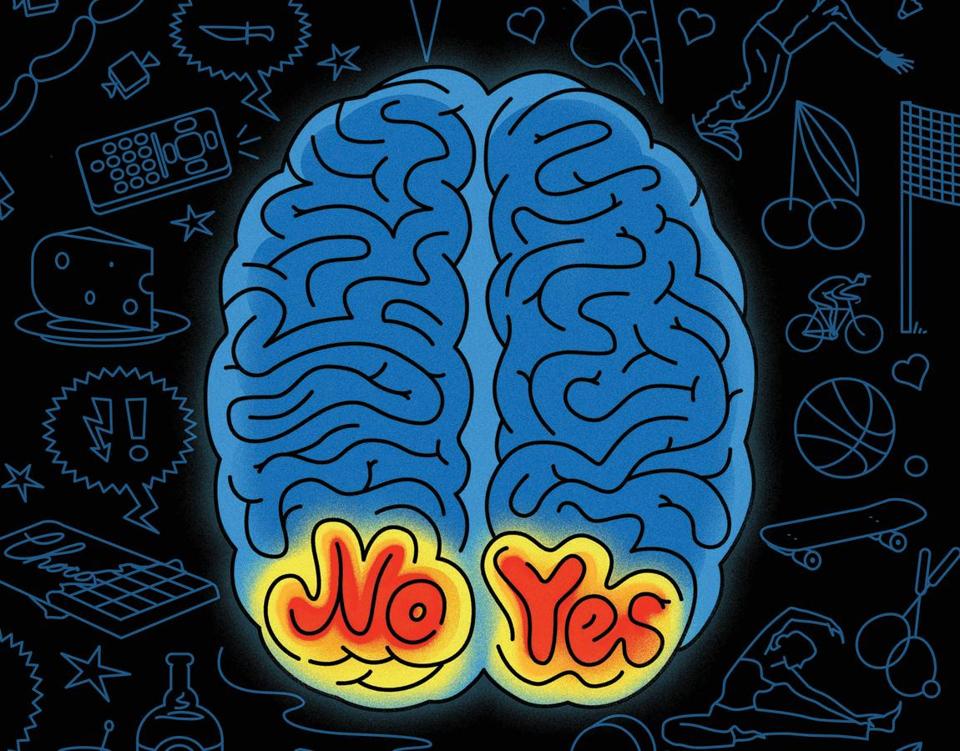
Researchers have proven that we only have so much willpower each day. In fact, you can actually run out of it. So, make sure that you choose wisely. If you simply try to will yourself to eat nothing, you will fail miserably. This means if you say “No” enough times in the day, when you run inevitably run out of energy, you will cave-in to Mrs. Mary’s pumpkin pie.

But by allowing yourself to choose to eat more, you eliminate most of the energy you waste on resisting food, so you can use it to make higher quality food choices instead of eating whatever is in front of you after your willpower fails.

So rather than simply saying “No”, choose to have a bite or two, but that’s it. The net effect will be saving your willpower and avoiding unnecessary binging.

Lift Yourself Up

pushups-austin-texas-chiropractor

The best way to counteract extra caloric consumption is to build muscle. If you have not been doing so already- start lifting weights. No time for the gym? Body weight resistance exercise is free and accessbile anytime of the day. My personal rule for lifting weights is to always perform air squats or push-ups on day’s that I don’t get to work out. So starting today, if you don’t get to work out or exercise, perform push-ups and standing squats until you’re tired. These two exercises are all you need to challenge every major muscle group in your body. The more muscle you can pack on, the faster you’ll be burning the extra food energy you consume over the holiday season.

Add Some Green Tea
green-tea-chiropractor-austin

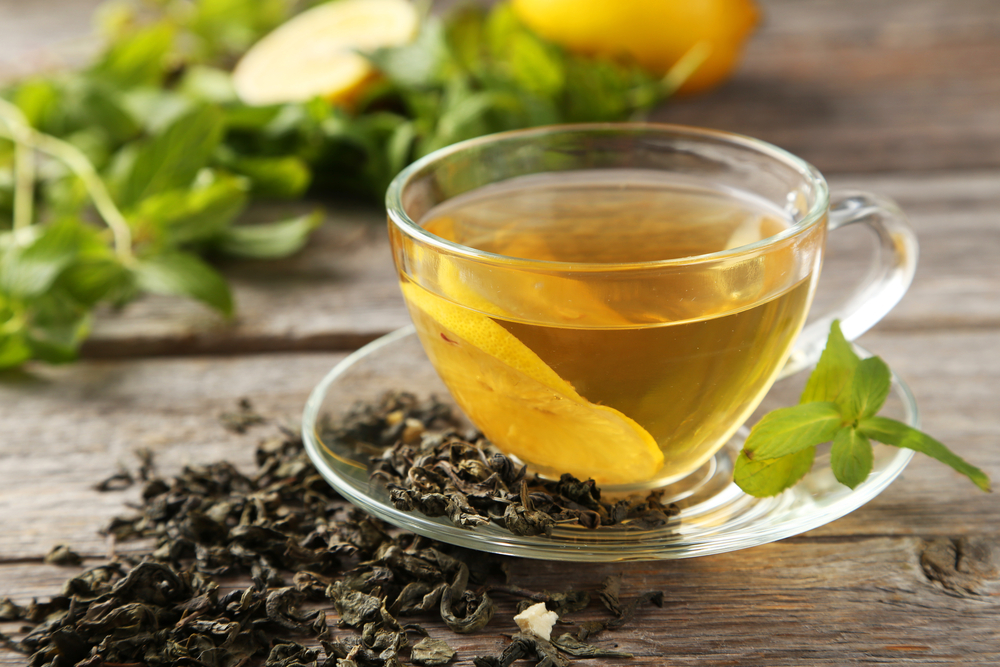
Green tea has a special way of rebalancing your taste buds. In a recent 12-week study, participants who drank 4 to 5 cups of green tea daily, then did a 25-minute workout, lost an average of two more pounds and more belly fat than the non tea-drinking exercisers.

Why? The brew contains catechins, a type of antioxidant that triggers the release of fat from fat cells and helps speed the liver’s capacity for turning fat into energy. They also found that catechins suppress hunger and appetite and resulted in better decision making when it came to food choices.

Get Hammered, but with Good Stuff

healthy-alcohol-chiropractor-austin

Alcohol is a part of the Holidays. It’s no exception for me either. That said, avoiding alcohol altogether is a sure way to lose weight and improve health. What few people know is that the type of alcohol you drink has a big impact on how you look and feel the next day. It turns out that unfiltered alcohol, like beer, contains many substances that trigger inflammation and obliterate metabolism.

Red wine is the second worst from a toxic perspective. Unfiltered fermented grapes make ochratoxin-A, a neurotoxic, carcinogenic, immunosuppressive compound. It is a known problem in wine. Your body will filter it out, but it comes at a cost to your recovery. The days following wine consumption be on the lookout for dark circles under your eyes, bigger love handles, and a crappy brain.

My recommendation for the booze is to go for distilled, filtered spirits. The cleanest being potato vodka, but tequila also works.

Increase Protein Intake
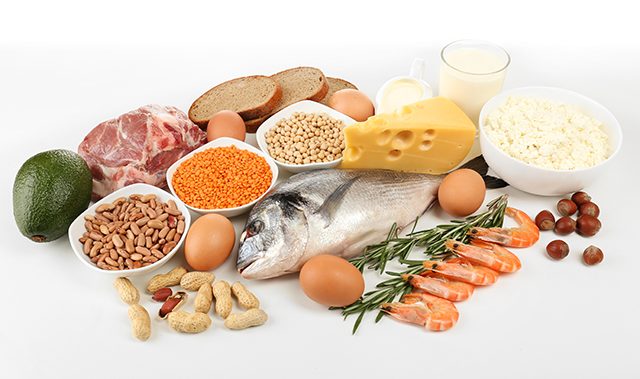
increase-protein-chiropractor-austin-texas

If you want to lose weight, boost your metabolism or increase muscle production you need protein. Higher intake of protein is linked to stable blood-sugar levels and appetite suppression. In fact, protein has a much higher thermic effect (20-35%) than fat or carbs (5-15%). A high protein intake has been shown to significantly boost metabolism and increase the number of calories you burn. This can amount to 80 to 100 more calories burned each day.

One study on protein during overfeeding found that a high protein group burned 260 more calories per day than a low-protein group. This is equivalent to an hour of moderate-intensity exercise per day!

Stop Eating So Late

eating-late-unhealthy-chiropractor-texas

Turn winter's short days into an advantage by using the last bit of sunlight as a cue to stop eating. This may help you lose more weight, even if you eat more food throughout the day, according to a study published in the journal Cell Metabolism.

Researchers put groups of mice on a high-fat, high-calorie diet for 100 days. Half of them were allowed to nibble throughout the night and day on a healthy, controlled diet, while the others only had access to food for eight hours but could eat whatever they wanted. The result of the 16-hour food ban? The fasting mice stayed lean, while the mice who noshed ‘round the clock became obese—even though both groups consumed the same amount of calories!

Push back breakfast until 10 am to slim down, and reset your body by not eating so late or limiting your food intake to just a few hours.

Let Winter In

sleeping-cold-better-chiropractor-austin-dr-daniel

A study published in the journal Diabetes suggests that allowing the cold winter into your home may help attack belly fat while sleeping. Colder temperatures enhance the effectiveness of our stores of brown fat — a type of fat that keeps you warm by burning through the fat stored in your belly. Participants spent a few weeks sleeping in bedrooms with varying temperatures: a neutral 75 degrees, a cool 66 degrees, and a balmy 81 degrees. After four weeks of sleeping at 66 degrees, the subjects had almost doubled their volumes of brown fat. This means they lost more belly fat than the group with warmer temperatures.

Stay Away from Fruit Juices

fruit-juice-chiropractor

Fruit juice is just as bad for you as soda. When you sit down to drink an 8-ounce glass of orange juice, you’re consuming the juice of four medium-sized oranges in just seconds. Worse, you get little to no fiber which causes the sugar to rush into your blood stream impacting powerful fat fighting hormones.

Fruit juice is so dangerous because of fructose. In June 2014, a study published in the journal Nutrition found that the average fruit juice’s fructose concentration is 45.5 grams per liter. For soda, it’s 50 grams.

Our bodies aren’t designed to deal with that type of fructose overload. While glucose serves as a fuel for our body, fructose is processed almost exclusively in the liver, where it’s converted to fat.

So during the holidays when you’re sure to get extra fructose and calories, skip the juice!

Eat Something Whole, Every Meal

whole-food

One way to do your body a solid is to add a piece of whole fruit or vegetable to every meal. Starting your meal with a crisp, refreshing piece of fruit or vegetables (superfoods) is a way to boost antioxidant levels in your body. Antioxidants will help to reverse the damage of all the other bad crap you’re likely to be putting in.

This is a simple and powerful way to balance out those moments. My suggestion, carry around an apple, baby carrots or cut up red and yellow peppers to snack on before eating. Apples boast the powerful antioxidant quercetin and vitamins C and B-6, which keep your cholesterol levels low and slash your risk for heart disease. But thanks to their high fiber count, an apple a day can do more than keep the doctor away — it can help you trim down during the holidays too.

Drink More Water

drink-more-water

This should go without saying. But do it!

Seriously. Stop reading this and go drink some water. Most of us know that we need to drink water during workouts to stay hydrated, but many of us overlook the importance of sipping water throughout the day. Thirst can often be mistaken for hunger, so regularly drinking water can keep excess calories off of your holiday plate— and, more importantly, out of your mouth. Also, the extra sodium we eat during holiday meals will cause more water retention and belly bloat. You can flush it out with more water!

Did this information help you to understand more about surviving the Holidays?
Do you plan on improving your health at the start of the year?
Share your opinion in the comments or email me!

If You Like What You Read, Click Here For Weekly Updates

10 Ways to Recover From Thanksgiving & The Holidays2026-04-26T11:13:43-05:00

5 Reasons You Should Take Your Child to a Chiropractor

Why Do Your Children Need To See A Pediatric Chiropractor?

One of the most popular questions I get as a pediatric chiropractor is “Why should children get chiropractic adjustments?” My response is pretty simple: Because children have spines and a nervous system just like adults. And just like when we are older, we want to make sure they are taking good care of it now; especially during the developmental years.

It's much easier to raise healthy children then fix broken adults.

That said, there is also a host of common ailments such as ear infections, colic, colds, fevers, sore throats, bed-wetting, asthma or allergies; learning and behavioral problems that have been resolved or alleviated with chiropractic care.  The same is true with adults. Why? Because a chiropractic adjustment influences the spinal cord which influences the brain; and the brain and spinal cord control everything.

Pediatric Chiropractic Adjustments Optimize the Brain

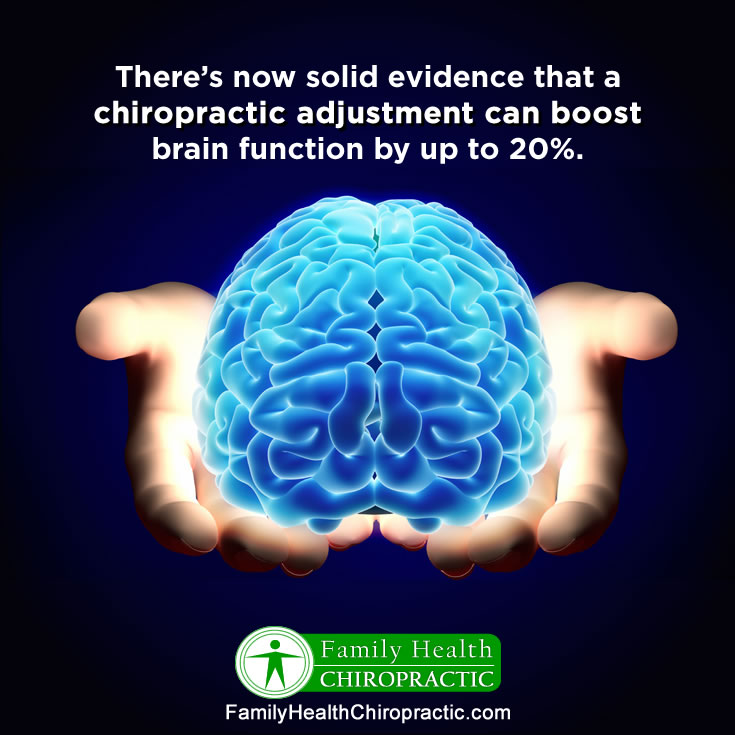
chiropractic-adjustments-boost-brain-functionAccording to a study published in Neural Plasticity, Chiropractic care can affect the function of the prefrontal cortex of the brain by a staggering 20%. That is unheard of in brain research! According to The central nervous system consists of the brain and the spinal cord. From the spinal cord, spinal nerves exit the spine and go out to connect every organ, gland, muscle, ligament and tissue of your body. The nervous system is set up much like a big fuse box, and if there is a “blown fuse” symptoms could most certainly occur. A “blown fuse” in a child's spine could result in symptoms such as constipation, colic, bed wetting, ear infections, torticollis, fussiness, trouble sleeping, reflux and so on. Pediatric chiropractors can help with many childhood conditions, but our focus is not on treating disease or disorders. Quite the opposite, our focus is on allowing the nervous system to function without interference or to remove the “blown fuse” known as a Subluxation (misalignment of the spine).

Do subluxations occur in children? Absolutely! And it begins at birth.

Pediatric Chiropractic is Proactive not Reactive Care

A 1992 study found that the birth process is one of the most physically traumatic events a person will encounter in their lifetime. Evidence from the study revealed that the majority of newborns suffer micro-trauma to brain stem tissues. The research noted that harmful physical trauma during the birth process causes misalignment of the upper neck area. The subtle misalignment creates a disturbance to normal nervous system function. The authors studied six hundred children under the age of two years old and found some form of asymmetry of posture, alignment, and/or movement in every infant assessed. In addition, it's not just physical stress applied to the spine of a child that impacts development, but chemical stress (vaccines, antibiotics, medication, processed food and poor diet) and emotional stress (fear, anxiety) will also cause a protective (fight/flight) response that builds up tension within the musculature that supports the spine.  These tense muscles can also misalign the spine and cause subluxation. Bottom line: When a child has been through trauma and the spine becomes misaligned and Subluxated (blown fuse) it needs to be corrected with safe and effective chiropractic adjustments.  If the “blown fuse” is not removed, the spine will continue to grow “crooked” and the Subluxation will continue to cause health challenges such as constipation, colic, bed wetting, ear infections, torticollis, fussiness, trouble sleeping, reflux.  Later on in life it can create trouble with focus, behavior, mood, hyperactivity, digestion, asthma, allergies, headaches and sensory integration.

The majority of spine misalignments occur with no symptoms at all. A 2015 study published in the American Journal of Neuroradiology found that spine degeneration was present in 30% – 95% of asymptomatic subjects of varying age. European research done in 2003 changed the perception about why infants and young children need Chiropractic as well. The research study evaluated the spinal health of 154 children using MRI. Of the 154 ten year-old children evaluated, 14 of them had degeneration in at least one or more of their spinal discs. The study concluded that disc degeneration was present in 9% of 10 year-olds without any corresponding spinal pain or symptoms.

Pediatric Chiropractic Adjustments Boost the Immune System

Achieving optimal health requires specific testing provided by Chiropractors specifically educated and trained to make corrections necessary for children and adults to thrive. Studies continue to prove the message Chiropractors have been spreading for over 120 years. All infants, children, and adults deserve to hear the truth about the beneficial link that comes from life lived with properly aligned and mobile spine.

pediatric-chiropractor-boost-immune-system

Ground-breaking research from 2011 showed amazing brain and hormonal benefits delivered by a Chiropractic adjustment. Combine this research with the results of a study done at Johns Hopkins University in 2009 and it becomes easy to deduce why everyone deserves to know and experience the benefits of regular Chiropractic adjustments. Research showed that small misalignments in the spine, which usually occur without signs or symptoms, increase stress hormones in the body. This increase of cortisol can suppress the immune system causing all sorts of health problems in the future.

Pediatric Chiropractic Adjustments Influence Organ Function

A 2003 study showed that administering a force (just like that of a Chiropractic adjustment) helps regulate cell biochemistry and gene expression. A Chiropractic adjustment can help change the health and expression of all cells in the body through biochemistry. From heart rate to breathing, and immunity to fertility, every aspect of body function is directed by body chemistry. Chiropractic adjustments positively change body chemistry and lead to better overall health.

Pediatric Chiropractic Adjustments Will Improve Posture

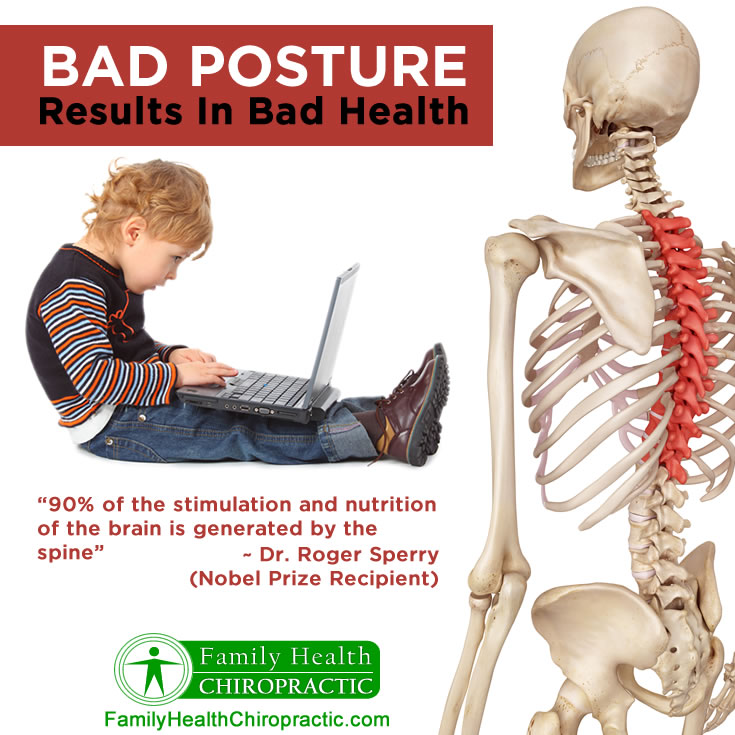
bad-posture-bad-healthIt's no secret that children today are growing up in an environment much different than their parents. There is not one child today who remembers what it was like before the internet, smart phones and tablets. Adults today did not spend a lot of their time hunched over a screen.Everyone hears clichés about eliminating bad posture. But few truly know how dangerous poor posture is to overall health. Memories of being told to sit up straight come to mind as much as any other important tip for improving health. A ground-breaking study published in 2004 proved a significant relationship between bad posture and early death from atherosclerosis and pulmonary disease. That statement bears repeating; poor posture directly related to heart and lung related deaths. The actual study determined a 44% higher risk of death in those with the poorest posture. Medical doctors being completely unaware of this data is just as astonishing.

The study pointed out that the posture with the most dangerous influence on heart and lung health was the sitting posture. Sitting posture presents with hunched shoulders, the head forward, a rounded mid-back, and a forward-tilting pelvis. Sixty percent of the entire work force spends nearly eight hours a day in this position at computers and desks.

Poor posture directly relates to the pandemic of ever increasing cases of heart and lung diseases in America. Medical solutions to this problem begin with drugs and surgery. Drugs and surgery not only cover up the symptoms, they have dangerous side effects that reduce quality of life. The true cause of many of these unwanted symptoms and diseases are being overlooked by almost every other healthcare provider except corrective care Chiropractors.

Anyone standing in a Chiropractic office stands in a place of corrective health. Every Chiropractic adjustment improves health and quality of life.

Chiropractors believe health care should involve proactive education and care that does not involve unnecessary drugs and surgery. Regular Chiropractic care removes spinal misalignments and asymmetries that inevitably cause dysfunction and dis-ease.

Doctors should check all children for restricted movement of the head and increased pain sensitivity of the upper cervical spine. Pediatricians and parents alike often remain unaware of the current research and receive very little training or guidance on necessary steps required to assess and cultivate an infant’s healthy spine and nervous system. Chiropractic does not simply help reduce or eliminate pain. Chiropractors pursue the optimization of body function in every individual by proactively unlocking the body’s innate potential to prevent pain and disease from ever occurring.

An adjustment empowers the nervous system to operate as intended. Health care exists not just when pain subsides but when abundant life flows freely through the body.

Did this information help you to understand more about Pediatric Chiropractic?
Is your child getting regular chiropractic care?
Share your opinion in the comments or email me!

If You Like What You Read, Click Here For Weekly Updates
[/fusion_text][/fusion_builder_column]

5 Reasons You Should Take Your Child to a Chiropractor2026-04-26T11:13:43-05:00

3 Ways to Spot Detox Pills, Potions and Lotion Lies!

I AM GENERALLY VERY HEALTHY and don’t get sick often. I exercise modestly with a balance between strength, cardio and flexibility training. I eat a healthy diet, though my weekends can consist of more than one large margarita and usually a “Yuge” or “Bigly” bucket of popcorn.

So entering the detox world for me is very different than for many who are suffering from serious, sometimes debilitating, symptoms for which they are not finding remedies through conventional medicine. Once you immerse yourself in the detox world, it’s a hypochondriac’s dream come true.

As much as I know about Environmental Medicine, Toxins and Toxicants and Human Physiology – It’s surprising that I don’t walk around in a hazmat suit. I regularly think about the pH of my urine and question if my enterohepatic cycle (Liver to Small Intestine) is functioning properly. Before drinking coffee or alcohol, I question my cells hydration status. In fact I will drink water before, just to help my kidneys filter better. I often wonder how many toxins I release into my body when I know my workouts are breaking down fat cells, which are filled with organophosphates. Speaking of working out, I also wonder how much fire retardants and phthalates are reabsorbed into my body the longer that I wear my sweaty clothes.

When I first started Chiropractic school, I came from a Conventional Medical paradigm. And as soon as I started studying toxicity, I wanted to dig into the debunking side of things… even now “Detoxing” is filled with CRAZINESS! We live in a time where you get people running out and taking things because the Kardashians are doing it.

In terms of the natural products on the market, I can confidently say that 50% is junk and 50% worthy of further research. Two examples are fatty acids and vitamin D— natural supplements with tremendous, well-researched, proven and medically accepted benefits. Certainly, there are more, but we just need to continue exploring and researching them.

As of Sunday, November 6, 2016 performing a Google search of “detox diet”, turns up over 10 million references, including everything from relatively reasonable approaches to nutrition and lifestyle to thousands of cleanses and diets of questionable repute. I laugh as I see “The 7 Day Detox Diet” and “Your Simple 3 Day Diet Detox”. Of course there are also headlines like: “Detox Diets Don’t Work” or “No Scientific Reason to Detox”.

Reducing Body Pollution (Toxic Burden) is Scientifically Necessary

And herein lies a major problem. Fad diets will come and go, but optimizing nutrient intake and decreasing toxic burden (body pollution) is an absolute must if you’re interested in health.

Here are a few facts:

  • Our children today live in an environment that is fundamentally different from that of just 50 years ago.
  • Medical Research suggests that up to 80% of diseases today are directly related to toxicity.
  • Since World War II, more than 80,000 new chemicals have been introduced into our environment and only a handful have been tested for safety.
  • Exposure to air pollutants are now linked to Heart Disease and Cancer, the two leading causes of death.
  • Glyphosate Found in Urine of 93 Percent of Americans Tested
  • Phthalates are found in almost 100 percent of people tested.

What does all this mean? Detoxing or working towards reducing your toxic load as much as possible is now a requirement, not just another fad. But be weary of “fad diets” including “detox diets”.

What seems to happen with fad diets is that somebody takes a basic idea— eat more fruit— and turns it into a gimmick, which they then profit from. So rather than focusing on fresh fruit as part of a healthy lifestyle, we end up with the “insert favorite fruit here” detox diet. Clearly, one of the downsides of the Internet age is that anyone with a computer can create a diet, design a web page and make stuff up.

Take one “lipid detoxification diet,” for example: One of the recipes includes: eggnog, potatoes fried with bacon, steak (“eat as much of the fat as you can”) and whipped cream. The recipe for a baked potato suggests that it be eaten with “at least half a stick of butter and a quarter cup of sour cream.” Don’t get me wrong, I believe fat is good for us. But looking at the ingredients of whipped cream and eggnog… I’m not so sure that this recipe detoxes the body! And judging by the ever-increasing girth of North Americans, I’m pretty sure this is not sound medical advice.

As the number of detox products and treatments grows, so does the number of critics who emphasize the lack of scientific evidence that these methods actually work.

The Australian consumer products watchdog group Choice reviewed seven detox kits available at pharmacies and health food stores. Their conclusion, based on their expert panel review, was that most of the detox programs (typically 10- to 15-day special diets) were of little or no value— and one of the detox diets they tested was dangerous due to the low levels of protein and nutrients a dieter could eat during the regime

[1]. Other studies confirm the lack of evidence regarding the benefits of detox and cleansing diets [2].

Here’s what it comes down to. There are three main reasons (lies or false truths) why most detox kits or programs are of little value.

3 Ways to Spot Detox Pills, Potions and Lotion Lies!

  1. They provide individuals with a false sense that consuming juice or various herbs over 10, 14 or even 30 days can somehow eliminate toxins that have accumulated over a much longer period of said detox program. These people (and supposed Detox Pros) therefore ignore one of the foundations of the detox process— namely, that detox is a continuous lifestyle shift, not a short-term diet.

For example, let’s talk about the toxic heavy metal mercury. It's an interesting fact that some people with high mercury exposure don't become toxic, yet others with relatively low exposure do. Why is this? Why does one person get really sick from her amalgams while another is perfectly fine?

The difference lies in your ability to detoxify naturally. You already have a system in place for removing mercury and other heavy metals from your body. Mercury's half-life can range from 40 to 120 days, and the faster you can clear it out, the less you'll be affected.

It's important to realize that people are either slow detoxifiers or fast detoxifiers, and a small genetic subset are super slow detoxifiers. If you are in the super slow group, your detox system is significantly impaired and the result can be mercury overload. How quickly you detoxify on your own depends on a several factors, such as your exposure level, genetic makeup, genetic expression, and overall health. For example, if your progesterone levels are low, you can't detoxify as well, and unfortunately, decreased progesterone levels are common today.

Additionally, people who are hypersensitive to metals will have toxic effects at much lower levels than other people. When it comes to the buildup of heavy metals in your body, the news is all bad. Heavy metal toxicity produces a wide range of adverse biological effects.

Again, I believe we all need to be detoxing; some of us more than others. But how you detox and your understanding of what it is, is crucial for success.

  1. They often recommend accompanying diets that restrict the intake of protein and other nutrients to such an extent that people unfamiliar with basic nutrition may suffer.

It pains me to hear that a Detox diet is restrictive in any capacity. Nutrition is not about restricting, but nourishing the body. It’s about abundance of nutrients to maximize human potential. Sure, there are foods that you want to eliminate, but that doesn’t mean you cannot eat as much of the “good foods” as you want. There is nothing restrictive about it. So any detox program that wants to eliminate Healthy Protein, Fat and Carbohydrate is wrong.

Additionally, toxicity is not just the level of a toxin — it's your body's response to a toxin, which depends on the strength of your natural detoxification system. Many people don't understand that your body comes with its own built-in detoxification system. It's a common myth that once you ingest mercury, it stays in your body forever.

Your body has a system to efficiently remove mercury and other heavy metals, if your detoxification system is working properly. The problem is, many of you have one that's broken, and one of the principal causes of that broken system is inflammation.

Protein is necessary to produce Glutathione. Glutathione is your body's main detoxification system. Glutathione binds to heavy metals, but it doesn't do it alone — it requires the assistance of enzymes, antioxidants, and transport proteins (that you get from green foods). Old age, impaired genetics, poor diet, and toxic exposures of all kinds — aflatoxins, chloroform, DDT, organic nitrates, styrene, phthalates, flame retardants, benzene from air pollution, and others — impair your glutathione system. And before you jump onto google to purchase a glutathione supplement, know that it doesn’t work very well.

A far more effective strategy is to upregulate the expression of the genes (change your behaviors and eating habits) that produce the enzymes and transport proteins (to help your body do the work) that assist glutathione in doing its job.

  1. Detox Diets are not specific about what they are trying to Detox in the first place!!!

Believe me, I have read, purchased and personally experimented with nearly every “Detox” program out there. What’s interesting is that they all are pretty much an expensive diet. While I do find value in giving someone sound nutrition advice, I don’t appreciate the misguided information on detoxing.

They talk about foods to stay away from and foods to increase, but not one has ever bothered to quantify the number of toxins much less provide protocols with clear instructions on how to remove them.

One of the most frustrating aspects of the world of detox is that so many detox diets and cleanses don’t even define or describe which toxins they are trying to eliminate. And most don’t include methods of measuring the toxic chemicals entering and leaving our bodies.

That said, diet is huge! How you eat is fundamental to cleaning up the body because nutrition is ramps up your body’s ability to detox. My personal recommendations in a Detox program will begin where most programs end: Nutrition. But like I said, it’s only the beginning.

This foundation of eliminating toxic foods and substances and increasing health building nutrients is essential for ramping up enzymes, proteins and hormones that supercharge your body’s natural ability to detoxify. Once you’ve gotten things in order, the next step is to quantify toxins in your body.

As a Functional Medicine physician, my goal in detoxing the body comes down to reducing the following:

  • Heavy Metals (Mercury, Lead, Cadmium, etc)
  • Molds & Biotoxins (Mold, Yeast)
  • Gut Infections & Parasites (Spirochetes, Viruses, Parasites)
  • Environmental Toxins (DDT, Parabens, Flame Retardants, Styrene, etc)

There are very specific, validated tests to quantify these compounds in the body. There are also many tests out there that don't properly quantify levels- so be careful! But once again, there’s no point unless you’ve done the homework of getting your systems in order. A good detox program will consist of cleansing for a minimum of 28 days, but for most Americans should be around 60 to 90 days.

In a few months, I will be launching The Clean Detox system. If you’re interested, make sure you’re reading my emails and keeping up with all the information I’ll be sharing!

Did this information help you to understand more about Detoxing and Cleansing?
Do you practice any of the techniques discussed in this article?
Share your opinion in the comments or email me!

3 Ways to Spot Detox Pills, Potions and Lotion Lies!2026-04-26T11:13:43-05:00

3 Ways I Start My Day to Boost Productivity

If I asked you “Why should you exercise every day?” your answer would likely be… because I want to look good, feel well, or perform at a higher level. Certainly, looking good, feeling good and improving your physiological potential (life) are enough reasons to do it daily.

You should exercise (train) because it’s genetically required for humans. On some level, regardless of how many complex layers or reasons you can come up with – the reason to exercise boils down to its remarkable improvements and enhancement of an individual’s quality of life.

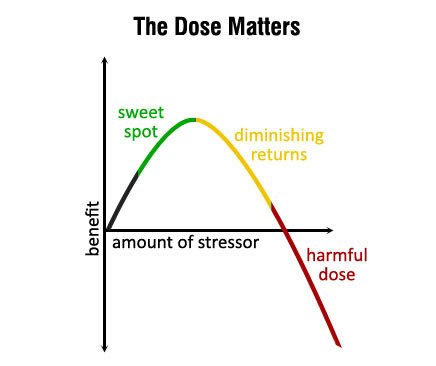
stress-dose-graphThere are 1,440 minutes in a day. If a workout lasts about 60 minutes for the average fitness enthusiast, that barely takes up 4 percent of our day. What’s interesting is that just 4% of our day can contribute to such a remarkable result for your health. This is what I’d call a great MED or Minimum Effective Dosage. The minimum effective dose (MED) is defined simply: the smallest dose that will produce a desired outcome.

For example, to boil water, the MED is 212°F (100°C) at standard air pressure. Boiled is boiled and higher temperatures will not make it “more boiled.” Higher temperatures just consume more resources that could be used for something else more productive. Are there things you’re doing in your life that are consuming more resources than necessary?

All that said, there are many MED activities that we can do that result in huge gains for our lives as well as eliminate unnecessary consumption. Below I will discuss 3 MED activities that I have personally found useful in boosting productivity.

Start the Day Cold

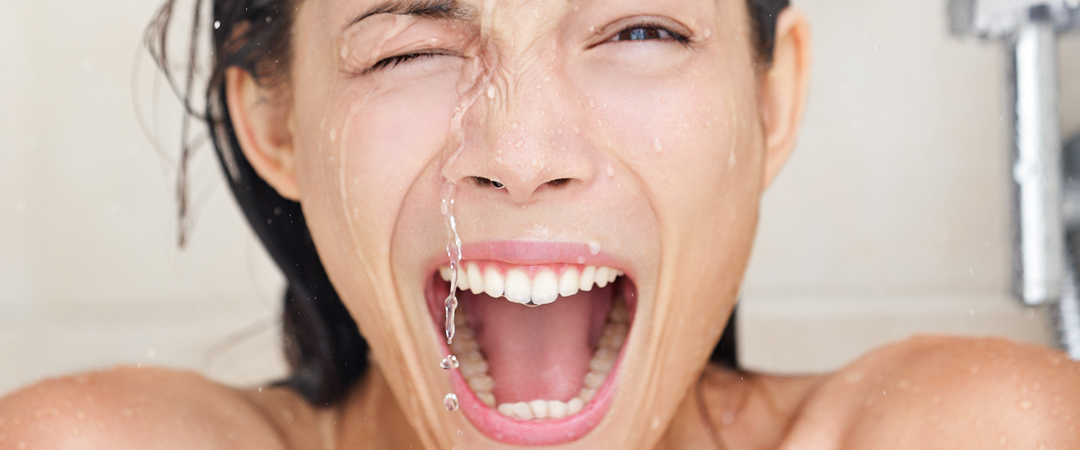
I realize not everyone is a morning shower type of person. But if you are… Start Cold. Yup, turn on the shower and stand there, slowly moving your body in and out of the freezing water until you can stand underneath it.

The very first house I lived in didn’t have hot water- so for about 6 months, I lived with no hot water and started my days off with a cold wash. While I didn’t know it at the time, there were some perks (literally).

I realize that taking a cold shower in the morning seems more horrifying than soothing, but the response it gives your body is more than worth it. First, the lower temperature of the water will cause a reaction from your body that results in deeper breathing and ultimately leads to increased oxygen consumption. Boom: deep breathing exercises done! Next, your heart rate is elevated to start pumping blood throughout your entire body which of course promotes a healthier circulatory response. Hello veins and arteries! This also lowers blood pressure, clears blocked arteries, and improves our immune system.

Cold showers also aid in weight loss. The human body contains two types of fat tissue, white fat and brown fat. When activated, brown fat heats up the body increasing caloric consumption. A 2009 study found that exposure to extreme cold temperatures activated brown fat by a 15-fold increase, meaning someone could lose up to nine pounds in a year if they kept this practice up.

Finally, Cold showers can make ya happy! When we activate the “cold receptors” on our skin, we simultaneously send electrical impulses to the brain that “turn it on”. Scientists have found that this produces an antidepressive effect, and boosts moods, making it a pick-me-up. A 2008 study found that cold hydrotherapy has an analgesic effect, and does not appear to have noticeable side effects or cause dependence. This treatment included one to two cold showers of 38 degrees Fahrenheit, two to three minutes long, followed by a five-minute gradual adaptation to make the procedure less shocking.

DISCLAIMER: Night-time shower takers, take this advice with a grain of salt. Most of the benefits a cold shower boasts revolve around alertness, increased brain function, energy, and things of that nature. If you take showers before bed, It’s hard to say if it will keep you up.

coldshower

Start the Day Outside

I like getting up in the morning and going outside. If I’m having coffee, I’ll step outside with my coffee and sit in a deep squat position and simply listen. This connects me with the outside world right off the bat and puts me in a place where I’m not jumping into the circus of my day right away. I like enjoying the day as it arrives (for me, anyway) and sipping a fine cup of coffee (or cold water). Fresh air is good at any time of day, and getting it early on is never a bad thing.

Mornings can be mayhem or magical–depending on your outlook and morning rituals. Most of us would settle for somewhere in between. I highly recommend getting grounded if you can.

Throughout history, humans spent more time outdoors than we do today. It’s also safe to say that we spent more time on the Earth in direct contact with the soil. This is how we started our day. From walking on the ground barefoot, to gardening or tilling the soil, humans have always touched the earth… until recently. What kind of impact is that having on our body?

Today we live on a foundation of cement, asphalt and rubber. We wake up on foundations, drive on asphalt, work all day on solid, concrete blocks and rarely, if ever… get grounded.

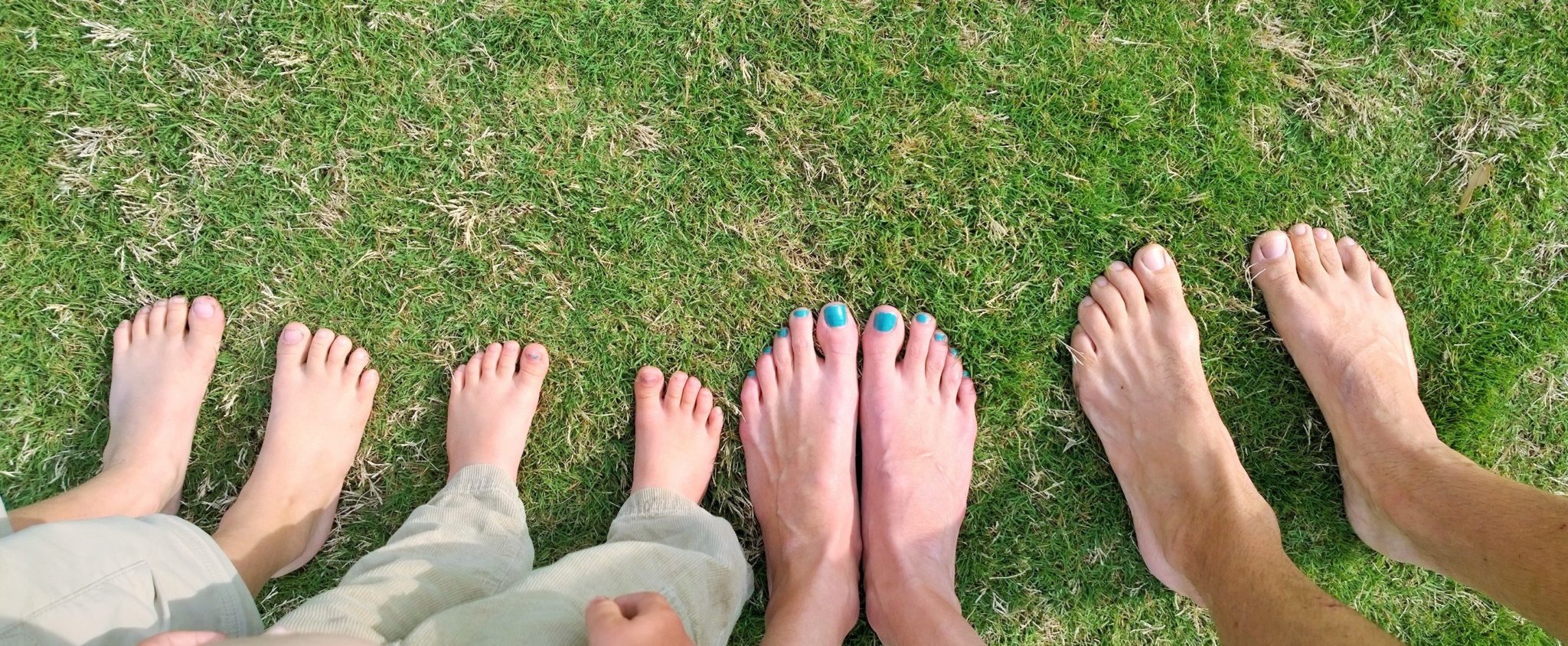
Sometimes the simplest things bring us the greatest health benefits. Grounding for 2-3 minutes can be a huge MED for health and wellbeing.

grounding-earthing

Here’s how it works:

Grounding, sometimes called Earthing, brings us back to a neutral, balanced state when we make direct contact with the earth. Negative ions from the earth’s surface rush into our bodies to discharge the many unpaired positive ions, or free radicals (particles that cause cell damage), we’ve picked up in daily life. Those free radicals are associated with disease, aging, and inflammation, and when you expose your bare skin to the soil, grass, or even concrete, the earth’s healing powers swoop in to save the day.

We all have electrical energy, and modern technology has a way of throwing that energy off at times. Free radicals from just living a modern lifestyle and having daily exposure to pollutants, technology (EMFs), and more can build up in the body as free radicals. When we get back in touch (literally!) with the earth, the free radicals neutralize, our health can improve, and we bring ourselves back in sync with the earth’s energy field.

What does Medical Science think about all this?

Start the Day Before

Finally, the most important MED habit I can probably share with you is planning. Despite being done at night — in my case I do this the night before — it’s most certainly a morning hack because I wake up with a strong purpose, vision and clear goals. Doing this the night before allows my brain to process everything somehow making it easier to follow through the next day. By planning your day in advance (and even doing some of the tasks the night before), you can go to bed at ease.

Let’s give some definitions here because different people define these terms in different ways, but here’s how I think of them.

  • Purpose: What you are ultimately trying to accomplish in the world.
  • Vision: The way in which you plan to get there.
  • Goals: The specific (and I mean specific) steps you need to take to realize your vision.

I literally have a legal pad on my desk that I write things down on. Here’s a picture of what my general outline looks like:

picture1

We spend over 45% of our waking hours thinking about multiple tasks at once. Moreover, we’re unable to focus on the thing we’re doing now. Last week, I wrote about distractions and how it can become a time monster. This kind of mind wondering can lead to increased unhappiness in the long term.

To live a happier and more fulfilling life, we need to plan our time accordingly.

In this article, I’ve discussed a few things that can result in higher returns on your investment of mental, emotional, and physical energy. The good news is that every minute spent in planning saves as many as ten minutes in execution. It takes only about 10 to 12 minutes for you to plan out your day, but this small investment of time will save you up to two hours (100 to 120 minutes) in wasted time and diffused effort through the day.

Considering how helpful planning can be in increasing productivity and performance, it is amazing how few people practice it every single day. And planning is quite simple to do. All you need is a piece of paper and a pen.

Start By Taking Action

When you plan each day in advance, you will find it much easier to get going and to keep going and follow through will be effortless. This of course will feed into feelings of being more powerful and competent. And that’s how you become unstoppable.

Did this information help you to understand more about Boosting Productivity?
Do you practice any of the techniques discussed in this article?
Share your opinion in the comments or email me!

If You Like What You Read, Click Here For Weekly Updates
3 Ways I Start My Day to Boost Productivity2026-04-26T11:13:43-05:00

How to Not Let Technology Make You Sick

We are at a point in our lives where distraction is literally rewiring our brains. New studies are finding that the constant inputs from our external environment is having a significant impact on our health. Keep reading if you’re still with me and learn how you can protect yourself!

Your attention is constantly blurred with information and it’s likely that you may have overlooked news of our incredibly shrinking attention span because of it. A survey of Canadian media consumption recently concluded that the average attention span had fallen to eight seconds, down from 12 in the year 2000. This means we now have a shorter attention span than goldfish!!!

We live in a world of almost infinite possibility for distraction.

A recent study in PLOS One found that the average young adult checks his or her smartphone every 11 minutes and spends more than five hours (30 percent of the day) interacting with it (1). What we should consider are the lost moments that led to reflection and personal quiet presence have now been filled with a constant need to check emails, scroll through facebook or entertain ourselves on twitter and snapchat.

Of course, I’m not saying there’s anything wrong with these activities- but when we consider the “lost moments” of personal time and reflection; what are the consequences? Any of you who are my patients know that I teach based on ancestral living patterns. When it comes to taking care of the body I always base my initial recommendation on that of our genetics, which was selected hundreds of thousands of years ago. My ultimate message is that our declining health and rate of disease is due to the mismatch between our genes, biology and our current diet and lifestyle.

It should go without saying that the increasing impact of technology and its ability to distract and fragment our attention is yet another aspect of this mismatch.

Technology is Making Us Sick

Studies have shown that increased use of a smartphone is associated with anxiety, depression, and sleep disturbance in adolescents and adults (2, 3). Other studies have shown a relationship between problematic internet use and electronic gaming and psychological distress and problem behavior in youths including risk of addiction patterns associated with negative effects on sleep, energy, eating habits, weight, exercise and academic performance (4, 5).

All disease and dysfunction can be summed up into a combination of toxicity and deficiency. If our technology is creating a toxic distracting brain pattern, then we should also be mindful of focusing our attention into the present moment and work on counteracting the negative consequences of our increasingly fragmented attention spans.

This of it as brushing and flossing- but for your brain.

Mindfulness Is Like Brushing Your Teeth, But for Your Brain

Mindfulness simply means being aware of your thoughts, feelings, bodily sensations, and surrounding environment on a moment-to-moment basis. It means paying attention to what is, rather than getting lost in our thoughts about the future or the past.

The American Psychological Association’s Stress in America survey found that Millennials, aged 18-33, were the country’s most-stressed generation. But now, the title belongs to an even younger demographic: American teenagers.

In fact, stress studies have repeatedly confirmed that stress levels are continuing to rise in younger and younger generations.

I believe mindfulness practice is a potential antidote to a modern life characterized by distraction, worry, anxiety, and other sources of perceived stress. It trains us to keep our awareness and attention in the present moment and experience our feelings and sensations without judgment.

Scientists are now quantifying the effects of mindfulness—even for a short time— demonstrating how it increases positive emotions while reducing negative emotions and stress (5). It also helps us tune out distractions and improve our ability to focus (6). It enhances our relationships, makes us feel more connected and relaxed, and boosts our compassion for ourselves and others (7).

What Happens to The Brain During Mindfulness Practice?

The ability for your brain to change and reorganize it’s connections is called Neuroplasticity, and it’s because of neuroplasticity that researchers can directly observe and quantify the effects of mindfulness meditation on the brain (8, 9, 10, 11).

The MAAS Test or Mindful Attention Awareness Scale is a 15-item scale designed to assess a core characteristic of dispositional mindfulness, namely, open or receptive awareness of and attention to what is taking place in the present. What is amazing is that people who have been assessed to be more mindful on a Mindful Attention Awareness Scale (MAAS), have reduced volume of gray matter within the right amygdala and left caudate of their brains compared to those assessed to be less mindful (12).

This research tells us 1) the brain is structurally different between people who are more mindful than those who are not and 2) specific areas in the brain are important for processing perceived stress (amydala and caudate structures).

To get additional clarification, a group of 35 unemployed men and women experiencing high levels of stress took part in a study where half were formally taught mindful meditation, and the rest were taught relaxation techniques that did not introduce mindfulness (each condensed to a three-day class).

The group that was taught mindfulness techniques showed a marked decrease in right amygdala resting state functional connectivity over time, indicating less stress-related communication within the brain.

What can mindfulness meditation do for you?

Research on the health benefits of mindfulness meditation is broad, from pain management, to reduction in anxiety and depression, to blood sugar control, to increased focus, to cellular aging, to healthy pregnancy, to improved sleep, and overall improved immunity.

There is literally 1,271 (at the time of writing this article) peer reviewed studied indexed in Pubmed on the health benefits of mindfulness practice (13).

How do you become more mindful?

  • Practice mindfulness meditation
  • Stop multitasking (it doesn’t work anyway!)
  • Batch your email and social media
  • Turn off notifications on your phone and computer
  • Go off the grid (even if it’s only for a day)
  • Do less (and accomplish more)

Check out these resources to help improve your mindfulness:

  1. Headspace
  2. Smiling Mind
  3. Mindfullness
  4. Mindfullness Daily
  5. Buddhify

Did this information help you to understand more about Mindfulness?
Have you ever practiced mindfulness or meditation?
Share your opinion in the comments or email me!

If You Like What You Read, Click Here For Weekly Updates

How to Not Let Technology Make You Sick2026-04-26T11:13:43-05:00

How Your Body Becomes Toxic

In my last article I discussed what organs are responsible for detoxing your body. My goal was to shed light on the fact that the human body is designed to detox. But just like our cars, swimming pools, and air conditioners, we also need to flush the filters that do all the work. Otherwise, they too become clogged, toxins begin to accumulate and we become sick.

Detoxification programs have become a huge business and yes, there is a bunch of junk out there. This is partly why so many doctors claim that such programs are nonsense. I agree with them; to an extent.

Detoxing is not simply taking a few pills or downing some shakes for 7 to 14 days. When you hear the word “detox,” you might think juicing or eliminating junk food or even wheatgrass enemas. That’s not what I am talking about.

When I say “Detox” I am referring to the science of how our bodies get rid of waste. The reason for following a detox plan is simple: If waste builds up, you get fat, sick and even a little crazy. The key becomes figuring out how to enhance your body’s capacity to detoxify and get rid of waste while minimizing your exposure to toxins.

HOW YOUR BODY BECOMES TOXIC

Stop and consider the facts.

  • We are exposed to 6 million pounds of mercury and 2.5 billion pounds of other toxic chemicals each and every year (1).
  • Since World War II, 80,000 toxic chemicals have been released into our environment, and very few have been tested for their long-term impact on human health (2).
  • This exposure comes in many forms –which are used in an astonishing variety of products, from gasoline, medicines, glues, plastics and pesticides to cosmetics, cleaning products, electronics, fabrics, and food. Scientific evidence is continuing to build demonstrating exposures to synthetic chemicals in the modern environment are important causes of disease (3, 4).
  • Nearly 3,000 chemicals are high-production-volume (HPV) chemicals. They are produced each year in quantities of greater than one million pounds. HPV chemicals are used extensively in our homes, schools, and communities. They are widely dispersed in our air, drinking water, soil, and waste sites (5).
  • Over 4 billion pounds of toxic chemicals are released by industry into the nation's environment each year, including 72 million pounds of recognized carcinogens. Of the top 20 chemicals discharged to the environment, nearly 75% are known or suspected to be toxic to the developing human brain (6).

Anyone interested in studying environmental biology would quickly find that the world we live in today, is fundamentally different than the world just 50 years ago.

toxic-chemicals-in-your-home-body

WHY ARE THESE CHEMICALS SO HARMFUL?

  • Easy absorption. Synthetic chemicals can enter our bodies by ingestion, inhalation, or through the skin. Infants are at risk of exposure in the womb or through breast milk. According to the Centers for Disease Control and Prevention (CDC), more than 200 high-volume synthetic chemicals can be found in the bodies of nearly all Americans, including newborn infants. Of the top 20 chemicals discharged to the environment, nearly 75 percent are known or suspected to be toxic to the developing human brain.
  • Mass production. Nearly 3,000 chemicals are high-production-volume (HPV) chemicals. Produced in quantities of more than 1 million pounds, HPV chemicals are used extensively in our homes, schools and communities. They are widely dispersed in air, water, soil and waste sites. Over 4 billion pounds of toxic chemicals are released into the nation's environment each year, including 72 million pounds of recognized carcinogens.
  • Too little testing. Only a fraction of HPV chemicals have been tested for toxicity. Fewer than 20 percent have been studied for their capacity to interfere with children's development. This failure to assess chemicals for their possible hazards represents a grave lapse of stewardship by the chemical industry and by the federal government.
  • Heavy use of pesticides. More than 1.2 million pounds of pesticides — many of them toxic to the brain and nervous system — are applied in the United States each year. These chemical pesticides are used on lawns and gardens, and inside homes, schools, day-care centers and hospitals. The United States has 1.3 percent of the world’s population but uses 24 percent of the world’s total pesticides. (4)

HOW CAN WE NOT BE AFFECTED BY THE MASSIVE AMOUNT OF TOXINS

Here’s a typical scenario of how you get toxic.

You wake up, take a shower with your plastic shower curtain, use shampoo, body wash, soap and conditioners loaded with parabens and other chemicals you’ve likely never investigated but are known to disrupt vital biological processes. You get out of the shower, brush your teeth with toothpaste made from more chemicals, put on deodorant that’s an antiperspirant (which stops you from sweating or releasing toxins), splatter on lotion or some other personal cosmetic that yes… is loaded with toxic chemicals.

For the ladies, you put on your make-up (containing pore blocking agents, heavy metals and plastics). Gentleman, if you shave daily, your shaving cream and aftershave is loaded with all kinds of carcinogens.

At this point, you’ve exposed yourself to over 40 different chemicals that are likely toxic and dangerous. We haven’t even gotten to breakfast! I could go on and on about the day; but you get the picture. You’ve only been awake for 20 minutes and the toxic load you are exposed to is overbearing.

That, in its simplest terms- is how we become toxic. This is how cancer and all the other neurological, autoimmune or inflammatory diseases start. When our detox systems (the organs I wrote about last week) are compromised in any way- detoxification becomes less and less efficient and over time illness sets in.

What I think is so sad about all of this is that NO ONE knows. NO ONE.

Toxic chemicals in consumer products, our food and our environment affect the health of our bodies differently and it’s all based on the condition of our body’s detoxification system, which is why it’s vital to keep yourself incredibly healthy so that you don’t become overloaded with toxins.

TEN TOXINS TO WATCH OUT FOR

Americans are exposed daily to thousands of chemicals from consumer cosmetic products. But of the tens of thousands of chemicals on the market, most of which have never been tested, which ones should you look out for?

According to the EWG or Environmental Work Group, there is a “high priority” chemical list that the EPA should act on quickly. It includes chemicals in products that we use every day including: detergents, household cleaners, clothes, mattresses, furniture, toys and even kid’s jewelry.

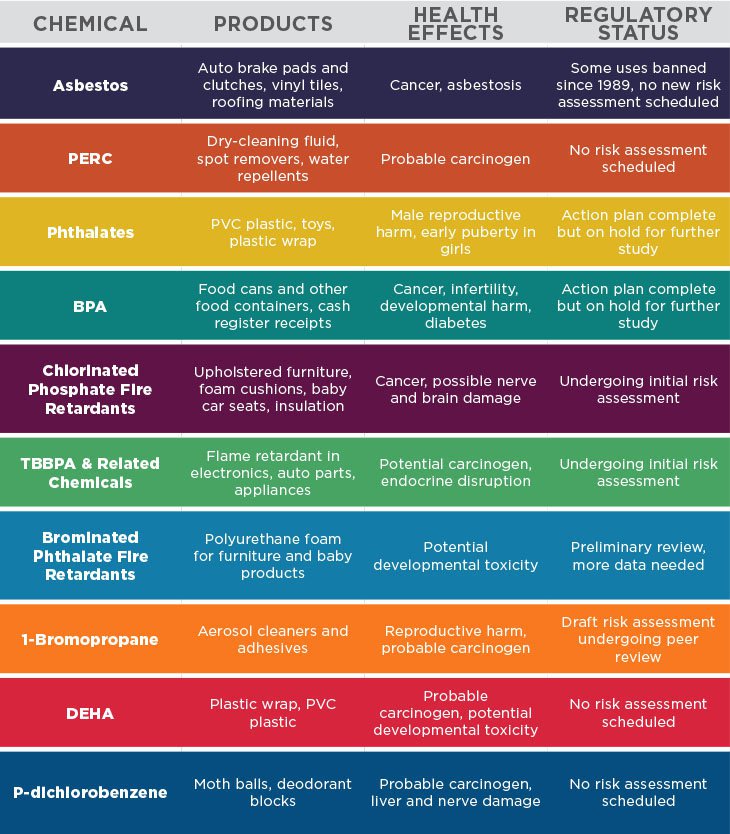
Here are the 10 chemicals that the EWG urges the EPA to thoroughly review and regulate as soon as possible:

  1. Asbestos – this cancer causing substance is still found in brake pads, clutches, vinyl tiles and roofing materials. While some uses have been banned since 1989, no new risk assessment is scheduled.
  2. PERC – this probably carcinogen appears in dry-cleaning fluid, spot removers and water repellants.
  3. Phthalates – these chemicals are linked to early puberty in girls and other reproductive harms. They show up in PVC plastic, toys and plastic wrap.
  4. BPA – this carcinogen is linked to infertility, developmental risks and diabetes. BPA is used in food cans and other food, containers, as well as cash register receipts.
  5. Chlorinated Phosphate Fire Retardants – these chemicals turn up in upholstered furniture, foam cushions, baby car seats and insulation. They are linked to nerve damage and brain damage.
  6. TBBPA and related chemicals – this potential carcinogen and endocrine disruptor is seen in electronics, auto parts and appliances.
  7. Brominated Phthalate Fire Retardants – These chemicals are linked to developmental toxicity, and appear in polyurethane foam for furniture and baby products.
  8. 1-Bromopropane – This carcinogen is found in aerosol cleaners and adhesives and is linked to reproductive harm.
  9. P-dichlorobenzene – This carcinogen is found in moth balls and deodorants. It’s linked to liver and nerve damage.
  10. DEHA – This carcinogen is found in plastic wrap and PVC plastic. It is also linked to developmental toxicity.

ewg_10chemicals_table

Of course there are literally thousands of other chemicals you should pay attention to. But the 10 I just listed are an absolute if you’re interested in health and disease prevention. The simple truth is that we are living in a sea of toxins and it is destroying our bodies and brains.
If anyone tells you that detoxing is a “myth” or if you know someone who needs help or guidance on how to detox properly, please share this post with them! 

Now… I’d like to hear from you.
Did this information help you to understand more about Detoxing?
Do you or someone you know need to Detox??
Share your opinion in the comments or email me!

If You Like What You Read, Click Here For Weekly Updates

How Your Body Becomes Toxic2026-04-26T11:13:44-05:00

Organs that Detox Your Body

The words “Detox” and “Cleanse  have been irresponsibly thrown around by marketing gurus than qualified health professionals. These days it seems that everyone has a new detox plan or program that claims to remove toxins from the body. Certainly, there are people out there that know what they’re doing and saying when it comes to “Detoxing” and this subject is near and dear to my heart because I’ve spent nearly my entire career studying, practicing and treating toxicity and detoxification.

The more serious forms of toxicity include Heavy Metals, Molds & Biotoxins and Intestinal Parasites and viruses. Additionally, true detoxification or cleansing goes above and beyond what we simply put into our mouth. Technically speaking, a toxin can be defined as any foreign substance causing disease.

According to toxicologists themselves, the word “toxin” should be used if the foreign material in question came from a biological source. This means if it is only a poisonous substance produced by living cells or organisms such as snake venom or poison from a berry.

“Toxicant,” on the other hand, should only be used if the foreign material came from man-made sources, thus it is not natural. This means the poisonous substance is man-made and is not produced biologically. Today, the vast majority of health conditions experienced by humans is due to “toxicants” because of the large volume of man-made chemicals that now exist in our environment.

There are various indoor and outdoor environmental pollutants, pesticides and herbicides, and endocrine disrupting chemicals to contend with on top of heavy metals, which themselves can be found in numerous ways (1, 2, 3). A true detoxification program does not simply consist of a few nutritional supplements or shakes. True detoxification comes down to reducing exposure and setting up the body to properly eliminate toxicants.

Since the 1980s, research on the origin of diseases has focused on the genetic component. If you were to search Pubmed for “causes of diseases” you will find 764,469 publications relating it to “genetics” whereas only 74,055 for “exposures”. Research on origin of diseases had such a strong focus on the genetic part that we forgot that disease cases would be prevented if particular exposures were eliminated.

Nearly half of global mortality can be attributed to known exposures!

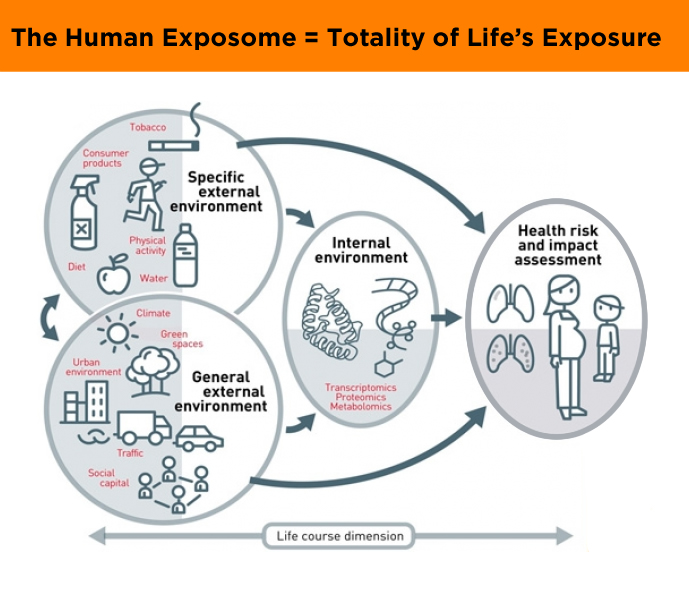
Nearly half of global mortality can be attributed to known exposures such as airborne particles, indoor pollutants, industrialized chemicals, artificial ingredients and foods, alcohol, active and passive tobacco smoking and even cell phone radiation. Breakthroughs in science are now asking us to quantify the exposure and understand its effects on health and this total of exposure is known as The Exposome.

The Exposome is defined as every exposure to which an individual is subjected from conception to death. The Exposome has conceptually been described to comprise three overlapping domains:

  • a general external environment including factors such as the urban environment, climate factors, social capital, stress;
  • a specific external environment including specific contaminants, diet, physical activity, tobacco, and
  • an internal environment including internal biological factors such as metabolism, gut microflora, inflammation, and oxidative stress.

human exposome

Over the next few weeks, I will be discussing both toxins and toxicants and how they impact the body and contribute to your overall exposure. For purposes of simplicity, from here on I will simply call them “toxins”. The distinction however, is important because we really are bombarded with generalized toxicants on a daily – even hourly basis. In fact, toxicants are now everywhere, regardless of your best attempts at avoiding them.

Yes. Even if you consume 100% organic food, purchase “organic” cosmetic and household consumer products or live in an igloo far from western civilization- you’re constantly being exposed to toxicants (4).  Fortunately, our bodies come equipped with a fully automatic detoxification system that helps to prevent much of the harm that these compounds can cause. The problem is when we are overloaded day after day and these systems begin to malfunction. Before we can talk about how your body became toxic, we need to have a basic understanding of the body’s detoxification system.

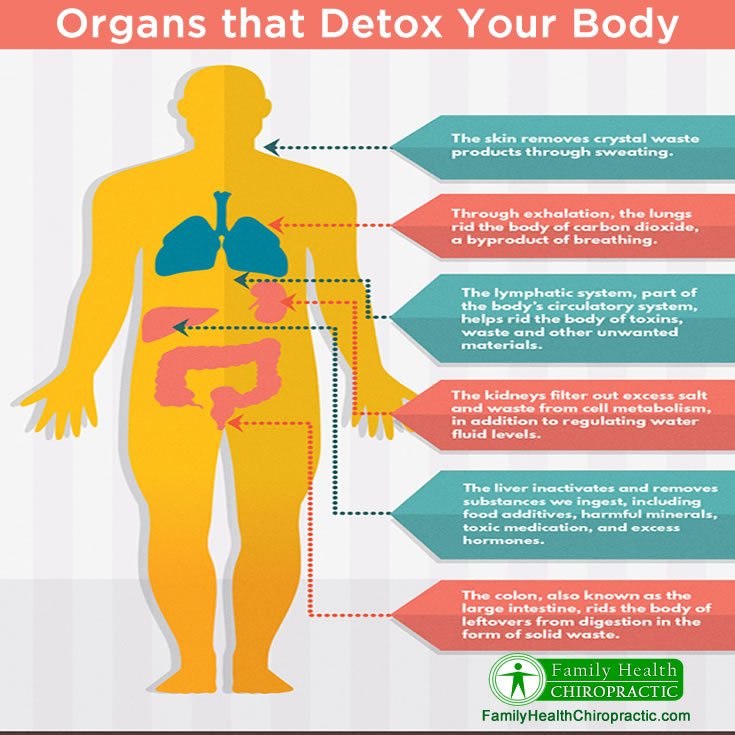
The Body’s Built-In Detoxification System

The Skin – Your First Line of Defense

The skin is truly your largest organ of protection and defense. It is a sensory organ that helps your nervous system understand its environment. One of its primary functions includes thermal regulation which also controls secretion and excretion. This is why the skin plays an important role in the elimination of toxins and can assist other detox organs in their work.

Because the skin is so powerful at sensing external stimuli, not only does it physically stop harmful compounds from entering, but it also initiates a series of hormonal and chemical responses due to the intrusion. When compounds do manage to bypass the skin’s barrier, you still have other defenses in the soft mucous membranes of the nose, throat and lungs as well as defending cells that exist in your blood.

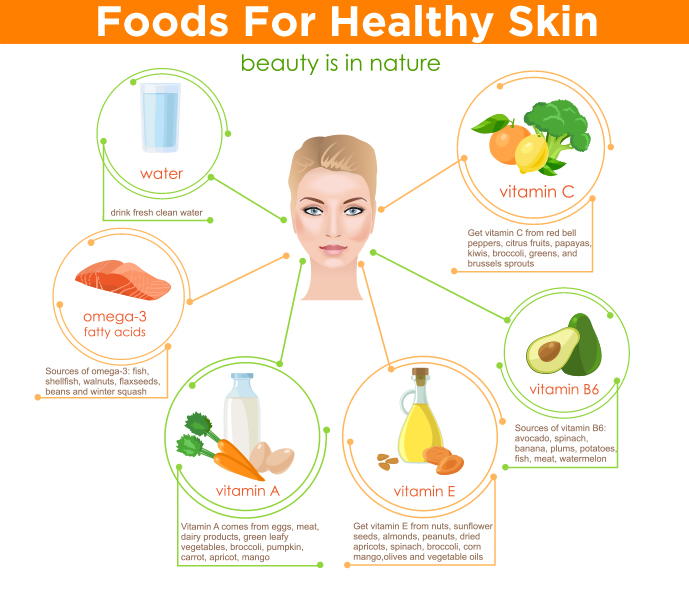
foods for healthy skin

The Respiratory Tract – Biological Air Filters

Your respiratory tract consists of the lungs and bronchi or airway tubes. These organs help to evacuate toxins in the form of carbonic gas. There is also the production of phlegm that binds these compounds and can be expelled. Healthy membranes of the alveoli do not let solid waste penetrate. However, due to constant irritation by infectious microbes and other irritants, the alveoli may become porous and act as an emergency exit for toxins that the liver, kidneys and the intestinal tract did not succeed in eliminating.

These substances are transported by the blood stream towards the lungs and bronchi, they squeeze through the alveoli and we cough them up as phlegm. This phlegm not only consists of microbes and the products of their activity, but also of waste resulting from insufficient digestion.

detox your lungs

The Kidneys – Biological Blood & Water Filters

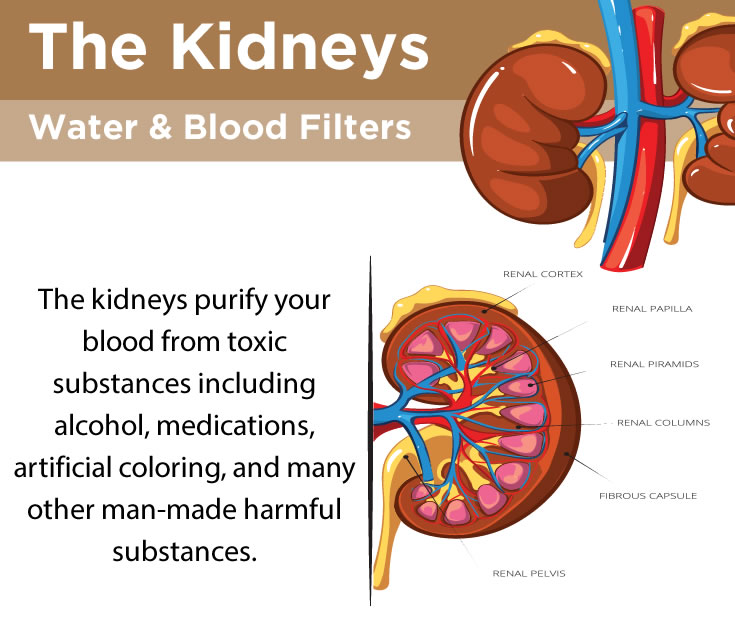
The kidneys purify your blood from toxic substances including alcohol, medications, artificial coloring, and many other man-made harmful substances. The primary form of excretion is via the urinary tract. In order to optimally perform this purification of the blood, the membranes of the renal filter should not be:

  • damaged by irritating substances
  • clogged by too high a concentration of waste products in the blood, especially those chemical and synthetic substances that are not part of the biological cycle and cannot be properly filtered.

For a sufficient filtration of the blood through the kidneys, the blood pressure should not be too low nor too high, nor should the volume of the blood which passes through the kidneys in a given time, be too low. Therefore, hydration is important to thin the blood and lymph.

kidneys-purify-blood-and-water

The Intestinal Tract – What Goes In, Should Come Out (But Not Always)

The intestinal tract is really just one long tube that connects from the mouth to the colon and anus. This organ not only has the task of digestion, but also elimination of toxins. The digestion of food begins in the mouth and continues in the stomach, and in the intestines. The complex molecules of our food are transformed into simple molecules that our cells can absorb and then utilize for repair, growth and continued sustenance.

As soon as the different phases of digestion are completed, the nutrients, such as the amino acids, sugars, fats, minerals, vitamins, etc., penetrate through the intestinal mucous membranes into the venous capillaries that transport them to the liver. After detoxification, the liver redistributes the nutrients into the blood stream. The various chemicals, toxins, drugs, heavy metals and excess sex hormones that were extracted, are dumped by the liver into the bile.

Neutralized by the bile, these compounds pass into the small intestine and continue through the intestinal tract to exit the body in the stool. The bile, which is produced in the liver, plays an important role in the evacuation of toxins from the liver, in the digestion of fat, and in our overall health. Therefore, it is crucial to pay attention to proper bile production, secretion, and supplementation if you want to optimize detoxification.

The final phase of the transformation of toxins through the intestinal tract takes place in the colon. Whatever can still be used by the body, such as fiber, is broken down with the help of the intestinal micro flora, and is transported to the liver for detoxification. The mucous membranes of the intestines are able to absorb nutrients and also toxins. As long as they are healthy, they act as “intelligent” filters, which means that they absorb from the blood stream toxins to be excreted, such as heavy metals, and they let only well digested, well prepared nutrients penetrate into the blood stream. The insufficiently digested, large molecules and toxic residues remain in the intestines to be excreted with the fecal matter.

If the intestinal passage becomes delayed, the food that cannot be eliminated, ferments and putrefies. The healthy beneficial microorganisms of the intestinal microflora may mutate into aggressive microbes which excrete toxins on their own. Constant irritation of the mucous membranes by toxic metabolites, additives, pesticides, antibiotics, medications, etc., can damage the intestinal mucosa and render it porous. This is what leaky gut is.

The door becomes wide open for toxins to enter your body’s internal environment. Eventually, this onslaught of foreign invasion impairs the immune system and serves as a deeper cause for many diseases, especially chronic degenerative diseases and cancer.

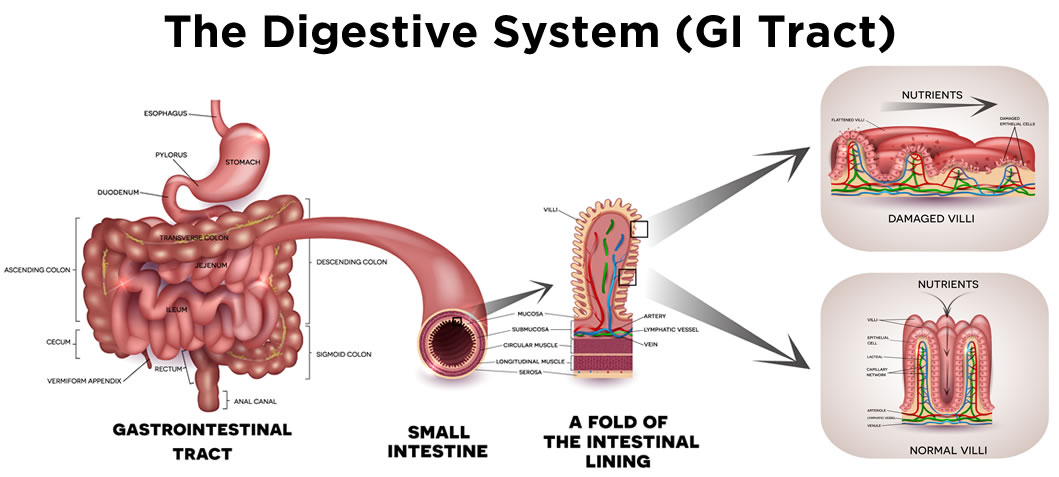
the-digestive-system

The Liver – The Primary Internal Detox Organ

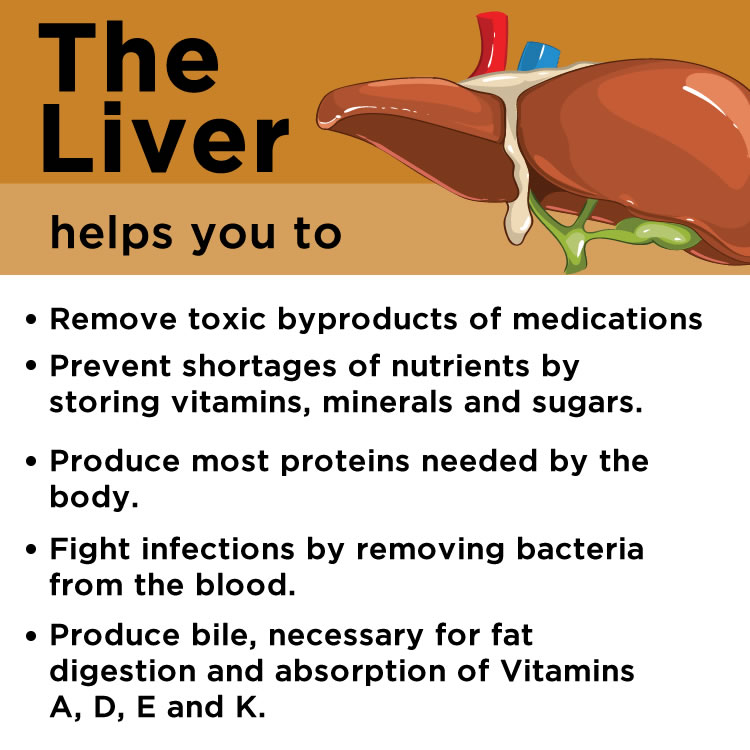
The liver's main job is to filter the blood coming from the digestive tract, before passing it to the rest of the body. The liver is also primarily responsible for detoxifying chemicals and metabolizing drugs by changing them into substances that can be safely excreted.

Not only does it inactivate or remove toxins that are ingested, but it extracts from the blood, the residues and waste material resulting from cellular break down, and transforms them so that they can be excreted by the intestines or kidneys either by urine or bowel movements.

The liver also provides a defense mechanism which filters and destroys foreign invaders such as bacteria, fungi, viruses and even cancerous cells.

For all the reasons just mentioned, this is exactly why any solid detox program needs to support the liver including removing any toxic metabolite (alcohol, nicotine, processed food, etc).

the-liver-helps-you

The Lymph – A Dedicated Immune System Patrol Highway

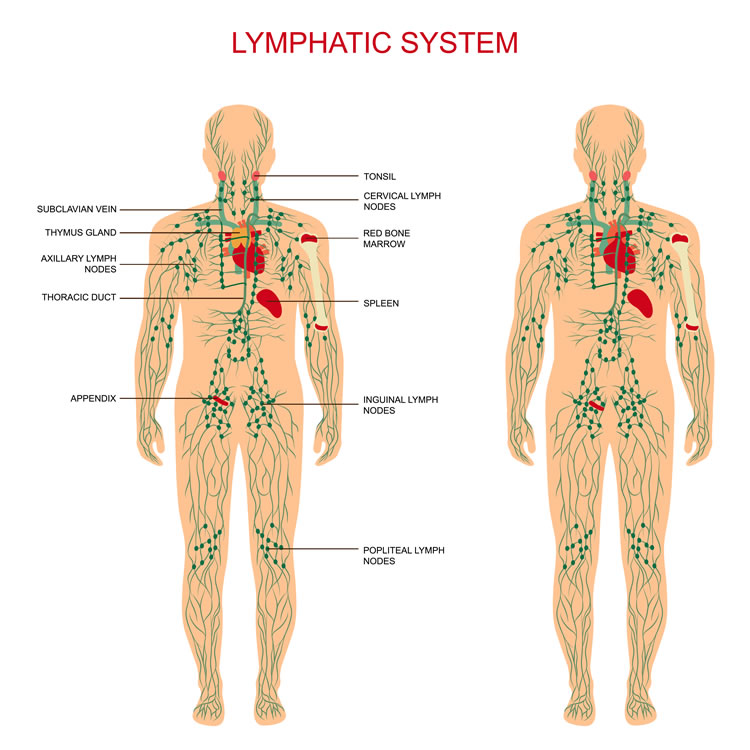
The lymphatic system plays a major role in detoxification of the body. Approximately two liters of lymph fluid circulate your lymphatic vessels that cover the body literally from head to toe. These two liters are formed continually from the fluid that surrounds each one of your body cells. The primary function of the lymphatic system is to transport lymph fluid, which contains infection-fighting white blood cells, throughout the body.

The lymphatic system, similar to your veins and capillaries are connected to lymph nodes, where lymph fluid is filtered. The tonsils, adenoids, spleen and thymus are all part of the lymphatic system. These lymphatic glands are your body’s “Police Stations” where infectious agents are filtered and lymphocytes (white blood cells, “the police”) are produced. Other sites of lymphocyte production are the spleen, the thymus, etc. If infectious agents intrude into the body, the production of white blood cells increases rapidly and proportionally to the intensity of the aggression. The lymph nodes that are closest to the site react first: they swell, get warm and hurt. If the production of lymphocytes is insufficient, the filtering, the degradation, and the transport of the waste products will be impeded and the bodily environment will be more and more overwhelmed with toxic metabolites and toxins.

The lymph is also what detoxifies the brain. A new study found that when we sleep, special lymph channels in the brain called the “glymphatic system” actually open up and drain dangerous neurotoxins from the brain into the cerebral spinal fluid (5, 6, 7).

The human body possesses self-regulatory mechanisms which are self-healing. A healthy body is capable of eliminating the toxic substances generated by its normal functioning and imposed on it by an unnatural life style.

the-lymphatic-system

In Closing

Your body does have an ability to cleanse (and heal) itself from harmful substances. But that does not mean that toxins are not building up in your body. Hearing the breaking news that the government has approved aerial spraying of a chemical that is banned in Europe all over Florida that is linked to neurological disorders and defects in the womb really opened my eyes. This pesticide – Naled – is “moderately to highly toxic” which degrades into dichlorvos, classified by the EPA as a “probable carcinogen”. Repeated exposures to Naled over time “may result in the same effects as acute exposure” such as respiratory problems, vomiting, diarrhea, dizziness, slurred speech, twitching, paralysis, convulsions and coma. It’s alarming that this toxic pesticide is routinely being sprayed all over our communities (not just in Florida) to kill mosquitoes – but this is just one example of what our regulatory bodies allow us to be exposed to on a daily basis. 

Our kidneys, liver, lungs, digestive system, and skin are all working hard every day to process all of the substances that come into the body and to expel toxins – but they are being pushed to the brink. Even when we eat a good diet and surround ourselves with a healthy environment, the natural system in the body needs help. When our organs are overtaxed and overburdened with toxins, symptoms can creep up such as fatigue, digestion problems, bloating, and muscle aches and while we may appear “healthy”, this is not the true health that I’m talking about! When these symptoms go unchecked and our bodies are not able to detox optimally, we are at risk for greater health problems down the road. 

This goes against the mainstream idea that our bodies can process all of the toxins that we are exposed to throughout our lives without any intervention on our part. Many doctors and scientists have been known to say, “your body can handle toxins on its own…” and that “detoxing is a myth…” – but that's BS.

Your body was not designed to filter varying amounts of toxic chemicals – pesticides, heavy metals, parabens, fertilizers, herbicides, and mold – during normal everyday life. Many of these set up shop in the body for months or years and are even showing up in human urine and blood tests.

If anyone tells you that detoxing is a “myth” or if you know someone who needs help or guidance on how to detox properly, please share this post with them! 

Now… I’d like to hear from you.
Did this information help you to understand more about Detoxing?
Do you or someone you know need to Detox??
Share your opinion in the comments or email me!

If You Like What You Read, Click Here For Weekly Updates

Organs that Detox Your Body2026-04-26T11:13:44-05:00

Guts & Bones: Why Your Stomach Bugs Matter

More and more, scientists are beginning to realize that the human body has systems that rely on each other for optimal health. With the explosion of recent scientific articles on bacterial colonies within our digestive tract, it's becoming apparent that there may be a Gut-Bone relationship. This means that many of the bone diseases we suffer from, including osteoporosis and arthritis, may begin in the gut!

There are trillions of bacteria that live within our digestive system and scientists are increasingly appreciating their role in human health. Previously, I wrote about various connections between gut health and conditions such as:


Today, I want to cover the relationship between Guts & Bones! But first, let's cover some foundations on bone health.

Bone Health 101

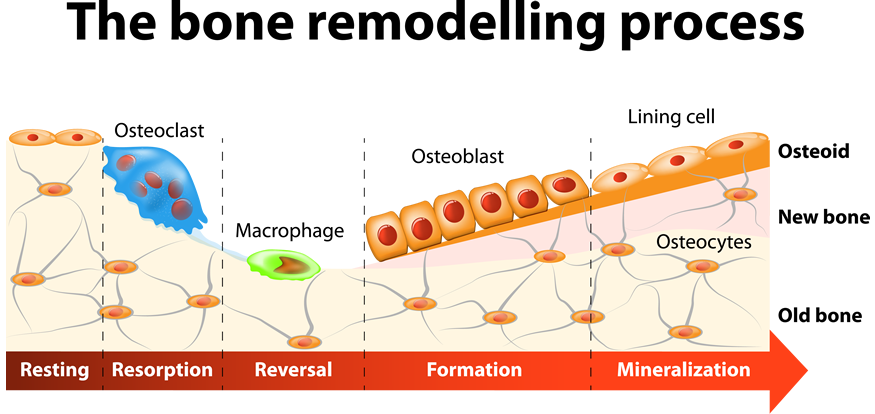
When most people think of their bones, they think of solid and static structures. Truth is, your bone is constantly being remodeled and changes regularly. Old bone cells are removed from your skeleton by cells called osteoclasts (resorption) and new bone tissue is formed by cells called osteoblasts (ossification).

  • Osteoclasts = Bone Resorption or Breakdown
  • Osteoblasts = Bone Ossificatin or Formation

chiropractor-austin-bone-health-fw

The process of bone remodeling is important for reshaping bone after fractures or heavy loads from activities such as exercise and sitting. However, imbalances in bone resorption and formation can result in bones diseases like osteoporosis and arthritis (1).

Now… we all know that one of the ways to measure bone health is through a DEXA scan, which identifies bone density. However, most people don't realize that just because you have increased bone mineral density or bone mass doesn't mean that you have increased bone health (2,3,4)!

Better Bone Density Does Not Guarantee Better Bone Health!

How The Microbiome Influences Bone Health

One of the best ways to study the effects of bacteria in the digestive tract, is to use mice that don't have any at all. Scientists call these mice “germ-free” mice and are born and raised in special incubators to protect them. As of today, there is no clear indication that more or less bacteria improve bone health, but there is a clear indicator that changes in the microbiome (bacteria within the digestive tract) influences bone structure both positively and negatively (5,6).

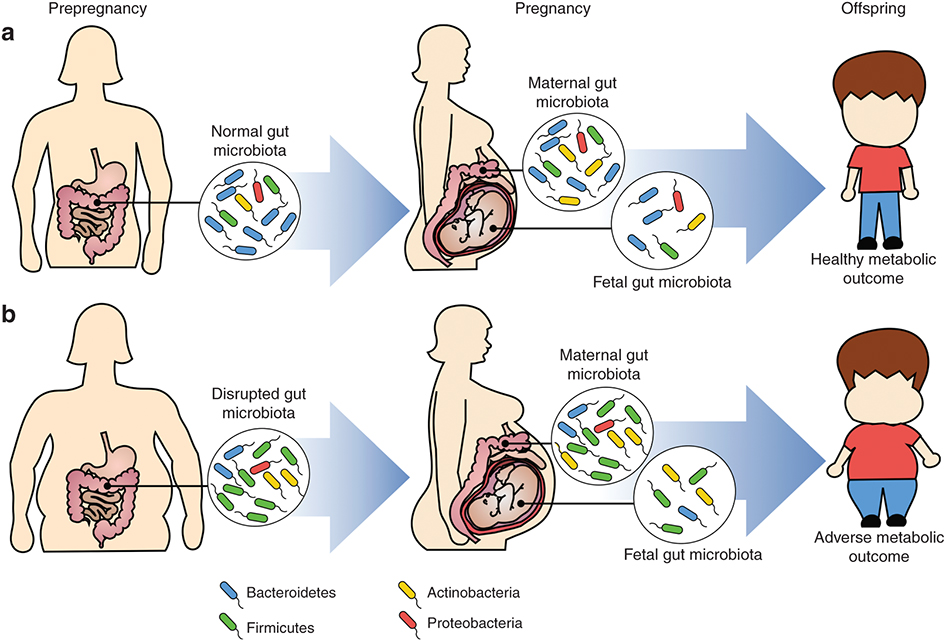
Bone & Gut Health Starts With Mom

We now know that there is direct, vertical transmission of microbes (gut bacteria) from mother to offspring at birth (7). In fact, the amount of “healthy” bacteria that you have is directly proportional to the amount of bacteria your mother had at birth. In addition, it's been shown that bone mineral density is 50-80% heritable (8). In light of this, one could hypothesize that this “inherited” bone density may in part, be due to the health of our mothers digestive tract prior to birth. Especially when we consider the new frontier of epigenetics or how environmental factors in early life can influence developmental processes and long-term health passed on to future generations (9).

Scientists have already begun to make strong correlations between GI disorders and disease and bone health. Patients with inflammatory bowel disease (IBS) show an increased risk of osteopenia, osteoporosis and bone fracture (10,11).

pr2014169f1

A Leaky Gut Destroys Your Bones

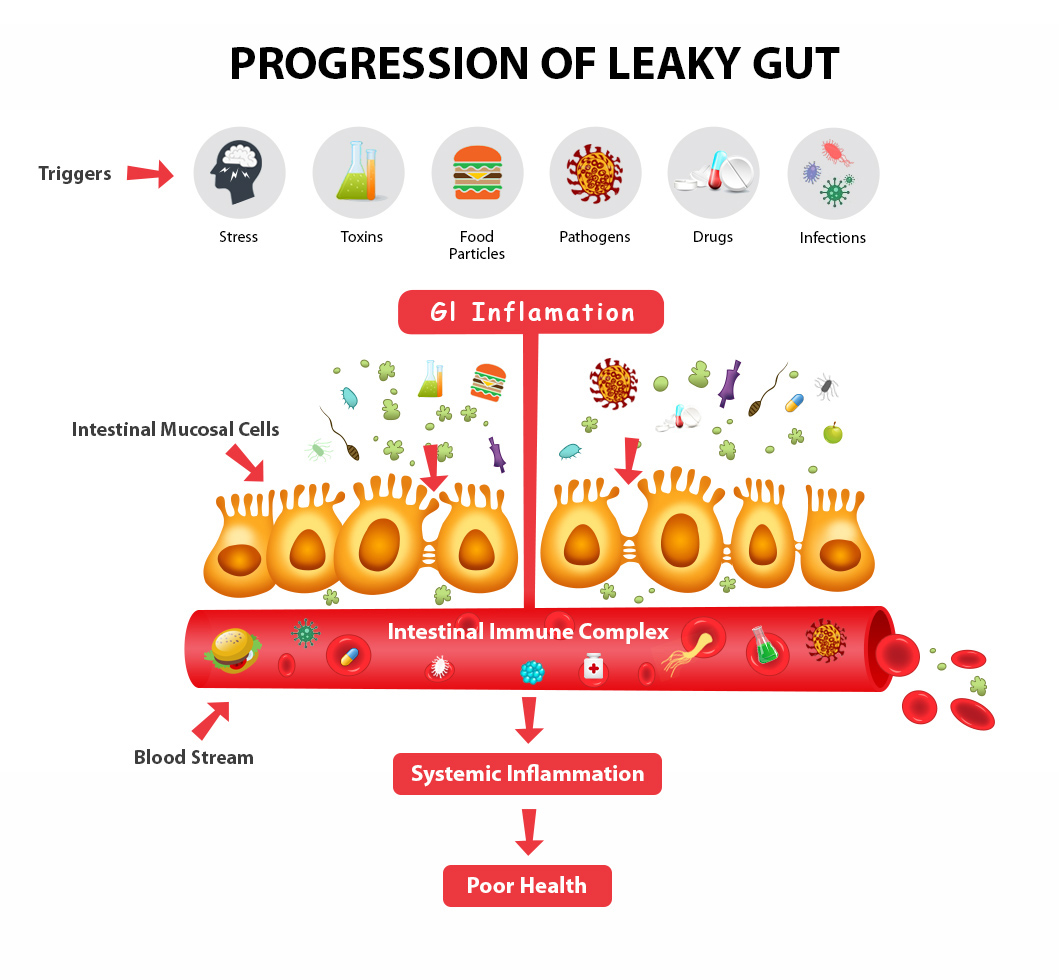
A Leaky Gut occurs when the lining of your intestines become compromised.  Whether its stress, toxic chemicals, food, viruses, drugs or infections (and we all are exposed to these regularly), a leaky gut can cause some damage to your health!causes-of-leaky-gut

When your intestinal wall is compromised, and bacterial components infiltrate your blood stream, your immune system responds with a large and in some cases even autoimmune inflammatory cascade. This is why leaky gut is associated with joint pathologies such as rheumatoid arthritis (12).

In essence, when these bacteria get into your bloodstream, your body goes crazy to fight them. This activates what is known as the innate immune receptors which has effects throughout the entire body. This is how digestive health is relate to various health conditions including bone health, building and remodeling.

Healthy Gut Bacteria Regulate Nutrients for Bone Health

There are a number of vitamins and minerals essential to bone health including calcium, phosphorous, vitamin D, vitamin K2, vitamin A, magnesium and strontium.

When there is disruption of the gut microbiome, there is altered nutrient absorption. When the lining of the gut is disturbed, the nutrient transporters that exists along this lining cannot do their job. This results in individuals who are both overweight and at the same time malnourished (13).

Protect Your Guts to Build Strong Bones

There are many factors when it comes to building strong bones, including genetics, diet, exercise or weight bearing stress, environment and yes gut health.

Here are four ways to improve gut health:

  1. Follow a Paleo or Whole30 Diet (eliminate grains/gluten)
  2. Consume Probiotics in the form of fermented foods as well as supplementation.
  3. Consume Prebiotics in the form of fiber rich foods such as chicory root, artichoke, dandelion greens and plantains.
  4. Consume Bone Broth daily. Bone broth not only heals the intestinal lining, but also provides all of the necessary vitamins and minerals for building strong bones!


Now… I’d like to hear from you.
Did this article change your understanding of Bone Density?
Do you or someone you know have Osteoporosis or Osteopenia?
Have you ever tried Paleo or Whole30?
Share your opinion in the comments or email me!

If You Like What You Read, Click Here For Weekly Updates

Guts & Bones: Why Your Stomach Bugs Matter2026-04-26T11:13:44-05:00

Are you Gluten Intolerant or Wheat Sensitive?

Thousands of years ago, humans were simple hunter/gatherers. Our diet consisted of fruits, nuts, tubers and the occasional feast of meat. But eventually, we learned to cultivate plants, and the agricultural revolution was born. And as our eating habits changed, some unanticipated problems certainly arose. Considering that the human gut took 2 million years to develop, this sophisticated organ came to tolerate foods that were staples of the human diet. But with the sudden change brought on by the agricultural revolution, how would it react to new foods instantly appearing in the diet?

If one were to study the fossil record and compare homo sapiens pre and post agricultural revolution, you'd find skeletons that show a sharp decline in stature (as much as 6 inches from male specimens), with modern populations still yet to regain the height of their distant ancestors. But the most compelling evidence has come from Archaeological studies by the University of Massachusetts who show early farmers paid a price for their new-found livelihood. Compared to the hunter-gatherers who preceded them, the farmers had a nearly 50 per cent increase in enamel defects indicative of malnutrition, a fourfold increase in iron-deficiency anemia (evidenced by a bone condition called porotic hyperostosis), a theefold rise in bone lesions reflecting infectious disease in general, and an increase in degenerative conditions of the spine, probably reflecting a lot of hard physical labor.

“Life expectancy at birth in the pre-agricultural community was bout twenty-six years, but in the post-agricultural community it was nineteen years.”

So these episodes of nutritional stress and infectious disease were seriously affecting their ability to survive. What we now know is that the agricultural revolution that occurred roughly 10,000 years ago generated a whole battery of food proteins previously unknown to the human gut, including proteins from cow, goat, and donkey milk, as well as birds’ eggs and cereals. While most individuals were able to adapt, those who could not developed food intolerance's (where food acts as a toxin) and serious diseases including Celiac Disease (CD) was born. So Celieac Disease, Food Intolerance (food acting as toxins) and Food Allergies are not modern afflictions.

About 8000 years after CD was born, a clever Greek physician named Aretaeus of Cappadocia, living in the first century AD, wrote about “The Coeliac Affection.” In fact, he named it “koiliakos” after the Greek word “koelia” (abdomen). His description: “If the stomach be irretentive of the food and if it pass through undigested and crude, and nothing ascends into the body, we call such persons coeliacs”. (1) But neither Aretaeus nor anyone else knew that CD  was caused by an autoimmune reaction to gluten, a protein in wheat. It wasn’t until several centuries later – in the 1950s — when Dr. Willem Dicke, a Dutch pediatrician, conclusively proved that gluten was the culprit. (2) Dicke’s discovery saved millions of children and adults from the perils of untreated celiac disease, including malnutrition, stunted growth, cancer, severe neurological and psychiatric illness, and even death.

Since then, the majority of our understanding of gluten intolerance has been relatively simple: Either you have Celiac Disease, meaning just a small bit of gluten will send you running to the bathroom, or you don’t, and you’re somehow allowed to down bagels and beer without fear. But modern science has a different perspective and has even demonstrated that many of us have “Non-Celiac Gluten Sensitivity” (i.e. people that react to gluten but do not have Celiac Disease).

What I hope to help you understand is that just because you don't have digestive disturbance or poop problems, doesn't necessarily rule out sensitivity. This is very, very important considering that the gluten protein has impact not only on your intestinal system, but your skin, immune cell and even brain cells. So gluten reactions can show up in all sorts of ways and may take years to develop symptoms.

The Many Faces of Gluten Intolerance

To help you understand how you can be gluten intolerant without having Celiac Disease or GI disturbance, we need to cover some basic biochemistry of wheat components and wheat digestion.

Wheat contains several classes of proteins called albumins, globulins and gluten. Gluten can be further broken down to Glutenins and Gliadins. (They basically give your bread the ability to rise and become gooey.) Within the gliadin class, there are four different epitopes (i.e. types): alpha-, beta-, gamma- and omega-gliadin. Wheat also contains agglutinins (proteins that bind to sugar) and prodynorphins (proteins involved with cellular communication). Once wheat is consumed, enzymes in the digestive tract called tissue transglutaminases (tTG) break down the wheat compound. In this process, additional proteins are formed, including deamidated gliadin and gliadorphins (aka gluteomorphins).

anatomy-of-a-wheat-grain-fw

Here’s the important thing to understand: Celiac Disease or Gluten Intolerance is currently diagnosed as a response to one specific type of gliadin (alpha-gliadin) and a specific type of transglutaminase (tTG-2). BUT… we now know that people react to other components of wheat and gluten — including other types (beta, gamma, omega), glutenins and other types of transglutaminases, including type 3 (primarily found in the skin) and type 6 (primarily found in the brain). (3, 4, 5, 6, 7)

This is a major problem in the case of misdiagnosis when it comes to conventional lab testing for Celiac Disease and Gluten intolerance. Most doctors only test patients for antibodies to alpha-gliadin and transglutaminase-2. If you’re reacting to any other parts of the wheat protein (e.g., beta-gliadin, gamma-gliadin or omega- gliadin), or any other types of transglutaminase (e.g., type 3 or type 6), you’ll test negative for these conditions regardless of how severely you’re reacting to wheat. To make matters more complicated, you need to distinguish between a “Gluten Sensitivity” and “Wheat Allergy” – and both are different.

Celiac Disease is Only Part of the Problem

According to the most recent large scale study, Celiac Disease affects between .7 percent and 1 percent of the U.S. population. (8) However, considering that most physicians rely on the limited scope of conventional testing, the actual incidence is likely much higher. It's just not being diagnosed properly.

That said, Celiac disease is only part of the problem of a bigger picture. When it comes to gluten intolerance, there are many possibilities of expression – not simply an autoimmune reaction as is the case with celiac disease. And currently, all of the other forms of gluten intolerance are collectively known as “non-celiac gluten sensitivity” or NCGS.

Also the current definition of NCGS is still being debated and we certainly no that there are many forms or conditions that “resolve when gluten is removed from the diet and CD and allergy have been ruled out.” (9)

Gluten Intolerance Is More Common Than Currently Estimated

In 2015, the estimation for the number of people affected by non-celiac gluten sensitivity ranged between .5 percent and 13 percent. (10) In the next few paragraphs I’m going to try and explain why this number is quite small and how likely it is that we are “low-balling” it.

are-you-gluten-sensitive

Let me start by stating the obvious: it’s nearly impossible to estimate the prevalence or occurrence of Non-Celiac Gluten Sensitivity because there is no definitive diagnostic tool. Remember, the only tests available are for alpha-gliadins and transglutaminase. In addition, even the best blood chemistry labs are not 100% accurate. So to date, the only way to truly know if you are gluten sensitive in any way is to eliminate gluten from your diet for a period of 60-90 days. This is by far the gold standard for diagnosing gluten intolerance. However, many physicians are unaware of this and thus do not suggest it to their patients.

The other problem is that of misdiagnosing due to the wide variety of symptoms caused by celiac disease and NCGS. Gluten is certainly often coupled with symptoms of GI distress and discomfort leading many “GI” physicians and patients to only suspect gluten when digestive symptoms are present.

However, both gluten intolerance and celiac disease can be present in the absence of gut distress and only manifest with symptoms like ataxia (loss of muscle control), schizophrenia, dermatitis (skin irritation), or neuropathy (nerve damage). In fact, it has been demonstrated that the majority of patients with neurological problems due to gluten sensitivity have absolutely no gastrointestinal symptoms! (11)

Even in the case of celiac disease, which has more solid research than Non-Celiac Gluten Sensitivity, 30 percent of newly diagnosed patients do not have gut symptoms, and for every new case that is diagnosed, there are 6.4 cases that are undiagnosed—the majority of which are atypical or “silent” forms without gut symptoms. (13, 14)

Truth is, if your sensitive to any components of gluten, it can affect nearly every tissue in your body, including the:

  • Brain
  • Skin
  • Endocrine system
  • Stomach
  • Liver
  • Blood vessels
  • Smooth muscles
  • and even the nucleus of cells

This means that Celiac Disease and Non-Celiac Gluten Sensitivity are associated with a wide variety of disease such schizophrenia, epilepsy, Type 1 diabetes, osteoporosis, dermatitis, psoriasis, Hashimoto’s hypothyroidism, and peripheral neuropathy. (15) And herein lies the problem- gluten will not be suspect in a patient for these conditions, because both doctors and patients only consider CD and NCGS when there’s gut problems.

Thinking “Gluten Free” is Just a Fad is Downright Dangerous

Despite the large collection of evidence that now exists to support Non-Celiac Gluten Sensitivity, mainstream media and medical professionals continue to declare the need to go “Gluten-Free” is just a fad. Making things worse, it’s not uncommon to see major headlines from popular media sites suggesting NCGS is a myth! Even popular talk show hosts such as Jimmy Kimmel Live have gotten in on the mis-information that “science journalism” often gets so wrong.

Research Confirms Gluten Intolerance is real— and likely affects 50-90% of the popluation.

And while I can certainly relate to an aversion of fads (don’t get me started with diets and hipsters and Skinny Jeans), the scientific community is clear when it comes to Non-Celiac Gluten Sensitivity being a legitimate condition. I would love someone to conduct a study to observe the wrecklessness and sheer devastation that “lame-stream media”, would be scientist reports of “Science Journalism” and ignorant “Medical professionals” cause towards misinformed consumers.

Statistics show that an estimated 75-90% of the population have been impacted by food intolerances and sensitivities. Research indicates that Leaky Gut Syndrome affects millions of people worldwide. Leaky Gut Syndrome is a chronic debilitating condition that often goes undiagnosed by most mainstream medical professionals. Of course this is a huge concern considering that conventional medical professionals don't believe this condition even exists. As a result; many people are not aware that the sufferings and symptoms they are presently dealing with are being caused by the Leaky Gut they have developed over time. We need to emphasize this problem is very real and even more importantly we need to understand how to stop it's progression.

Test, Don't Guess

By now you should understand that there are certain individuals (possibly yourself) who possess non-celiac wheat sensitivity and would benefit greatly from avoiding wheat and related gluten containing foods. Look, I love Pizza, Hamburgers and gooey, chewy bread stuff… but not more than Alzheimers, Multiple Sclerosis or Intestinal Bowel diseases. I find it extremely unfortunate that so many people who might benefit from a gluten-free diet never try it, much less stick with it. I hope this article (and others that will surely follow) will make it just a bit easier for you and your family to make the right choice for their health.

I would certainly be suspicious if you or anyone you know:

  • Have gut dysbiosis, which appears to be resistant to standard therapy
  • Are suspected of having intestinal mucosal damage
  • Complain of food allergy and intolerance
  • Complain of chemical hypersensitivity
  • Present multiple-symptom complaints (including Chronic Fatigue Syndrome and Fibromyalgia)
  • Suffer from abnormal immune cell count and function
  • May suffer from blood-brain barrier permeability, depression, or neuroautoimmunity

Additionally, It's imperative that you get checked if you are a Neuroautoimmune patient who has:

  • Thyroiditis
  • Arthritis
  • Myocarditis
  • Dermatitis
  • Endocrinopathy
  • Polyendocrinopathy
  • Osteoarthritis
  • Pernicious Anemia

How do you know whether you're at risk? There are two ways to determine your gluten tolerance:

  • A Cyrex panel: Cyrex Array 3 is a panel that tests your potential for wheat and gluten protein reactivity and autoimmunity. It must be ordered by a healthcare practitioner and it costs $325. Know that is is my cost for ordering the test, I make no money from it (so no complaints). But considering the implications of knowing, is your health worth $325?
  • A self-experiment: Eliminate gluten from your diet for 60 days and then perform a gluten challenge, taking careful note of any symptoms. I still hold that this is the best way to determine your tolerance for gluten.

BONUS: Here's a Digestive Health Quiz and my Gluten & Wheat Sensitivity Plan.

Now… I’d like to hear from you.
Did this article change your perception of gluten sensitivity?
Do you or someone you know have Non-Celiac Gluten Sensitivity?
Have you ever tried a gluten challenge?
Share your opinion in the comments or email me!

If You Like What You Read, Click Here For Weekly Updates

Are you Gluten Intolerant or Wheat Sensitive?2026-04-26T11:13:44-05:00

How Are You Not Dead Yet?

Seriously… How the heck have we survived for so long? Between War, Famine, Terrorism, Ebola, Mad Cow Disease, H1N1, The Non-Vaxxers… aaaggghhhh! How have we managed to survive? Because our body is amazing. Because it's a collection of self-regulating cells that all work harmoniously together to ensure survival. Of course we have survived. What we are not doing however is THRIVING. For millions of years the human species survived just fine. And up until approximately 10,000 years ago, our bodies seemed to be doing just fine as well. In fact, fossil records do not show significant amounts of disease prior to that.

Yet the media sounds alarms night and day! Critical health issues such as the Zika virus and the recent mumps outbreak in Arkansas (which was the result of vaccinated children) are shared over social media platforms, news outlets and even coffee shop mom conversations. In fact, just this morning as I stood at my neighborhood cafe, I couldn't help but chime in on one such conversation. What's interesting is that while they chatted up their fears of dangerous viruses and health threats- they sat there, eating from their processed packaged “health” food products, sipping on their nutrient depleted sugar loaded fruit juices – oblivious to the harm they were causing themselves.

While the media sounds alarms that catch our attention, the environmental toxins that we are exposed to on a daily basis are a much bigger threat to our health (including children) than terrorist attacks, Zika, the Hilarly-Trump show and even illicit drug use combined.

Your Health is Not Determined By Genetics 

Over the last 15 years, I've written extensively about improving movement and spine biomechanics, the importance of nutrition, exercise, recovery and sleep and even cultivating a sense of purpose and happiness. These are all factors required for optimal health and healing. Doing all of these will not guarantee a life of health, but not doing them will certainly result in disease and dysfunction.

The primary drivers of chronic disease (Heart Disease, Cancer and Respiratory Infections) are largely due to environmental factors and not genetics. This is a fact.

In 2009, a paper published in the American Journal of Clinical Nutrition reported on a study of 1,034 complete pairs of twins from Denmark and Finland. The objective of the study was to examine the genetic variation of body mass index (BMI), waist circumference, and percentage body fat in relation to physical activity and protein intake.

The results of this study suggests what we eat and what we do, how we move, eat and think; can help us determine our health. It's not just a matter of genetics. In short, regardless of whether or not a condition “runs in your family”, your personal physical activity and diet do have a noticeable and significant effect on your weight and ability to heal.

Since 2009, several studies have come out in support of the understanding that lifestyle and diet are more detrimental to your health then the genes you inherited.

This is exactly why addressing toxicity is so important. All current understanding of our genes and how they turn on to express disease or health come down to the environment.

Your Body is Full of Toxins

In a recent article CNN Health pointed out to a family living in Chicago that some parts of their yard had lead levels up to 66 times above the lead limit and 55 times above the arsenic limit set by the Environmental Protection Agency.

In 2009, The New York Times, broke a story pointing out that we're exposed to hundreds of toxins on a daily basis, most of which are completely invisible – and flat out ignored by most media outlets and conventional medical professionals.

Scientists have identified more than 200 industrial chemicals—from pesticides, flame retardants, jet fuel—as well as neurotoxins like lead in the blood or breast milk of Americans, indeed, in people all over our planet.

These have been linked to cancer, genital deformities, lower sperm count, obesity, and diminished I.Q. Medical organizations from the President’s Cancer Panel to the International Federation of Gynecology and Obstetrics have demanded tougher regulations or warned people to avoid them, and the cancer panel has warned that “to a disturbing extent, babies are born ‘pre-polluted.’”

They have all been drowned out by chemical industry lobbyists.

Lobbyists are so effective that they have changed the laws to permit companies to introduce chemicals into our environment (which do get into our air, food and water) without any testing to show they're safe.

So unless there's a massive die off from acute poisoning- these chemicals are “Generally Regarded As Safe” and considered innocent until proven guilty.

Americans have over 200 toxic chemicals in their blood. The BPA, pesticides, flame retardants, and other chemicals that are commonly found in our food, food packaging, clothing, furniture, and household materials have been linked to numerous diseases in adults, and most disturbingly, lifelong developmental changes in children.

My point here is that every day you are exposing yourself, your children and family members to compounds that will cause more damage to your body than the mosquito-borne Zika or Mumps virus! Lead, mercury, PCBs, flame retardants and pesticides cause prenatal brain damage to tens of thousands of children in this country every year!

Four Toxins Causing Damage to Your Body 

While there are countless toxins that exist in our environment and within our bodies, there are 4 that most people need to be aware of: Glyphosate, Heavy Metals, Molds & Biotoxins and Gut Infections.

1.Glyphosate

spraying-herbicide-000019257784_large_60781

Common Sources of Glyphosate: It's everywhere. Really.

In a unique public testing project carried out by a laboratory at the University of California San Francisco (UCSF), glyphosate was discovered in 93 percent of urine samples during the early phase of the testing in 2015.

Glyphosate, the active ingredient in Monsanto's Roundup herbicide (recently purchased by Bayer), is the most heavily-used agricultural chemical of all time. In fact, an analysis showed that farmers sprayed enough glyphosate in 2014 to apply 0.8 pounds of the chemical to every acre of cultivated cropland in the U.S., and nearly 0.5 a pound of glyphosate to all cropland worldwide. It should be obvious that when you use this much of a chemical, it doesn't simply stay on the fields. Laboratory testing has revealed that glyphosate is now showing up virtually everywhere.  Urine samples of U.S. women had maximum glyphosate levels that were more than eight times higher than levels found in urine of Europeans. On top of that, we don't know exactly how much glyphosate may be in your food because the U.S. Department of Agriculture (USDA) does not test for it.

For now, the analysis suggests that eating non-organic, genetically engineered (GE) foods (the prime candidates for Roundup spraying) is associated with higher glyphosate levels in your body. Studies recently confirmed that Glyphosate levels are significantly higher in urine of humans who ate non-organic food, compared with those who ate mostly organic food. Chronically ill people showed significantly higher glyphosate residues in their urine than healthy people.

Although glyphosate is used in the production of a very wide range of crops including non-organic fruit and vegetables, the foods in which the most glyphosate residue is permitted include GMO crops (corn, cotton, soybean, potatos, commercial animal foods, cereal grain and oil seeds). Roundup Ready GMO crops currently include soy, corn, canola, alfalfa, cotton, and sorghum, with wheat ‘under development’. Perhaps the main reason that grains, seeds and pulses are at the top of the list is because these are the types of crops that receive a dose of Roundup immediately prior to harvest — a process know as desiccation. The justification for this is that the destruction of the plant around the seeds makes harvesting the crop easier for farmers, and water loss enables farmers to gain a better price for the crop.

The symptoms of glyphosate toxicity include: GI disturbance or Gastrointestinal corrosive effects, with mouth, throat and stomach pains being the most common. Kidney and Liver impairment are also frequent and usually reflect reduced organ perfusion or function. Respiratory distress, impaired consciousness, pulmonary edema, arrythmias and skin rashes are also common.

Dr. Stephanie Seneff, an MIT scientist, has determined that Glyphosate causes nutritional deficiencies leading to diseases such as autism, alzheimer's, chron's, parkinson's, multiple sclerosis, muscle wasting, irritable bowel disease and leaky gut syndrome.

2.Heavy Metals (Aluminum, Arsenic, Mercury, Lead)

2016-09-18_16-15-20

Common sources of Aluminum include: aluminum cookware, flatware and especially coffee pots; aluminum hydroxide anti-acid formulations; cosmetics including lipstick and nail polish, especially deodorants; and some herbs or herbal products. In the body aluminum follows a path of plasma to cell plasma to cell nucleus. Once in the nucleus, it adversely affects protein formation. Long lived cells such as neurons are susceptible to long-term accumulation. Aluminum is considered neurotoxic and is implicated as a stabilizing agent (via aluminum phosphate bonds) in neurofibrillary tangles in Alzheimer’s disease. Without intervention, Aluminum accumulates continually in the body with the highest concentration occurring at old age or death.

Common Symptoms of Aluminum: Fatigue, hypophosphatemia, increased prothrombin time, and porphyria are consistent with Aluminum excess.

Common Sources of Arsenic include: Arsenic and its compounds are mainly used in the production of pesticides, herbicides and insecticides as well as in semiconductor manufacturing to strengthen copper and lead alloys during batteries manufacturing process. Arsenic is still added to animal food (mainly in US grown industrial poultry and swine production) as a method of growth stimulation and disease prevention. In addition, an estimated 70% of the world’s Arsenic production is being utilized every year in the preservation of timber used for outdoor products such as residential decks, play structures, fence enclosures or picnic tables. If these products were built before 2004 and have a greenish tinge, there is a great chance that they were treated with Arsenic to prevent decay or insect damage. Research has shown that when raining, this Arsenic-based wood preservative leaches from wood and it can be rubbed off from the treated surfaces when in contact with the skin. Children who play on structures or other treated surfaces pick up Arsenic on their hands and later on ingest it when they put their hands in their mouth, rub their eyes or eat. According to Environmental Working Group (EWG) the amount of Arsenic in treated wood can be quite large. For example, a standard 12 foot long 2×6 contains as much as 1 oz. of pure Arsenic that could kill 250 adults. It has been estimated that children ingest 630 µg of Arsenic per playground visit and only 5 minutes hand contact with Arsenic treated wood can add up to 1,260 µg to the current Arsenic load. Even though the US Environmental Protection Agency (EPA) has recently lowered the Arsenic standard in drinking water from 50 ppm (50 µg/liter) to 10 ppm (10 µg/liter), there is still a risk of cancer or other illnesses as the total levels of previous, current and future exposure compound when it comes to one’s body burden.

Common Symptoms of Arsenic: No levels of Arsenic are considered safe when it comes to exposure to children. Signs of Arsenic poisoning include loss of speech, seizures, rashes, brain damage, even cancer of the lung, skin or bladder.

Common Sources of Mercury: According to foremost expert in mercury toxicity, Dr. Chris Shade states the two primary sources of mercury exposure are:

  1. Inorganic mercury from dental amalgam and vaccines
  2. Organic mercury from fish consumption

“Vaccines would come underneath that, though they're slowly removing the mercury from the vaccines. So, it depends if you get a lot of vaccines or not. Now if you're going in for flu shots routinely, you might be exposed to a fair amount of mercury,” he says. “Research on spreading out doses versus punctuated doses show that punctuated or periodic high doses have more ability to penetrate the brain than distributed doses do. That's one of the worst things about getting it from vaccines.”

Common Symptoms of Mercury: decreased senses of touch, hearing, vision and taste, metallic taste in mouth, fatigue or lack of physical endurance, and increased salivation.

Symptoms may progress with moderate or chronic exposure to include: anorexia, numbness and paresthesias, headaches, hypertension, irritability and excitability, and immune suppression, possibly immune dysregulation.

Advanced disease processes from Mercury toxicity include: tremors and incoordination, anemia, psychoses, manic behaviors, possibly autoimmune disorders, renal dysfunction or failure.

NOTE: Mercury testing is not as simple as getting a blood test. Most blood tests will only test the amount of mercury in your blood, and they are not differentiating between Inorganic and Organic Mercury. So it's very important that you talk to a doctor who understands proper heavy metal testing!

Common Sources of Lead: old lead-pigment paints,batteries, industrial smelting and alloying, some types of solders, ayruvedic herbs, some toys and products from China, glazes on (foreign) ceramics,leaded (antiknock compound) fuels, bullets and fishing sinkers, artist paints with lead pigments, and leaded joints in some municipal water systems. Most Lead contamination occurs via oral ingestion of contaminated food or water or by children mouthing or eating Lead- containing substances.

Common Symptoms of Lead: This stuff is just bad news. Lead has physiological and pathological effects on body tissues that may be manifested from relatively low Lead levels up to acutely toxic levels. In children, developmental disorders and behavior problems may occur at relatively low levels to include loss of IQ, hearing loss, poor growth. In order of occurrence with increasing lead concentration, the following can occur: impaired vitamin D metabolism, anemia and various blood disorders, headache, decreased nerve conduction velocity, loss of appetite, constipation, colic, tremors, kidney function, nerve pain and brain swelling.

3. Molds & Biotoxins

moldhomeinfographic

Biotoxins are chemicals produced by many organisms that cause a toxic response in humans if ingested, inhaled, or if contact is made with the skin. They can include heavy metals, Botox, xenobiotics, food preservatives, and toxins from stress, Staph, parasites, Lyme, fungal, and viral infections as well as some algae, recluse spiders, and certain types of molds.

Many biotoxins are neurotoxic. They impact our brain and nerves and travel throughout our bodies, causing harm.

Biotoxins are capable of disrupting vital functions of nerve cells, including DNA transcription, transport of nutrients, and mitochondrial respiration, that is, degeneration of energy.They are also capable of dissolving fatty tissue and moving through fatty tissue. They even cross membranes, since membranes are 50% lipid. They can actually disrupt the channels that allow our individual cells to function making them highly toxic. Mycotoxins are chemicals produced by organisms of the fungus kingdom; it is their survival protection. Hundred of mycotoxins exist. They cause a toxic response in humans, affecting the immune system, nervous system, liver, kidneys, blood, and blood clotting. Mold illness is not an allergy.

Mold biotoxin illness is all about INFLAMMATION.

Symptoms of the typical mold patient include fatigue, weakness, malaise, weight gain, bizarre pain, ice pick pain, chemical sensitivity, increased thirst, frequent urination, shock sensation, sweats, appetite swings, easy bleeding or bruising, swelling, rapid pulse, low temperatures, abnormal low or high blood pressure, fevers, chills, and increased tremors.

4. GI & Intestinal Parasites

causes-of-leaky-gut

A variety of parasites can infect the intestinal tract. Parasitic infections have become more common with international travel over the last few years but an even greater concern is the fact that between 80-90% of Americans have some form of Leaky Gut. Unfortunately but not surprisingly, a leaky gut combined with parasites or bugs in our intestinal tract can cause a variety of symptoms, such as fatigue, constipation,diarrhea, vomiting, hearburn, chills, stomach pain or loss of appetite.

Parasites are generally acquired from consuming contaminated food or water, but people with imbalanced gut flora or leaky guts will have a weakened immune system that makes them more susceptible. This is largely due to the fact that 3/4 of the immune system is located in the digestive tract. And that entire immune system is protected from the external environment  by a thin, fragile lining that is only one cell-thick layer. If that lining is damaged and the barrier becomes penetrated, crazy things begin to happen. You become allergic to foods you normally would have been able to digest just fine, you get sick much more easily, your immune system becomes overactive, and and a result, your body becomes overrun by inflammation.

In short, when there's inflammation and/or toxin build-up in the GI tract, the movement of toxins from the liver and the GI tract ceases, and everything gets shuttled over to the kidneys. Unless you can open up that liver-GI path, you end up overloading your kidney with toxins. Then, if you try to detox glyphosate, heavy metals such as mercury or lead, it all hits the kidneys and causes even more damage. So part of the solution is to “clear out” the GI path first.

The Process of Detoxification

Of course, before you begin any detoxification program, you need to identify the sources of toxicity and eliminate them. All of them. Next, you need to consider optimizing your body's filters. To ensure your filters are working properly, begin by supporting your kidneys, liver, and GI tract, and use true binders to capture and eliminate metals and toxins in your GI tract. Classic herbs known to support healthy liver and kidney function include: dandelion, milk thistle, and bitters like gentian and myrrh. For added kidney support, cranberry (a diuretic), solidago (goldenrod), and corn silk can be used. Adding burdock will help clear your blood. Dandelion is a good all-around option as it supports blood, liver, and kidney. Be sure to drink lots of water to flush the toxins out. After that, you should consider addressing detox pathway biochemistry such as increasing glutathione and NrF2.

As a parent and doctor, I’m deeply concerned about the effect of toxins on my children's health. It's important to create laws that protect our kids, not corporations. It's equally important to fund companies that have consumers, not profits as their best interest. If you're interested in detoxification and want to learn more, stay tuned! 

In the meantime, what can we do as parents to protect our kids (and ourselves) from exposure to these chemicals? Here are the three most important places to start:

  • Eat real, organic food. This means avoiding chemical additives in processed and refined foods, pesticides in conventional produce, and antibiotic residue in conventionally raised animal products.
  • Use natural personal care products. What we put on our skin may be even more important than what we put in our mouth when it comes to toxins.
  • Reduce exposure to toxins in your home. The Environmental Working Group has a great “Healthy Home” checklist, which includes suggestions like storing food in glass or stainless steel instead of plastic, using natural laundry detergent, and avoiding vinyl shower curtains.
How Are You Not Dead Yet?2026-04-26T11:13:44-05:00
Go to Top