

Are You Gluten Intolerant or Wheat Sensitive?
Gluten and wheat have become some of the most talked about topics in nutrition, but the conversation is often muddled. There is real science here, and understanding the difference between the conditions involved can help you make better decisions instead of cutting out foods based on a trend.
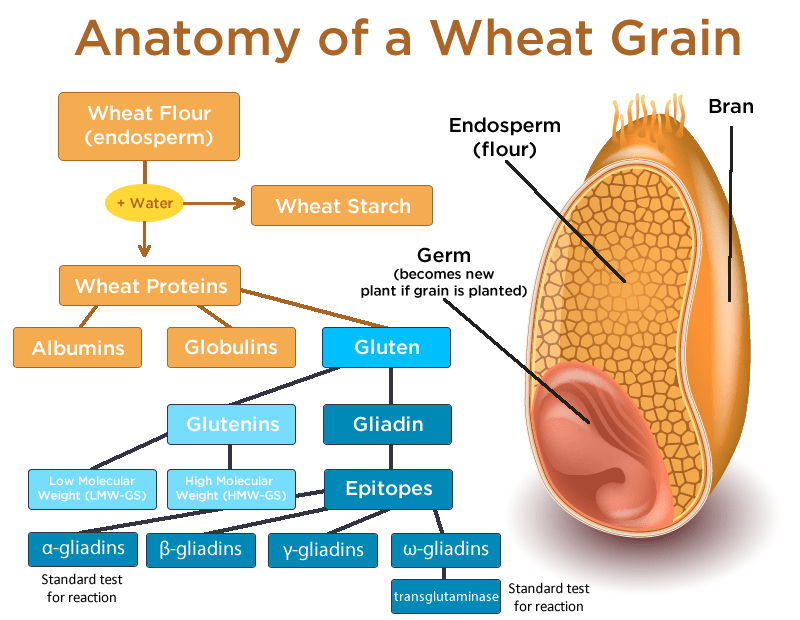
Three different things, not one
It helps to separate three distinct situations. Celiac disease is an autoimmune condition in which gluten triggers damage to the small intestine and requires strict lifelong gluten avoidance. A wheat allergy is an immune reaction to wheat proteins. Non celiac gluten or wheat sensitivity is a third category, where people report symptoms after eating gluten or wheat without celiac disease or a classic allergy.
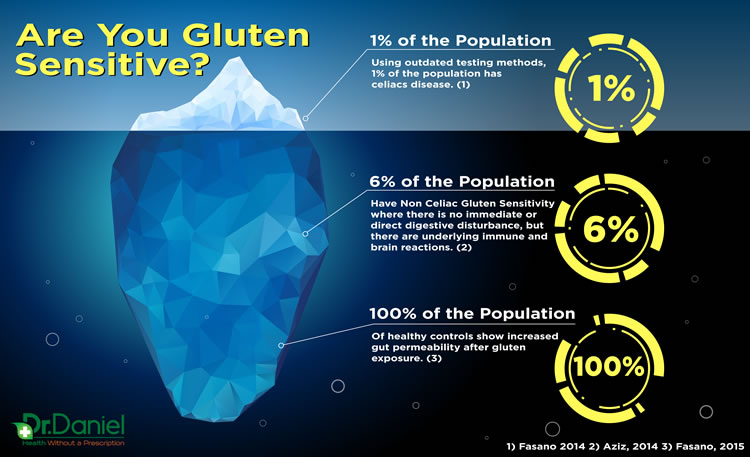
What the research says about non celiac sensitivity
Non celiac gluten sensitivity is a real and active area of study. A 2019 review in Medicina (PMID 31142014) summarized the evidence on its presentation and diagnosis, and a 2025 narrative review in Nutrients (PMID 39861350) updated the picture over the following five years. The research recognizes that some people experience genuine symptoms, while also noting that diagnosis is challenging because there is no single definitive test and other components of wheat may play a role.
What to do if you suspect a problem
- Do not start a gluten free diet before testing for celiac disease, because removing gluten first can make celiac testing inaccurate.
- See a healthcare provider to rule out celiac disease and wheat allergy first.
- If those are excluded, a supervised elimination and reintroduction process can help clarify whether gluten or wheat genuinely triggers your symptoms.
- Be cautious about cutting whole food groups long term without guidance, since that can affect overall nutrition.
The goal is to identify what actually affects you rather than following a blanket rule. A proper workup gives you a real answer instead of a guess.
READY TO FEEL BETTER?
Book Your Appointment Today
Same-week appointments are often available. Call 512-347-8881 or request a time online.
Ready to feel better?
If you are new to our office, learn what to expect on your first visit, or explore the conditions we treat.