
Natural Allergy Relief: What Actually Helps
Seasonal and indoor allergies make life miserable for millions of people, bringing sneezing, a runny or stuffy nose, and itchy, watery eyes. If you would rather manage symptoms with practical, natural strategies before reaching for stronger measures, there is a lot you can do. Here is an honest, evidence-based look at what actually helps.
Start by Reducing Your Exposure
The most logical first step is limiting contact with whatever triggers you. Allergy guidelines emphasize identifying and avoiding triggers as a foundation of management (Otolaryngology Head and Neck Surgery clinical practice guideline, 2015, PMID 25644617). Practical measures include:
- Keep windows closed and use air conditioning during high pollen days.
- Shower and change clothes after spending time outdoors to rinse off pollen.
- Use a vacuum and consider a HEPA filter to reduce indoor allergens.
- Wash bedding regularly in hot water to limit dust mites.
- Check daily pollen forecasts and plan outdoor activity for lower-count times.
Rinse It Away with Saline
Nasal saline irrigation is a simple, low-cost option with real support. A Cochrane review found that saline irrigation can relieve allergic rhinitis symptoms and is well tolerated, making it a reasonable add-on with few downsides (Cochrane Database of Systematic Reviews, 2018, PMID 29932206). Using a saline rinse or spray helps flush allergens and mucus from the nasal passages. If you use a rinse device, use distilled, sterile, or previously boiled and cooled water, and clean the device as directed.
Know Your Other Options
When avoidance and saline are not enough, several well-established treatments are effective and widely available. International allergy guidelines outline a stepwise approach (ARIA guidelines, 2017, PMID 28602936). These include over-the-counter saline and antihistamines, and intranasal corticosteroid sprays, which are among the most effective treatments for nasal allergy symptoms. For persistent or severe allergies, an allergist can offer testing and longer-term options such as allergy immunotherapy. A pharmacist or physician can help you choose what is appropriate for you.
Support Your Overall Health
General healthy habits will not cure allergies, but feeling your best helps you cope. A balanced diet, adequate sleep, regular activity, and good hydration support overall wellbeing. Managing stress may also help, since stress can worsen how symptoms feel. These are sensible complements to allergy care rather than replacements for it.
A Note on Chiropractic and Allergies
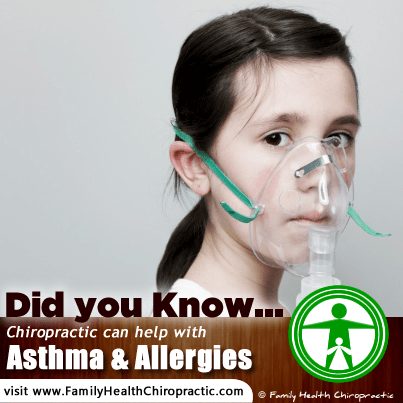
You may see claims that chiropractic adjustments treat allergies by boosting the immune system. To be straightforward: there is no good evidence that spinal manipulation treats allergic rhinitis or alters immune function in a way that relieves allergies. What chiropractic care can genuinely help with is musculoskeletal complaints such as back and neck pain. For allergies specifically, the strategies above and guidance from your physician or an allergist are the evidence-based path.
The Bottom Line
Natural allergy relief starts with reducing exposure to your triggers and using simple measures like saline irrigation, with proven treatments such as antihistamines and nasal steroid sprays available when you need more. If your allergies are severe, persistent, or affecting your breathing, see a healthcare provider or allergist for a tailored plan.
READY TO FEEL BETTER?
Book Your Appointment Today
Same-week appointments are often available. Call 512-347-8881 or request a time online.
Ready to feel better?
If you are new to our office, learn what to expect on your first visit, or explore the conditions we treat.