

Causes of Neck Pain and When to Worry About It
Neck pain can be unsettling. Many people fear spine pain more than other kinds of pain – the back and neck feel vulnerable, and a lot can go wrong. Yet most cases of neck pain are not serious, at least early on. This article explains the most common causes of neck pain and the warning signs that mean you should get checked out.
One note up front: if you are experiencing severe neck pain, or you’ve been in an accident or experienced head trauma, you should be evaluated by a professional promptly.
Common Causes of Neck Pain
The causes of neck pain generally fall into three groups: acute (sudden onset), chronic (longer lasting), and external or other factors that are rare but possible.
Acute Causes
The most common acute causes are strains and sprains, which usually result from overuse and heal within a few days or weeks. Examples include:
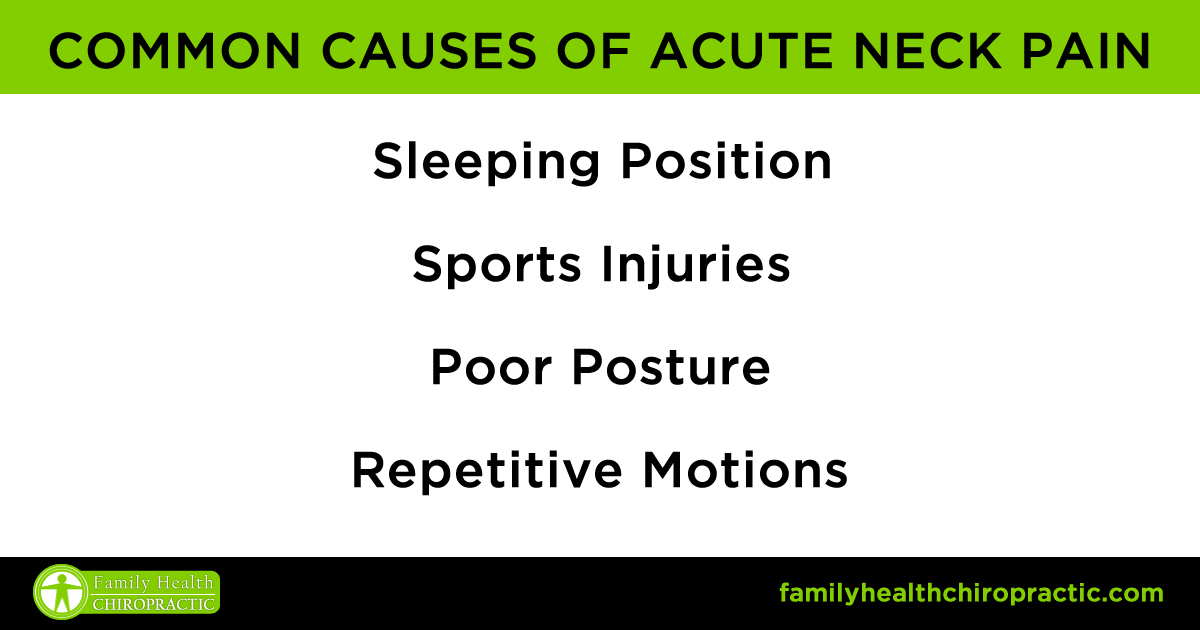
- Sleeping in an awkward position – what many people call a “crick” in the neck
- Sports injuries – sudden movements, jerks, collisions or falls that injure the muscles, ligaments and tendons
- Poor posture – especially given how much time we spend on computers and phones with the head tilted forward
- Repetitive motions – keeping the head turned or held in one position for long stretches
Chronic Causes
Neck pain is generally considered chronic when it persists beyond about three months, though pain lasting longer than six weeks warrants closer attention, since it can point to a more involved problem. Common causes of chronic neck pain include:
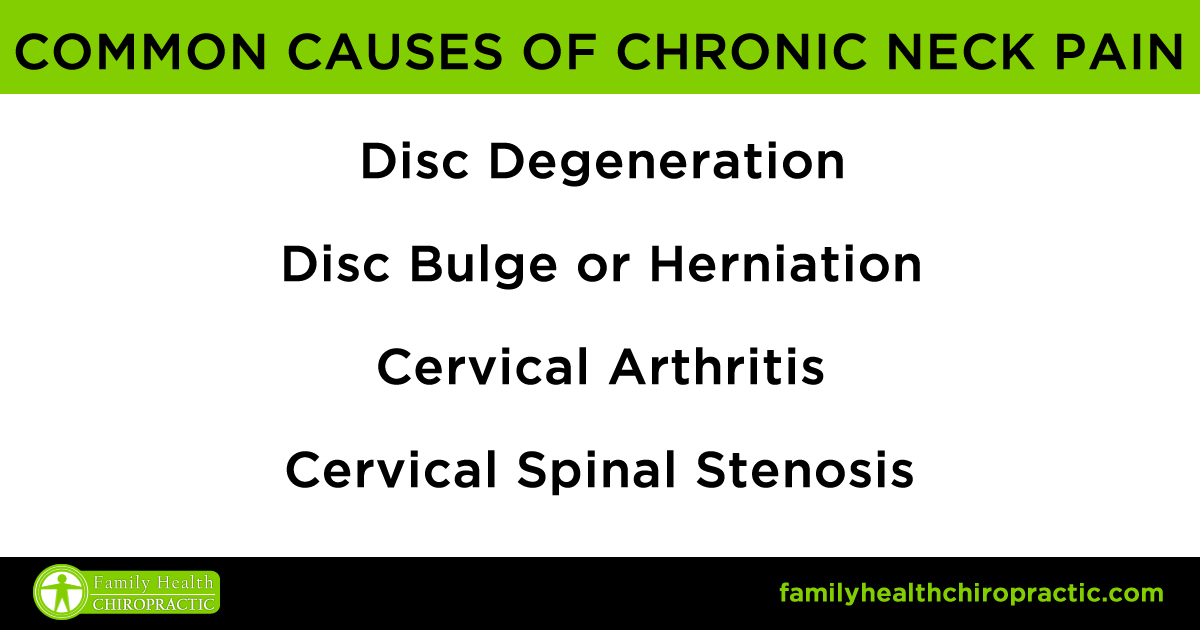
- Cervical disc degeneration – the discs act as shock absorbers and can wear down over time, leading to irritation of nearby nerves, muscles, ligaments and tendons
- Cervical disc bulge – abnormal forces, poor posture, sudden movements or injury can cause a disc to swell and become painful
- Cervical herniated disc – a disc can tear, allowing its inner fluid to leak out and irritate the surrounding nerves and tissues
- Cervical arthritis – when the cartilage between the neck joints wears down enough, it can lead to cervical osteoarthritis (cervical spondylosis)
- Cervical spinal stenosis – degeneration narrows the spinal canal, such as from a herniated disc or bone spurs pressing in; if the canal narrows enough to compress the spinal cord, myelopathy can result
External and Other Causes
- Emotional stress – many people carry tension in the neck and shoulders, and these muscles can tighten and ache in response to stress, anxiety or low mood
- Infection – bacterial or viral infections can occasionally inflame the neck’s soft tissue; meningitis is one example
- Myofascial pain – a chronic condition involving trigger points in achy muscles and connective tissue, often in the upper back or neck
- Spinal tumor – a growth in the cervical spine could press against a nerve
- Spondylolisthesis – when one vertebra slips over the one below it, often from a small fracture, advanced disc degeneration or ligament laxity
When You Should Worry About Neck Pain
Although it is rare, neck pain can occasionally signal something more serious – such as cancer, infection, autoimmune disease, or a structural problem like spinal cord injury or a threat to a major blood vessel. These situations usually come with hard-to-miss signs beyond pain alone and are typically diagnosed promptly by a qualified clinician. If it feels serious, get it checked.
A useful rule of thumb for seeing a doctor is when:
- The pain has lasted more than about six weeks
- It is severe, not improving, or getting worse
- There is at least one additional red flag (below)
- You’ve lost function in your arms – such as strength, grip or the ability to move them
And there’s one situation where you should not wait: if you’ve had an accident with forces that could fracture the spine or injure nerves, seek care immediately.
The following red-flag checklist can help. The more items that apply, the more seriously you should consider seeing a doctor:
- Light tapping on the spine is painful
- Unexplained weight loss, which can be a sign of cancer
- Unexplained fevers or chills, especially in people with diabetes
- A fierce headache, inability to bend the head forward, fever, or altered mental state – possible signs of meningitis
- A severe headache that comes on suddenly; most are harmless but should always be investigated
- Severe, new throbbing or constricting pain, which can occasionally indicate an artery tear with stroke risk – often one-sided with both neck and head pain; if there’s any hint of other symptoms, go to the ER
- Signs of spinal cord involvement: poor hand coordination, weakness or “heavy” feelings, widespread numbness, shooting limb pains (especially when bending the head forward), or an unsteady gait
- Unexplained dizziness, nausea or vomiting, which may point to instability in the upper cervical spine and should never be dismissed as a “detox” or “healing crisis”
- Steroid use, other drug abuse, or HIV, all of which raise the risk of a serious cause
- Feeling generally unwell in other ways, which may indicate neck pain isn’t the only issue
Signs that neck pain might stem specifically from an autoimmune condition include a family history of autoimmune disease, gradual but progressive symptoms before age 40, marked morning stiffness, pain in other joints as well as the low back, rashes, digestive trouble, irritated eyes, and urinary symptoms. If any of these apply, it’s worth discussing with your doctor.
READY TO FEEL BETTER?
Book Your Appointment Today
Same-week appointments are often available. Call 512-347-8881 or request a time online.
Ready to feel better?
If you are new to our office, learn what to expect on your first visit, or explore the conditions we treat.