
What Should I Feed My Kids?
It is one of the questions I hear most often from parents: what should I feed my kids? Is milk good for them? Can they eat bread and pasta, or should they go gluten free? And what about vegetables, when they will not touch them? These are great questions, and the sheer number of them shows how confusing modern nutrition has become. Let’s walk through the nutrients kids need most and some practical ways to think about feeding your family.
Rethinking the Idea of Kids Food
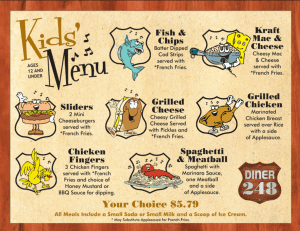
Have you ever noticed how often we treat children’s food as a separate category? Walk into a restaurant and you are handed a kids menu, usually built around pizza, mac and cheese, spaghetti, burgers and fries, grilled cheese, or chicken tenders. Stroll the cereal aisle and you will find brightly marketed boxes aimed squarely at children, most of them highly processed and loaded with sugar.
The thing is, kids do not have fundamentally different nutritional needs than adults. The idea of a separate menu of heavily processed snack foods is a relatively recent cultural invention. A century ago, and for most of human history, children largely ate the same real foods their parents did.
So a helpful mindset shift is to drop the concept of kids food altogether. If you are having grilled chicken, sweet potatoes, and roasted cauliflower, that is a great meal for your kids too. When you eat out, let them explore the regular menu and get used to the flavors of whole foods. You will often spend less, and over time their palates adjust.
Parents sometimes say, my kids simply will not eat that. That is understandable, and it is rarely about stubbornness. Taste buds that are used to very sweet, salty, and processed foods can find simpler whole foods less exciting at first. The encouraging news is that this changes with patience and consistency. Kids can absolutely learn to enjoy real food, and small steps add up.
What Nutrients Do Kids Need Most?
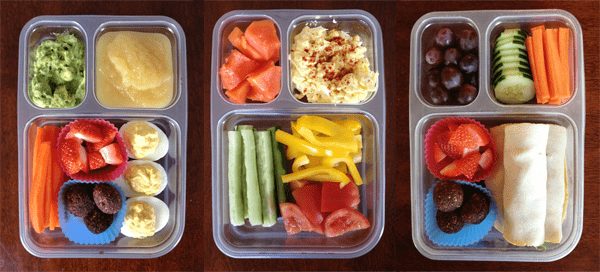
In broad strokes, kids need the same nutrients adults do, but getting enough matters even more because their brains and bodies are still developing. Building a foundation of whole, nutrient-dense foods, with plenty of variety, gives them the building blocks they need. Here are a few areas to focus on.

Healthy Fats and Fat-Soluble Vitamins
Fat is a vital nutrient for growing children, supporting brain and nervous system development. This is part of why whole milk is often recommended for toddlers. Good sources of fat and fat-soluble vitamins include cold-water fatty fish, eggs (pasture-raised when possible), and a varied diet. Egg yolks in particular supply choline, which supports brain development. Omega-3 fats like EPA and DHA, found in fatty fish, shellfish, eggs, nuts, and seeds, are also important for the developing brain.
Minerals and Phytonutrients
Minerals like zinc, iron, and copper are easy to overlook but important. Animal foods such as shellfish and lean meats tend to be especially rich, well-absorbed sources, though plant foods contribute these minerals too along with many other benefits. Plants also provide phytonutrients, the natural compounds that give fruits and vegetables their color and flavor and act as antioxidants. The fiber in produce is valuable as well, helping feed the beneficial bacteria in your child’s gut.
Author Michael Pollan has written extensively about the value of eating a variety of whole fruits, vegetables, and herbs, and about being thoughtful regarding food sourcing and the prevalence of heavily processed ingredients. Shopping at farmers markets and choosing fresh whole foods when you can are simple ways to put that into practice.
Protein
Children need protein to build and maintain muscles, tissues, and a healthy immune system. Think of it as the scaffolding of the body. Including a good protein source at meals, whether from meat, fish, eggs, dairy, legumes, or other sources, helps support healthy growth.
How to Keep an Eye on Your Child’s Nutrition
If your child eats a varied diet rich in these nutrients, there is usually little to worry about. If you do have concerns about their nutritional status, talk with your pediatrician, who can advise whether any testing is appropriate to check for deficiencies.
Above all, make sure your kids are simply getting enough to eat for their activity level. Children are often good at eating to their hunger, but some snack out of habit rather than need, so it helps to keep snacking purposeful. If a child’s appetite seems off, underlying issues like digestive problems or constipation can sometimes play a role, which is another good reason to check in with their doctor.
A quick note on carbohydrates: active kids need enough fuel, so nutrient-rich starchy foods like sweet potatoes, plantains, yuca, and taro can be a great source of energy. Even plain white rice can have a place as a well-tolerated, easy source of calories, as long as it complements rather than replaces more nutrient-dense foods.
There is no single perfect diet for every child. The goal is a foundation of real, whole foods, plenty of variety, enough overall fuel for active growing bodies, and a willingness to adjust to your child’s individual needs in partnership with their healthcare provider.
READY TO FEEL BETTER?
Book Your Appointment Today
Same-week appointments are often available. Call 512-347-8881 or request a time online.
Ready to feel better?
If you are new to our office, learn what to expect on your first visit, or explore the conditions we treat.