How Healthy People Get Cancer
Most of us know someone who lived a healthy life and was still diagnosed with cancer. It is one of the hardest things to make sense of: how can a person who eats well, exercises, and avoids obvious risks still get sick? The honest answer is that cancer is complex and often multifactorial. Genetics, age, environment, and a degree of chance all play a role, and no lifestyle can reduce the risk to zero. What we can do is focus on the factors that research shows genuinely move the needle.
This article looks at a few evidence-based contributors to cancer risk that often get less attention than smoking and alcohol, along with practical, realistic steps that support long-term health. None of this is a substitute for medical care: screening and any diagnosis or treatment should always be guided by your physician.
Diet and Cancer Risk
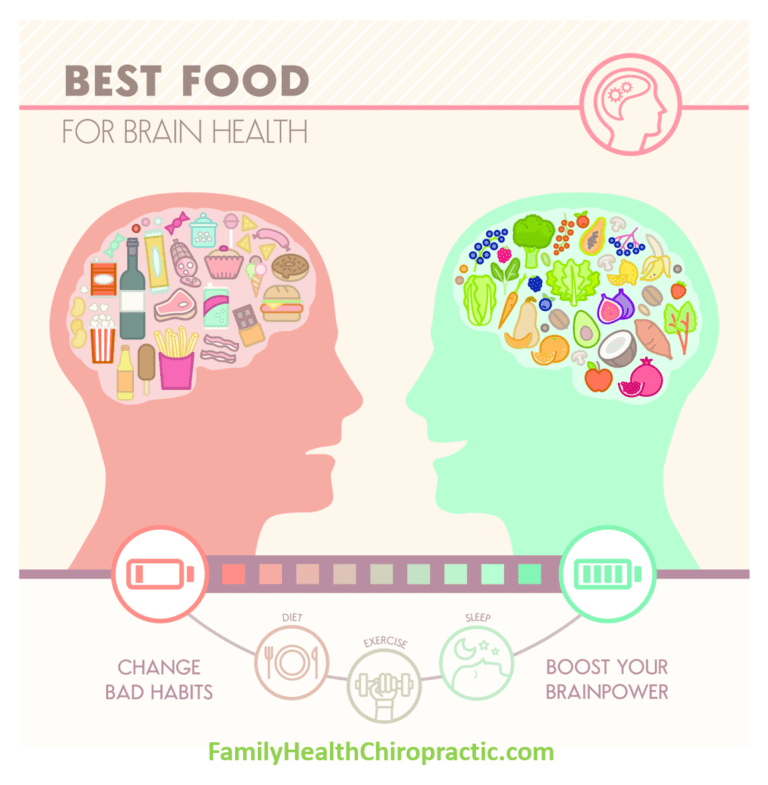
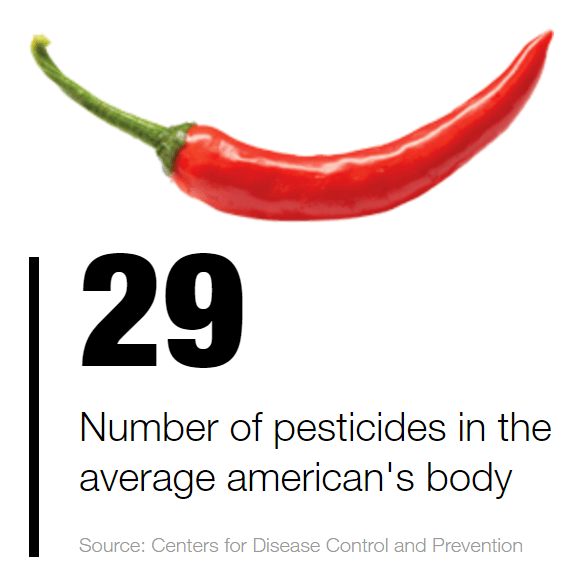
Diet is one of the most studied and most modifiable influences on long-term health. A large dose-response meta-analysis of prospective studies found that higher fruit and vegetable intake was associated with lower risk of total cancer, cardiovascular disease, and all-cause mortality (Aune et al., International Journal of Epidemiology 2017, PMID 28338764). Despite this, most Americans fall well short of recommended daily servings, so for many people simply eating more whole fruits and vegetables is a meaningful, achievable step.
It is also worth distinguishing diet from nutrition. A diet can be full of calories yet short on nutrients, especially when it leans heavily on processed foods. Choosing whole foods over processed ones is a simple guiding principle, and it matters even for foods labeled organic, since organic processed snacks are still processed.
Processed and Preserved Foods
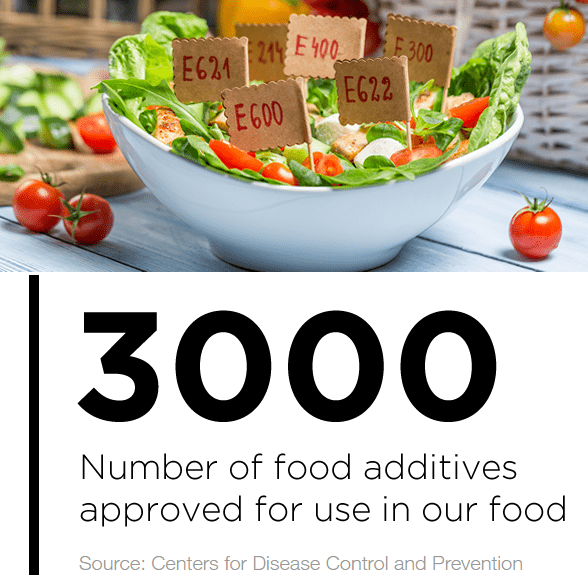
Some processed foods carry their own documented risk. The International Agency for Research on Cancer classifies processed meat as carcinogenic to humans and red meat as probably carcinogenic, based largely on associations with colorectal cancer (reviewed in Johnson, British Medical Bulletin 2017, PMID 27989995). This does not mean an occasional serving is dangerous, but it is a reason to keep heavily processed meats as an occasional food rather than a daily staple.
Infections: An Underappreciated Cause
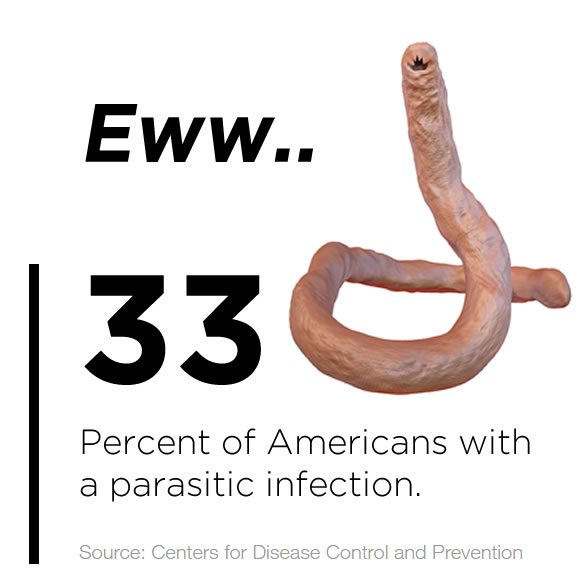
One of the most striking and well-established facts in cancer research is that a meaningful share of cancers worldwide are linked to chronic infections. A global analysis estimated that roughly 1 in 6 cancers (about 16 percent) are attributable to infectious agents (de Martel et al., The Lancet Oncology 2012, PMID 22575588).
The best-documented examples include the human papillomavirus (HPV), which causes most cervical cancers and a share of head and neck cancers; Helicobacter pylori, a stomach bacterium linked to gastric cancer (Amieva and Peek, Gastroenterology 2016, PMID 26385073); hepatitis B and C viruses, which contribute to liver cancer; and the Epstein-Barr virus, associated with certain lymphomas. The encouraging part of this story is that several of these are preventable or treatable: HPV and hepatitis B both have vaccines, hepatitis C is now curable in most cases, and H. pylori can be tested for and treated.
A Realistic Approach to Prevention
It is easy to feel overwhelmed by long lists of things to avoid, and some popular claims about everyday exposures are exaggerated or simply unproven. A more useful approach is to focus on the levers with the strongest evidence behind them: do not smoke, keep alcohol low, stay physically active, eat mostly whole foods with plenty of fruits and vegetables, maintain a healthy weight, protect your skin from excess sun, and stay current with recommended vaccinations and cancer screenings.
Chiropractic care is not a treatment or preventive for cancer, and it should never be presented as one. What a healthy-lifestyle practice can offer is support for the everyday habits, movement, activity, and overall wellbeing, that help you stay consistent with the choices that genuinely matter. For anything involving cancer risk, screening, or diagnosis, your physician should always lead the way.
READY TO FEEL BETTER?
Book Your Appointment Today
Same-week appointments are often available. Call 512-347-8881 or request a time online.
Ready to feel better?
If you are new to our office, learn what to expect on your first visit, or explore the conditions we treat.