

Troubleshooting Shoulder Pain
Shoulder pain is common and frustrating, partly because the shoulder is such a mobile, complex joint. The good news is that most shoulder pain is not serious and responds well to the right exercises and a bit of patience. Here is how to think about troubleshooting it.
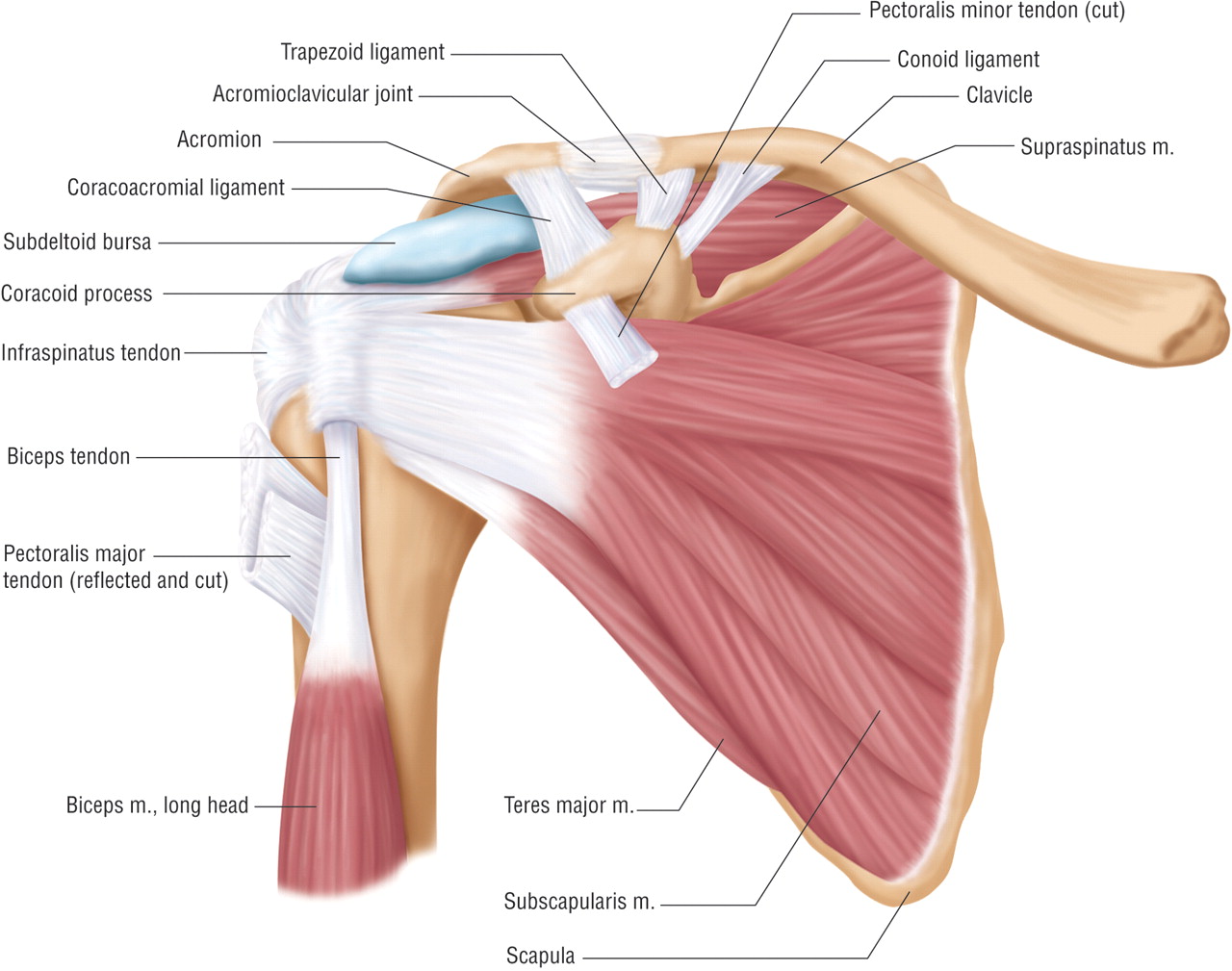
Why Shoulders Hurt
Most shoulder pain involves the soft tissues, especially the rotator cuff and surrounding muscles, rather than serious joint damage. Overuse, sudden increases in activity, poor loading, and weakness all commonly contribute.
What Usually Helps
For the majority of shoulder pain, progressive exercise to strengthen the rotator cuff and surrounding muscles is the most effective approach, well supported by the evidence (Arch Phys Med Rehabil, 2024, PMID 37832814).
- Gentle range-of-motion work to keep the shoulder moving
- Progressive rotator cuff and scapular strengthening
- Gradual loading rather than complete rest
- Addressing posture and the upper back, which influence the shoulder
What to Avoid
Complete rest and fear of movement tend to prolong shoulder problems. So does pushing aggressively through sharp pain. The sweet spot is steady, progressive loading that challenges the shoulder without flaring it up.
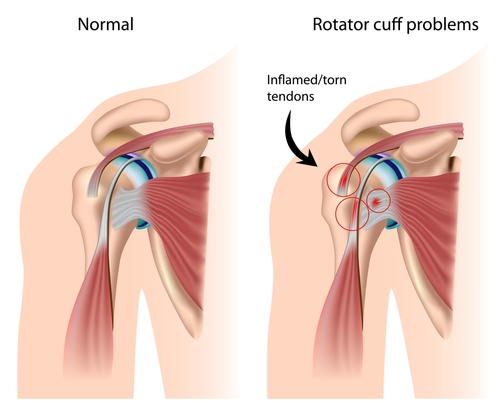
When to Get It Assessed
See a professional for shoulder pain that follows a significant injury, comes with marked weakness or instability, or is not improving over several weeks. A proper assessment can pinpoint what is driving the pain and target the right exercises.
READY TO FEEL BETTER?
Book Your Appointment Today
Same-week appointments are often available. Call 512-347-8881 or request a time online.
Ready to feel better?
If you are new to our office, learn what to expect on your first visit, or explore the conditions we treat.