Healthy Kids Score Better in Reading and Math
If there were a simple, free, and safe way to help your child become a stronger reader and do better in math, you would jump on it. Encouragingly, a growing body of research points to one: regular physical activity. Getting kids moving appears to have a meaningful side benefit of supporting their thinking and learning, no tutor required.
Fitness and Academic Performance
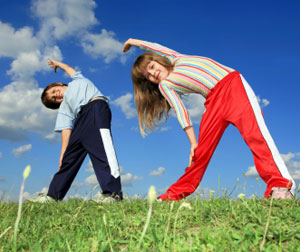
Studies have found that cardiorespiratory fitness, the health of a child’s heart and lungs, is associated with stronger performance on reading and math assessments in school-age children. While many factors influence academic success, fitness consistently shows up as one of them. That is a useful reminder for schools that have scaled back physical education, and a cue for families to build activity into life outside of school hours too.
A review of multiple studies in children and teens reached a similar conclusion: more active kids tend to do better academically. Researchers point to several plausible reasons exercise may support the brain:
- Greater blood and oxygen flow to the brain
- Changes in brain chemistry that can reduce stress and improve mood
- Higher levels of growth factors that support the formation of new nerve cells and healthy brain connections
Real-world school programs that added more movement to the school day, such as active morning exercise and access to movement during class, have reported improvements in students’ focus and academic results. The exact size of those gains varies from program to program, but the overall direction is consistent: active kids tend to learn better.
If you have ever taken a brisk walk to clear a foggy head or shake off an afternoon slump, you have felt this effect yourself. The same is true for kids, and regular activity supports not just test performance but mood, focus, and overall well-being.
What Type of Exercise Is Best for Kids?
Much like adults, kids benefit from short bursts of vigorous activity with rest in between, which is actually how children naturally tend to play. Given the chance to be outdoors with friends rather than parked in front of a screen, most kids fall into this pattern on their own. Variety helps too, so aim for a mix of:
- Interval-style active play
- Strength-building activities
- Stretching and flexibility
- Core and balance work
This may sound like a lot, but it adds up quickly. A child who takes a gymnastics class, chases the dog around the yard, and rides a bike after school is already covering most of it.
Finally, one of the most powerful things you can do is model an active lifestyle yourself. When kids see exercise as a normal, positive part of family life, they tend to follow suit. Plan activities everyone can enjoy together, like hiking, biking, swimming, or playing a sport. It is good for their bodies, their brains, and your time together as a family.
READY TO FEEL BETTER?
Book Your Appointment Today
Same-week appointments are often available. Call 512-347-8881 or request a time online.
Ready to feel better?
If you are new to our office, learn what to expect on your first visit, or explore the conditions we treat.