Sleep Deprivation Disconnects Your Brain From Your Body
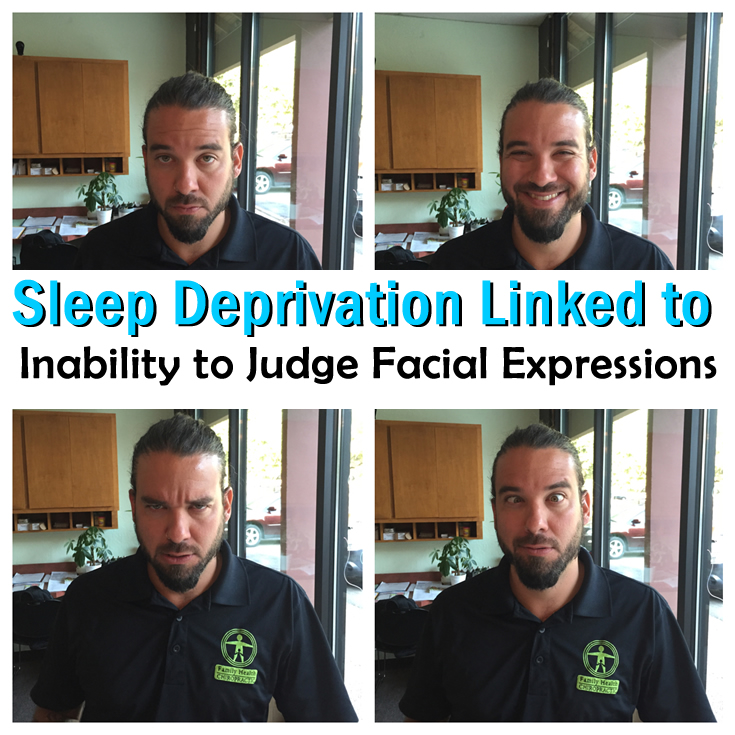
If you have been feeling out of sync with the people around you, poor sleep might be part of the reason. Research from the University of California, Berkeley found that sleep deprivation makes it harder to read facial expressions accurately. Since facial expressions are one of the most important forms of nonverbal communication, this can have real consequences, from missing the signs that a child is unwell to misjudging social situations.
As the study’s authors note, how we recognize someone else’s emotional expression shapes whether and how we choose to interact with them. Given how many adults in the modern world fall short on quality sleep, it is fair to say a lot of us are operating at a disadvantage when it comes to reading one another.
What the Study Found
In the experiment, healthy young adults viewed a series of faces ranging from friendly to threatening, once after a full night of sleep and once after 24 hours awake. Researchers used functional MRI to scan participants’ brains and also tracked their heart rates as they looked at the faces.
After sleep deprivation, the brain’s emotion-sensing regions struggled to distinguish threatening faces from friendly ones. The participants’ heart rates also failed to respond normally to those expressions, and researchers observed a breakdown in the usual brain-heart connection that helps the body sense distress signals. As lead author Matthew Walker put it, sleep deprivation appears to disconnect the body from the brain.
As a result, sleep-deprived participants tended to perceive more faces, even neutral or friendly ones, as threatening. The researchers suggested that too little sleep removes some of the optimism from our emotional outlook and leads us to overestimate threat, which may help explain why people who are short on sleep often feel less social and more isolated.
On a more hopeful note, the quality of participants’ REM (dream) sleep correlated with how accurately they read facial expressions the next day. Walker’s earlier research has found that REM sleep helps lower stress-related brain chemistry and ease the emotional weight of difficult memories. In short, good dream sleep seems to help recalibrate our emotional compass, which is yet more evidence of how essential sleep really is.
How Chiropractic Care May Support Better Sleep
Sleep and the nervous system are closely connected. When the body’s circadian rhythms are disrupted, stress hormones like cortisol can stay elevated, and chronically high cortisol is associated with a range of health effects over time. Pain and physical discomfort can also make it harder to fall and stay asleep.
This is one area where chiropractic care may help indirectly. By addressing musculoskeletal discomfort, such as back or neck pain, and supporting relaxation, many patients report sleeping more comfortably. Chiropractic is not a cure for insomnia, but for people whose sleep is disrupted by physical pain or tension, it can be a useful part of an overall approach. If you are dealing with a sleep disorder, it is also worth talking with your physician about the underlying causes.
Simple Habits That Support Better Sleep
Alongside any care you pursue, lifestyle changes are among the most effective ways to improve sleep. A few worth trying:
- Limit caffeine, especially later in the day
- Eat dinner earlier in the evening when possible
- Avoid screens and bright light for about an hour before bed
- Stay active with regular exercise, but not too close to bedtime
- Avoid excess alcohol
- Invest in a supportive mattress and pillow that keep your spine comfortable
- Most importantly, keep a consistent daily sleep and wake routine
Small, steady changes to your sleep habits can make a meaningful difference in how you feel, think, and connect with the people around you. If sleepless nights persist despite these steps, reach out to a healthcare provider to look into what might be behind them.
READY TO FEEL BETTER?
Book Your Appointment Today
Same-week appointments are often available. Call 512-347-8881 or request a time online.
Ready to feel better?
If you are new to our office, learn what to expect on your first visit, or explore the conditions we treat.