Blog

GMO Foods Are Harmful and Disney Grows Them!

GMO Foods are Harmful and Disney Grows Them

[dcwsb inline=”true”]

There has been much controversy over the subject of GMO (genetically modified organisms) food and the harm they may cause to our health. While there are some corporations that support genetically enhanced foods, there has also been a lot of worry on the long term impact of ingesting food that was engineered in a laboratory.

GMO foods are suspected of heightening the reactions to food allergies, damaging our DNA and promoting autoimmune conditions. Overall, the impact on human health by GMOs is still unknown. All human studies have been considered non-conclusive. However, animal studies have shown some worrying results. A European study published in 2011 observed that animals that had been fed GMO foods showed signs of kidney and liver disease after ninety days.

The concern is great enough that many European and Middle Eastern regions have completely banned the import or sale of GMO foods. Some US states and cities have issued their own bans but there is no federal prohibition on GMO foods to date. It is also currently not an FDA requirement for GMO foods to be labeled as such in stores.

So how is Disney involved with GMO Foods that are Harmful?

Through EPCOT, which stands for ‘Environmental Prototype Community of Tomorrow’, a Florida based center that is host to numerous biologist from the United States Department of Agriculture. One of the largest pro-GMO corporations, Nestle USA, helped Disney by funding the 2.5 million square foot greenhouse that is the main exhibit within the ‘Living with the Land’ portion of EPCOT.

This greenhouse displays the results of the scientists’ labor and sports fruits and vegetables in the shape of Mickey Mouse’s head. There are also plants that are much larger than they would be if grown naturally, such as a nine-pound lemon and over-sized pumpkins.

Within ‘Living with the Land’, there is tour called ‘Behind the Seeds’ that shows visitors the labs used to genetically modified seeds and provides an explanatory guide through the greenhouse. Visitors can also buy a product known as Mickey’s Mini Garden. These consist of a plant within a tube that is intended to be used to help start home gardens. However, the plants in these tubes are created through cloned plant cells within EPCOT’s Biotechnology Lab rather than being naturally formed. Almost everything within the attraction is in promotion of producing GMO products. Even the food served in the park’s cafeterias is known to be genetically altered in some way.

GMO Foods Are Harmful and Disney Promotes Them to Children :(

Within this attraction, Disney has provided a display to make Genetically Modified Organisms appear wholesome and family-friendly, which is only added to by Disney’s family-oriented reputation. The moral obligations of this are up in the air, but considering the unknown impact of the GMO on long term health and the negative results of animal studies, I feel this ultimately may be sending the wrong message.
GMO Foods Are Harmful and Disney Grows Them!2026-04-26T11:14:00-05:00

Foods That Give Us Energy

Foods that Give Us Energy

[dcwsb inline=”true”]

RawFood_3D

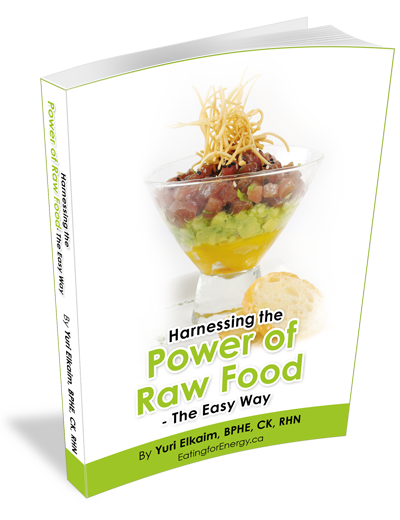
Click to Download

It’s really unfortunate that the vast majority of the population turns to stimulants instead of looking to whole foods for a boost of invigorating energy. I guess part of the problem is that humans are generally lazy and would rather take the “magic pill” to fix all their problems.

But when it comes to having more energy the irony is that the stimulating foods such coffee, sugar, and energy drinks actually fatigue your body in the long run. Sure they give you a quick jolt of energy but then their real effects are felt as they wear down your adrenal glands, disrupt your blood sugar, and create a huge crash after the initial high. Essentially they are drugs. They are not foods that give us energy.

Ok, then, what are some natural foods that will give you long-lasting energy?

Well, you may want to consider that no single food will give you more energy than your overall diet. Sure you could add in some of the energy foods I describe below, but if your diet is horrific to begin with, then you will not see the sustained level of energy that you want.

Instead of searching for “miracle” energy foods your goal should be to eat a diet that consists of foods that are vibrating at higher energies. This means eating more raw living foods. When a food has not been cooked, it maintains its natural energy properties (not to mention all of its other nutrients). Thus, when you eat raw foods, you’re giving your body direct energy from the ultimate source – the sun – as most of these foods will be plant-based, and the sun is where they get their energy.

The closer you eat to the bottom of the food chain, the more nutrition and energy will you acquire. Think about it – it takes more of your energy to digest animal meat than it does to digest a green vegetable, right? Plus, this green veggie will have the maximum amount of living energy versus a dead animal carcass.

Thus, to have more energy, you need to follow a high energy diet. After that, you can start to knit pick and see which specific foods give you more energy, if at all.

To help you get started, here is a list of some my favourite energizing foods:

  • wheat grass – if you haven’t tried wheat grass then you’re missing out on some big time energy and nutrition. Growing it and juicing yourself can be a bit of a pain but you can easily get a “shot” at most health food stores or juice bars. 1 oz of wheat grass juice packs more nutrition than 2.5 lbs of green leafy veggies!
  • raw cacao (nibs or powder) – incredible source of magnesium, antioxidants, and life force. These give me a natural high that can last for hours without the subsequent like you would get from coffee and caffeinated beverages.
  • goji berries – another incredible source of antioxidants and polysaccharides that improve cell-to-cell communication. I actually combine these with my raw cacao nibs and complementary tastes work really well together.

Remember that although these foods provide incredible nutrition they are the like the healthier version of coffee and other quick fixes. The key still remains to follow a raw foods diet, as much as possible, that will provide you with tons of life force, alkalinity, and nutrients to help your body thrive.


About the Author

Yuri Elkaim is one of the world’s leading holistic nutrition and health experts. If you want to lose weight and live your healthiest and most energetic life ever, then you can learn more about his raw food diet book, Eating for Energy and get started with a FREE 6-part Energy Secrets e-course by visiting ultimateenergydiet.com today.

Foods That Give Us Energy2026-04-26T11:14:00-05:00

The Truth about Supplements!

The Truth About Supplements!

[dcwsb inline=”true”]

If you're someone concerned with leading a healthy life, making use of supplements is actually stepping away from “natural living”, since we have access to the real source of every single vitamin, mineral and nutrients our body needs: Real Food!

Now, I agree that supplements are a great way to “supplement” nutrients with our diet as long as you understand that they will never replace what you eat every day.  In other words, your supplements are only as good as the FOOD you put into your mouth with them!  There are indeed some good supplements out there that are made from real food containing numerous vitamins and nutrients; but, there are many – MANY! – supplements in the market loaded with poisonous chemicals and synthetic nutrients that can end up taking you miles away from being healthy.

What to Avoid & What to look for:

First and most obvious, you must look for quality. Quality is not necessarily related to price but you shouldn't run off to the store and pick the least expensive vitamin you can find either. Quality is on the reputation of the brand, how the company puts the vitamin together and what the source of nutrients are. 

Avoid synthetic or synthetic isolate supplements. That means that the vitamins and/or minerals are only partial and combined with chemicals that are not so healthy for your body! 

Look at the label – always- and if you find the component Magnesium Stearate, run for the hills! This is the number one component to avoid in supplements! It contains many toxins since it is made from hydrogenating cottonseed oil and this type of oil has been found to have the highest concentrations of toxins and pesticide residues because cotton is one of the most heavily sprayed crops today. To make things worse, hydrogenated oils are molecularly altered in a process that involves a metal catalyst and the Magnesium Stearate is known to damage our immune system by impede the function of immune cells.

Before taking supplements, think twice about what you're taking. Make sure you know where they came from and how they are made. Make sure to find a trustworthy supplier and stick to it.  There are good natural healthy supplements out there, but you must make sure you found them. If you want to help you body, you better do it right!

The Truth about Supplements!2017-03-16T21:37:05-05:00

Your Kids are Brainwashed with Drugs

Your Kids are Brainwashed with Drugs

[dcwsb inline=”true”]
Despite the amount of laws and regulations to keep drugs out of the hands of adolescents, teen drug usage still remains a national issue. The most common drugs used by junior high and high school students are nicotine, alcohol, amphetamines, and benzodiazepines. ‘Hardcore’ drugs such meth, crack, and cocaine are also used but with less frequency among teenagers. The seemingly general train of thought for teenagers is that if it’s not outlawed or it’s prescribed then it’s not dangerous. However, there are many facts stating the opposite.

Nictotine
Nicotine is a naturally occurring alkaloid that is found in tobacco. It takes effect by entering into the bloodstream after diffusing into the lungs, skin, sinuses, or gums. Once reaching the brain, it mimics the function of neurotransmitters and creates a mild feeling of euphoria. As any smoker who has attempted to quit in the past will attest to, nicotine is highly addictive and very hard to quit using. It is also very dangerous to a person’s health. The long-term effects of using nicotine are an increased risk for heart attacks and strokes, emphysema, and a variety of cancers.

Even those who do not smoke are at risk of developing an addiction via secondhand smoke. This makes children with parents that smoke particularly susceptible to getting hook on nicotine and becoming smokers themselves as they get older. The majority of new smokers are in their teens. 90% of adult smokers have admitted to picking up the habit before they reached the age of twenty-one and 20% of current teenagers are considered as having a regular smoking habit. Nationally, 1.5 million packs of cigarettes are sold to teenagers yearly so despite the laws prohibiting underage smoking, tobacco has remained easily obtainable for teenagers. Statistics have also shown that teens who smoke are more likely to use the next drug on our list: Alcohol.

Alcohol.
Alcohol is the drug that is most used by teenagers and it is also the most available to them. Most households have some type of alcohol at hand and since it’s legal for anyone over their twenty-first birthday, it’s not always hard for a teenager to find an older friend to purchase the booze for them. Although it’s not as addictive as nicotine, there is a large risk of developing a dependency with prolonged usage. However, the fact that it’s not as addictive does not make it any less dangerous. While the worse effects of nicotine are over the long term, alcohol can have devastating effect within only one night.

Alcohol is known to impaired coordination, vision, judgment, and reflexes by slowing down brain activity. When putting someone in this state behind the wheel of a vehicle, it can have deadly consequences – not only for the driver but also for anyone else on the road. Drunk driving is one of the most known dangers of drinking but it is not the only one. Alcohol poisoning from binge drinking can be fatal. Poisoning happens when the BAC (blood alcohol concentration) gets too high and has a drastic effect on the part of the brain that controls basic life functions. When the BAC reaches dangerous levels, these functions begin to shut down and can put the drinker into a coma or even end their life. Those who survive alcohol poisoning may suffer from permanent brain damage.

Emotions can also be effected by alcohol because it a depressant. Alcohol has been linked to both depression and suicide. For teenagers, using alcohol is very risky for their mental health since it can hinder normal brain development. Over the long term, alcohol can also lead to damage of the liver, stomach, kidneys and reduce brain mass.

Amphetamines: ADD/ADHD
A common amphetamine by the name of Adderall is very easy for teenagers to obtain since it can be prescribed to them to treat ADHD. These drugs are frequently found at ‘pharming parties’ (a party where pharmaceuticals are exchanged and used), which have been increasing in popularly amongst high school students. They are also known as ‘speed’ or ‘uppers’ due to the stimulating effects of helping the user stay awake and alert. Although most often taken via swallowing them in pill form, amphetamines can also be crushed and snorted or injected. Over a period of time, they are very addictive.

When misused, amphetamines can have dangerous effects. While under the drug’s influence, the body’s blood vessels narrow and the heart has to work twice as hard to get blood through the body. This can cause an irregular heartbeat that has the potential to result in a heart attack. These drugs also have a tendency to make the user grind their teeth which can lead to some painful dental issues. The long-term effects of using amphetamines are both mental and physical. According to the Society for Neuroscience, amphetamines affect brain cell function in the brain’s cortex. They can also lead to paranoia, depression, heightened anxiety, and poor memory and concentration. When it comes to the effects on the body, the heart muscle takes the most damage. Kidney problems, a reduced immune system, and chronic sleeping disorders are also linked to amphetamine abuse.

Benzodiazepines: Depression
These are also available through a prescription. Benzodiazepines are psychoactive drugs that affect the central nervous system. They are more commonly known as Xanax, Valium, and Clonazapam. Like amphetamines, they can be used in pill form, by crushing and snorting, or injecting. Aside from ‘pharming parties’, these drugs can mostly be found in the teen rave scene. Although dangerous and highly addictive in their own right, benzodiazepines are not usually taken by themselves but instead used in combination with other drugs like alcohol and amphetamines because they prolong the ‘high’ resulting from these other drugs.

Despite being used mostly to aid the effects of other drugs, benzodiazepines have many dangers of their own. They’ve been known to cause blackouts and violent behavior, as well as inducing sleep. Overdosing on this type of drug is not common but it is possible; marked by shallow breathing and a weak but rapid pulse and can possibly result in coma or death. The biggest danger of these drugs is addiction. Withdrawing from benzodiazepine can include seizures and can also be fatal so breaking away from this drug is not an easy task and requires medical supervision.

Though these drugs all have different properties and initial effects, they have one major factor in common: they alter the mind.

When teenagers fall victim to this, it can affect not only their development but also cause problems that will extend into their adult lives. Addiction often hinders moments of clarity and drives the user to act solely to feed that addiction. Their actions are not thought out and their desires are chemically induced. They become, in essence, brainwashed by these chemicals.

Your Kids are Brainwashed with Drugs2026-04-26T11:14:00-05:00

Toxic Cosmetics: The Beauty you Should Avoid

Toxic Cosmetics: The Beauty you Should Avoid

[dcwsb inline=”true”]
These days almost everything is packed up with chemicals and it's almost impossible to get away from them. And, if you are trying to do so, you are very likely to do it through food. Normally, when we think of being healthy and having a natural lifestyle, the first thing that comes to mind is food; natural food, organic non-processed food.

But, if you stop to think about it, there are dangerous chemicals elsewhere in our lives! The cosmetics we use on a daily basis can be just as dangerous – if not more! – to our health than processed heavily sprayed food.

Adults absorb 60% of the chemicals we put on our skin; and when it comes to babies, the number can go up to 100%! Plus, they have higher risk of developing diseases later in life if exposed to certain toxins.

The health issues that are most commonly liked to toxic chemicals that humans consume (eating, drinking or through absorption) are learning disabilities, skin allergies, infertility, birth defects, reproductive problems and even cancer!

As you can see, there are a lot of reproductive-related issues linked to the chemicals we consume, and most of the toxins responsible for that are found in cosmetics! That happens because many of the chemicals used in the beauty/ toiletries industry cause hormonal disruption.

Now, this is not only affecting woman around the world. Make up is filled with chemicals, trendy beauty and health care products are as well. But so is your toothpaste and even the soap you use to wash your hands. This is really a hazard for the entire family. Those names are not always on the labels, so we have to be extra careful.

The top toxins you will find (and should avoid) in cosmetics:

  • Parabens: These synthetic preservatives largely used in cosmetics and personal care product, and even in baby’s lotions, parabens are known to interrupt the normal function of the endocrine system and cause severe allergies.
  • Sodium Lauryl Sulfate: This industrial chemical detergent was created to clean and produce foam and it is found in shampoo, toothpaste and liquid soap.
  • Aluminum: This is a toxic metal and it is the base-compound for a wide variety of cosmetics; it can be found in shampoo, antiperspirant deodorant and even nasal spray.
  • Synthetic Formaldehyde: This one is famous! It is a highly toxic Volatile Organic Compound (VOC) often found in nail polish and hair relaxer. It is forbidden in some countries (although tome salons will fail to mention that to you), and that is never a good sign! Its vapor causes air pollution and extreme allergies and it is toxic to the liver and carcinogenic
  • Toluene: This is a neurotoxin found in many cosmetics, mainly in nail polish. It can affect the brain function and your central nervous system and it can also interfere with normal fetal and childhood development.

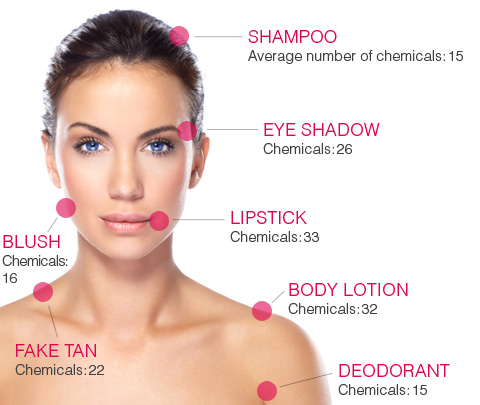
Here is some scary information about some widely used cosmetics:

  • Shampoo: The average number of chemicals found in shampoo is 15, the most dangerous of them being Sodium Lauryl Sulfate, Tetrasodium and Propylene Glycol. The possible side effects of those chemicals are irritation and possible damage to the eyes.
  • Eye shadow: The average number of chemicals found in eye shadows is 26, the most dangerous of them being PolyethyleneTerephthalate, a resin of the polyester family used in synthetic fibers that can cause hormonal disruption, infertility, damage to various organs and is even linked to cancer.
  • Lipstick: The average number of chemicals found in a lipstick is 33, the most dangerous of them being Polymethyl Methacrylate, that can cause allergies and it’s linked to cancer.
  • Fake Tan: The average number of chemicals found in fake tan lotions is 22, the most dangerous of them being Ethylparaben, Methylparaben and Propylparaben, that can cause irritation to the skin and hormonal disruption.
  • Deodorant: The average number of chemicals found in deodorants is 15, the most dangerous of them being Isopropyl Myristate and Aluminum, that can cause irritation of the skin, eyes and lungs, headaches, dizziness, respiratory problems and hormonal disruption.

Toxic Cosmetics: The Beauty you Should Avoid2026-04-26T11:14:01-05:00

7 Ways to Beat the Blues

7 Ways to Beat the Blues!

[dcwsb inline=”true”]

Depression is a common condition with 1 out of 10 Americans experiencing it at some point in their lifetime. There are multiple causes for it that include genetics, a chemical imbalance, or going through a rough time. Sometimes it can appear out of nowhere to ruin your day or it can form gradually. The common symptoms are a hopeless or negative feeling, a lack of energy or motivation, losing interest in things you’ve always liked, a change in appetite and sleeping patterns, unexplained aches and pains, and occasionally digestive issues.

This condition is often treated by anti-depressants but there are many natural ways to battle depression without a prescription:

Spend time outside.  UVB rays from sunlight effect the production of vitamin D. Depression and having a vitamin D deficiency have been closely linked and studies have shown that people who don’t get enough of the vitamin are at a raised risk for experiencing the symptoms of depression. When you start feeling the blues, take a trip out the front door and enjoy the warmth of sunlight on your skin.

While you’re out there, you can also enjoy some…

Exercise. This has always been a recommended feel-good tactic. Exercising causes your body to release endorphins, which give you a positive feeling and ease stress. It has also been known to improve sleeping patterns. The ‘getting in shape’ side effect of exercise is a self-esteem boost that can put you in a much better mood.

To help you get fit, you can also…

Change your diet. When feeling down, we have a tendency to turn to the ‘comfort food’ that is tasty but almost always less than healthy. This can actually make the depression worse. However, there are a few foods that will make you feel good. Fish and poultry contain vitamin B, which has an effect on your neural function and is known to improve moods. The amino acid, L-theanine, is found in many varieties of green tea and has a calming effect. And, the magnesium found in almonds, cashews, and leafy vegetables promotes the release of serotonin and makes you feel happier.

Another good way to alter your diet is to…

Cut out alcohol. Turning to the bottle will have the opposite effect of making you feel better. In fact, alcohol can be a cause of depression and can worsen the symptoms you’re already feeling. ‘Drinking away your feelings’ can also lead to an alcohol dependency, which has never made anyone feel good and only adds to the feeling of hopelessness.

Rather than reaching for a drink in an attempt to feel better, you could instead…

Find an outlet. Having a healthy way to let out your feelings and stress can be highly beneficial to your mental health. Starting a diary to vent or reflect in keeps you from bottling up all the negative emotions and gaining a new hobby can give you something exciting to look forward to. Activities that allow you to create are especially helpful and can even lead to a self-esteem boost when you see the final product of your creativity.

Joining an art, gardening, or writing class could improve your mood, as well as give you the chance to…

Be social. Creating stable friendships or spending time with family can chase away the feelings of isolation and give you a self-confidence boost. Having a good support system around you during the tough times can greatly help you avoid falling into depression again in the future. Get out there, meet new people, and enjoy not feeling so alone.

However, don’t get too crazy with a social life and make sure you still have time to get some…

Sleep. Lacking the proper sleep can worsen your depression symptoms, as well as make you very irritable. Avoid naps during the day and instead, get a full night of rest. Don’t worry about what’s happening online or on the TV; you can catch up on it in the morning. People who get a solid six to eight hours of sleep tend to wake up feeling refreshed and with a more positive outlook on the day.

7 Ways to Beat the Blues2026-04-26T11:14:01-05:00

Body Of Water

Body of Water – A Common and Underutilized Treatment For Health

[dcwsb inline=”true”]

Of course you know by now how important nerve supply is to a functioning body. Nerve supply is what allows every single cell in your body to communicate. Nerve supply relays critical information to and from the brain that allows us to repair, heal and protect ourselves from every day stress. Like Nerve Supply, water is critical for cell to cell communication because it acts as a medium for the nerve signals.

The Percentage of Water in Different Parts of Our Body:

body of water


Many Conditions We Suffer from are Made Worse from Dehydration

Because water is so vital for cell function – many of the conditions that we suffer from on a day to day basis come from dehydration. Some of the more common symptoms related to dehydration include: Headaches, Migraines, Fatigue, Muscle Spasm, Digestive Disorders, Mood Swings and Depression, Generalized Pain and aches and even Hunger! The most common thing I hear when bringing up water is “That’s all I drink doc!”

True, you might only be drinking water, but are you drinking enough? The amount of water we should be drinking daily is ½ our body weight in ounces. You very well could be drinking only water, but is it enough to keep you healthy?

We continually lose water through several biological processes.

Every day we are losing water. From breathing to sweating and urinating the we water we consume is used up just like the gas you put into your car. Therefore, in order to maintain a healthy state of hydration, we need to continuously replenish what we lose.

Another important concept is the idea of toxicity.

The Solution to Our Body’s Pollution is Dilution!

By drinking enough water, you can make sure that your body’s natural detoxification processes work. By drinking enough water, you will dilute harmful toxins that are almost impossible for us to eliminate!

Tips to Keep You Healthy & Hydrated

  • Keep a water bottle with you at all times. A good stainless steel bottle can be used indefinitely.
  • Filter your water. The public water supply is filled with chlorine, heavy metals, pharmaceutical run off as well as other contaminants.
  • Take frequent sips and try to practice “slow, steady saturation” of water rather than huge gulps one at a time.
  • Eat plenty of foods that are high in water content: VEGGIES!
  • Increase water intake in the summer and/or when you’re stepping up your workouts.

Remember: Drink ½ Your Body Weight in Ounces to achieve health!

Body Of Water2026-04-26T11:14:01-05:00

4 Steps to Healing Leaky Gut Syndrome

4 Steps to Healing Leaky Gut Syndrome

[dcwsb inline=”true”]

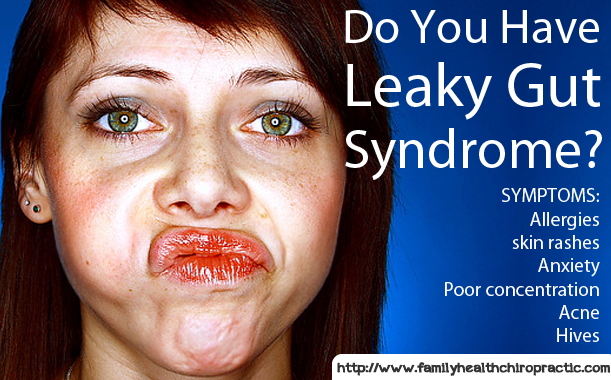
The leaky gut syndrome (also called increased intestinal permeability) is the result of damage in the intestinal lining caused by autoimmune diseases, multiple food allergies, excessive alcohol consumption, taking large amounts of nonsteroidal anti-inflammatory drugs (NSAIDS), chronic inflammation as well as other internal contributing factors, such as inflammatory bowel disease and poor digestion.

Since this is not a condition largely recognized by conventional physicians, there is very little if any technical information about it, but evidences says that in the leaky gut syndrome, the damage can cause small openings on the “walls” of the intestine, allowing molecules of undigested food to leak out of your intestines and enter the bloodstream. The fact that the intestine isn’t able to protect the internal environment as it should also makes it unable to filter nutrients and other biological substances from the food.

A person who suffers with a leaky gut syndrome can have autoimmune reactions, which can lead to gastrointestinal problems such as abdominal bloating, excessive gas and cramps, fatigue, food sensitivity, joint pain, skin rashes, and autoimmunity.

This syndrome can strike on anyone, at any age; we can even see kids with the leaky gut syndrome. Today, the Intestinal Permeability can be linked to many autoimmune diseases such as Celiac disease, Crohn’s disease and irritable bowel syndrome, multiple sclerosis, migraines, attention deficit, autism, eczema, acne, rheumatoid arthritis, fibromyalgia, diabetes, chronic fatigue and even depression!

However, there are ways of healing the gut and reduce the inflammatory and immune processes involved in such diseases. Here we will present you with four basic steps you can follow to heal your leaky gut and maintain a healthier life:

1. Help your body Re-establish intestinal flora! The walls of your intestine are damaged, which means that your natural intestinal flora, the little good bacteria that live inside of us, are not functioning – or surviving – well there. You can help your body to naturally regain balance of the intestinal flora by adding probiotics, anti-fungals and fermented foods to your daily diet. Things like yogurt, naturally fermented vegetables, sourdough bread and probiotic drinks. Other thing that can help your body on this process is eliminating all the process food from your diet and incorporating only natural and organic foods. Avoid genetically modified anything, refined sugar and white flour by all means!

2. Help your body digest the food you eat! Since your body can’t naturally digest and form the bulk in the colon, you must make the job easier for your body by adding soluble and insoluble fibers to your diet found in many fruits and vegetables as well as in all grains (always prefer the gluten-free ones!). Talking about gluten, by the way, another thing you should do to make the job of digesting and eliminating easier for your body is eliminate all the “hard-to-digest proteins” such as dairy and gluten from your diet and structure and rotation diet, which is basically not eating too much of the same thing, to assure that your body won’t became intolerant to any of them.

3. Avoid NSAIDs (Non-steroidal Anti-inflammatories) and any Antibiotic pills whenever possible! The NSAIDs are known to worsen the symptoms of the leaky gut syndrome and the antibiotics will only kill the bacteria – even the good ones – that your body really needs right now.

4. Vitamin C and Bone Broth! Vitamin C can help to stabilize cells that often trigger the release of histamine and other allergy mediating chemicals and it is also often considered as an anti-allergy vitamin. The bone broth (preferably home made) is rich in magnesium, calcium, silicon, phosphorus and other minerals that will be easily absorbed by your body, supplies the amino acids that help detoxify your body and the gelatin in it will help to coat the digestive tract.

Have you checked out The Paleo Recipe Book yet?  Paleo is a great way to heal your body because it promotes an anti-inflammatory diet.  Check it out here:  https://www.familyhealthchiropractic.com/likes/paleorecipe

4 Steps to Healing Leaky Gut Syndrome2026-04-26T11:14:01-05:00

5 Foods that Heal Your Gut

Top 5 Healing Foods for Your Gut

[dcwsb inline=”true”]

Stomach issues are something that most people will experience at some point in their lifetime. They can be painful, distracting, and an overall nuisance to endure. A quick relief can be a godsend but before running to store in search of over-the-counter medicines, a look into your kitchen may be beneficial. Here are the top foods known to offer relief for some common stomach issues.

Cabbage Juice.  It doesn’t sound particularly tasty but it can do wonders for those suffering from stomach ulcers. Cabbage juice helps maintain the balance of bacteria in the gastrointestinal tract. When certain bacteria, such as H. pylori, becomes too abundant, it can lead to ulcers so keeping the levels of bacteria balanced is key to preventing the issue from occurring in the first place. For those already suffering from ulcers, cabbage juice is still beneficial. It contains a high amount of the amino acid L-glutamine, which promotes the production of mucus to protectively line the stomach and urge healing. 

Bananas. This food is also good for healing ulcers, as well as being much tastier. Bananas contain sitoindosides, a type of fatty acid that increases mucus in the digestive tract. This mucus lining protects the tissue in the digestive tract and prevents new ulcers as well as keeping existing ones from getting worse. Bananas also promote cell growth, which can help ulcers heal faster than they would without any treatment.

Garlic. When it comes to balancing bacteria in the stomach, garlic has amazing capabilities. The type of bacteria that causes the most problems is called H. pylori. Having an overgrowth of this bacterium can lead to ulcers and in extreme cases, has been linked to stomach cancer. However, having too little of H. pylori can be problematic as well. Garlic has been shown to limit the amounts of H. pylori without completely eliminating it; creating a good balance that can stop ulcers from forming as well as allowing them to heal.

Yogurt with live cultures. Although yogurt is still being researched, it has shown some promising results. It is known that yogurt is beneficial for other areas of the body but studies have shown that yogurt may also be able to help with a number of digestive issues – H. pylori infection, lactose intolerance, constipation, diarrhea, and inflammatory bowel disease. Due to the effects yogurt may have on H. pylori, it could be useful at preventing and battling ulcers.

Basil. An herb found in most spice racks can offer relief to those suffering from acid reflux. Working almost like an antacid, basil helps keep stomach contents from leaking back up into the esophagus. It also soothes the irritation and helps heal the sores in the esophagus and stomach caused by acid reflux.

5 Foods that Heal Your Gut2017-03-16T21:40:22-05:00

3 Ways Wheat Can Give You a Belly

3 Ways Wheat Can Give You a Belly

[dcwsb inline=”true”]

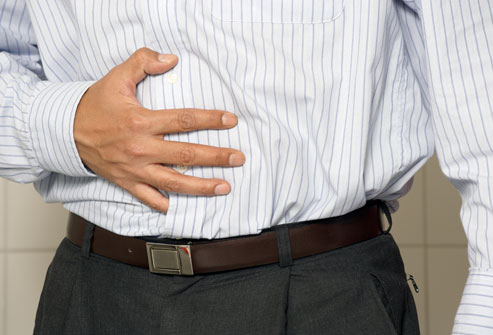
Wheat products are often advertised as organic health foods but recent research has shown that there can be some drawbacks to having a large amount of wheat in your diet. Wheat can be found in products such as flour, pasta, breads, and is used in many dips and sauces as a thickener. The condition of having a protruded stomach known as ‘beer belly’ is actually caused by wheat, which is found in most beers. The same effect can happen from eating wheat products on a regular basis. There are a few factors about wheat that can cause you to pack on pounds around the stomach.

1. It creates fat cells. Modern wheat contains a carbohydrate called amylopectin-A, which causes your glucose levels (blood sugar) to rise and your body to release large amounts of insulin. With an abundance of both glucose and insulin, your body stores a lot of fat. Fat can be used as used as energy but when there’s a lot of glucose in your system, a good amount gets directed to storage in fat cells. Every time this happens (i.e. every time you eat wheat), the process repeats and leads to fat building up. The fat that is mainly found in the stomach is called visceral fat. This type of fat tends to be insulin resistant and over a period of time can lead to type II diabetes –making wheat not only bad for your waistline but also for your health.

2. It’s addictive. Gluten is a protein that is found in almost all wheat products. The polypeptides from gluten can gain entry to the brain by penetrating the blood-brain barrier. Once in the brain, gluten acts much like an opiate and binds with the opioid receptors. This causes an addiction; making you crave more and more. There is even a withdrawal period after you stop eating wheat. It can last from a few days to a couple of weeks and includes symptoms such as headache, fatigue, and very strong cravings. Since this will make you crave and eat more wheat products, the cycle of spiking glucose levels, insulin, and fat storage continues and your belly gets larger.

3. It makes you eat more. Only a few hours after eating wheat, you will begin to feel hunger whether your body really needs food or not. This hunger is caused by gaining a high level of glucose then experiencing the effects of it rapidly dropping, which will happen roughly two hours after eating a wheat product. Due to this, people who have a substantial amount of wheat in their diets consume an average of almost 500 more calories per day than people who have a wheat-free diet.

Although wheat can cause you to gain weight, not all grains are considered bad. Buckwheat, rice, tapioca, quinoa, and einkorn are all considered safe substitutions and are less likely to cause weight gain. Turning to a gluten-free diet can definitely be of help but you also have to watch out for gluten-free products that have a high glucose index because large quantities of glucose play a big factor in weight gain as well.

If you want an easy way to go wheat or gluten free, check out The Paleo Recipe Book


paleo-recipe-book

3 Ways Wheat Can Give You a Belly2026-04-26T11:14:01-05:00
Go to Top