Blog

Allergy Relief from Chiropractic Care

Allergy Relief From Chiropractic Care

Chiropractic adjustments have repeatedly demonstrated improved immune function to those being receiving it. Evidence shows that nowhere do people experience this truth more than when suffering from allergies. Allergies exist because of an immune system problem. Those who receive chiropractic adjustments experience allergy relief.

Many people across the world experience the immune-boosting benefits of Chiropractic. Chiropractic adjustments do not treat allergies or the immune system, they remove interference to the nervous system and allow the body to function and fight like it was designed to do.

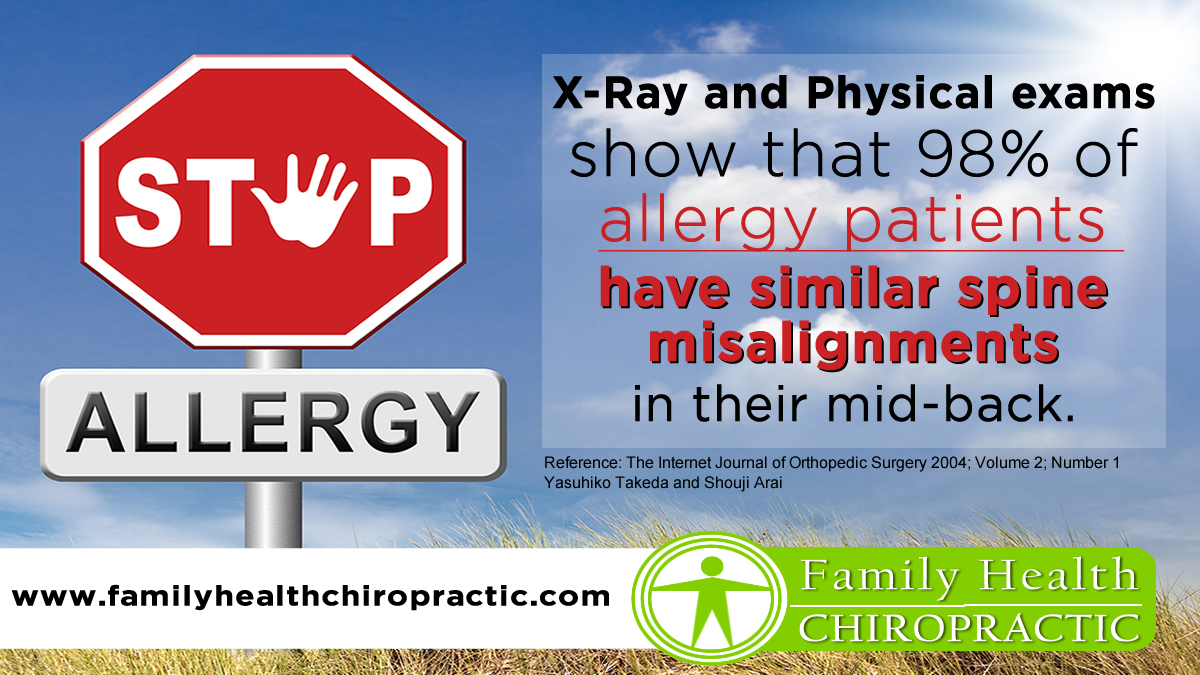
A study published in 2004 showed amazing immune-boosting results for a group that started getting spinal adjustments that included allergy relief. In this particular study, 1,028 people had some form of allergies (the most common was atopic dermatitis and bronchial asthma). X-Ray evidence and physical exams proved that 98% of these allergy patients had remarkably similar vertebral misalignments in their mid-back. Over 88% of the people with dermatitis who received consistent spinal adjustments showed massive improvement in skin itching and over 71% showed improvement in overall skin condition. Compare that to 0% improvement of the patients who did not receive adjustments.

This conclusion comes directly from the study: We can state that a treatment that cannot fundamentally treat spinal problems will not fundamentally improve conditions such as atopic dermatitis, bronchial asthma, pollinosis, and allergic coryza.

This study is just another profound example showing how detrimental a vertebral subluxation is to human health. The problem continues to be a lack of education. People who do not know the scientific evidence continue to believe the profiteering message of pharmaceutical companies. All allergy drugs are dangerous and proven to produce nasty side-effects. Chiropractic evidence proves that the solution to most allergy problems already exists within the body. Remove the interference and people are given the freedom to heal without drugs and chemicals. Society desperately needs to understand and receive the life-changing benefits of Chiropractic.

Reference: Relationship Between Vertebral Deformities and Allergic Diseases The Internet Journal of Orthopedic Surgery 2004; Volume 2; Number 1 Yasuhiko Takeda and Shouji Arai


Allergy Relief from Chiropractic Care2026-04-26T11:13:53-05:00

Happy 4th from Family Health Chiropractic

Have fun this weekend! We will be “back” Tuesday July 7th ready for damage control :)


All jokes aside, please don't forget to pause and reflect on what this day really means for citizens of the United States. Here's a link to help you all remember and for those that are new citizens or visitors to one of the Greatest Countries in History:


http://www.constitutionfacts.com/us-declaration-of-independence/fourth-of-july/


To all our Patients (friends) in Austin Texas and around central Texas, we appreciate and love all of you and thank you for standing by us in the effort to bringing health and wellness through spine corrective care to our community!


Sincerely,


Dr. Daniel

Brandy

Joseph


Remember: Misalignments in the spine influence / alter nerve function, causing ‎back pain,  neck pain, discomfort, organ dysfunction and eventually disease. Our goal is to realign the spine back to health and restore vital nerve flow to your body.

Happy 4th from Family Health Chiropractic2026-04-26T11:13:53-05:00

Babies Need Chiropractic Care

Ever wonder why babies need chiropractic care?

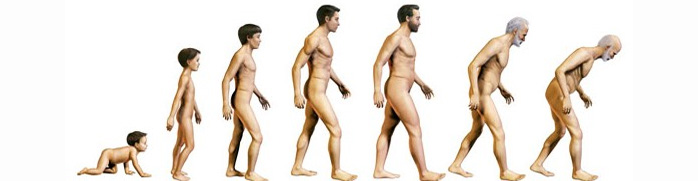
In 1992, the Journal of Manual Medicine published a critical piece of information helping us to understand why infants and children need chiropractic evaluations and care. The study evaluated more than 600 children, all less than 2 years of age. In this research they refer to the vertebral subluxation or misalignments of the spine as a “kinematic imbalance due to suboccipital strain” (KISS). The report talked about the pathogenic importance of asymmetric posture in small children and the fact it is often played down — if recognized at all by the medical community. (YOU AND YOUR FAMILY NEED TO UNDERSTAND THIS!)

The authors noted that KISS (misalignments of the spine) have a wide range of clinical signs and in many cases can be dealt effectively with manual therapy. The risk factors for why these children had KISS syndrome, as they called it, were from intrauterine misalignment (misalignments from the mother), application of extraction aids in delivery (the use of forceps, suction, and excessive pulling from the doctor), prolonged labor, and/or multiple fetuses. (BIRTH is the Cause!)

This study is one that definitely offers PROOF AS TO WHY INFANTS AND KIDS NEED CHIROPRACTIC!

If you ever have anyone ask you if and/or why kids need to be adjusted please make a copy of this study for them!
Biedermann H. “Kinematic imbalances due to suboccipital strain in newborns” J. Manual Med (1992) 6:151-156.

All scientists agreed that the symptoms of KISS or subluxations found in newborns can include:

torticollis, unilateral face asymmetry, C-scoliosis, motor asymmetries, unilateral retarded maturation of hip joints, slowed motor development, sleeping disorders, neck sensitivity, face swelling, fever of unknown origin, loss of appetite, feet deformities, pathological reflexes, range of motion diminished by 30% or more, and parent reporting baby does not eat or drink well.

They concluded that on these babies “an A-P radiograph of the upper cervical spine is imperative.” The radiograph evaluation helps to find malformations and aids in determining the direction of the adjustment. THERE WAS NO CORRELATION BETWEEN EXTENT OF THE ASYMMETRY AND THE SYMPTOMS OR SUCCESS OF THE TREATMENT! This means that even a small subluxation is clinically relevant.

The treatment involved an “impulse adjustment” and in most cases the direction and line of drive was determined by radiological findings (85% of the time).

6 MAJOR TAKE AWAYS FROM THE STUDY:

1) “Selection of the direction of adjustment without x-ray seems the most plausible cause of the less encouraging results of some colleagues.” This means x-rays helped get better results. Interesting!

2) THE RISK OF TREATMENT WAS MINIMAL! No serious complications were encountered. Most children would cry for a moment but stop as soon as they are in their mother’s arms. In 2 cases (out of roughly 600) the children vomited after the adjustment but had no negative effect of outcome in either case.

3) It was noted that the UPPER CERVICAL SPINE REMAINS A WEAK SPOT IN MOST CHILDREN which is why they should be re-examined before they start school at age 6.

4) KISS is not confined to local complaints or even mechanical symptoms and is not taken into account when these children show signs of restlessness and concentration difficulties. DO YOU HEAR THAT? SUBLUXATION MAY NOT HAVE SYMPTOMS AND UNFORTUNATELY FOR KIDS WITH ISSUES SUCH AS RESTLESSNESS AND ATTENTION ISSUES, THE SUBLUXATION IS TYPICALLY NOT CONSIDERED TO BE A CAUSE.

5) KISS DOES NOT ALWAYS LEAD TO CLINICAL SYMPTOMS! The author noted that babies with a contracted sternocleidomastoid muscle (torticollis) should not be subjected to operative measures to lengthen the muscle because they will nearly always respond perfectly to “adjustment of the upper cervical spine”.

6) Upper cervical “delicate structures undergo considerable stress during delivery” and during delivery “a majority of newborns suffer from micro-trauma of the brain stem tissues in the periventricular areas.” (The CAUSE is “Normal” Births) ***Another interesting side-note from this study was that the adjustment of the occipital/cervical region led to disappearance of problems that the parents had not reported because they did not see a connection with the spine. (I CAN'T TELL YOU HOW MANY TIMES WE HEAR THIS IN PRACTICE?) And these parents would regularly note that their child would eat or sleep much better since the treatment.

WHO NEEDS TO KNOW ABOUT THIS? EVERYONE!

References:

Biedermann H. “Kinematic imbalances due to suboccipital strain in newborns” J. Manual Med (1992) 6:151-156.


Babies Need Chiropractic Care2017-03-16T21:08:11-05:00

The Destructive Impact of Bad Posture

Bad Posture Deprives You from Health

In 2006, the reputable medical journal of SPINE published a study observing the effects of bad posture on health. It was done by a team of all medical doctors headed up by Dr. Steven Glassman. They measured posture in 752 subjects from the sagittal plane (The side of the body) using full-spine x-rays.

They took measurements from the C7 (last bone of the neck) and took plumb-line measurements as it relates to the sacrum (your sits bone). Their findings were ASTONISHING!!

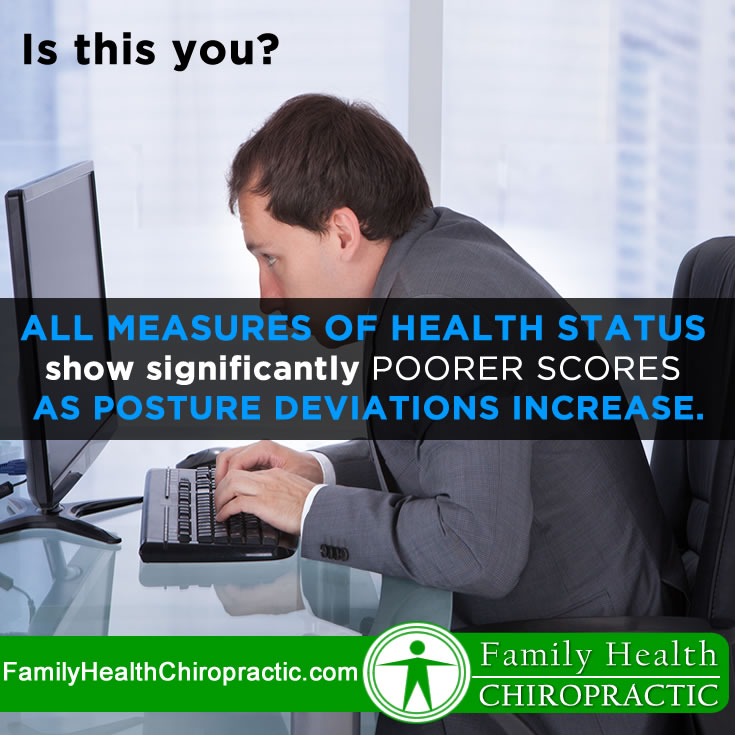
ALL MEASURES OF HEALTH STATUS showed significantly POORER SCORES AS POSTURE DEVIATIONS INCREASED.

bad posture

Even minor forward head posture was shown to be detrimental. From breathing and heart rate, to pain and disability, all health markers that were measured worsened as the posture deviations increased.

This again clearly demonstrates the relationship between a bad spine(vertebral subluxation) and its implications on human health, particularly as it relates to non-musculoskeletal physiology.

All Chiropractic adjustments help to restore posture by improving motion and spinal integrity which improves afferent input into the spinal cord and brain, thus, allowing the body to comprehend and balance itself better in relation to gravity.

Here are a few things that can negatively impact posture:

1. Muscle imbalance
This is likely the #1 reason why most people have poor posture. If all of your muscles have the same tone (i.e. same degree of resting contraction of a muscle which establishes the length of the muscle) then optimal posture should be maintained. When opposing muscles (e.g. tricep and bicep of the upper arm) have unequal tone then it will change the position of the joint it is working on (in this case the elbow).

Indeed, if you observe a crowd you may see a variety of elbow positions when at rest, some more bent than others. If you consider the body as a whole, such an imbalance involving many muscles will have a striking effect on your posture. Muscle rehabilitation and specific exercise will target and eradicate these problems.

2. Lack of exercise
This is a no brainer. Modern humans are drastically “under exercised” compared to our prehistoric ancestors. We need to move in order to train our muscles to stay toned and strong. Most people today have muscle weakness to the point of posture breakdown!

3. Sustained immobile postures
Sitting is now considered more harmful to the body than smoking. Prolonged sitting is probably the single most detrimental activity anyone can do. We simply did not evolve to sit all day long. It surprises me that many patients remark that sitting shouldn’t be bad since it is not like labouring work or repetitive factory work for instance. Well that is not true. Sitting is actually active but it is activating your brain and your body’s physiology in very particular ways that lead not only to poor posture but also greater risk of heart disease, diabetes and even cancer. So if your occupation involves sitting you may want to start standing!

4. Sitting ergonomics
There really is no such thing as healthy sitting. But if you're going to sit, make sure you SIT UP! If you slouch you are in more trouble than sitting up straight. Slouching puts immense load on your spine. It not only increases the potential for injury to joints, muscle and discs but also increases the potential to develop osteoarthritis, breathing difficulties, digestive and circulatory problems.

5. Repetitive motions
Toxic movements result from repetition. We have evolved to move constantly through the day though in a multitude of ways. We weren’t designed to do the same motions all day long. So twisting all day working on a factory line or being bent over shoveling dirt all day or laying tiles on all fours will do more harm than good. A simple rule is to keep movement varied and novel. Try doing different things when you get the chance… when was the last time you climbed a tree?!

6. Pain, injury, and muscle guarding
 When you have sustained an injury or are in pain your body will begin to adapt and this ultimately changes your “normal” posture. This is an adaptive response that is important in the short term. However, if such postures or muscle tightness remain after the injury has healed or pain subsides then it will be setting you up for further problems in the future. An important part of any rehabilitation process is getting the body back to normal function. It’s not just about getting you out of pain.

7. Poor nutrition
Your body needs fuel to operate properly. If your neuromuscular system begins to fatigue then it will not support you. Nutrition is an immense field of knowledge and we will tackle many of the important factors in later blogs. Suffice to say, try to have a balanced diet of fresh, organic produce. Every meal should have a good source of protein, fat and carbohydrate and be high in micronutrients. Eat more veges and fruits compared to grains and refined flour. Eat good sources of fats and oils such as olive, coconut, nuts, avocado and keep away from processed foods especially when it comes to meat.

8. Extra weight and obesity
When we carry extra fat tissue it is not typically distributed evenly over the body. Men tend to carry it over the stomach (pendulous abdominis) and women around the hips and backside. The extra weight will change you centre of gravity and thus your posture and will also increase the load on your joints, predisposing you to injury and arthritic change.

9. Hereditary factors and age
There may be a family history of scoliosis, hyperkyphosis or hyperlordosis. If so then it is very important to be aware of posture from an early age and establish routines to counter the genetic predisposition. As we age it becomes more challenging to maintain optimal posture. Again, establishing a sound foundation of posture in the early years makes it so much easier as the years progress.

10. Ankle pronation, high heels and carrying bags on one shoulder
If there are biomechanical problems in the legs then it may affect your whole posture. Ankle pronation is one of the most common problems which affect body posture. If your foot arches are collapsing due to the ankle joint not sitting in neutral position then it is time to see the podiatrist. Shoes also play an important role in posture.

They should support proper ankle and arch position so if they don’t then it’s time for a change. Putting asymmetric loads on your shoulders will distort your posture. A bag that is too heavy or carried on one shoulder will have a detrimental impact over the long term.


References:

Glassman S, Bridwell K, Berven S, Horton W, Schwab F: The Impact of Positive Sagittal Balance in Adult Spinal Deformity. Spine. 2005 Sep 15;30(18):2024-9.


The Destructive Impact of Bad Posture2026-04-26T11:13:53-05:00

Waiting for Pain is Dumb | Chiropractic is more than Back Pain Relief

Waiting for Pain is Dumb.

When is the last time someone felt their arteries getting clogged?
Do you know anyone that has ever felt their Diabetes developing?
Did anyone ever complain about the blood clot that was developing prior to their stroke?

Did you know that Chiropractic care and aligning your spine is more than back pain relief?

Like all other diseases, most people wait for symptoms of “back problems” before seeking back pain relief or to get evaluated for alignment of the spine.  Yet, science has proven that “any misalignment” regardless of how you feel, is considered a health risk.  Researcher and Physiologist IM Korr states, “When the motion of intervertebral (Spinal) joints is even slightly amiss, there will be autonomic (organ) effects, with resulting circulatory, metabolic, and visceral repercussions.”

This means that small amounts of abnormal shifts in the spine will cause changes in our organs, blood flow, metabolism, respiration, digestion, hormone balance, et.

Dr. Korr himself experienced changes in his own health from spinal adjustments. When his health was slipping in his early 40's and he was treated by spinal adjustments. After one treatment he went for a walk and found an irresistible urge to break into a jog, which he hadn’t done in years. Soon he was breathing heavily and propped up against a tree when he took a deep breath in and felt his rib cage fully expand, literally tearing several small adhesions. Not only did Dr. Korr recommend spinal adjustment for back pain relief, but for other organ related ailments as well.

There have been countless studies done by medical, Chiropractic, and Osteopathic researchers published in the *Index Medicus on the scientific basis of subluxation or what is called a “Spinal lesion,” it’s negative impact on the central nervous system, and how it “Organizes disease.”

From that moment he described a transformation in his life!

Korr attributes his long life (lived into his mid 90’s) and prolonged intellectual activity to having received quality traditional osteopathic and chiropractic care. Korr passionately showed that the medical approach of glorifying the viscera, which are merely organs designed to maintain the musculoskeletal system (in his view), misunderstands the true nature of the human being.

He enjoyed pointing out that doctors and scientists of that time made the common error (when teaching and creating textbooks) of showing multitudes of nerve endings traveling to each internal organ but only a few scant branches connected to the joint and soft tissue in spinal joints, discs, and muscles attached directly to the vertebrae.

He would laugh as he described this was backwards, since the musculoskeletal system had 90% of the connections with the nervous system.

DO YOU HEAR THAT …..the spine and structure of the body have 90% of the connections to the brain and nervous system.

Roger Sperry, a nobel prize winner on brain research, said

“90% of the stimulation and nutrition to the brain is generated by movement of the spine”!!

Korr helped prove that the spine was much more than just a structure that helped us stand more erect and protected the spinal cord. He pointed out the importance of taking care of the “whole person” in healthcare instead of the reductionist viewpoint of picking out just a diseased organ or part shoving it full of pills or cutting it out all together.

The bottom line is that misalignments of the spine create a sort of stress that causes disease within the body. You will not feel this tiny amount of stress until it becomes so obviously apparent that you're deeply sick with it.

Don't wait for pain to make a choice in life.

Waiting for Pain is Dumb | Chiropractic is more than Back Pain Relief2026-04-26T11:13:53-05:00

Change Your Pain by Stimulating the Brain with Chiropractic Care

Change Your Pain by Changing Your Brain with Chiropractic Care

A study performed in 2011 revealed the impact of one single chiropractic adjustment on the human nervous system. This is HUGE. Chiropractic care has been thought of as a treatment for pain related disorders only. However, new research is beginning to shed light as to why it's so beneficial when someone hurts. Chiropractic care is all about removing interference within the body. Anything that interferes with your brains ability to maintain optimal function will result in disease.

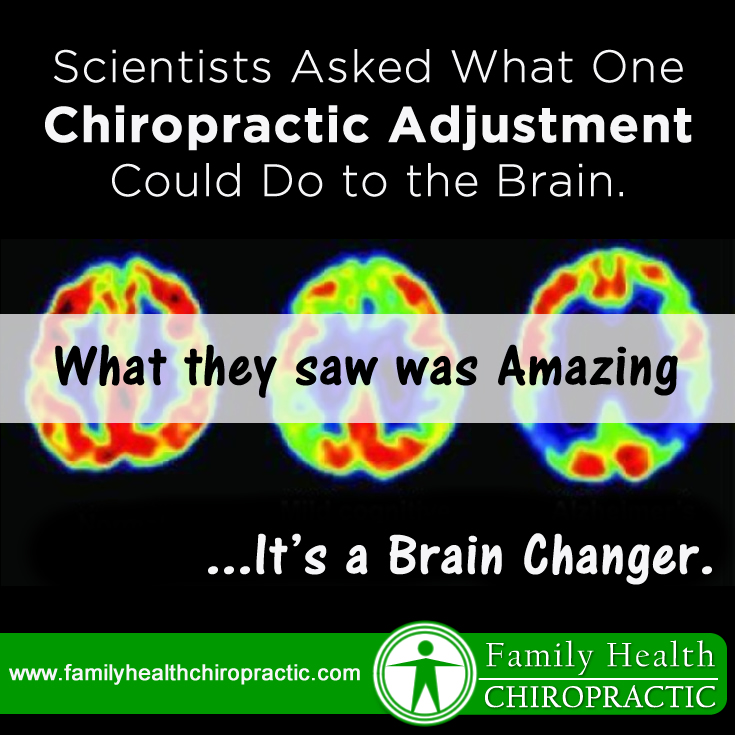
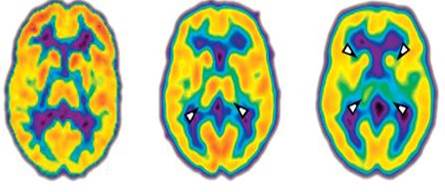
Recently, scientists were able to take a radioactive analogue of glucose as a marker to measure brain glucose consumption as it would indicate brain metabolic activity after a chiropractic adjustment. Their findings were AMAZING!

8 PhD's and 1 Chiropractor took several participants and scanned their brains Before and After a Chiropractic Adjustment. What they found next was astonishing!

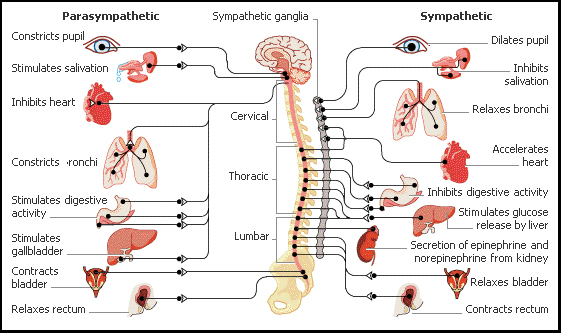
All the patients who received a chiropractic adjustment showed a decrease in parts of the brain related to increased stress levels. Specifically, sympathetic tone was inhibited, salivary amylase was decreased (indicating a decrease in fight/flight physiology), regional brain metabolic changes occurred, and muscle tone & pain intensity decreased following ONE single chiropractic adjustment.

This means that Chiropractic adjustments help to

  • reduce emotional stress
  • reduce physical stress
  • decrease tightness in muscles
  • decrease pain intesnity

TELL ME THE SPINE ISN’T ONE OF THE
MOST IMPORTANT STRUCTURES IN
THE BODY THAT MUST BE CARED FOR
FROM BIRTH TO DEATH….

FOR MORE REASONS THAN YOU THINK!

Chronic increased stress hormones are linked through numerous studies directly to a host of diseases including but not limited to cancer, glaucoma, bi-polar disorder, type I & type II diabetes, rheumatoid arthritis, autoimmune disease, osteoarthritis, excessive body weight, hypertension, asthma, immune system function. (“Autonomic and Autocoid Pharmacology” 2009)

This modern study supports the link between chiropractic care including chiropractic adjustments and limbic emotional function based on the changes noted by the PET brain scans. This brings to life the power of a chiropractic adjustment and its proven effect on human physiology. It is my opinion that every one should know about, understand, and be able to communicate the results of this study to their friends, family members and the community at large.

Here's the most important take aways from this article:

1) There is no way to be healthy without a healthy spine.

2) There is no way to know if you have a healthy spine unless you have it checked, regardless of pain or symptoms.

3) The health of your body is dependent on the health of your spine.

4) These are reasons backed by science why you and everyone in your family should have a Chiropractor from birth to death.

References:

Ogura T, Tashiro M, Masud M, Watanuki S, et al. Cerebral metabolic changes in men after chiropractic spinal manipulation for neck pain. Alternative Therapies 2011;17(6):12-7.

Haavik Taylor, H. & Murphy B.A. (2007) “Cervical spine manipulation alters sensorimotor integration: A somatosensory evoked potential study” Journal of Clinical Neurophysiology, 118(2):391-402

Change Your Pain by Stimulating the Brain with Chiropractic Care2026-04-26T11:13:53-05:00

Patient’s Choice Winner 2015 for Best Austin Chiropractor

Top Chiropractors in West Lake HillsA winner of the 2015 Patients' Choice Awards for West Lake Hills ChiropractorVerified by
Opencare.com

Daniel Gonzalez, DC has been selected as Austin/Westlake Hill’s 2015 Patient Choice Award winner for Best Austin Chiropractor. The award honors a chiropractor who is recognized as ‘best of the best’ from the incredible list of chiropractors in Austin and Westlake Hill's Texas. Nominations for the Patient Choice Award are submitted by patients or family members of patients who are treated, reviews from Yelp, Yellow Pages, Google, etc.

Dr. Daniel has received several nominations for Best Austin Chiropractor from patients and/or family members over the past several years.

Woo-hoo!

Patient’s Choice Winner 2015 for Best Austin Chiropractor2026-04-26T11:13:53-05:00

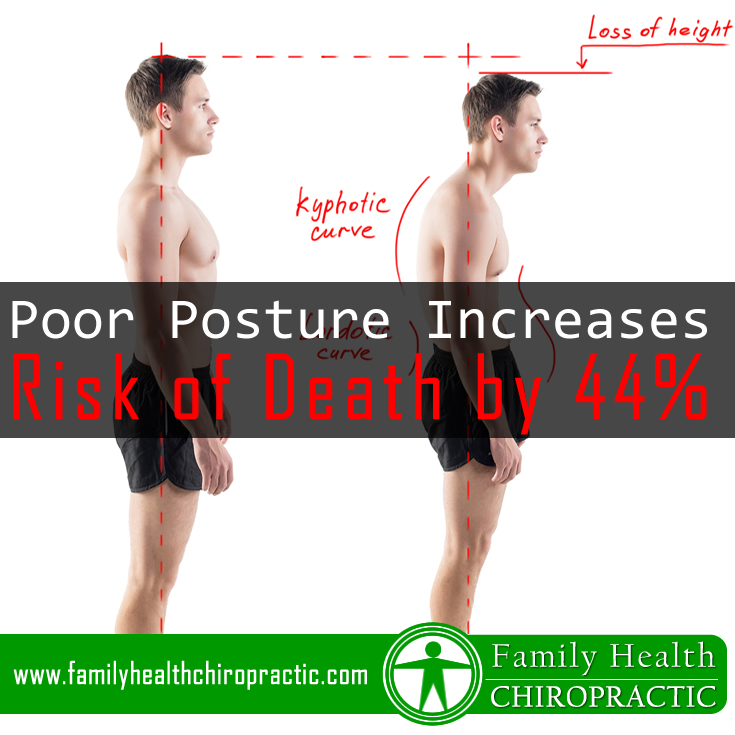
Poor Posture Increases Risk of Death by 44%

One of the most important parts of a Chiropractor’s job is getting communities to understand the true benefits of how regular adjustments for the spine and nervous system affect every organ and system in the body. Having a Chiropractor on your healthcare team to achieve optimal health and function is no longer just a theory, it is a proven necessity. One of the most effective ways to understand this perspective begins with looking at the devastating effects a bad spine has on human health.

Everyone hears clichés about eliminating bad posture. But few truly know how dangerous poor posture is to overall health. Memories of being told to sit up straight come to mind as much as any other important tip for improving health. A ground-breaking study published in 2004 proved a significant relationship between bad posture and early death from atherosclerosis and pulmonary disease. That statement bears repeating; poor posture directly related to heart and lung related deaths. The actual study determined a 44% higher risk of death in those with the poorest posture. Medical doctors being completely unaware of this data is just as astonishing.

The study pointed out that the posture with the most dangerous influence on heart and lung health was the sitting posture. Sitting posture presents with hunched shoulders, the head forward, a rounded mid-back, and a forward-tilting pelvis. Sixty percent of the entire work force spends nearly eight hours a day in this position at computers and desks.

Poor posture directly relates to the pandemic of ever increasing cases of heart and lung diseases in America. Medical solutions to this problem begin with drugs and surgery. Drugs and surgery not only cover up the symptoms, they have dangerous side effects that reduce quality of life. The true cause of many of these unwanted symptoms and diseases are being overlooked by almost every other healthcare provider except corrective care Chiropractors. Anyone standing in a Chiropractic office stands in a place of corrective health. Every Chiropractic adjustment improves health and quality of life. That statement is not theory, but proven fact.

Everyone needs to be checked and adjusted on a regular schedule.

Reference: Journal of the American Geriatrics Society Volume 52 Issue 10 Page 1662 October 2004 Deborah M Kado, MD, MS. Mei-Hua Huang, DrPH. Arun S. Karlamangla, MD, PhD. Elizabeth Barrett-Connor, MD. and Gail A. Greendale, MD.

Poor Posture Increases Risk of Death by 44%2026-04-26T11:13:54-05:00

FuncThat Foam Roller

Are you using a Foam Roller yet?

You might have skipped exercising with a foam roller, but surely you have seen many of these around. The long cylindrical looking tubes that people are grimacing over as they roll back and forth in gyms across America. Perhaps you have one but don't use it? Or you simply haven't paid any attention to their utility yet!

The truth is, foam rollers might just be the most effective and least expensive warm up exercise and method for self-myofascial release. Uh-oh, what is “myofascial release”, you ask? It's a therapy aimed at skeletal muscle immobility and pain treatment. You relax your muscles, improving blood circulation and stimulating the aforementioned muscles by stretching them.

Yes, that's right – foam rolling will help you do all of that. Let's see how.

foam roller austin chiropractor

Yes. I expect even my grandmother to use a foam roller!

How Does Foam Rolling Actually Work?

The most widespread foam rollers come in the form of a cylinder. Usually they are around 12 inches long and 6 inches in diameter. Depending on their usage (as in, which muscle groups they are aimed at), their size might differ. You might even see a gigantic foam roller of 36 inches if you want to focus on some back muscles!

Foam rolling works in a very plain way: you roll specific muscle groups against the foam roller itself. During the process you are, of course, using your own body weight. Foam rolling is, in its concept, a very customizable experience. What we mean by that is that you can choose the groups you'll be working on, the pressure you'll be applying and the length of your work out.

What happens when you're using a foam roller?

Plainly put, you will experience an exercise akin to massage. Your circulation will be boosted and the light friction will help alleviate both pain, stiffness or tension. Of course, foam rolling also builds strength as you are engaging your muscle groups while rolling around. Your balance will also be at advantage as foam rollers require you to “guide” your movements in pursuit of a balanced stance.

That said, foam rolling is a great warm up exercise. You can use it as a standalone work out, but it's even better in setting up your body (and muscles) for the real deal. Already loosened up, your muscles are ready for the main workout ordeal, guaranteeing a more effective and pleasant set of exercises.

The Amazing Benefits of Foam Rolling

chiropractor austin foam roller

Female trainer instructing senior woman going exercise on a foam roller. Elder woman doing pilates workout with personal instructor at gym.

Ok, you got it: setting up with foam rolling is one of the best things you've ever done for your workout routine. But foam rolling also has a few stunning benefits that are its own. There would be a reason for so many specialists, including us, to advise on practicing, right?

The first very important benefit of foam rolling is the improved blood circulation. Proper circulation is invaluable to your body and foam rolling stimulates blood circulation throughout muscles, tendons, fascia, skin, and many more, depending on the scope of your exercises.

What does a better blood circulation also lead to? Exchange within the body, of course – for example the one of nutrients. Circulation boosts how your cells function overall and improves the how they “communicate” to each other.

Our everyday life has left many people with spine problems. Sitting in front of a computer and many other activities have warped our positioning. Thus many experience spinal pain and limited spinal motion (and flexibility).

Foam rollers can be used to roll your spine against them in order to break the harmful spell of routine. The gentle massage and movements will stretch your joints and tissues, leading to an increased spinal motion (and range of motion, more exactly). They will also relax the area, reducing any pain or stiffness.

Things To Remember When Foam Rolling

As with other physical exercises, using a foam roller has to be controlled in some way. There are a few things you might want to remember when foam rolling as to maximize the benefits of the experience and minimize any risks of injury.

First of all, you need to use the foam roller at a careful pace. If you roll too fast, your efforts might be countereffective. Foam rolling should be slow, focused and gentle. Think of massaging, as it's similar to how foam rolling operates – expert massage therapists never hurry!

Secondly, remember to stay hydrated. Drinking water should already be a part of your workout routine, but don't think that foam rolling excludes this habit. Your tissues need to be “watered” – it will improve the effect of your foam rolling exercises.

You might also consider being versatile in your exercises. Engage your muscles in a more flexible way – by rolling in various directions. Up to down and down to up, left to right or right to left; a more versatile approach will amplify the effect of foam rolling.

And of course, as a closure – remember to snatch your foam roller and use it as frequently as you can. Best case scenario is you foam rolling every single day! It doesn't need to be too long and you don't need to view it as a tiring, demanding exercise. As we said, foam rolling is very similar to massage for your muscles and tissues – only you're the one actually doing it. Its simplicity and gentleness will surely leave you addicted, once you establish your foam rolling routine.

FuncThat Foam Roller2026-04-26T11:13:54-05:00

Overcoming The Fear of Death | Austin Chiropractor Dr. Daniel Gonzalez

 This weeks Spine & Wine Topic: Overcoming the Fear of Death

A lecture by Kelvin Chin
kelvin-circle-150x150Wednesday, May 13th @ 7:00 PM

Family Health Chiropractic

3736 Bee Caves Rd, #9

Austin, TX


by Kelvin H. Chin, Life After Life Expert

What is Death?

Death is inevitable. But what is death? Is it the end, the beginning, or a transition? How we understand and view death directly affects how we respond to the death of a loved one and how we think about our own death. Helping people overcome their fear of death involves increasing that understanding and can, in some cases, also involve opening one’s awareness and receptivity to one’s past memories that may go back many years, even lifetimes.

Beliefs about Death

It doesn’t matter what your beliefs are about death. Everybody can overcome their fear of death. Whether you’re like my father was — “…stick me in the ground when I die, I’m gone! No body, no mind!”, or whether you believe that your mind will continue to be alive after your body dies, and even if you believe that not only will your mind stay alive, but it can also choose to come back in another lifetime in another body — whichever of the many different beliefs you hold, you can overcome your fear of death.

Why care about the Fear of Death?

Fear is not helpful if you want to lead an effective, productive, happy life. Fear contracts our experience and thinking — it limits us. And the fear of death is “the big one” that most people have — it is only rivaled (according to studies) by the fear of public speaking! The fear of death is like the proverbial “elephant in the room” — no one wants to acknowledge it’s there, and though it is huge and obviously there, we fool ourselves into thinking that if we don’t look at it, maybe it will disappear and go away. Similarly, we don’t want to think about death. We fool ourselves into thinking if we don’t think about how we feel about death, it too will go away and leave us alone. But in reality, the subtle (and in some people not so subtle) fear of death is there lingering in the background just beyond our conscious awareness. And if it hasn’t made itself known to us beforehand, it will very likely rear its head and make itself very painfully known at or near our death. Plus, while it’s there lingering in the background even if it’s just beyond our conscious awareness, it is eating up valuable energy — mental, emotional, psychic and physical energy — that we could be using for other much better purposes — like loving ourselves and our loved ones, performing better at our jobs, creating the next new invention, and being the world’s next most successful diplomat. So, there are some very practical reasons for overcoming the fear of death, sooner rather than later.

My Approach

Each individual’s beliefs and experiences are fundamental to their perspective on death – I respect those beliefs and adjust our discussions accordingly to each audience I address or individual who consults with me. Because my own memories reach back thousands of years, and include many different traditional approaches to death, I can more easily assist others when they are dealing with death head on, and help them to develop within themselves a broader understanding so they can lessen their fears about death now – and then continue on their own until they overcome all those fears. So, as I said, it doesn’t matter what one’s belief is about death.

My Background

I have been involved in self-exploration for many years, and have been lecturing, conducting trainings, and leading workshops for more than 40 years to over 2,000 audiences worldwide. Topic areas span a wide range – personal development and relationships, legal services, negotiations, mediation, and meditation. Recently I was asked by some old friends to rekindle and expand a similar project on death and dying that I began in the 1980s, so now I’ve returned to helping people overcome the fear of death, whether it be a loved one’s or their own. This project on overcoming the fear of death was also discussed as part of a presentation in November 2014 in Alexandria, VA (see www.30thNovember.com for more details). I learned to meditate at age 19 and have continued to teach meditation and other methods of “turning within” to thousands globally over the past 40 years in living rooms, corporations, schools, and on the Internet, both in person and on the phone. I’m a graduate of Dartmouth, Yale, and Boston College Law School, live in Austin, Texas, and have lectured throughout the United States and in 6 other countries.

Contact

For my lecture dates and locations, see the nonprofit charity, Overcoming the Fear of Death Foundation atwww.OvercomingtheFearofDeath.org. My lectures and courses are made available to the public by the Foundation without charge. Contact me with your personal questions or to share your stories and insights with me. I look forward to our next conversation.

Overcoming The Fear of Death | Austin Chiropractor Dr. Daniel Gonzalez2026-04-26T11:13:54-05:00
Go to Top