
Quadratus Lumborum (QL) and Low Back Pain
Many people who suffer from lower back pain – on one side, the other, or both – assume the problem is their spine. Often, though, the real culprit is a deep muscle called the quadratus lumborum, or QL. This article covers what the QL is, how to recognize when it’s causing trouble, and how to treat and prevent QL-related back pain.

What Is the Quadratus Lumborum?
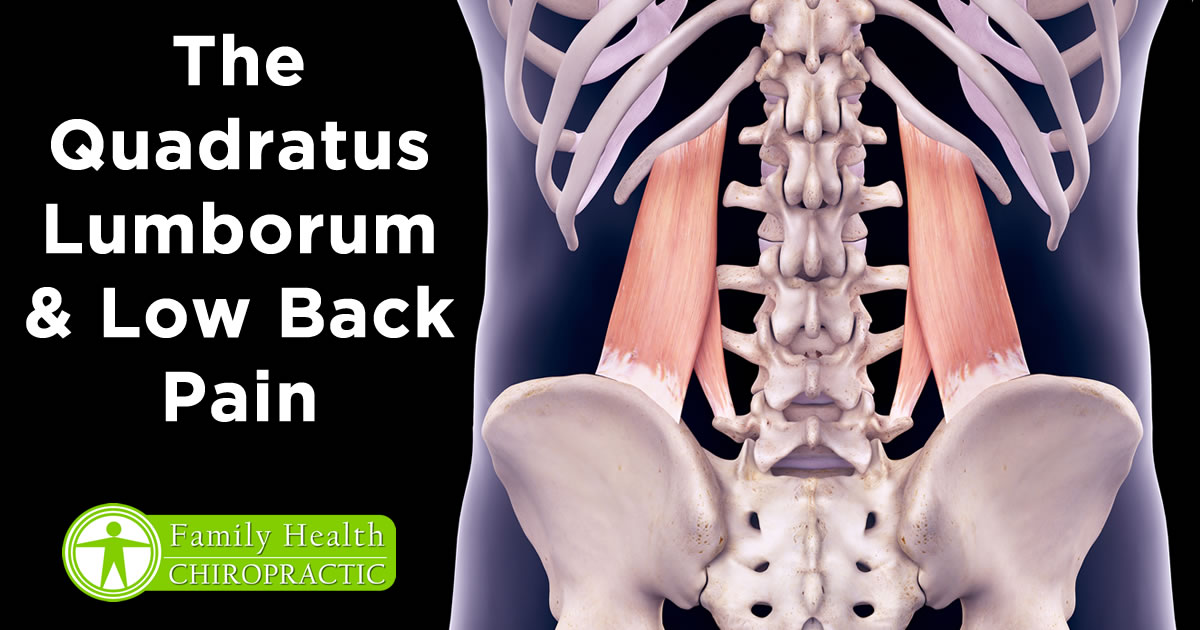
The quadratus lumborum is a deep muscle that runs along both sides of the lower back. It begins at the lowest rib and the nearby vertebra and connects to the hip crests – the prominent bones you feel when you rest your hands on your hips. The QL stabilizes the lower back when you’re upright and also plays a role in side bending.
When one or both QL muscles tighten, they close the distance between the rib and the hip crest, compressing that side of the spine along with the discs, joints, and nerves in its path. Often those deeper structures aren’t what you feel. So if your pain isn’t a sharp, shooting sensation in the center of the spine but rather a dull, tight ache off to one side, it may be coming primarily from a tight QL with adhesions.
QL Symptoms and Diagnosis
The most common symptoms of pure quadratus lumborum pain include:
- A deep, aching pain on one or both sides of the lower back.
- Back pain that worsens with prolonged sitting.
- Back pain that worsens when moving from sitting to standing.
- Stiffness and pain when getting out of bed in the morning.
If QL pain is severe, symptoms can radiate down the side of the thigh and across toward the front of the thigh. The most common causes of QL adhesions and pain are poor body mechanics, improperly healed muscle strains, excessive sitting, and inadequate stretching.
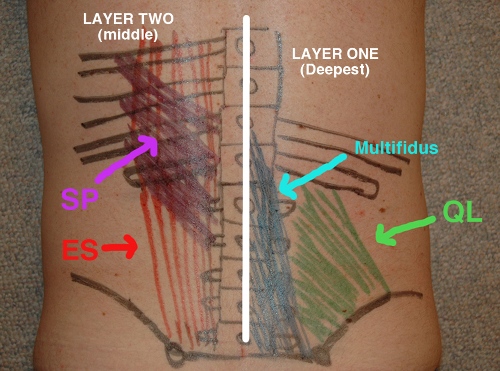
Currently there are no reliable imaging techniques that can diagnose QL pain – it lies too deep for MRI, X-ray, CT, or ultrasound to pinpoint reliably. Instead, the QL is best assessed through manual palpation of the muscle combined with a characteristic set of symptoms.
The Best Way to Treat Your Quadratus Lumborum
The QL is one of the most overlooked muscles in back pain. Because it sits two to three layers deep, it’s very difficult to target effectively with deep tissue massage or even instrument-assisted soft-tissue tools. For the QL, behaviors matter more than numbers – the most effective path to resolving QL-related back pain lies in what you do consistently.
An effective approach combines a specific set of warm-up exercises and stretches (flexibility and mobility), dysfunctional movement correction (strength balance), and self-myofascial release through a series of drills. Continued for four to eight consecutive weeks, this process helps the tissue soften and corrects the faulty movement patterns that caused or worsened the symptoms in the first place.
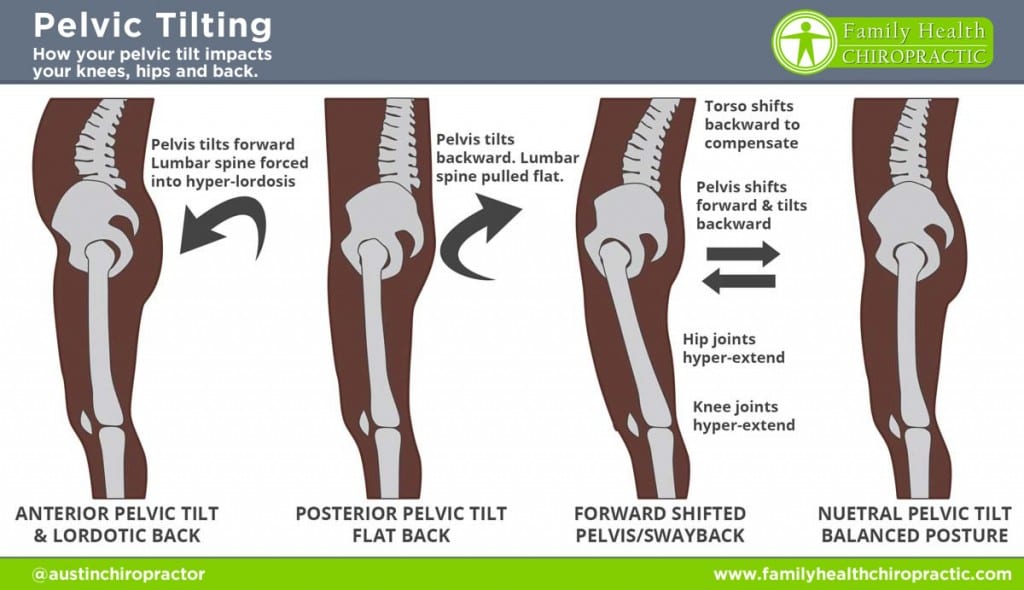
A tight QL compresses the affected side of the spine, which can lead to joint pain, disc pain, or postural dysfunction. A tight QL is often found in people whose pelvis is tilted backward (posteriorly), which flattens the lumbar spine and creates joint and muscle dysfunction. Proper mobility and stability work helps correct this imbalance for long-term results. Note that QL pain can mimic disc pain, with a radiating sensation that wraps from the upper outer thigh across to the front.
What to Do About QL Pain
If you’re dealing with QL pain, start with these steps:
- Avoid sitting as much as possible, including exercising in a seated position.
- Do 10 minutes of light-to-moderate cardio (rowing, jogging, air squats) to warm the low back and make your stretching more effective.
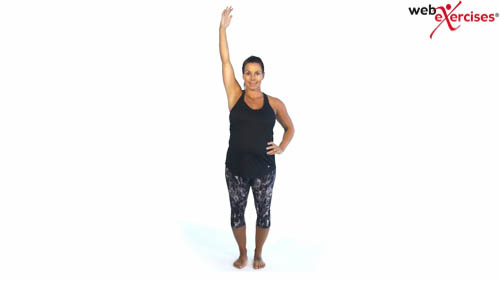
- Perform a QL side stretch for about 10 minutes per day.
- Perform QL side-twisting stretches for about 10 minutes per day.
- Self-massage the QL with a lacrosse ball for about 5 minutes per day.
- Work on upper-torso flexibility.
- Apply this sequence to the bending motions you make throughout your day.
If you stay consistent and still aren’t getting relief, consider being examined by a chiropractor or movement professional who can assess your QL and surrounding muscles directly.
READY TO FEEL BETTER?
Book Your Appointment Today
Same-week appointments are often available. Call 512-347-8881 or request a time online.
Ready to feel better?
If you are new to our office, learn what to expect on your first visit, or explore the conditions we treat.