Chiropractic Miracles!
[dcwsb inline=”true”]

Bad posture is a modern day health epidemic. Every where you go- people exhibit the signs of accelerated spine decay due to poor posture and biomechanics. What's interesting is that while everyone knows they have bad posture, no one does anything about it. I am told all the time, “I know mine is bad,” while they laugh it off and walk away. Cut it out. It's not funny. Poor posture is a serious condition that leads to serious devastation. It’s much worse than most people realize. Posture is the window into your spine. As a family chiropractic center, Family Health Chiropractic understands this. This is why Austin Chiropractor Dr. Daniel Gonzalez teaches his patients that the spine has a intimate relationship with your brain, spinal cord, and overall organ function.
This powerful connection means that poor posture and spinal health leads to an overall decrease in brain and organ function. Family Health Chiropractic can help restore your body’s natural ability to move freely. Get adjusted!
When you mess with your body’s intrinsic need for regular, high-quality sleep, it sets off a cascade of biological changes that can seriously impact your health. The trouble is, of course, that many people don’t intentionally neglect proper sleep; instead, they simply can’t fall asleep or stay asleep once they do … and this, unfortunately, increases your risk of developing serious chronic diseases.

HARD-TO-TREAT HYPERTENSION LINKED TO POOR SLEEP QUALITY
In a study presented at the American Heart Association High Blood Pressure Research 2012 Scientific Sessions, researchers found a strong link between sleep quality and a type of high blood pressure known as resistant hypertension, which does not respond to typical drug-based treatments.
In fact, women who had resistant hypertension were five times as likely to also have poor sleep quality. While the average length of sleep in this study was only 6.4 hours a night (and nearly half slept fewer than six hours each night), it was sleep quality, not quantity, that appeared to influence hypertension risk.
While this study only found an association with women, other studies have also linked hypertension in men to a lack of deep sleep,1 and sleeping fewer than seven hours a night has been linked to hypertension in both men and women.
EVEN PARTIAL SLEEP DEPRIVATION IMPACTS YOUR HEALTH … AND YOUR WEIGHT
If you sleep less than six hours a night, defined as “partial sleep deprivation,” you may not only be increasing your risk of high blood pressure but also obesity (a known high blood pressure risk factor).
New research found that partial sleep deprivation is associated with obesity and alters your food intake by disrupting key hormones involved with regulating metabolism and appetite.
[quote]“Reduced sleep may disrupt appetitive hormone regulation, specifically increasing ghrelin [a hormone that triggers hunger] and decreasing leptin [the hormone that tells your brain you’re full] and, thereby, influence energy intake. Increased wakefulness also may promote food intake episodes and energy imbalance,”[/quote] the researchers said.Reduced insulin sensitivity was also noted among the sleep-deprived subjects, and this not only increases your risk of diabetes but also high blood pressure!
THE SAME FACTORS THAT CAUSE DIABETES ALSO CAUSE HIGH BLOOD PRESSURE
Lack of sleep interferes with metabolism and hormone production in a way that is similar to the effects of aging and the early stages of diabetes. It’s long been known, in fact, that sleep deprivation increases your diabetes risk … so it’s not at all surprising that it also increases your risk for high blood pressure, because the two are caused by essentially the same factors.
High blood pressure, like diabetes, is typically related to your body developing resistance to insulin. As your insulin level rises, your blood pressure rises. Most physicians – even cardiologists – do not understand the crucial connection between blood pressure, blood sugar levels, and insulin.
LACK OF SLEEP INCREASES TEEN SPORTS INJURIES
If you’re a teenager who plays sports (or the parent of one), here’s one more reason to make sure you get a restful night’s sleep. Teen athletes who slept for eight or more hours each night were 68 percent less likely to get injured than those who slept less, according to a study presented at the American Academy of Pediatrics (AAP) National Conference and Exhibition.
Perhaps these teens are simply more alert on the field than their less rested teammates, or maybe there is another role sleep plays in helping protect your body from harm. Either way, teenagers are notorious for staying up too late or falling asleep while watching TV or using a computer, which may interfere with their sleep quality. Yet, on average, children and teens need more sleep than adults. Making sure your teen learns healthy sleep habits early on is important not only for injury prevention, but also for preventing chronic diseases like high blood pressure and diabetes down the line.
TOP TIPS FOR HEALTHY SLEEP
Making some adjustments to your sleeping area can also go a long way to ensure uninterrupted, restful sleep. Here's how to start:
1. Cover your windows with blackout shades or drapes to ensure complete darkness. Even the tiniest bit of light in the room can disrupt your pineal gland's production of melatonin and the melatonin precursor serotonin, thereby disrupting your sleep cycle.
So close your bedroom door, get rid of night-lights, and refrain from turning on any light during the night, even when getting up to go to the bathroom. If you have to use a light, install so-called “low blue” light bulbs in your bedroom and bathroom. These emit an amber light that will not suppress melatonin production.
2. Keep the temperature in your bedroom at or below 70 degrees F (21 degrees Celsius). Many people keep their homes and particularly their upstairs bedrooms too warm. Studies show that the optimal room temperature for sleep is quite cool, between 60 to 68 degrees F (15.5 to 20 C). Keeping your room cooler or hotter can lead to restless sleep.
3.Check your bedroom for electro-magnetic fields (EMFs). These can also disrupt your pineal gland's production of melatonin and serotonin, and may have other negative effects as well. To do this, you need a gauss meter. You can find various models online, starting around $50 to $200. Some experts even recommend pulling your circuit breaker before bed to kill all power in your house.
4. Move alarm clocks and other electrical devices away from your head. If these devices must be used, keep them as far away from your bed as possible, preferably at least three feet.
5. Reduce use of light-emitting technology, such as your TV, iPad, and computer, before going to bed. These emit the type of light that will suppress melatonin production, which in turn will hamper your ability to fall asleep, as well as impact your cancer risk (melatonin helps to suppress harmful free radicals in your body and slows the production of estrogen, which can activate cancer). Ideally, you'll want to turn all such light-emitting gadgets off at least one hour prior to bedtime.
www.Mercola.com
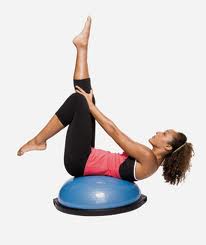 Full-Body BOSU Ball Exercises
By Fara Rosenzweig • Active.com
You're pressed for time and only have 30 minutes to get a full-body workout in. No problem. Use this BOSU ball workout to burn calories, get your heart rate up, and build muscle. Do three sets of each move 12 to 15 times.
1. PUSH-UPS—BALL SIDE DOWN
This is just like a regular push-up except you are balancing your body while on the BOSU ball. It will help work your core, triceps, chest and shoulders. The bonus is you can improve your balance coordination.
2. SIT-UPS—BALL SIDE UP
Tighten your stomach and lift with your core as you sit up. As you release back towards the ground, don't let your back arch over the BOSU ball. For proper form, keep your back flat with the ball.
3. SQUATS—BALL SIDE UP
Stand on the ball with your legs hip-width apart and squat. Hold the squat for three seconds before standing. This works your legs, glutes and core.
4. BALANCE AND CURL—BALL SIDE UP
Grab dumbbells for bicep curls. Stand on the ball and when you are balanced, start your bicep curl.
If you want to take it to the next level, flip the BOSU over so you are standing on the black side. Make sure you focus, align properly, and do your bicep curl slowly.
5. LUNGES—BALL SIDE UP
There are a few different variations for lunges. You can either do one leg at a time or switch legs during each set. It's up to how comfortable you feel. Make sure your foot is sturdy on the ball, and don't let your knee go over your toe when you lunge.
6. BOAT POSE—BALL SIDE UP
Sit in the middle of the BOSU ball and find your balance. When ready, lift your knees up to a 45-degree angle and balance. You can put your hands slightly on the ball to help you find maintain your balance or bring them up in front of you. Try to hold this position for 15 seconds and build from there. Your ultimate goal should be one minute. But, it takes time. Be sure to tighten your stomach and breath.
7. MOUNTAIN CLIMBERS—BALL SIDE DOWN
Place your hands on the sides of the BOSU ball with a firm grip. Hold a steady plank position. When you're ready, lift your right leg a few inches off the ground. Bring your knee to your nose, and then switch legs. Switch legs for 30 seconds at any pace you like. Make sure you keep your stomach tight.
8. JUMPS—BALL SIDE UP
This move is just like a squat except you jump on the ball side and then jump off. When you jump onto the BOSU ball, hold the squat for two seconds before you jump off. Try to work your way up to 10 seconds.
9. SIDE LUNGES—BALL SIDE UP
Start with your right foot sturdy in the middle and step your left foot out to the side. Squat. Bring your left foot into the middle of the ball, and step your right foot out to the side. Squat. Keep switching legs until you do 12 reps on each side.
10. CHEST PRESS—BALL SIDE UP
Grab a set of dumbbells and lay with your back on the ball. Place your feet a few inches from the BOSU ball and lift your hips up. With a weight in each hand, bring your arms out to a “T”. Bend your elbows to a 90-degree angle and press up. Repeat 12 to 15 times. This helps work your hamstrings, glutes, chest, arms and core.
 BROCCOLI-QUINOA CASSEROLE
INGREDIENTS
DIRECTIONS
 Cinnamon Vanilla Almond Butter Banana Pops
INGREDIENTS
DIRECTIONS
 (NaturalNews) It is a nasty little habit that most parents try to dissuade their children from engaging in as early on in their childhood years as possible. But one particular piece of scientific research actually suggests that kids who eat their own boogers may end up building stronger immunity compared to their peers, and go on to live healthier, happier lives.
This is the somewhat unusual assessment made by Dr. Friedrich Bischinger, a professor and lung specialist out of Austria, whose research involving boogers and immunity led him to make this somewhat shocking claim. According to Dr. Bischinger, snot, as it is often called, tends to harbor bacteria that, when eaten, helps to strengthen the body's own natural immune system.
“Medically it makes great sense and is a perfectly natural thing to do,” argues Dr. Bischinger. “In terms of the immune system the nose is a filter in which a great deal of bacteria are collected, and when this mixture arrives in the intestines it works just like a medicine.”
Think of it as a type of edible vaccine, if you will, except without the aborted fetal materials, mercury, rat poison, and aluminum. If anything, it is a far safer method than approved vaccines to deliver small doses of bacteria that have already been covered in protective mucus, rather than to inject them into the body via a needle.
As far as the happiness aspect is concerned, Dr. Bischinger believes that children naturally pick their noses and are completely happy doing it. But once parents and others in society begin to discourage the practice, children become more reserved and self-conscious about picking their noses, which makes them feel more uncomfortable and unhappy later in life.
“With the finger you can get to places you just can't reach with a handkerchief, keeping your nose far cleaner,” adds Dr. Bischinger about what he alleges are the merits of nose-picking. “And eating the dry remains of what you pull out is a great way of strengthening the body's immune system.”
“I would recommend a new approach where children are encouraged to pick their nose. It is a completely natural response and medically a good idea as well.”
On the flip side, many have since countered Dr. Bischinger's claims with warnings about the potential dangers of nose-picking, one of which involves the breaking of skin inside the nose if children pick too hard. In a worst-case scenario, damage to the veins inside the nose could lead to a condition known as cavernous sinus thrombosis, or blocked blood flow to the brain.
To enhance your childs immune system we recommend Vemma NEXT liquid nutrition!

An article published in PEOPLE magazine recently shared what every total health Chiropractor on the planet tries to share with their patients: Drugs are Deadly, Prescription or Over-the-counter.
“The statistics are staggering, the medicines powerful and highly addictive: This year more Americans will die of drug over-doses than in any other type of accident – including car crashes. In most cases, those deaths are caused by pills in many people's medicine cabinets given to them by trusted doctors, left over from routine surgeries or prescribed to manage chronic conditions. ”
According to Dr. Leonard Paulozzi of the CDC, “Prescription drug overdoses are a serious nationwide problem for which we haven't yet found a solution.”
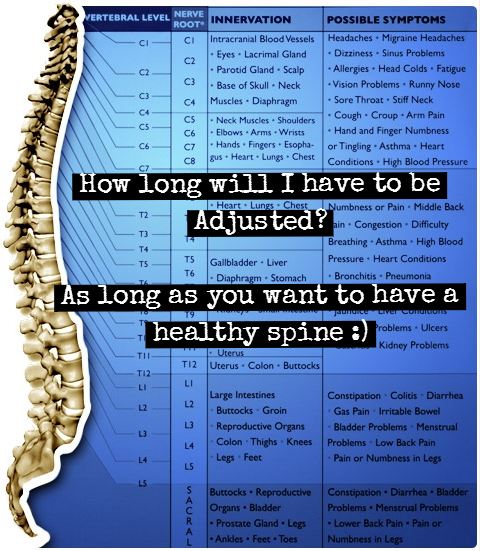
Asking a chiropractor how long you will have to get adjusted is like asking a dentist how long you will have to brush your teeth, or a personal trainer how long you will have to exercise – It's as long as you want to be healthy and have normal function.
Chiropractic studies show that the longer you get adjusted, the more benefit. In fact, it's almost unscientific and a waste to only get adjusted a few times. One or two adjustments is like doing 1 or 2 sets of sit ups…it's good, but not enough!
I agree with 100% of the information found on an article at http://authoritynutrition.com/
 mainstream nutrition.
I have listed the worst examples in this article, but unfortunately this is just the tip of the iceberg.
Here are the top 11 biggest lies, myths and misconceptions of mainstream nutrition.
There’s one thing that nutrition professionals have had remarkable success with… and that is demonizing incredibly healthy foods.
The worst example of that is eggs, which happen to contain a large amount of cholesterol and were therefore considered to increase the risk of heart disease.
But recently it has been proven that the cholesterol in the diet doesn’t really raise the cholesterol in blood. In fact, eggs primarily raise the “good” cholesterol and are NOT associated with increased risk of heart disease (1, 2).
What we’re left with is one of the most nutritious foods on the planet. They’re high in all sorts of nutrients along with unique antioxidants that protect our eyes (3).
To top it all of, despite being a “high fat” food, eating eggs for breakfast is proven to cause significant weight loss compared to bagels for breakfast (4, 5).
Bottom Line: Eggs do not cause heart disease and are among the most nutritious foods on the planet. Eggs for breakfast can help you lose weight.
A few decades ago it was decided that the epidemic of heart disease was caused by eating too much fat, in particular saturated fat.
This was based on highly flawed studies and political decisions that have now been proven to be completely wrong.
A massive review article published in 2010 looked at 21 prospective epidemiological studies with a total of 347.747 subjects. Their results: absolutely no association between saturated fat and heart disease (6).
The idea that saturated fat raised the risk of heart disease was an unproven theory that somehow became conventional wisdom (7).
Eating saturated fat raises the amount of HDL (the “good”) cholesterol in the blood and changes the LDL from small, dense LDL (very bad) to Large LDL, which is benign (8, 9).
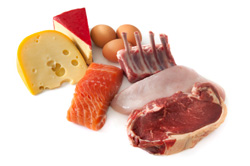
Meat, coconut oil, cheese, butter… there is absolutely no reason to fear these foods.
Bottom Line: Newer studies have proven that saturated fat does not cause heart disease. Natural foods that are high in saturated fat are good for you.

The idea that humans should be basing their diets on grains has never made sense to me.
The agricultural revolution happened fairly recently in human evolutionary history and our genes haven’t changed that much.
Grains are fairly low in nutrients compared to other real foods like vegetables. They are also rich in a substance called phytic acid which binds essential minerals in the intestine and prevents them from being absorbed (10).
The most common grain in the western diet, by far, is wheat… and wheat can cause a host of health problems, both minor and serious.
Modern wheat contains a large amount of a protein called gluten, but there is evidence that a significant portion of the population may be sensitive to it (11, 12, 13).
Eating gluten can damage the intestinal lining, cause pain, bloating, stool inconsistency and tiredness (14, 15). Gluten consumption has also been associated with schizophrenia and cerebellar ataxia, both serious disorders of the brain (16, 17).
Bottom Line: Grains are relatively low in nutrients compared to other real foods like vegetables. The gluten grains in particular may lead to a variety of health problems.
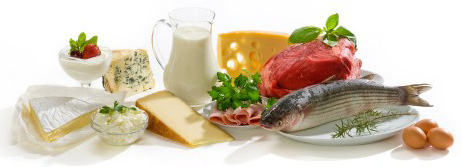
A high protein diet has been claimed to cause both osteoporosis and kidney disease.
It is true that eating protein increases calcium excretion from the bones in the short term, but the long term studies actually show the opposite effect.
In the long term, protein has a strong association with improved bone health and a lower risk of fracture (18, 19).
Additionally, studies don’t show any association of high protein with kidney disease in otherwise healthy people (20, 21).
In fact, two of the main risk factors for kidney failure are diabetes and high blood pressure. Eating a high protein diet improves both (22, 23).
If anything, a high protein diet should be protective against osteoporosis and kidney failure!
Bottom Line: Eating a high protein diet is associated with improved bone health and a lower risk of fracture. High protein also lowers blood pressure and improves diabetes symptoms, which should lower the risk of kidney failure.
Bottom Line: Eating a high protein diet is associated with improved bone health and a lower risk of fracture. High protein also lowers blood pressure and improves diabetes symptoms, which should lower the risk of kidney failure.

Do you know what regular food tastes like when all the fat has been taken out of it?
Well, it tastes like cardboard. No one would want to eat it.
The food manufacturers know this and therefore they add other things to compensate for the lack of fat.
Usually these are sweeteners… sugar, high fructose corn syrup or artificial sweeteners like aspartame.
We’ll get to the sugar in a moment, but I’d like to point out that even though artificial sweeteners don’t have calories, the evidence does NOT suggest that they are better for you than sugar.
In fact, many observational studies show a consistent, highly significant association with various diseases like obesity, metabolic syndrome, diabetes, heart disease, premature delivery and depression (24, 25, 26).
In these low-fat products, healthy natural fats are being replaced with substances that are extremely harmful.
Bottom Line: Low-fat foods are usually highly processed products loaded with sugar, corn syrup or artificial sweeteners. They are extremely unhealthy.
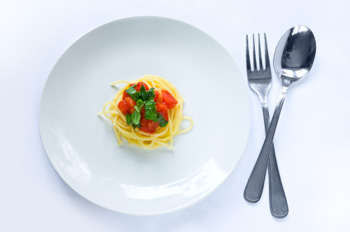
The idea that you should eat many small meals throughout the day in order to “keep metabolism high” is a persistent myth that doesn’t make any sense.
It is true that eating raises your metabolism slightly while you’re digesting the meal, but it’s the total amount of food that determines the energy used, NOT the number of meals.
This has actually been put to the test and refuted multiple times. Controlled studies where one group eats many small meals and the other the same amount of food in fewer meals show that there is literally no difference between the two (27, 28).
In fact, one study in obese men revealed that eating 6 meals per day led to less feelings of fullness compared to 3 meals (29).
Not only is eating so often practically useless for most of the people out there, it may even be harmful.
It is not natural for the human body to be constantly in the fed state. In nature, we used to fast from time to time and we didn’t eat nearly as often as we do today.
When we don’t eat for a while, a cellular process called autophagy cleans waste products out of our cells (30). Fasting or not eating from time to time is good for you.
Several observational studies show a drastically increased risk of colon cancer (4th most common cause of cancer death), numbers going as high as a 90% increase for those who eat 4 meals per day compared to 2 (31, 32, 33).
Bottom Line: There is no evidence that eating many small meals throughout the day is better than fewer, bigger meals. Not eating from time to time is good for you. Increased meal frequency is associated with colon cancer.
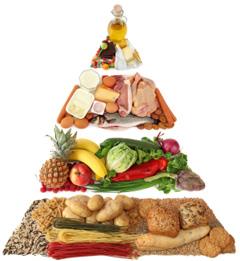
The mainstream view is that everyone should eat a low-fat diet, with carbs being around 50-60% of total calories.
This sort of diet contains a lot of grains and sugars, with very small amounts of fatty foods like meat and eggs.
This type of diet may work well for some people, especially those who are naturally lean.
But for those who are obese, have the metabolic syndrome or diabetes, this amount of carbohydrates is downright dangerous.
This has actually been studied extensively. A low-fat, high-carb diet has been compared to a low-carb, high-fat diet in multiple randomized controlled trials.
The results are consistently in favor of low-carb, high-fat diets (34, 35, 36).
Bottom Line: The low-fat, high-carb diet is a miserable failure and has been proven repeatedly to be vastly inferior to lower-carb, higher-fat diets.

Polyunsaturated fats are considered healthy because some studies show that they lower your risk of heart disease.
But there are many types of polyunsaturated fats and they are not all the same.
Most importantly, we have both Omega-3 fatty acids and Omega-6 fatty acids.
Omega-3s are anti-inflammatory and lower your risk of many diseases related to inflammation (37). Humans actually need to get Omega-6s and Omega-3s in a certain ratio. If the ratio is too high in favor of Omega-6, it can cause problems (38).
By far the biggest sources of Omega-6 in the modern diet are processed seed and vegetable oils like soybean, corn and sunflower oils.
Throughout evolution, humans never had access to such an abundance of Omega-6 fats. It is unnatural for the human body.
Research that specifically looks at Omega-6 fatty acids instead of polyunsaturated fats in general shows that they actually increase the risk of heart disease (39, 40).
Eat your Omega-3s and consider supplementing with cod fish liver oil, but avoid the industrial seed and vegetable oils.
Bottom Line: Humans need to get Omega-6 and Omega-3 fats in a certain ratio. Eating excess Omega-6 from seed oils raises your risk of disease.
I personally believe low-carb diets to be a potential cure for many of the most common health problems in western nations.
The low-fat diet peddled all around the world is fairly useless against many of these diseases. It simply does not work.
However, low-carb diets (demonized by nutritionists and the media) have repeatedly been shown to lead to much better outcomes.
Every randomized controlled trial on low-carb diets shows that they:
Bottom Line: Low-carb diets are the healthiest, easiest and most effective way to lose weight and reverse metabolic disease. It is a scientific fact.
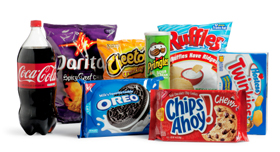
It is commonly believed that sugar is bad for you because it contains empty calories.
It’s true, sugar has a lot of calories with no essential nutrients. But that is just the tip of the iceberg.
Sugar, primarily because of its high fructose content, affects metabolism in a way that sets us up for rapid fat gain and metabolic disease.
Fructose gets metabolized by the liver and turned into fat which is secreted into the blood as VLDL particles. This leads to elevated triglycerides and cholesterol (58, 59).
It also causes resistance to the hormones insulin and leptin, which is a stepping stone towards obesity, metabolic syndrome and diabetes (60, 61).
This is just to name a few. Sugar causes a relentless biochemical drive for humans to eat more and get fat. It is probably the single worst ingredient in the standard western diet.
Bottom Line: The harmful effects of sugar go way beyond empty calories. Sugar wreaks havoc on our metabolism and sets us up for weight gain and many serious diseases.
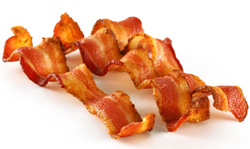
It seems kind of intuitive that eating fat would make you get fat.
The stuff that is gathering under our skin and making us look soft and puffy is fat. So… eating fat should give our bodies even more of it.
But it isn’t that simple. Despite fat having more calories per gram than carbohydrate or protein, high-fat diets do not make people fat.
As with anything, this depends on the context. A diet that is high in fat AND high in carbs will make you fat, but it’s NOT because of the fat.
In fact, diets that are high in fat (and low in carbs) cause much greater fat loss than diets that are low in fat (62, 63, 64).
This is just the tip of the iceberg.
source: http://authoritynutrition.com/11-biggest-lies-of-mainstream-nutrition/