
Chiropractic Adjustments and the Nervous System: What a Brain Study Found
Can a chiropractic adjustment affect more than just how your back feels? It is a fair question, and one small but interesting study has looked directly at what happens in the brain after an adjustment. Here is what that research actually found, and, just as importantly, what it does not let us claim.

The 2011 Brain Imaging Study
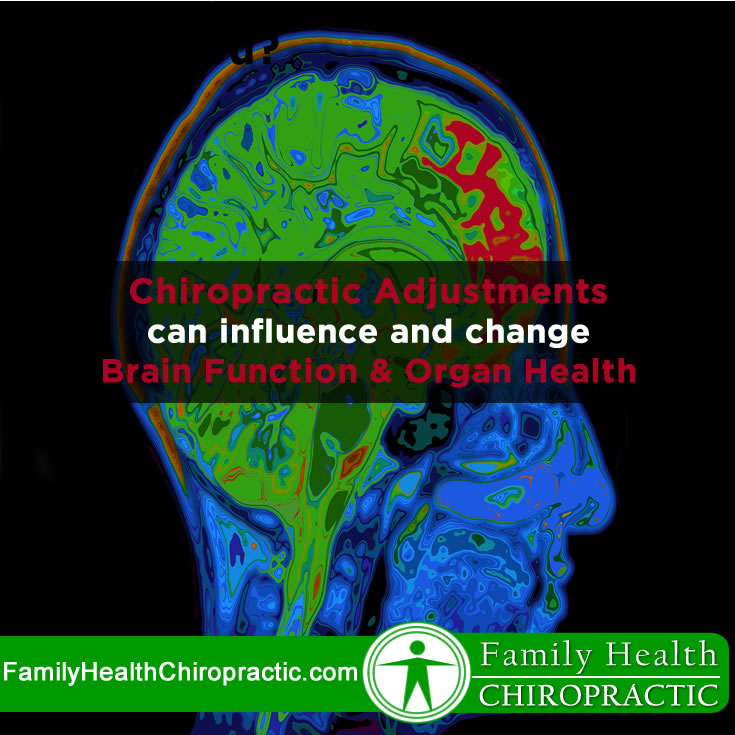
A 2011 study published in Alternative Therapies in Health and Medicine used PET imaging, a sophisticated scan that measures activity in the brain, to look at what happened after a neck adjustment in a small group of men with neck pain (Ogura et al., PMID 22314714). The researchers measured brain glucose metabolism along with markers of stress and muscle tension before and after the adjustment.
They reported measurable short-term changes: shifts in brain glucose metabolism, reduced muscle tension, lower scores on stress and pain scales, and a drop in salivary amylase, a marker associated with the body stress response. In plain terms, after the adjustment the participants showed signs of a calmer nervous system in the short term.
What This Does and Does Not Mean
This is a genuinely interesting finding, but it is important to keep it in proportion. It was a small study with a limited number of participants and no large control group, and it measured short-term changes immediately after treatment. That makes it a promising piece of early research, not proof of long-term health effects, and larger, more rigorous studies would be needed to confirm and extend the results.
It is also important to be clear about what the study does not show. It does not demonstrate that adjustments treat, prevent, or reverse diseases of the internal organs, and it would be incorrect to claim that chronic diseases such as cancer, diabetes, or hypertension can be traced to spinal alignment or resolved with adjustments. Chiropractic care is not a treatment for those conditions, and anyone managing a chronic illness should do so with their physician.
The Reasonable Takeaway
What research like this supports is a modest, plausible idea: that spinal care can influence the nervous system in the short term, including measures related to stress and muscle tension, which fits with why many people feel more relaxed and move more comfortably after an adjustment. That is a reasonable benefit to value on its own terms, without overstating it. For your overall health and any organ-related concerns, chiropractic care is best viewed as one supportive part of a healthy lifestyle, alongside the medical care your physician provides.
READY TO FEEL BETTER?
Book Your Appointment Today
Same-week appointments are often available. Call 512-347-8881 or request a time online.
Ready to feel better?
If you are new to our office, learn what to expect on your first visit, or see our full range of chiropractic services.