

How to Naturally Manage Migraine Headaches
Migraines are far more than bad headaches. They are a neurological condition that can involve intense, often one-sided pain, nausea, and sensitivity to light and sound. While medication has an important role, lifestyle and non-drug strategies are a major part of managing migraines and reducing how often they strike.
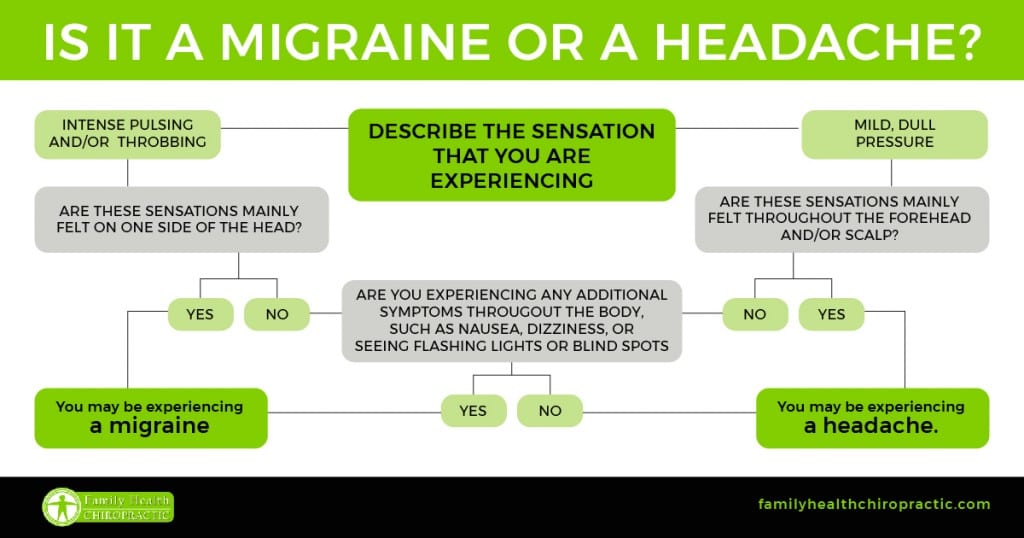
Understanding Migraine
Migraine attacks often follow identifiable triggers and patterns. Some people experience warning signs beforehand. Because triggers vary so much from person to person, learning your own pattern is one of the most useful things you can do.

Natural Approaches to Reduce Migraines
- Keep a consistent routine for sleep and meals, since irregularity is a common trigger
- Identify and manage personal triggers, which may include certain foods, dehydration, or stress
- Stay well hydrated
- Build in regular, moderate exercise, which can reduce frequency
- Use stress-management strategies, as stress is a frequent trigger
The Evidence for Lifestyle Measures
Non-pharmacological strategies, including regular exercise, sleep regulation, and trigger management, are recognized as a valuable part of migraine care (Front Neurol, 2020, PMID 33224097). They work best alongside, not instead of, appropriate medical management for those who need it.
When to Seek Care
If migraines are frequent, severe, or changing in pattern, or if you are pregnant or have other health conditions, work with a professional to build a safe, effective plan. A sudden, severe headache unlike any before needs urgent assessment.
READY TO FEEL BETTER?
Book Your Appointment Today
Same-week appointments are often available. Call 512-347-8881 or request a time online.
Ready to feel better?
If you are new to our office, learn what to expect on your first visit, or explore the conditions we treat.