How Dangerous is Tylenol?
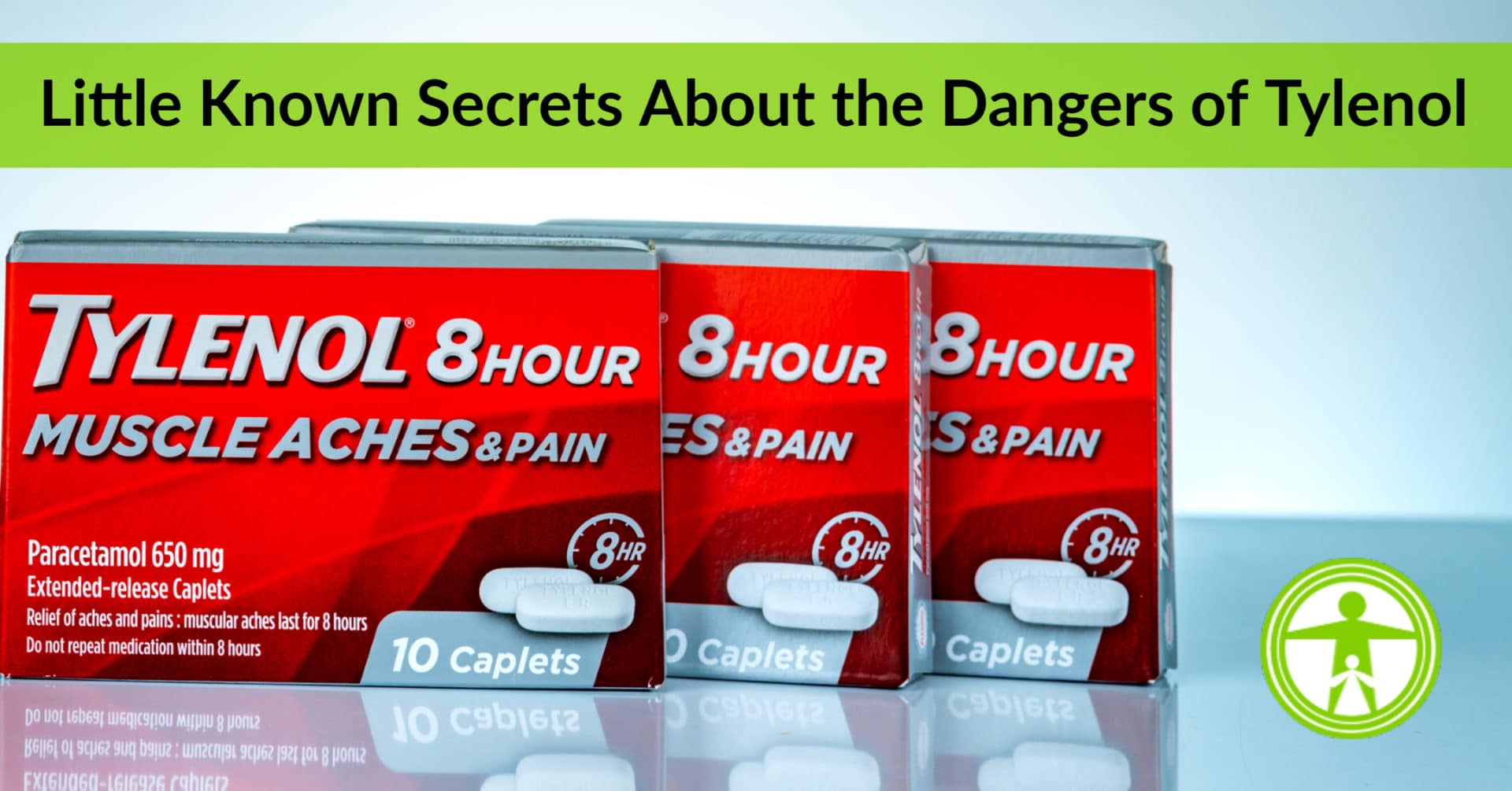
Most people consider Tylenol (acetaminophen) a safe pain reliever for both children and adults. Yet acetaminophen carries real risks that are easy to overlook, and overuse is far more common – and more dangerous – than most people realize.
Each year, acetaminophen-associated overdoses account for tens of thousands of emergency room visits and thousands of hospitalizations in the United States. Acetaminophen is the nation’s leading cause of acute liver failure, and national mortality data attribute hundreds of deaths each year to acetaminophen-associated overdoses. Regular use has also been linked to a higher likelihood of asthma, infertility, and hearing loss (especially in men under 50).
Chiropractic adjustments can relieve pain effectively while helping you avoid the side effects that come with over-the-counter pain medications. Here’s what you should know about how Tylenol works, the risks it carries, and the alternatives worth considering.
History of Tylenol
Centuries ago, doctors discovered that fever-reducing agents were contained in white willow bark (which led to the development of aspirin) and cinchona bark. When the cinchona tree became scarce in the 1880s, people looked for alternatives, and two fever-reducing agents were developed: acetanilide in 1886 and phenacetin in 1887.
Harmon Northrop Morse first synthesized paracetamol (acetaminophen) in 1878, but it was not used in medical treatment for another 15 years. Paracetamol was not sold commercially until 1955, by McNeil Laboratories, as a pain and fever reliever for children under the brand name Tylenol Children’s Elixir. In 1956, 500 mg tablets went on sale in the United Kingdom under the trade name Panadol, advertised as being gentle to the stomach since other analgesics of the time contained aspirin, a known stomach irritant.
How Does Tylenol Work?
Remarkably, no one knows exactly how Tylenol works. It is thought to reduce the production of prostaglandins (chemicals that cause inflammation) in the brain and to lower fever through its action on heat-regulating centers in the brain – but the precise mechanism remains unclear.
Acetaminophen is hard on the liver and is known to reduce the liver’s store of glutathione, an important antioxidant and detoxifying aid. This is why combining Tylenol with alcohol, or with other compounds that tax the liver, can cause major liver dysfunction. Tylenol should not be used by anyone with impaired liver function. While it is often the drug of choice for fever in children, use for fever in the first year of life has been associated with an increase in asthma and other allergic symptoms later in childhood.
Tylenol Causes Liver Damage
Overdose with acetaminophen is the leading cause of calls to poison control centers in the United States and is responsible for tens of thousands of ER visits and hundreds of deaths every year due to acute liver failure. In fact, more than half of all acute liver failure cases in the US are due to acetaminophen overdose.
Most guidelines suggest taking no more than 4,000 milligrams per day. However, a 2006 study published in the Journal of the American Medical Association found that a 4,000 mg dose taken for four days caused elevated serum AST and ALT, which are markers of liver injury and damage.
These concerns are not new. As far back as 1977, an FDA advisory board said it was obligatory to add warning labels regarding liver damage. It was not until 2011 that manufacturers were asked to limit the strength of each capsule to 325 milligrams and to add mandated warning labels. The mechanism behind the damage is glutathione depletion, which is covered next.
Tylenol Depletes Glutathione Levels
Glutathione is the body’s most important endogenous antioxidant – meaning the body produces it, unlike antioxidants from foods such as berries or vitamin C, which must be ingested.
Oxidation is a normal process that happens when the body uses oxygen to create energy. A byproduct of oxidation is the creation of free radicals, which are unstable molecules that can damage cell DNA and potentially cause permanent mutations. The body uses antioxidants to scavenge and neutralize free radicals so they can’t damage DNA or other parts of the cell.
Glutathione absorbs the impact of many of these free radicals. Once it absorbs one, it must be converted back to its active form. When the body takes a large oxidative hit, active glutathione is depleted, and the result is widespread oxidative damage. Glutathione is especially important because, unlike most antioxidants, it is active in the brain – so depleting it can contribute to oxidative damage, inflammation, and brain injury. If someone’s glutathione levels are already low, even a normal dose of Tylenol can do significant harm. For this reason, regular users may want to consider supplementing with glutathione.
Cardiovascular, Kidney, and Cancer Connections
Several studies have drawn connections between acetaminophen and the development of cardiometabolic disease. One study found that people taking opiates (some of which contain acetaminophen) were 95 percent more likely to be obese and 63 percent more likely to have hypertension.
Acetaminophen taxes the liver’s detoxification capacity, and when combined with alcohol, the kidneys take a hit as well – one study found that combining acetaminophen and alcohol resulted in a 2.23 times increased risk of kidney dysfunction. There are also cancer connections: a 2013 meta-analysis found acetaminophen associated with a significantly increased risk of kidney cancer, and a 2011 study of more than 64,000 older adults found acetaminophen use associated with several blood cancers, including myeloid neoplasms, non-Hodgkin lymphomas, and plasma cell disorders such as multiple myeloma.
Tylenol May Blunt Emotions
Because we don’t fully understand how Tylenol works, some of its effects are surprising. Brain imaging studies suggest acetaminophen dims activity in regions of the brain involved in processing social pain and cues.
In one study, participants took either acetaminophen or a placebo for three weeks without knowing which, and each evening completed a standardized Hurt Feelings Scale. Tylenol reduced reports of social pain. Since that study was published in Psychological Science, a body of evidence has pointed to a range of psychological effects: a 2015 study found Tylenol diminishes emotional highs and lows, another pointed to reduced empathy, and an experiment in Social Cognitive and Affective Neuroscience found acetaminophen seemed to make people care less about their own mistakes. Given how widely acetaminophen is used, these broader effects are worth considering.
Alternatives to Acetaminophen
Pain is a signal of a deeper problem, and masking it with pills is only a temporary fix. The best long-term approach is to eat an anti-inflammatory diet, optimize sleep, improve movement and fitness, and manage stress. Beyond those foundations, here are several alternatives worth considering (always check with your own healthcare provider before starting a supplement):
- Turmeric. Curcuminoids extracted from turmeric play a role in maintaining normal inflammatory balance throughout the body thanks to their NFkB-modulating properties. A common range is 600 to 1,200 mg of turmeric root extract.
- Magnesium. Three of the most common reasons people reach for acetaminophen are headaches, muscle pain, and menstrual cramps. Magnesium often provides significant relief from these symptoms. A common range is 400 to 1,200 mg of activated or chelated magnesium.
- CBD oil. Cannabidiol is the non-psychoactive oil of the cannabis plant, with pain-relieving and anti-inflammatory properties. It does not produce the high that THC does.
- Mindfulness. Emotional-freedom techniques, yoga, and meditation can all provide short-term pain relief.
- Chiropractic. Chiropractic care has emerged as a leading option to both reduce pain and improve quality of life. Research has shown that patients who see a chiropractor as their initial provider for low back pain had 90% decreased odds of both early and long-term opioid use. Chiropractic care can ease pain, release dopamine-stimulating endorphins, and improve overall body function.
There’s no denying the effectiveness of chiropractic care as a way to cope with pain and improve overall quality of life. It is cost-effective and a viable long-term solution – without the harmful side effects of opioids or other pain medications.
READY TO FEEL BETTER?
Book Your Appointment Today
Same-week appointments are often available. Call 512-347-8881 or request a time online.
Ready to feel better?
If you are new to our office, learn what to expect on your first visit, or see our full range of chiropractic services.