The Organs That Detox Your Body
The words “detox” and “cleanse” get thrown around loosely in marketing, but real detoxification is a genuine biological process – and your body is remarkably well equipped for it. Before reaching for any program or supplement, it helps to understand the organs that handle this work naturally, every minute of every day.
Technically, a toxin is any foreign substance that can cause disease. Toxicologists distinguish between a “toxin” (a poisonous substance produced by a living organism, such as snake venom) and a “toxicant” (a poisonous substance that is man-made). Most of the chemical exposures people deal with today are toxicants – from environmental pollutants and pesticides to industrial and endocrine-disrupting chemicals. For simplicity, this article refers to all of them as toxins.
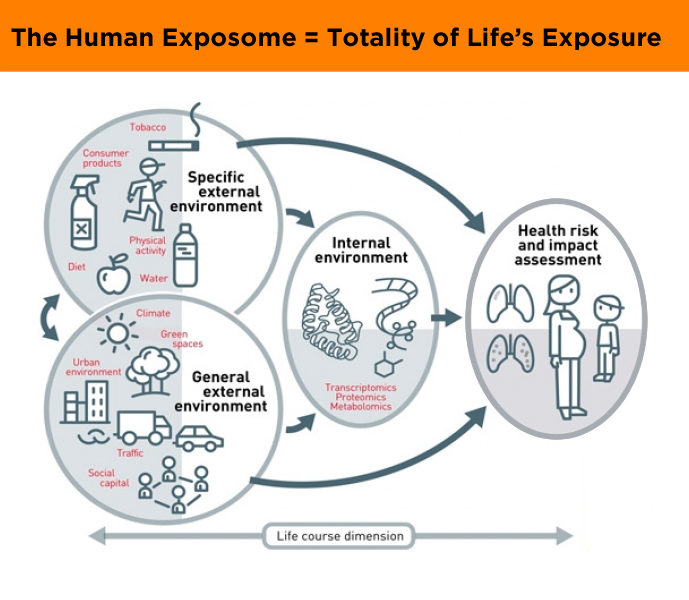
The concept of the “exposome” describes the total of every exposure an individual encounters from conception to death. It is generally described as having three overlapping domains:
- A general external environment – factors such as the urban environment, climate, social conditions, and stress.
- A specific external environment – specific contaminants, diet, physical activity, and tobacco.
- An internal environment – internal biological factors such as metabolism, gut microflora, inflammation, and oxidative stress.
Fortunately, the body comes equipped with an automatic detoxification system. The challenge arises when these systems are overloaded day after day. Here are the main organs that keep you clean from the inside out.
The Skin: Your First Line of Defense
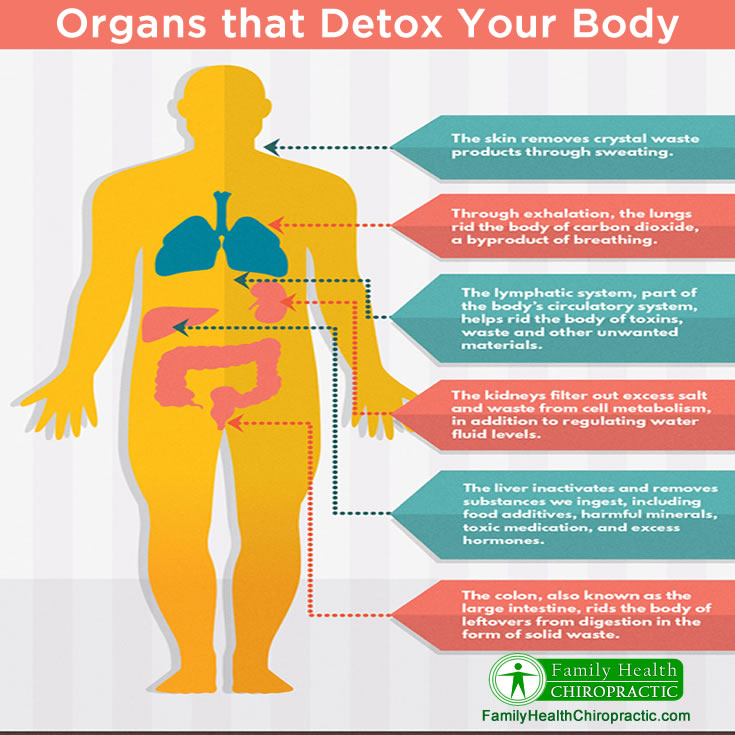
The skin is your largest organ of protection. Among its many roles, it helps regulate temperature and controls secretion and excretion, which means it plays a part in eliminating waste and can support the other detox organs. It also physically blocks harmful compounds from entering and triggers protective responses when it senses an intrusion. When something does get past the skin, additional defenses wait in the mucous membranes of the nose, throat, and lungs, and in the cells of your blood.

The Respiratory Tract: Your Biological Air Filters
The lungs and bronchi help clear waste in the form of carbon dioxide gas, and they produce phlegm that binds compounds so they can be expelled. Healthy alveolar membranes keep solid waste out, but with constant irritation from microbes and pollutants they can become more porous, acting as a secondary route for waste that the liver, kidneys, and intestines didn’t fully clear – which the body then coughs up as phlegm.
The Kidneys: Your Blood and Water Filters
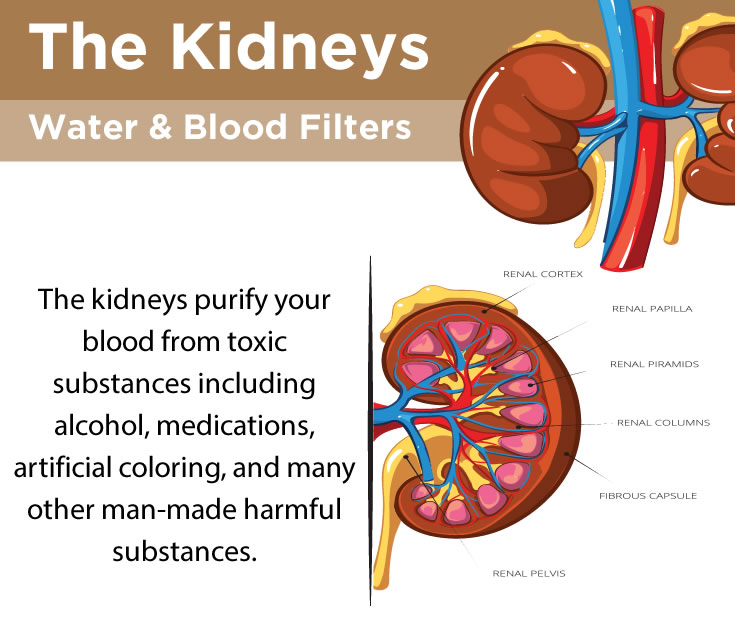
The kidneys filter the blood, removing substances such as alcohol, medications, and many man-made compounds, and excreting them through the urinary tract. To do this well, the renal filter membranes need to stay undamaged and unclogged, and blood pressure and blood flow need to stay in a healthy range. This is one reason adequate hydration matters – it helps keep the blood and lymph flowing freely.
The Intestinal Tract: What Goes In Should Come Out
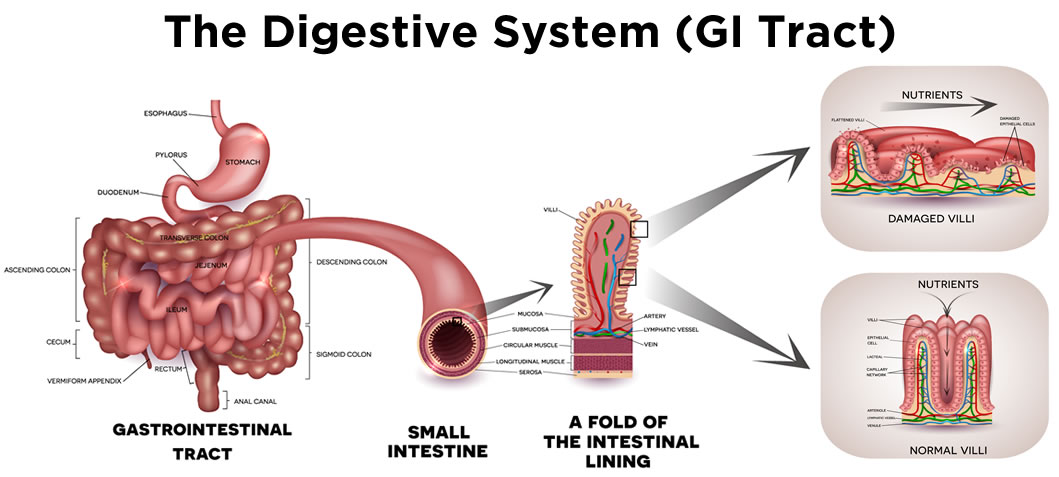
The intestinal tract is essentially one long tube from mouth to colon, responsible for both digestion and elimination. After food is broken down, nutrients pass through the intestinal lining into capillaries that carry them to the liver. The liver redistributes nutrients to the bloodstream and dumps extracted toxins, drugs, heavy metals, and excess hormones into the bile. Neutralized by bile, these compounds travel through the intestines and exit in the stool – which is why healthy bile production is important for detoxification.
In the colon, remaining usable material such as fiber is broken down with the help of the gut microflora. When the intestinal membranes are healthy, they act as intelligent filters, absorbing only well-digested nutrients while keeping toxic residues in the intestines for excretion. If intestinal transit slows, undigested food can ferment, beneficial microbes can shift toward less helpful ones, and ongoing irritation can make the intestinal lining more porous – a condition often referred to as leaky gut, which can place added strain on the immune system.
The Liver: The Primary Internal Detox Organ
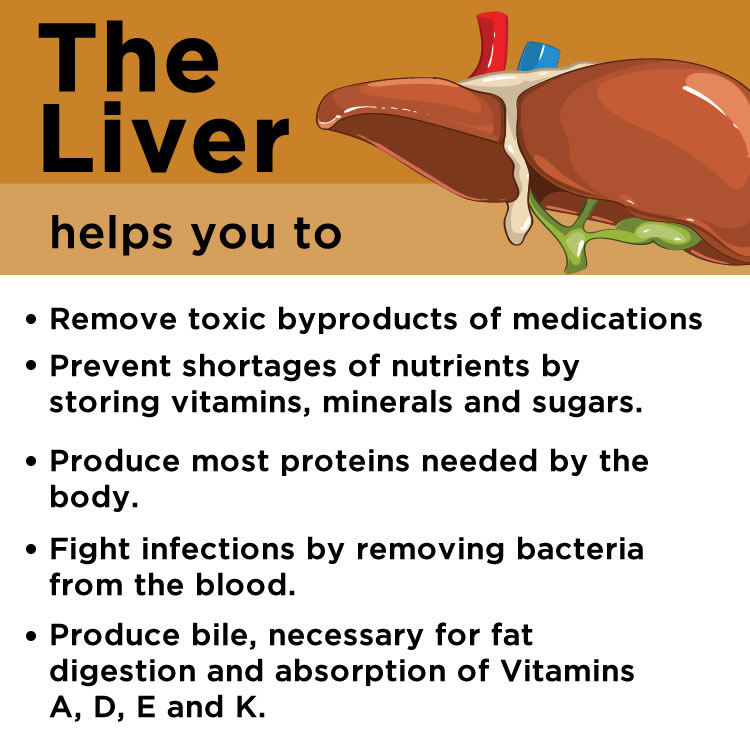
The liver’s main job is to filter blood coming from the digestive tract before it reaches the rest of the body. It detoxifies chemicals and metabolizes drugs, converting them into substances that can be safely excreted, and it extracts and transforms the waste from normal cellular breakdown so it can leave through the intestines or kidneys. The liver also helps filter and destroy foreign invaders such as bacteria, fungi, and viruses. Because it does so much, supporting the liver – including reducing intake of alcohol, nicotine, and heavily processed food – is central to any sensible approach to detoxification.
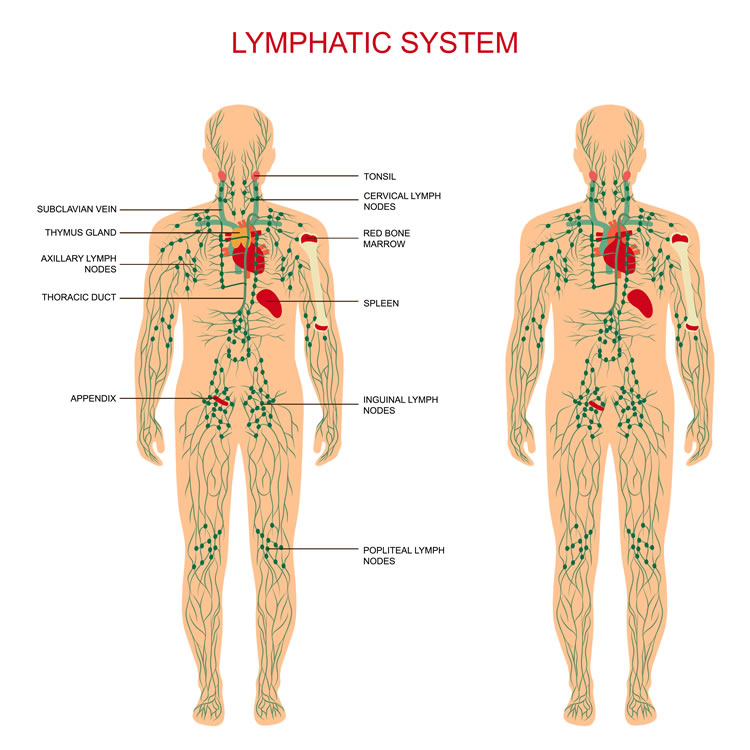
The Lymphatic System: Your Immune Patrol Highway
The lymphatic system plays a major role in detoxification. Roughly two liters of lymph fluid – continually formed from the fluid surrounding your cells – circulate through vessels that reach from head to toe, carrying infection-fighting white blood cells. Lymph is filtered through lymph nodes, and the tonsils, adenoids, spleen, and thymus are all part of this system. When infectious agents intrude, white blood cell production increases, and the nearest lymph nodes react first by swelling and becoming tender. If lymphatic flow is impeded, waste removal suffers and the body’s internal environment becomes more burdened.
The lymphatic system even helps detoxify the brain: research has identified specialized channels – the glymphatic system – that open during sleep and drain neurotoxins from the brain into the cerebrospinal fluid. It’s one more reason quality sleep matters for overall health.
Supporting Your Body’s Natural Detox Systems
Your body is genuinely capable of cleansing and healing itself. At the same time, modern life exposes us to a steady stream of man-made chemicals – pesticides, heavy metals, and industrial compounds – and when our organs are persistently overburdened, symptoms such as fatigue, digestive trouble, bloating, and muscle aches can creep in. The goal isn’t a quick-fix cleanse, but supporting these systems day to day: staying well hydrated, eating a nutrient-dense diet, prioritizing sleep, moving your body, and reducing unnecessary exposures where you reasonably can.
READY TO FEEL BETTER?
Book Your Appointment Today
Same-week appointments are often available. Call 512-347-8881 or request a time online.
Ready to feel better?
If you are new to our office, learn what to expect on your first visit, or see our full range of chiropractic services.