
Jaw Pain and Temporomandibular Joint Disorders (TMD)
Ongoing pain near your ear, along the jaw, or in the muscles on the side of your face, sometimes with clicking, popping, or limited jaw movement, can be a sign of a temporomandibular disorder (TMD). People often call this TMJ, but TMJ is simply the name of the jaw joint itself. Everyone has a TMJ; not everyone has TMD.
What Is TMD?
TMD describes a group of conditions involving pain and dysfunction of the jaw joint and the muscles that move it. The cause is not always obvious, and symptoms often come from a mix of factors. The encouraging news is that most cases can be managed conservatively. Reversible, non-invasive options should be exhausted before considering anything permanent like extensive dental work or surgery.
Common Contributing Factors
- Clenching or grinding the teeth, often related to stress
- Posture habits that strain the neck and jaw muscles
- Joint hypermobility
- Hormonal factors, which may help explain why TMD is more common in women
- Prior jaw injury or structural differences in the joint
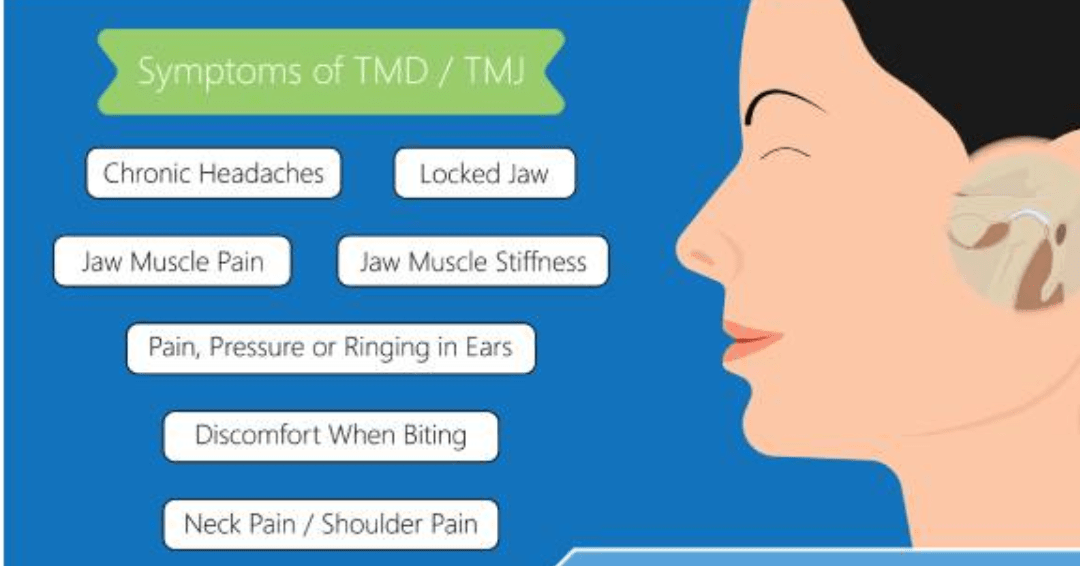
Common Symptoms
- Clicking, popping, or grating sounds when opening or closing the mouth
- Jaw muscle soreness in the cheeks or temples
- Aching around the ear
- Difficulty or discomfort chewing
- The jaw catching or locking open or closed
Worth noting: about a third of people have jaw joints that click without any pain. Clicking on its own is usually not a concern. It becomes meaningful when it comes with pain or restricted movement.
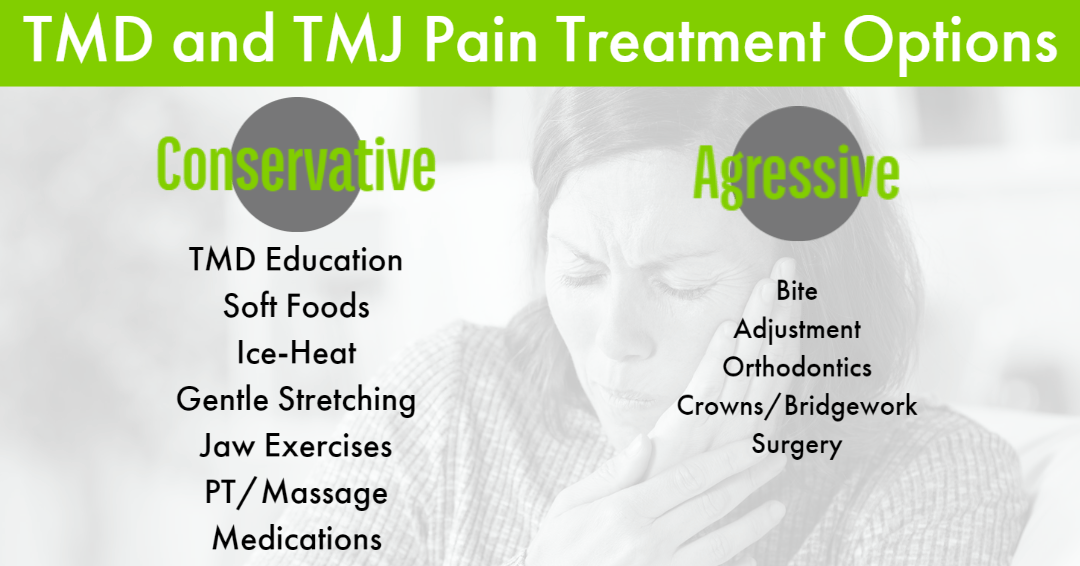
How TMD Is Treated
Evidence supports conservative, multimodal care as the first approach for most people. Self-care such as a softer diet, gentle jaw exercises, stress and clench awareness, and good sleep posture often helps. Beyond that, manual therapy and targeted exercise have been shown to reduce pain and improve jaw function in randomized trials and reviews (Phys Ther, 2016, PMID 26294683; J Clin Med, 2023, PMID 37373852).
Because the jaw, neck, and posture all influence one another, addressing the neck and surrounding muscles is often part of a complete plan. If your jaw pain is persistent or interfering with eating, talking, or sleep, a thorough evaluation can help identify the contributing factors and the least invasive path to relief.
READY TO FEEL BETTER?
Book Your Appointment Today
Same-week appointments are often available. Call 512-347-8881 or request a time online.
Ready to feel better?
If you are new to our office, learn what to expect on your first visit, or explore the conditions we treat.