

The Best Pillow for Neck Pain
If you experience neck pain – especially while sleeping or first thing in the morning – then your sleep position and your pillow are worth a closer look. Aside from the mattress, the best sleeping positions for avoiding neck pain are on your side or your back, and a quality pillow that supports the neck while you sleep can make a real difference.
There is no single best pillow for everyone, but there is a best pillow for you. Generally, a more rounded pillow that supports the natural curve of your neck is the right idea – though the details matter, and the ideal material (memory foam, latex or feathers) depends on your body and sleep position. Rather than relying on opinion, it helps to look at what the research actually says.

What Research Says About Pillows for Neck Pain
There isn’t a large body of high-quality research on pillow design, but a few studies offer useful guidance. Pillow characteristics such as height, material and shape do have a meaningful impact on sleep quality, muscle activity and pain.
One randomized comparative study examined how different pillow shapes and materials affect the cervical curve, temperature and comfort. Comparing feather, memory foam and orthopedic pillows, researchers found that shape and content clearly affect the cervical curve, with the orthopedic pillow rating best for sleep quality. An orthopedic pillow is one sized to the dimensions of your shoulders and neck.
Other studies looking at pillow height found that it strongly influences comfort, sleep quality and spinal alignment. Notably, a pillow that is biomechanically better doesn’t always feel better at first. People often choose a pillow based on immediate comfort, which can be misleading and may lead to a poor fit that worsens neck pain. Softer pillows tend to feel more comfortable, but a firmer pillow – even if it feels less plush initially – is often better for stabilizing the spine and reducing misalignment. Setting aside studies tied to commercial interests, height and curvature appear to have the greatest impact. In short, a good pillow should:
- Have a shape (usually curved) that supports the neck
- Be made of material dense enough to support the head when lying on your side or back
- Be an appropriate height for the position you sleep in
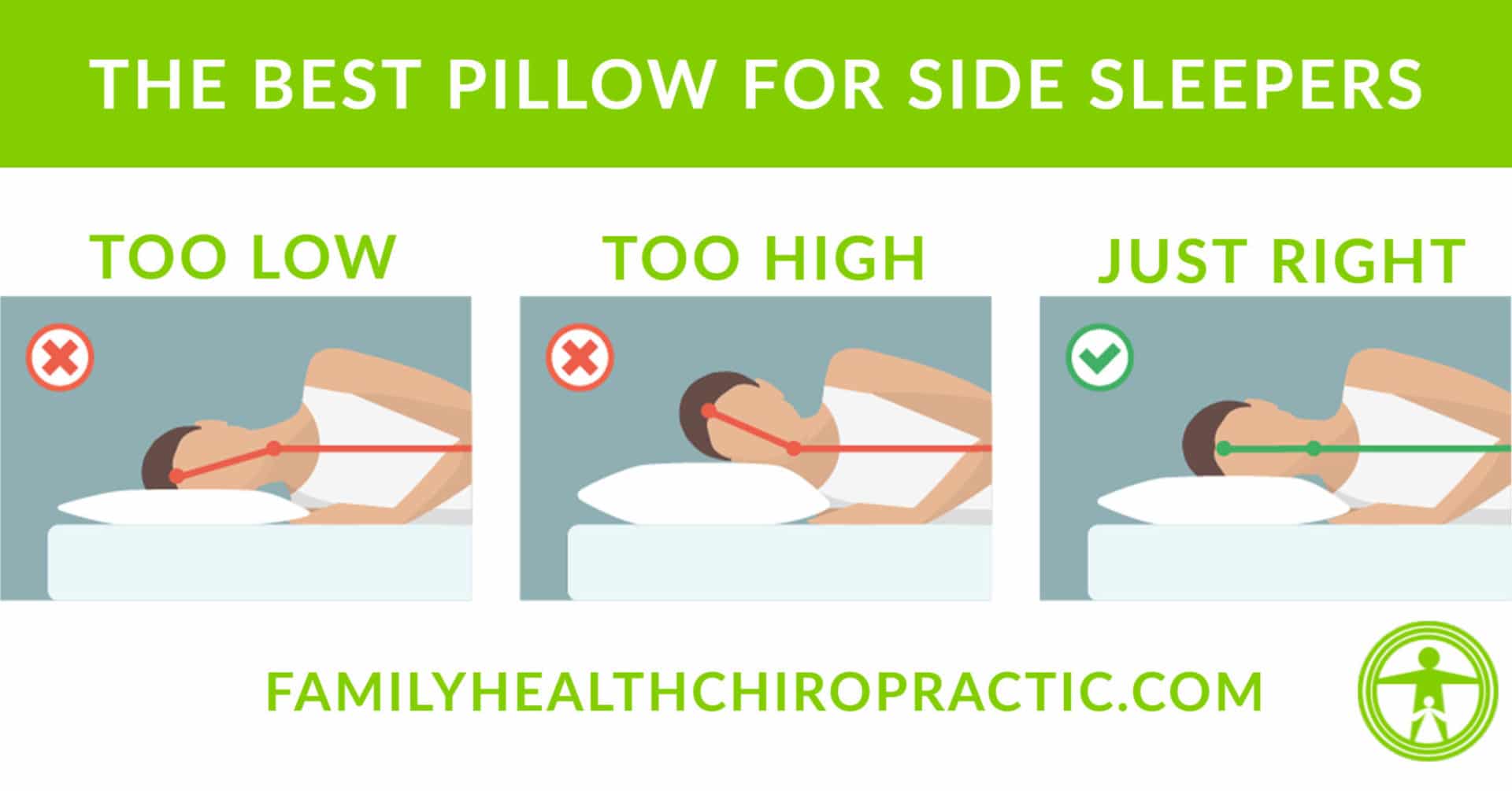
Best Pillow for Side Sleepers
If you sleep on your side with neck and shoulder pain, focus on pillow height and shape. Side sleeping is the most common position and is generally considered healthy – it tends to keep airways open and supports good circulation, which can help people with acid reflux or sleep apnea. Comfortable side sleeping depends on a mattress and bedding that adequately support the body.
For side sleepers, choose a pillow with a fuller shape – thicker and likely taller – that keeps the neck and spine aligned and fills the gap between the shoulder and head. It is best to avoid soft feather pillows here; they may feel fine at first, but the head tends to sink in over time, which can strain the neck. In short, a side sleeper’s pillow should:
- Be thick enough to fill the gap between the shoulder and head
- Be made of a denser material such as foam or heavier padding
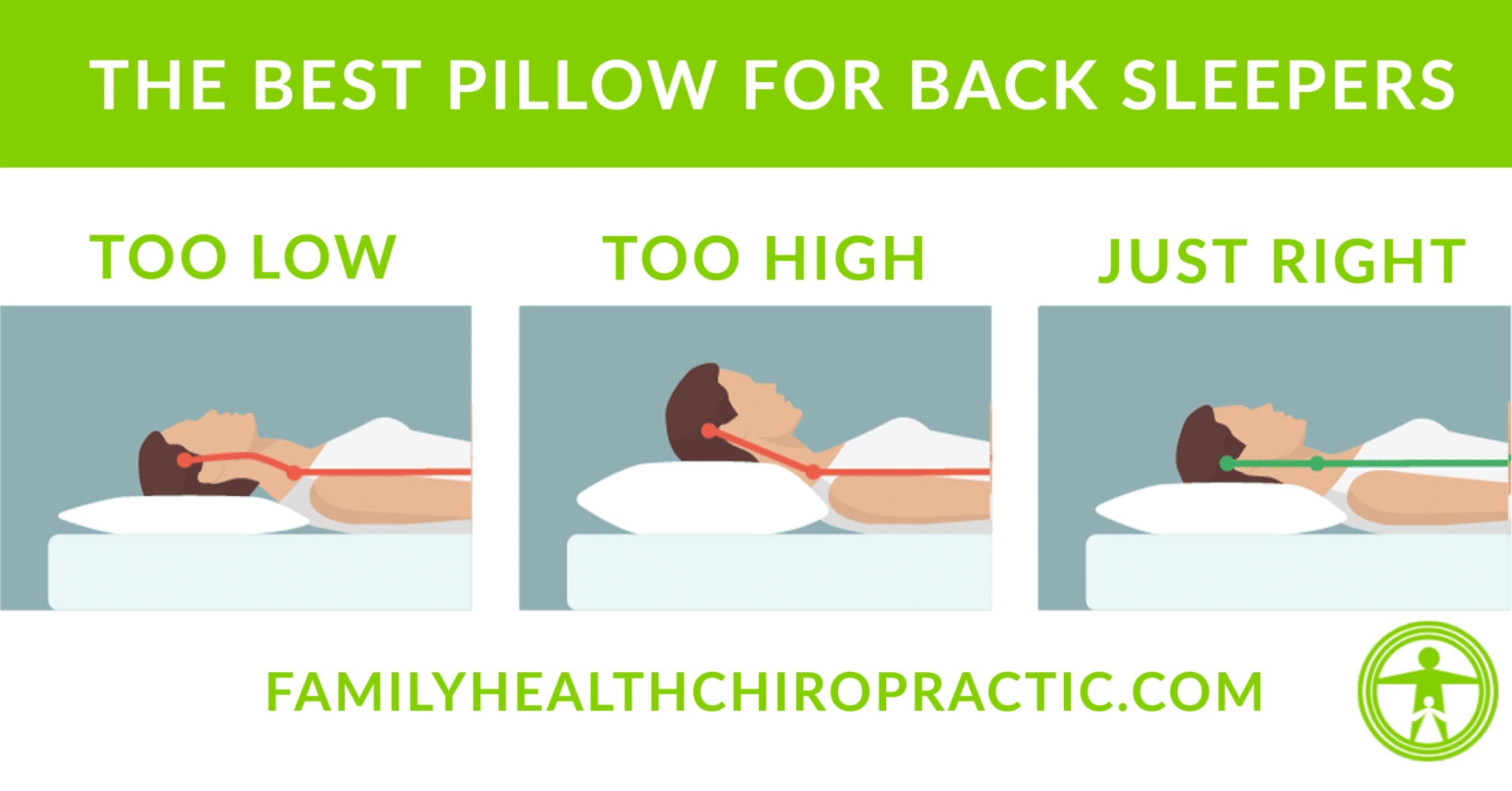
Best Pillow for Back Sleepers
Sleeping on your back lets the spine align naturally and distributes weight evenly. Sleep research suggests back sleepers tend to toss and turn less, often waking more rested. One caveat: back sleepers who are overweight may be more prone to snoring and sleep apnea, since the chin can tilt up and press the jaw back, narrowing the airway.
If you’re a back sleeper with neck pain, the most important quality is the right thickness. Avoid pillows that are too fluffy or that prop the head up artificially. A proper pillow keeps the head neutral – the opening of your ear should line up with your shoulder – while still supporting the neck. A feather pillow can work here, since you can bunch it under the neck without raising the head. In short, a back sleeper’s pillow should:
- Be softer and thinner behind the head
- Provide firmer support under the neck
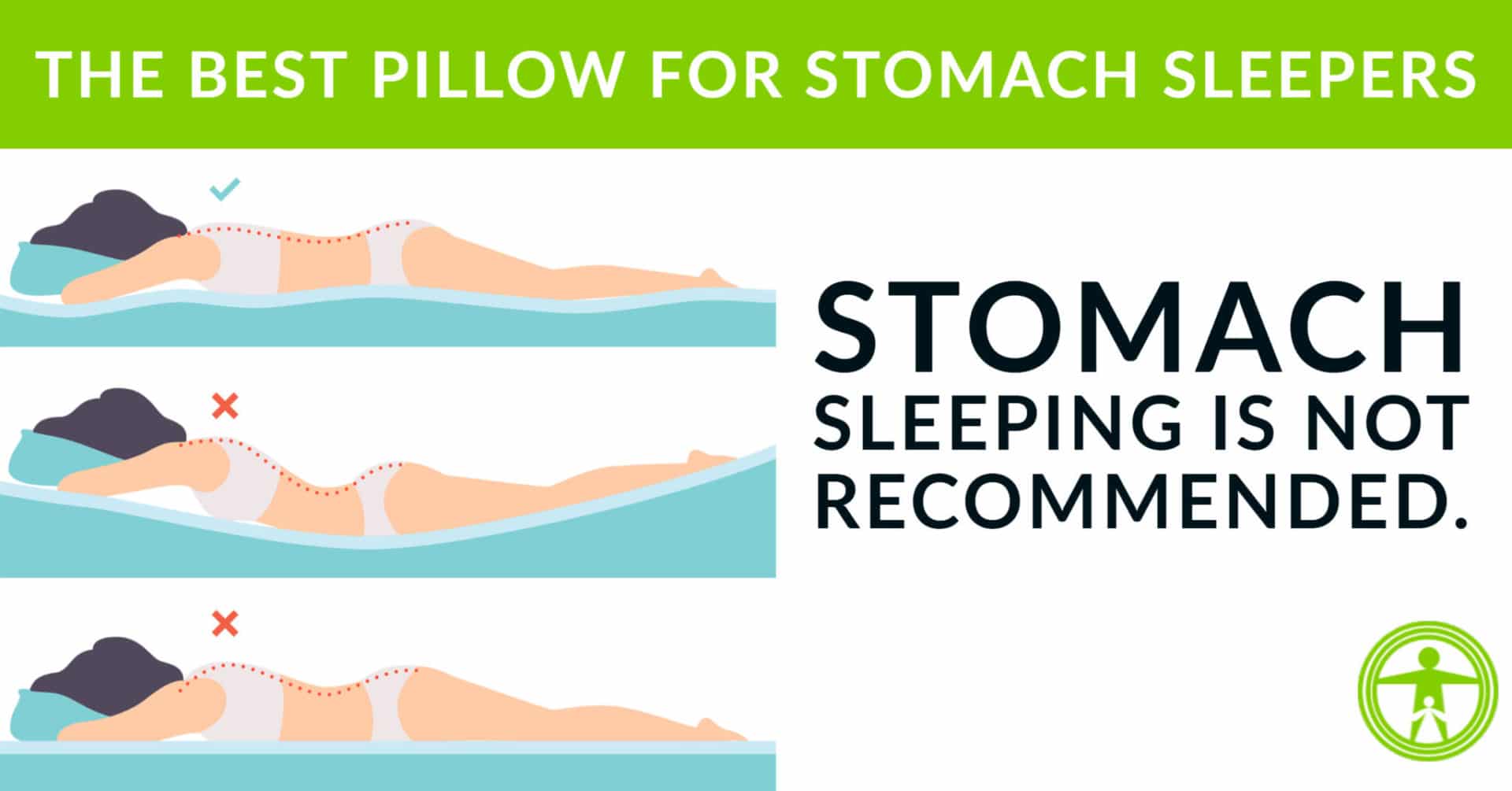
Best Pillow for Stomach Sleepers
Stomach sleeping generally isn’t recommended – it tends to strain the neck and puts the body in a compromised position. If you do sleep on your stomach, prioritize a setup that minimizes neck stress. Most pillows are too thick and push the head into an unnatural upward angle, so avoid tall pillows. The ideal choice is a thin pillow that slants downward toward the chin to keep the spine as aligned as possible while lying face down.
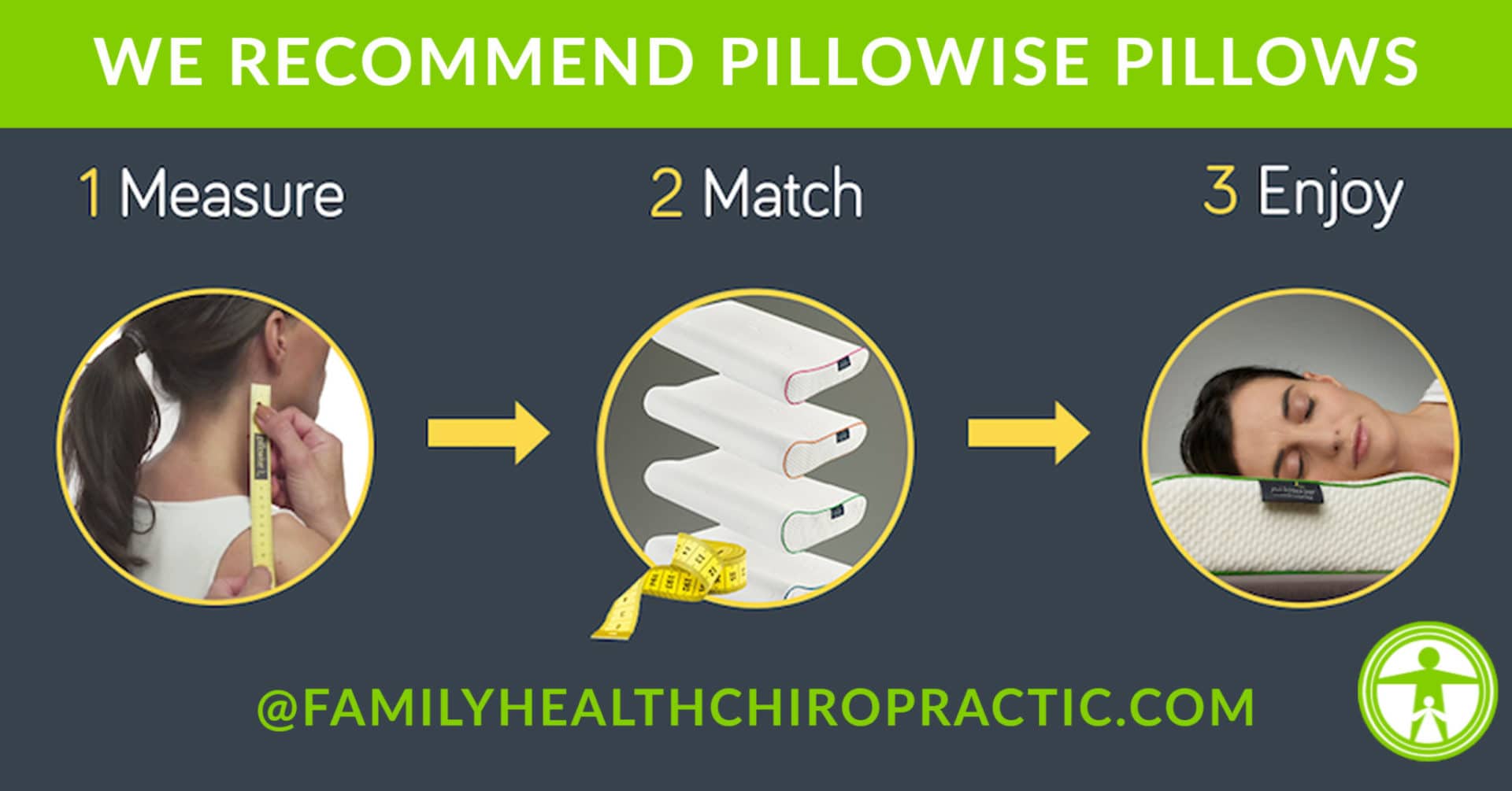
Choosing the Right Pillow for You
Honestly, there is no single best pillow that works across the board. The first step is to optimize your overall sleep habits. Beyond that, proper cervical support comes down to pillow thickness, shape and content – and because everyone is a different shape and size, generic small, medium and large categories often fall short.
The goal is support that is tailored as closely as possible to your individual dimensions. The pillow should be neither too high nor too low; one that matches the contours of your neck, feels comfortably soft and gives solid support will help your muscles relax and improve your rest. Several ergonomic pillow systems use measurements of your neck and shoulders to match you to the right size. Our office can help you find a properly fitted option if you’d like guidance choosing one.
READY TO FEEL BETTER?
Book Your Appointment Today
Same-week appointments are often available. Call 512-347-8881 or request a time online.
Ready to feel better?
If you are new to our office, learn what to expect on your first visit, or explore the conditions we treat.