

How Do Chiropractic Adjustments Work?
Each year, millions of people in the United States see chiropractors for relief from back pain, neck pain, headaches, and related musculoskeletal problems. Back and neck pain are remarkably common, affecting most adults at some point in life, and many choose chiropractic because it is a hands-on, drug-free approach. But what does a chiropractic adjustment actually do, and how does it work?
What Is a Chiropractic Adjustment?
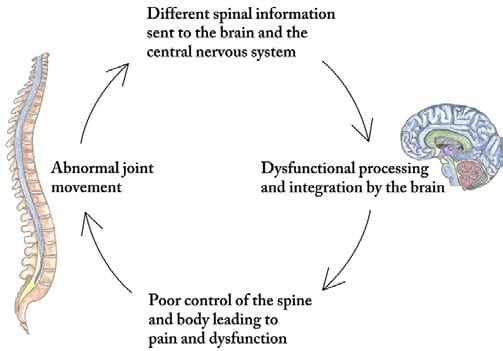
A chiropractic adjustment, also called spinal manipulation, is a controlled force applied to a joint of the spine, often producing the familiar popping sound as gas releases from the joint. The goal is to improve the movement of restricted or stiff joints, reduce pain, and ease the muscle guarding around them. It is best understood as a way to restore comfortable motion, not as a way to put bones that are dangerously out of place back in.
How Adjustments Help
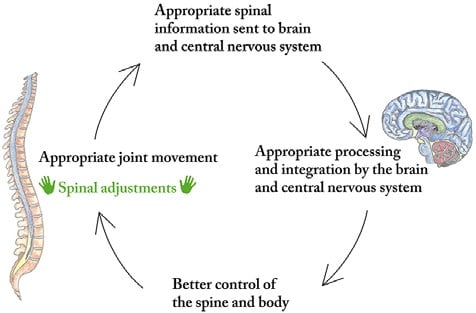
The most established benefits of chiropractic care are for musculoskeletal pain. Improving joint mobility and reducing muscle tension can relieve pain and help you move more freely. Leading guidelines support hands-on treatments like spinal manipulation, along with exercise and staying active, as reasonable first-line options for acute and chronic low back pain (Ann Intern Med, 2017; PMID 28192789).
- Reduced pain and stiffness in the back and neck
- Improved range of motion in restricted joints
- Less reliance on pain medication for some people
- Support for staying active, which aids recovery
Adjustments and the Nervous System
Over the past decade, several research groups have studied how spinal manipulation affects the nervous system. Some studies suggest adjustments can produce short-term changes in muscle reflexes and the way the brain communicates with muscles. This is a genuinely interesting and active area of research, but it is important to keep it in perspective: these studies are often small and measure short-term effects.
It is also important to be clear about what the evidence does not show. Claims that chiropractic adjustments reverse neurological diseases, clear brain lesions, or treat conditions like multiple sclerosis are not supported by research, and you should be cautious of anyone who makes them. Chiropractic care is a valuable tool for musculoskeletal health, not a cure for unrelated diseases.
A Conservative Option Before Surgery
For many people with back pain, conservative care is the sensible place to start. Major guidelines recommend trying non-invasive approaches, including manual therapy and exercise, before considering surgery for most non-emergency back pain (Ann Intern Med, 2017; PMID 28192789). Chiropractic care is not a guaranteed way to avoid surgery, but for the right person it can be an effective part of a conservative plan.
Part of a Team Approach
Chiropractic care works best as one part of your overall healthcare. Many chiropractors collaborate with medical doctors and other providers to help patients get out of pain and prevent future injuries. If your situation calls for a different specialist, a good chiropractor will help point you in the right direction.
Is Chiropractic Right for You?
If you are dealing with back pain, neck pain, headaches, or stiffness that limits your daily life, a chiropractic assessment can help determine whether hands-on care is a good fit. At Family Health Chiropractic in Austin, the focus is on relieving pain, restoring movement, and giving you a clear, honest plan grounded in what the evidence actually supports.
READY TO FEEL BETTER?
Book Your Appointment Today
Same-week appointments are often available. Call 512-347-8881 or request a time online.
Ready to feel better?
If you are new to our office, learn what to expect on your first visit, or see our full range of chiropractic services.