It Is Never Too Late to Lift Weights
Strength training is one of the most effective things older adults can do for their health, and it is almost never too late to start. We tend to accept frailty, weakness, and decline as inevitable parts of aging, but much of that decline reflects years of inactivity more than age itself. The body remains remarkably adaptable, and muscle responds to training at any age.
For every person who says their bones are simply old and weak, there is someone the same age doing exactly what they were told they could not. The difference is usually consistent activity, with strength training at its core.
Why Lifting Matters as We Age
Resistance training does more than build muscle. It helps preserve bone density, supports balance and mobility, and is associated with a lower risk of several chronic conditions. Regular resistance training is linked with a meaningfully lower risk of death from all causes (Am J Prev Med, 2022; PMID 35599175), and for older adults it is one of the most effective ways to counter the muscle loss of aging and maintain independence (J Cachexia Sarcopenia Muscle, 2023; PMID 37057640).
- Builds and preserves muscle, countering age-related loss (sarcopenia)
- Loads bone to help maintain density and reduce fracture risk
- Improves balance, mobility, and confidence in daily movement
- Supports healthy blood sugar, heart health, and body composition
- Improves sleep and mood
A position statement from the National Strength and Conditioning Association concluded that properly designed resistance training is safe and highly beneficial for older adults (J Strength Cond Res, 2019; PMID 31343601).
The Deadlift: A Standout Movement
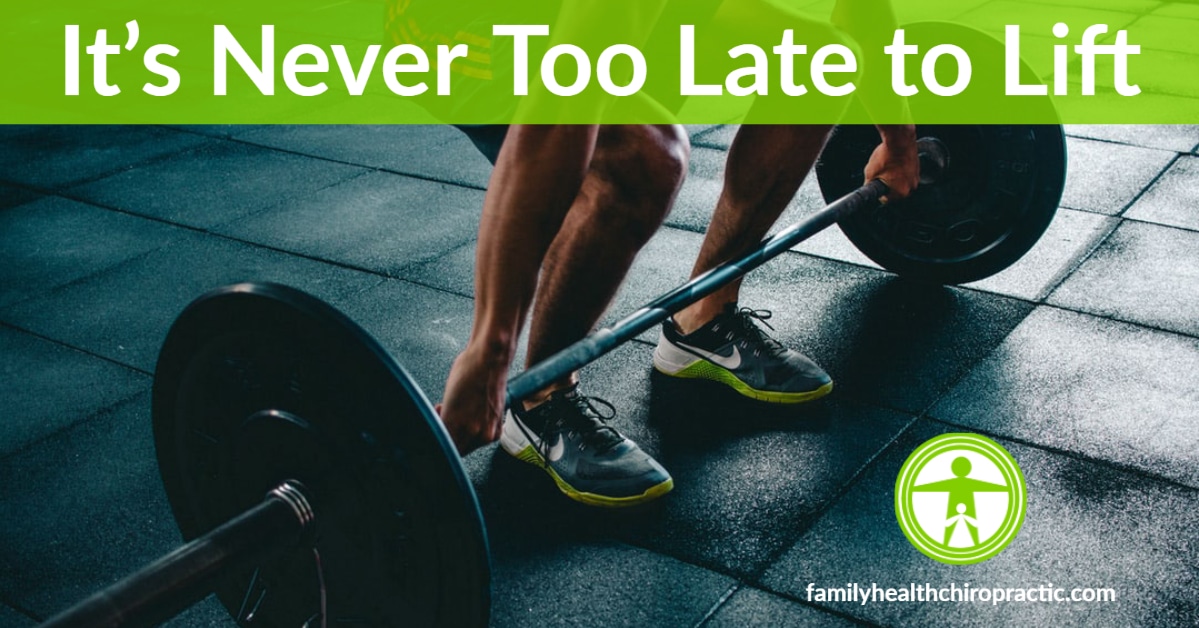
Among the many strength exercises available, the deadlift stands out because it trains the whole body in one functional movement. From a hinged position you grip a weighted bar and stand up tall, then lower it back down with control. It looks simple, but it builds the posterior chain (the glutes, hamstrings, and back) and the core, the muscles that power getting up, lifting, and staying stable.
Because picking things up off the ground is something we all do, the deadlift carries over directly to everyday life. Done with good technique and an appropriate load, it improves lower-body strength, power, balance, and stability. Form matters most, so starting light and learning the movement, ideally with coaching, is the smart approach.
How to Start Safely
- Begin with light loads or body-weight versions and prioritize good form
- Aim for at least two strength sessions per week, working the whole body
- Progress gradually by adding small amounts of weight over time
- Include movements you will use in daily life, such as squats, hinges, and carries
- Get guidance if you are new to lifting or have existing health conditions
How Chiropractic Care Can Help
Aches, stiffness, and old injuries are common reasons people avoid strength training, but they are usually manageable. A hands-on assessment can identify movement restrictions and help you train comfortably and safely. At Family Health Chiropractic in Austin, the goal is to keep you moving well so you can build strength and stay strong for the long run.
READY TO FEEL BETTER?
Book Your Appointment Today
Same-week appointments are often available. Call 512-347-8881 or request a time online.
Ready to feel better?
If you are new to our office, learn what to expect on your first visit, or see our full range of chiropractic services.