
Myths About Good and Bad Posture
Almost everyone has been told to sit up straight, stop slouching, or quit looking down at their phone. The moment someone mentions it, we snap into what we imagine is good posture: head up, shoulders back, stomach tight. A few minutes later we drift right back. It turns out that much of what we believe about good and bad posture is based more on tradition than on evidence.
This does not mean posture is irrelevant. It means our approach to it is often wrong, and that the fear of imperfect posture can cause more trouble than the posture itself.
Myth: There Is One Correct Posture
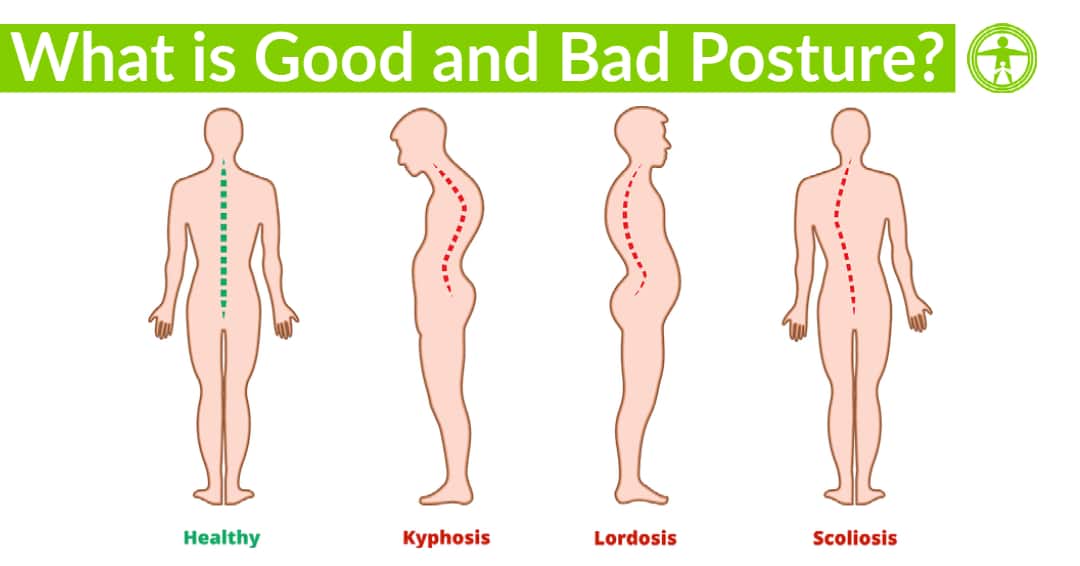
The idea that there is a single ideal posture you should hold all day does not hold up. Bodies are built to move and vary their positions, and a posture that feels fine for one person can feel uncomfortable for another. Large reviews of the research have found no consensus that any particular spinal posture causes back pain (J Biomech, 2020; PMID 31451200). In other words, there is no proven perfect alignment that everyone must maintain.
A more useful way to think about posture is whether it is efficient or inefficient. Efficient posture lets you move freely and shift positions easily. Inefficient posture is one you get stuck in, where you stop moving and lose comfortable range of motion.
Myth: Slouching Will Damage Your Spine
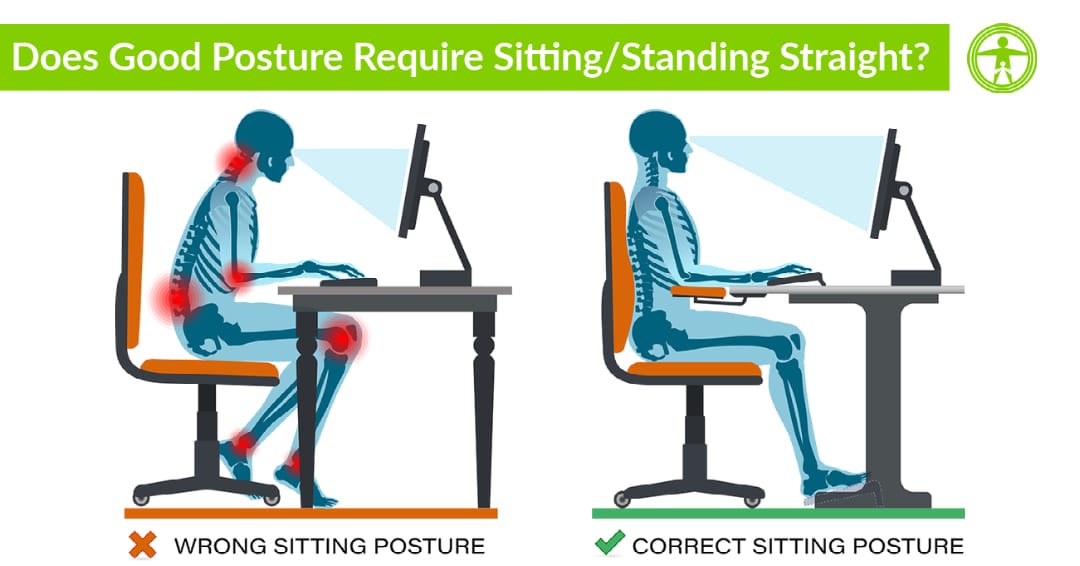
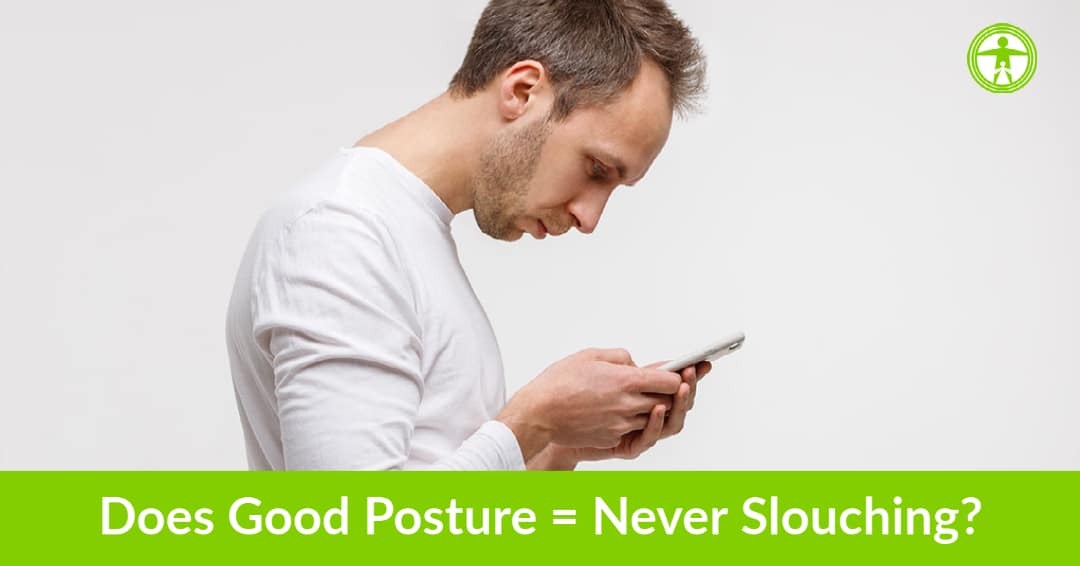
Slouching now and then is not an injury waiting to happen. Your spine is strong and adaptable, and brief periods in relaxed or rounded positions are completely normal. The same applies to so-called text neck. Despite the popular worry, the research linking phone use posture to lasting neck damage is mixed and far from conclusive (Spine, 2021; PMID 33290371).
What does tend to cause discomfort is staying in any one position for too long, whether that position looks tidy or not. The problem is usually stillness, not shape.
Myth: Good Posture Means Constant Effort
If holding good posture takes constant muscular effort, it is not sustainable, and that is a clue the goal itself is flawed. Rigidly bracing into a fixed upright pose can create its own tension and fatigue. Comfortable, varied positions that you can hold without strain are far more practical than a pose you have to force.
What Actually Helps
Rather than chasing perfect posture, focus on movement and variety:
- Change positions often. The best posture is frequently your next one
- Take regular movement breaks during long periods of sitting or screen time
- Build general strength and mobility so a range of positions feels comfortable
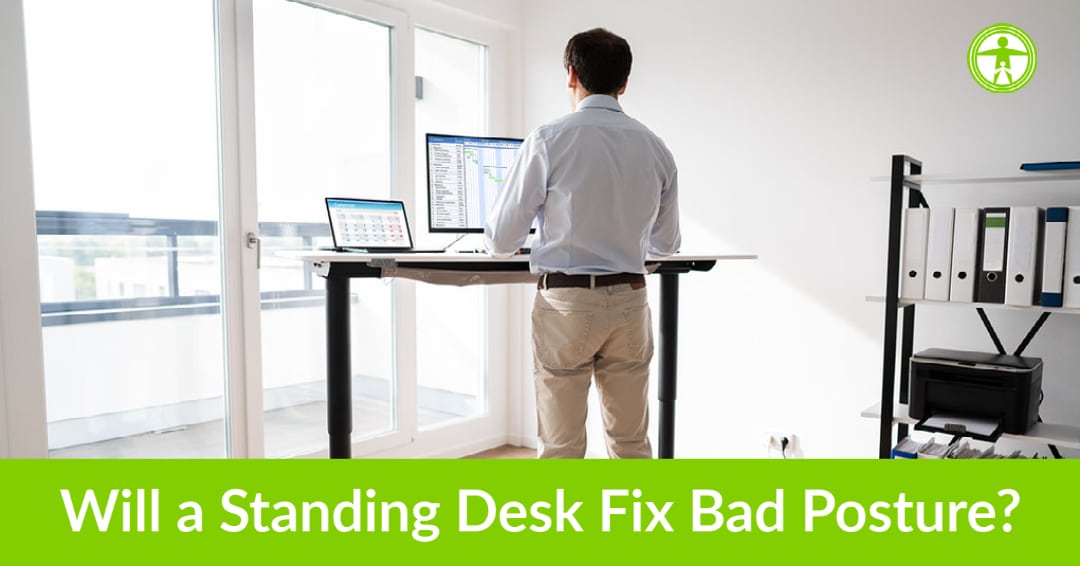
- Set up your workspace so you are not forced into one fixed position for hours
- Stay active overall, since fitness supports a resilient, adaptable spine
How Chiropractic Care Can Help
If stiffness, restricted movement, or pain is making certain positions uncomfortable, chiropractic care can help restore comfortable motion and guide a strengthening and mobility plan. The aim is not to lock you into one perfect posture, but to help you move well and shift positions freely. At Family Health Chiropractic in Austin, the focus is on building a body that moves easily rather than one frozen in a pose.
READY TO FEEL BETTER?
Book Your Appointment Today
Same-week appointments are often available. Call 512-347-8881 or request a time online.
Ready to feel better?
If you are new to our office, learn what to expect on your first visit, or see our full range of chiropractic services.