

3 Steps to Troubleshooting Back Pain
Back pain is one of the most common reasons people miss work or visit a healthcare provider, and most of us will experience it at some point. The good news is that the large majority of back pain episodes are not dangerous and improve over time. When a flare-up hits, it helps to have a simple plan. Here are three practical steps for troubleshooting back pain, grounded in current clinical guidelines.
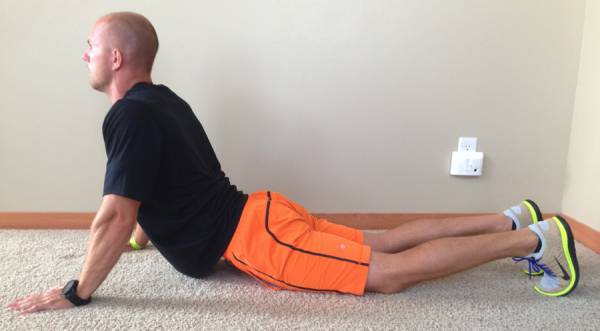
Step 1: Keep Moving Instead of Resting in Bed
The old advice to lie down and wait it out has been overturned by the evidence. A Cochrane review found that advice to stay active leads to better outcomes than advice to rest in bed for acute low back pain (Cochrane Database of Systematic Reviews, 2010, PMID 20556780). Prolonged bed rest can actually stiffen the back and slow recovery. The American College of Physicians guideline likewise emphasizes staying active and using non-drug approaches first (Annals of Internal Medicine, 2017, PMID 28192789).
Practical ways to stay gently active include:
- Continue your normal daily activities as much as your pain reasonably allows.
- Take short, frequent walks rather than sitting for long stretches.
- Change positions often and avoid staying in one posture too long.
- Ease back into movement gradually rather than pushing through sharp pain.
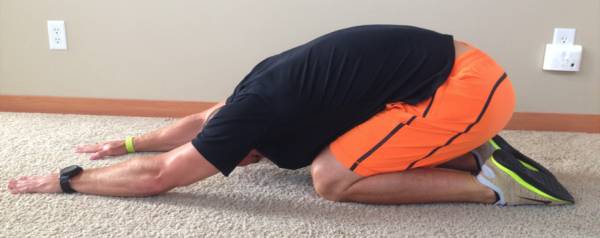
Step 2: Use Simple Self-Care for Relief
While your body recovers, a few low-risk measures can make you more comfortable. A Cochrane review found moderate evidence that superficial heat reduces pain and disability in acute and subacute low back pain (Cochrane Database of Systematic Reviews, 2006, PMID 16437495). The ACP guideline recommends starting with non-drug options such as heat, and reserving medication for when it is needed (Annals of Internal Medicine, 2017, PMID 28192789).
- Apply a heating pad or warm wrap to the sore area for short sessions.
- Use gentle stretching and movement within a comfortable range.
- Pay attention to sleep position and supportive seating during the day.
- If you use over-the-counter pain relievers, follow the label and check with a pharmacist or provider about what is appropriate for you.

Step 3: Know When to Get Professional Help
Most back pain settles within a few weeks, but some signs warrant prompt medical attention. Seek care quickly if your back pain comes with any of the following warning signs:
- Loss of bladder or bowel control, or numbness around the groin or inner thighs.
- Progressive weakness, numbness, or tingling in a leg or foot.
- Pain following a significant fall, accident, or trauma.
- Fever, unexplained weight loss, or pain that is constant and worse at night.
- Pain that is severe, steadily worsening, or not improving after a few weeks.
If none of those red flags are present but the pain lingers or keeps returning, it is reasonable to see a qualified provider. For acute low back pain, spinal manipulation is one of the options associated with modest improvements in pain and function (JAMA, 2017, PMID 28399251). A thorough evaluation can identify contributing factors, rule out anything serious, and guide a plan that gets you moving comfortably again.

The Bottom Line
When back pain strikes, keep moving rather than retreating to bed, use simple measures like heat for relief, and watch for the warning signs that call for professional care. This straightforward approach reflects what current guidelines recommend and helps most people recover. If you are dealing with persistent or recurring back pain, talk with a qualified healthcare provider about an individualized plan.
READY TO FEEL BETTER?
Book Your Appointment Today
Same-week appointments are often available. Call 512-347-8881 or request a time online.
Ready to feel better?
If you are new to our office, learn what to expect on your first visit, or see our full range of chiropractic services.