The Destructive Impact of Bad Posture
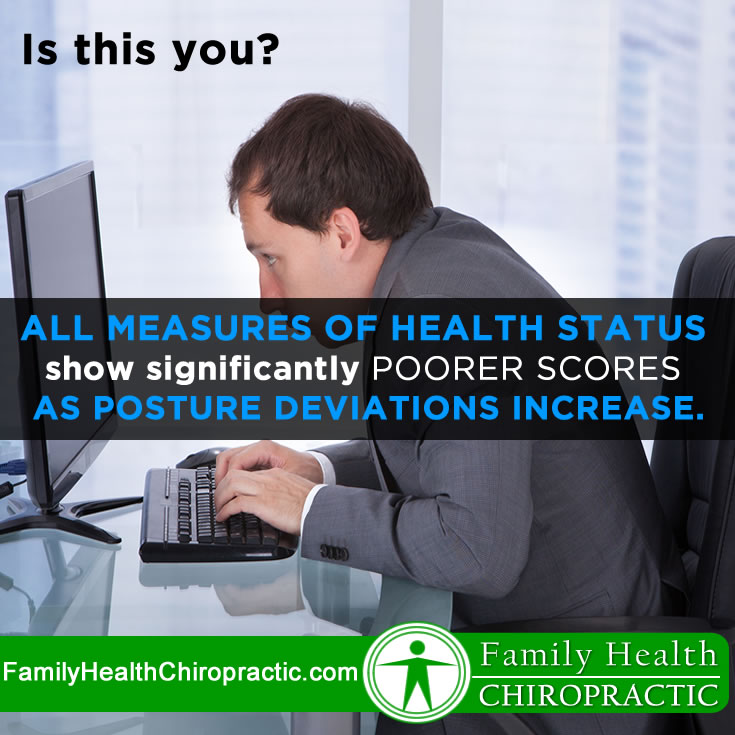
Posture is easy to overlook, but research suggests it has a real impact on how you feel and function. Work led by Dr. Steven Glassman and colleagues, published in the journal Spine, examined spinal alignment in adults using full-spine imaging from the side view and found that positive sagittal balance (the upper spine sitting forward of the pelvis) was a significant predictor of worse pain, function, and self-reported health (Glassman et al., Spine 2005, PMID 15770185).
The pattern was consistent: as posture drifted further forward, measures of self-reported health, pain, and disability tended to worsen. In other words, the more the spine moved out of balanced alignment, the more it was associated with reduced function and quality of life, and even relatively modest forward posture was linked to poorer scores.
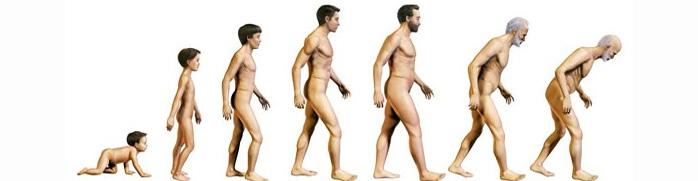
Posture changes can also track with longer-term health. A prospective study of older adults found that those with a markedly hunched, hyperkyphotic posture had higher mortality rates over the follow-up period (Kado et al., Journal of the American Geriatrics Society 2004, PMID 15450042). This does not mean posture alone causes poor health, but it does suggest that how the spine ages is a meaningful marker of overall wellbeing.
This is one reason chiropractors pay close attention to posture and spinal motion. By helping restore movement and alignment, the goal is to support how the body senses and balances itself against gravity. Good posture is not just about appearance; it is part of how well your body works day to day.
What Negatively Affects Your Posture
1. Muscle Imbalance
This is one of the most common reasons for poor posture. When opposing muscles have unequal tone, the joint they control shifts position. Multiply that across many muscle groups and the effect on overall posture can be significant. Targeted exercise and rehabilitation can help rebalance these patterns.
2. Lack of Exercise
Modern life is far more sedentary than the active lives our bodies evolved for. We need regular movement to keep muscles toned and strong enough to hold us in good alignment. Without it, muscle weakness can gradually lead to posture breakdown.
3. Prolonged Sitting and Immobility
Sitting for long, unbroken stretches is hard on the body, and a sedentary lifestyle is associated with higher risks for several chronic conditions. The issue is not sitting itself so much as staying in one position for hours on end. If your work involves a lot of sitting, break it up often, stand when you can, and move regularly throughout the day.
4. Sitting Posture
If you are going to sit, sit up. Slouching places significant load on the spine and increases stress on the joints, muscles, and discs, and over time can contribute to discomfort and breathing, digestive, or circulatory strain. Sitting tall and taking frequent breaks makes a real difference.
5. Repetitive Motions
We are built to move in varied ways, not to repeat the same motion all day. Constant twisting on an assembly line, bending to shovel, or kneeling to lay tile can wear on the body over time. A simple rule is to keep your movement varied and novel. When was the last time you did something completely different, like climbing a tree?
6. Pain, Injury, and Muscle Guarding
After an injury, your body adapts and shifts your normal posture to protect the area. That is helpful in the short term, but if those compensations linger after the injury heals, they can set you up for future problems. A key part of good rehabilitation is restoring normal function, not just relieving pain.
7. Poor Nutrition
Your muscles and nervous system need good fuel to support you. Aim for a balanced diet built around fresh produce, with quality protein and healthy fats at each meal. Favor vegetables and fruit over refined grains, include good fats like olive oil, coconut, nuts, and avocado, and limit heavily processed foods.
8. Extra Weight
Excess body weight is rarely distributed evenly, which can shift your center of gravity and alter your posture. It also adds load to your joints, which can increase the likelihood of injury and wear over time.
9. Genetics and Age
Some people have a family history of conditions like scoliosis or exaggerated spinal curves. If that applies to you, it is worth being mindful of posture early and building good habits. Maintaining posture also becomes more challenging with age, so establishing a strong foundation early pays off over the years.
10. Foot Mechanics, Footwear, and Carrying Habits
Biomechanical issues in the legs and feet, such as ankle pronation or collapsing arches, can affect your whole posture, so supportive footwear matters. If you suspect a foot or arch problem, a podiatrist can help. Carrying asymmetric loads also takes a toll, so avoid consistently slinging a heavy bag over one shoulder.
The Takeaway
Posture is shaped by many factors, from how much you move to how you sit, eat, and carry yourself. The good news is that most of these are within your control. Small, consistent habits, regular movement, and addressing imbalances can go a long way toward supporting healthy posture and how you feel overall.
Reference: Glassman S, Bridwell K, Berven S, Horton W, Schwab F. The Impact of Positive Sagittal Balance in Adult Spinal Deformity. Spine. 2005.
READY TO FEEL BETTER?
Book Your Appointment Today
Same-week appointments are often available. Call 512-347-8881 or request a time online.
Ready to feel better?
If you are new to our office, learn what to expect on your first visit, or see our full range of chiropractic services.