Do Not Sit With Back Pain: Why Sitting Makes It Worse
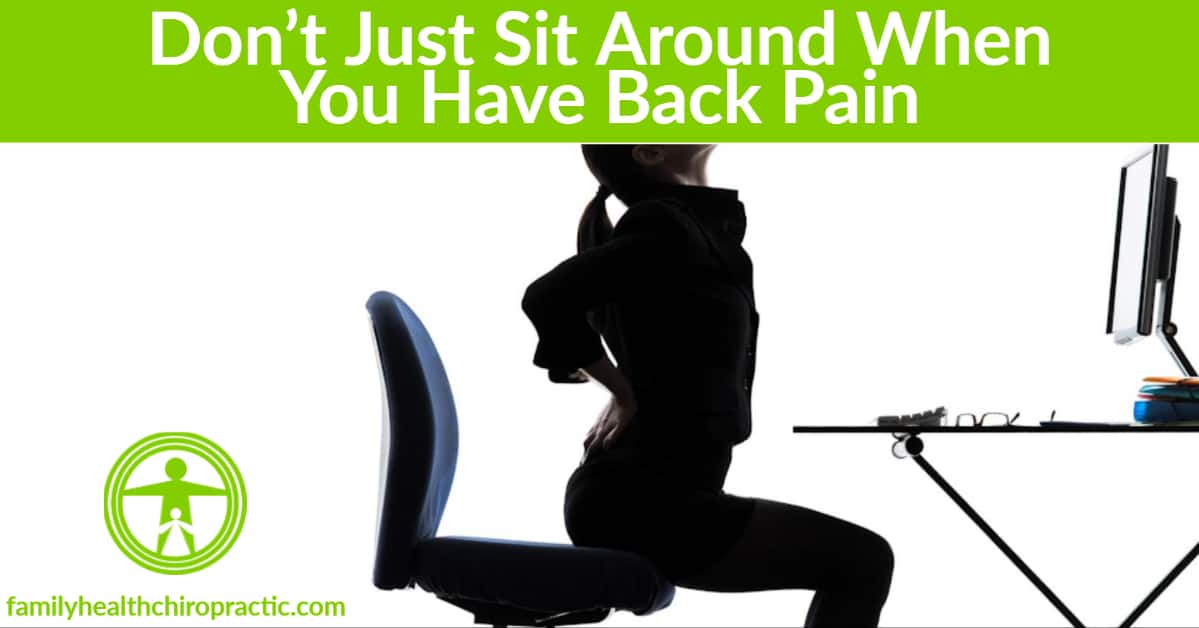
Sitting feels like a way to rest, but if you already have back pain, long periods of sitting can make it worse rather than better. For certain spine conditions, the seated position increases stress on the structures of the lower back, which is why so many people notice their pain flares after a long stretch at a desk or in the car.
Why Sitting Can Aggravate Back Pain
Classic studies that measured pressure inside the spinal discs found a clear pattern: disc pressure is lowest when you are lying down, higher when standing, and highest when you are sitting, especially when slumped forward. Staying in that loaded position for hours, day after day, gives sensitive discs and joints little relief. Over time, prolonged sedentary behavior is associated with a worse course of low back pain (Spine J, 2023; PMID 36948275).
When a disc bulges and irritates a nearby nerve, pain can travel down the leg, the symptom known as sciatica. Interestingly, some conditions behave differently. With spinal stenosis or arthritis, leaning forward slightly can open up the spaces in the spine and temporarily ease pain, which is why some people feel better leaning on a shopping cart.
Move, Do Not Just Rest
The instinct to lie down and wait it out is understandable, but for most back pain, gentle movement beats prolonged rest. Breaking up sitting and changing positions regularly keeps the back happier than staying frozen in any one posture.
Try Back Extensions First
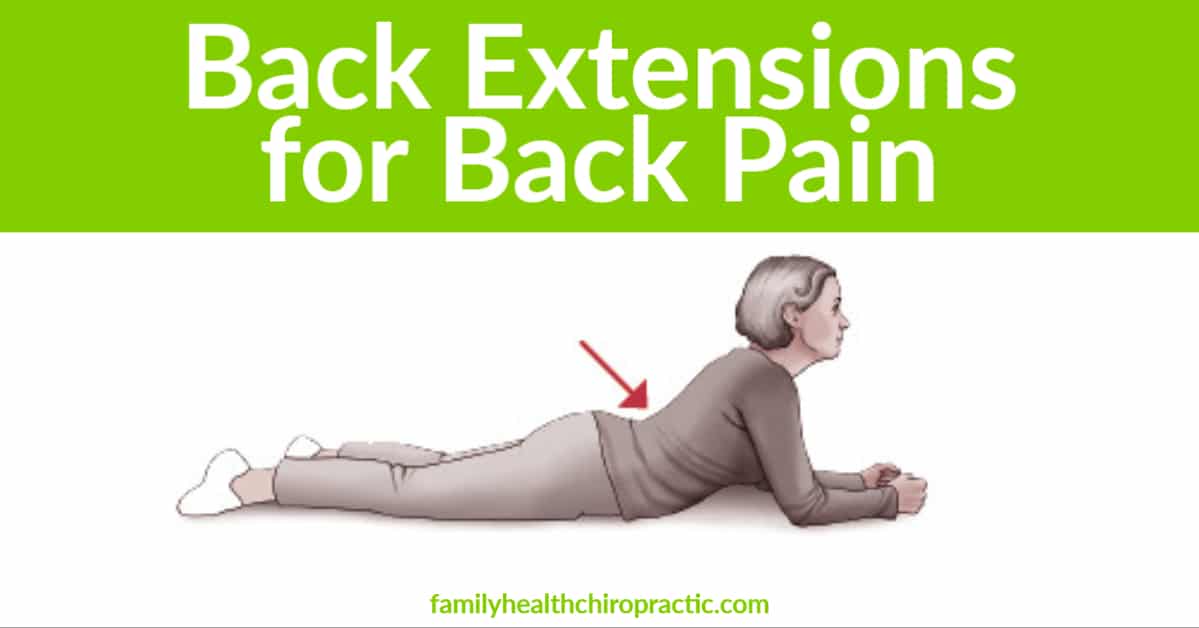
For many people with sitting-related back pain, gentle back extensions help. Lie face down and prop yourself up on your forearms, or if comfortable, press up onto your hands so your back gently arches, holding briefly before lowering. A common approach is to repeat this around 10 to 15 times, a few times throughout the day, while temporarily avoiding forward-bending movements. Give it a few days to judge whether it helps.
If Extensions Do Not Help, Try Flexion
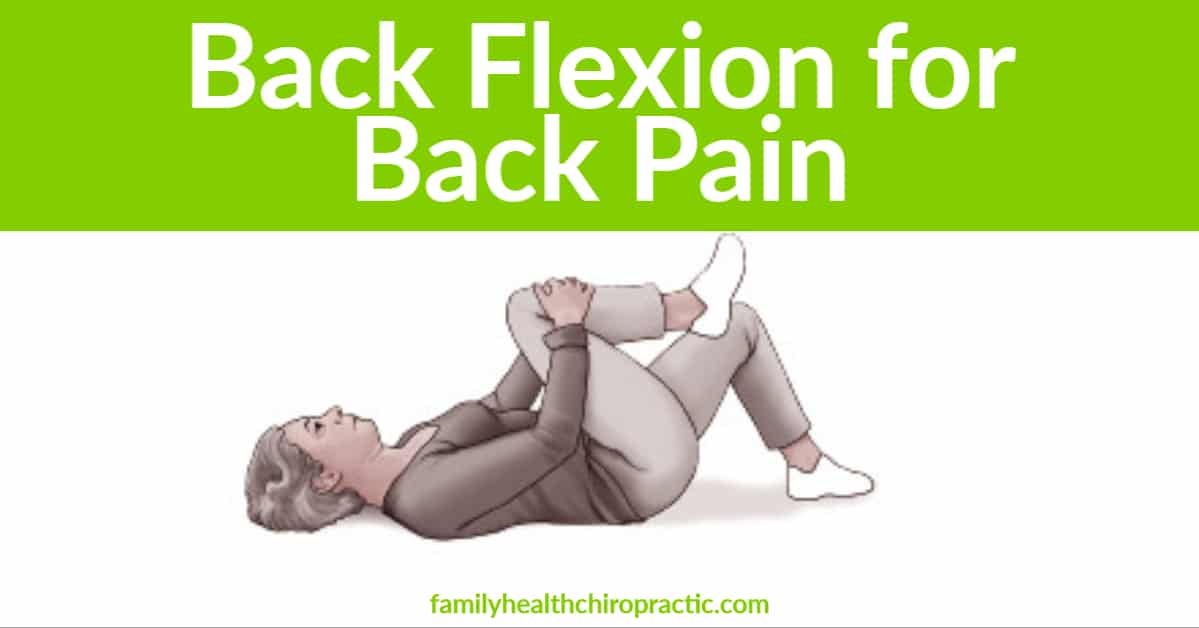
If extensions do not ease your pain after a few consistent days, the opposite movement may suit you better. Lie on your back with knees bent and gently draw one knee, then both, toward your chest, holding briefly. People generally respond to one direction or the other, so it helps to focus on whichever reduces your symptoms rather than mixing both.
Practical Tips for Sitting
- Stand up and move at least every 30 to 60 minutes
- Support the natural curve of your lower back, and avoid prolonged slumping
- Alternate positions through the day rather than holding one posture
- Build in short walks to offload the spine and get it moving
When to Get Checked
Most back pain can be managed with activity modification and gentle exercise, and many episodes improve over four to six weeks. See a doctor if your pain is not improving after a week or two of sensible self-care, and seek care right away for severe pain, leg weakness, or any loss of bladder or bowel control.
At Family Health Chiropractic in Austin, care can identify which movements suit your back and build a practical plan to keep you moving comfortably, whether you are at a desk all day or on your feet.
READY TO FEEL BETTER?
Book Your Appointment Today
Same-week appointments are often available. Call 512-347-8881 or request a time online.
Ready to feel better?
If you are new to our office, learn what to expect on your first visit, or see our full range of chiropractic services.