How to Find Relief From Cluster Headaches
Cluster headaches have been described as some of the worst pain known to medicine. Sufferers often describe a burning, stabbing sensation behind or around one eye – so severe that there’s little to do during an attack but wait it out. Women who have experienced both have compared the pain to labor, and many men call it the worst pain they’ve ever felt.
Cluster headaches involve intense, relentless pain in or around one eye on one side of the head. They can be confused with migraines, but there’s a key difference: they occur in patterns. Attacks come in cluster periods – stretches of frequent attacks that typically last six to 12 weeks – usually followed by remission, when there are no symptoms for months or even years. Although the pain is severe, these headaches are relatively rare, and symptoms can often be reduced with a mix of conventional and natural approaches.
The Difference Between Cluster and Migraine Headaches
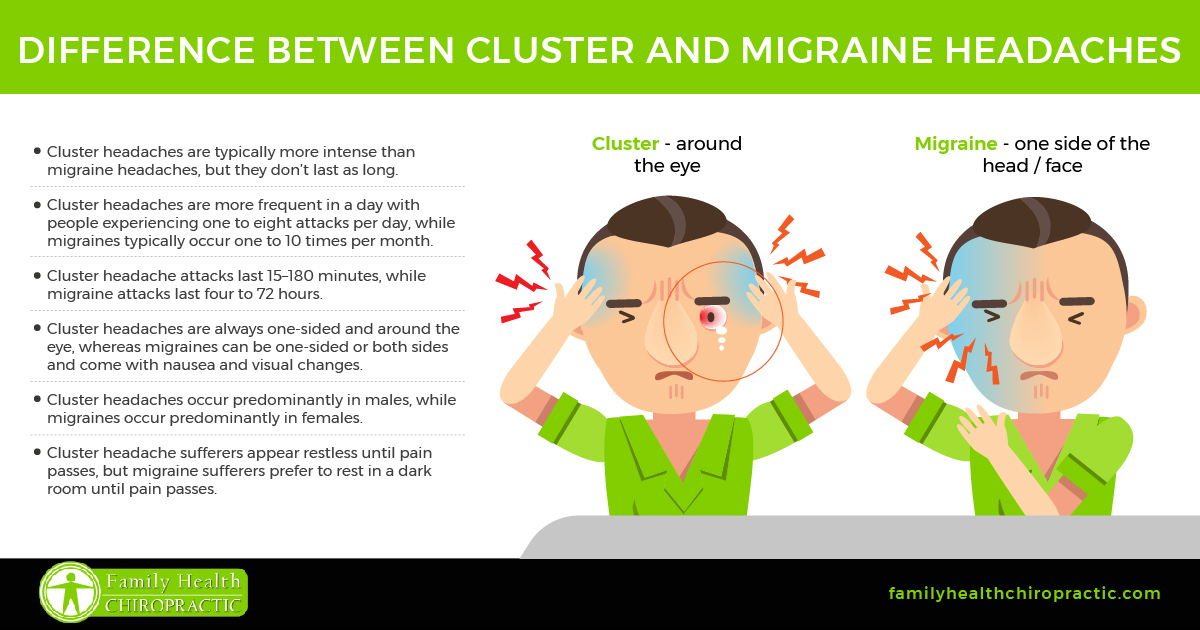
Cluster headaches are debilitating enough that they’re sometimes difficult to distinguish from migraines, but several features set them apart:
- Cluster headaches are typically more intense than migraines, but they don’t last as long.
- Cluster headaches occur more often in a day – one to eight attacks – while migraines typically occur one to 10 times per month.
- Cluster attacks last 15-180 minutes; migraine attacks last 4 to 72 hours.
- Cluster headaches are always one-sided and centered around the eye, while migraines can be one- or two-sided and often involve nausea and visual changes.
- Cluster headaches occur predominantly in men; migraines occur predominantly in women.
- People with cluster headaches tend to be restless until the pain passes, while migraine sufferers usually prefer to rest in a dark, quiet room.
What Causes Cluster Headaches?
No one knows for certain, and because cluster headaches are rare, there’s less research to draw on. They occur predominantly in men (roughly a 9:1 ratio), usually begin between the ages of 20 and 50, and tend to be more common in smokers.
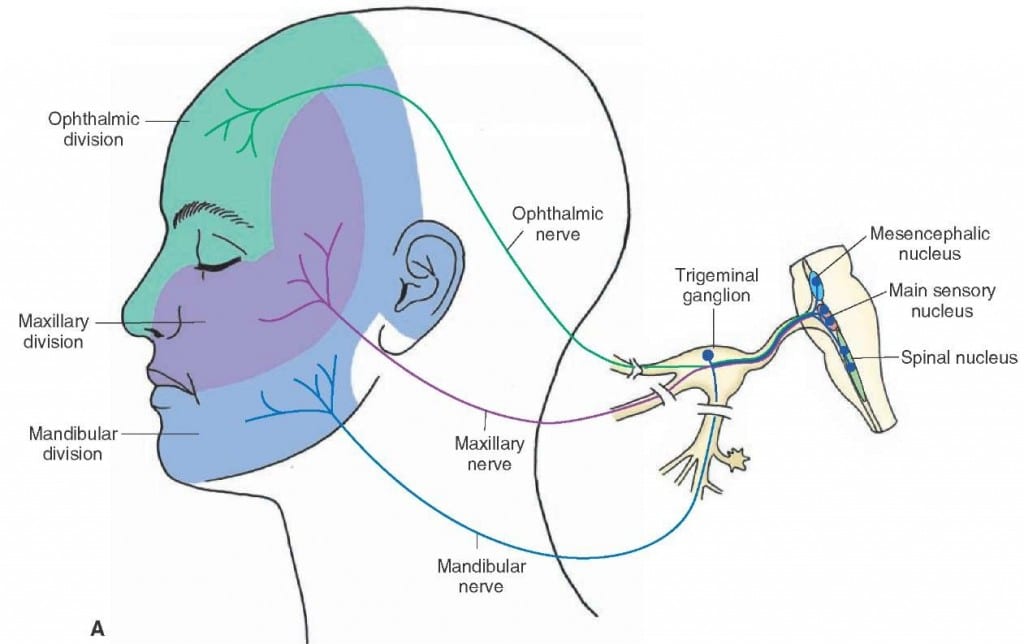
It’s currently accepted that the headache occurs when a nerve pathway at the base of the brain – the trigeminal autonomic reflex pathway – is activated. The trigeminal nerve governs sensation in the face, so when activated it produces the eye pain that is the hallmark of cluster headaches, and it can trigger related symptoms such as eye tearing and redness, nasal congestion, and discharge.
Cluster headaches are not caused by an underlying brain condition like a tumor or aneurysm, but they do appear to involve the hypothalamus, the region that governs functions such as temperature, thirst, hunger, sleep, mood, and hormone release. A 2013 study in China found significantly increased functional connectivity to the right hypothalamus during attacks compared to between attacks, concluding that cluster headache patients have altered connectivity in brain regions related to pain processing. Cluster headaches are sometimes mistaken for allergies because they often appear in spring and fall, which further suggests a hypothalamic role.
Natural Approaches for Cluster Headaches
Alongside conventional medical treatment, several lifestyle and nutritional strategies may help reduce the frequency or severity of attacks. Always discuss new supplements or major changes with your healthcare provider, especially if you are already being treated for cluster headaches.
Optimize Your Sleep Schedule
Good sleep hygiene supports overall health and may specifically help with cluster headaches. Cluster periods can begin when your normal sleep routine changes, so staying consistent helps.
Avoid Alcohol and Tobacco
Both alcohol and tobacco can increase the frequency of cluster headache attacks. If you suffer from cluster headaches, it’s best to avoid them, particularly during a cluster period.
Practice Deep Breathing
Deep breathing brings more oxygen to the brain, which can provide relief during an attack. This is part of why yoga – which combines movement and breath work – can be helpful for headache sufferers.
Get Outdoors
Many people with cluster headaches find relief from oxygen during an attack. Getting outside and taking slow, deep breaths of fresh air is a simple, natural way to do this.
Magnesium
People with cluster headaches can have low blood levels of magnesium, and a deficiency may make attacks more painful. Magnesium-rich foods such as spinach, chard, pumpkin seeds, yogurt, almonds, black beans, avocado, and bananas can help. Because magnesium supplements have an upper safe limit and can interact with other conditions and medications, talk with your provider about an appropriate dose for you rather than self-prescribing a high amount.
Vitamin B2 (Riboflavin)
Vitamin B2 may help decrease the severity and frequency of cluster headaches. It acts as an antioxidant and supports healthy blood cells and energy levels. In a 2004 study published in the European Journal of Neurology, patients who took 400 mg of vitamin B2 per day experienced fewer headache attacks than before supplementation.
Melatonin
Melatonin is sometimes used as an add-on therapy for people whose cluster headaches aren’t fully relieved by conventional treatment. Some studies have found it can help reduce episodic cluster attacks, and it may work best when started before the cluster period begins.
Because cluster headaches are so severe, it’s important to work with a healthcare provider on a treatment plan. The strategies above can complement – but not replace – appropriate medical care.
READY TO FEEL BETTER?
Book Your Appointment Today
Same-week appointments are often available. Call 512-347-8881 or request a time online.
Ready to feel better?
If you are new to our office, learn what to expect on your first visit, or explore the conditions we treat.