Urinary Incontinence: Symptoms, Causes, and Treatment
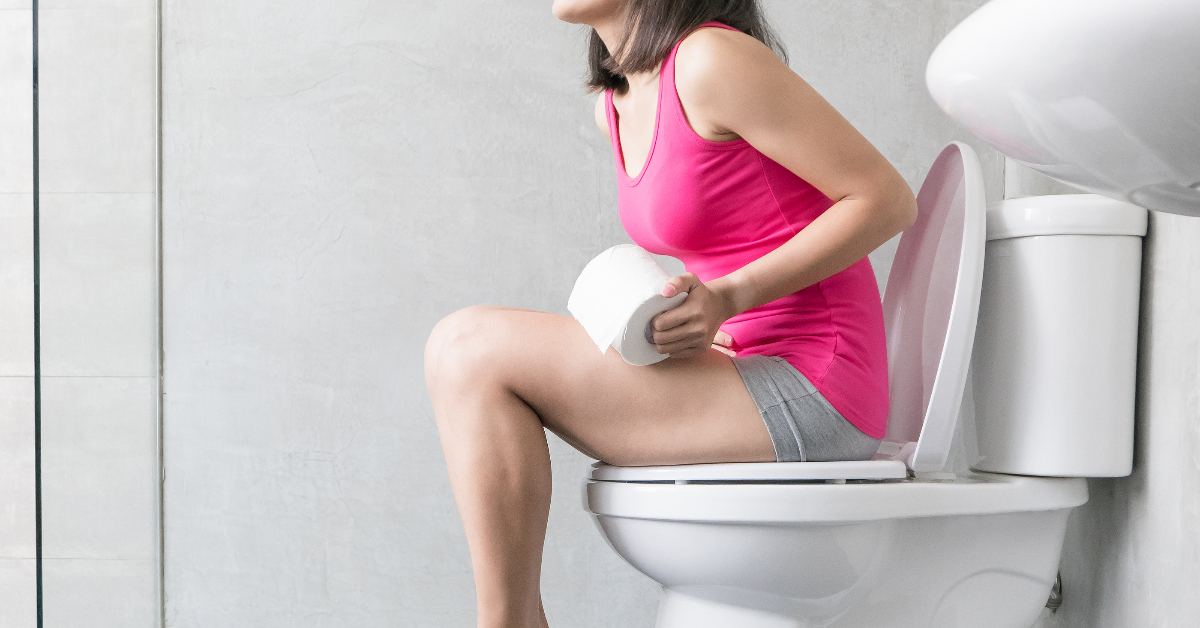
Urinary incontinence is the unintentional loss of bladder control, ranging from a small leak when you cough or sneeze to a sudden, overwhelming urge that is hard to control. It is very common, especially in women and with age, and although many people feel embarrassed to bring it up, it is a medical problem with effective treatments. For many, simple changes can reduce or even resolve it.
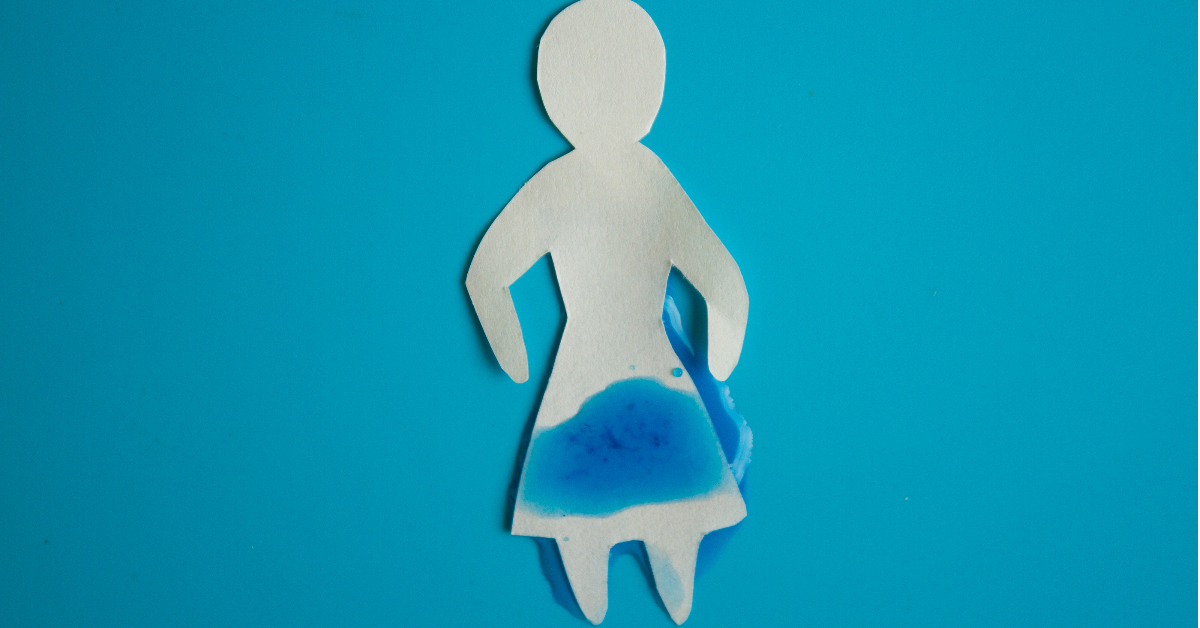
Types of Urinary Incontinence
The pattern of leaking usually points to the type:
- Stress incontinence: urine leaks when pressure rises in the abdomen, such as coughing, sneezing, laughing, or lifting
- Urge incontinence: a sudden, intense need to urinate followed by involuntary leakage, sometimes from infection, a neurologic condition, or diabetes
- Overflow incontinence: frequent dribbling because the bladder does not empty completely
- Functional incontinence: a physical or mental impairment makes it hard to reach the toilet in time
Common Causes
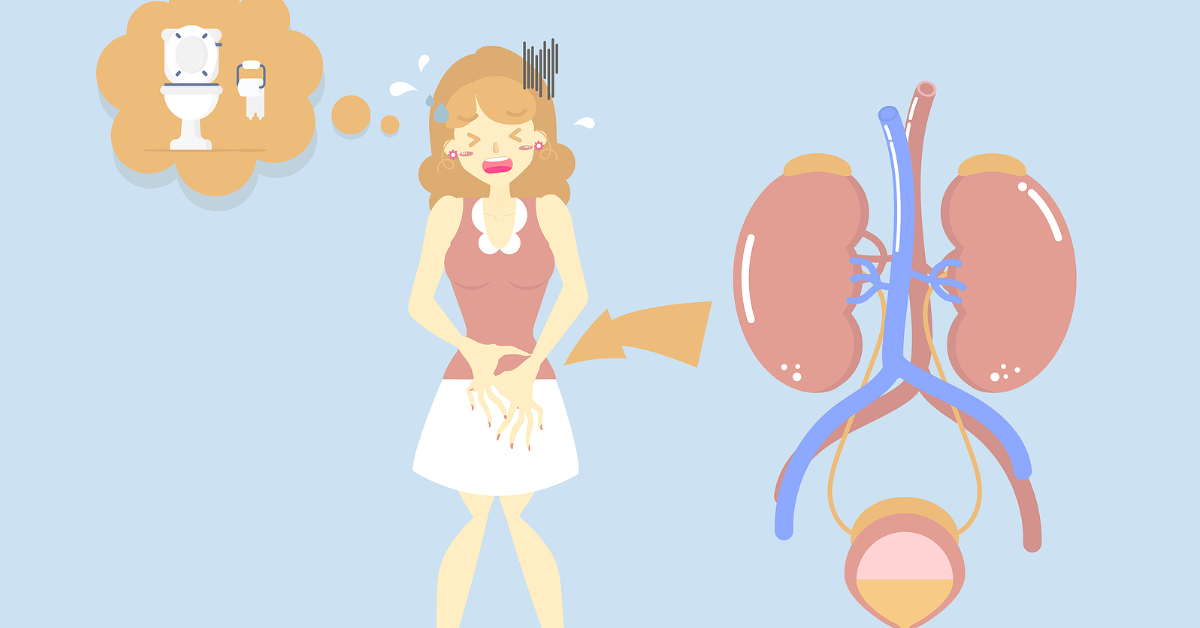
Temporary incontinence can be triggered by bladder irritants and treatable conditions, including alcohol, caffeine, carbonated drinks, artificial sweeteners, certain medications, urinary tract infections, and constipation. More persistent incontinence is often linked to pregnancy and childbirth, menopause, aging, an enlarged prostate, prostate surgery, or neurological conditions.
Treatment Starts Simple
As a rule, the simplest and safest treatments are tried first. Lifestyle and behavioral measures are genuinely effective for many people:
- Pelvic floor muscle training (Kegel exercises) to strengthen the muscles that support the bladder
- Bladder training to gradually extend the time between bathroom visits
- Reducing bladder irritants like caffeine and alcohol
- Managing constipation, limiting fluids before bed, and reaching a healthy weight
Pelvic floor muscle training in particular is well supported by the evidence as a first-line treatment, especially for stress incontinence in women (Cochrane Database Syst Rev, 2020; PMID 32378735; Int J Environ Res Public Health, 2022; PMID 35270480). Working with a pelvic floor physical therapist can make these exercises far more effective.
Medical and Other Treatments
When lifestyle measures are not enough, your healthcare provider may discuss medications, devices, or procedures. Some bladder-relaxing medications carry side effects worth discussing, and newer options avoid certain of those effects. Surgical options exist for specific situations. A thorough conversation with your doctor about the benefits and risks of each option will help you choose what fits your life best. Comprehensive guidelines outline this stepped approach for stress incontinence in detail (Mayo Clin Proc, 2024; PMID 39387798).
How Chiropractic Care Fits In
It is important to be straightforward here: chiropractic adjustments are not an evidence-based treatment for urinary incontinence, and claims that spinal misalignments cause incontinence are not supported by research. The first-line approaches that actually work are pelvic floor training, behavioral changes, and, where needed, medical treatment.
Where chiropractic care can help is with related musculoskeletal issues, such as low back, pelvic, or hip pain, that may affect your comfort and ability to stay active and exercise. At Family Health Chiropractic in Austin, we are happy to support your overall musculoskeletal health and point you toward the right resources, including pelvic floor specialists, for the incontinence itself.
When to See a Doctor
Incontinence is common but not something you simply have to accept. If it affects your daily life, see your doctor. It is also worth prompt evaluation if it comes on suddenly, is accompanied by pain, blood in the urine, or signs of infection, as these warrant assessment.
READY TO FEEL BETTER?
Book Your Appointment Today
Same-week appointments are often available. Call 512-347-8881 or request a time online.
Ready to feel better?
If you are new to our office, learn what to expect on your first visit, or explore the conditions we treat.