3 Major Joints That Impact Mobility, Flexibility, and Stability
If you have ever had nagging back, neck, or knee pain, your first instinct was probably to blame the part that hurts. It feels logical: sore back, focus on the back. But the body does not work in isolated pieces. The ankle bone really is connected to the knee bone, and a problem in one joint often shows up as pain in another.
This idea has a name in rehabilitation: regional interdependence, the recognition that a complaint in one area can be driven by impairments in a seemingly unrelated region (J Man Manip Ther, 2015; PMID 26309384). Understanding it helps explain why some stubborn aches do not respond to local treatment alone.
Mobility and Stability Alternate Up the Body
A useful way to look at the body is as a stack of joints that alternate between needing mobility and needing stability. Moving up from the ground, the ankle wants mobility, the knee wants stability, the hip wants mobility, the lower back wants stability, and the thoracic spine wants mobility. When a joint that is meant to be mobile becomes stiff, the stable joint next to it is forced to move more than it should to compensate. Over time, that compensation is where pain and injury tend to appear.
In practice this means tight ankles can contribute to knee, hip, and low back pain, and a stiff mid back can contribute to neck and shoulder trouble. Here are three joints that quietly influence how the whole system feels.
1. The Ankle
The ankle needs to bend well, especially the motion of the knee traveling forward over the toes, called dorsiflexion. Limited dorsiflexion is linked with lower-limb problems and changes how you squat, walk, and land (J Athl Train, 2013; PMID 23914912).
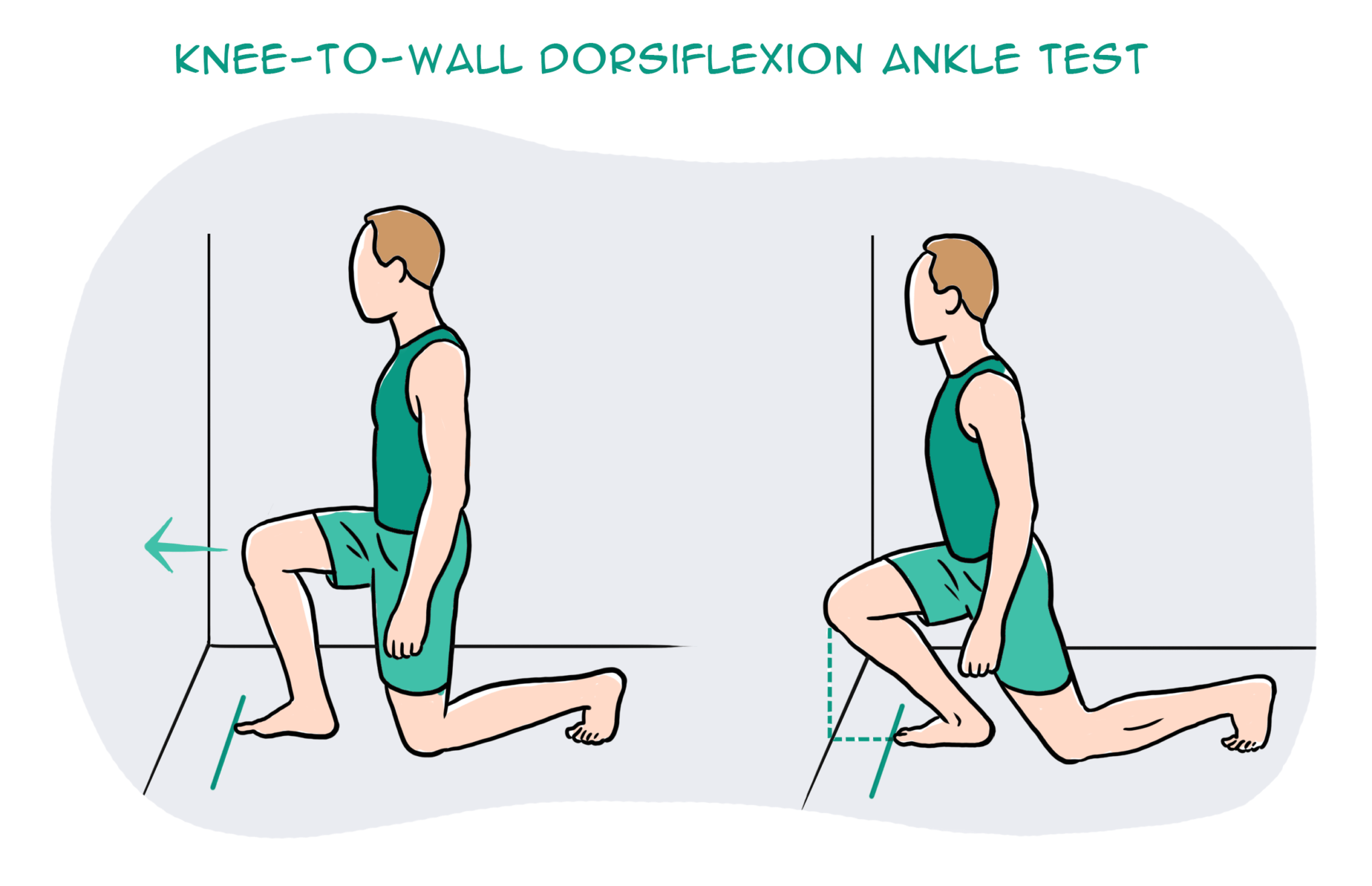
A quick self-check: kneel in a half-kneeling position facing a wall, with your front foot a few inches back. Try to push your knee forward to touch the wall without lifting your heel. If your knee cannot reach, your ankle mobility may be limited. Calf stretches, ankle mobilizations, and controlled squatting can help restore it.
2. The Hip
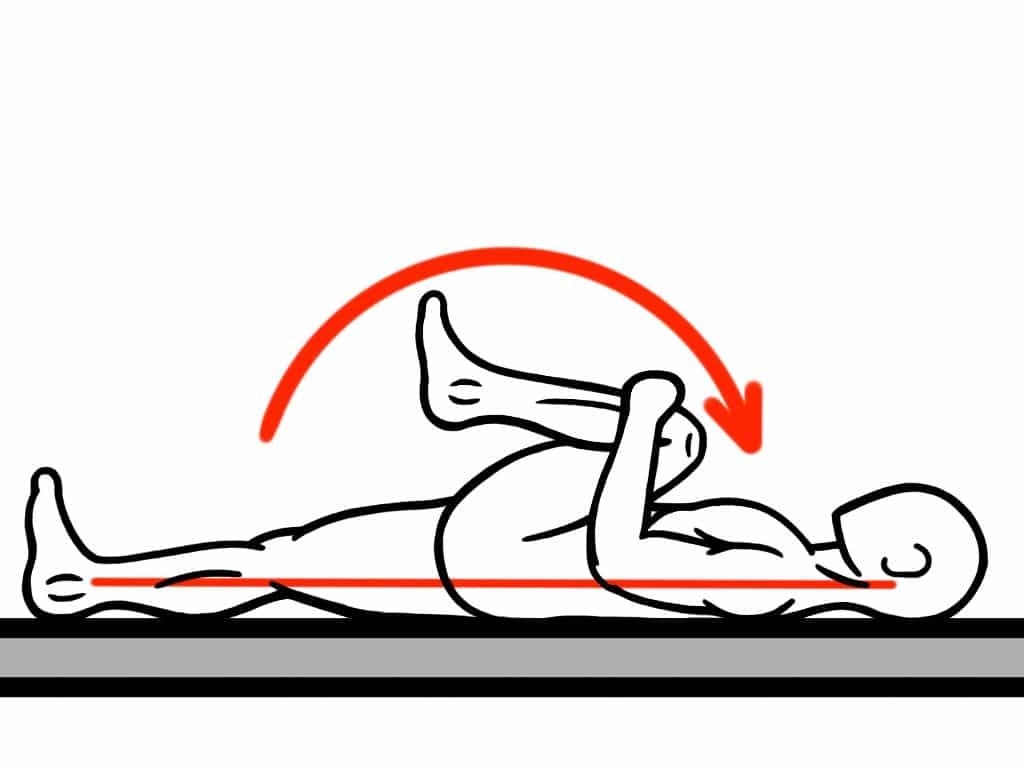
The hips are built for a large range of motion in many directions, but hours of sitting leave them tight and underused, particularly the hip flexors at the front. Stiff hips force the lower back to make up the difference, which is a common contributor to back pain.
Kneeling hip flexor stretches, glute bridges, and movements that take the hip through its full range help keep this joint mobile and the surrounding muscles strong. Because the hip sits between two joints that need stability, keeping it mobile protects both the knee and the lower back.
3. The Thoracic Spine
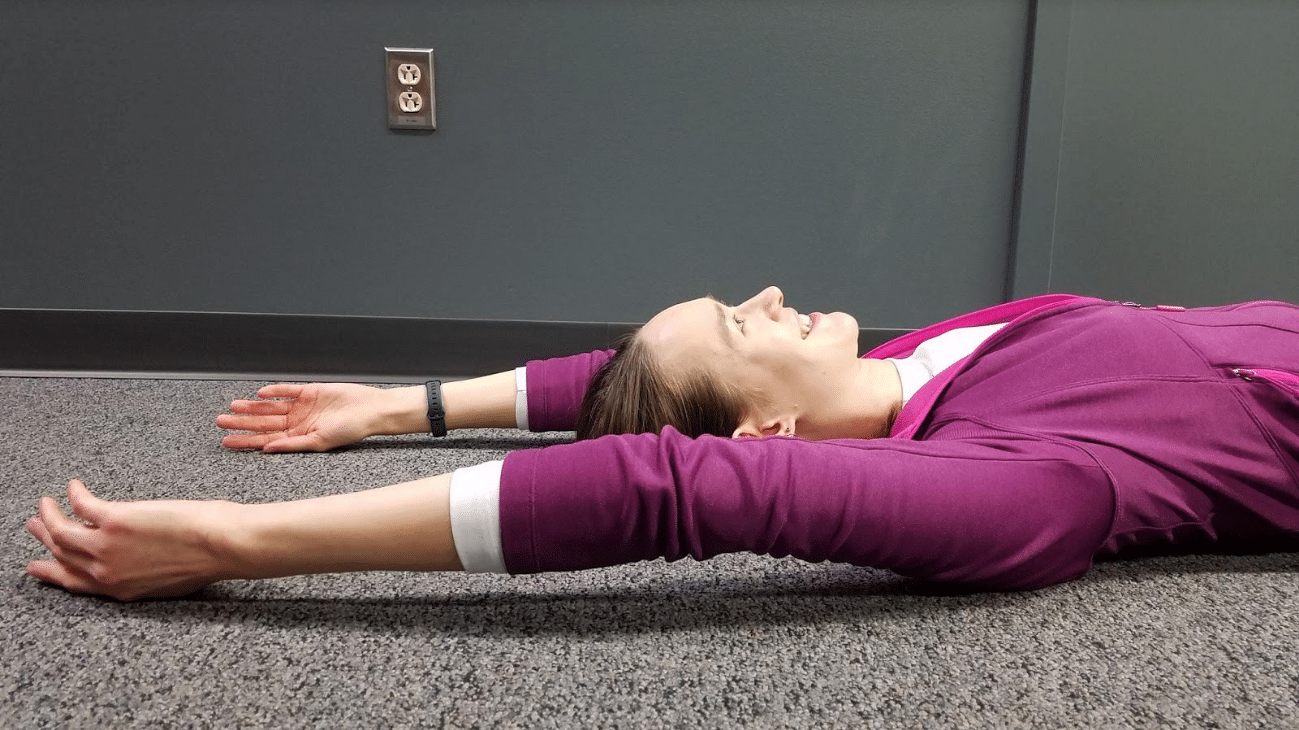
The thoracic spine, or mid back, is meant to rotate and extend freely. A life spent hunched over desks and phones gradually stiffens this region, and the body borrows movement from the neck and shoulders to compensate. Good thoracic mobility is a precursor to healthy necks and shoulders.
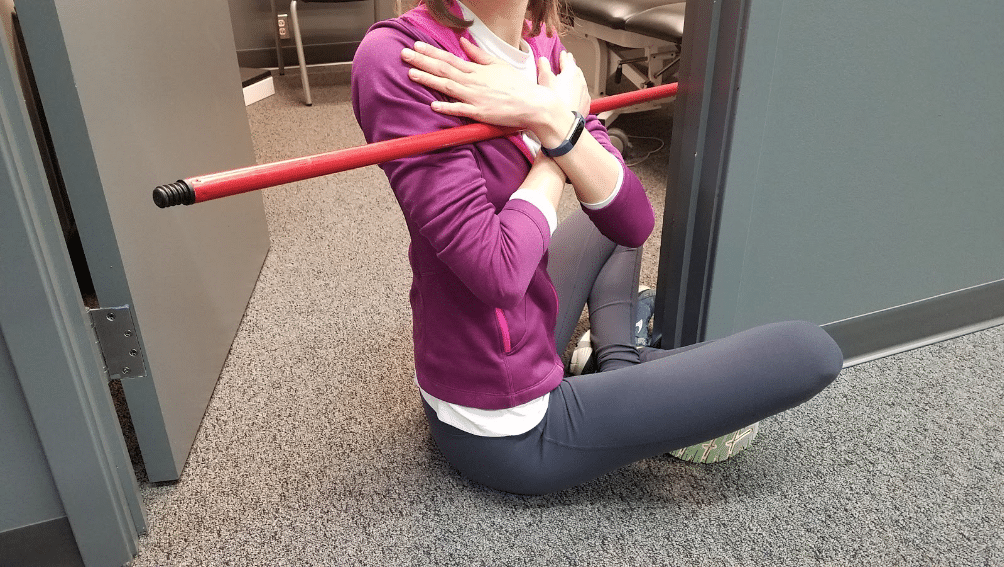
A simple test is a seated rotation: sit tall, cross your arms over your chest, and rotate as far as you comfortably can to each side, comparing left and right. Cat-cow, thoracic rotations, and extension over a foam roller are effective ways to restore motion here.
Why It Matters Even Without Pain
Movement limitations often build silently. Like a seam under strain, they can go unnoticed until something finally gives way. Addressing mobility and stability before pain appears is far easier than untangling a chronic problem later, and it keeps you moving well whether you are an athlete or simply want comfortable daily life.
How Chiropractic Care Can Help
Looking at the body as a connected system is central to good musculoskeletal care. Rather than treating only the painful spot, a thorough assessment looks up and down the chain to find the stiff or unstable joints that may be driving your symptoms. At Family Health Chiropractic in Austin, care combines hands-on mobility work with targeted exercise so the whole system moves better, not just the part that hurts.
READY TO FEEL BETTER?
Book Your Appointment Today
Same-week appointments are often available. Call 512-347-8881 or request a time online.
Ready to feel better?
If you are new to our office, learn what to expect on your first visit, or see our full range of chiropractic services.