
Can Chiropractic Help Arthritis in the Neck?
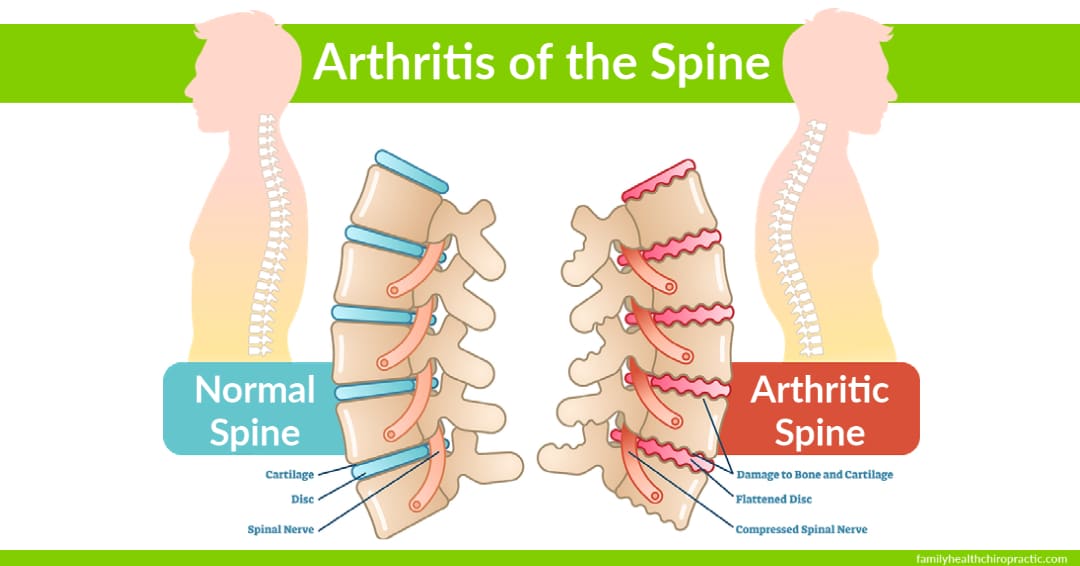
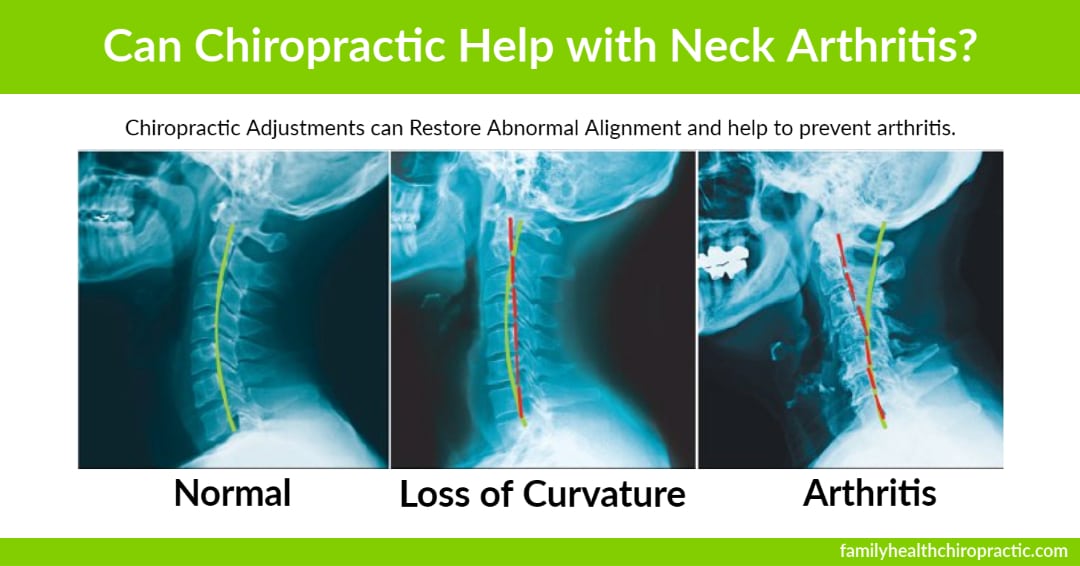
Arthritis of the neck, known medically as cervical spondylosis, is a form of osteoarthritis affecting the bones, discs, and joints of the neck. Over the years, the discs lose height and water content, cartilage wears, and the body may form bony growths called osteophytes. It is extremely common with age, and many people have it on imaging without any symptoms at all.
What Causes Neck Arthritis
Time and ordinary use are the biggest factors, so the changes become more common as we get older. Genetics, previous neck injuries, and repetitive strain can also play a role. While age is the main driver, how you load and move your neck over the years influences how comfortable that aging process feels.
When osteophytes or disc changes narrow the spaces where the spinal cord or nerve roots travel, a condition called cervical stenosis can develop. In most people this never becomes a serious problem, but in some it can cause nerve-related symptoms that need closer assessment.
Common Symptoms
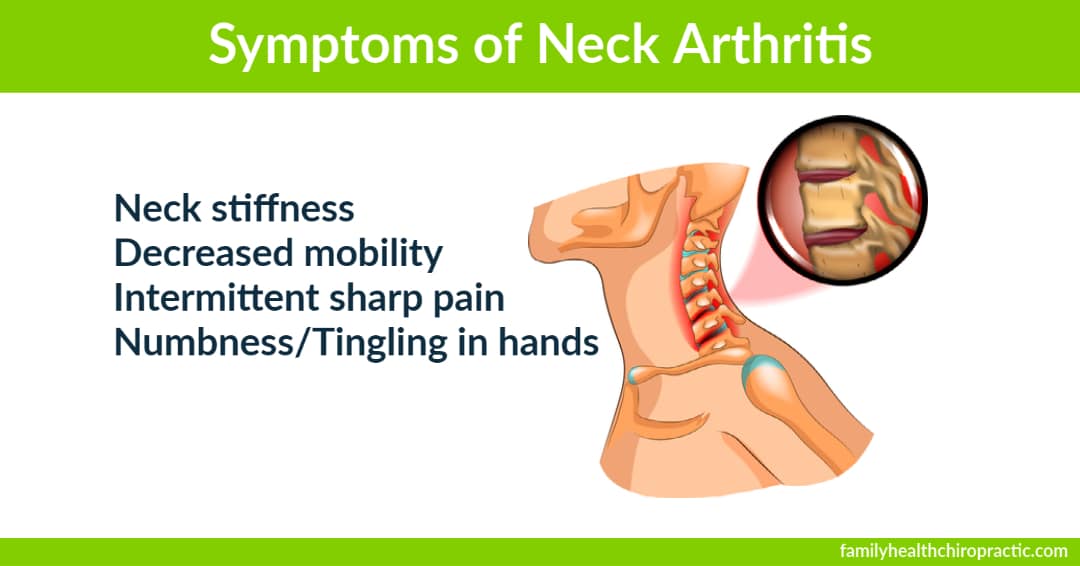
Cervical spondylosis usually develops slowly, so early on the symptoms are mild and come and go. When symptoms do appear, they commonly include:
- Neck pain and stiffness, often worse after periods of inactivity
- Reduced range of motion when turning or tilting the head
- Headaches that start at the base of the skull
- Grinding or clicking sensations with movement
- In some cases, pain, numbness, tingling, or weakness traveling into the arm if a nerve is irritated
Symptoms that involve the arms or hands, problems with balance or coordination, or changes in bladder or bowel function are less common but more important, and they warrant prompt medical evaluation.
How Bone Responds to Load
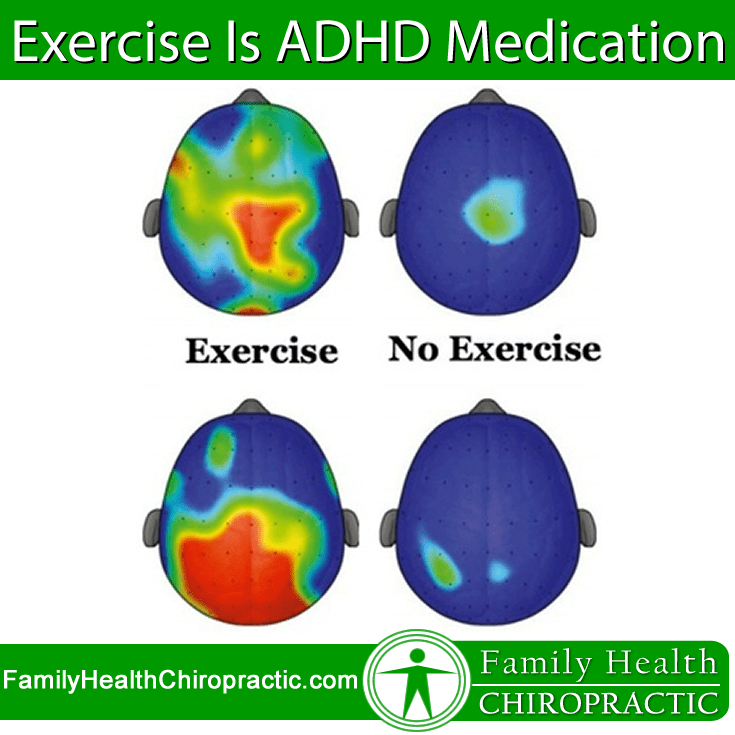
Bone is living tissue that adapts to the demands placed on it, a principle known as Wolff’s law. This is why weight-bearing and resistance exercise helps build and maintain bone, and it is part of why staying active is good for people with low bone density. The same adaptive process, however, can drive the bony changes of spondylosis when joints are loaded abnormally over long periods. Picture a shelf that bows under repeated weight and gradually thickens at the stress points to cope.
Can Chiropractic Care and Exercise Help
For the neck pain and stiffness that come with cervical spondylosis, conservative care is usually the sensible first step, and the evidence is reasonably supportive. Systematic reviews of non-specific neck pain find that manual therapy and exercise are helpful for reducing pain and improving function (J Back Musculoskelet Rehabil, 2017; PMID 28826164), and reviews focused on cervical spondylosis report clinical benefits from manual therapies (J Bodyw Mov Ther, 2026; PMID 42264804).
It is worth being accurate about what this care does and does not do. Manual therapy, mobilization, and a tailored exercise program can ease symptoms and improve movement, and they tend to work about as well as other conservative options with few side effects. They do not reverse the underlying arthritis or regrow worn cartilage, and claims that adjustments can permanently correct spinal curvature to cure or prevent arthritis go beyond what the evidence supports. Surgery is reserved for the minority of cases with significant nerve or spinal cord compression.
Managing Neck Arthritis Day to Day
- Keep the neck moving with gentle daily range-of-motion exercises rather than holding it still
- Strengthen the neck and upper back muscles that support good posture
- Take regular breaks from screens and set up your workstation to reduce sustained strain
- Use heat, gentle activity, and over-the-counter measures as needed for flare-ups
- Stay generally active, since overall fitness supports joint health
When to Seek Care
If neck pain is persistent, limiting, or accompanied by arm symptoms, a thorough evaluation can clarify what is going on and guide treatment. At Family Health Chiropractic in Austin, care focuses on relieving symptoms, restoring comfortable movement, and helping you keep your neck strong and mobile. Symptoms suggesting nerve or spinal cord involvement should be assessed by a physician promptly.
READY TO FEEL BETTER?
Book Your Appointment Today
Same-week appointments are often available. Call 512-347-8881 or request a time online.
Ready to feel better?
If you are new to our office, learn what to expect on your first visit, or explore the conditions we treat.