The Human Nervous System and Your Spine: A Simple Guide
The human nervous system is one of the most remarkable parts of the body. It is the communication network that lets your brain and body coordinate everything from movement and sensation to heartbeat and digestion. Understanding how it works, and how the spine helps protect it, is a great starting point for appreciating why spinal health matters.
The Body’s Communication Network
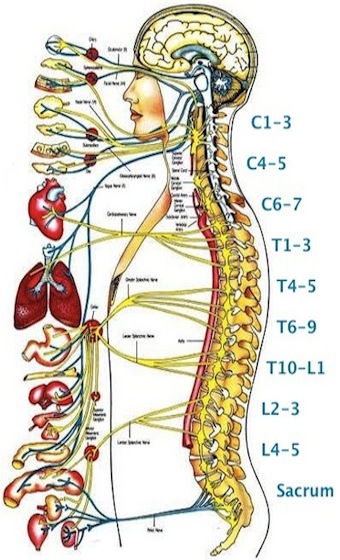
The nervous system is generally described in two parts. The central nervous system is the brain and spinal cord, which together act as the main processing center. The peripheral nervous system is the vast web of nerves branching out to the rest of the body. Signals travel from the brain down the spinal cord and out along nerves to muscles, organs, and skin, and sensory information travels back the same way. This constant two-way communication keeps the body coordinated and responsive.
How the Spine Protects It
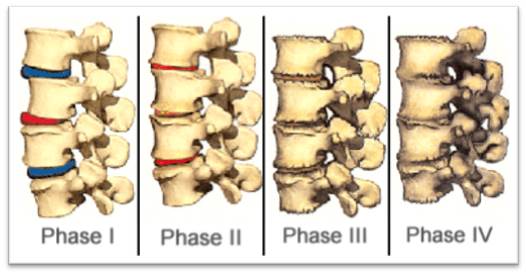
The spinal cord is delicate, so the body gives it serious protection. The bones of the spine, the vertebrae, form a flexible bony canal that surrounds and shields the spinal cord, while still allowing you to bend, twist, and move. Between each pair of vertebrae, nerve roots exit to reach different regions of the body. Because the spine houses these structures, keeping it healthy and mobile is part of caring for your overall musculoskeletal health.
When the Nervous System Is Stressed
Nerves can be irritated or compressed by specific, identifiable problems, such as a herniated disc pressing on a nerve root, narrowing of the spinal canal, or injury. These conditions can cause real symptoms like pain, numbness, tingling, or weakness, and they are diagnosed and managed based on examination and, when needed, imaging. It is worth being clear about what the evidence does and does not support: ongoing, symptomless spinal problems are not a proven hidden cause of unrelated organ disease, and you should be cautious of claims that adjusting the spine treats conditions throughout the body. Persistent or concerning nerve symptoms deserve a proper medical evaluation.
Caring for Your Spine and Nervous System
The good news is that the same habits that support your whole body also support your spine and nervous system:
- Stay active with regular movement, which keeps the spine mobile and the supporting muscles strong.
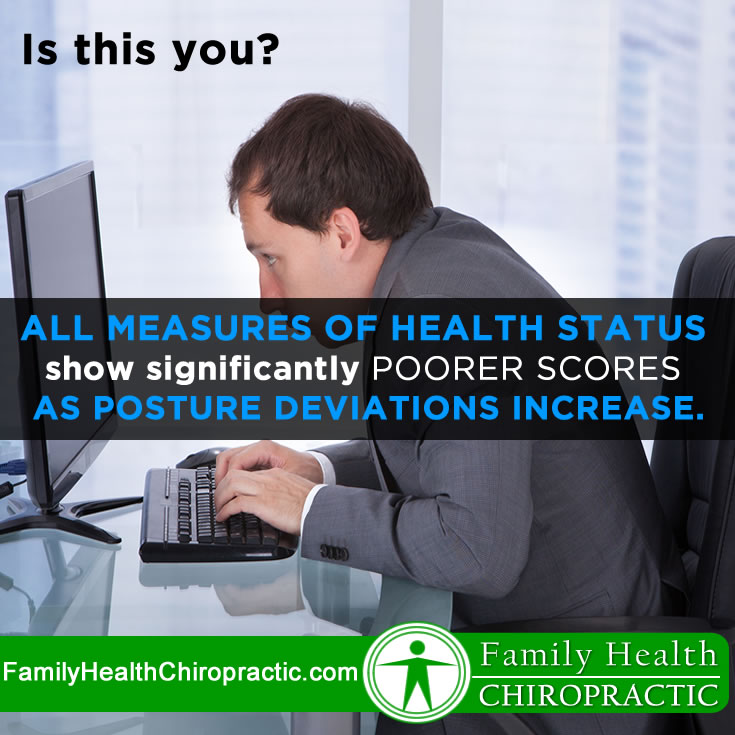
- Practice good posture and ergonomics, especially if you sit for long periods.
- Use safe lifting technique and avoid prolonged static positions.
- Prioritize sleep and stress management, which affect how the nervous system functions.
- Address back, neck, or nerve symptoms early rather than ignoring them.
Where Chiropractic Fits
Chiropractic care focuses on the musculoskeletal system, particularly the spine. For people with mechanical back and neck pain, hands-on care and exercise can help reduce pain and improve movement, which makes it easier to stay active and comfortable. That is a meaningful and honest role. If you ever experience warning signs such as progressive weakness, numbness, or loss of bladder or bowel control, seek medical care promptly, since those can signal a problem that needs urgent attention.
The Bottom Line
Your nervous system is the master communication network of your body, and your spine plays an important protective role around it. Caring for your spine through movement, good posture, and healthy habits supports comfortable function for the long run. If you have spine or nerve symptoms, a qualified provider can evaluate what is going on and help you build the right plan.
READY TO FEEL BETTER?
Book Your Appointment Today
Same-week appointments are often available. Call 512-347-8881 or request a time online.
Ready to feel better?
If you are new to our office, learn what to expect on your first visit, or see our full range of chiropractic services.