
How Your Diet Impacts Joint Pain
In functional medicine practice, it’s common to see meaningful improvement in chronic pain when patients change their diet – whether they’re dealing with neck pain, back pain, or inflammatory autoimmune conditions like rheumatoid arthritis, Sjogren’s, psoriasis or multiple sclerosis. Diet alone won’t cure these conditions, but it can substantially reduce symptoms and improve quality of life for many people.
For joint pain specifically, an anti-inflammatory diet is a great place to start. A common pitfall, though, is that once someone feels better on a strict protocol, they become afraid to reintroduce any of the eliminated foods. That isn’t always necessary – not everyone needs to stay on a restrictive diet indefinitely. Below are five steps to personalizing an anti-inflammatory diet so it stays as flexible and health-promoting as possible.
1. Start with a 30-Day Reset
Even following an anti-inflammatory diet for one or two weeks can help you start feeling better and identify possible trigger foods. So if 30 days feels like too much, start with two weeks. Many people see real improvement simply by cleaning up what they eat, since highly processed “food products” are a major driver of inflammation.
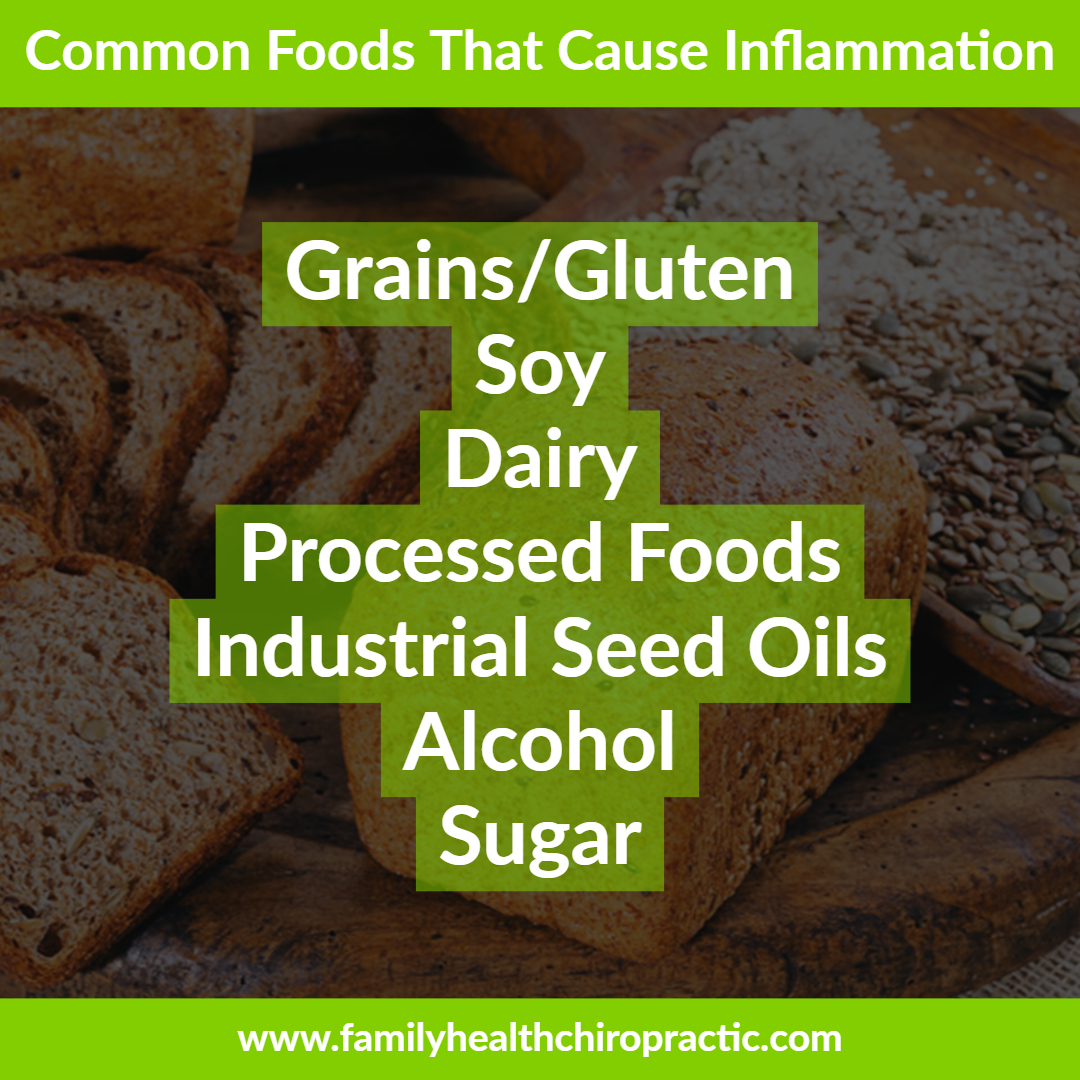
When the body is repeatedly exposed to inflammatory compounds – industrialized seed oils, artificial flavors, colorings, preservatives and highly processed carbohydrates – the immune system responds with white blood cells and signaling molecules called cytokines. That response is normal and protective in the short term, but when it’s triggered constantly, the system can shift out of balance and inflammation becomes chronic. This low-grade, smoldering inflammation contributes to many disease processes, including heart disease, diabetes, weight gain, mood disorders and joint pain.
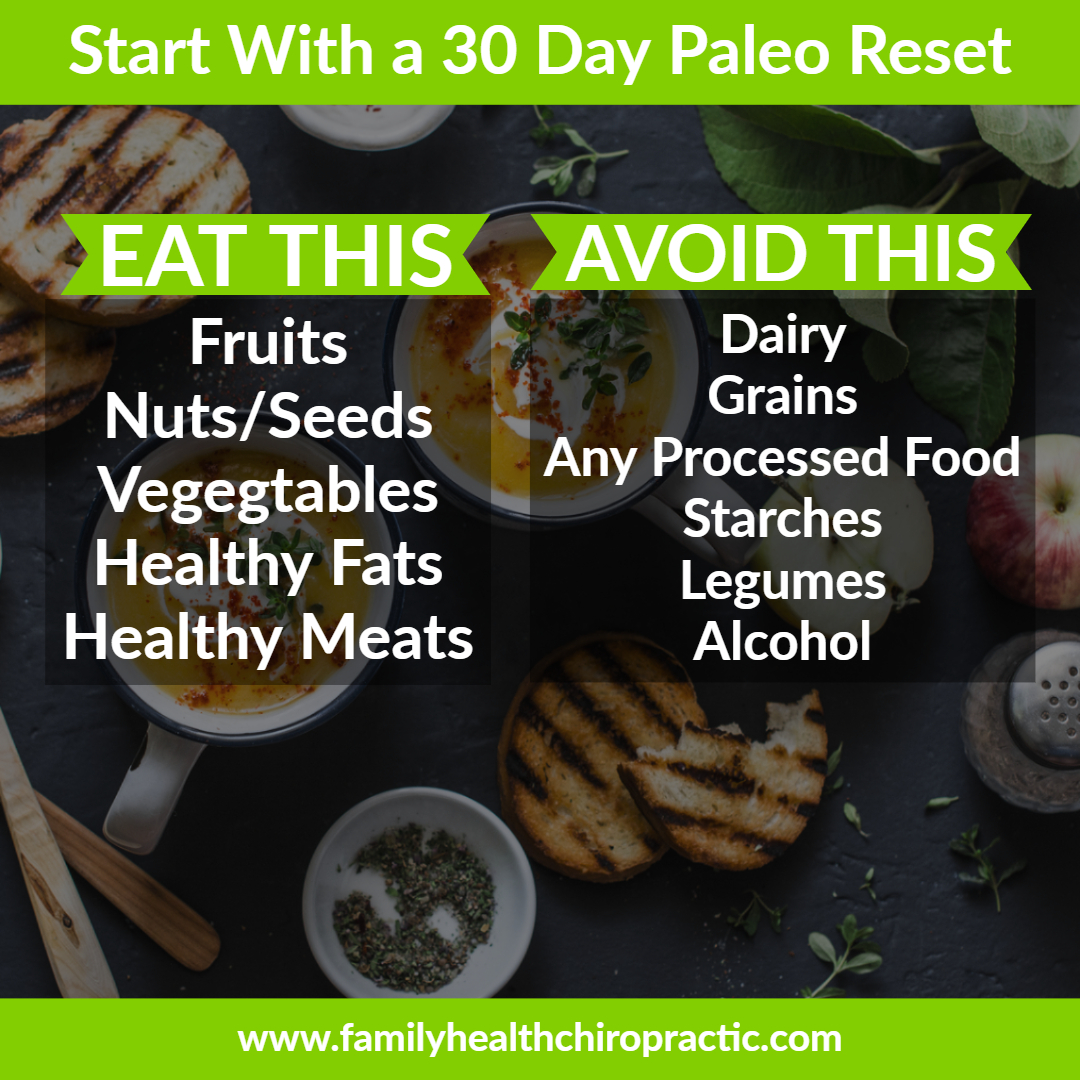
A 30-day reset typically follows standard Paleo guidelines: no grains, dairy, legumes, industrial seed oils or alcohol. For anyone dealing with chronic joint pain, headaches or back pain, this kind of reset is a reasonable starting point.

2. Optimize Nutrient Intake
Removing foods isn’t enough on its own. You also need to be deliberate about adding nutrient-dense foods that give the body the building blocks to repair tissue, balance the immune system and support the gut lining. Good additions include organ meats like liver, bone broth, plenty of colorful vegetables, high-quality meats and fats, fatty fish and shellfish, and fermented foods.
Nutrients found in liver, fatty fish and shellfish – such as vitamins A and D, zinc, choline and B vitamins – support immune balance (particularly regulatory T-cell function), energy production and tissue healing. Fermented vegetables provide both probiotics and fermentable fibers that feed existing gut flora; a healthy microbiome helps maintain the gut lining, partly through the production of butyrate, which supports regulatory T-cell function. Bone broth supplies gelatin and amino acids like proline, glycine and glutamine that can support the gut lining and help calm inflammation, which is why it’s a staple of many gut-healing, anti-inflammatory diets.
3. Reintroduce Foods Systematically
Reintroducing foods has three main benefits: tolerating a wider variety of foods supports overall healing, you learn which foods are most important to avoid, and a broader diet improves your quality of life and enjoyment of food. Reintroduction is often the hardest part of an elimination diet, because an immune response can take hours, days or weeks to appear. Some people react immediately (gluten is a common culprit), while others notice only subtle symptom changes they may not connect to a specific food.
The best approach is to choose the foods most important to you and bring them back one at a time. For those with autoimmune disease, reintroducing gluten generally isn’t recommended, but foods like dairy, eggs, nightshades, nuts and seeds can often be tolerated. Order can matter: with dairy, for example, start with ghee (lowest in milk proteins), then butter, heavy cream, fermented dairy like yogurt and kefir, cheese, and finally fluid milk. Eggs are often introduced yolk-first, and nightshades one at a time. Reintroduce just one food at a time and give it at least three days to watch for any flare in symptoms – which might be your usual joint pain or skin issues, or something seemingly unrelated like digestive upset or fatigue. If three consistent days pass with no negative effects, the food is generally fine for you.
4. Consider Testing for Sensitivities
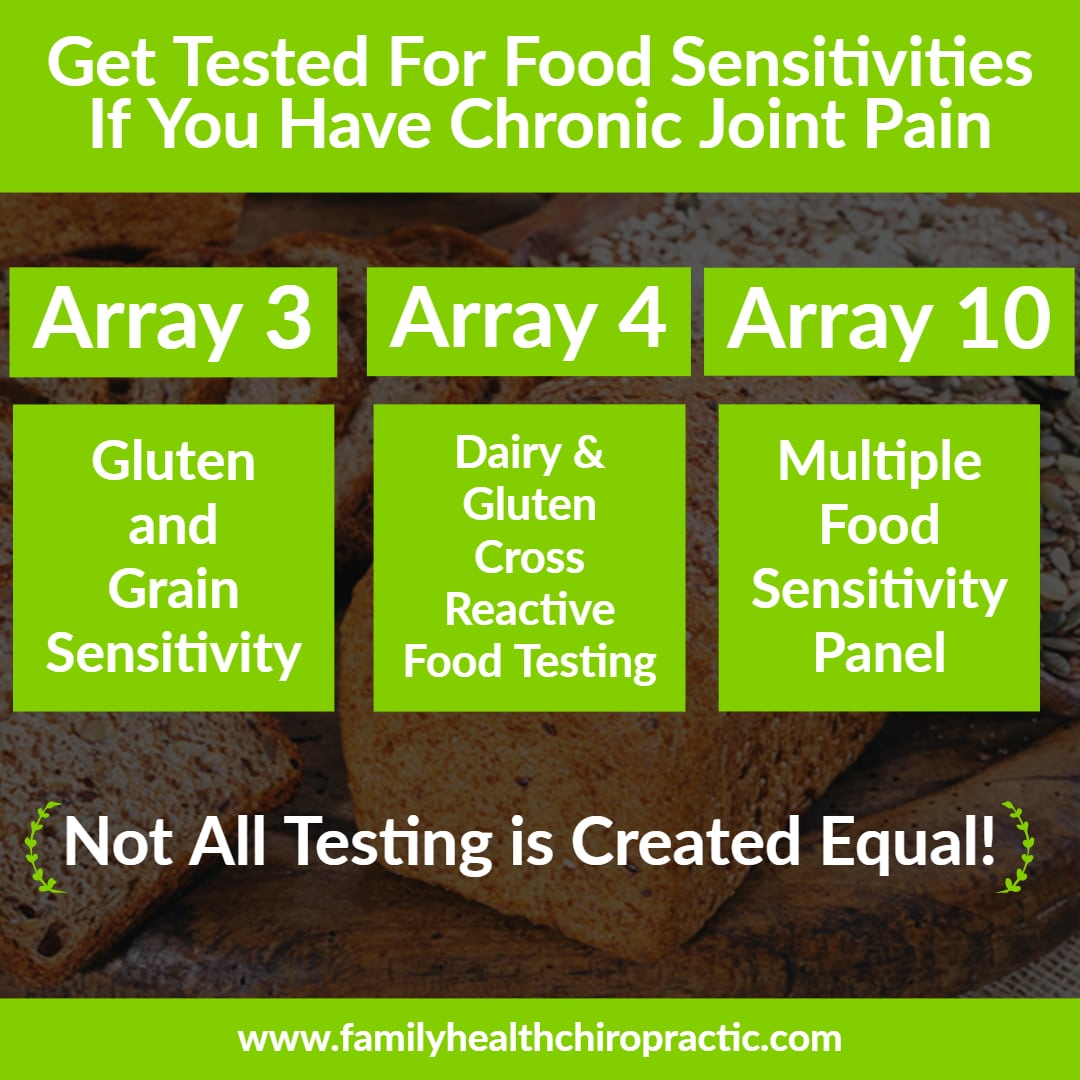
Sometimes reintroduction alone doesn’t reveal which foods are problematic. If symptoms don’t improve on a strict diet, or they return after reintroduction, you may still be eating something that triggers an immune response. In that case, food sensitivity testing can help pinpoint the culprits. Various panels test for IgG and IgA antibodies across a range of foods, including options focused specifically on dairy, eggs and gluten cross-reactivity.
One important caveat: all food-sensitivity testing depends on your immune system’s response to food, so a dysfunctional immune system can produce inaccurate results. Since the GI tract has such a large influence on immune function, it’s worth running a comprehensive stool panel before food-sensitivity testing.

5. Focus on Lifestyle
Finally, lifestyle habits beyond diet play a major role in health outcomes. It’s easy to fixate on food while overlooking exercise, stress and sleep – and poor habits in those areas can undo the benefits of a healthy diet.
Exercise helps maintain a healthy weight and supports a balanced immune system, including regulatory T-cell production, and can reduce inflammation in people with autoimmune conditions. Chronic stress, on the other hand, has been shown to reduce gut barrier integrity and can trigger or worsen autoimmune and inflammatory disorders; some research suggests chronic psychological stress impairs the body’s ability to regulate inflammation. Minimizing stress is essential for anyone dealing with joint pain, and there are many ways to do it – yoga, meditation, time with loved ones, a hug, petting a dog or a regular massage all help.
Sleep is equally important. Chronically poor sleep is both a source of stress and a source of inflammation. When circadian rhythms are disrupted over weeks or months, the body can overproduce inflammatory immune cells, increasing the risk of the immune system reacting against its own tissues.
Get Help When You Need It
By following these steps, most people with joint pain, inflammation or autoimmune issues can see meaningful improvement. Some, however, will need deeper testing and more personalized adjustments to their diet, supplements and lifestyle before they get the results they’re after – especially those with significant gut issues, long-term neurological involvement, or compounding factors like prior surgery or medication dependence. For more in-depth testing or medical intervention, it’s best to work with a qualified integrative or functional medicine provider.
READY TO FEEL BETTER?
Book Your Appointment Today
Same-week appointments are often available. Call 512-347-8881 or request a time online.
Ready to feel better?
If you are new to our office, learn what to expect on your first visit, or explore the conditions we treat.