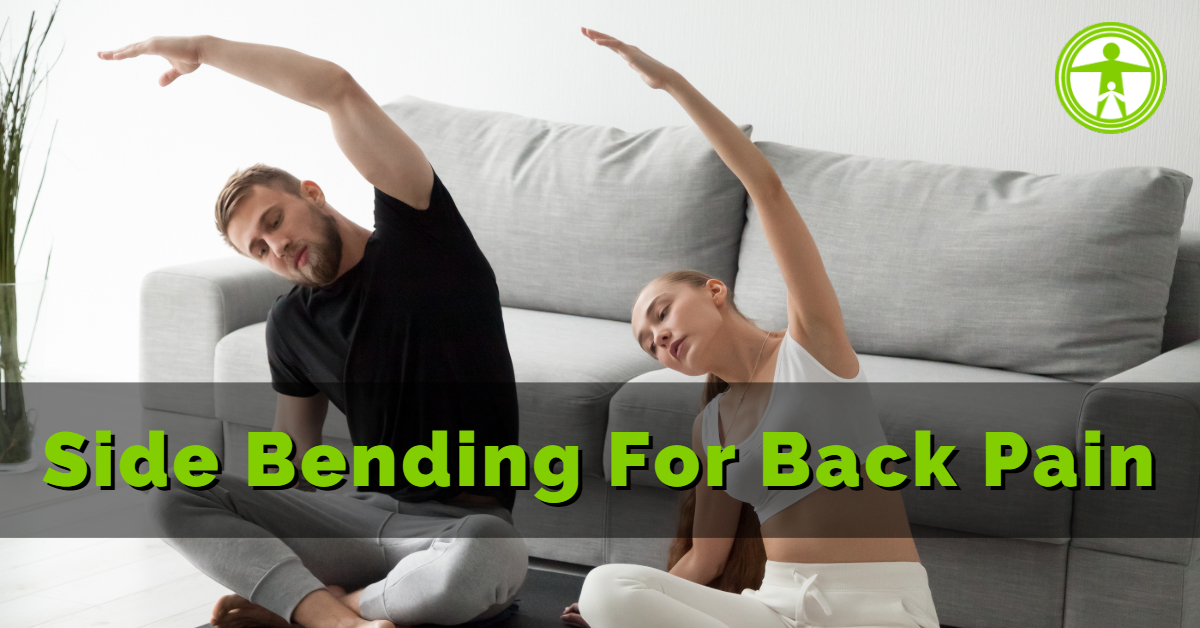
Side Bending (Lateral Flexion) for Back Pain
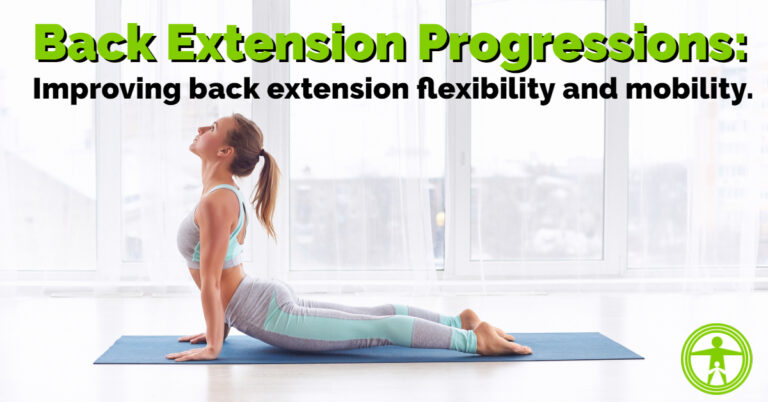
Extension (back bending) is one of the best exercises you can do for low back pain – but the reality is that all movements matter. A good rule of thumb: you only keep the range of motion in the joints you actually move. Most people rarely move their spine into extension and flexion, and even fewer move into side bending or rotation.
If you have back pain, side bending (also called lateral flexion) should not be left out. It plays a central role in activating and releasing the muscles responsible for many back problems, largely because it improves lumbo-pelvic stability. An unstable lumbo-pelvic area can lead to acute lower back injury, sharp lower back pain, spinal disc degeneration, and even knee pain, because force from the feet is unable to travel smoothly up the spine.
A deep side bend also opens up the sides of the ribs, allowing you to breathe more deeply into the lower lobes of the lungs instead of breathing shallowly. Shallow breathing contributes to tight low back muscles and creates tension in the neck and shoulders. Here is why daily side bending exercises support spine health and help with back pain.
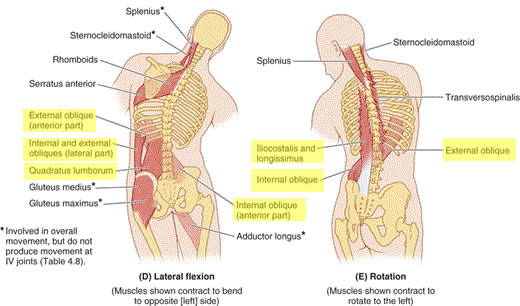
Muscles Involved in Side Bending
The primary muscles involved in side bending are:
- External obliques
- Internal obliques
- Quadratus lumborum
- Erector spinae
The erector spinae is a group of muscles that runs vertically up the length of the back and is involved in both side bending and back extension. Weakness or tightness in the erector spinae can cause the quadratus lumborum (QL) to pick up the slack, producing pain on the side of the low back rather than the center. Left untreated, tightness in the QL, erector spinae, and obliques can even contribute to shoulder pain.
More often than not, low back and neck injuries are not caused by muscles being overworked, but by muscles that are weak and untrained – and the overworked muscle is often the stronger one. Pushing the stronger, painful muscle to work even harder can lead to a sprain or tear. The fix is to train the weaker muscle to share the load. Once the weaker muscles tone up and contribute, the stronger, painful muscle works less and the ache naturally fades.
How Side Bending Can Help Back Pain
Side bending hydrates the spinal discs and stretches and stabilizes the lumbo-pelvic area, helping with issues such as:
- Lower back pain and shoulder dysfunction stemming from instability in the lower back.
- Acute lower back injury – some people can strain their lower back with something as minor as a hard sneeze.
- Chronic lower back pain that is always present but cannot be diagnosed on an MRI or X-ray.
- Accelerated spinal disc degeneration. An unstable lumbo-pelvic area means an unstable spine, which can overload particular vertebrae and cause premature disc degeneration. A stable lumbo-pelvic area uses the whole spine to move instead of just a few vertebrae.
- Knee pain. When force from the ground travels up from the feet and gets stuck at an unstable lumbo-pelvic area, it can shoot back down to the knee instead of being absorbed along the spine – often felt as knee pain after a jog. A stable lumbo-pelvic area lets that force travel up and disperse, reducing pressure on any single joint.
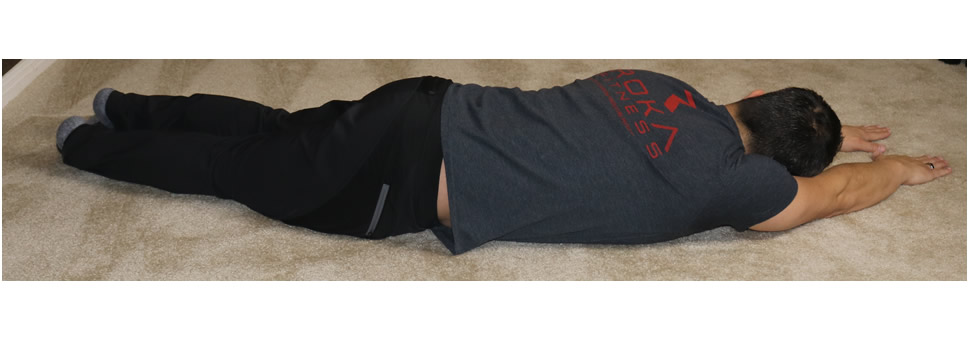
Side Bending Exercises
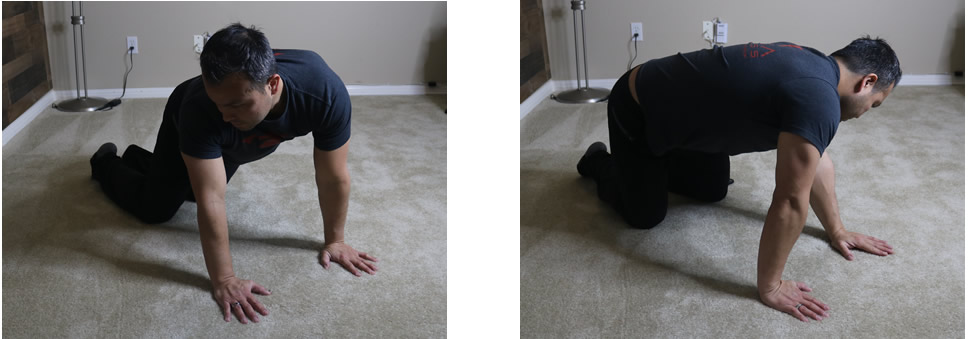
Cat-Cow Side Bending
The safest place to start side bending is on all fours. This position gives you the most control over your body and removes gravity’s compression on the spine. If this movement causes pain, try the modification below.
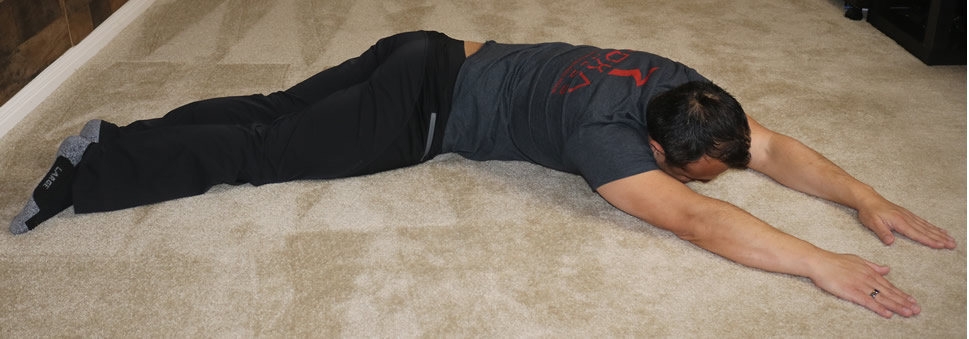
Prone Side Bending
Lie flat on the ground, face down, with your arms resting overhead. Slide the upper part of your body to one side and bring the lower part toward the same side, creating a gentle bend.
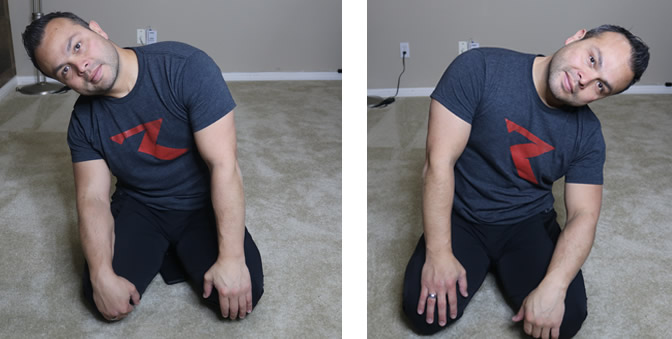
Sitting or Standing Side Bending
If you have no trouble side bending and your back pain is not severe, simply sitting or standing and bending to each side is another good option.
Final Thoughts
There are thousands of stretches online, and it can be hard to know how to do them safely. No matter how tight you feel, there is a lot you can do to improve your range of motion, joint health, and flexibility – and when paired with chiropractic adjustments, your overall health.
READY TO FEEL BETTER?
Book Your Appointment Today
Same-week appointments are often available. Call 512-347-8881 or request a time online.
Ready to feel better?
If you are new to our office, learn what to expect on your first visit, or see our full range of chiropractic services.