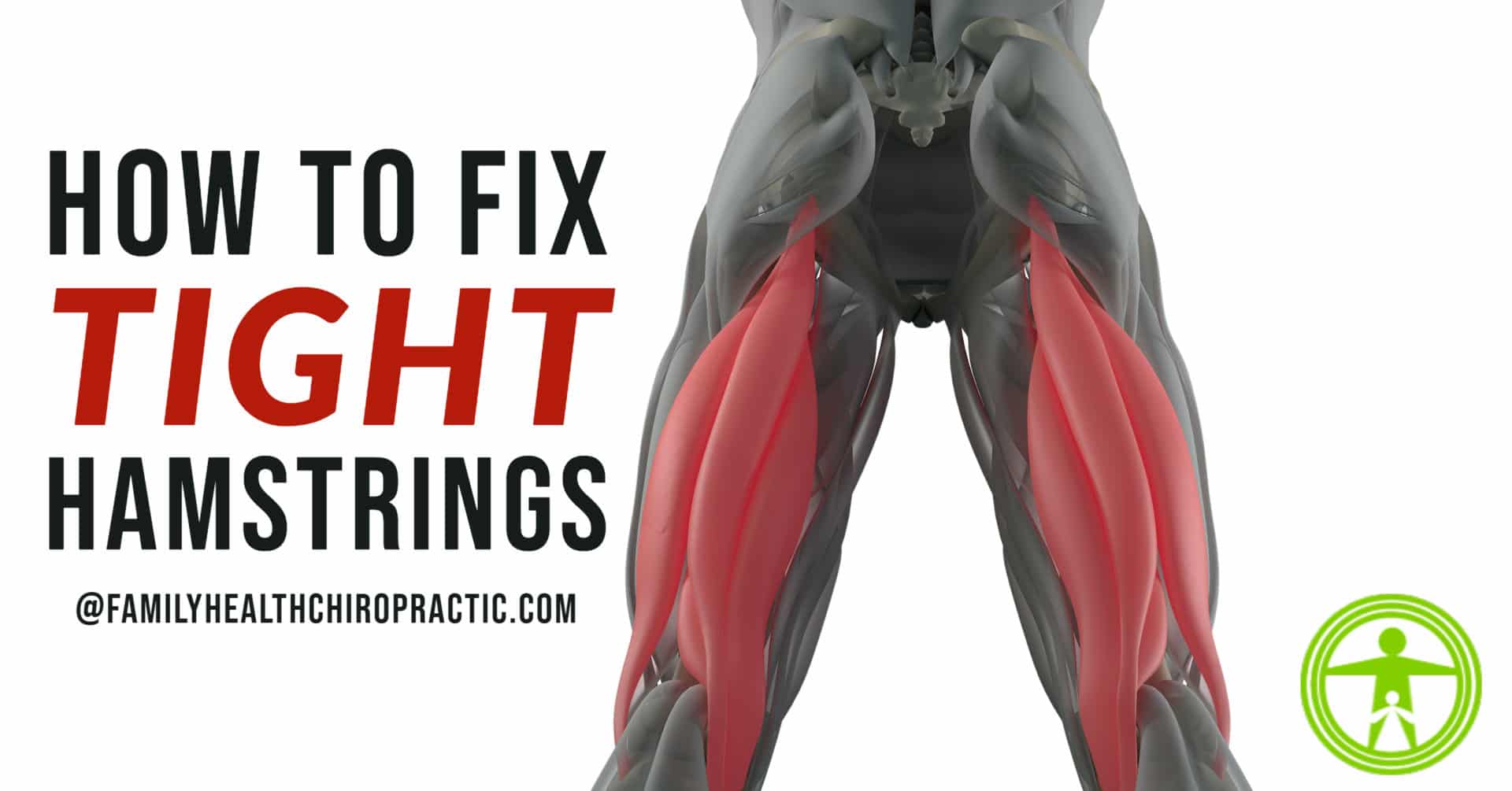
Tight Hamstrings: Fix the Cause, Not Just the Symptom
Tight hamstrings are one of the most common complaints, and the usual response is to stretch them harder. But persistently tight hamstrings are often a symptom of something else, which is why endless stretching can fail to deliver lasting relief. The key is to address the cause.

Why Hamstrings Feel Tight
Tightness is not always about a short muscle. Hamstrings can feel tight because they are working overtime to stabilize a region that is weak or poorly controlled elsewhere, such as the core, hips, or pelvis. They may also feel tight as a protective response. In these cases, stretching alone treats the symptom, not the source.
A Smarter Approach
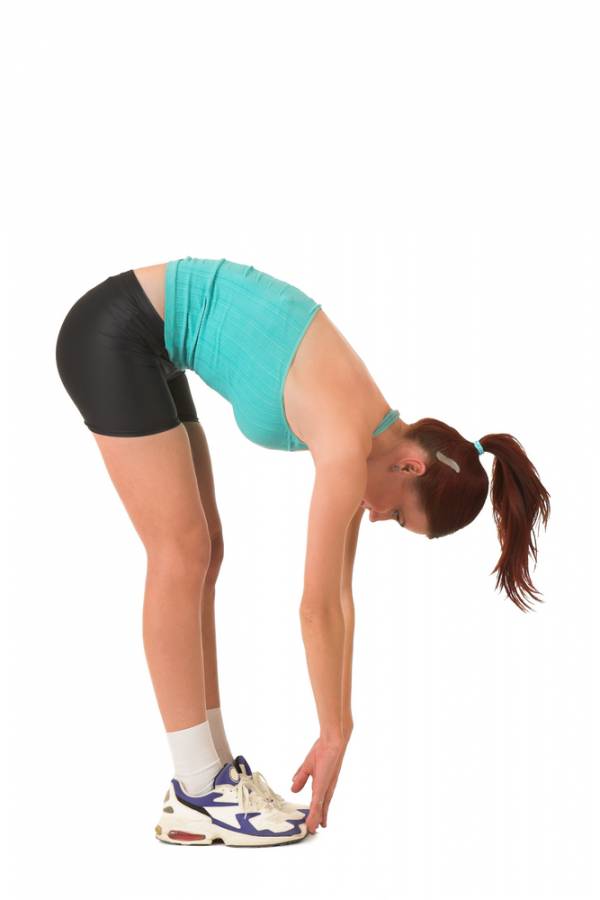
- Strengthen the hamstrings through their full range, which often improves perceived tightness more than stretching
- Build core and hip stability so the hamstrings do not have to overwork
- Address prolonged sitting, which keeps the hamstrings in a shortened, deconditioned state
- Include general movement and mobility rather than isolated stretching
Stretching Still Has a Place
This does not mean stretching is useless. Gentle stretching can feel good and help maintain range. The point is that for stubborn tightness, combining mobility with strengthening through full range tends to work far better than stretching alone.

When to Look Deeper
If your hamstrings stay tight no matter how much you stretch, or if tightness comes with pain or recurring strains, that is a clear sign to look at the bigger movement picture. An assessment can identify what is really driving it and target the actual cause.
READY TO FEEL BETTER?
Book Your Appointment Today
Same-week appointments are often available. Call 512-347-8881 or request a time online.
Ready to feel better?
If you are new to our office, learn what to expect on your first visit, or explore the conditions we treat.